
Latest
11
May
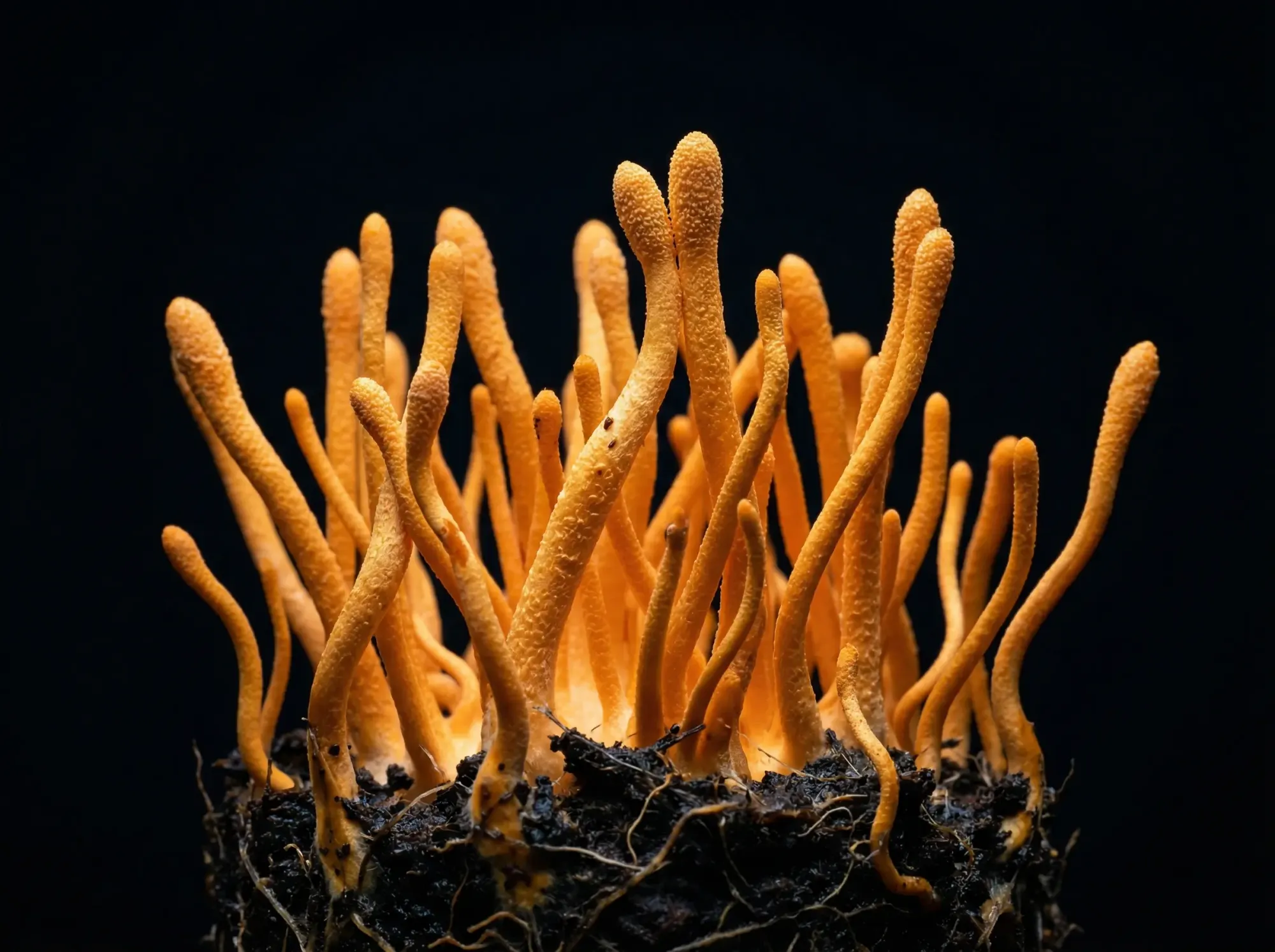
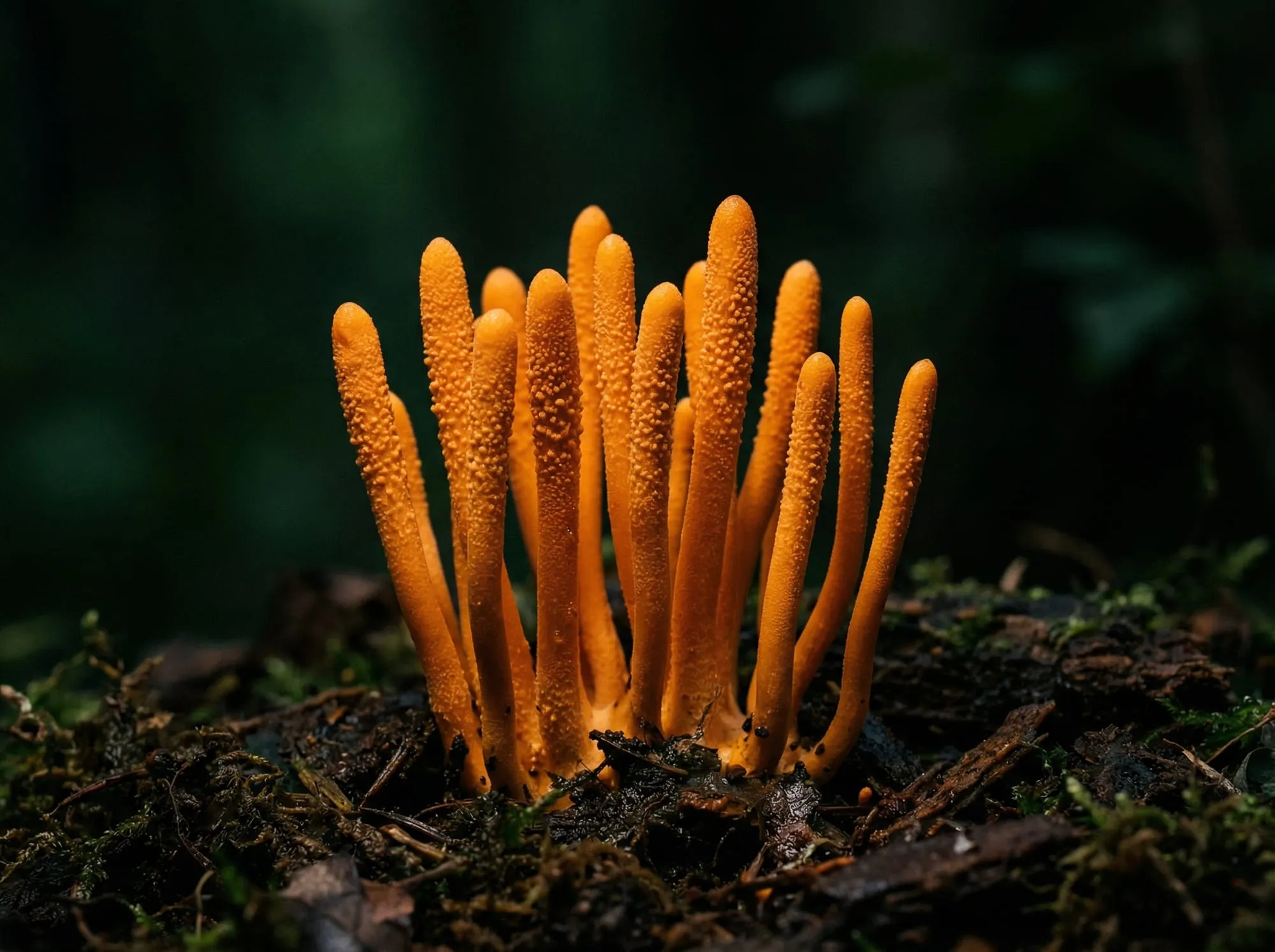
Cordyceps vs. Caffeine: A Mechanistic Comparison of Their Biological Actions
Cordycepin, a close structural analogue of adenosine, has attracted significant attention in the field of cellular energy research.
4 min read
11
May
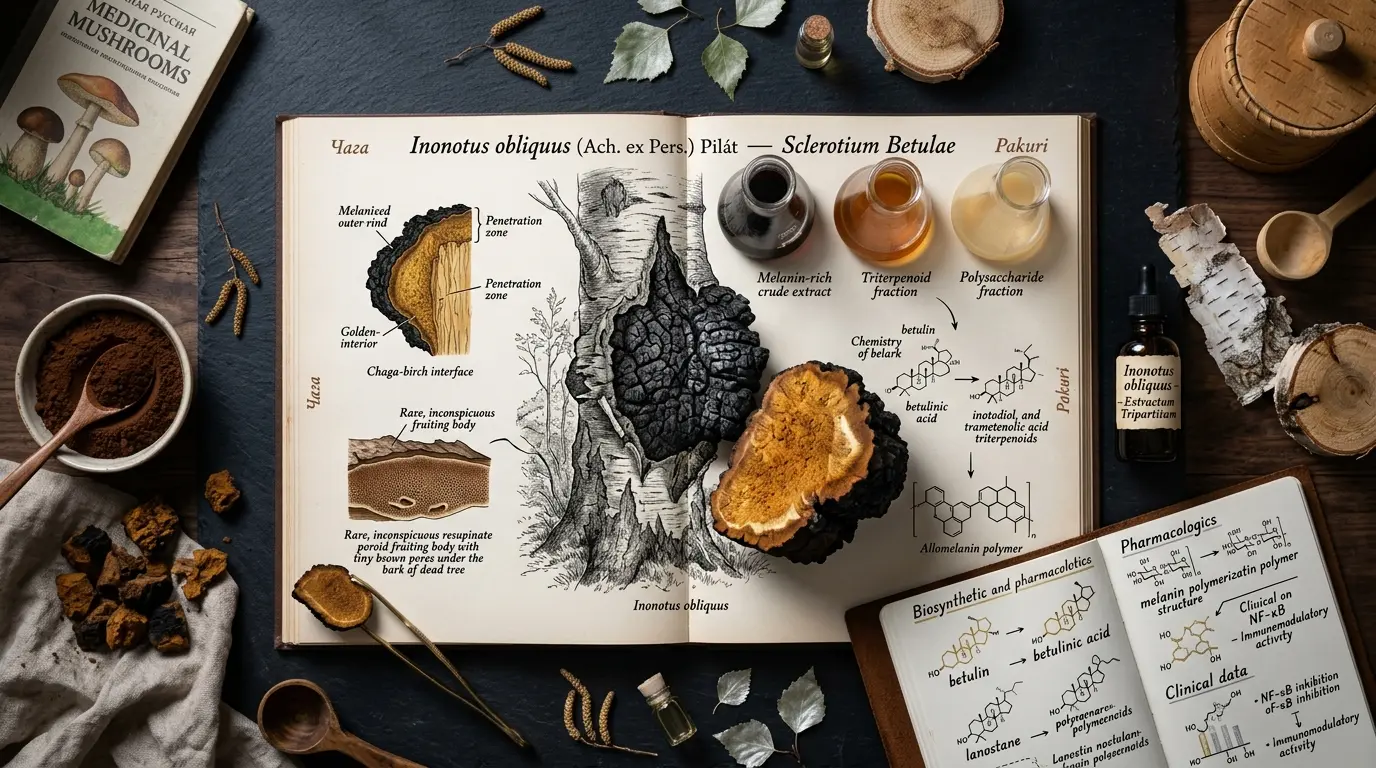
Inonotus obliquus (Chaga): The Definitive Species Compendium
Chaga (Inonotus obliquus) is among the most intensively studied fungi of the circumboreal region, distributed from Siberia to northern Europe. Its chemical identity is framed by three defining constituents—melanin, betulinic acid, and beta-glucans—which collectively shape a comprehensive portrait of
2 min read
11
May

Mycelium-Infused 3D Bioprinting for Next-Generation Tissue Engineering
Mycelium-based bioinks incorporating chitin and β-glucan constitute an emerging research frontier in tissue engineering for 3D bioprinting.
6 min read
11
May
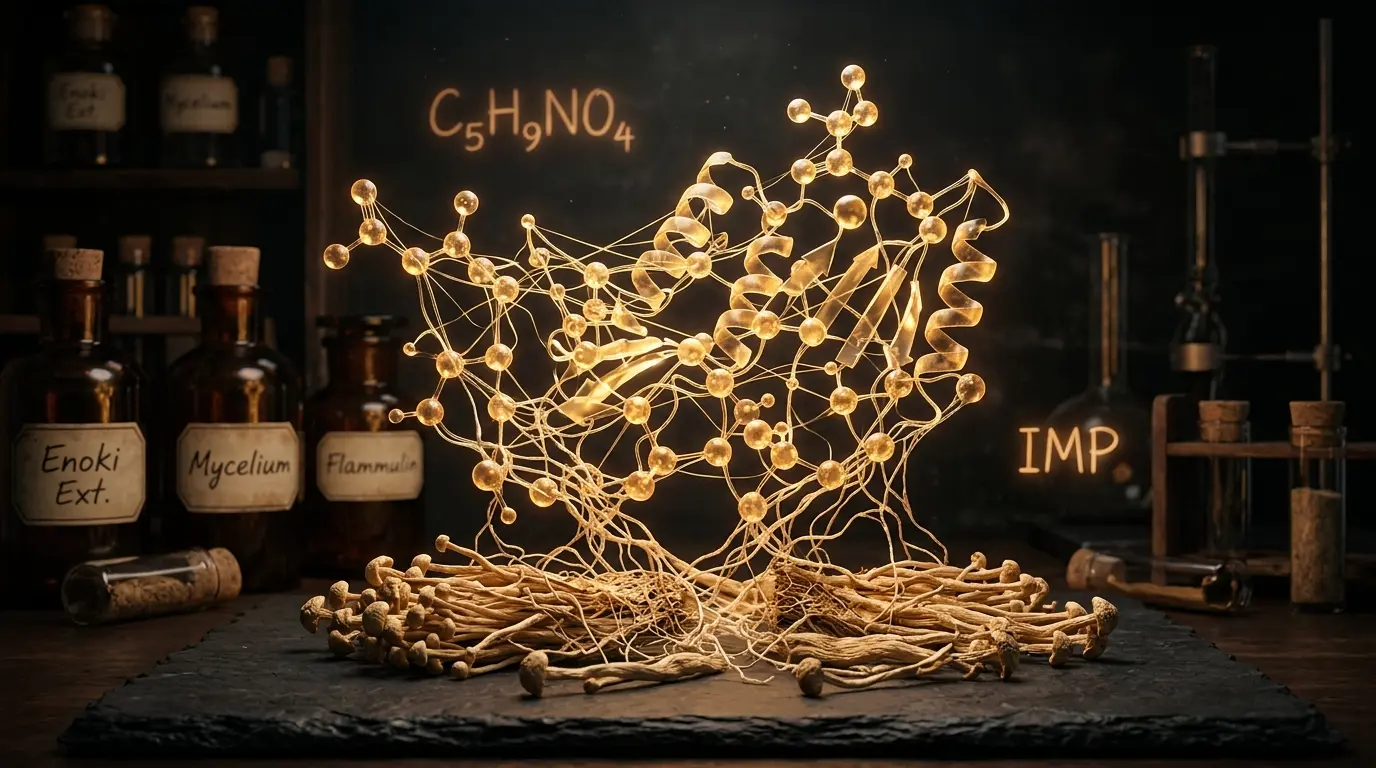
Flammulin: Unraveling the Enoki Mushroom’s Antifungal Protein
Flammulin, a protein obtained from the enoki mushroom (Flammulina velutipes), has drawn research interest for its in vitro antifungal activity. This entry covers its molecular architecture, isolation protocols, and a survey of the existing literature.
2 min read
11
May
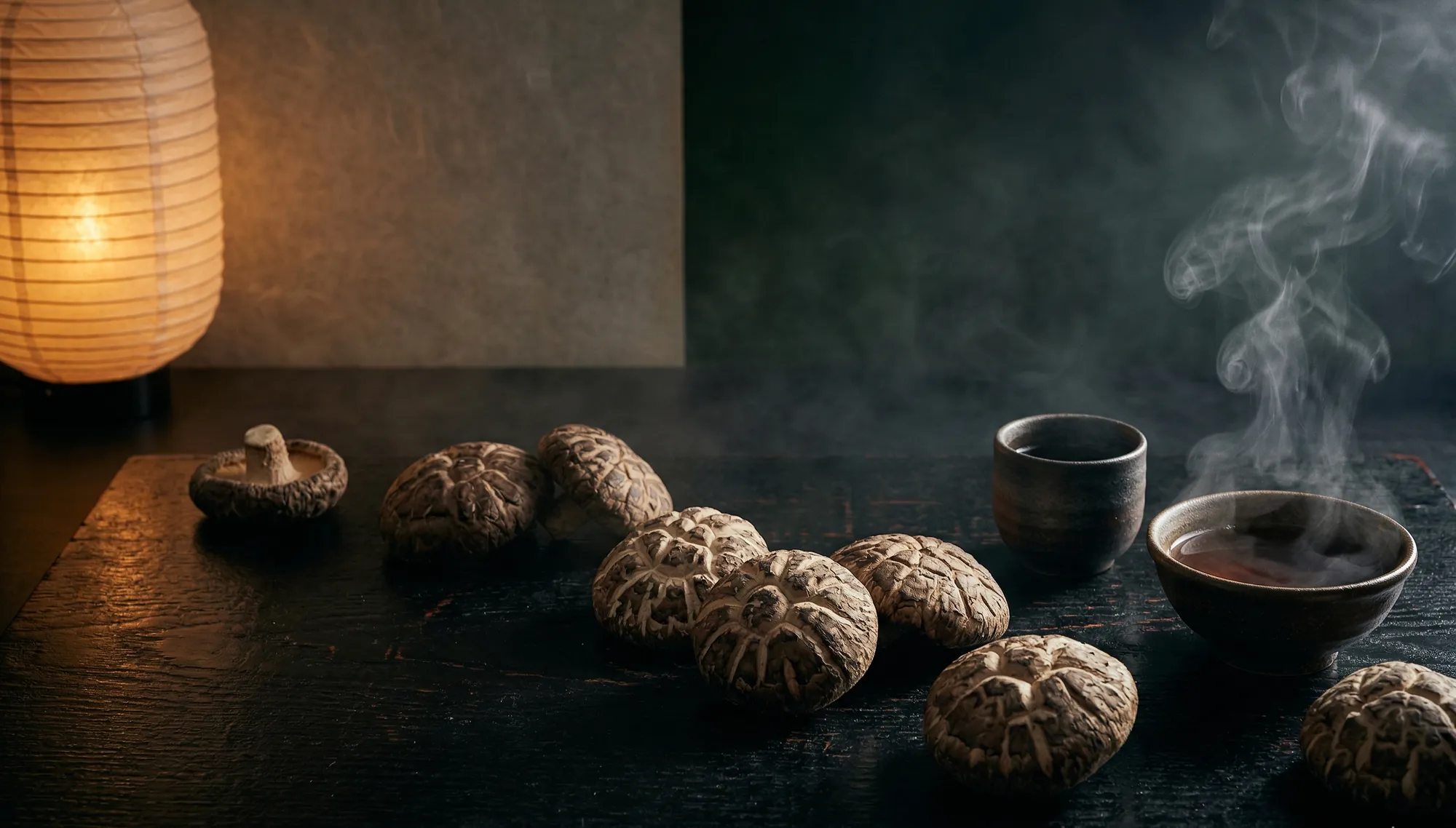
The Definitive Guide to Shiitake Donko (Lentinula edodes)
The millennia-old Japanese art of drying shiitake mushrooms unlocks the deepest stratum of umami. Among the various grades, Donko—characterized by its thick, closed cap and dense flesh—represents the pinnacle of quality. This superiority is reflected in its elevated concentrations of lentinan and gu
9 min read
11
May
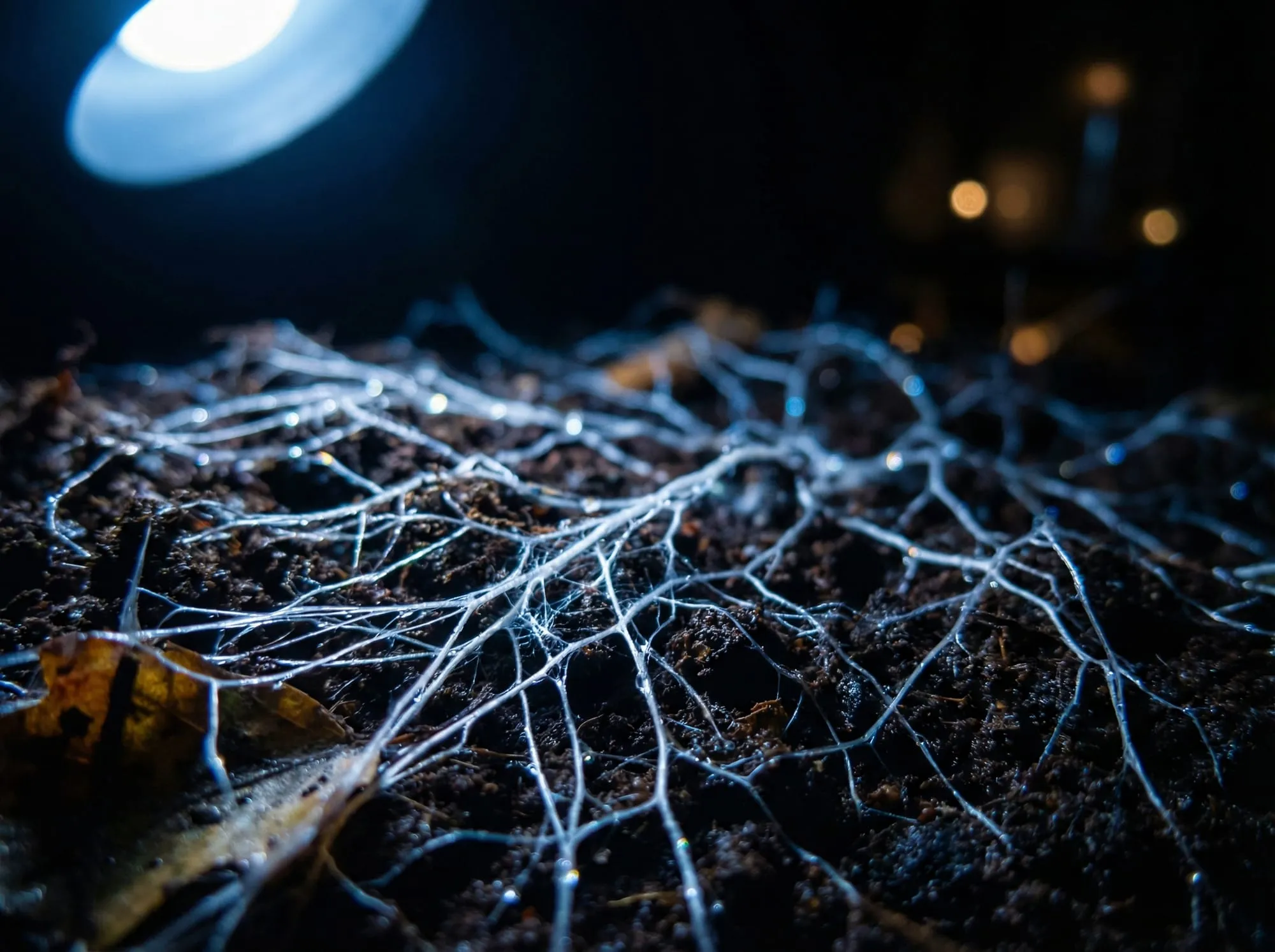
Mycelium vs. Fruiting Body: Comparative Component Profiles
The majority of commercial mushroom powder products are not derived from the fungal fruiting body, a reality the industry seldom discloses.
3 min read
11
May
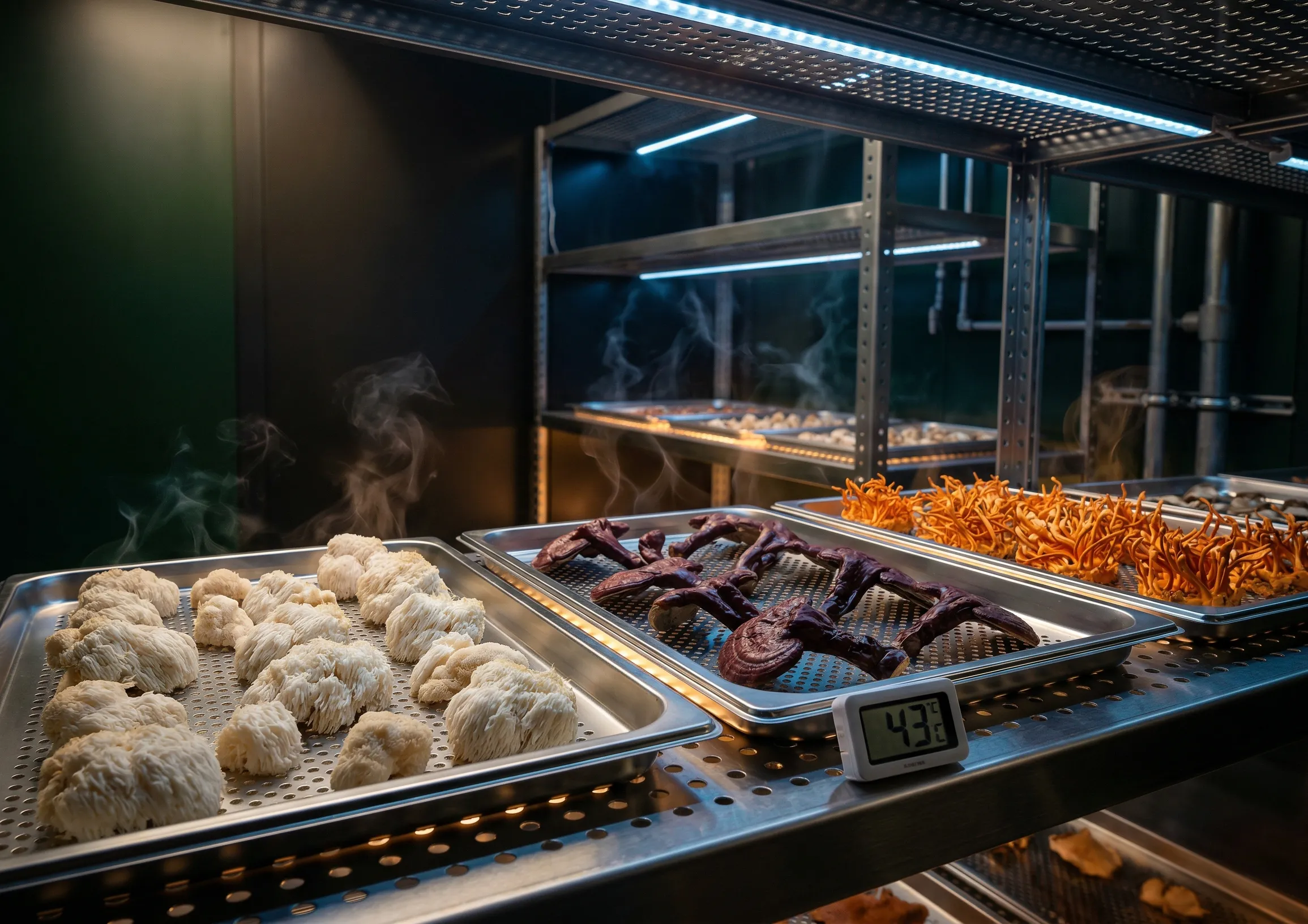
Low-Temperature Drying: The Scientific Rationale Behind the 42–45°C Cutoff
Drying is conducted at 42–45 °C over a period of 22 to 42 hours, with every batch subjected to analytical verification. This approach reflects a deliberate strategy: preserving the native conformation of enzymatic proteins through sustained, low-temperature dehydration. By eschewing the common indus
4 min read
11
May
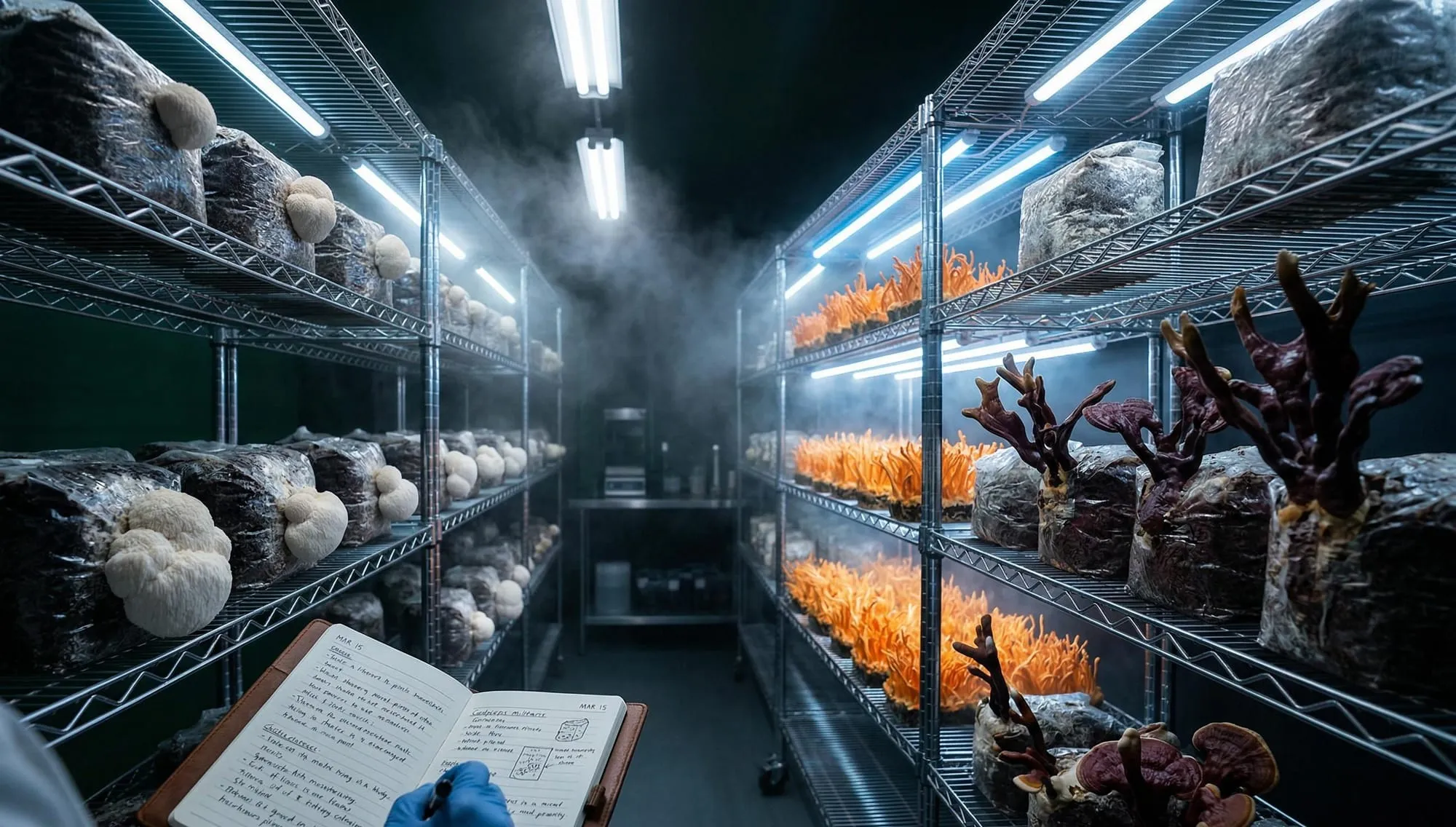
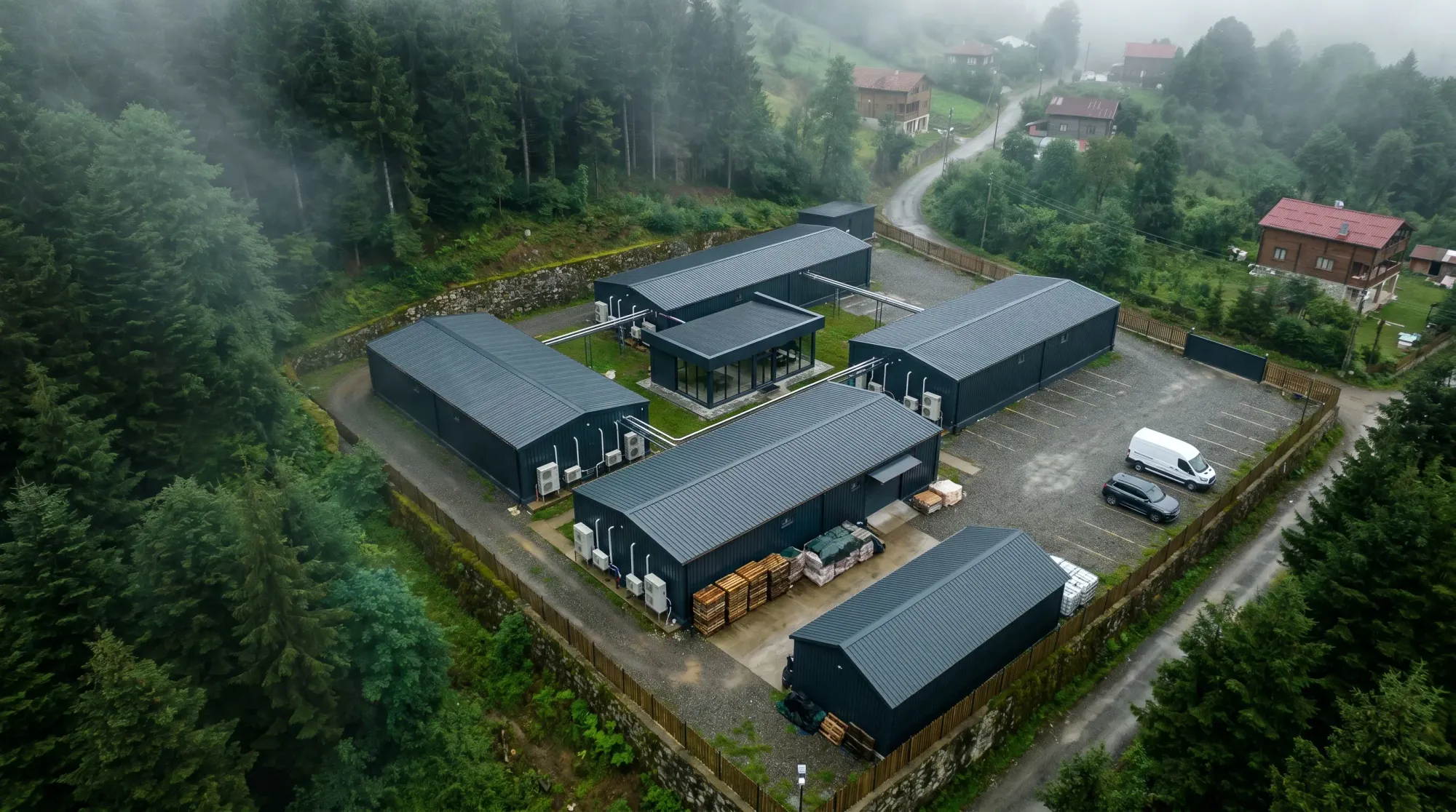
Laboratory Logbook: Documenting the Production of MYCOVITA
During the initial cycle, the contamination rate stood at 34 percent. Disclosing this figure was unwelcome, yet transparency must surpass mere slogans.
3 min read
11
May
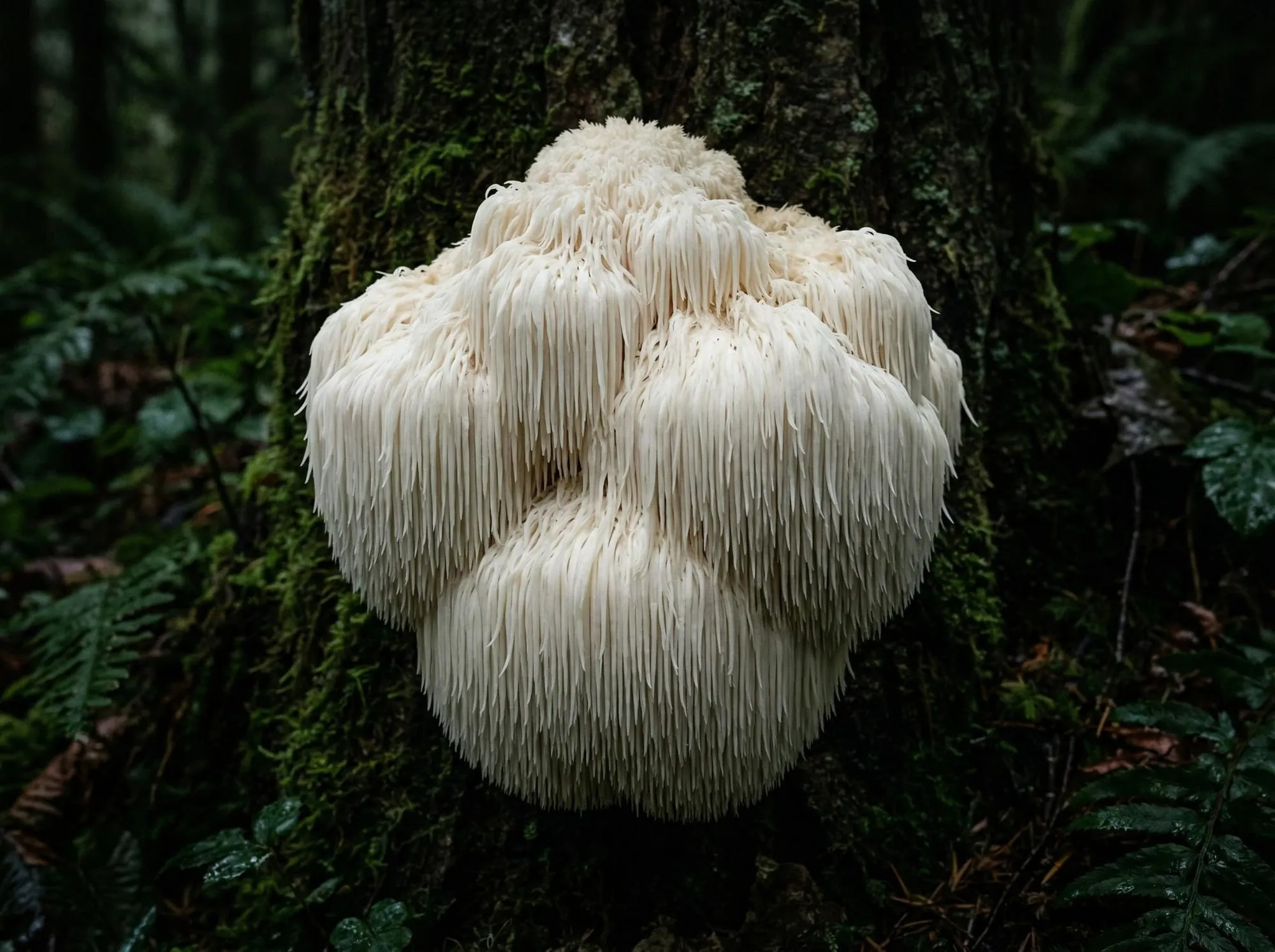
Lion’s Mane (Hericium erinaceus): A Definitive Species Compendium
The sole mushroom known to stimulate nerve growth factor (NGF) synthesis via hericenones and erinacines, bridging an 800-year-old Japanese tradition with modern neuroscience.
7 min read
11
May
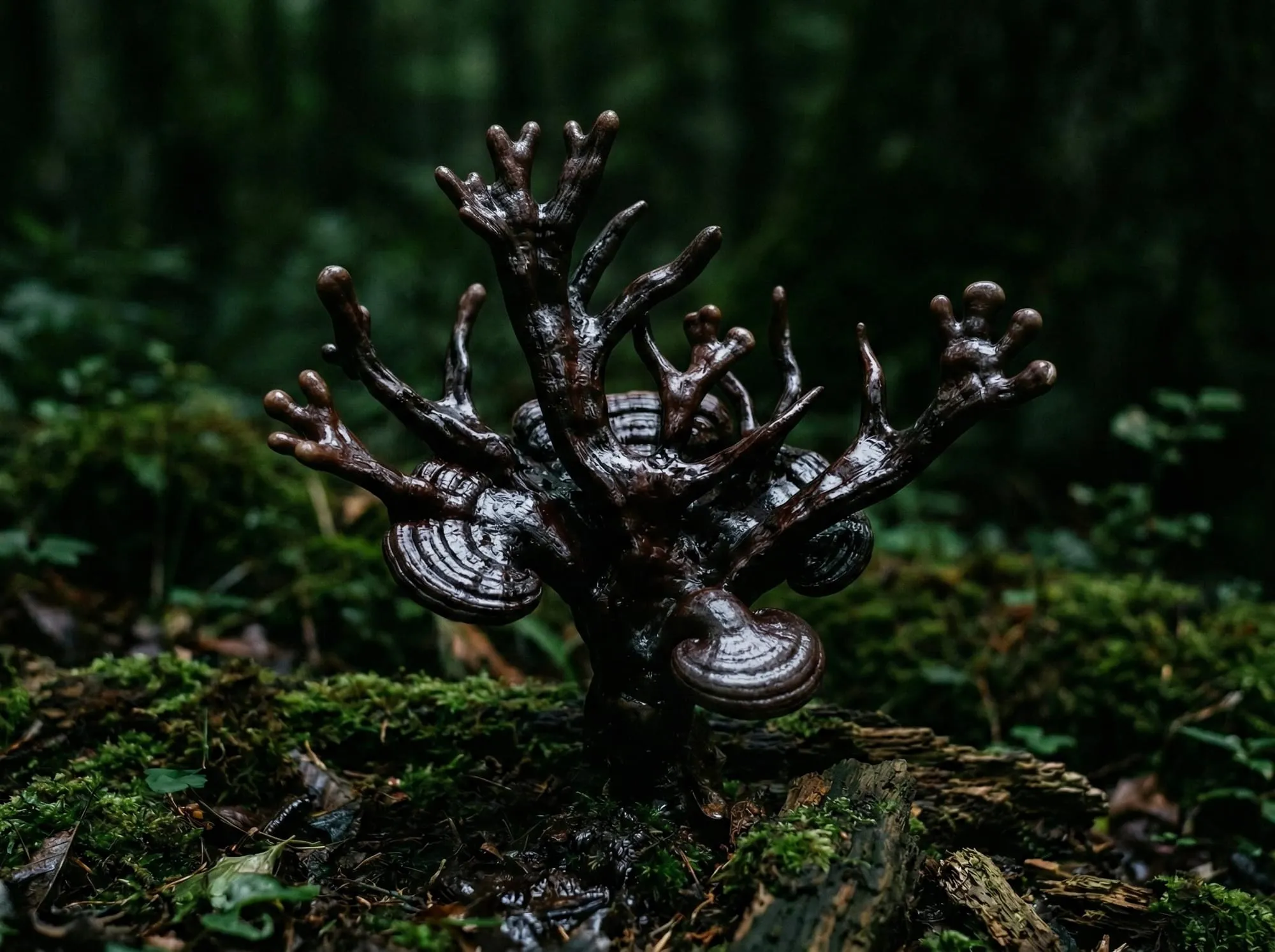
Encyclopedia of the Black Antler Morphology in Reishi (Ganoderma lucidum)
Variation in antler morphology is governed by triterpenoid concentration, carbon dioxide–mediated growth regulation, and the interplay between dormancy and physiological stress as outlined in the organism’s research profile.
6 min read