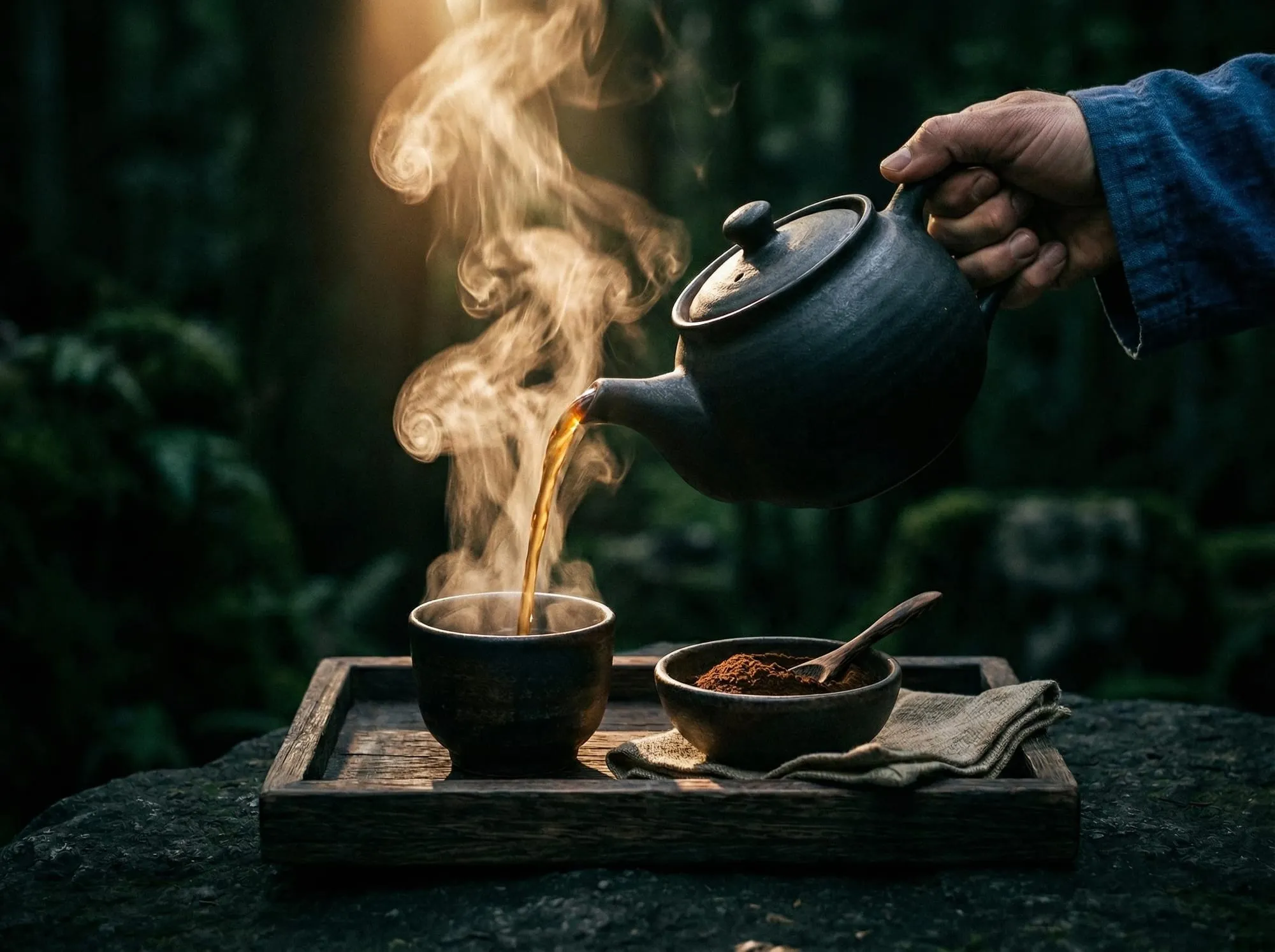
Mycelium vs. Fruiting Body: Comparative Component Profiles
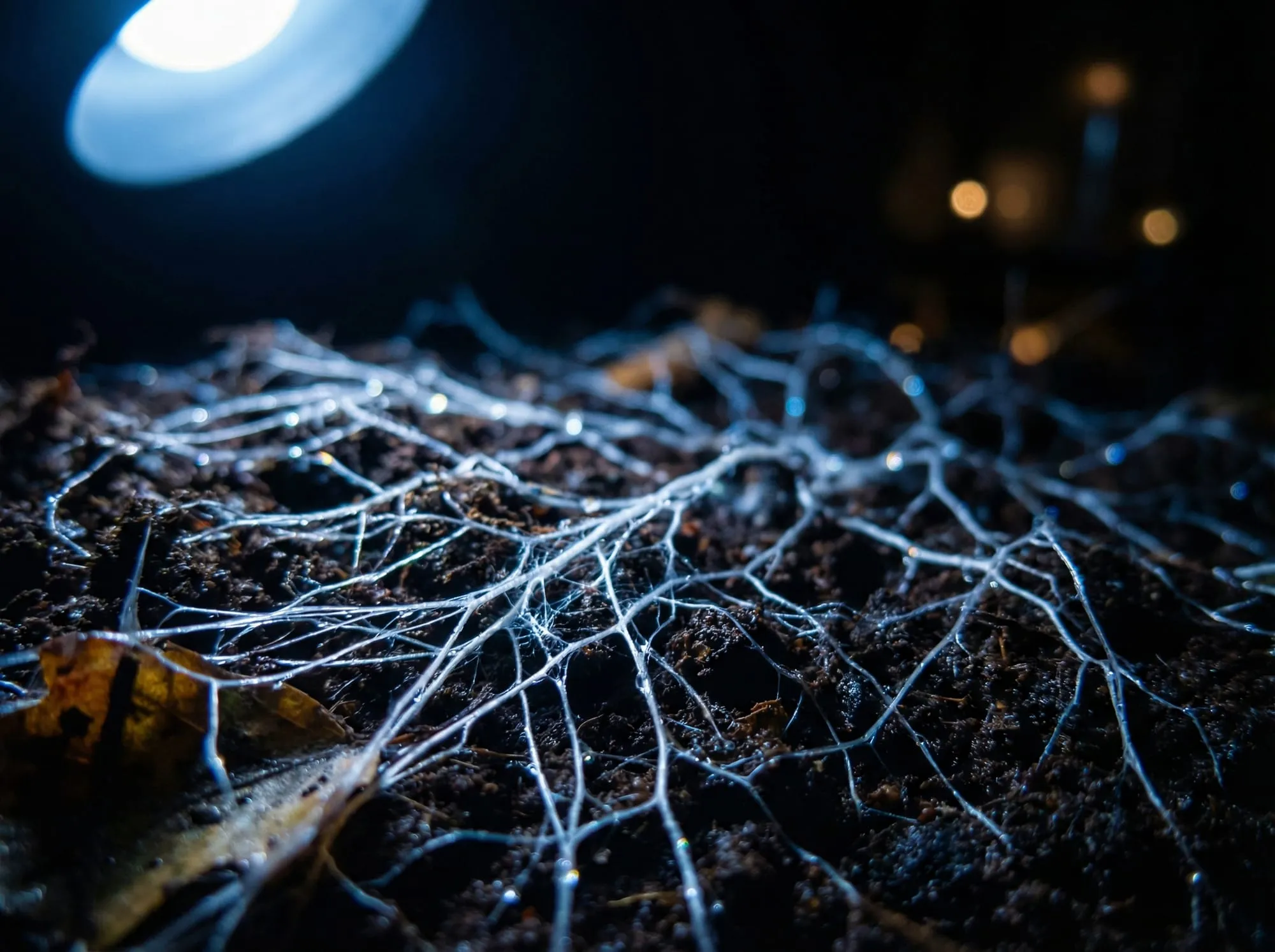
Mycelium Library No.05
— THE HOOK —
The vast majority of ‘mushroom powder’ products on the market are not fruiting body.
Millions of people purchase these products unaware of this fact. And the vast majority of sellers do not disclose it — because if they did, questions would begin.
Why does this difference matter? And what did MYCOVITA choose?
The Two Lives of the Mushroom
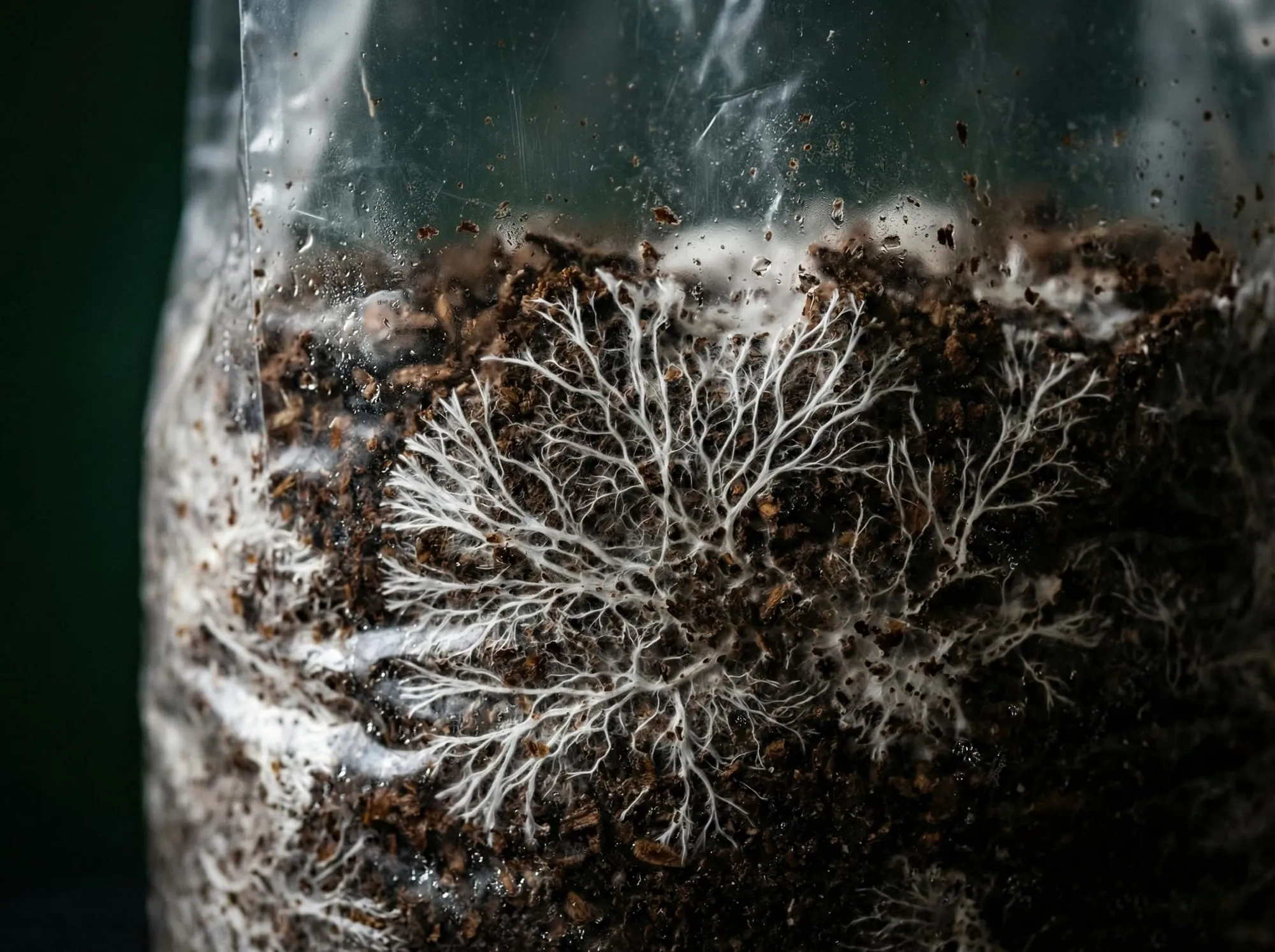
Mycelium: The thread‑like network of the mushroom that lives underground or within the substrate. The invisible part. Nutrient absorption and growth occur through this web.
Fruiting body: The part you see, harvest, and eat. Cap, stem, spore‑producing structures. The mushroom’s ‘visible’ form.
Both are parts of the same organism. Yet their biochemical profiles differ.
Where Does Beta‑Glucan Concentrate?
The answer to this question lies at the heart of the preference debate.
Beta‑glucan polysaccharides reside in the mushroom cell wall. The cell density in the fruiting body is far greater than in mycelium. Consequently, a good‑quality fruiting body powder may contain 15–45% beta‑glucan, whereas mycelium powder typically falls within the 1–5% range.
However, a critical confusion persists: the vast majority of mycelium powders on the market are not actually from the mycelium itself — they derive from the grain substrate on which the mycelium grew. In essence, mycelium powder contains grain residue.
When you examine a COA: if alpha‑glucan is high, it means starch is high. Starch = grain residue. This elevated alpha‑glucan‑to‑beta‑glucan ratio is the clearest indicator of substrate‑inclusive mycelium powder.
Does Mycelium Then Have No Value?
This question deserves an honest appraisal.
Mycelium does contain biologically active substances. Some studies indicate that mycelium extracts exhibit specific biological activity.
However, that activity is at a lower concentration compared to the fruiting body. And in substrate‑inclusive mycelium powder, the activity is further diluted — because part of what you are measuring is grain.
MYCOVITA evaluated this debate and made a clear choice: the fruiting body.
The Cost of the Fruiting Body
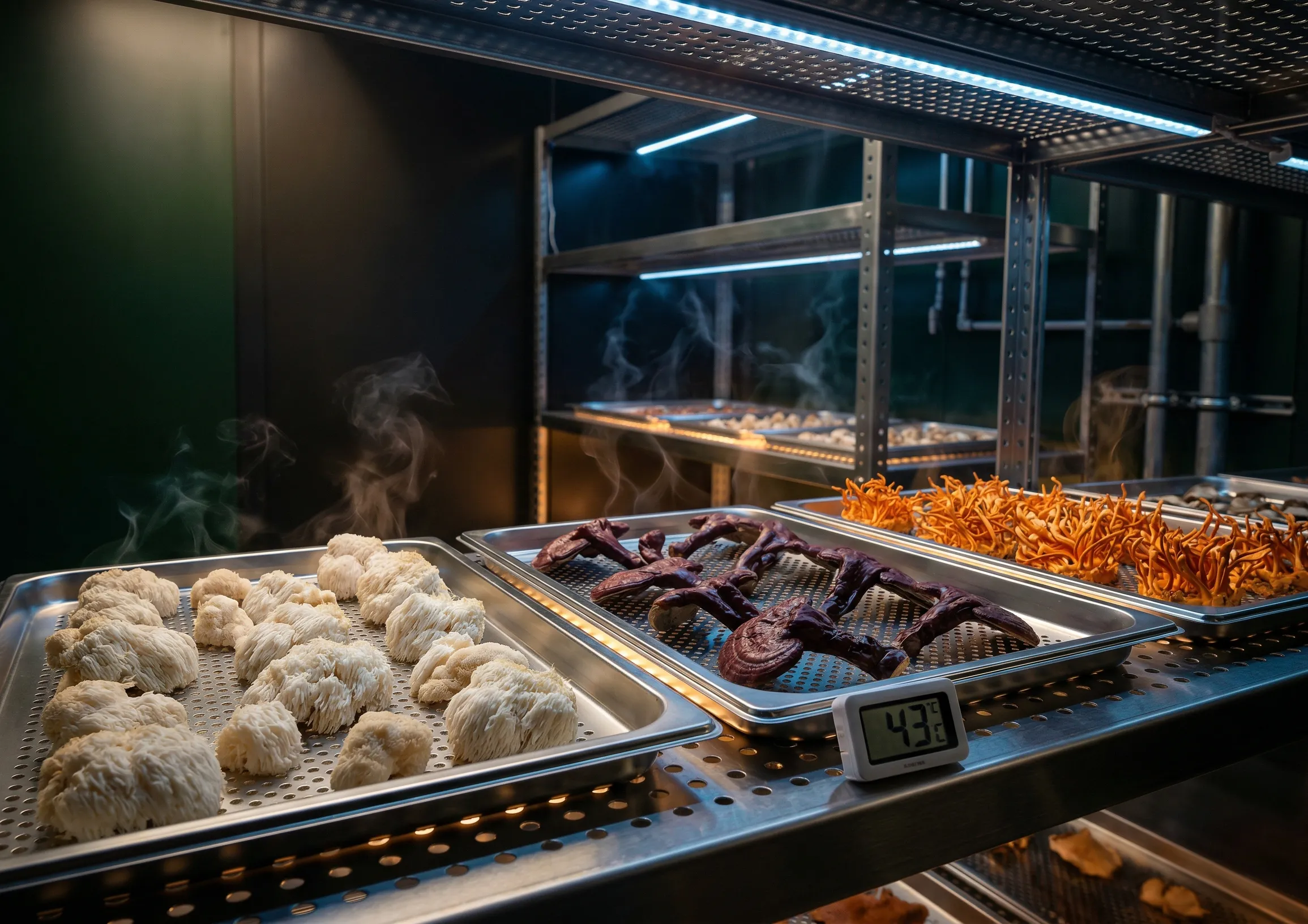
Producing fruiting bodies takes longer. Harvesting a Lion’s Mane fruiting body demands far more time and resources than growing mycelium.
To obtain 1 kg of fruiting body powder, 7–10 kg of fresh fruiting bodies are required. For 1 kg of mycelium powder, the ratio is much lower — and when substrate is included, grain enters the cost equation.
So fruiting body powder is expensive. This is true.
MYCOVITA’s position on this: We chose the costly production path. Because the only valid foundation for a ‘functional’ claim is to prove that the functional component is indeed present.
Related reading: What Is Substrate? · What Is Beta‑Glucan? · 5 Questions to Ask Before Buying Mushroom Powder
About MYCOVITA’s production philosophy, technical infrastructure, and transparency principles: Why MYCOVITA?
And we prove it: every batch comes with a COA.
— MYCOVITA —
MYCOVITA uses only the fruiting body. Substrate‑inclusive mycelium powder never enters our products — it never has, and it never will.
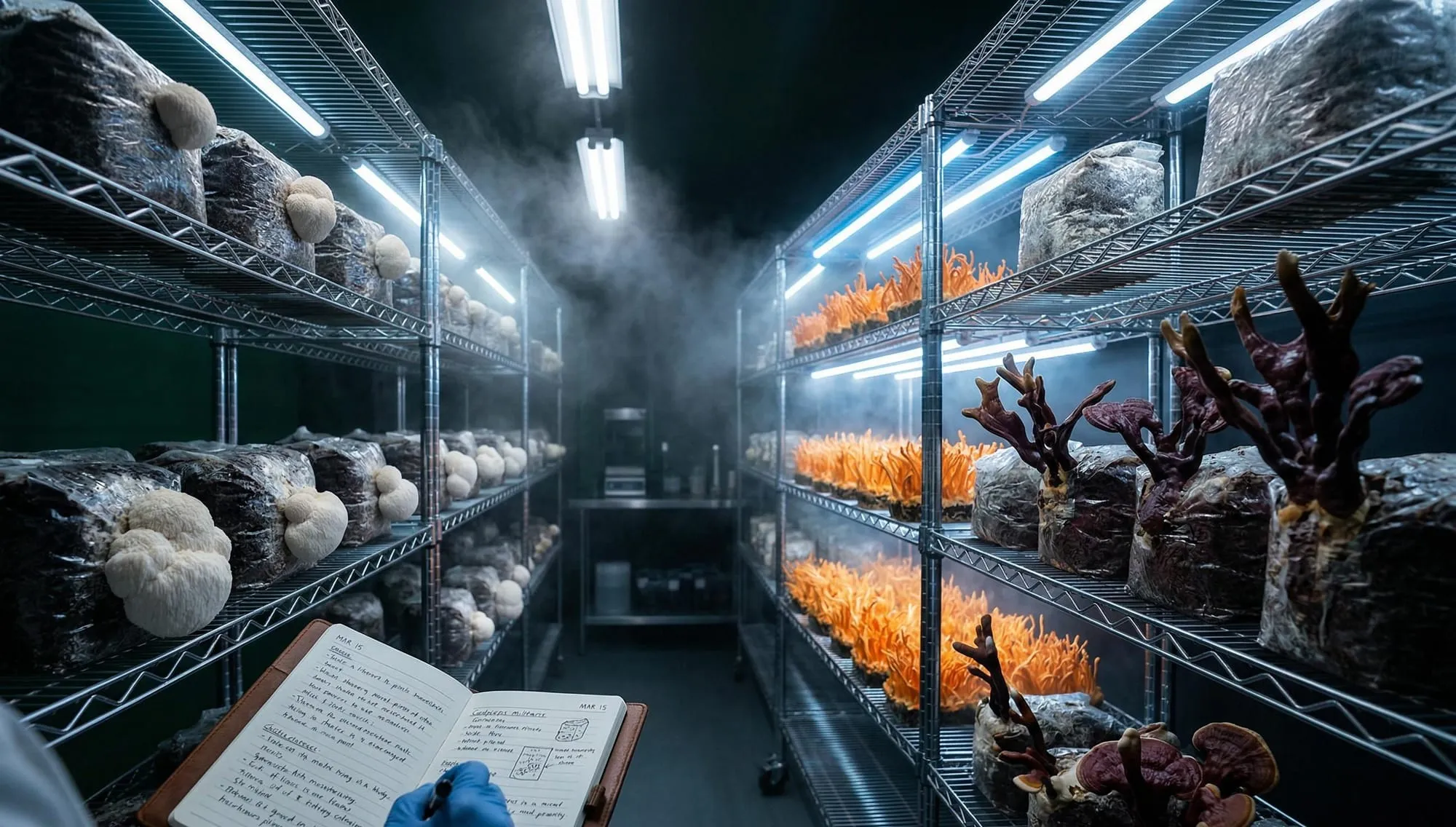
This choice raises the price. Growing fruiting bodies is 3–5 times more expensive than selling substrate‑inclusive mycelium. Depending on the species, colonization takes 45–120 days. A VRF climate control system and an AI‑supported sensor network operate continuously throughout this period — temperature, humidity, and CO₂ parameters are managed with a precision of 0.5 °C.
Why do we bear these costs? Because hericenones, ganoderic acid, cordycepin, and high‑concentration beta‑glucans — which concentrate in the fruiting body — are either absent or at negligible levels in substrate‑inclusive mycelium. What is inside the product matters. And we prove it with an independent COA for every batch.
Further information: Why MYCOVITA?
MYCOVITA products are food products. They make no claim to treat, prevent, or cure any disease. If you have a health concern, consult your physician.
You May Also Be Interested In
→ Can Mushrooms Produced in Turkey Be Trusted?
→ Functional Mushroom Cultivation in Turkey
→ The Functional Mushroom Market in Turkey
Quality and Production — Related Resources
A structured content cluster covering every stage of the functional mushroom production chain:
- What Is Substrate? — The grain‑ and wood‑based substrate foundation.
- Certified Spawn — Why spawn source is critical.
- Strain and Intraspecific Variation — The impact of the genetic line.
- Mycelium vs Fruiting Body — Component profile differences.
- Low‑Heat Drying — The science behind the 42–45 °C threshold.
- Extraction Methods — Hot water, ethanol, dual.
- Beta‑Glucan Measurement — Megazyme and other methods.
- Reading a COA — How to interpret a certificate of analysis.
- Contamination and Mycotoxins — Safety protocols.
- The Black Sea Climate — Geographical advantage.
- Storage — Shelf life and quality preservation.
This content is for informational purposes only and does not constitute medical advice. Consult your physician before making any health decisions. Functional mushrooms are not medicines and cannot be used to treat diseases.
Version: 1.0 | Last updated: 20 Apr 2026 | Number of sources reviewed: 7+ | Method: Editorial Policy | References: Bibliography