Understanding the Safety and Side Effects of Lion’s Mane Mushroom
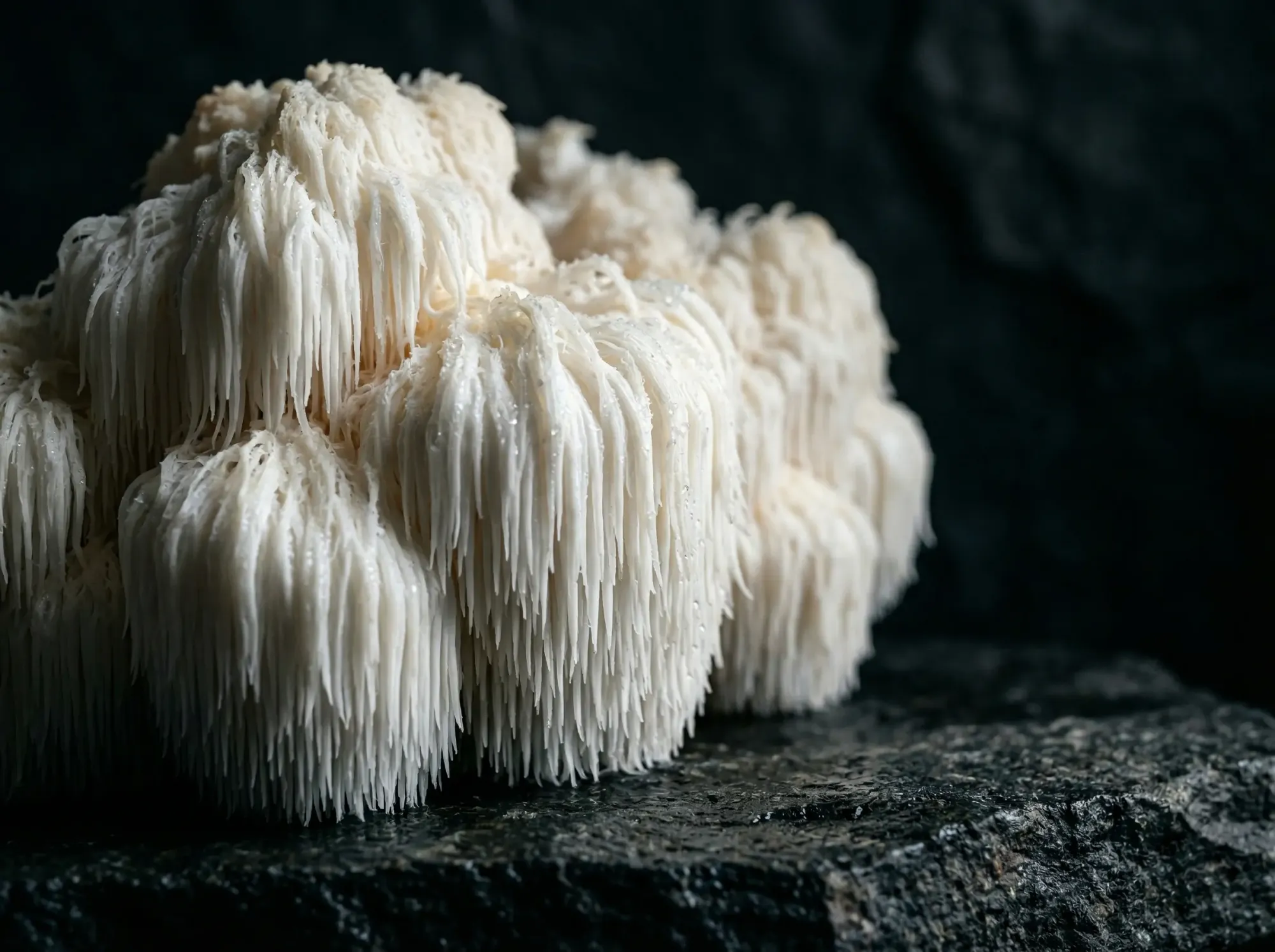
Lion’s Mane is a mushroom species whose adverse effect profile is documented in clinical literature at an exceptionally low incidence.
The Safety Profile of Functional Mushroom Supplements
The safety profile of functional mushrooms varies considerably depending on the specific fungal structure used and the method of extraction.
Reishi Mushroom: Adverse Effects and Safety Profile
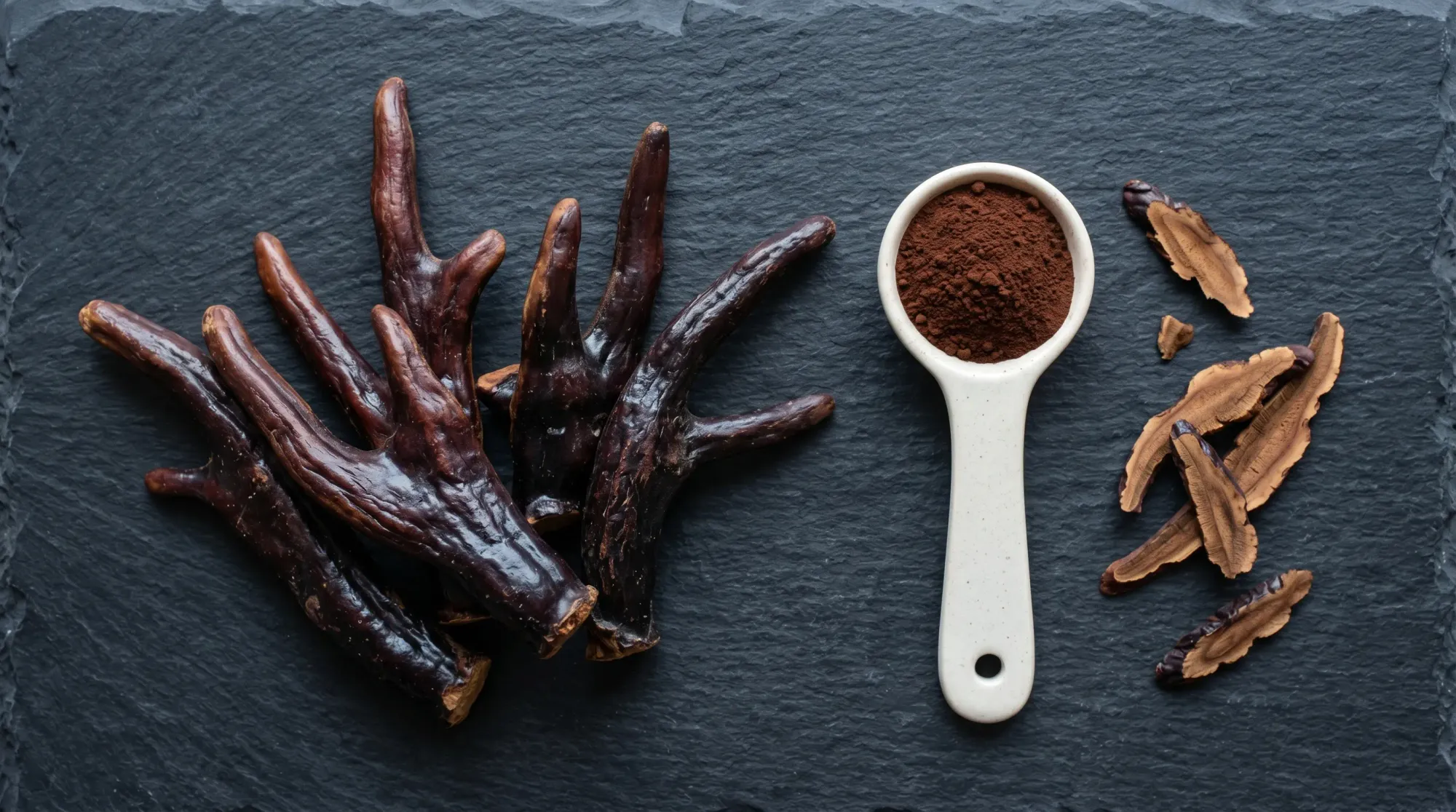
The antler morphotype of the Reishi mushroom (Ganoderma lucidum) yields a triterpenoid profile distinct from that of the conventional conk form.
Cordyceps Mushrooms: Evaluating Adverse Reactions and Overall Safety
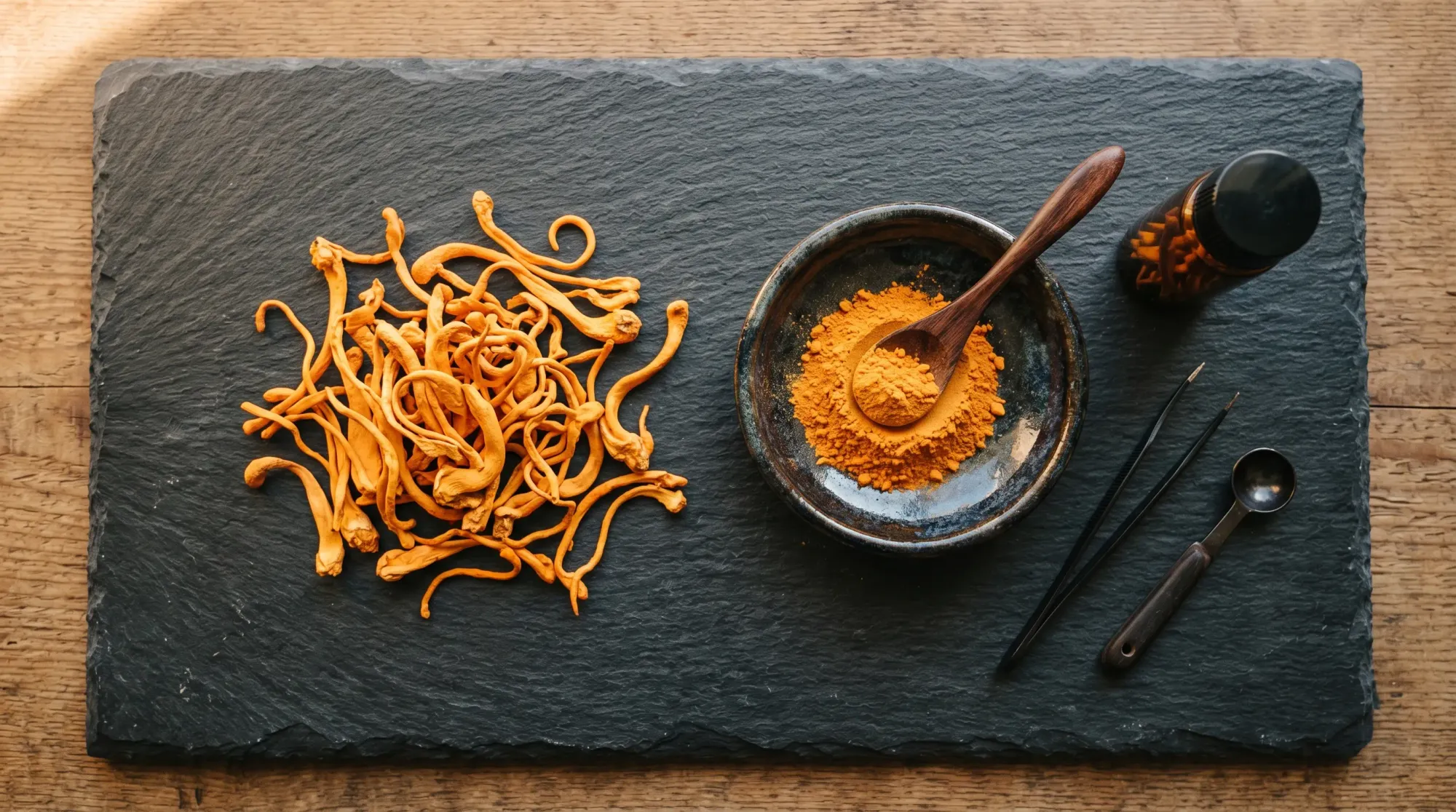
The compositional divergence between Cordyceps militaris and Cordyceps sinensis directly determines their respective safety profiles.
Functional Mushrooms and Drug Interactions: A Comprehensive Safety Guide
Certain bioactive compounds present in functional mushrooms may modulate drug metabolism through interactions with the cytochrome P450 enzyme system.
Turkey’s Wild Mushrooms: The Authoritative Guide to Safe Foraging
Amanita phalloides, a mushroom species native to Turkey, is responsible for the majority of mushroom poisoning cases worldwide.
Functional Mushrooms in Autoimmune Disorders: An Evidence-Based Perspective
Beta-glucans are a focal point of immunological research due to their ability to modulate, rather than merely stimulate, the immune system, thereby promoting homeostatic balance.
Contamination Prevention and Mycotoxin Control in Commercial Mushroom Cultivation
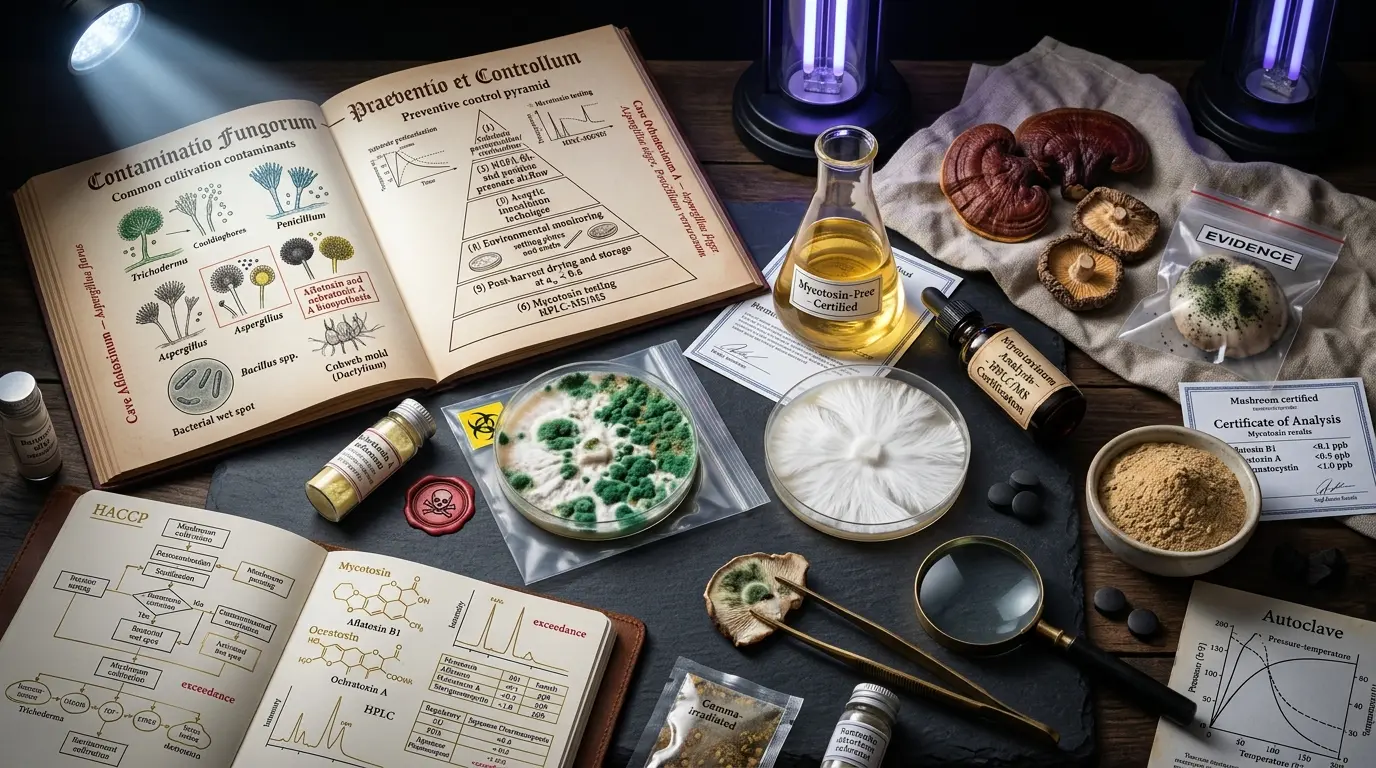
Mitigating contamination and mycotoxin risks in mushroom cultivation depends upon rigorously controlled culture conditions and the mandatory independent laboratory analysis of every production batch. Scientific abstract.
Estrogen Receptors and Mushroom-Derived Bioactives: A Comprehensive Literature Review
Certain mushroom-derived compounds have been shown to interact with estrogen receptors, a finding that is attracting significant interest in research on polycystic ovary syndrome (PCOS) and menopause. Their phytoestrogen-like activity underscores the need for rigorous safety evaluation in hormone-se
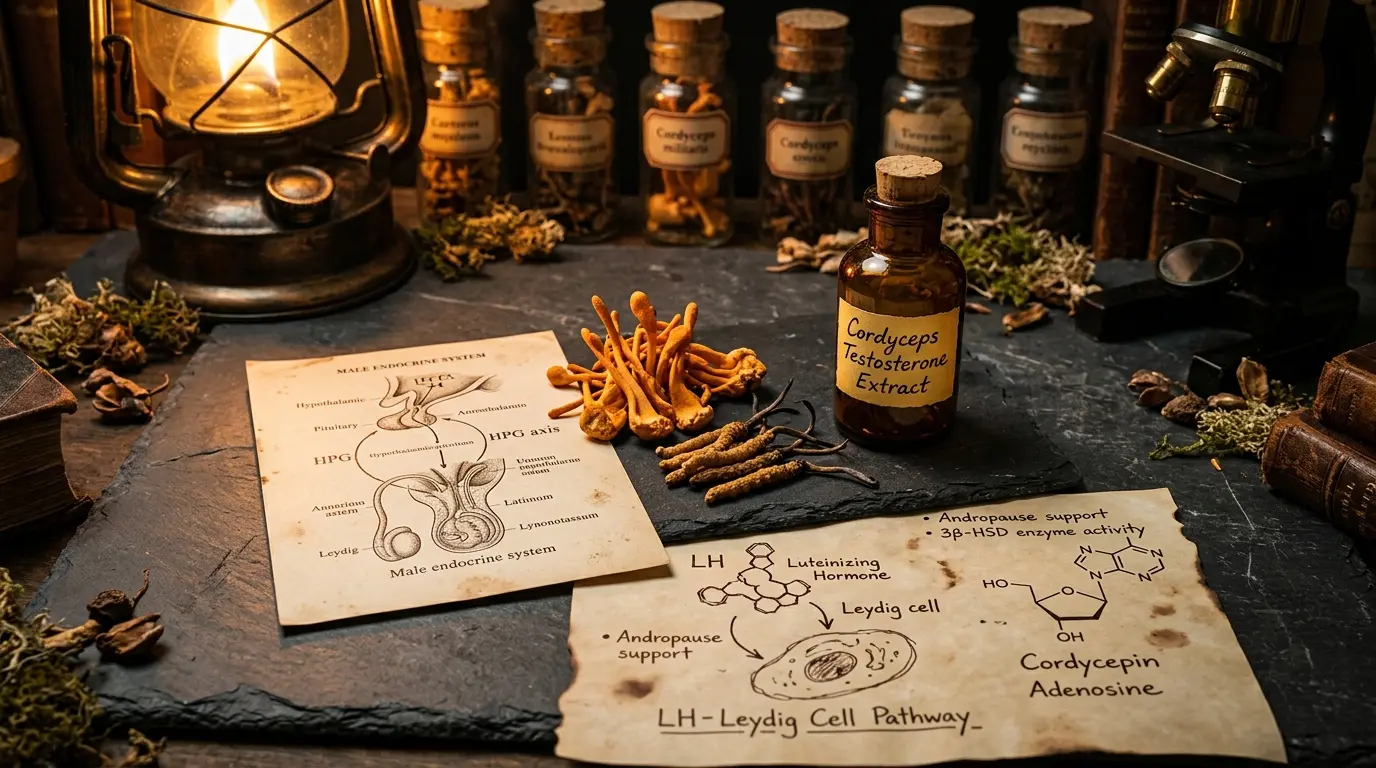
The Cordyceps-Andropause Connection: A Review of Testosterone Literature
The age-related decline in testosterone biosynthesis in men has directed scientific attention toward the medicinal fungus Cordyceps, with experimental evidence pointing to a mechanistic pathway that involves stimulation of Leydig cells and modulation of the cyclic adenosine monophosphate (cAMP) sign