Understanding the Safety and Side Effects of Lion’s Mane Mushroom
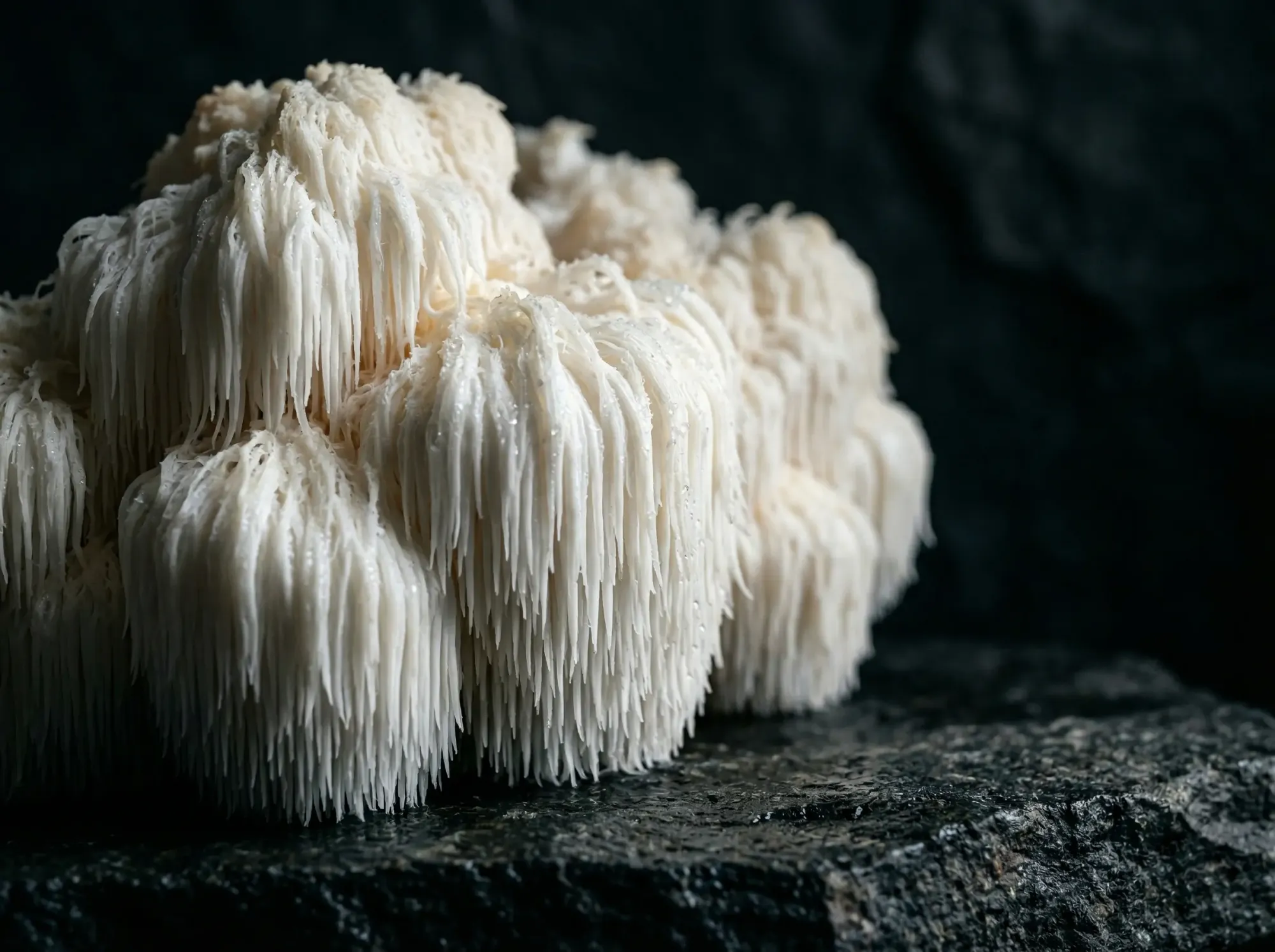
— HOOK —
You type "lion's mane side effects" into Google.
The first ten results list benefits. None of them take the safety literature seriously. "No side effects, natural, safe" — end of story.
This approach is wrong. Every active compound has a safety profile. Lion's Mane has one too.
This article addresses that profile honestly. Not to frighten you — but so you can make informed decisions with accurate information.
— SAFETY PROFILE —
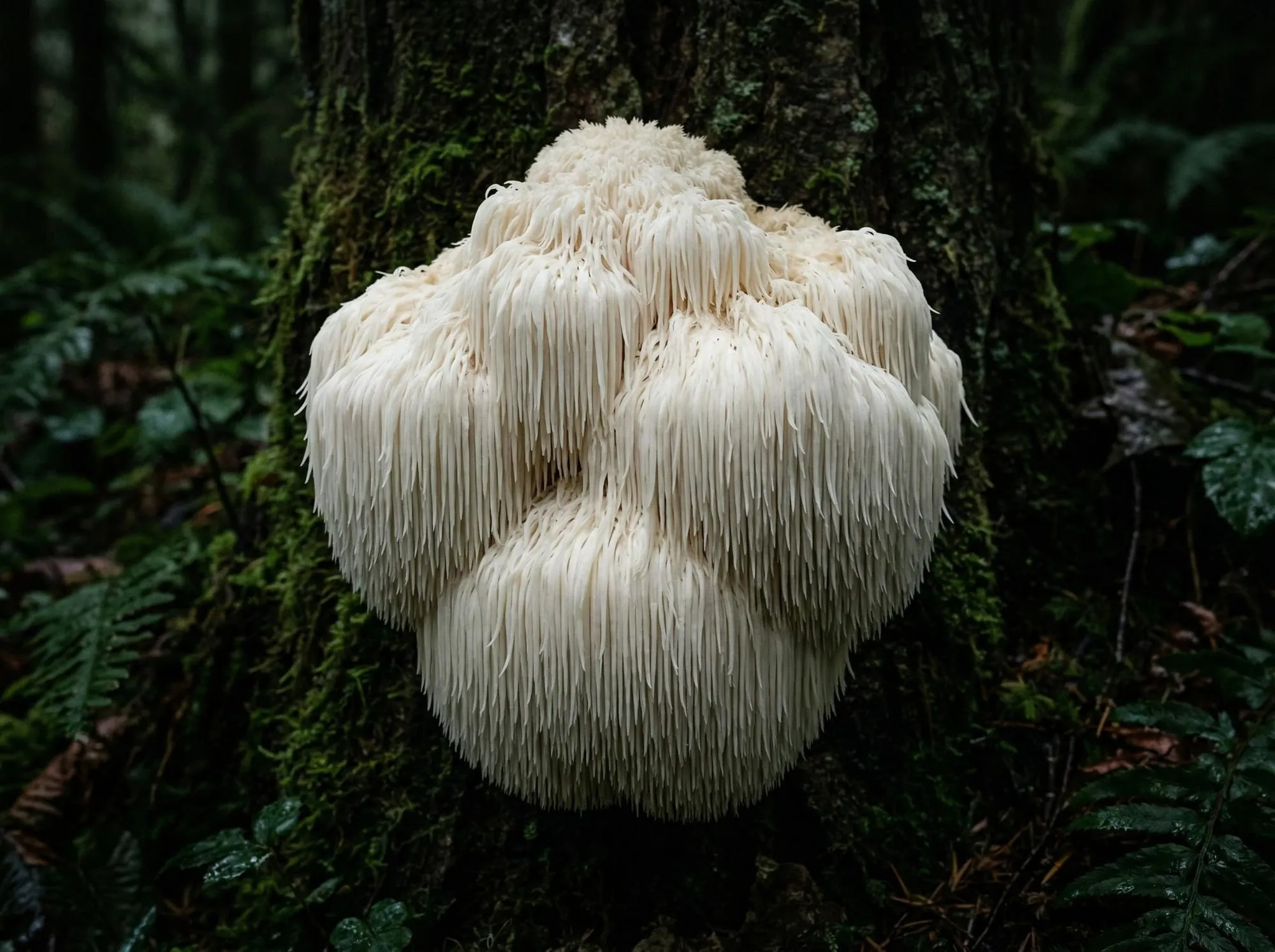
Hericium erinaceus is regarded as a well-tolerated food in existing clinical research. The 2009 Mori study — the most comprehensive double-blind clinical trial to date — reported no serious adverse events over 16 weeks.
However, "no serious adverse events" is not synonymous with "completely inert." Observed side effects exist — and you need to know about them.
— OBSERVED SIDE EFFECTS —
1. Gastrointestinal Sensitivity
The most frequently reported side effect. Nausea, bloating, or mild stomach discomfort — particularly at high doses and when taken on an empty stomach.
Mechanism: Fermentation activity of mushroom polysaccharides in the digestive tract. While the prebiotic effect is beneficial, introducing a new substrate to the gut flora may require an initial adaptation period.
Solution: Begin with a low dose (0.5 g/day). Take with food. Tolerance typically improves within one to two weeks.
2. Skin Reactions — Rare
Individual case reports describe pruritus and skin rash. A theoretical risk of cross-reactivity exists in individuals with diagnosed mushroom allergy.
These reactions have not been systematically observed in large-scale clinical studies — the incidence is considered low.
Who should exercise caution: Individuals with a confirmed mushroom allergy. A low initial dose and several days of observation are recommended upon first use.
3. Drug Interactions — Requiring Attention
Anticoagulant medications (warfarin, aspirin): Evidence from animal models suggests that H. erinaceus extract may influence platelet aggregation. This potential interaction should be evaluated under clinical supervision.
Immunosuppressive drugs: The immunomodulatory activity of Lion's Mane could theoretically alter the efficacy of these medications. It should be considered contraindicated for post-transplant individuals.
Reference: Kim, S.P. et al. (2011). Mechanism of Hericium erinaceus induced apoptosis in U937 cells. Food & Function, 2(6), 348-356.
4. Pregnancy and Lactation
Sufficient clinical data are lacking. Use during these periods is therefore not recommended — not because it has been proven unsafe, but because it has not been proven safe.
— CORRECT DOSAGE RANGE —
The dose employed in available clinical research: 1–3 grams of dried fruiting body powder per day.
Mori et al. (2009): 3 grams daily for 16 weeks, no serious side effects observed.
5 g+/day: Long-term safety data are limited. Clinician consultation is recommended within this range.
— SUBSTRATE-INCLUDED MYCELIUM — ADDITIONAL RISK —
The safety profile of fruiting body powder is not identical to that of substrate-included mycelium powder.
Substrate-included powders contain a high proportion of grain starch and a low concentration of active compounds. More critically — potential contaminants from the grains used in production may carry over into the final product. Without a Certificate of Analysis (COA), this risk cannot be assessed.
— CONCLUSION —
According to the current literature, Lion's Mane is a well-tolerated food with a low side-effect profile.
Situations requiring caution: anticoagulant use, autoimmune disease, immunosuppressive therapy, pregnancy, mushroom allergy.
Situations that complicate safety assessment: substrate-included mycelium powder, products lacking a COA, uncertain ingredient composition.
Right source + right dose + right person = safe use.
Related reading: Lion's Mane Encyclopedia · What Is NGF? · Daily Doses for Functional Mushrooms
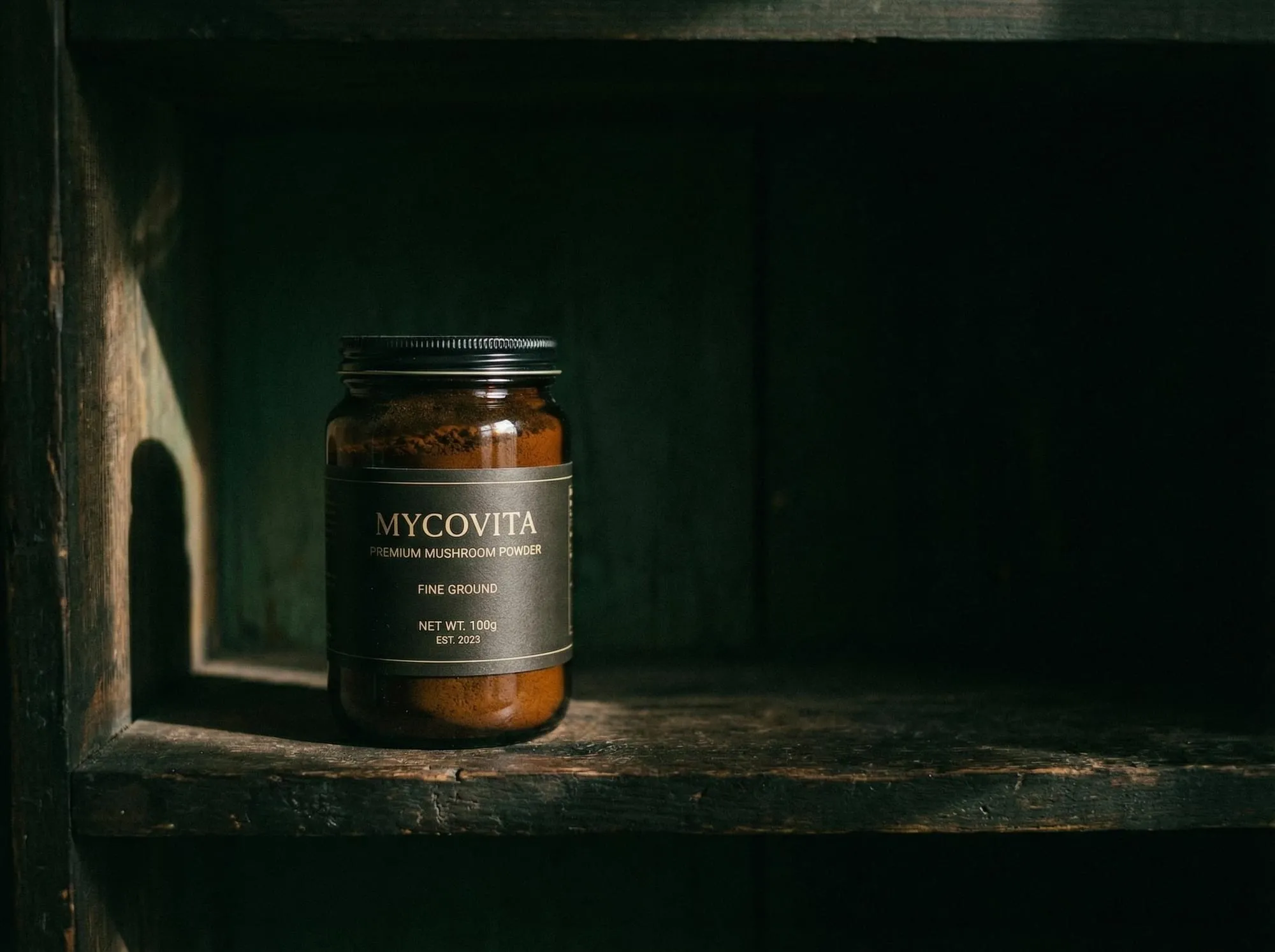
MYCOVITA's production philosophy and transparency principles: Why MYCOVITA?
— HEALTH CLAIM NOTICE —
The scientific research presented in this article is compiled from the academic literature and serves informational purposes. MYCOVITA products are food products. They make no claim to treat, prevent, or cure any disease. If you have a health condition, consult your physician.
— SCIENTIFIC REFERENCES —
Mori, K. et al. (2009). Improving effects of Yamabushitake on mild cognitive impairment. Phytotherapy Research, 23(3), 367-372. Kim, S.P. et al. (2011). Hericium erinaceus mechanism of apoptosis. Food & Function, 2(6), 348-356. Friedman, M. (2015). Chemistry, Nutrition, and Health-Promoting Properties of Hericium erinaceus. Journal of Agricultural and Food Chemistry, 63(32), 7108-7123. Chong, P.S. et al. (2020). Therapeutic Potential of Hericium erinaceus for Depressive Disorder. International Journal of Molecular Sciences, 21(1), 163.
You Might Be Interested In
→ Travel Protocol — How Do I Use It While Traveling?
→ Does Cordyceps Actually Work?
For the NGF mechanism of Lion's Mane, see our What Is NGF? article; for a 30-day usage experience, see the 30-Day Lion's Mane Experience article.
Related Articles
- → MIND | Lion's Mane — Species Encyclopedia
- → 30-Day Lion's Mane Experience
- → Which Mushroom Is Right for Me?
This content is for informational purposes and does not constitute medical advice. Consult your physician before making any health decisions. Functional mushrooms are not pharmaceuticals and cannot be used to treat diseases.
Version: 1.0 | Last updated: 20 Apr 2026 | Sources reviewed: 6+ | Method: Editorial Policy | References: Bibliography