Five Essential Questions to Ask Before Purchasing Mushroom Powder
— THE HOOK —
The product page displays the words “premium,” “organic,” and “functional” side by side. The packaging is attractive. The price is high.
But what is actually inside?
As the functional mushroom market grows in Turkey, quality standards have yet to solidify. Some products contain no active compounds at all. In others, the compounds are present but have been destroyed during the drying process. And on some, the label says one thing while the content says something else entirely.
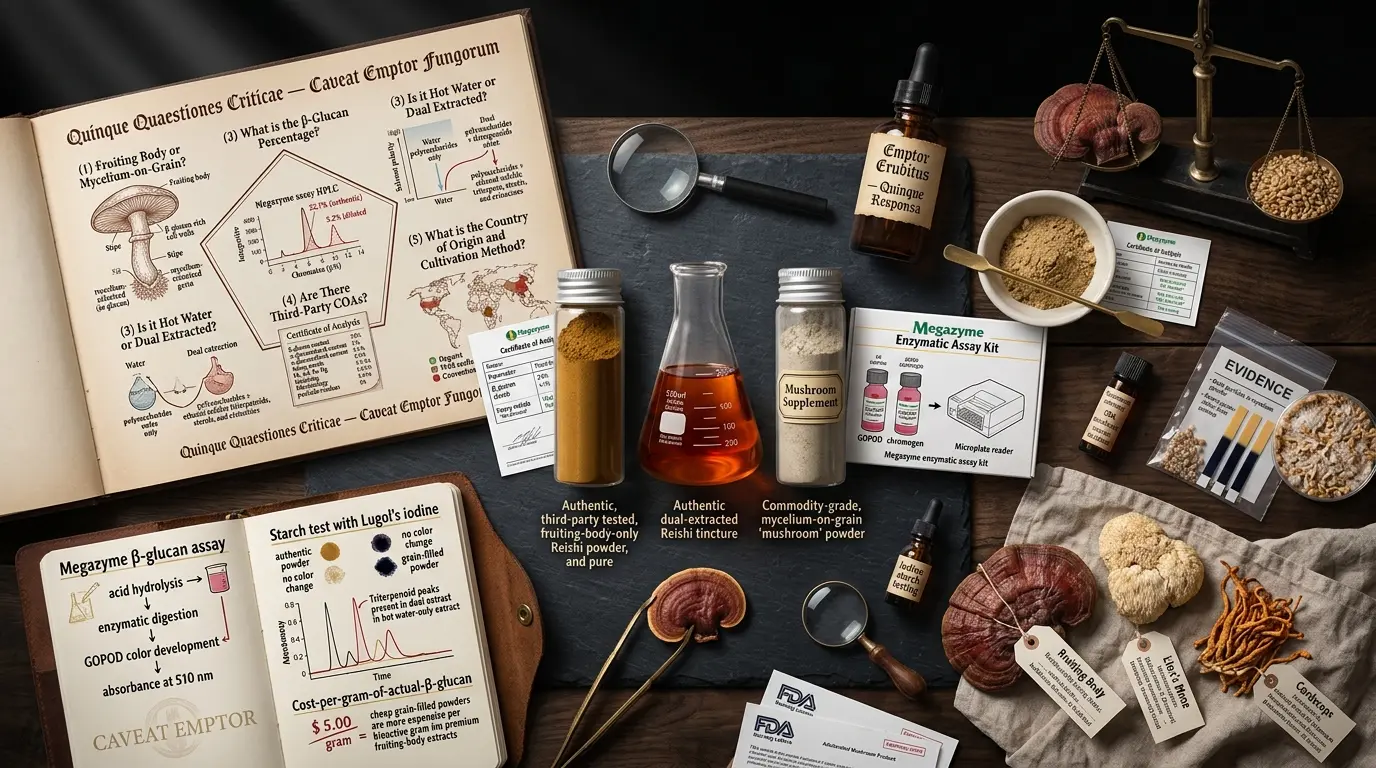
If you do not ask these five questions before purchasing, you will most likely end up with the wrong product.
— QUESTION 1: Fruiting Body or Mycelium? —
This is the most critical distinction in the functional mushroom world.
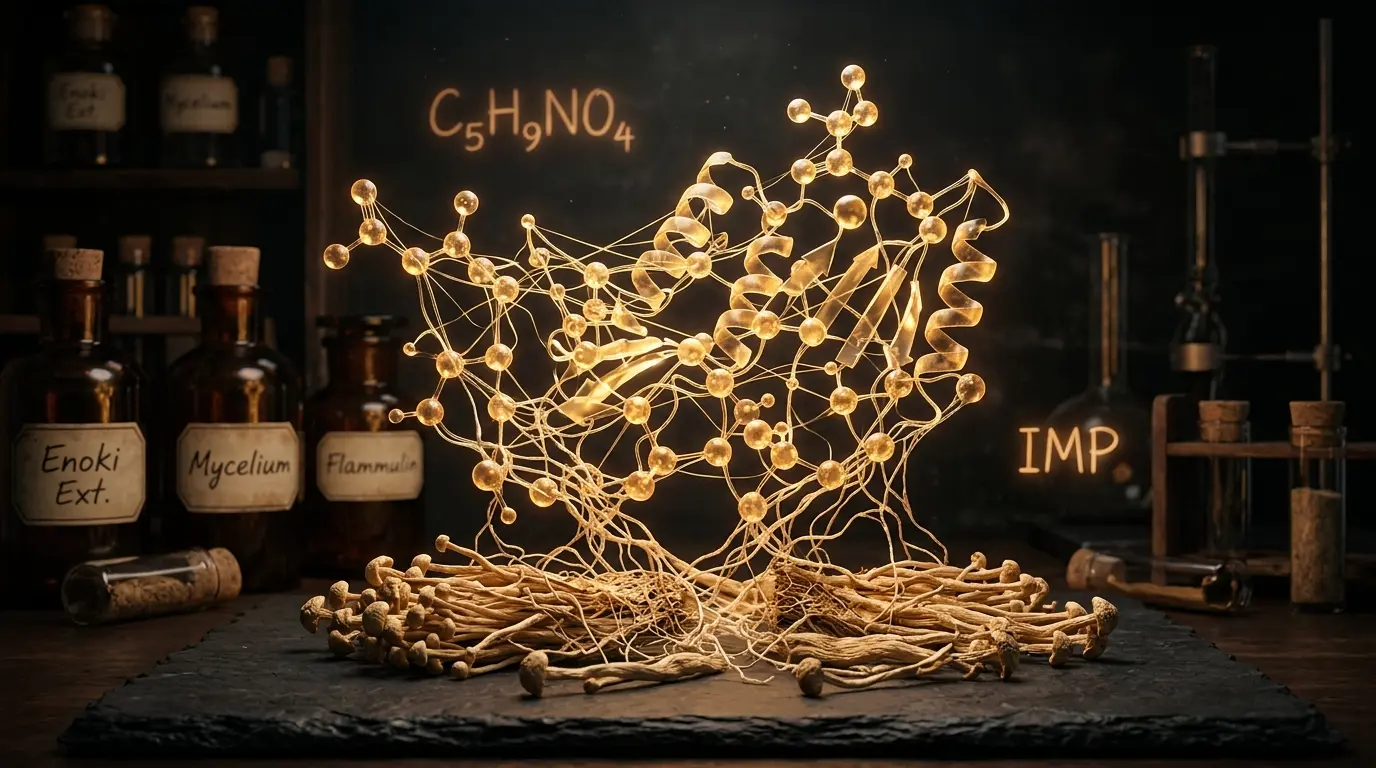
The fruiting body is the actual mushroom. It is the structure you see growing on the ground or on a log, where the active compounds concentrate. Beta-glucan, hericenones, cordycepin, ganoderic acid — these accumulate in the fruiting body.
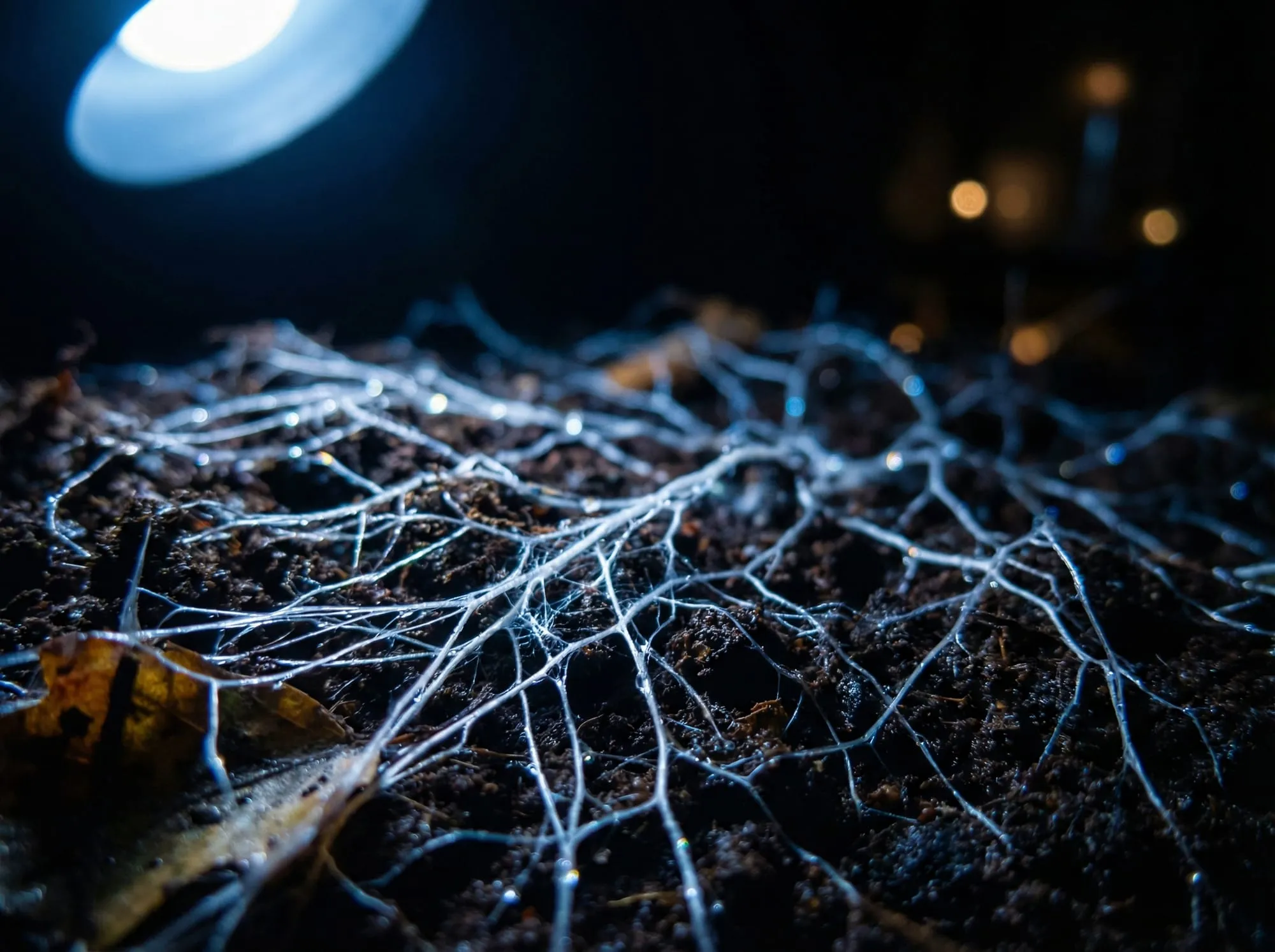
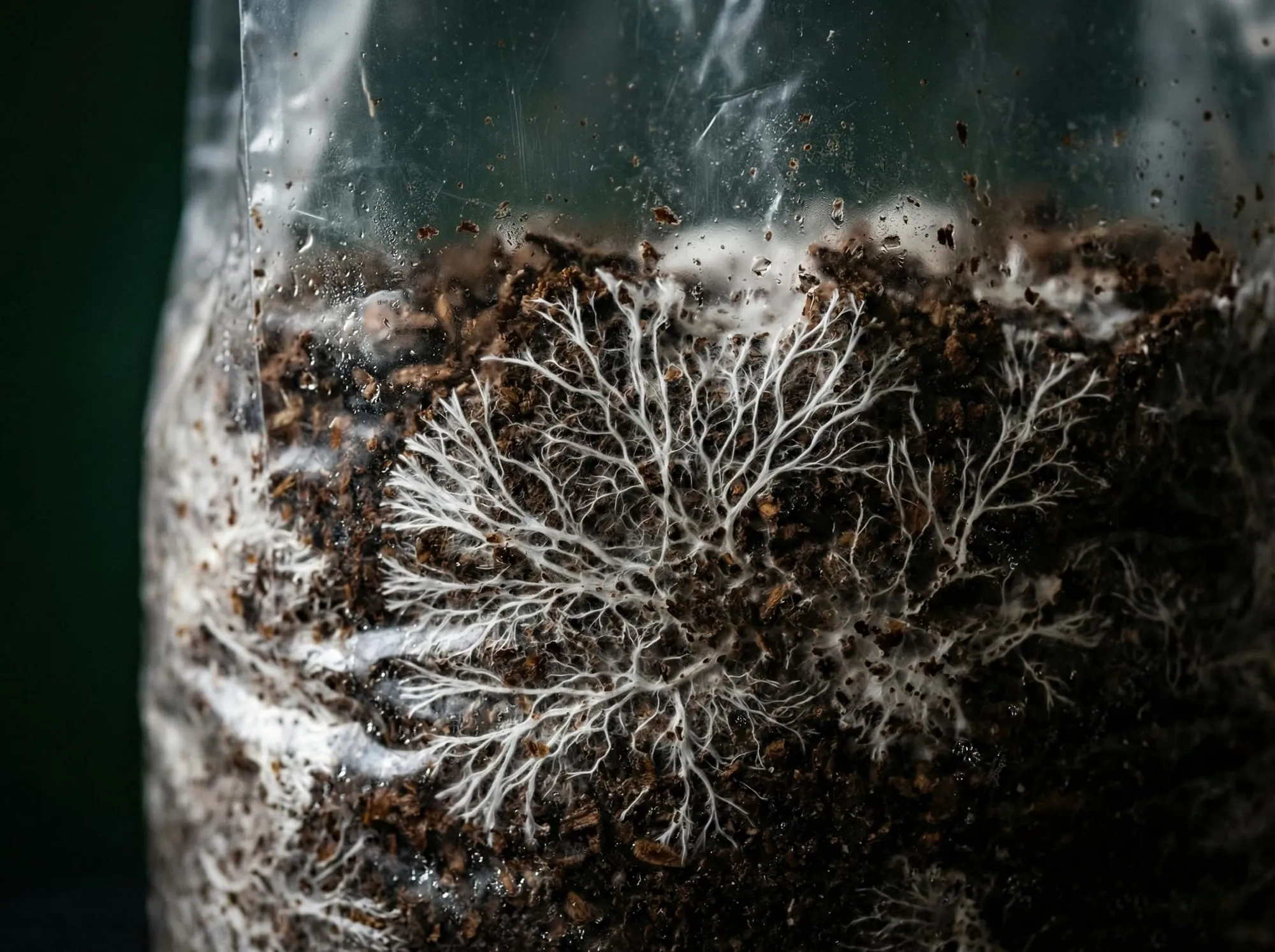
Mycelium, on the other hand, is the root network of the mushroom. It is cultivated on a substrate — usually rice or oats. The problem: many producers grind the mycelium together with the substrate, without separating it. The result? 40–80% of the product you receive is not real mushroom, but grain.
How can you tell? If the ingredient list on the label mentions “mycelium on grain” (MOG) or “fermented grain,” that is a warning sign.
The right question: “Is this product made from 100% fruiting body?”
— QUESTION 2: Do You Have a COA? —
A COA — Certificate of Analysis — is an independent laboratory analysis document. It is issued separately for each production batch. Beta-glucan content, heavy metal levels, microbiological safety, active compound concentration — all appear in this document.
A product without a COA is a product that cannot prove its quality.
A trustworthy producer shares the COA without being asked. If you have to request it and it is not provided, that is a red flag.
The right question: “Can I see the COA for this batch?”
— QUESTION 3: What Is the Drying Temperature? —
Drying mushrooms seems simple. It is not.
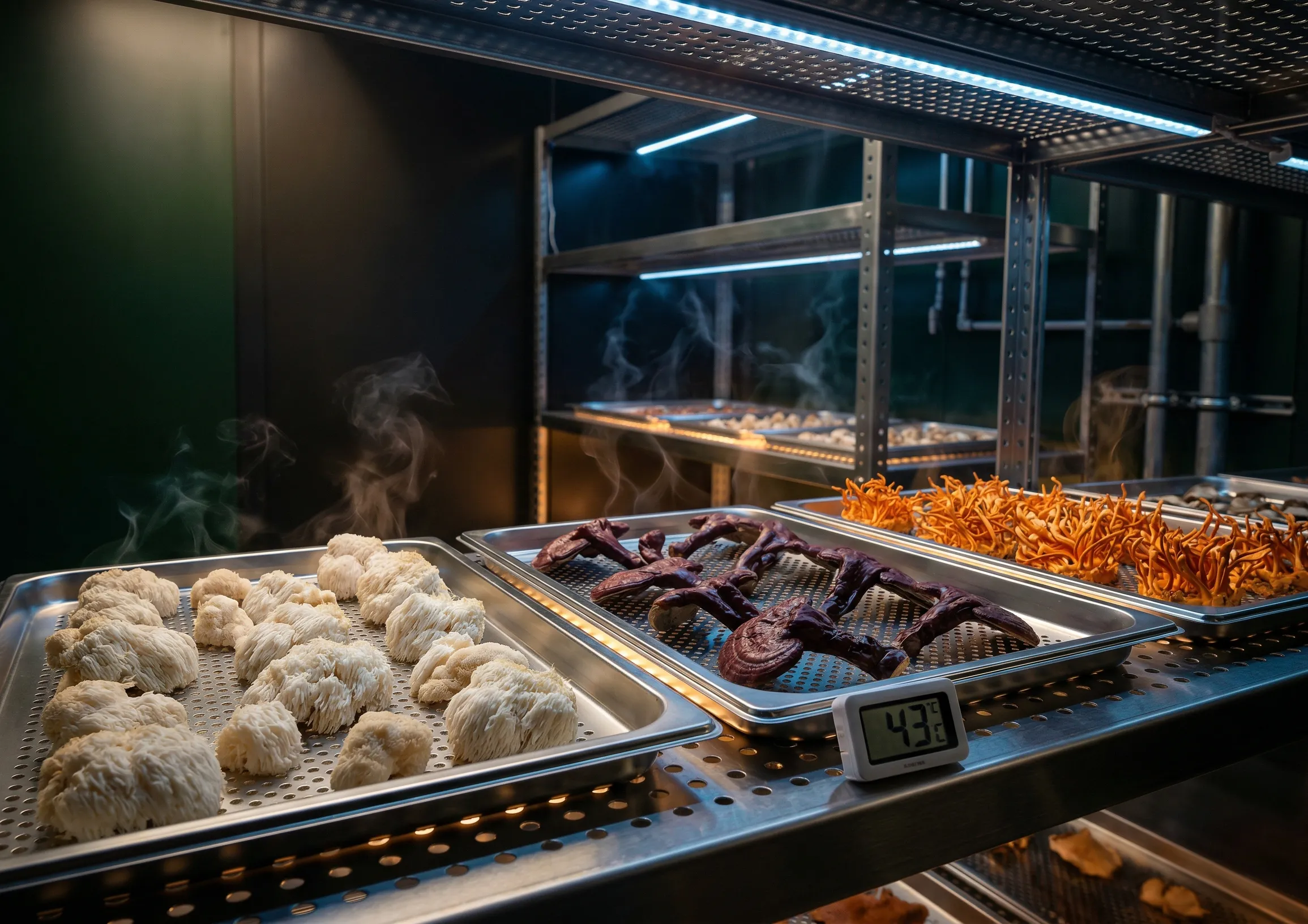
The hericenone compounds in Hericium erinaceus begin to degrade above 60°C. Cordycepin from Cordyceps militaris is heat‑sensitive. Reishi’s ganoderic acids undergo structural changes at high temperatures.
Industrial drying is typically carried out at 70–100°C — for speed. The active profile of mushrooms dried at these temperatures sustains serious damage.
To preserve bioactive compounds, the threshold is 42–45°C. Below this point, enzymes, volatile aromatics, and polysaccharide structures remain intact.
The right question: “At what temperature do you dry?”
— QUESTION 4: Where Does the Strain Come From? —
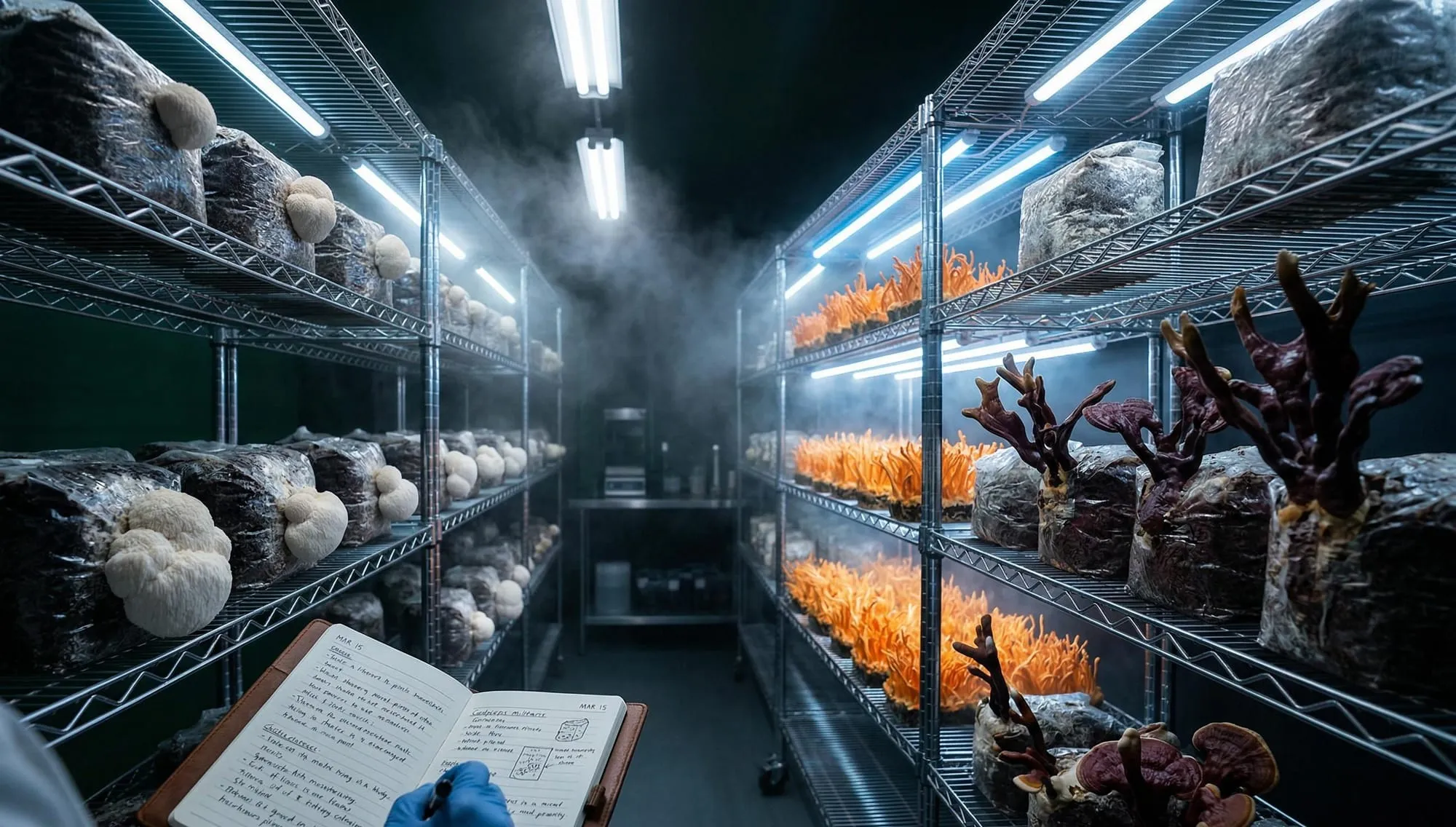
The strain, also known as “mushroom seed,” is the genetic foundation of production. If strain quality varies, you obtain a different product in every production cycle.
Strain degeneration is a real problem: mycelium propagated repeatedly from the same mother culture gradually reduces its bioactive compound production. That is why professional producers use fresh, certified strains every 3–4 cycles.
A certified strain source — specialist genetic production centres such as the Netherlands or Belgium — guarantees genetic stability. It ensures you receive the same compound profile in every batch.
The right question: “Where was your strain produced, and how often is it renewed?”
— QUESTION 5: What Else Is in the Ingredient List? —
A functional mushroom product should contain only mushroom. Nothing else.
A large proportion of products on the market contain fillers — maltodextrin, silica, cellulose. These substances increase the product’s volume and lower the cost. A portion of every gram you buy is no longer mushroom.
A clean product’s ingredient list looks like this: Hericium erinaceus fruiting body powder. Full stop. Nothing else.
If the ingredient list contains five different fillers, the mushroom content is low.
The right question: “Does the ingredient list contain only mushroom?”
Related reading: What Is a COA? · Mycelium vs. Fruiting Body · What Is Substrate?
About MYCOVITA’s production philosophy, technical infrastructure, and transparency principles: Why MYCOVITA?
— SCIENTIFIC REFERENCES —
Stamets, P. (2005). Mycelium Running: How Mushrooms Can Help Save the World. Ten Speed Press.
Cheng, S. et al. (2018). Determination of beta-glucan content in fruiting bodies and mycelium of medicinal mushrooms. Molecules, 23(10), 2559.
Kawagishi, H. et al. (1994). Hericenons and erinacines: stimulators of NGF-synthesis. Mycologia.
Friedman, M. (2015). Chemistry, Nutrition, and Health-Promoting Properties of Hericium erinaceus. Journal of Agricultural and Food Chemistry, 63(32), 7108-7123.
You Might Also Like
→ Can Mushroom Produced in Turkey Be Trusted?
→ Functional Mushroom Production in Turkey
→ The Functional Mushroom Market in Turkey
For the question of how to read a COA document, you can look at our article How to Read a COA?; for the difference between fruiting body and mycelium, see our Mycelium vs. Fruiting Body article.
This content is for informational purposes only and does not constitute medical advice. Consult your physician before making any health decisions. Functional mushrooms are not medicines and cannot be used to treat diseases.
Version: 1.0 | Last updated: 20 Apr 2026 | Number of sources reviewed: 5+ | Method:Editorial Policy | References:Bibliography