The Complete Novice’s Handbook to Indoor Mushroom Cultivation
— THE HOOK —
You ordered a mushroom block. You watered it. You waited. Maybe it fruited, maybe it did not. Or it fruited once and never again.
Growing mushrooms at home begins with disappointment — but if you choose the right species and the right method, it does not end that way.
This guide explains honestly which species from the MYCOVITA portfolio can be cultivated at home, which materials are genuinely necessary, and where you should draw the line.
An Honest Assessment First
Home mushroom cultivation is genuinely possible. But certain facts must be acknowledged:
The three things a mushroom demands: moisture, temperature stability, and cleanliness. Neglect any one of these — contamination follows. When you see green, black, or pink mold, discard the block immediately; do not attempt to salvage it.
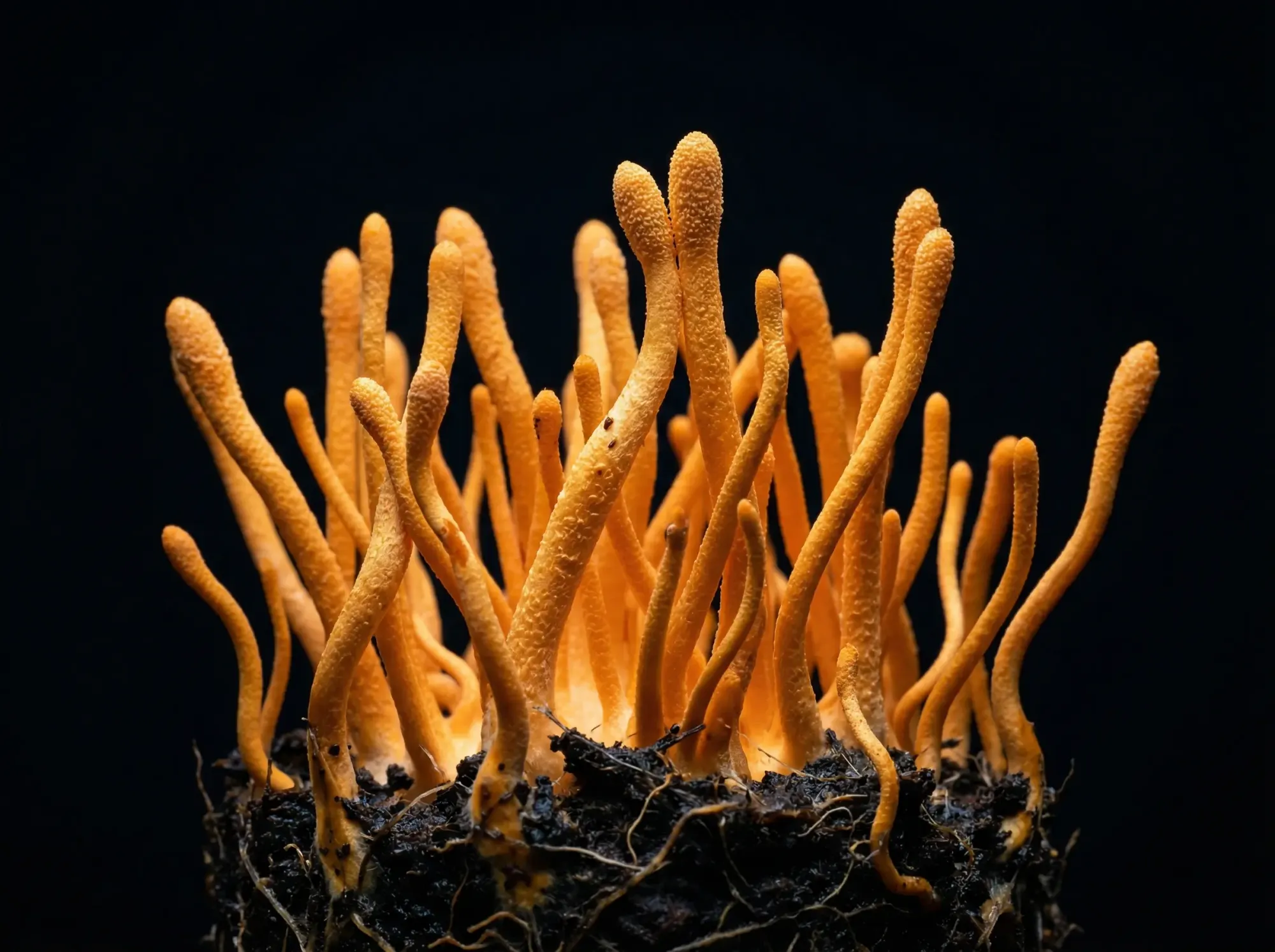
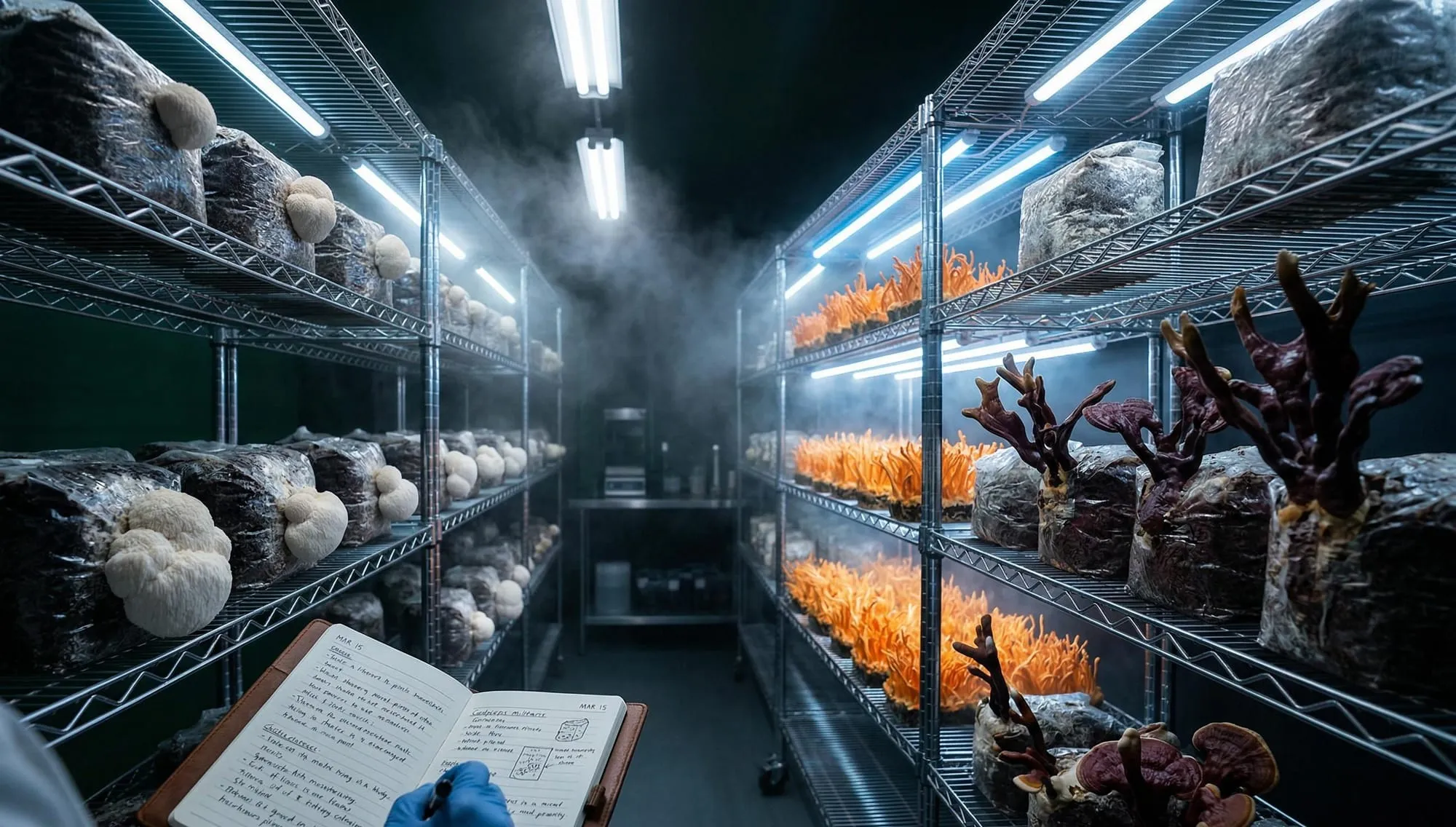
Suitable for home cultivation: Shiitake, King Oyster, Lion’s Mane, Turkey Tail. Not recommended for home: Cordyceps (light and substrate control are critical), Sparassis (extremely high contamination risk), Reishi Antler (strict CO₂ control is mandatory).
Essential Materials — All Accessible
Mandatory:
- Corn cob sawdust or oak sawdust (available at agricultural supply stores and pet shops — not poplar or spruce sawdust)
- Wheat bran or rice bran (10–15% ratio)
- Polypropylene bags or jars
- Pressure cooker (a household pressure cooker is sufficient)
- 70% spirit or isopropyl alcohol
- Spawn (mycelium) — a reliable source is crucial
Practical additions:
- Digital thermometer and hygrometer (combined, roughly 150–200 TL)
- Spray bottle (for daily misting)
- Plastic storage box (to serve as a fruiting chamber)
SPECIES 1 — Shiitake Donko
The most patient, the most rewarding
Why Shiitake?
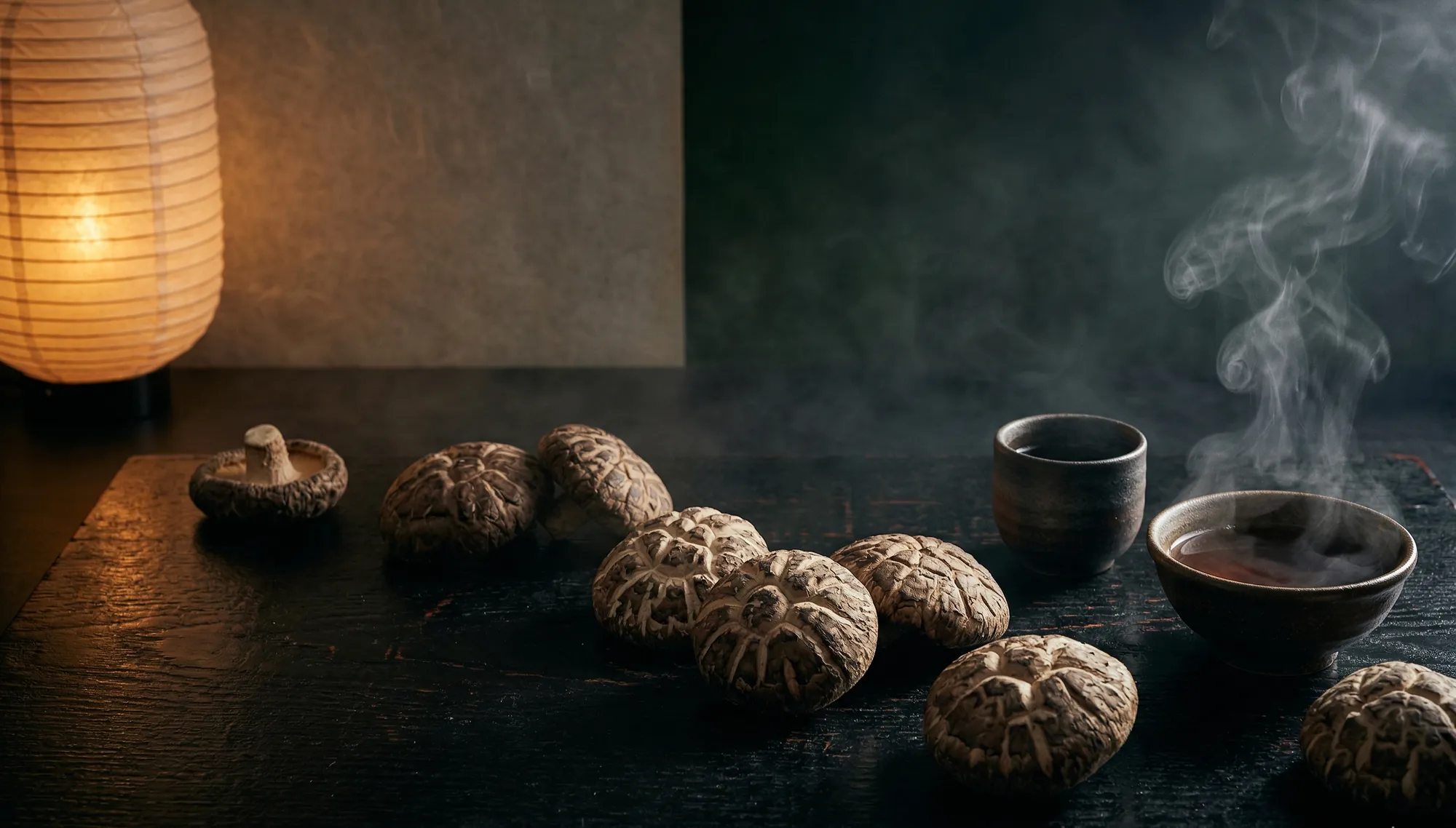
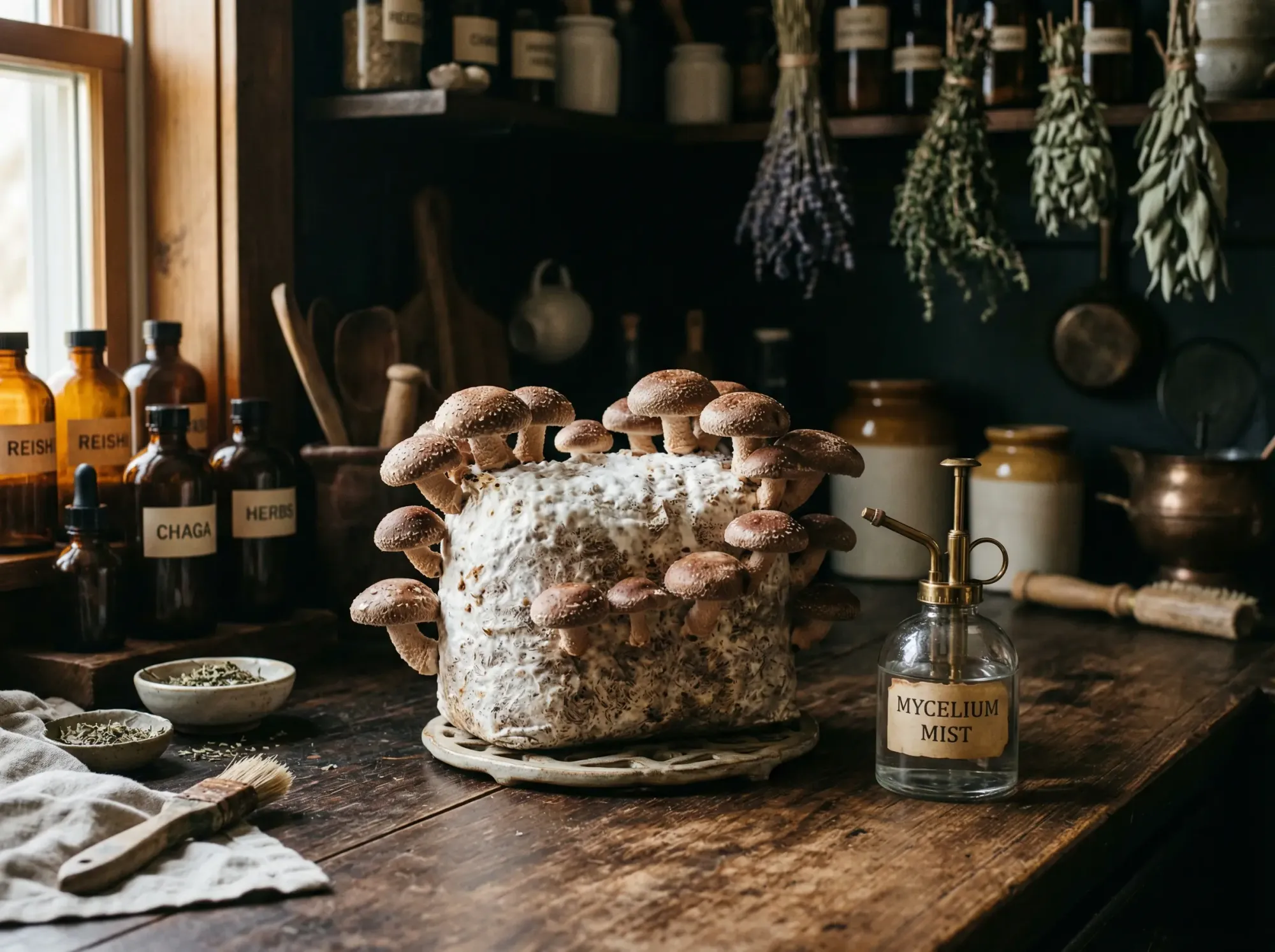
Shiitake (Lentinula edodes) offers the widest margin for error among cultivated species. It grows slowly, and that slowness is its strength — during the colonization phase it outcompetes many contaminants. Shiitake has been cultivated on logs in Japan for a thousand years. It is well adapted to the Black Sea climate of Turkey.
Two Methods
A — Log Method (Traditional, Long-Term)
The most natural approach. Once established, a log yields harvests for years.
Materials: Freshly cut oak log (10–15 cm diameter, 50–60 cm length). Sawdust spawn or dowel spawn.
Steps:
- Drill the log at regular intervals (10 cm apart) — 2.5 cm depth
- Fill each hole with spawn and seal with wax or paraffin
- Place the log in a moist, shaded location — garden, shaded balcony corner, basement
- Water thoroughly once a week
- Allow 6–12 months for colonization
- After the first harvest, the log produces 2–3 flushes per year — in spring and autumn
Expectation: Demands patience. The first harvest takes a long time, but the yield continues uninterrupted for years.
B — Sawdust Block Method (Fast, Indoor)
You obtain results within 2–3 months.
Substrate formula (per one block):
- 500 g oak sawdust
- 75 g wheat bran
- 450 ml water (target moisture content 60–65% — when squeezed, only a few drops of water should emerge)
Steps:
- Mix all ingredients thoroughly
- Fill a polypropylene bag and close it loosely
- Sterilize in a pressure cooker for 90 minutes (under pressure)
- Once cooled to room temperature, add spawn — 15–20% ratio
- Seal the bag and keep it in a dark environment at 18–22°C
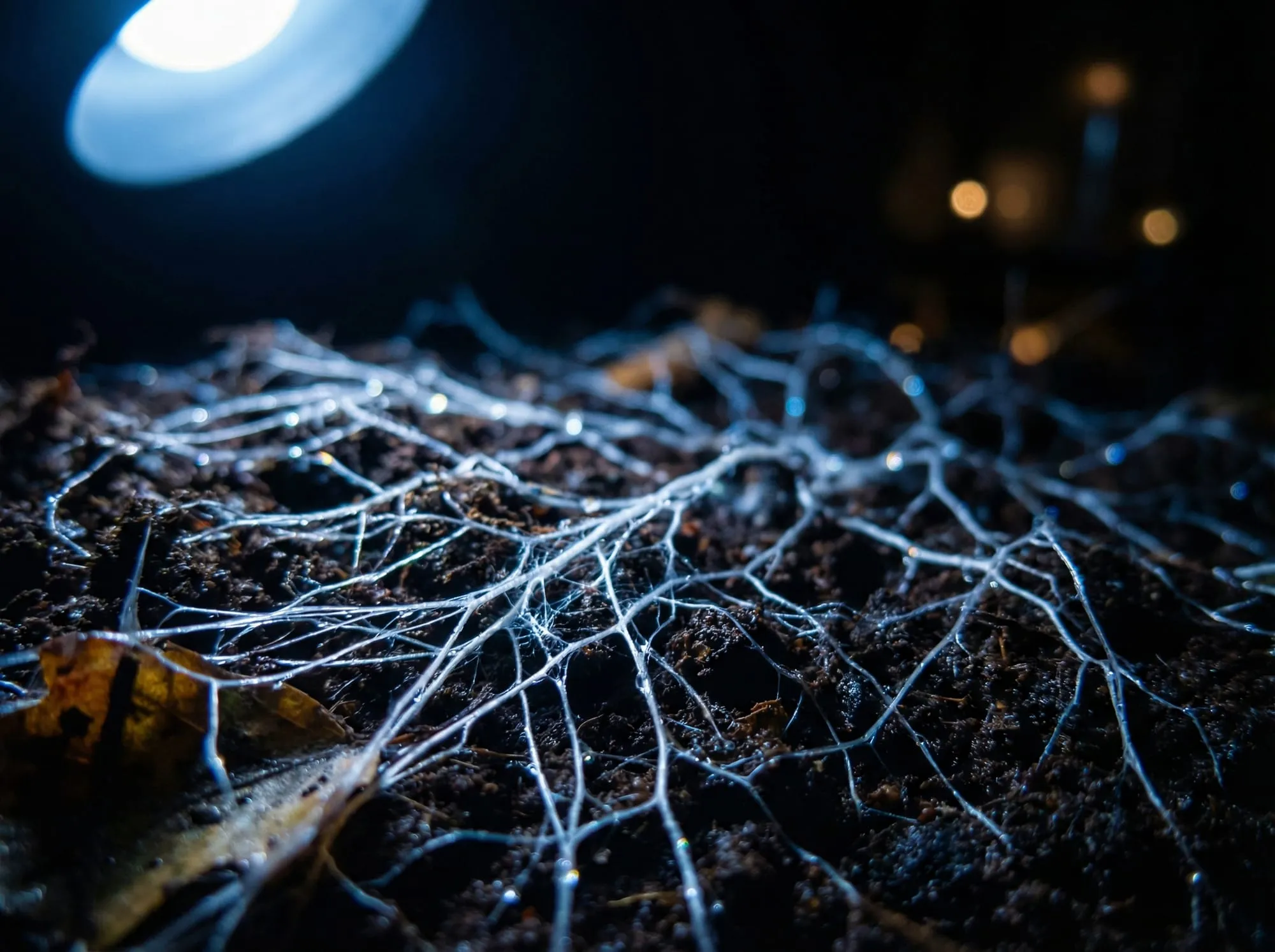
- 30–45 days colonization (white mycelium must cover the entire block)
- Cut open the bag and mist 2–3 times daily with a spray bottle
- First mushrooms appear within 7–14 days
Harvest: Pick when the cap margins are still curled inward — before they open. This is the Donko standard.
Fruiting Conditions:
- Temperature: 16–18°C (a cool environment is critical)
- Humidity: 85–90%
- Fresh air: Open the bag for a few minutes each day — CO₂ buildup causes the cap to open prematurely; an early-opening Shiitake is not Donko.
SPECIES 2 — King Oyster
The most productive, the most forgiving
Why King Oyster?
Pleurotus species are the fastest and most efficient producers in the mushroom world. Among them, King Oyster (Pleurotus eryngii) stands apart with its meaty texture and thick stem. It is the ideal beginner species for home cultivation — error tolerance is high, results come quickly.
Sawdust Block Method
Substrate formula:
- 500 g oak or poplar sawdust
- 50 g wheat bran
- 430 ml water
Sterilization, inoculation, and colonization steps are identical to those for Shiitake. The differences are as follows:
Colonization: 15–25 days — much faster than Shiitake. Fruiting temperature: 15–16°C — prefers cool conditions. Humidity: 90–95% — this is the single most critical parameter for King Oyster.
Fruiting chamber (simple home solution): Take a large plastic storage box, drill 5–6 small holes in its sides, and place moist paper towels inside. Position the block inside. Open the lid for 5 minutes twice a day. This simple system maintains humidity above 85%.
Harvest: While the cap margins are still curled inward — as with Shiitake, early harvest yields superior texture. The harvest window for King Oyster is not excessively narrow; a 2–3 day margin exists.
Yield: 2–3 flushes per block, totalling 300–500 g of fresh mushrooms. High biological efficiency — for this reason, it is the most satisfying species to grow at home.
SPECIES 3 — Lion’s Mane
The most striking appearance, moderate difficulty
Why Lion’s Mane?
When grown at home, Lion’s Mane (Hericium erinaceus) is the species that surprises people the most. A large, white, shaggy sphere — it starts conversations at the dinner table. The difficulty level is one notch higher than Shiitake and King Oyster — if humidity drops, the cascading spines turn yellow and shrink.
Substrate Formula
- 500 g oak sawdust
- 100 g wheat bran (Lion’s Mane thrives on bran)
- 480 ml water
Critical Difference: Lion’s Mane requires low CO₂. Ventilation during the fruiting stage is paramount — in a closed environment, the mushroom forms elongated, coral-like branches (the antler form, which is visually appealing, but the classic pom-pom form demands fresh air).
Fruiting Conditions:
- Temperature: 18–22°C — tolerates slightly warmer conditions than the other species
- Humidity: 90–95%
- Air exchange: Several times per day — target CO₂ below 800 ppm
Harvest: Before the spines reach full length — while still white to cream-coloured. Once yellowing begins, you have waited too long. The harvest window is 24–48 hours.
SPECIES 4 — Turkey Tail
The easiest, the most patient — but not for eating
Turkey Tail (Trametes versicolor) is grown at home on logs — the identical log method used for Shiitake. One must understand, however: Turkey Tail is not edible; it is extremely tough. Its value emerges when dried and brewed as a tea.
Growing Turkey Tail at home is a process of experience and observation — the colourful concentric rings appear differently every time. This species, which lives naturally in the Black Sea forests of Turkey, is highly adapted to the region’s humidity.
Log method: Same as Shiitake — oak log, dowel spawn, shaded and moist corner. Colonization takes 3–6 months.
The Most Common Mistakes
1. Skipping or shortening sterilization. The most widespread error. Sterilization under 90 minutes is insufficient — contamination becomes inevitable.
2. Opening too early. Opening the block before colonization is complete — exposing mycelium to the external environment when it is not yet ready invites contamination. Wait until the entire block is white.
3. Too much or too little water. Substrate moisture content is critical. Aim for 60–65%. When squeezed, only a few drops of water should emerge — it must not stream.
4. Wrong sawdust. Poplar, spruce, and pine sawdust are unsuitable — antimicrobial compounds kill the mycelium. Use oak or beech sawdust.
5. Starting with a single block. Prepare 3–4 blocks for your first trial. One or two will contaminate — this is normal. You learn from the survivors.
The Reality of Home Cultivation
Preparing one block takes approximately 2–3 hours. Sterilization, cooling, inoculation, waiting. Then daily misting. Then harvest. Then returning to the beginning for the next block.
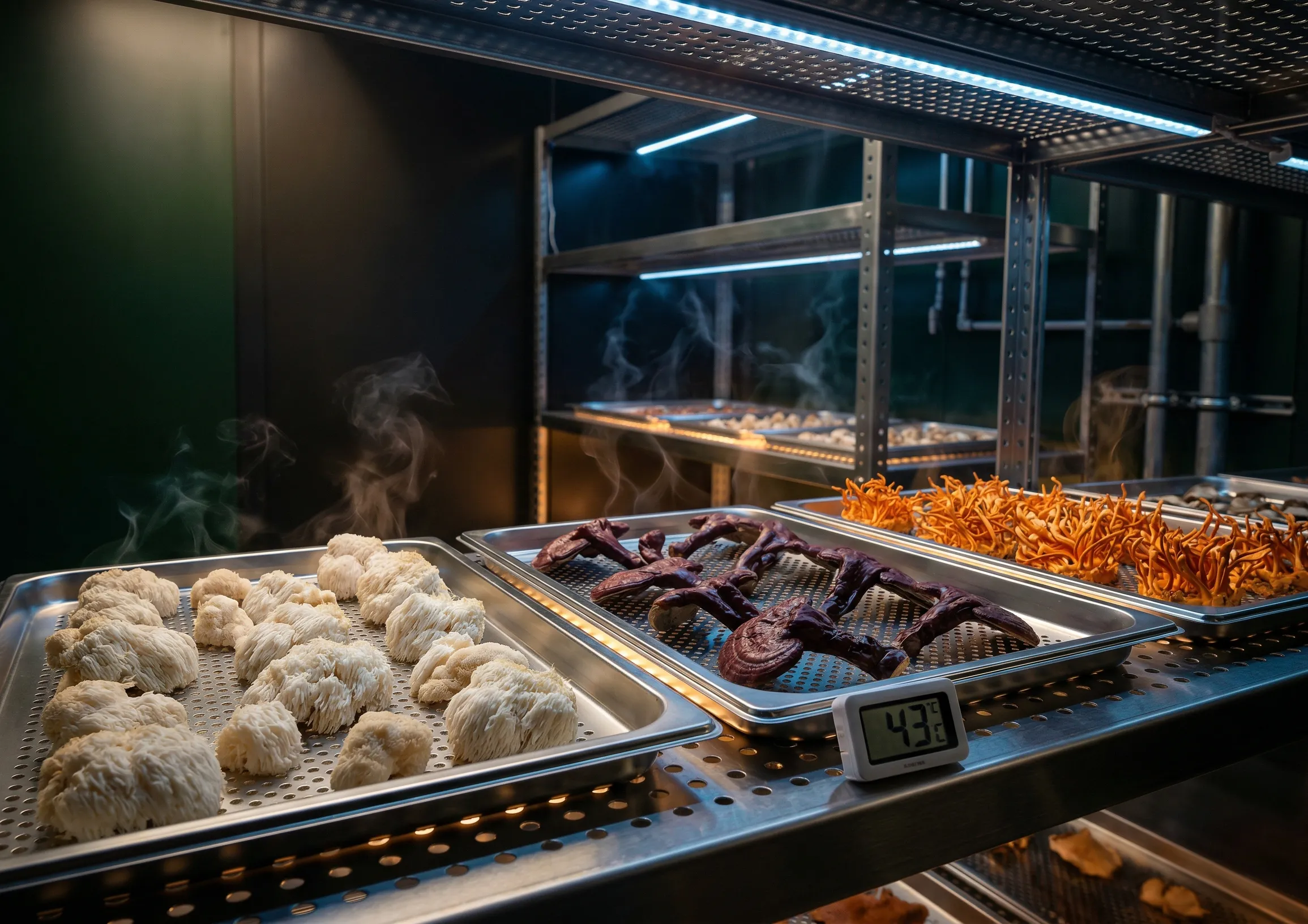
At MYCOVITA, this process is conducted across four rooms, with sensors, with Dutch-certified strains, and with batch-level Certificate of Analysis (COA). The difference is not merely scale — it is consistency.
Related reading: What Is Substrate? · Production Process
About MYCOVITA’s production philosophy, technical infrastructure, and transparency principles: Why MYCOVITA?
When you grow at home, you understand: even if you cultivate the same species, with the same substrate, under the same conditions twice, the result will differ. That is the nature of mushrooms.
But when you make that first harvest with your own hands — that feeling is something else entirely.
To see the difference that MYCOVITA’s controlled production environment makes, read our Why MYCOVITA? article; for the professional production process, visit our Production Process page.
MYCOVITA products are food products. They make no claim to treat, prevent, or cure any disease. If you have a health concern, consult your physician.
You Might Be Interested
→ Is Mushroom Produced in Turkey Reliable?
→ Functional Mushroom Production in Turkey
This content is for informational purposes only and does not constitute medical advice. Consult your physician before making any health decisions. Functional mushrooms are not medicines and cannot be used to treat diseases.
Version: 1.0 | Last updated: 20 Apr 2026 | Reviewed sources: 5+ | Method: Editorial Policy | References: Bibliography