Contamination Prevention and Mycotoxin Control in Commercial Mushroom Cultivation
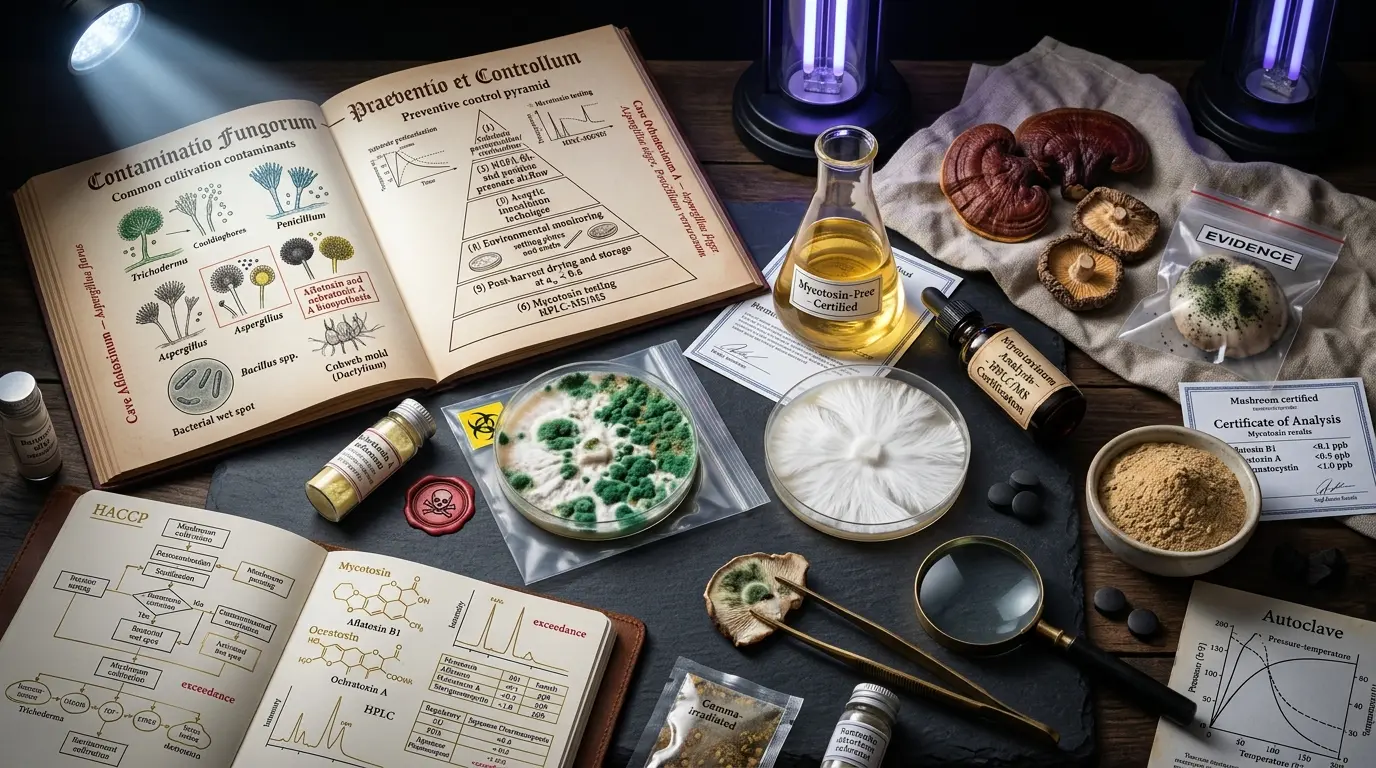
Contamination risks encountered in mushroom cultivation and processing, mycotoxin formation, and control mechanisms through independent analysis. A transparency-based guide.
— Introduction —
A common belief persists that mushrooms do not accumulate harmful substances. A natural product — inherently harmless.
This is incorrect. Mushrooms can absorb heavy metals, mycotoxins, and biological contaminants from their substrate and surrounding environment. Some of these pose serious risks to human health. This article explains what requires attention and why batch-level analysis is essential.
Three Primary Contamination Categories
1. Heavy Metals
Mushrooms are bioaccumulators — they have a pronounced tendency to absorb heavy metals from the substrate into their cellular structures. This effect is particularly evident in wild-harvested mushrooms.
Target metals:
- Cadmium (Cd): Accumulation is notable in Boletaceae and Agaricus species. EU food limits are stringent due to renal toxicity and a long biological half-life.
- Lead (Pb): Elevated levels occur in specimens grown near industrial zones. Neurotoxic.
- Arsenic (As): A specific risk in rice-based substrates — residue from paddy cultivation.
- Mercury (Hg): Concentrations increase in proximity to industrial regions.
Control method: Batch-level measurement via ICP-MS (Inductively Coupled Plasma Mass Spectrometry). Limits are referenced against the Turkish Food Codex and Commission Regulation (EU) 2023/915.
2. Mycotoxins
Mycotoxins are secondary metabolites produced primarily by mold fungi, notably Aspergillus, Penicillium, and Fusarium species. The functional mushroom species cultivated for supplements do not produce these toxins — however, if the substrate or storage environment becomes contaminated, mycotoxins generated on grain can transfer into the final product.
Critical mycotoxins:
- Aflatoxin B1/B2/G1/G2: Produced by Aspergillus flavus and A. parasiticus. IARC Group 1 carcinogen. Critical concern in grain substrates.
- Ochratoxin A: Originating from Penicillium verrucosum and certain Aspergillus species. Nephrotoxic.
- Zearalenone: Fusarium-derived. Exhibits estrogenic activity.
- Deoxynivalenol (DON): From Fusarium graminearum. Risk factor in grain-based substrates.
Control method: Quantification via HPLC-MS/MS or ELISA. Sterilized substrate, controlled-humidity environments, and low-temperature drying prevent mold proliferation.
3. Microbiological Contamination
Mushrooms, with their high moisture and protein content, provide a favorable medium for microbial growth. Residual flora may persist even after drying.
Critical parameters:
- Salmonella spp.: Must be absent in a 25 g sample.
- Escherichia coli: Elevated counts indicate a hygiene deficiency.
- Staphylococcus aureus: Marker of operator contamination.
- Total mold-yeast count: Must remain below CFU/g thresholds.
- Total aerobic plate count: An indicator of process hygiene.
Where Contamination Occurs
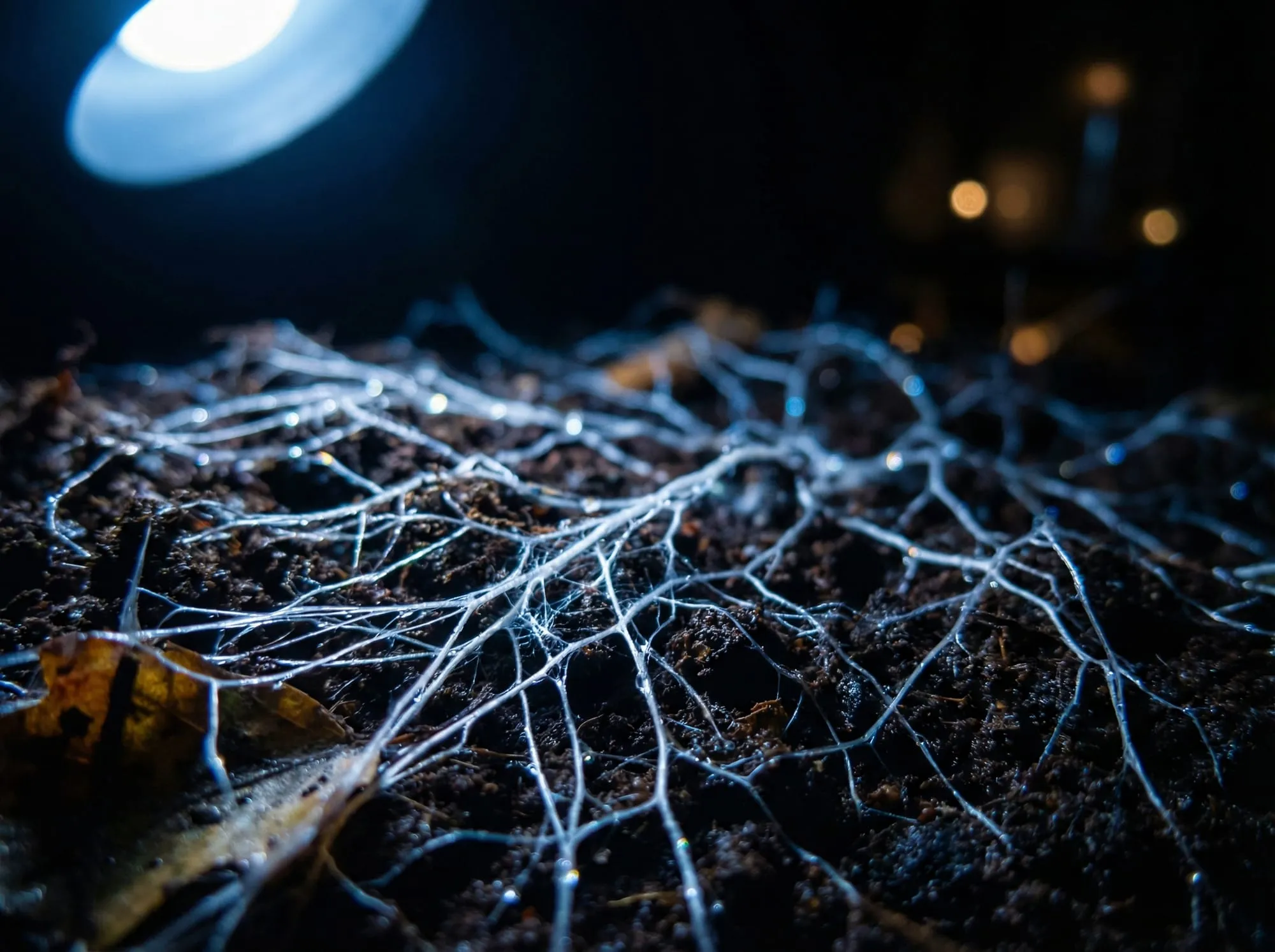
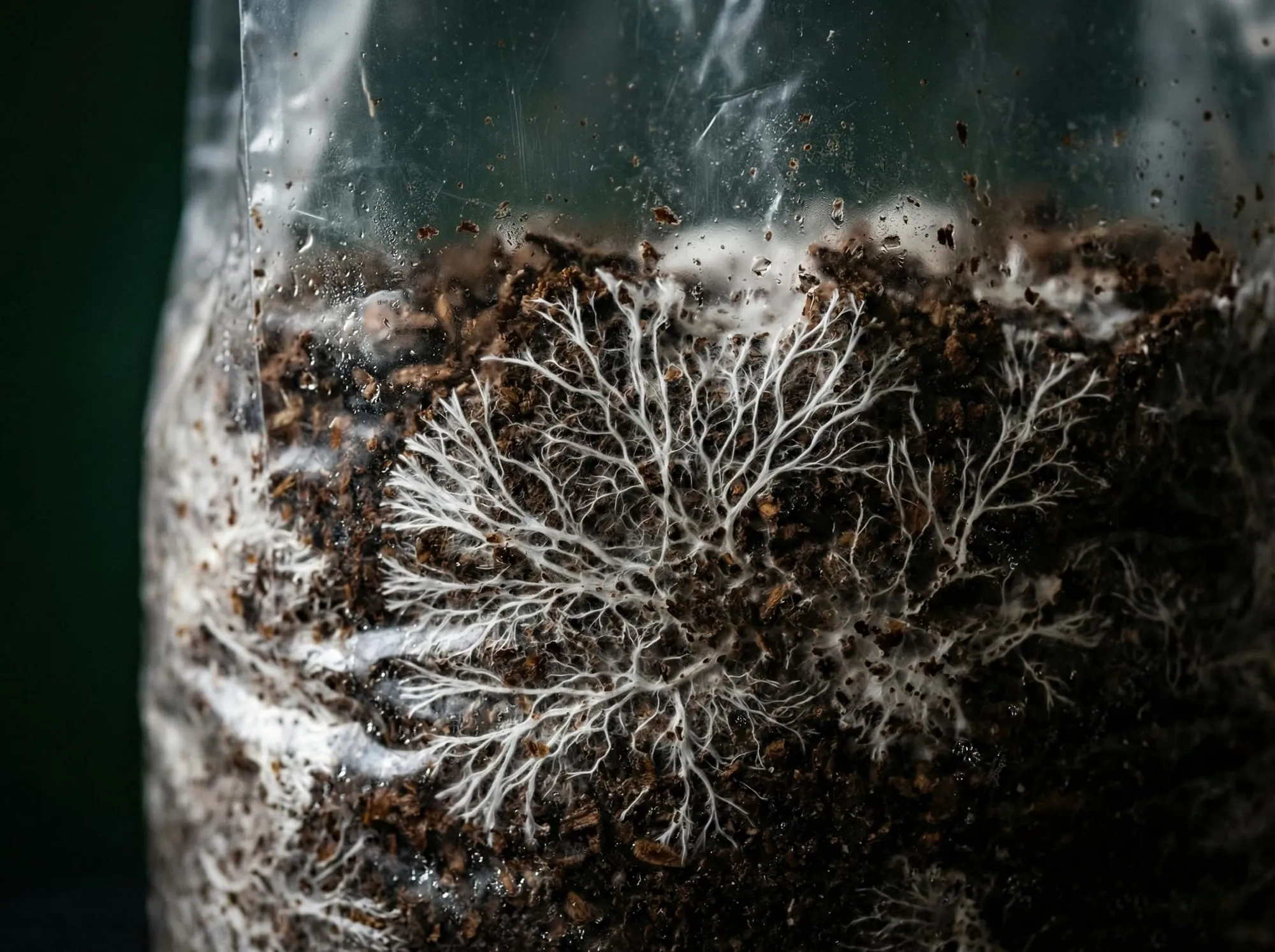
- Substrate preparation stage: Inadequate sterilization → mold and bacterial colonization.
- Inoculation: Contaminated spawn or airborne spore load.
- Colonization and fruiting: Deviation from environmental humidity-temperature-CO₂ parameters.
- Harvest: Non-hygienic equipment and environment.
- Drying: Slow or insufficient drying → enzymatic activity and mold development.
- Grinding and packaging: Cross-contamination, oxidation.
- Storage: Moisture and light exposure → potential for mycotoxin accumulation.
Each step constitutes a distinct control point. Negligence at a single stage may compromise the final product in a manner not readily detectable without comprehensive analysis.
MYCOVITA Control Protocol
- Substrate: Autoclave sterilization at 121°C for 90 minutes. Grain substrate origin is fully traceable.
- Spawn: Netherlands-certified, genetic purity verified, PCR-based strain identity confirmation.
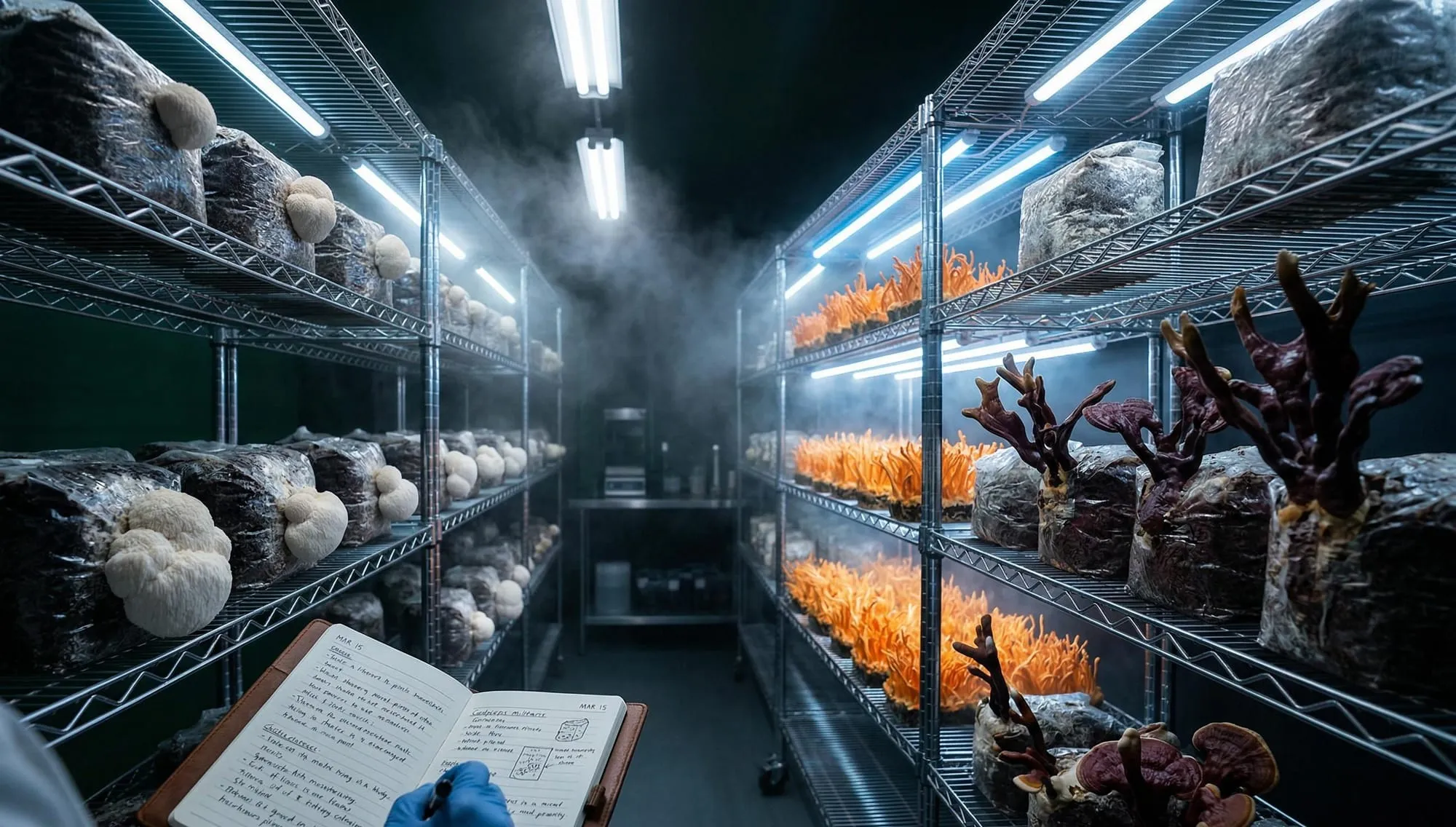
- Production environment: HEPA-filtered air intake, positive-pressure clean zone, VRF climate control maintaining temperature precision of ±0.5°C.
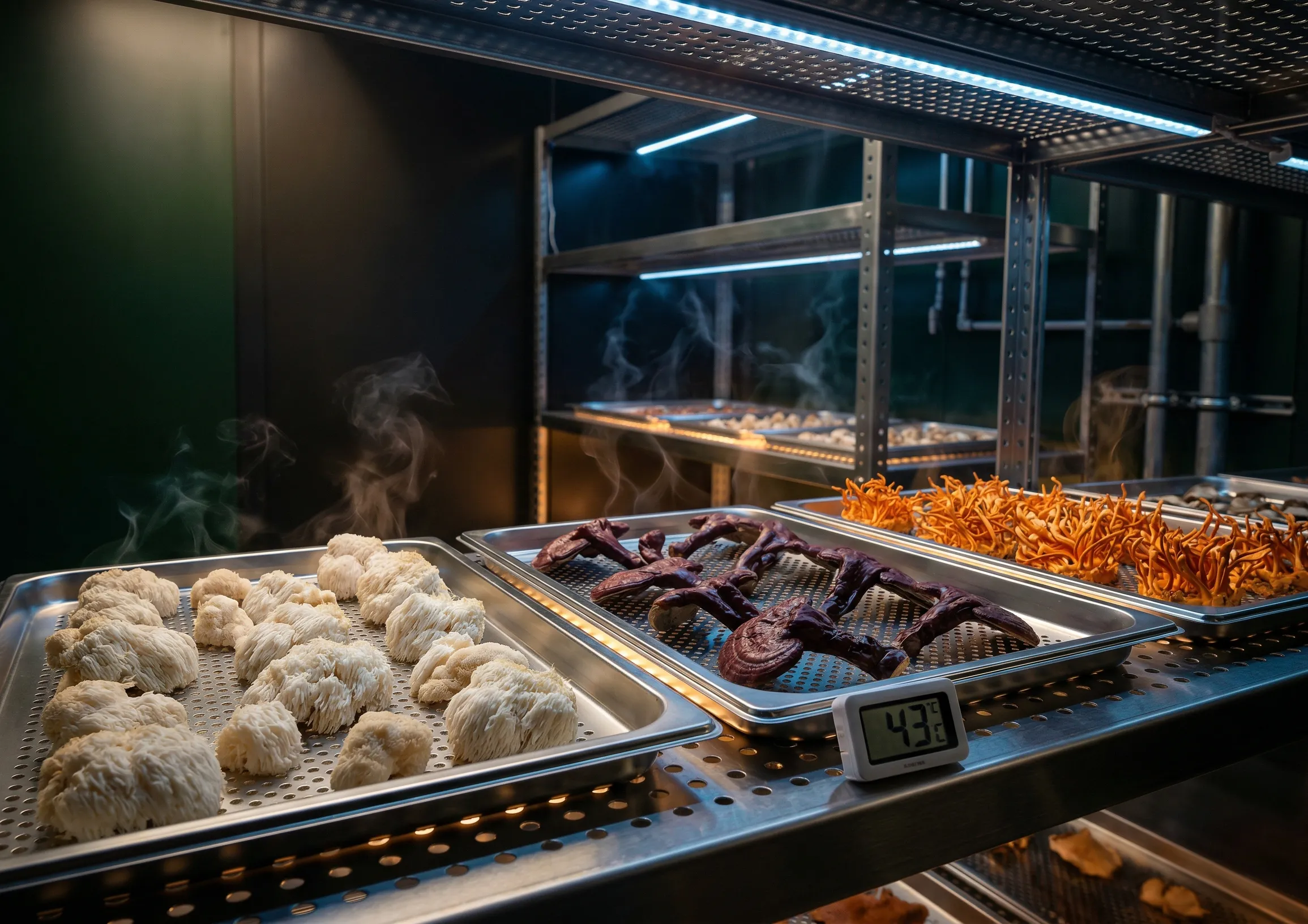
- Drying: 42–45°C, 18–36 hours. Moisture is rapidly reduced to inactivate enzymes and prevent mold growth.
- Batch analysis: Every batch undergoes independent accredited laboratory testing: heavy metals (ICP-MS), mycotoxin screening, microbiology panel, and beta-glucan quantification (Megazyme AOAC 2009.02).
- Recall protocol: Any batch exceeding analytical thresholds is withheld from sale. Should a batch have been released, a serial-number-based recall is executed.
Special Warning on Wild Mushrooms
The culture of wild mushroom foraging is widespread in the Black Sea region. However, due to bioaccumulation risk, mushrooms collected near industrial zones, alongside highways, or in areas subject to agricultural pesticide application may carry elevated heavy metal and pesticide loads. Furthermore, identification errors pose a life-threatening risk (Amanita phalloides is deadly).
Questions Consumers Should Ask
- Does the product's Certificate of Analysis include heavy metal testing?
- Has mycotoxin screening been performed?
- Have microbiological safety parameters been measured?
- Is analysis conducted for each individual batch, or is a single generic document provided?
- Is the laboratory accredited (ISO 17025)?
The answer to every one of these questions must be affirmative. A producer unable to answer yes to all is not controlling contamination risk.
Related reading: COA Reading Guide · Why MYCOVITA · Wild Mushroom Safety · What Is Substrate?
Reference: Bibliography · Method: Editorial Policy
This content is for informational purposes only and does not constitute medical advice. Consult your physician before making any health-related decisions. Functional mushrooms are not medicinal products and cannot be used for the treatment of diseases.
Version: 1.0 | Last updated: 20 Apr 2026 | Sources reviewed: 9+ | Method: Editorial Policy | References: Bibliography