The Safety Profile of Functional Mushroom Supplements
— THE HOOK —
You search the internet for mushroom powder. On one side, influencers calling it a “miracle food”; on the other, headlines warning “it may be harmful.” There appears to be no middle ground.
But a middle ground exists. And that middle ground is what the scientific literature actually says.
This article will not tell you “it is safe, buy it immediately,” nor will it say “it is dangerous, stay away.” It will honestly present the known risks, the situations that require caution, and the safety profile of functional mushrooms.
— GENERAL SAFETY PROFILE —
Functional mushrooms are food species that have been consumed for thousands of years.
Lion’s Mane: In a 2009 study by Mori et al., no serious adverse effects were reported over 16 weeks. Details: Lion’s Mane Side Effects
Reishi: A usage history exceeding 2,000 years. Found safe at a daily range of 1.5–9 grams.
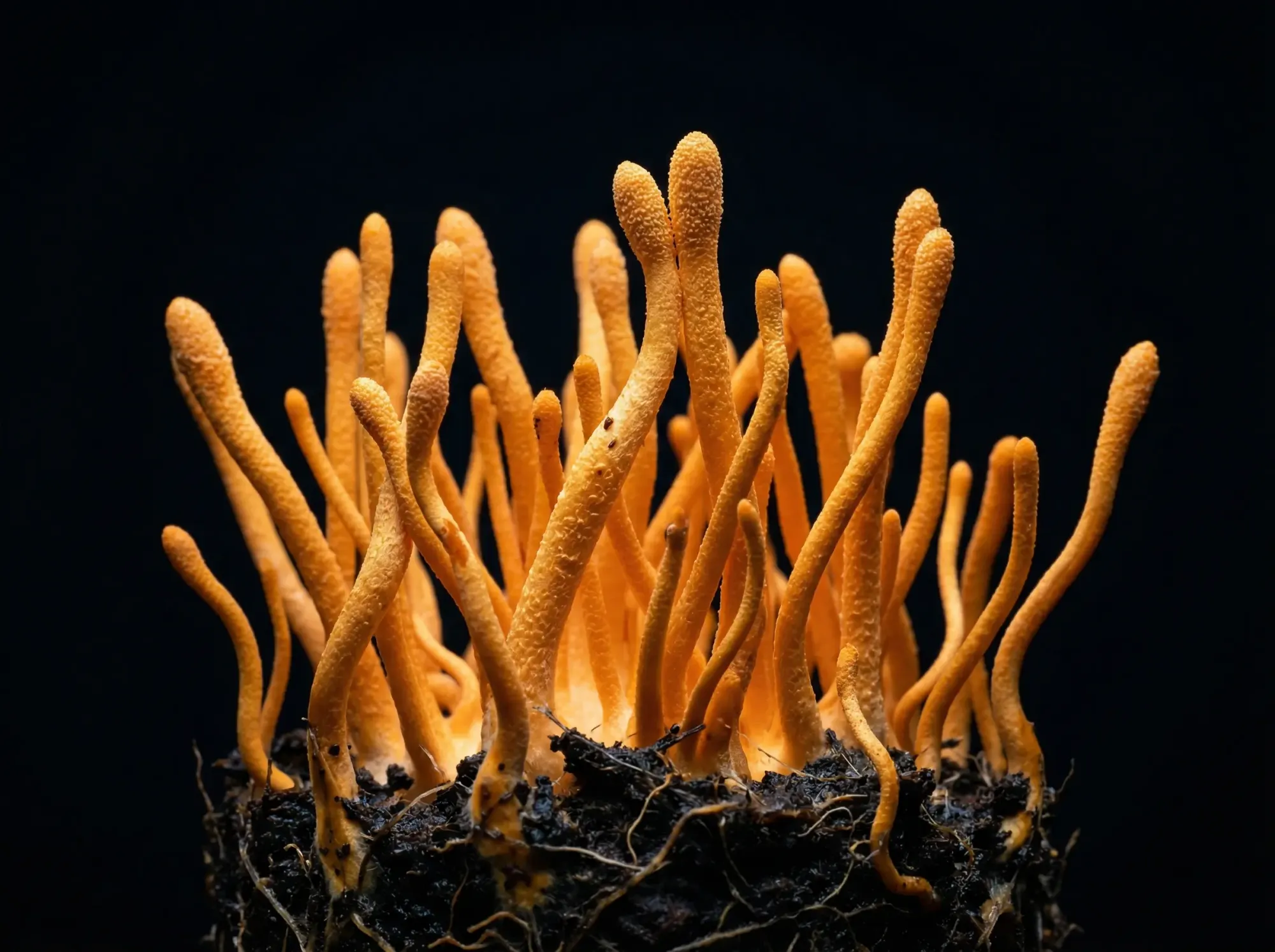
Cordyceps militaris: Safe profile at a daily range of 1–3 grams.
Turkey Tail: Its PSK component has been in clinical use in Japan since 1977. Extensive safety data exist.
Sparassis crispa: No known serious side effects.
— WHO SHOULD EXERCISE CAUTION —
Those using blood thinners: A potential anticoagulant interaction has been reported for Reishi and Cordyceps. Do not use without consulting your physician.
Those with autoimmune conditions: Beta-glucan modulates the immune system. It may pose a risk for individuals taking immunosuppressive drugs.
Before surgery: It is recommended to discontinue use at least 2 weeks prior to an operation.
Pregnancy and breastfeeding: Sufficient clinical data are lacking. The Gastronomy series is safe as food. For the Apothecary series, consult your physician. Details
Mushroom allergy: Rare but possible. Start with a low dose and monitor.
— DRUG INTERACTIONS —
Anticoagulants (Warfarin, Heparin): May increase bleeding risk.
Diabetes medications: Reishi and Maitake have the potential to lower blood sugar — risk of hypoglycemia.
Immunosuppressants: Beta-glucan stimulates the immune system, while these drugs suppress it. The mechanisms conflict.
Chemotherapy: Must be evaluated under oncologist supervision. Do not decide on your own.
If you use any prescription medication, do not take functional mushrooms without consulting your physician.
— QUALITY AND SAFETY —
Heavy metal contamination: Risk exists in uncontrolled environments. A Certificate of Analysis (COA) is critical.
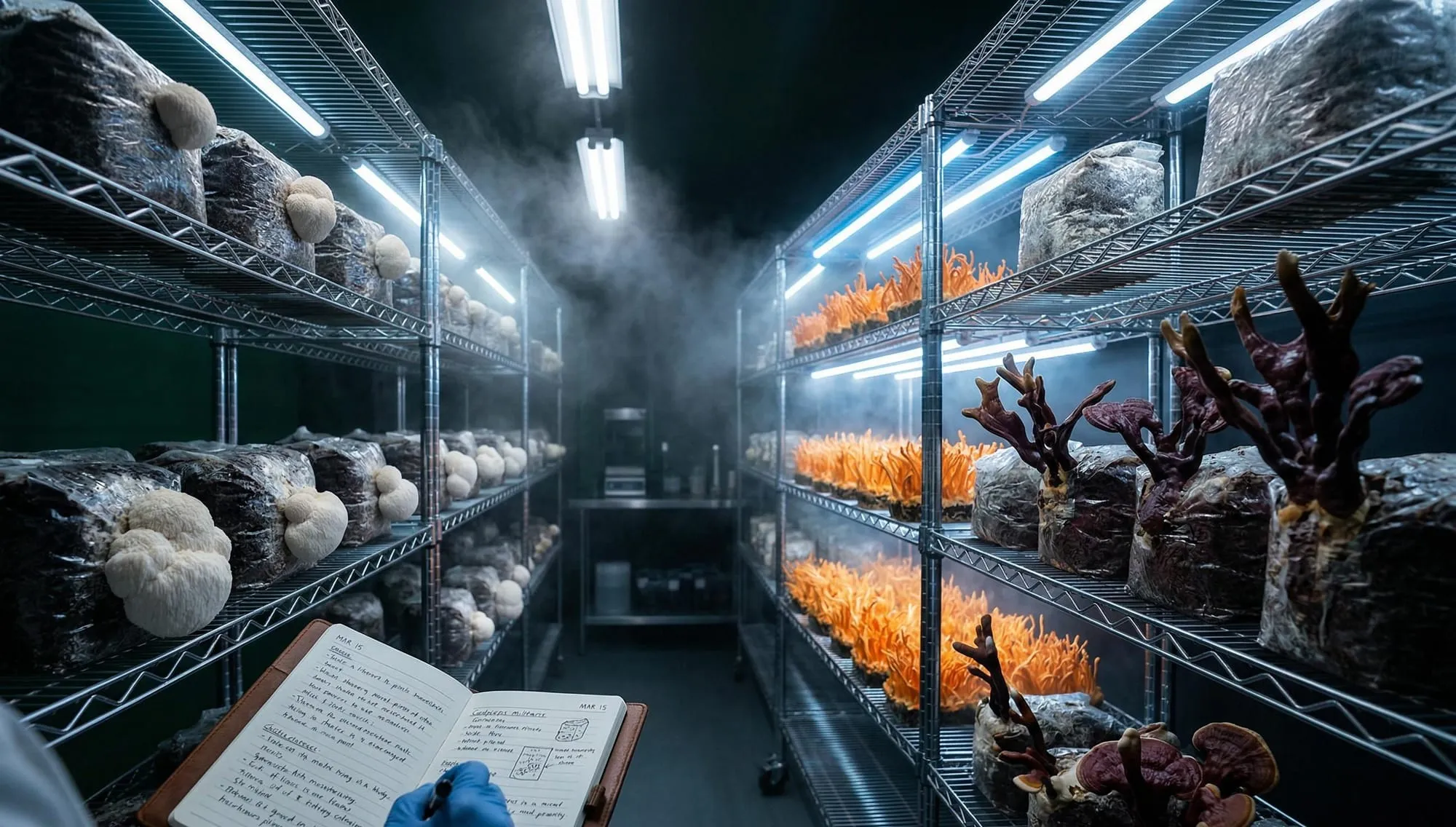
Microbiological cleanliness: Risk of mold and bacteria in facilities with poor humidity control.
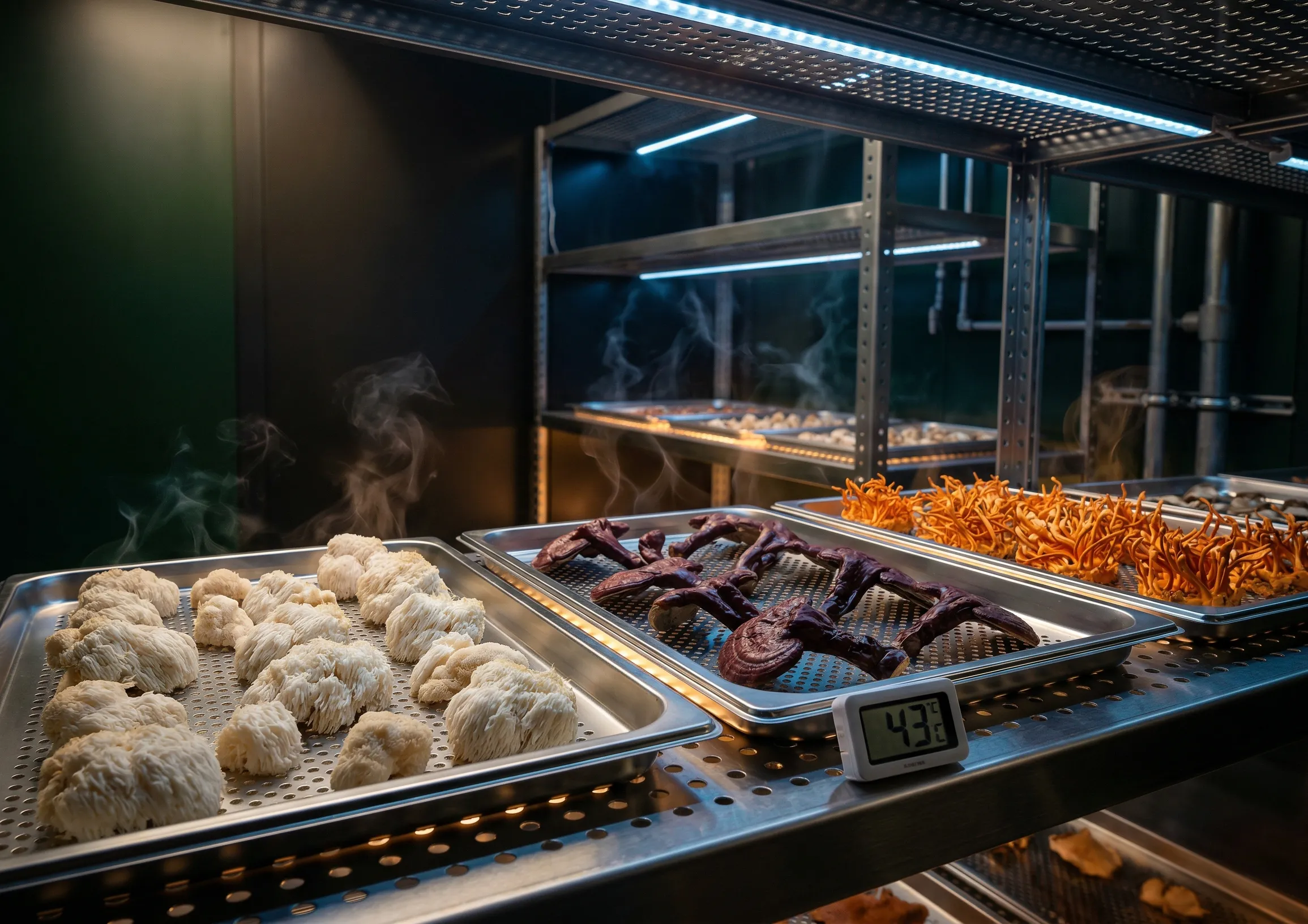
MYCOVITA: 100% fruiting body, batch-specific COA, drying at 42–45°C, certified mycelium. Details
— DOSAGE AND DURATION —
1–3 grams per day, varying by species. Start low, increase slowly. Begin with 0.5–1 g during the first week. Detailed dosage guide
— CONCLUSION —
Functional mushrooms are safe food products for most healthy adults. However, drug interactions are real. The right question is not “Is it safe?” but “Is it safe for my specific situation, and am I confident in the quality of this product?”
Related reading: Lion’s Mane Side Effects · Daily Doses · Pregnancy & Breastfeeding Guide
MYCOVITA’s production philosophy: Why MYCOVITA?
— SCIENTIFIC REFERENCES —
Mori, K. et al. (2009). Phytotherapy Research, 23(3), 367-372. · Wachtel-Galor, S. et al. (2011). Herbal Medicine, CRC Press. · Zhu, J.S. et al. (1998). JACM, 4(3), 289-303.
You May Also Like
→ Travel Protocol — How Do I Use It While Traveling?
→ Can You Grow Mushrooms at Home? — A Beginner’s Guide
→ What Is Mushroom Powder Used For?
This content is for informational purposes only and does not constitute medical advice. Consult your physician before making any health decisions. Functional mushrooms are not drugs and cannot be used to treat diseases.
Version: 1.0 | Last updated: 20 Apr 2026 | Sources reviewed: 7+ | Methodology: Editorial Policy | References: Bibliography