Cordyceps Mushrooms: Evaluating Adverse Reactions and Overall Safety
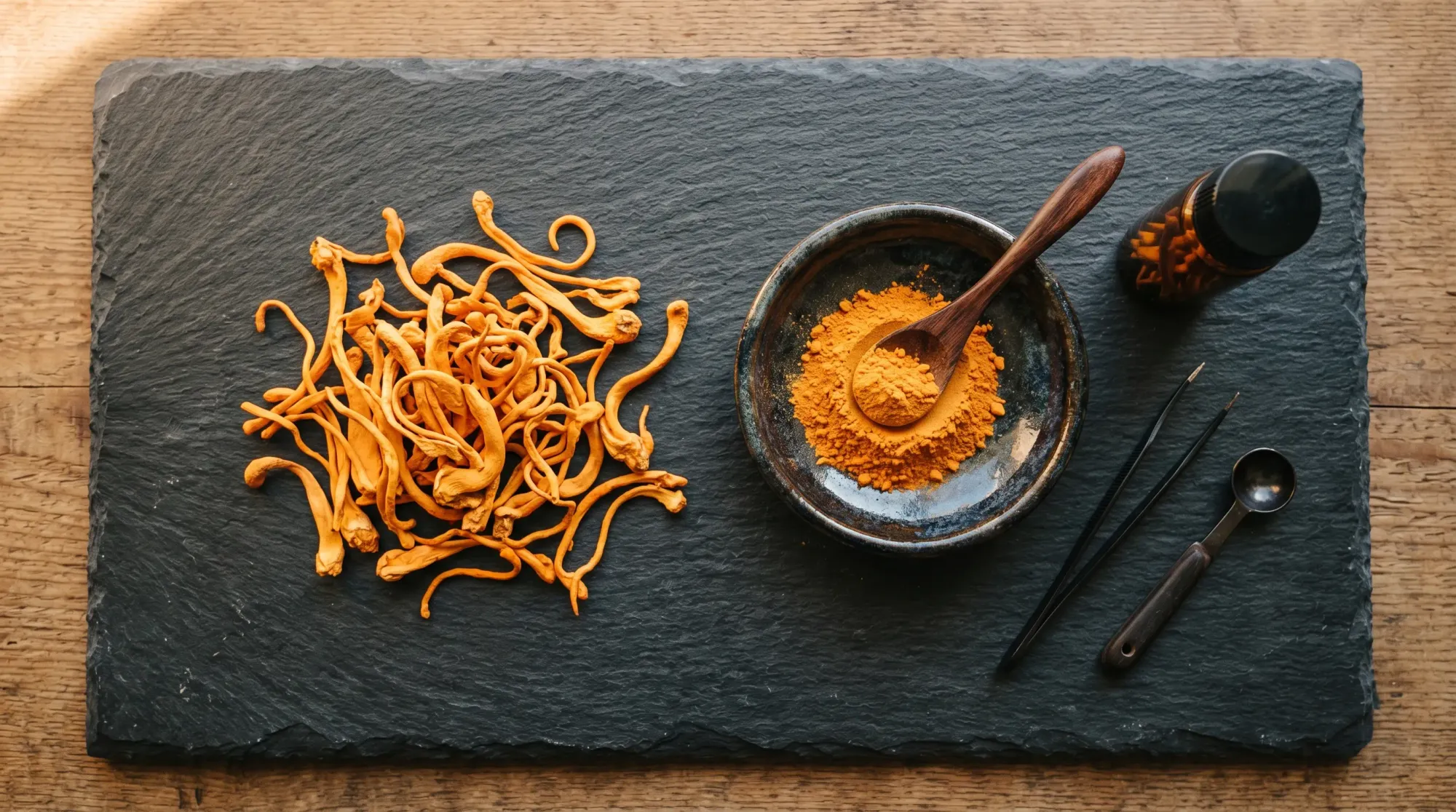
— HOOK —
Cordyceps is widely recognized as a "natural energy source." Cordycepin, ATP synthesis, mitochondrial effects — the compound profile is genuinely impressive.
Yet as with any bioactive substance, Cordyceps has its boundaries and situations requiring caution. This article details them.
— SAFETY PROFILE —
Cordyceps militaris is generally regarded as safe. It has been used for centuries in traditional Chinese and Tibetan medicine. In modern clinical studies, serious adverse events at standard doses (1–3 grams/day) are rare.
However, "rare" does not mean nonexistent. Certain populations warrant particular attention.
— REPORTED SIDE EFFECTS —
Gastrointestinal system: Some individuals experience mild nausea, diarrhea, or abdominal discomfort. These effects typically appear at high doses or during initial use. Reducing the dose and consuming with food usually resolves the issue.
Dry mouth: Uncommon but reported. Manageable with adequate water intake.
Sleep disturbance: Due to Cordyceps' energizing effect, late-evening consumption may interfere with sleep onset. This is not a side effect per se but a timing problem. The solution: take it in the morning or before midday.
Heart palpitations: Very rare. May be perceptible in sensitive individuals owing to cordycepin's interaction with adenosine receptors. Those with cardiac conditions should exercise caution.
— DRUG INTERACTIONS —
Anticoagulants (Warfarin, Aspirin): In vitro data suggest Cordyceps may exhibit antiplatelet activity. Individuals using blood thinners must consult their physician.
Antidiabetic medications: Animal studies indicate Cordyceps may lower blood glucose. Caution is warranted regarding hypoglycemia risk when combined with diabetes medications.
Immunosuppressants: The immunomodulatory effects of Cordyceps may interfere with immunosuppressive therapy. Organ transplant recipients and individuals undergoing autoimmune treatment should avoid it.
Stimulants and caffeine: Cordycepin and caffeine operate through distinct mechanisms, yet both interact with the adenosine system. Combined with high caffeine intake, a sensation of overstimulation may occur.
— WHO SHOULD NOT USE CORDYCEPS —
❌ Individuals on anticoagulants — never without physician consultation
❌ Those scheduled for surgery — discontinue 2 weeks before the procedure
❌ Pregnant and breastfeeding women — insufficient safety data exist
❌ Individuals with autoimmune conditions — immune modulation demands caution
❌ Those with serious cardiac conditions — physician consultation is mandatory
❌ Children under 12 years — clinical safety data are inadequate
— DOSAGE AND TIMING —
General dose: 1–2 grams/day (powder form)
Timing: Morning or before midday. Absolutely avoid evening use — it may impair sleep quality.
Starting protocol: Begin with 0.5–1 gram during the first week. Observe tolerance.
Athletes: 60–90 minutes before training. Never experiment for the first time on competition day — test tolerance in advance.
Cycling: 8–12 weeks on, 2–4 weeks off. Indefinite continuous use is not recommended.
— CORDYCEPS SINENSIS vs. MILITARIS —
An important distinction in the safety profile:
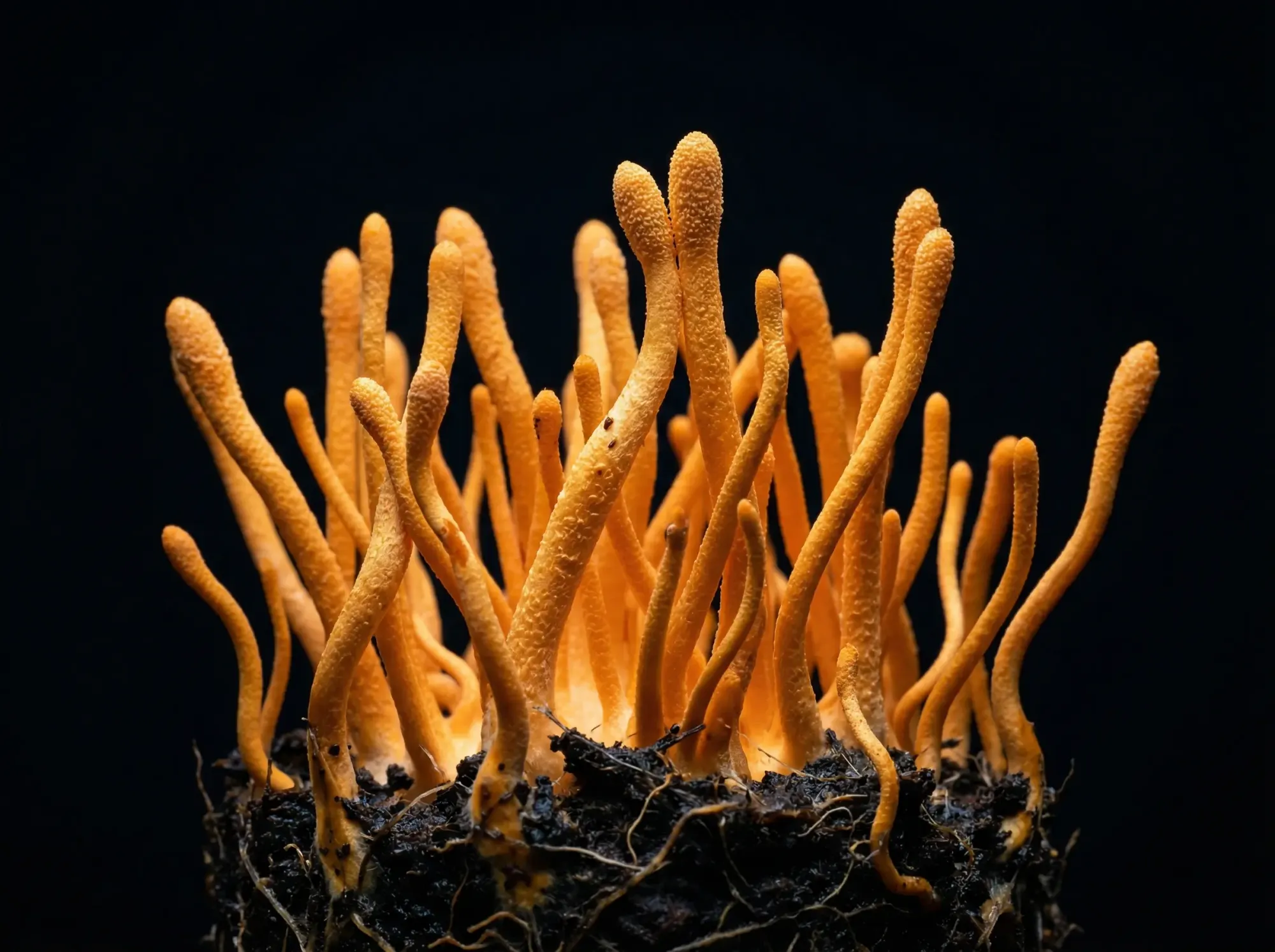
Cordyceps sinensis: A wild-harvested species endemic to the high Tibetan plateau. Expensive, rare, and vulnerable to adulteration. Heavy metal contamination risk is elevated.
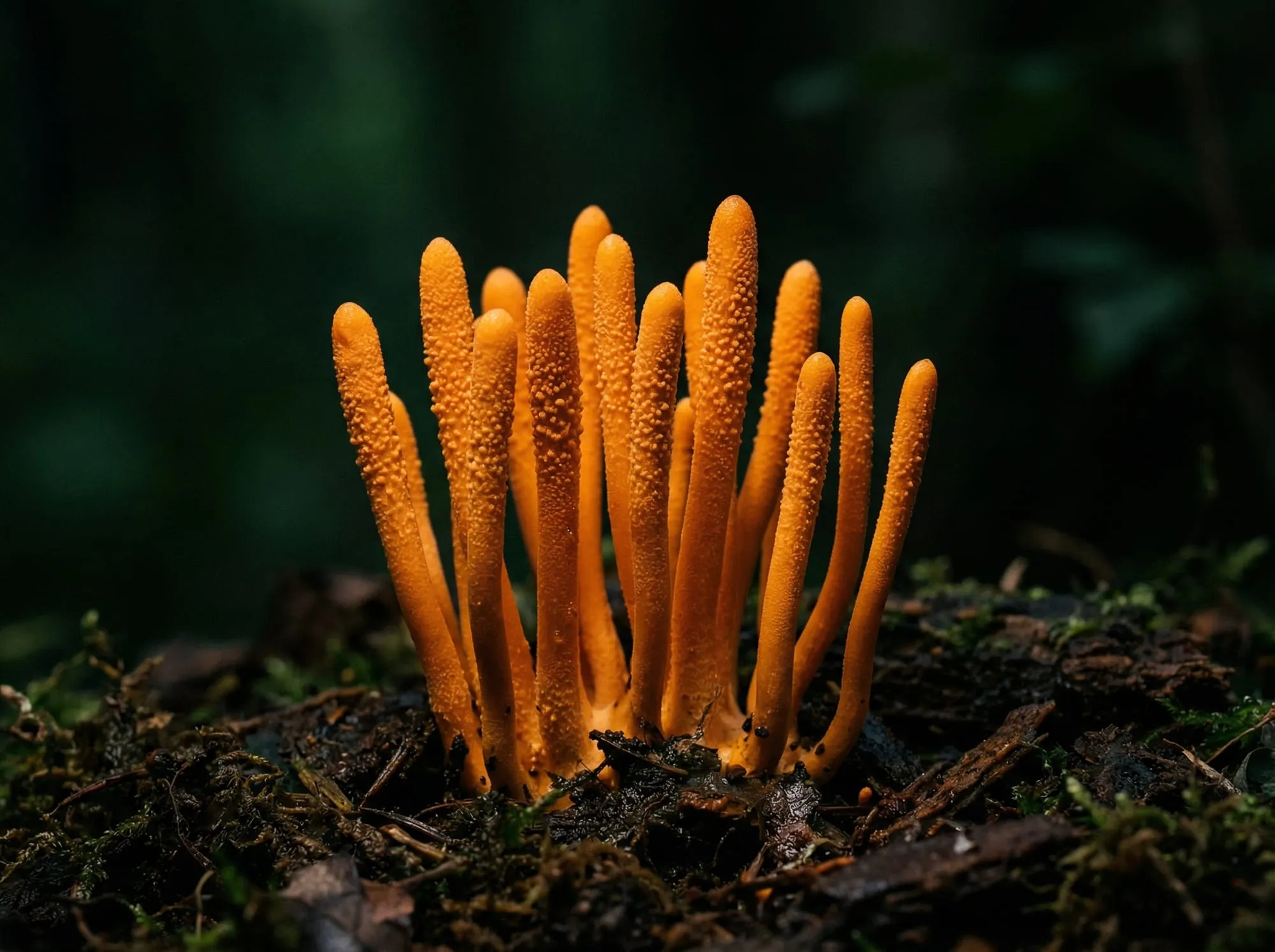
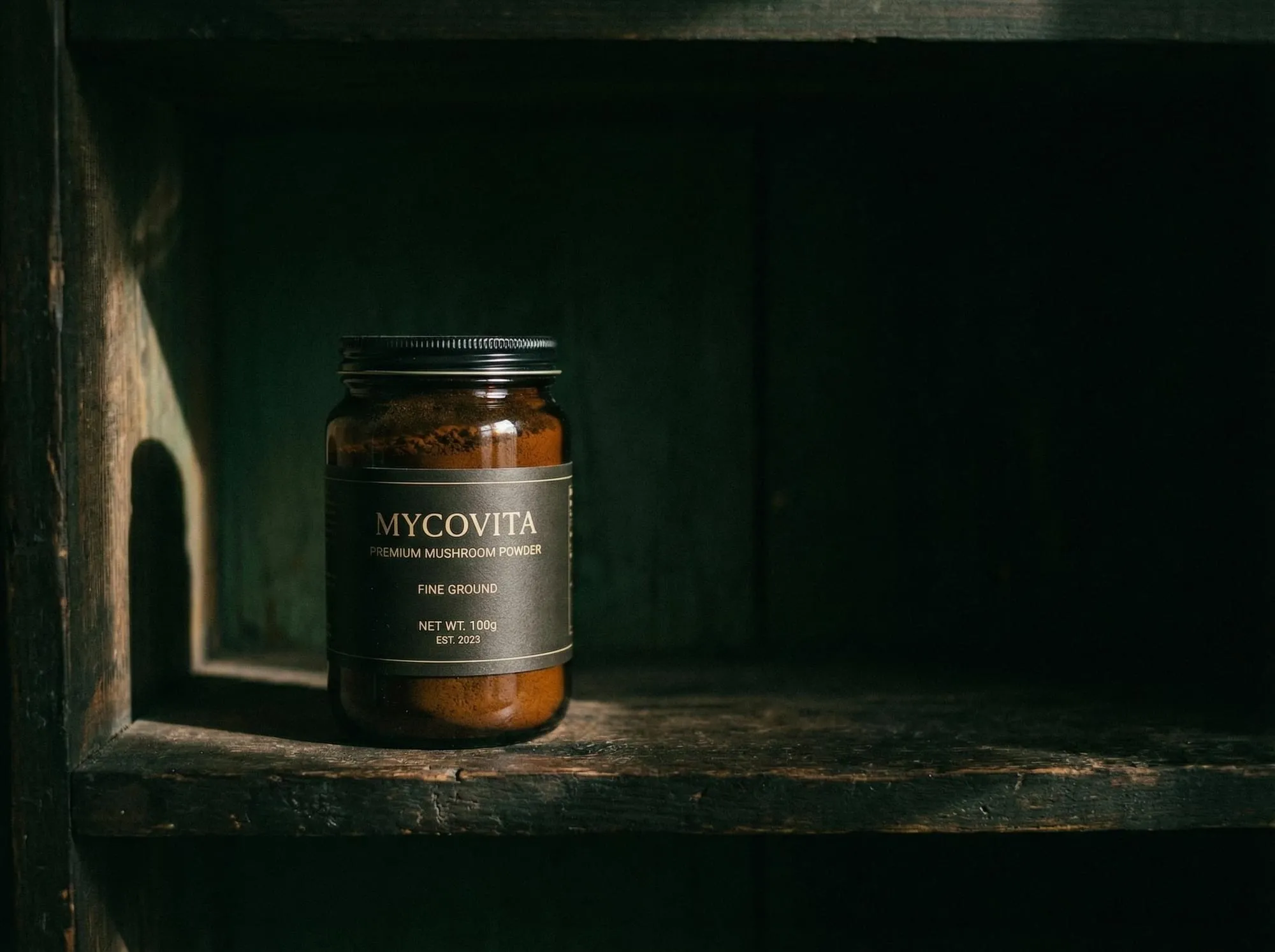
Cordyceps militaris: A species that can be cultivated under controlled conditions. This is the species used by modern producers, including MYCOVITA. It is standardizable, analytically verifiable, and reliable.
Regarding cordycepin concentration, C. militaris surpasses C. sinensis. The MYCOVITA Cordyceps product is manufactured from 100% C. militaris fruiting body.
— A HONEST ASSESSMENT —
Cordyceps militaris possesses a strong safety profile. At standard doses, it causes no issues for the majority of healthy adults. However:
✓ Those on medication must consult their physician
✓ Evening use may disrupt sleep — timing is critical
✓ Interaction potential exists with anticoagulants and antidiabetic drugs
✓ Starting dose should be kept low
✓ Cyclical use is preferable
— SCIENTIFIC REFERENCES —
Tuli, H.S. et al. (2013). Pharmacological and therapeutic potential of Cordyceps. 3 Biotech, 4(1).
Das, S.K. et al. (2010). Medicinal uses of the mushroom Cordyceps militaris. Journal of Ethnopharmacology, 132(2).
Ng, T.B. & Wang, H.X. (2005). Pharmacological actions of Cordyceps. Journal of Pharmacy and Pharmacology, 57(12).
Ashraf, S.A. et al. (2020). Cordycepin for Health and Wellbeing. Molecules, 25(12).
You May Also Find Interesting
→ VITALITY | Cordyceps — Species Encyclopedia
→ What Is Cordycepin? — The Active Compound of Cordyceps
→ Does Cordyceps Work Like Caffeine?
→ Does Cordyceps Actually Work?
→ Mushroom Protocol for Athletes
Related Reading
- Reishi Mushroom Side Effects and Safety Profile — Side Effects and Safety Profile of Reishi Mushroom
- Lion's Mane Mushroom Side Effects and Safety Profile — Side Effects and Safety Profile of Lion's Mane Mushroom
- Functional Mushrooms and Drug Interactions Safety Guide — Functional Mushrooms and Drug Interactions Safety Guide
This content is for informational purposes only and does not constitute medical advice. Consult your physician before making any health-related decisions. Functional mushrooms are not pharmaceuticals and cannot be used to treat diseases.
Version: 1.0 | Last updated: 20 Apr 2026 | Sources reviewed: 7+ | Method: Editorial Policy | References: Bibliography