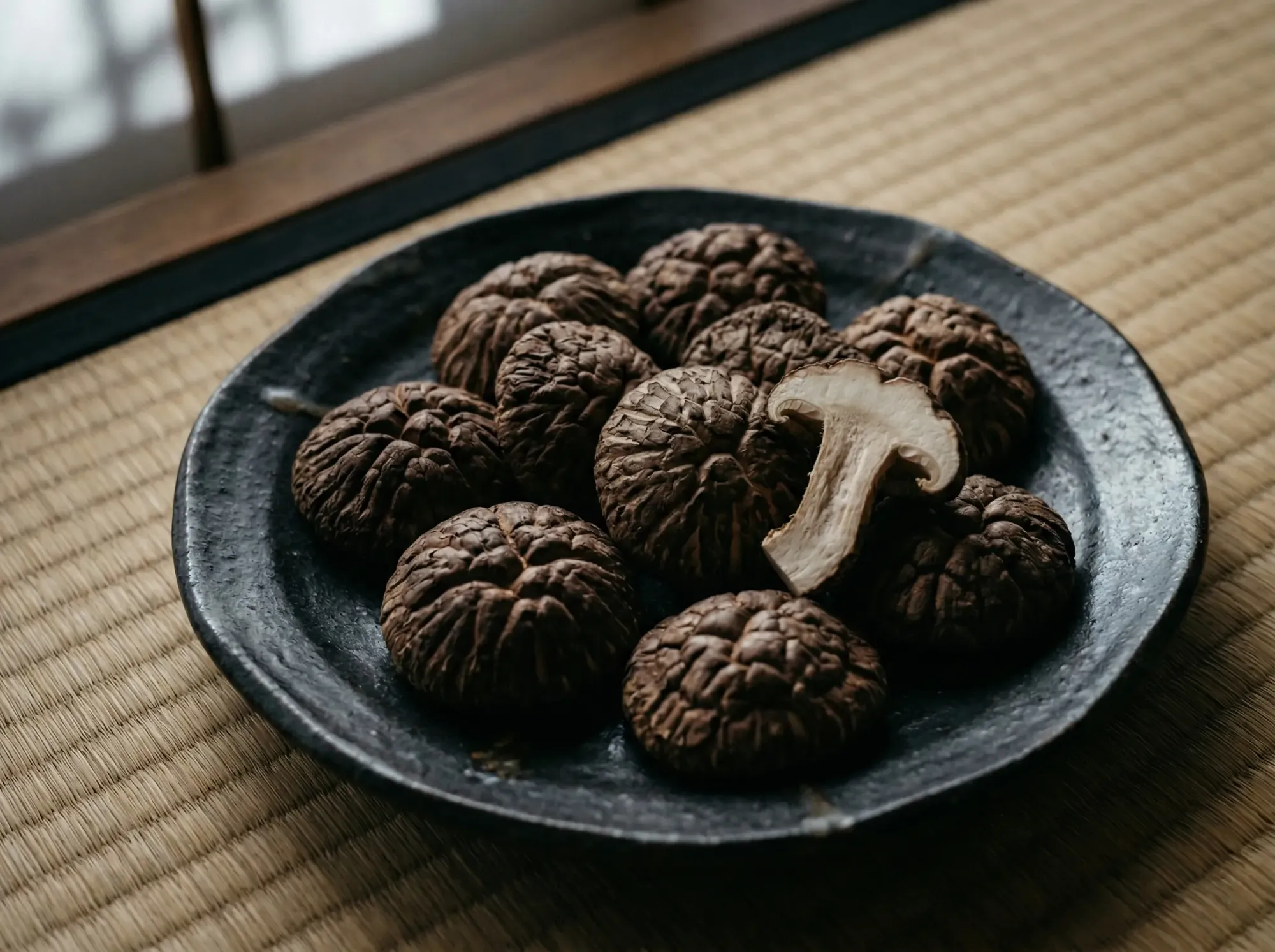
Culinary Applications of the Shiitake Donko Mushroom
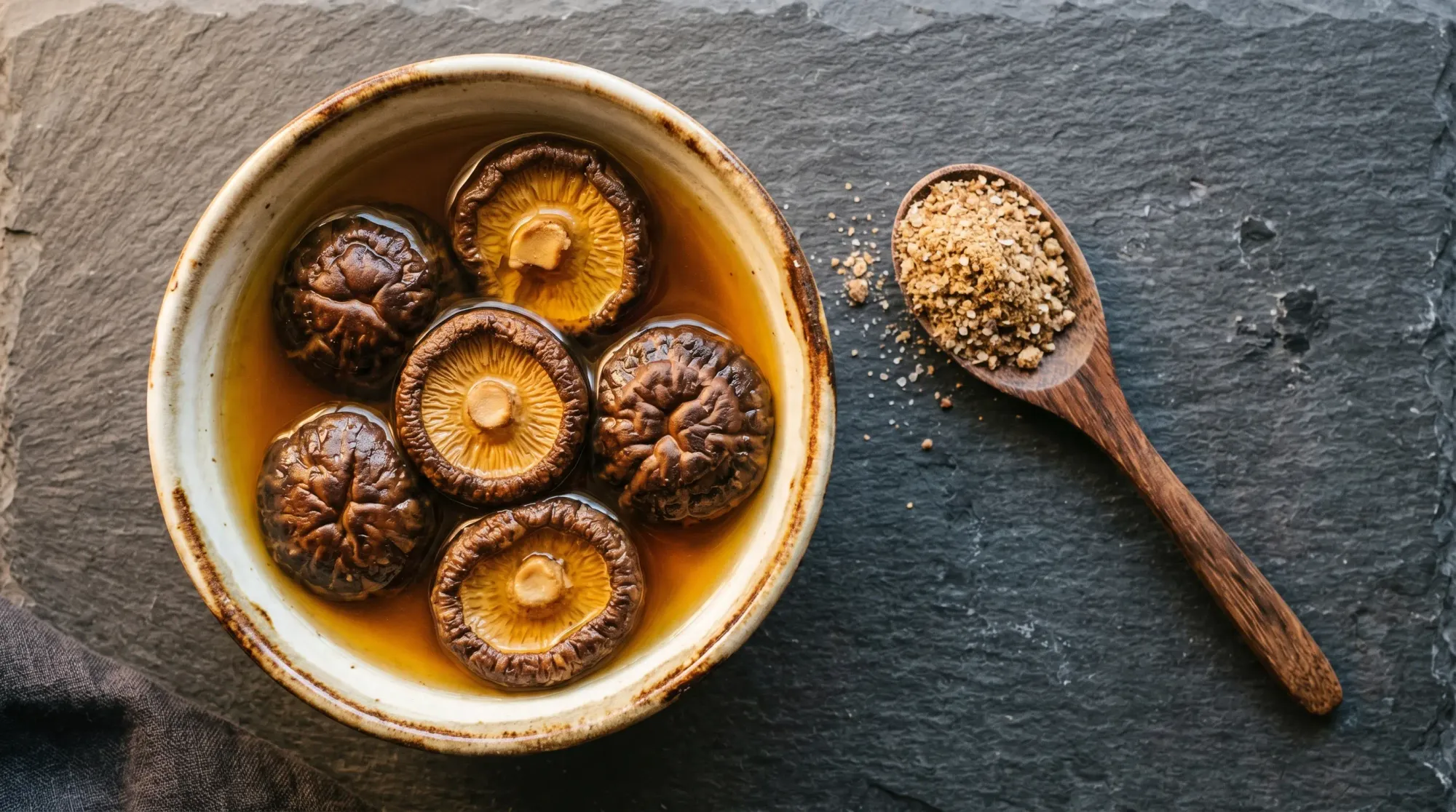
Donko-grade shiitake mushrooms, characterized by their thick, fleshy caps and a slow, carefully controlled drying process, are regarded as the most esteemed category within Japanese cuisine.
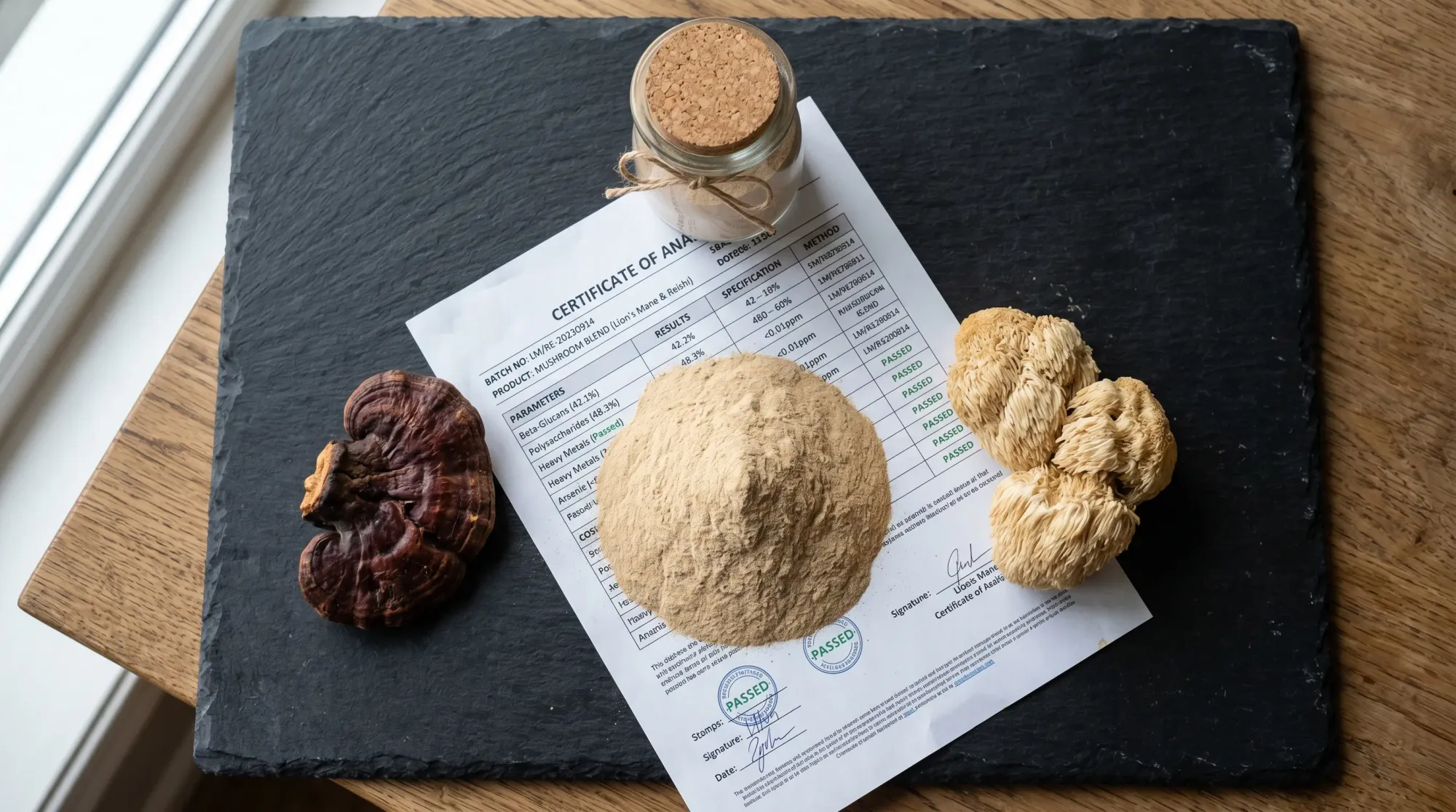
The Guiding Principles Behind the MYCOVITA Transparency Manifesto
MYCOVITA maintains complete transparency by making all production and analytical process documentation openly available to its customers.
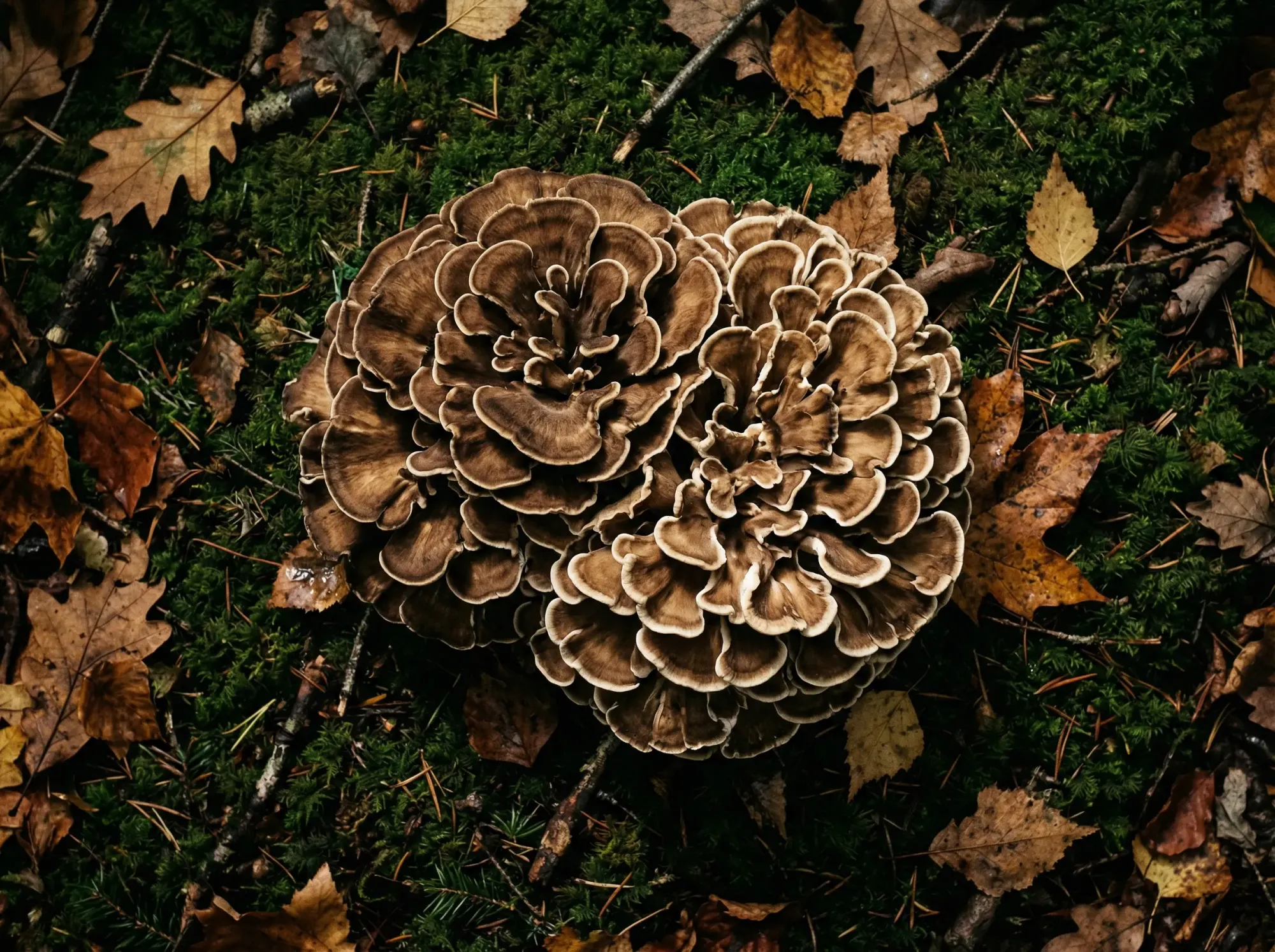
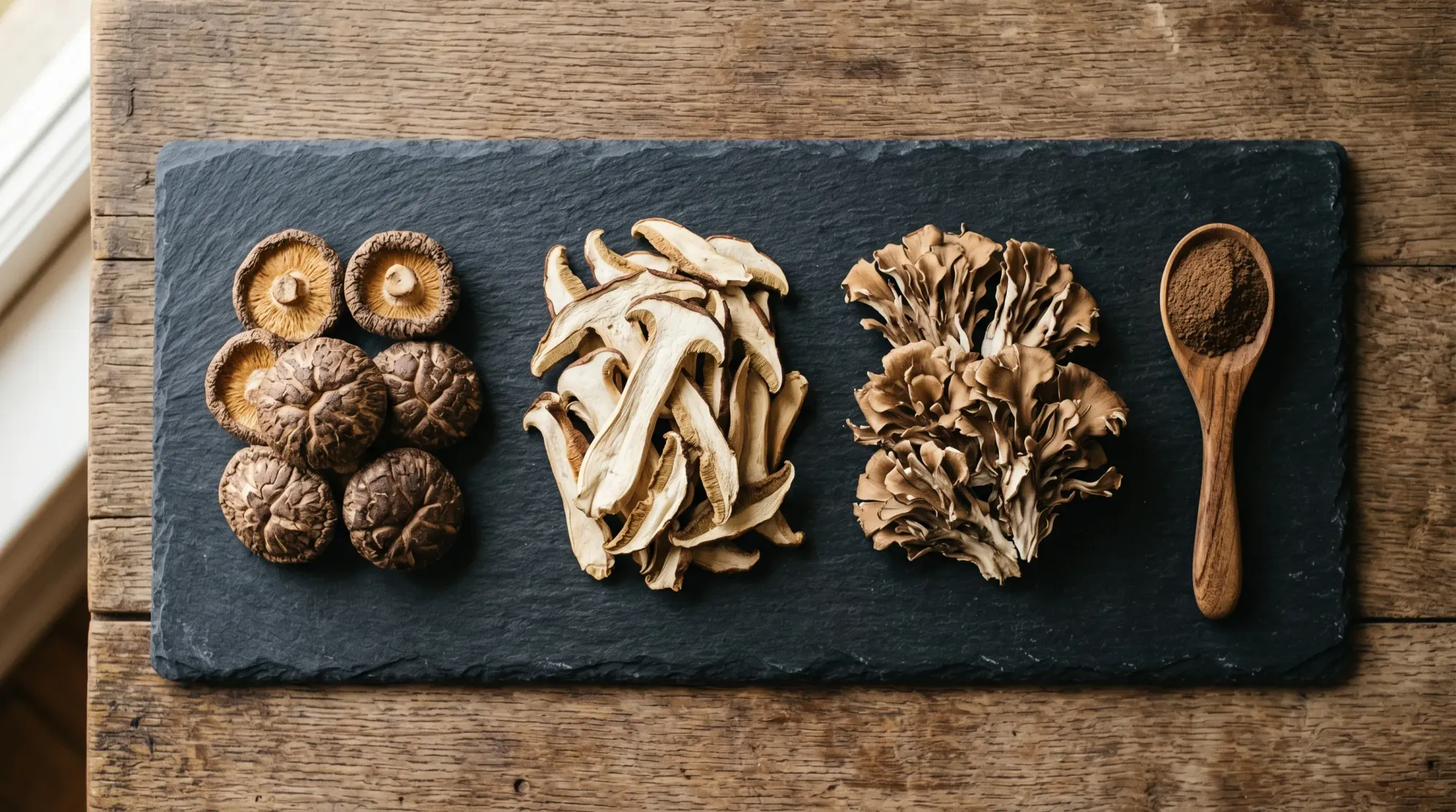
The Definitive Guide to Maitake Mushrooms: Culinary Applications and Preparation Techniques
The Japanese name for maitake translates literally to “dancing mushroom,” an allusion to the exuberant delight of encountering it in the wild.
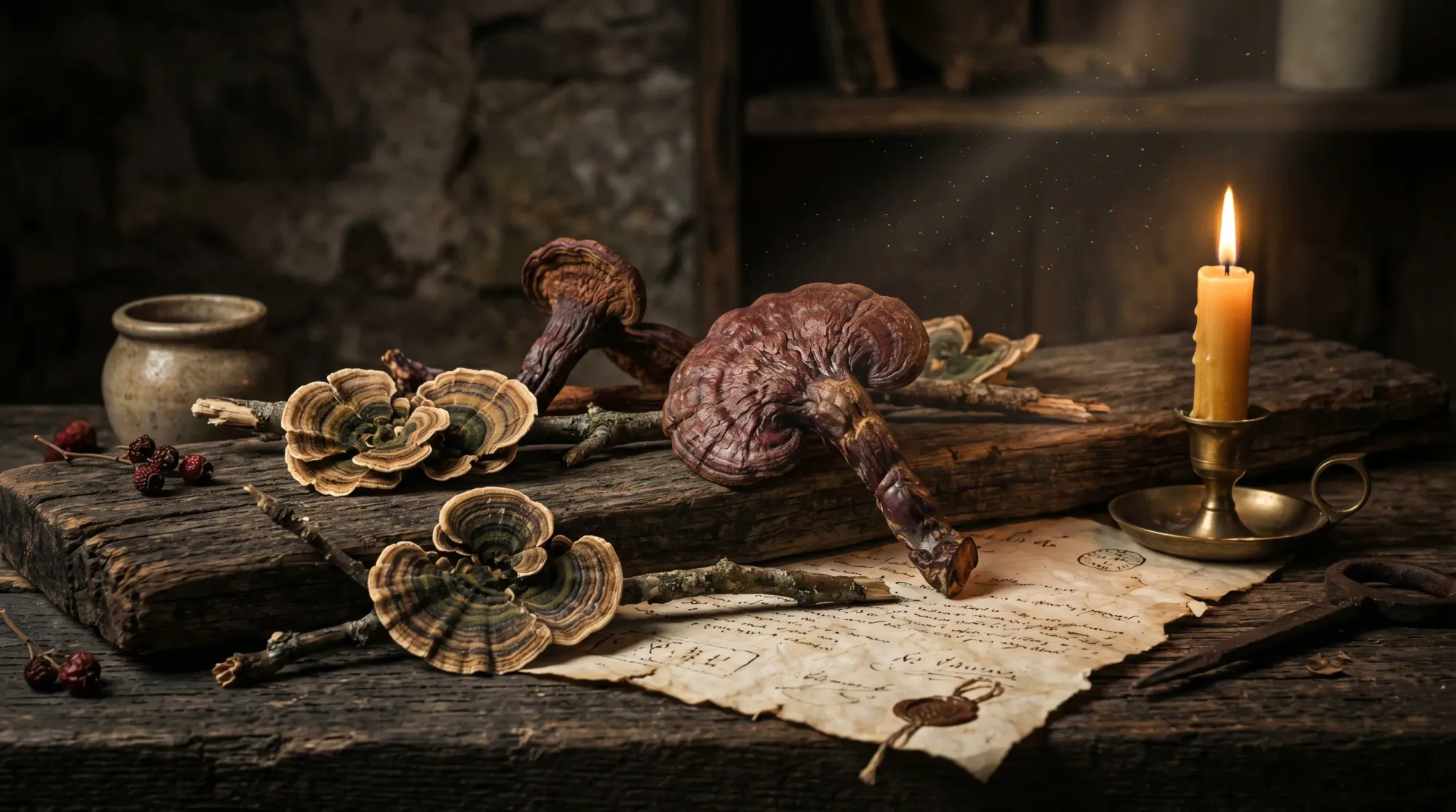
Five Millennia of Fungal Heritage Converges with Modern Science
Archaeological evidence indicates that Ötzi, the glacial mummy from approximately 5,000 years ago, carried the fungus Piptoporus among his belongings.
GMP Explained: The Molecular Science Behind Umami Synergy
The guanosine monophosphate (GMP) naturally occurring in shiitake mushrooms acts synergistically with glutamate to markedly amplify the perception of umami.
The B-Vitamin Composition and Natural Source Profile of Mushrooms
Mushrooms are an abundant source of B-complex vitamins, a group of nutrients seldom found in significant quantities within plant-derived foods.
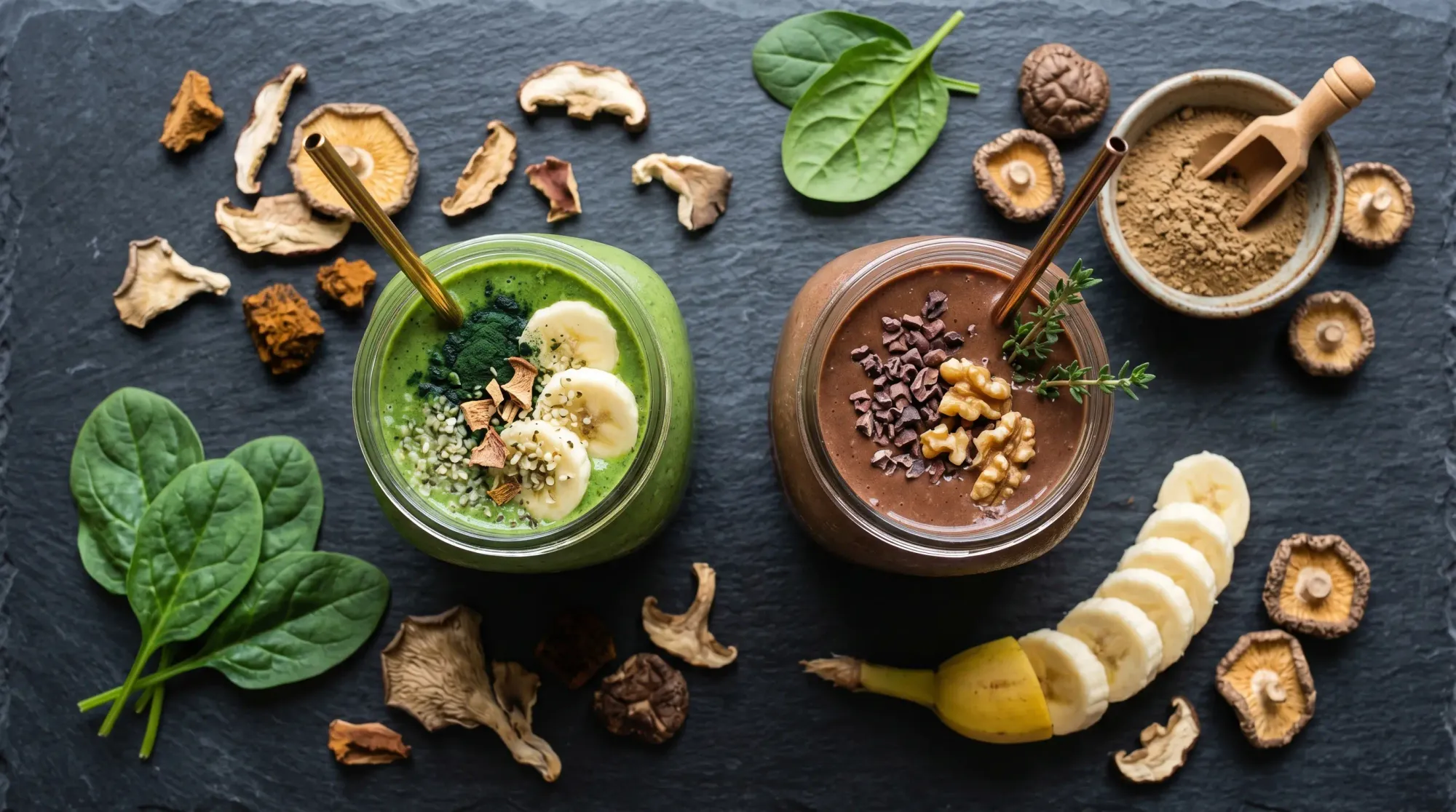
A Comprehensive Guide to Crafting Four Functional Mushroom Smoothies
The bioavailability of mushroom polysaccharides is significantly enhanced when they are administered with lipid-based carriers.
Mushroom Protein: Evaluating Its Nutritional Role in Vegan Diets
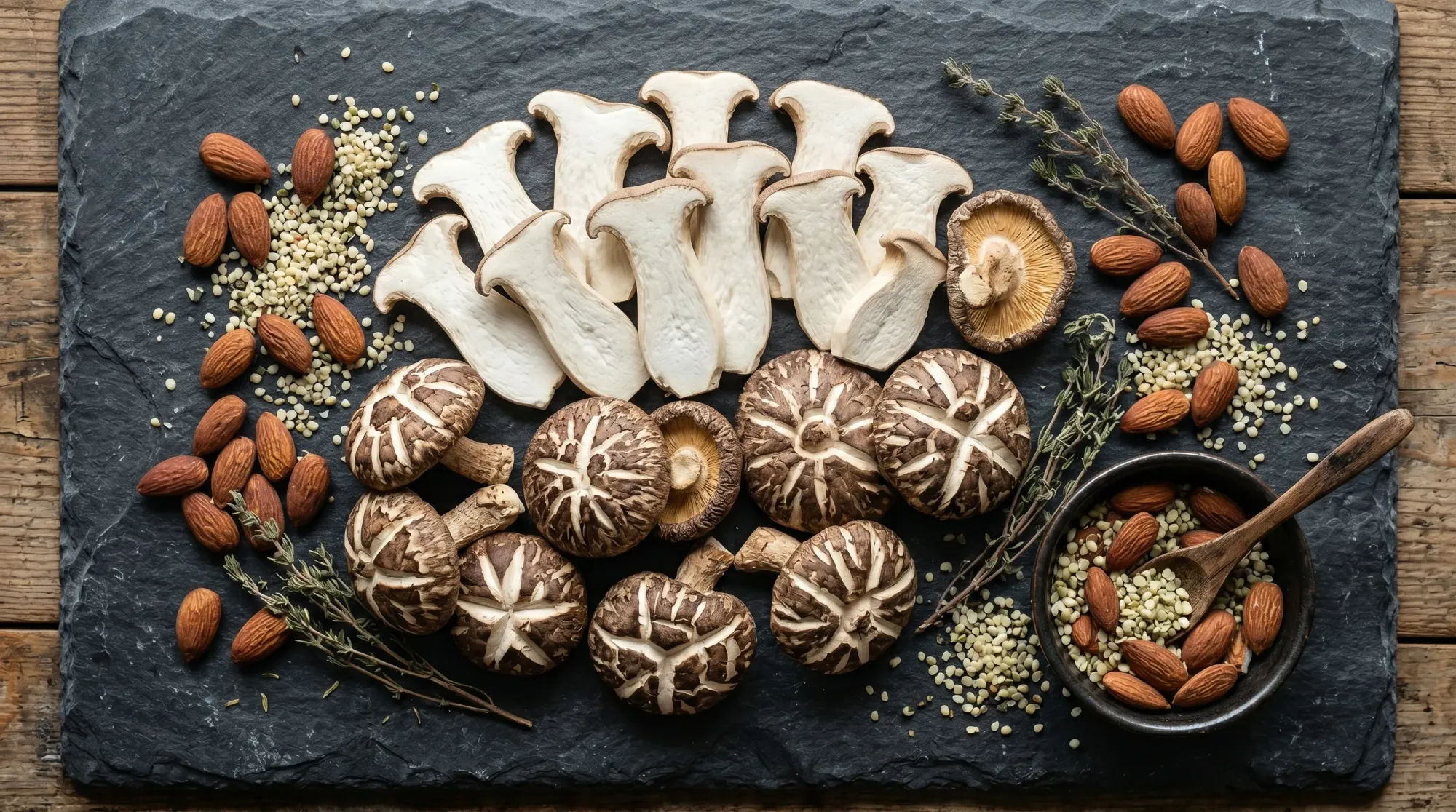
On a dry weight basis, the protein content of king oyster mushroom (Pleurotus eryngii) is comparable to that of certain legumes.
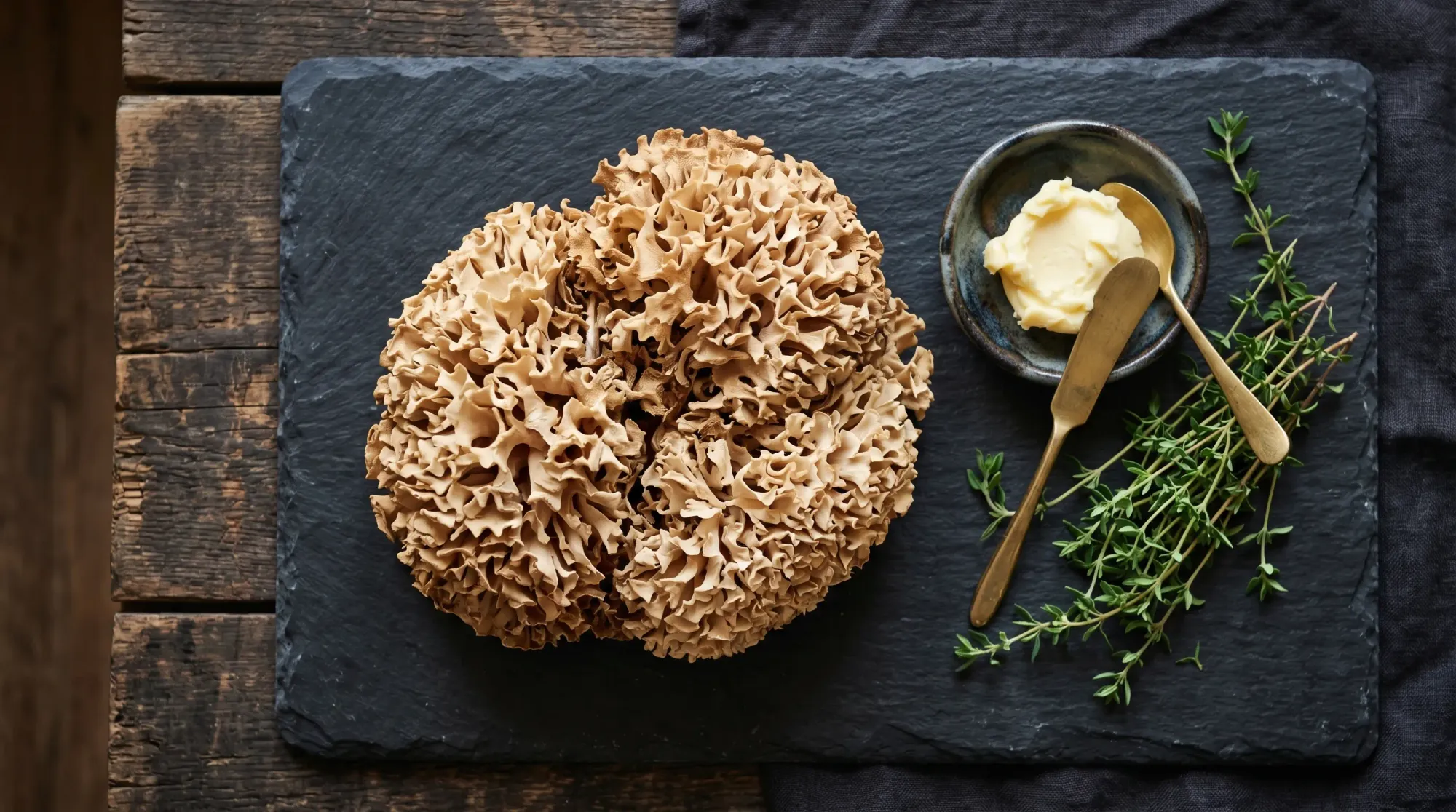
Sparassis crispa: Culinary Applications and a Complete Cooking Guide
Sparassis crispa stands out not only for its high beta-glucan content but also for its crisp, delicate texture, which introduces a distinctive mouthfeel seldom encountered in culinary applications.
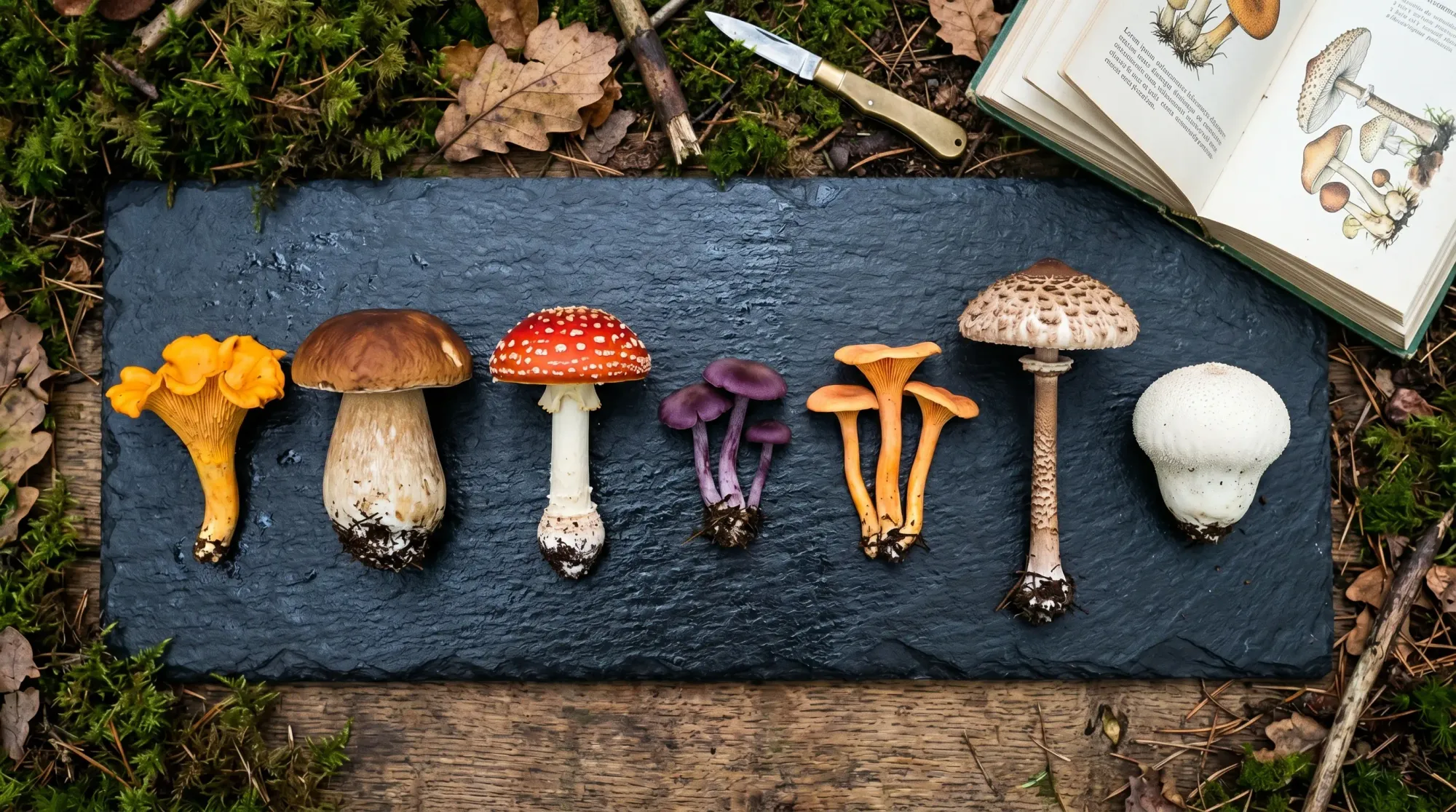
Turkey’s Wild Mushrooms: The Authoritative Guide to Safe Foraging
Amanita phalloides, a mushroom species native to Turkey, is responsible for the majority of mushroom poisoning cases worldwide.