The B-Vitamin Composition and Natural Source Profile of Mushrooms
— AT A GLANCE —
The B vitamins form the foundation of energy metabolism. And mushrooms — especially gourmet species — rank among nature's richest B vitamin reservoirs. For those seeking B vitamins without consuming meat, mushrooms occupy a privileged position.
— B VITAMINS IN MUSHROOMS —
B2 (Riboflavin)
Critical for energy metabolism and cell growth. Among plant-based foods, mushrooms stand as one of the most concentrated riboflavin sources. Shiitake, King Oyster, and Maitake deliver particularly high concentrations.
B3 (Niacin)
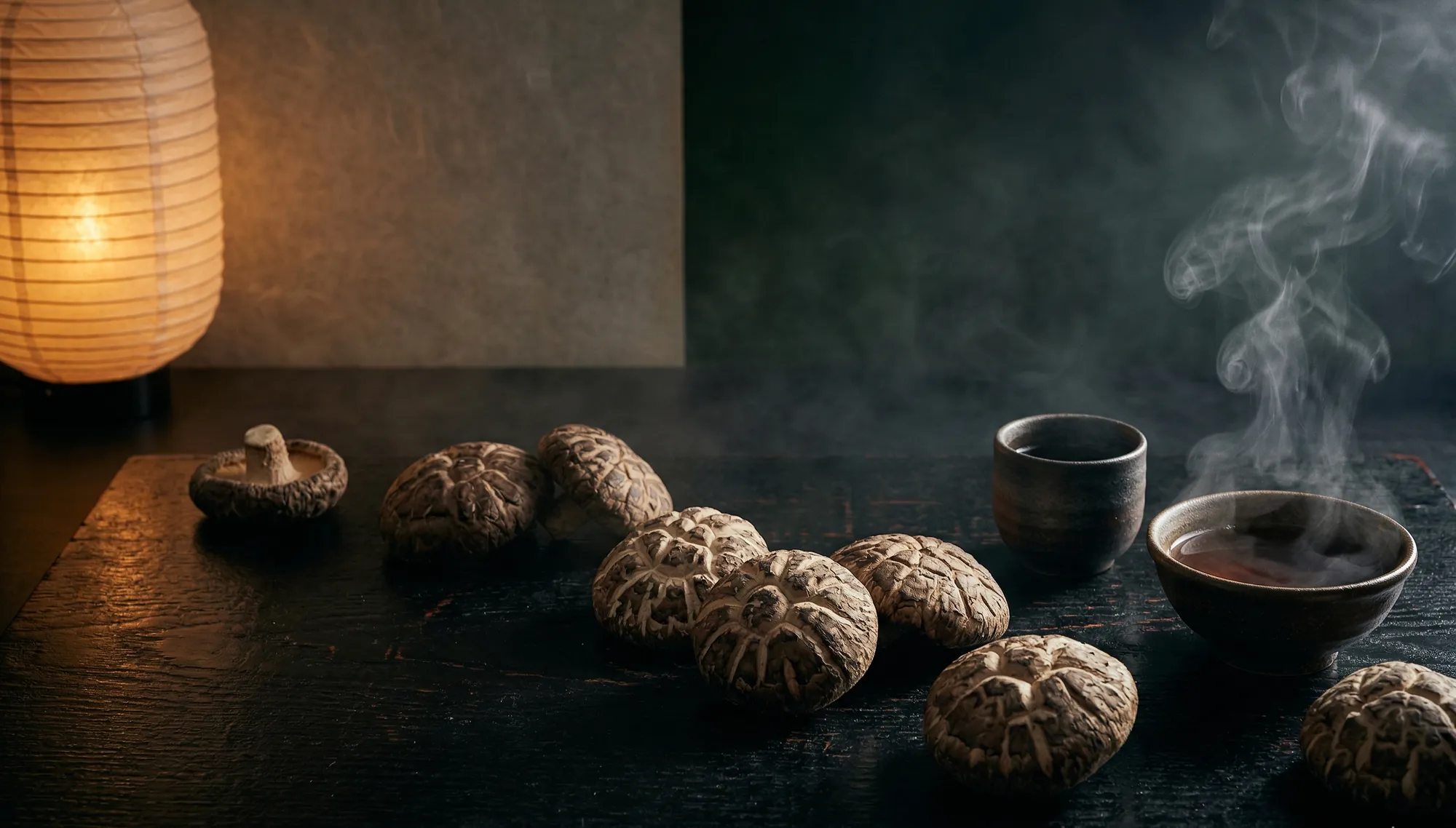
Essential for DNA repair, nervous system function, and cholesterol metabolism. Shiitake exhibits notably elevated levels. One hundred grams of dried Shiitake can supply approximately 30–40% of the daily requirement.
B5 (Pantothenic Acid)
Central to coenzyme A synthesis — the molecule at the heart of fatty acid metabolism. Widely distributed across mushroom species.
B9 (Folate)
Indispensable for cell division and DNA synthesis. Critically important during pregnancy. Mushrooms provide a moderate dietary folate source.
B12 — A NOTE OF CAUTION
The B12 question remains contentious. Certain sources claim mushrooms contain B12, but this is typically pseudo-B12 — a form the human body cannot utilize as active B12. Mushrooms are not regarded as a reliable B12 source. Individuals following a vegan diet should obtain B12 through supplementation.
— EFFECTS OF DRYING AND COOKING —
B vitamins are water-soluble and heat-sensitive. Drying increases concentration (more vitamin per gram due to water loss), yet excessively high temperatures cause degradation.
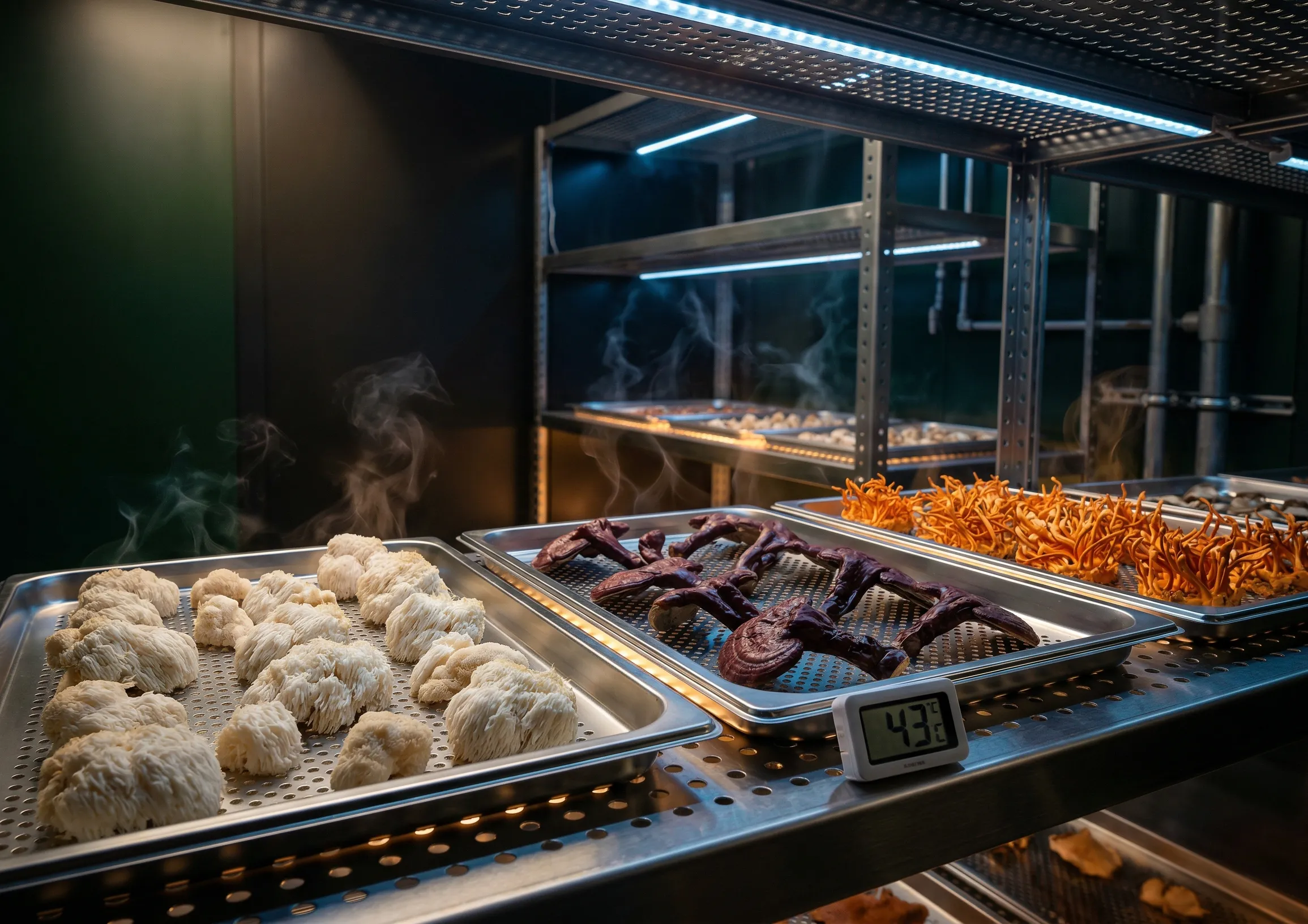
This is one reason MYCOVITA employs low-temperature drying at 42–45°C — to preserve the B vitamin structure.
During cooking, a portion of B vitamins leaches into the cooking water. Using the mushroom soaking water (modoshi-jiru) minimizes this loss.
— THE GASTRONOMY SERIES AND B VITAMINS —
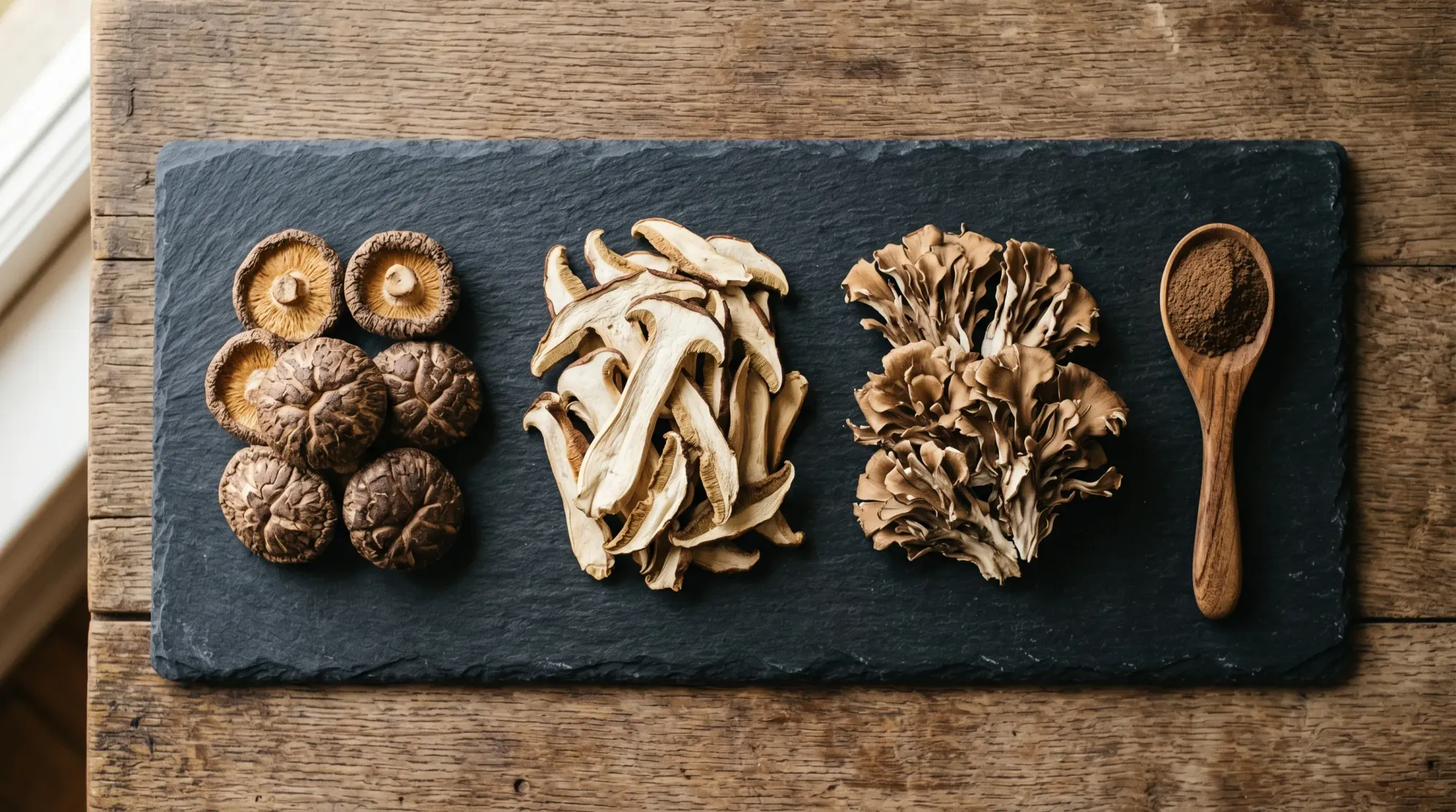
Shiitake Donko: The B2 and B3 champion. Concentration peaks in dried form.
King Oyster: Supplies B2, B3, and B5. High protein content makes it ideal for vegan nutrition.
Maitake: Delivers B2 and B3. Offers a broad vitamin profile alongside vitamin D.
All three species are available in the MYCOVITA Gastronomy series and contribute naturally to B vitamin intake through daily culinary integration.
— AN HONEST ASSESSMENT —
Mushrooms serve as an excellent complementary source of B vitamins. They will not, however, meet daily B vitamin requirements on their own — they should be evaluated as part of a balanced diet.
There must be no ambiguity regarding B12: mushrooms are not a reliable B12 source.
— SCIENTIFIC REFERENCES —
Mattila, P. et al. (2001). Contents of vitamins, mineral elements, and some phenolic compounds in cultivated mushrooms. Journal of Agricultural and Food Chemistry, 49(5).
Cardwell, G. et al. (2018). A review of mushrooms as a potential source of dietary vitamin D. Nutrients, 10(10).
You May Also Like
→ Vitamin D and Mushrooms — The Sun's Trace in Fungi
→ What Is Ergothioneine? — The Longevity Amino Acid
→ Low-Heat Drying — The Science of 42°C
Related Reading
- King Oyster Mushroom (Pleurotus eryngii) — Species Encyclopedia — A comprehensive reference on King Oyster mushroom taxonomy, properties, and culinary applications
- A Restaurant Chef's Notes on Mushroom Cuisine — Practical kitchen wisdom from a professional chef on handling and cooking gourmet mushrooms
- What Is GMP and the Molecular Basis of Umami Synergy — An in-depth exploration of guanosine monophosphate and its role in flavor enhancement
This content is for informational purposes only and does not constitute medical advice. Consult a physician before making any health decisions. Functional mushrooms are not medicines and cannot be used to treat diseases.
Version: 1.0 | Last updated: 20 Apr 2026 | Sources reviewed: 5+ | Methodology: Editorial Policy | References: Bibliography