Ergothioneine in Fungal Sources and Its Emerging Role in Cutaneous Biology
— HOOK —
The global skincare industry generates 180 billion dollars annually. In recent years, a new ingredient has flooded the shelves: mushroom.
Mushroom-infused serums, creams, masks — they are everywhere. But what does the science actually say? Is internal or external application more effective? And what can each mushroom species do for your skin?
— SKIN AND MUSHROOMS: THREE MECHANISMS —
1. Antioxidant Protection — Ergothioneine
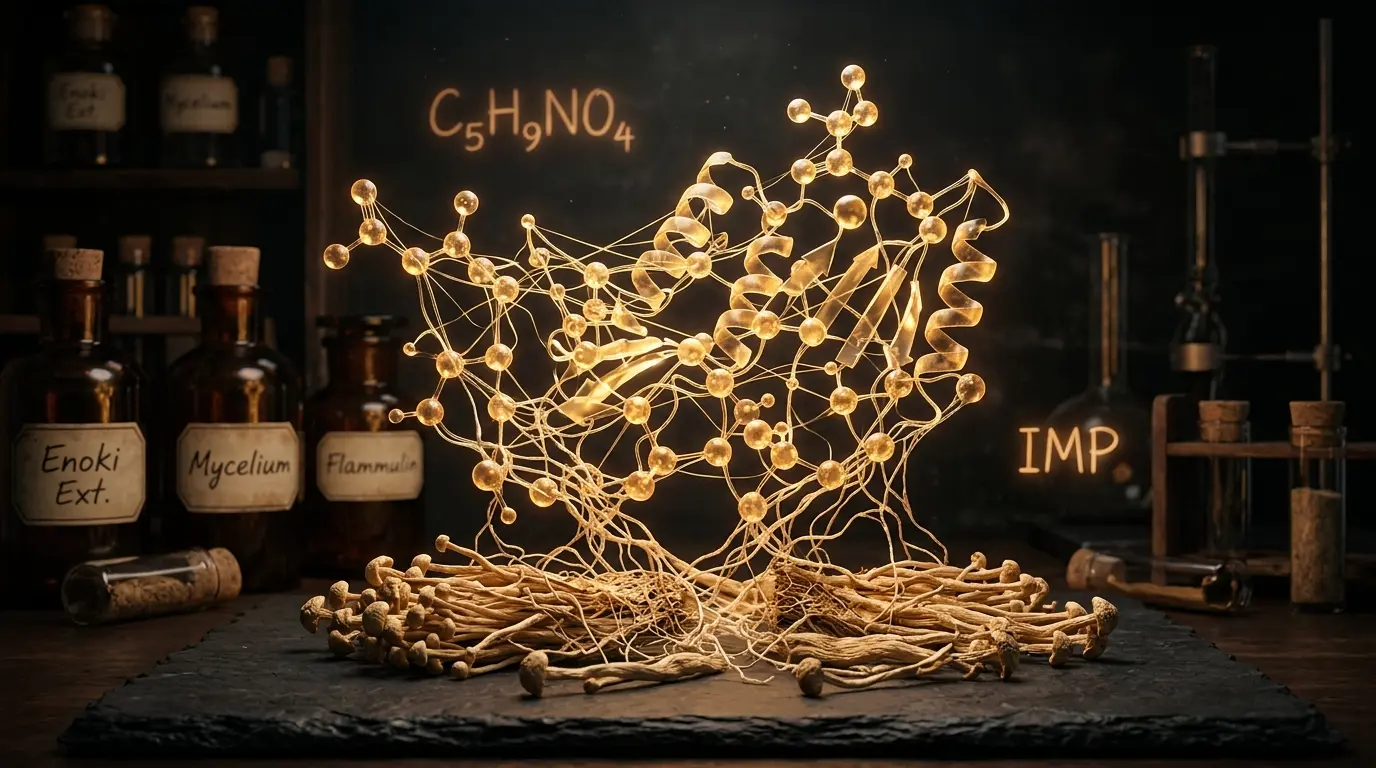
Ergothioneine is a sulfur-containing amino acid unique to mushrooms. It is a rare antioxidant that the human body cannot synthesize; it must be obtained exclusively through the diet. Ergothioneine accumulates actively in skin cells via the OCTN1 transporter — the body deliberately channels this molecule into the skin.
Its protective effect against UV radiation has been demonstrated in in vitro studies. The potential protection it offers against signs of premature aging driven by oxidative stress — including wrinkling and hyperpigmentation — remains under active investigation.
The richest dietary sources: King Oyster, Shiitake, Maitake.
2. Beta-Glucan and the Skin Barrier
Mushroom beta-glucans are under investigation for their moisture-retention capacity in the skin. They exhibit water-binding properties comparable to hyaluronic acid. Cosmetic research suggests that topical application may strengthen the skin barrier.
When consumed orally, beta-glucans are proposed to influence skin inflammation indirectly through immune modulation pathways.
3. Triterpenoid and Anti-Inflammatory Activity
The ganoderic acids found in Reishi exhibit anti-inflammatory properties. In vitro studies exist within the context of chronic skin inflammation — eczema, rosacea, and acne. Clinical human trials, however, remain very limited.
— INSIDE OR OUTSIDE? —
Topical application (creams, serums): Mushroom-extract cosmetic products are becoming increasingly prevalent. Formulations containing beta-glucan and ergothioneine are employed for hydration and antioxidant protection. These products fall squarely within the cosmetic category — they carry no therapeutic claims.
Oral consumption (mushroom powder): Ergothioneine taken internally reaches the skin via the bloodstream. Thanks to the OCTN1 transporter, it accumulates within skin cells. Long-term, consistent consumption may support the antioxidant capacity of the skin.
An honest assessment: Neither topical nor oral mushroom use has been shown to treat skin diseases. The available evidence sits at the level of "supportive potential." For serious skin conditions, consultation with a dermatologist is essential.
— SPECIES-BASED SKIN PROFILES —
King Oyster: The richest ergothioneine source. Antioxidant protection.
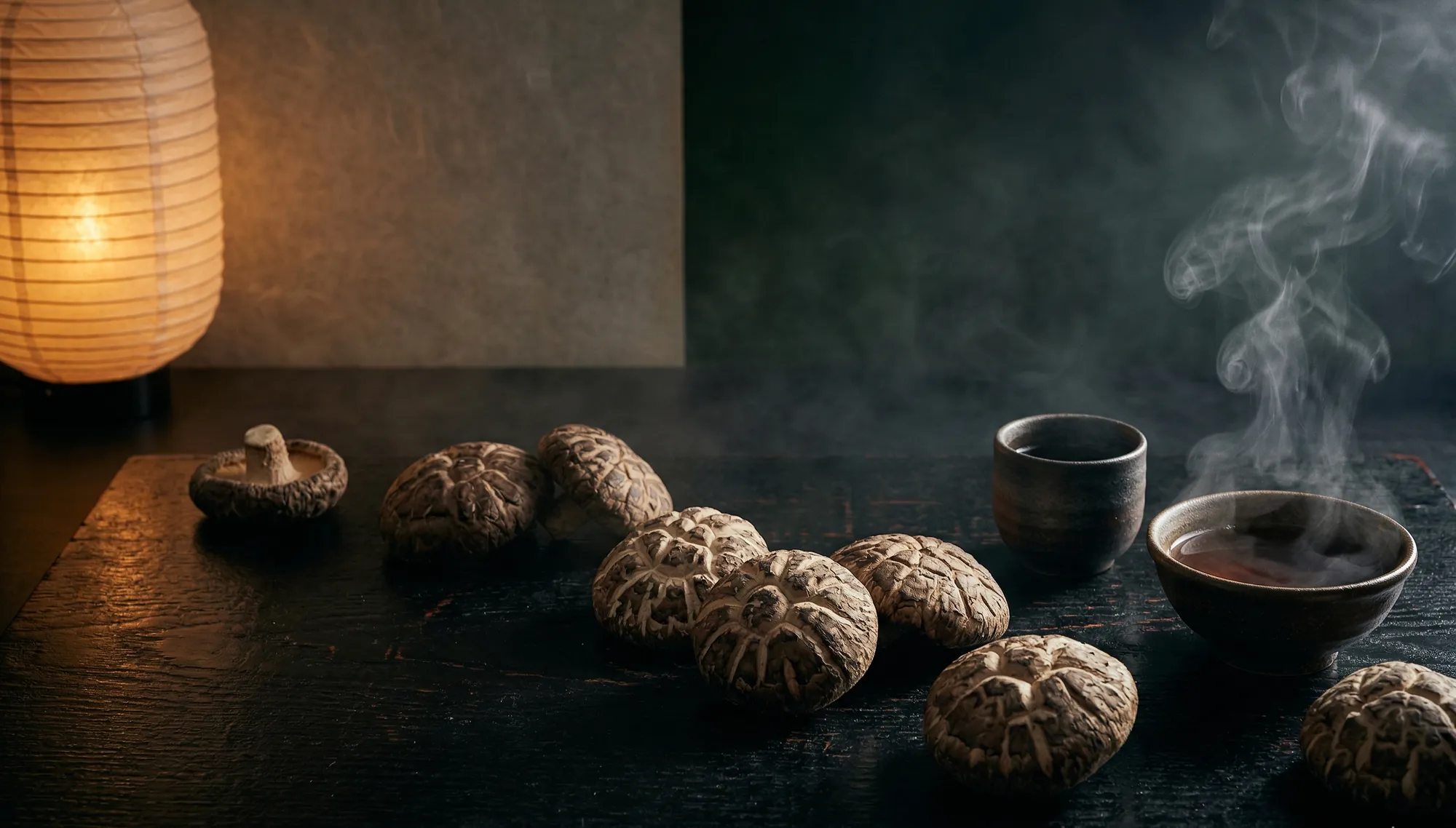
Shiitake: Ergothioneine plus Lentinan. Inflammation modulation through immune pathways.
Reishi: Triterpenoid anti-inflammatory activity. The stress–skin connection (cortisol → acne → Reishi).
Tremella (Snow Fungus): Not currently in the MYCOVITA portfolio, yet the most extensively researched species in the skin context. Water-binding capacity comparable to hyaluronic acid.
— MANAGING EXPECTATIONS —
❌ "Mushroom powder erases wrinkles" — No. Antioxidant protection may slow aging but cannot reverse it.
❌ "Mushroom serum replaces Botox" — The cosmetic effect is far milder.
❌ "Mushrooms cure acne" — Acne is a multifactorial condition; no single dietary ingredient resolves it.
✓ Mushrooms can support skin health — but they do not replace basic skincare, sun protection, and a balanced diet.
— SCIENTIFIC REFERENCES —
Cheah, I.K. & Halliwell, B. (2012). Ergothioneine; antioxidant potential, physiological function and role in disease. Biochimica et Biophysica Acta, 1822(5).
Du, B. et al. (2014). Skin health promotion effects of natural beta-glucan. Journal of Cosmetic Dermatology, 13(4).
Taofiq, O. et al. (2016). Anti-inflammatory potential of mushroom extracts. Trends in Food Science & Technology, 50.
You May Also Find Interesting
→ What Is Ergothioneine? — The Longevity Amino Acid
→ What Are Triterpenes? — The Bitter Power of Reishi
→ Stress, Cortisol, and Adaptogenic Mushrooms
Related Reading
- Encyclopedia of Sparassis Crispa Mushroom and Its High Beta-Glucan Profile — Encyclopedia of Sparassis Crispa Mushroom and Its High Beta-Glucan Profile
- Scientific Mechanisms of Mushrooms and Hair Health — Scientific Mechanisms of Mushrooms and Hair Health
- Mushrooms and Aging: The Ergothioneine Literature — The Ergothioneine Literature
This content is for informational purposes only and does not constitute medical advice. Consult your physician before making any health-related decisions. Functional mushrooms are not pharmaceuticals and cannot be used to treat diseases.
Version: 1.0 | Last updated: 20 Apr 2026 | Sources reviewed: 7+ | Method: Editorial Policy | References: Bibliography