The Mycelial Web: How Fungi Sustain and Shape Ecosystems
— A Walk in the Forest —
You are walking through a forest. Beneath your feet, just a few centimeters below the soil, an invisible communication network is at work. Through this network, trees send nutrients to one another, transmit danger signals, and care for young saplings.
This network is called: mycelium. And without it, a forest would not exist.
— What Is the Mycelial Network? —
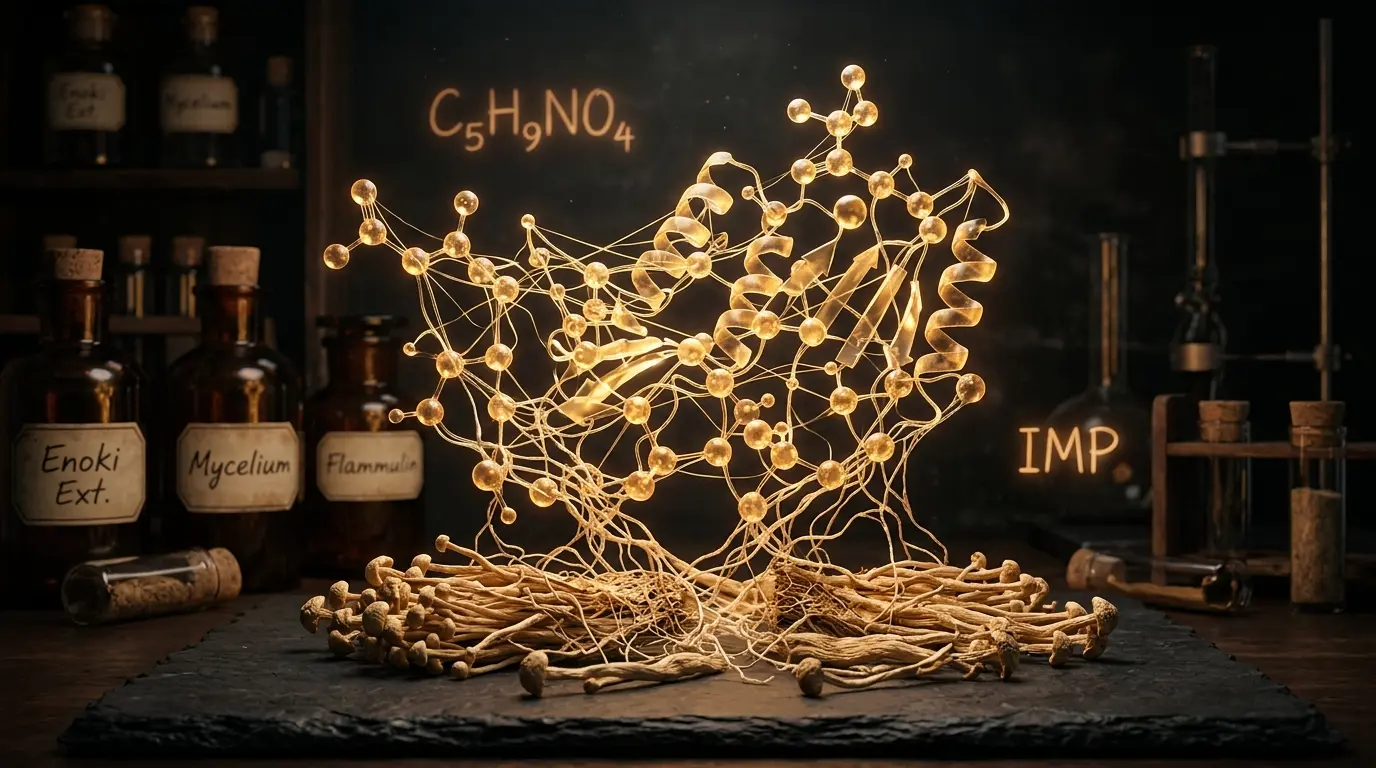
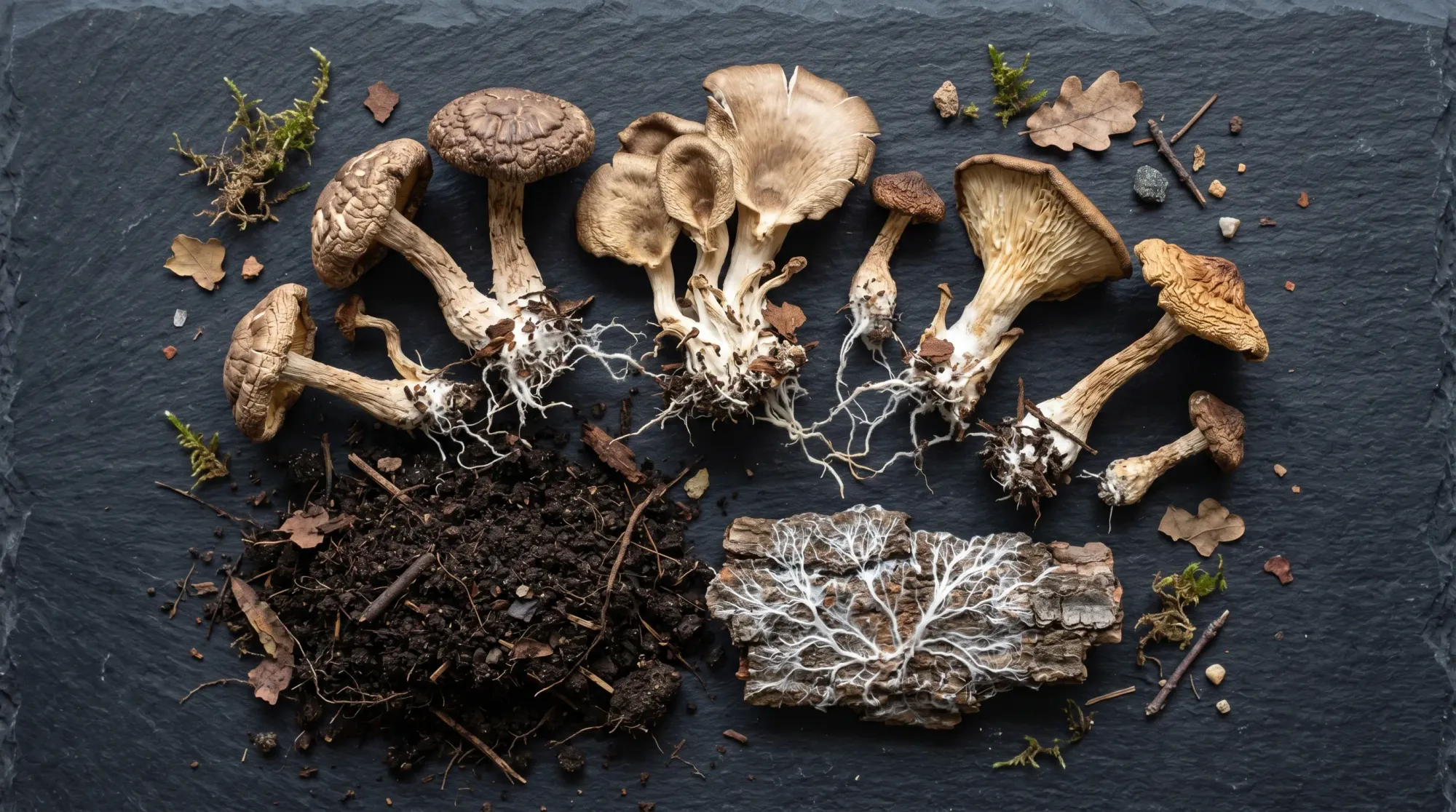
Mycelium is the root-like structure of fungi that grows beneath the soil. It consists of fine, thread-like filaments known as hyphae, which spread through the earth as a single enormous web. A single teaspoon of forest soil can contain kilometers of mycelial fibers.
The scientific community has named this system the "Wood Wide Web" — nature’s counterpart to the internet.
Groundbreaking research by Suzanne Simard of the University of British Columbia demonstrated that trees share carbon, nitrogen, and phosphorus through mycelial networks. Mature “mother trees” channel nutrients to young saplings across this web.
— What Actually Is a Mushroom? —
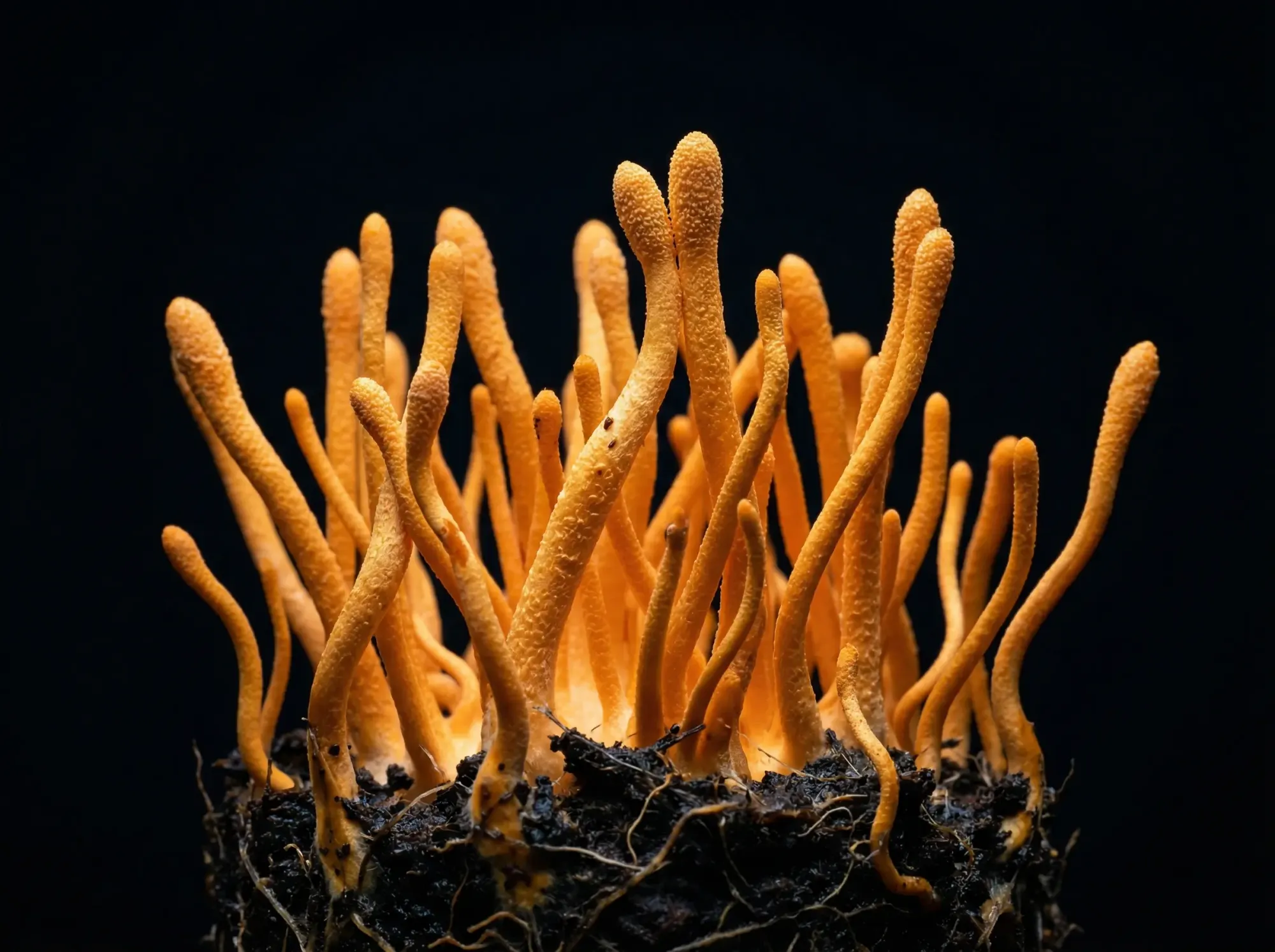
The mushroom you see in the market — the cap and stem — is merely the fruiting body of the organism. The fruiting body is to the mycelium what a flower is to a plant.
The true organism lives below ground. And this organism is neither plant nor animal — it belongs to the Kingdom Fungi. Genetically, fungi are more closely related to animals than to plants. A chitin cell wall, heterotrophic nutrition, and glycogen storage are all characteristics they share with animal cells.
— Role in the Ecosystem —
Decomposer (Saprophyte): Fungi break down dead organic matter and return minerals to the soil. Without fungi, dead trees, leaves, and organic waste would accumulate — soil would lose fertility and the nutrient cycle would grind to a halt.
Symbiosis (Mycorrhiza): Fungi form a symbiotic relationship with plant roots. The fungus supplies the plant with minerals and water; the plant provides the fungus with sugars. More than 90% of terrestrial plants engage in mycorrhizal partnerships.
Bioremediation: Certain fungal species can break down environmental pollutants such as petroleum, pesticides, and heavy metals. Paul Stamets’s work Mycelium Running introduced this potential to the world.
Carbon Cycle: Mycelial networks store carbon in the soil. The role of fungi in the global carbon cycle is an area of growing interest among climate scientists.
— The MycoVita Connection —
What does all of this have to do with functional mushroom consumption?
The direct connection is this: to understand mushrooms is to use them with respect.
Mushrooms have gained popularity through the “superfood” trend, but they are fundamentally a cornerstone of planetary ecology. This is one reason MYCOVITA favors controlled-environment cultivation — production in a laboratory setting without disturbing natural ecosystems.
Harvesting wild mushrooms is an intervention in the ecosystem. Controlled cultivation eliminates that intervention entirely.
— Scientific References —
Simard, S.W. et al. (1997). Net transfer of carbon between ectomycorrhizal tree species in the field. Nature, 388.
Stamets, P. (2005). Mycelium Running: How Mushrooms Can Help Save the World. Ten Speed Press.
Hawksworth, D.L. (2001). The magnitude of fungal diversity: the 1.5 million species estimate revisited. Mycological Research, 105(12).
You Might Also Like
→ What Is Substrate? — The Mushroom Growth Medium
→ What Is a Functional Mushroom?
→ The 5,000-Year Story of the Mushroom
→ The Black Sea Climate and Mushroom Production
→ Can You Grow Mushrooms at Home?
Related Readings
- Fungal Science Glossary A–Z: Over 130 Terms — Over 130 terms from A to Z
- The History of Functional Mycology: From Chihara to Today — From Chihara to the present day
- The 5,000-Year History of Mushrooms and Their Encounter with Modern Science — The 5,000-Year History of Mushrooms and Their Encounter with Modern Science
This content is for informational purposes only and does not constitute medical advice. Consult your physician before making any health decisions. Functional mushrooms are not drugs and are not intended to treat disease.
Version: 1.0 | Last updated: 20 Apr 2026 | Sources reviewed: 5+ | Methodology: Editorial Policy | References: Bibliography