The Science of Mushroom Extraction: Hot Water, Ethanol, and Dual-Extraction Methods
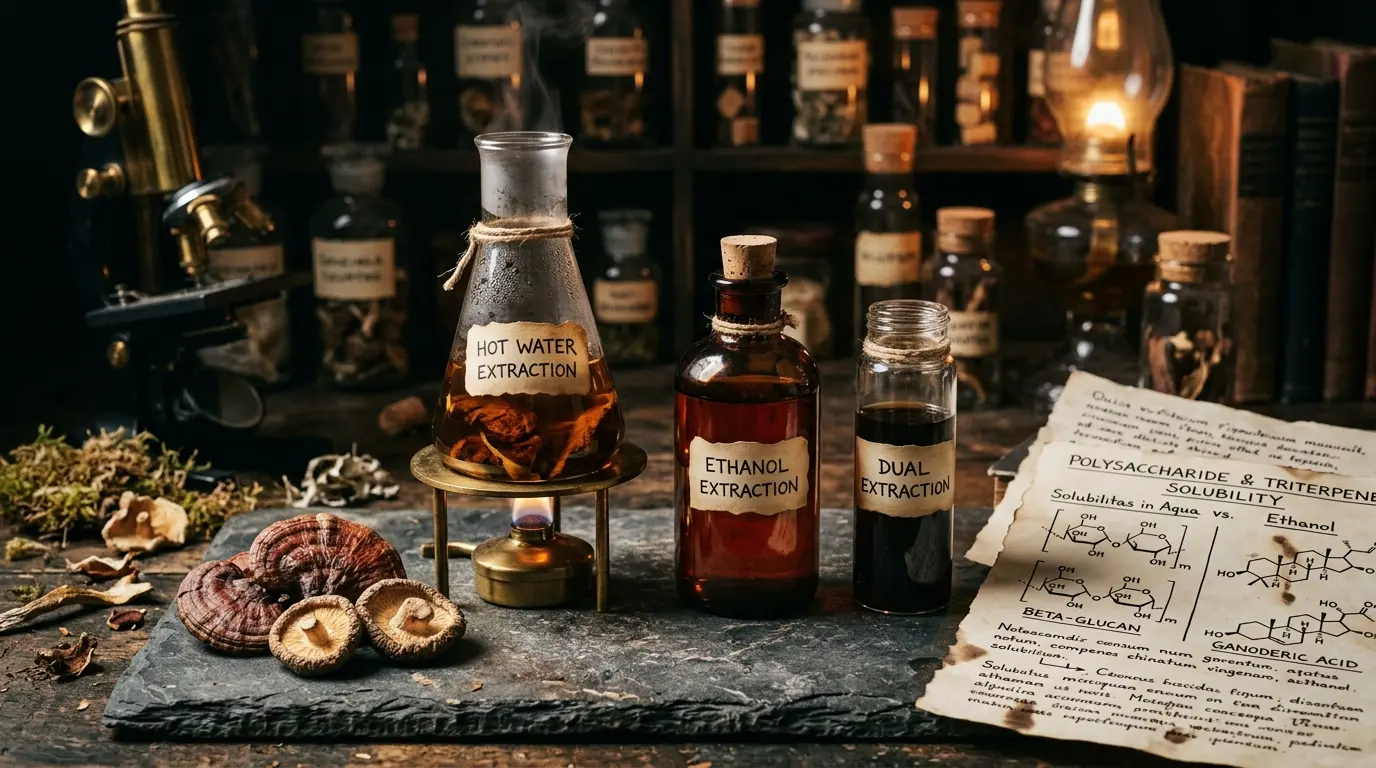
A comparative scientific guide to extraction methods used in mushroom powder processing. The Mycelium Library.
— THE HOOK —
You purchased a mushroom powder. You add it to your coffee, stir it into warm water, toss it into your smoothie. But do the beta-glucan and triterpene molecules inside actually reach your systemic circulation?
The answer depends entirely on which extraction method the material has undergone. And most products have undergone no extraction at all — they are merely ground.
Why Extraction Is Necessary
The fundamental structural component of the mushroom cell wall is chitin. Chitin is an N-acetylglucosamine polymer, also found in the exoskeleton of insects. The human digestive system lacks the enzymes (chitinases) required to break chitin down.
The result: when only mechanically ground raw mushroom powder is consumed, a significant portion of the intracellular beta-glucan and triterpene constituents remains trapped behind the chitin wall and is excreted undigested.
Extraction is a controlled heat-and-solvent process applied to breach this wall.
Extraction Methods — A Comparison
1. Hot Water Extraction
Principle: Aqueous extraction at 80–100°C lasting 2–8 hours. This softens the chitin matrix and liberates water-soluble polysaccharides — especially beta-glucans.
Target compounds: β-1,3-glucan, β-1,6-glucan, xylomannan, proteoglycans.
Advantages: The solvent is safe (water); polysaccharide yield is high; the process is standardizable at industrial scale.
Disadvantages: Cannot extract lipophilic compounds (triterpenes). It falls short with species such as Reishi and Chaga.
2. Ethanol Extraction (Alcohol Extraction)
Principle: Maceration in a 30–95% ethanol solution for 48–72 hours. This draws out lipophilic terpenoids, sterols, and certain alkaloids.
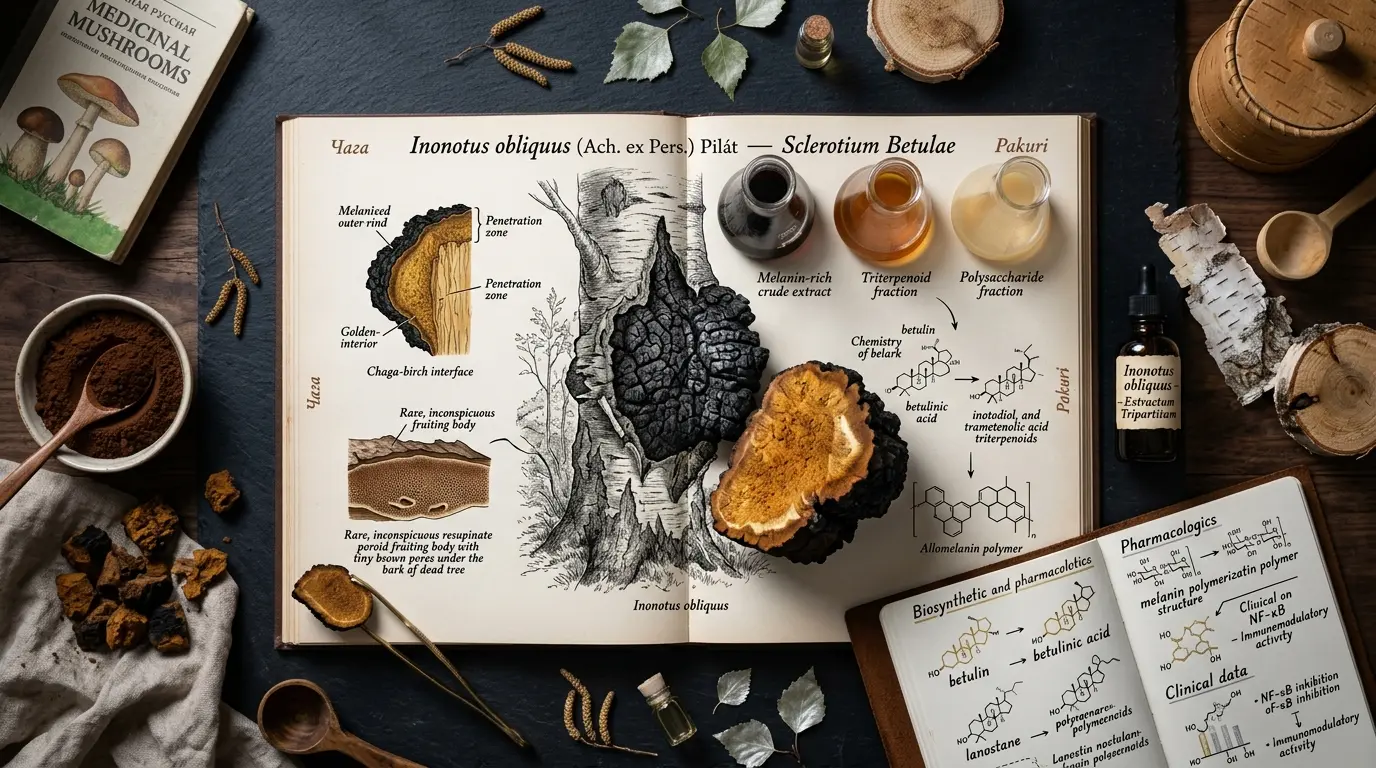
Target compounds: Ganoderic acid and other triterpenes (Reishi), betulinic acid (Chaga), ergosterol and its derivatives.
Advantages: It is the only viable method for water-insoluble bioactive constituents.
Disadvantages: Does not extract polysaccharides. Residual ethanol must be kept below the established safety threshold.
3. Dual Extraction
Principle: Hot water and ethanol extractions are performed either sequentially or in parallel, followed by filtration and combination. The final product contains both hydrophilic and lipophilic constituents.
Suitable species: Reishi (triterpenes + polysaccharides), Chaga (betulin + polysaccharides), Turkey Tail (PSK + low-molecular-weight constituents).
Advantages: The broadest spectrum of all methods.
Disadvantages: The highest cost and process complexity. Margin for error exists.
4. Raw Powder (Non-extracted)
Principle: Dried mushroom is subjected only to mechanical grinding; no extraction is applied.
Bioavailability: Very low. The chitin wall remains intact. The material may offer partial functionality as dietary fiber.
Use case: Common in gastronomy and recipes, because the cooking process itself provides partial extraction. Inadequate for function-oriented use.
Which Species, Which Extraction?
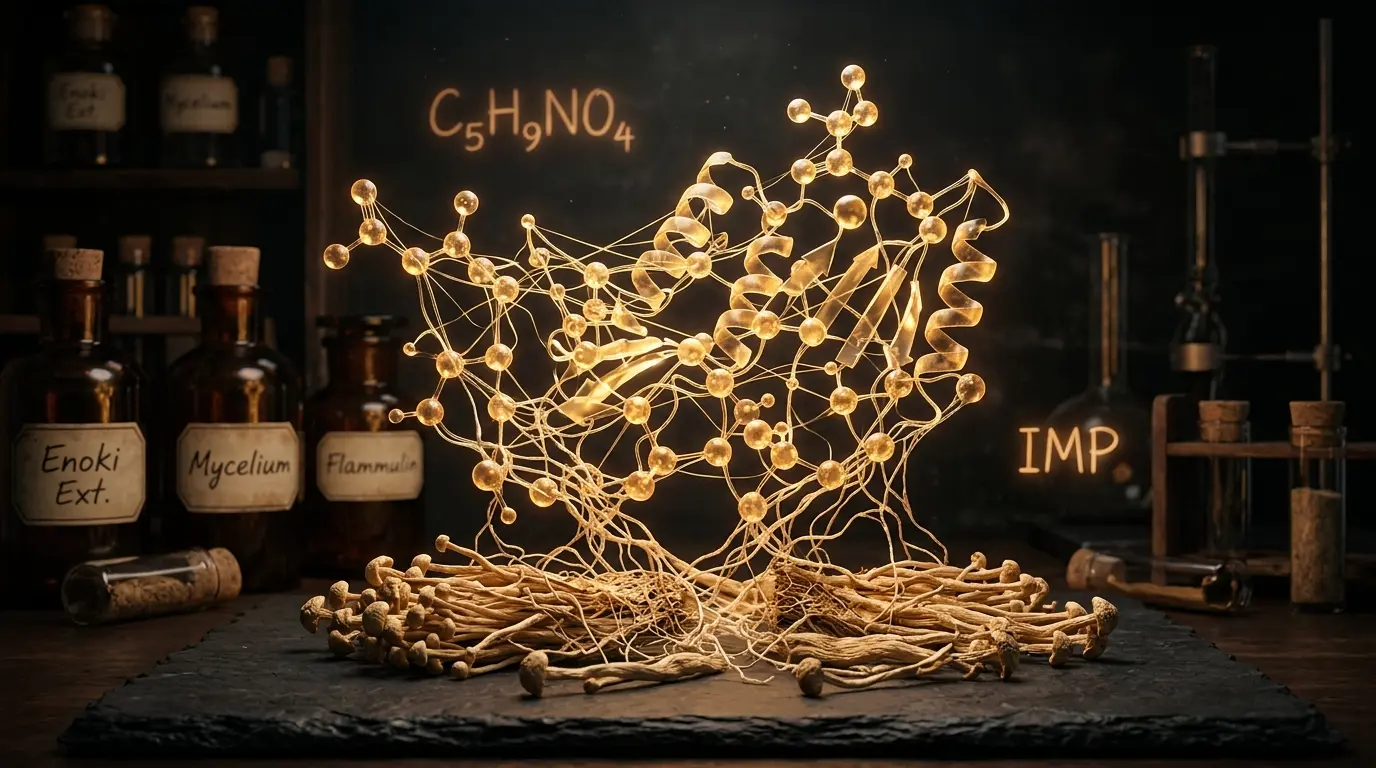
- Lion's Mane: Hot water or dual extraction (hericenone and erinacine are found in both fractions).
- Reishi Antler: Dual extraction is essential (ganoderic acid is lipophilic; polysaccharides are hydrophilic).
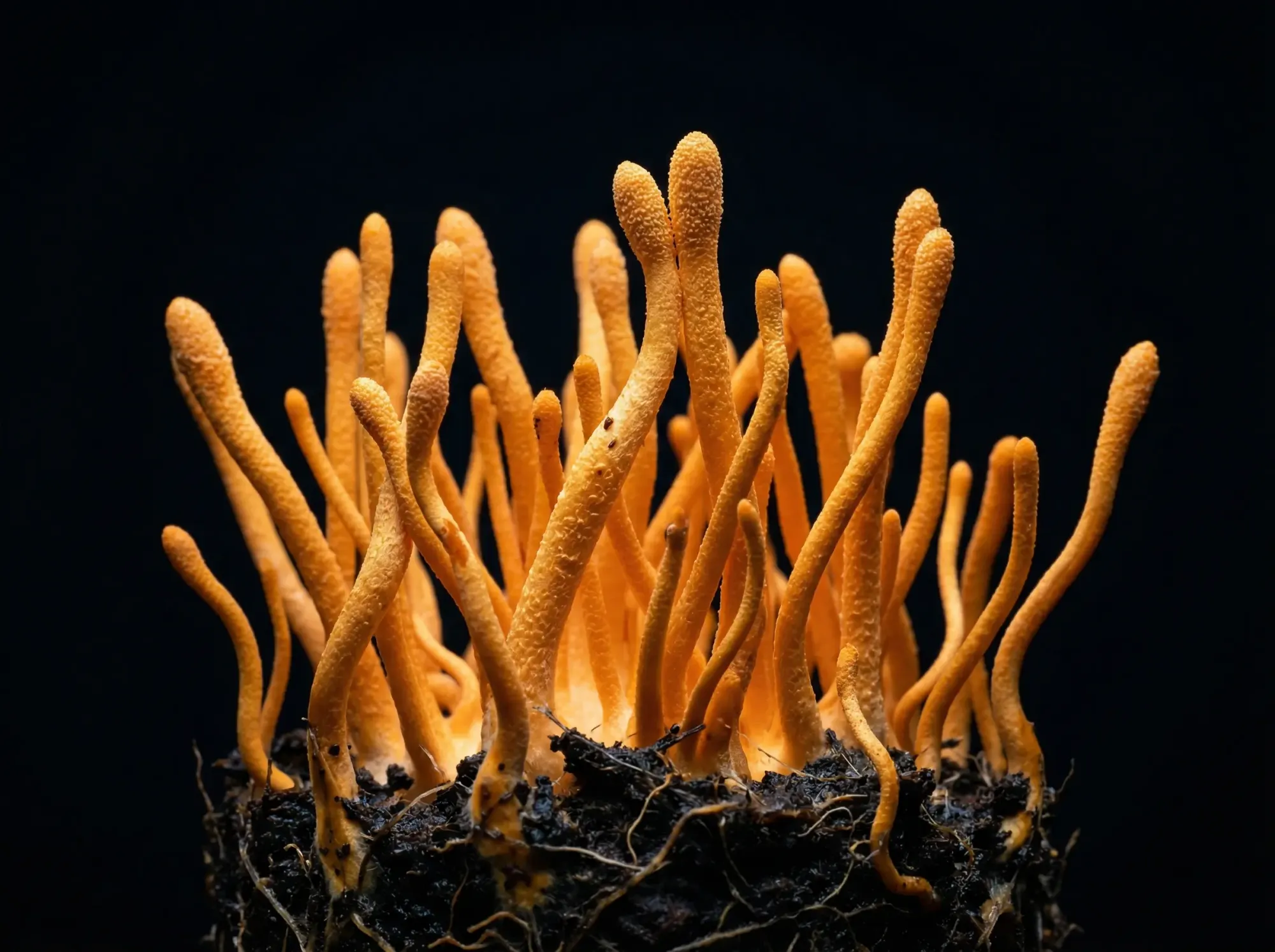
- Cordyceps: Hot water suffices (cordycepin and adenosine are water-soluble).
- Turkey Tail: Hot water (PSK is a polysaccharide-protein complex).
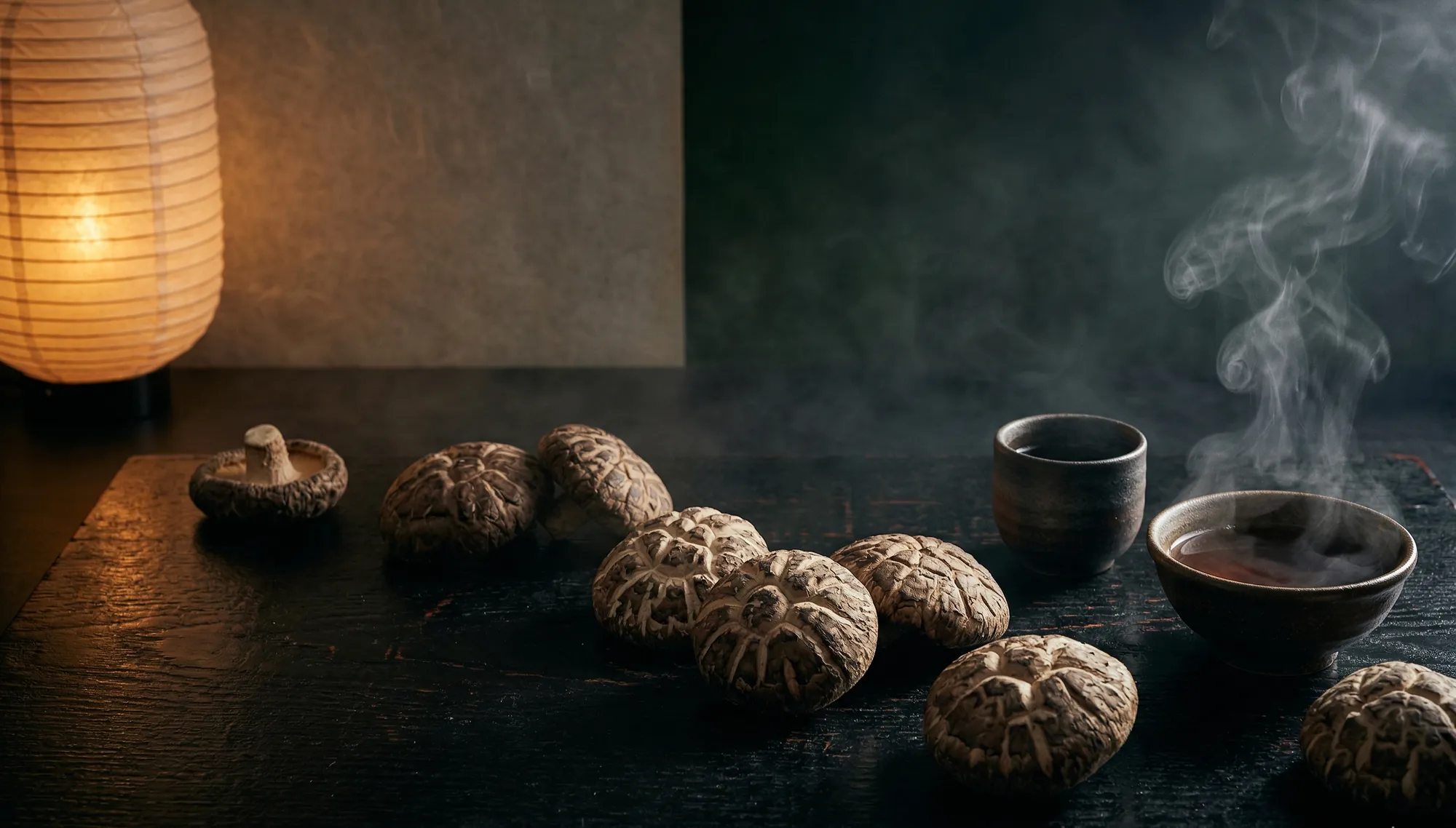
- Shiitake: Hot water (lentinan is water-soluble).
- Maitake: Hot water (D-fraction and X-fraction are water-soluble).
- King Oyster / culinary species: In gastronomy, raw powder or partial extraction via cooking is sufficient.
Reading the Label — Critical Terms
- "Hot water extract": Method 1 has been applied.
- "Dual extract": Method 3 has been applied.
- "Full spectrum": Typically raw powder — no extraction involved. May be misleading as a marketing term.
- "Raw" / "Ground": No extraction applied.
- If the label says nothing at all: It is most likely raw ground powder.
What Does the Extract Ratio (1:X) Mean?
The designation "10:1 extract" means 1 gram of extract was obtained from 10 grams of raw mushroom. Theoretically, the concentration is 10-fold higher. However, this figure reflects only the density of solvent-soluble constituents — valuable solvent-insoluble compounds may have been lost.
Judging quality solely by the 1:X ratio is insufficient. The beta-glucan percentage and constituent profile should be verified on the Certificate of Analysis (COA).
Conclusion
The bioavailability of mushroom powder is tightly linked to the extraction method. A "premium"-labeled raw-ground Reishi can be functionally weaker than a properly dual-extracted mid-range Reishi.
The correct question: "Which method was used to process this product?" The correct verification: A COA that states the beta-glucan percentage and confirms the extraction method applied.
Related Reading: What Is Beta-Glucan? · What Is Chitin? · Powder or Capsule? · COA Reading Guide
References: Bibliography · Methodology: Editorial Policy
This content is for informational purposes only and does not constitute medical advice. Consult your physician before making any health-related decisions. Functional mushrooms are not pharmaceutical drugs and cannot be used to treat diseases.
Version: 1.0 | Last updated: 20 Apr 2026 | Sources reviewed: 8+ | Methodology: Editorial Policy | References: Bibliography