The Immune System Explained: Mechanisms, Function, and the Pivotal Role of Fungi

Related reading: What Is Beta-Glucan? · What Is PSK? · Turkey Tail Encyclopedia
MYCOVITA's production philosophy and transparency principles: Why MYCOVITA?
Mycelial Library No.13
— HOOK —
Every winter, you fall ill. Or perhaps it is not just you — everyone gets sick, but you carry it longer. A two-week cold. Recurring infections. Fatigue, and then more fatigue.
You wish to "boost" your immune system. But what does boosting actually mean? And to understand which mushroom does what, one must first understand the system itself.
The Immune System: Not a Single Entity
The immune system is not a single organ or mechanism. It is a complex network composed of coordinated cell populations, chemical signals, and physical barriers working in concert.
It operates in two fundamental layers:
Innate Immunity: The rapid, non-specific first line of defense. This is the system that responds first when a foreign agent enters the body. Neutrophils, macrophages, and NK cells operate within this layer.
Adaptive Immunity: Slower but powerful. T cells and B cells are the principal actors of this system. It "recognizes" a pathogen, develops an attack plan, and establishes memory for future encounters. The principle underlying vaccination resides here.
The Dectin-1 Receptor and the Fungal Interface
Beta-glucan polysaccharides — the primary bioactive constituents of functional mushrooms — engage the immune system through a specific receptor: Dectin-1.
Dectin-1 is expressed on key players of the innate immune system, including macrophages and dendritic cells. When beta-glucan binds to this receptor, the cell becomes activated and a cascade of signaling events ensues.
This cascade triggers the production of pro-inflammatory cytokines — in other words, the immune system sounds the alarm. Yet mushroom-derived beta-glucan does not over-trigger this alarm. This nuance is critical: running a system at maximum capacity continuously does not make it strong; it makes it exhausted.
The terminology in the literature is therefore "immunomodulator," not "immunostimulant" — a regulator, not a stimulant.
NK Cells: The Silent Eliminators
Natural Killer (NK) cells rank among the most compelling actors of the innate immune system. Their task is to detect and destroy virus-infected cells and abnormal cells — before T cells even enter the picture.
Research on NK cell activity conducted with various mushroom species, particularly Ganoderma lucidum (Reishi) and Trametes versicolor (Turkey Tail), features in the scientific literature.
MYCOVITA makes no clinical claims in this regard. However, conveying the existence and direction of this research provides the customer with an honest framework.
The Cortisol Connection: How Stress Affects Immunity
If one wishes to support the immune system, the focus must extend beyond mushrooms — to lifestyle.
Chronic stress keeps cortisol levels elevated. High cortisol suppresses lymphocyte production. Suppressed lymphocytes diminish defensive capacity.
Certain mushroom species suggested to exhibit an adaptogenic profile — Reishi and Cordyceps foremost among them — are also investigated in stress research due to their possible effects on the HPA axis (hypothalamic-pituitary-adrenal).
In other words, supporting the immune system is not about "more" — it is about "more balanced."
The MYCOVITA Context
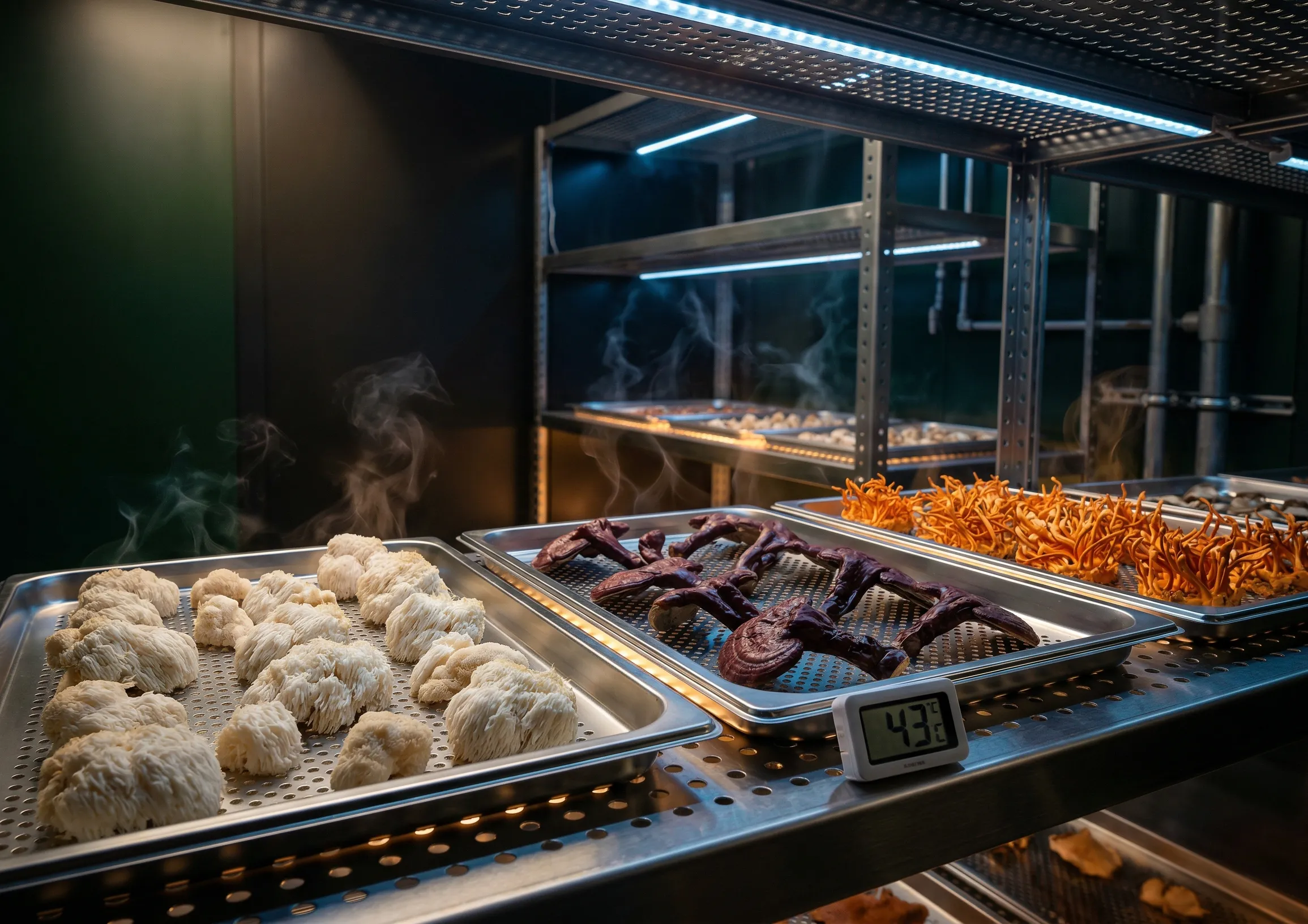
All species within MYCOVITA's Apothecary Series contain constituents that have been featured in immunological research:
Turkey Tail → PSK and PSP polysaccharides — the most extensive mushroom immunology literature worldwide
Cauliflower Mushroom (Sparassis) → 40%+ beta-glucan concentration — the highest natural ratio
Reishi → Triterpene + polysaccharide combination — NK cell research
Lion's Mane → NGF — neuro-immune axis research
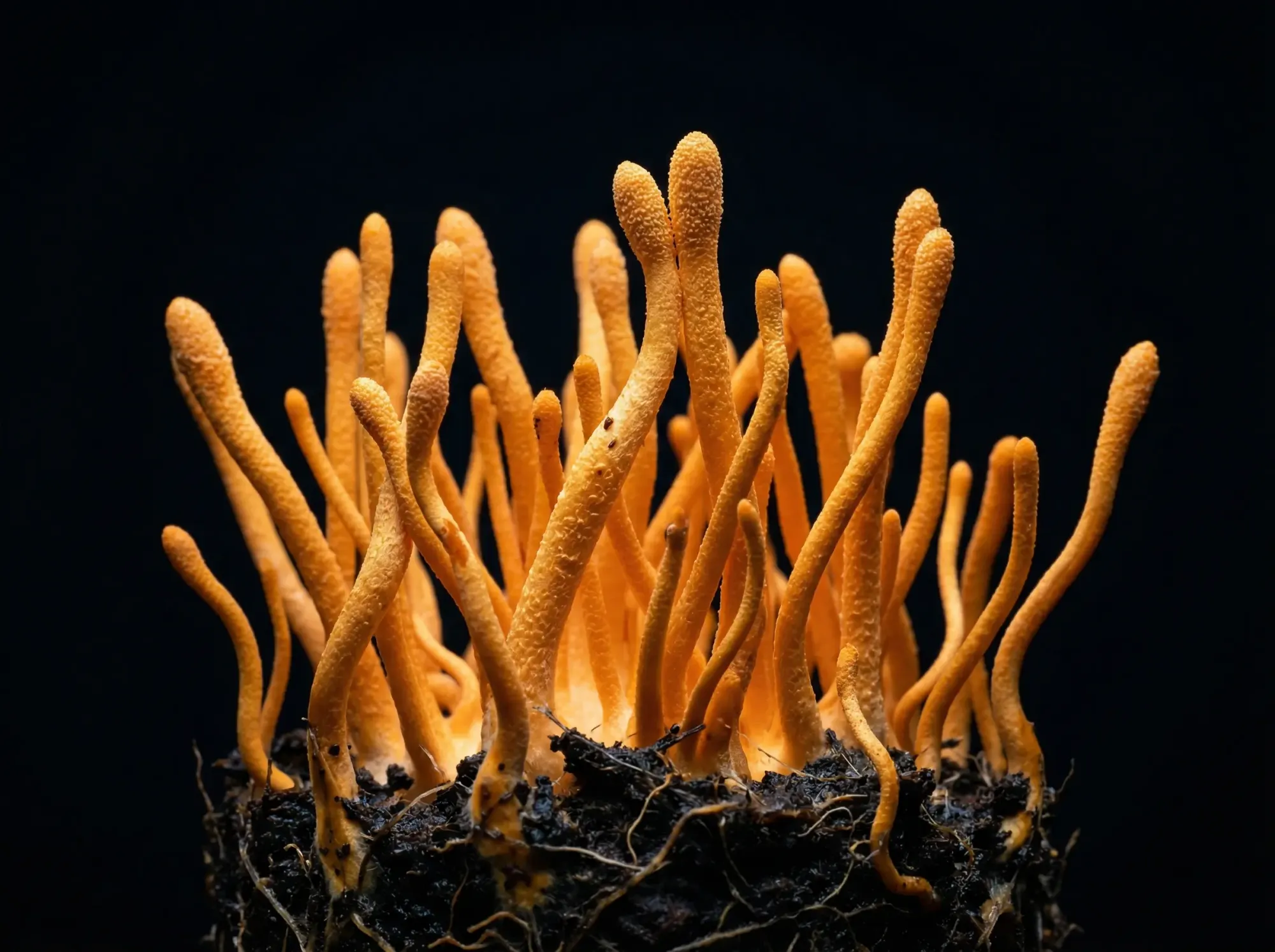
Cordyceps → Cordycepin — NK activity + spore research
Mycelial Library No.13 | MYCOVITA
MYCOVITA products are food products. They carry no claim to treat, prevent, or cure any disease. If you have a health concern, consult your physician.
— SCIENTIFIC REFERENCES —
Brown, G.D. & Gordon, S. (2001). Immune recognition: A new receptor for beta-glucans. Nature, 413, 36-37.
Akramiene, D. et al. (2007). Effects of beta-glucans on the immune system. Medicina (Kaunas), 43(8), 597-606.
Goodridge, H.S. et al. (2011). Activation of the innate immune receptor Dectin-1 upon formation of a 'phagocytic synapse'. Nature, 472(7344), 471-475.
Chan, G.C. et al. (2009). The effects of beta-glucan on human immune and cancer cells. Journal of Hematology & Oncology, 2, 25.
You May Also Find Interesting
→ Mushroom Science Glossary — 130+ Terms from A to Z
→ Can Mushrooms Produced in Turkey Be Trusted?
→ Functional Mushroom Production in Turkey
Beta-Glucan and Immunomodulation — Related Resources
A content cluster on mushroom beta-glucan and immune system interaction:
- What Is Beta-Glucan? — Molecular structure and linkage types.
- How the Immune System Works — The Dectin-1 receptor and innate immunity.
- Beta-Glucan Measurement Methods — Megazyme and other laboratory methods.
- Lentinan — Shiitake's approved beta-glucan.
- PSK — Turkey Tail's polysaccharide-protein complex.
- D-Fraction — Maitake's active beta-glucan fraction.
- Lentinan vs PSK vs Beta-Glucan — A comparison.
- Sparassis crispa — The highest natural beta-glucan density.
- Chitin — The cell wall component that entraps beta-glucan.
- Extraction Methods — Beta-glucan bioavailability.
This content is for informational purposes only and does not constitute medical advice. Consult your physician before making any health decisions. Functional mushrooms are not pharmaceutical drugs and may not be used to treat diseases.
Version: 1.0 | Last updated: 20 Apr 2026 | Sources reviewed: 9+ | Methodology: Editorial Policy | References: Bibliography