The Immune System Explained: Mechanisms, Function, and the Pivotal Role of Fungi
Dectin-1 is a pattern recognition receptor expressed on the surface of immune cells that specifically binds fungal β-glucans.
D-Fraction: The Principal Bioactive Compound in Maitake Mushroom
The D-Fraction, a polysaccharide–peptide complex isolated from the maitake mushroom (Grifola frondosa), is among the most extensively cited molecules in the field of mushroom polysaccharide research.
A Comparative Overview of Lentinan, PSK, and Beta-Glucan
Although both lentinan and PSK belong to the beta-glucan family, they operate through entirely distinct mechanisms of action.
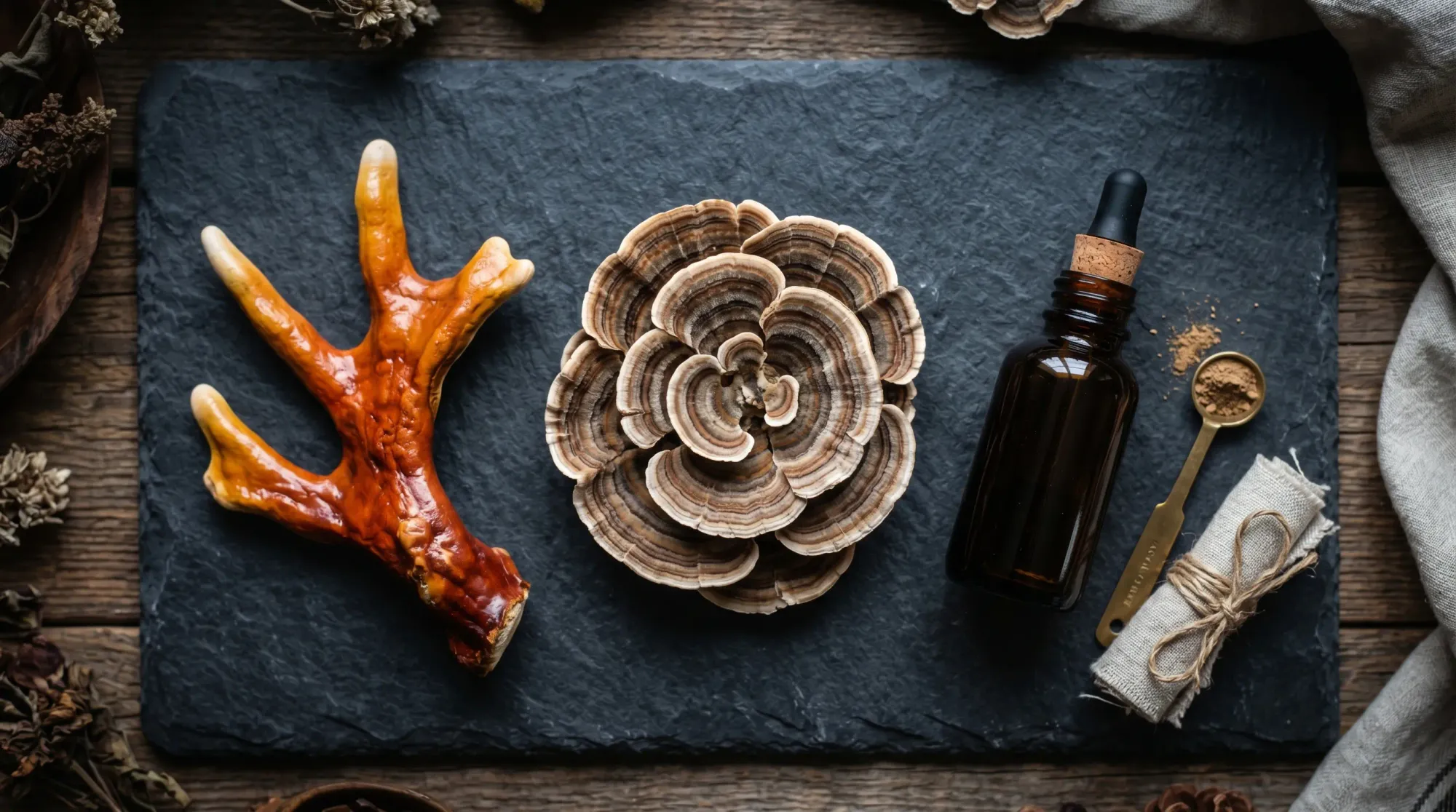
The Evening Mushroom Protocol: Reishi and Turkey Tail
Evening ingestion of adaptogenic fungi may facilitate the circadian shift from cortisol prominence to melatonin secretion, supporting the body’s natural preparation for sleep.
A Guide to the Use of Functional Mushrooms in Older Adults
In geriatric populations, initiating treatment with adaptogenic agents—such as certain mushroom-derived compounds—at low doses improves tolerability and supports gradual physiological adaptation.
Functional Mushrooms in Autoimmune Disorders: An Evidence-Based Perspective
Beta-glucans are a focal point of immunological research due to their ability to modulate, rather than merely stimulate, the immune system, thereby promoting homeostatic balance.
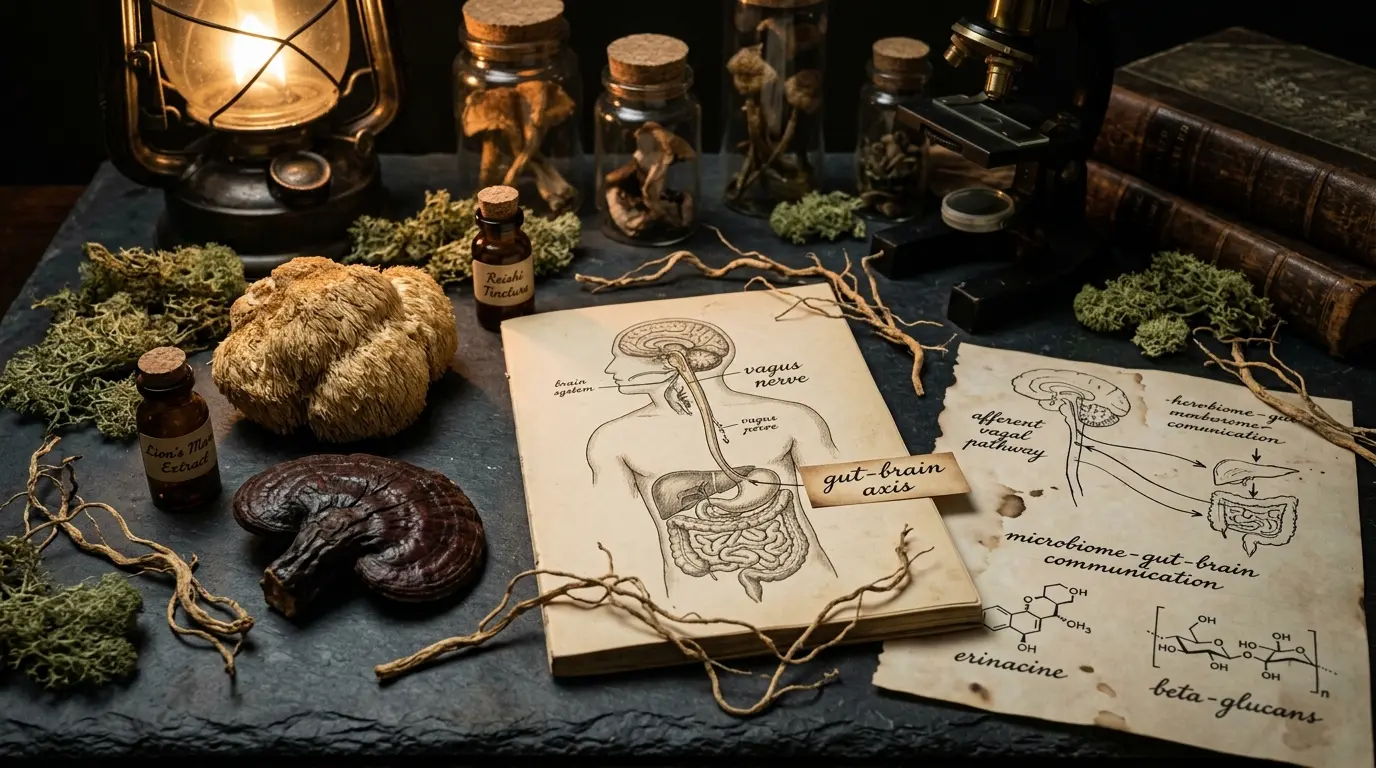
Vagus Nerve Signaling and Fungal Bioactives: Mapping the Gut-Brain Axis Literature
The vagus nerve serves as the principal neural conduit between the gut and the brain. As a key component of the autonomic nervous system, it plays a central role in mediating interactions with the gut microbiome, including its fungal constituents, as documented in the scientific literature.
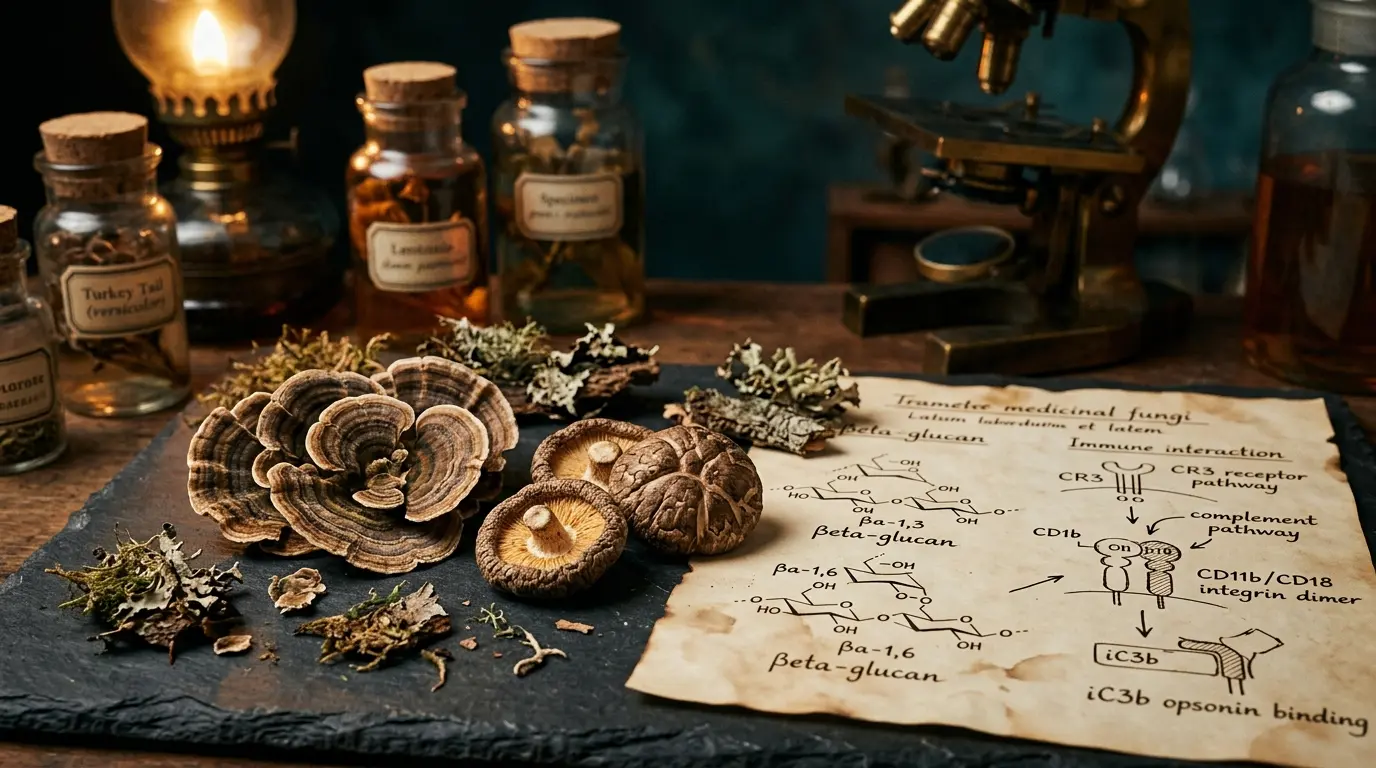
CR3 and β-Glucan Recognition: A Survey of the Complement Pathway Literature
The second principal pathway for β-glucan recognition is mediated by complement receptor 3 (CR3). This section addresses the receptor’s architecture, the function of its lectin domain, its engagement with the complement system, and the body of in vitro evidence.
The JAK-STAT Signaling Pathway: Fungal Compounds and the Cytokine Literature
The JAK-STAT Pathway: A Direct Cytokine-to-Nucleus Signaling Route — Architecture, In Vitro Interactions with Fungal Components, and Methodological Limitations.