A Guide to the Use of Functional Mushrooms in Older Adults
— SCOPE —
There are mushroom guides for children. For pregnant women. For athletes. But what about those over 60?
During aging, the immune system weakens (immunosenescence), neuroplasticity declines, and oxidative stress accumulates. A large portion of the research profile of functional mushrooms focuses precisely on these areas.
But dosage, timing, and drug interaction considerations for older individuals differ from those for younger people.
— AGING AND MUSHROOM SCIENCE —
Immunosenescence: Immune response naturally weakens after age 60. NK cell activity declines, T-cell diversity decreases. Beta-glucan-containing mushrooms (Sparassis, Turkey Tail) have shown potential in immune modulation studies targeting this age group.
Neurodegeneration: Cognitive decline, memory issues, and loss of neuroplasticity are natural processes of aging. The effect of Lion's Mane on NGF synthesis is being investigated in this context. Mori (2009) reported positive outcomes in elderly participants with mild cognitive impairment.
Oxidative stress: Ergothioneine — mushrooms' unique antioxidant amino acid — blood levels decrease with age. King Oyster and Shiitake are the richest dietary sources of ergothioneine.
— ELDERLY-SPECIFIC APPROACH —
Start with a low dose: Metabolism slows after age 60. Begin with half the standard dose (0.5 grams). After 2 weeks, if tolerance is good, increase to 1 gram.
Prioritize drug interactions: Multiple drug use is common in this age group. Consult your pharmacist or physician before starting any mushroom supplement, especially if you use anticoagulants, blood pressure medications, or diabetes medications.
Morning-evening distinction: Lion's Mane in the morning (cognitive support), Reishi in the evening (sleep quality) — this full-day protocol is ideal for the elderly, but do not start both simultaneously. First try one species for 2 weeks, monitor tolerance, then add the other.
— SPECIES RECOMMENDATIONS —
Lion's Mane — Cognitive support: The most researched species for the elderly. NGF synthesis, memory, and focus. Ideal for morning use.
Reishi — Sleep and balance: Sleep quality declines with age. Reishi's GABAergic modulation is the most researched mechanism in this regard. Use in the evening.
Turkey Tail — Immunity: The species with the strongest research profile against immunosenescence. Its PSK component is used as an adjuvant in elderly cancer patients in Japan.
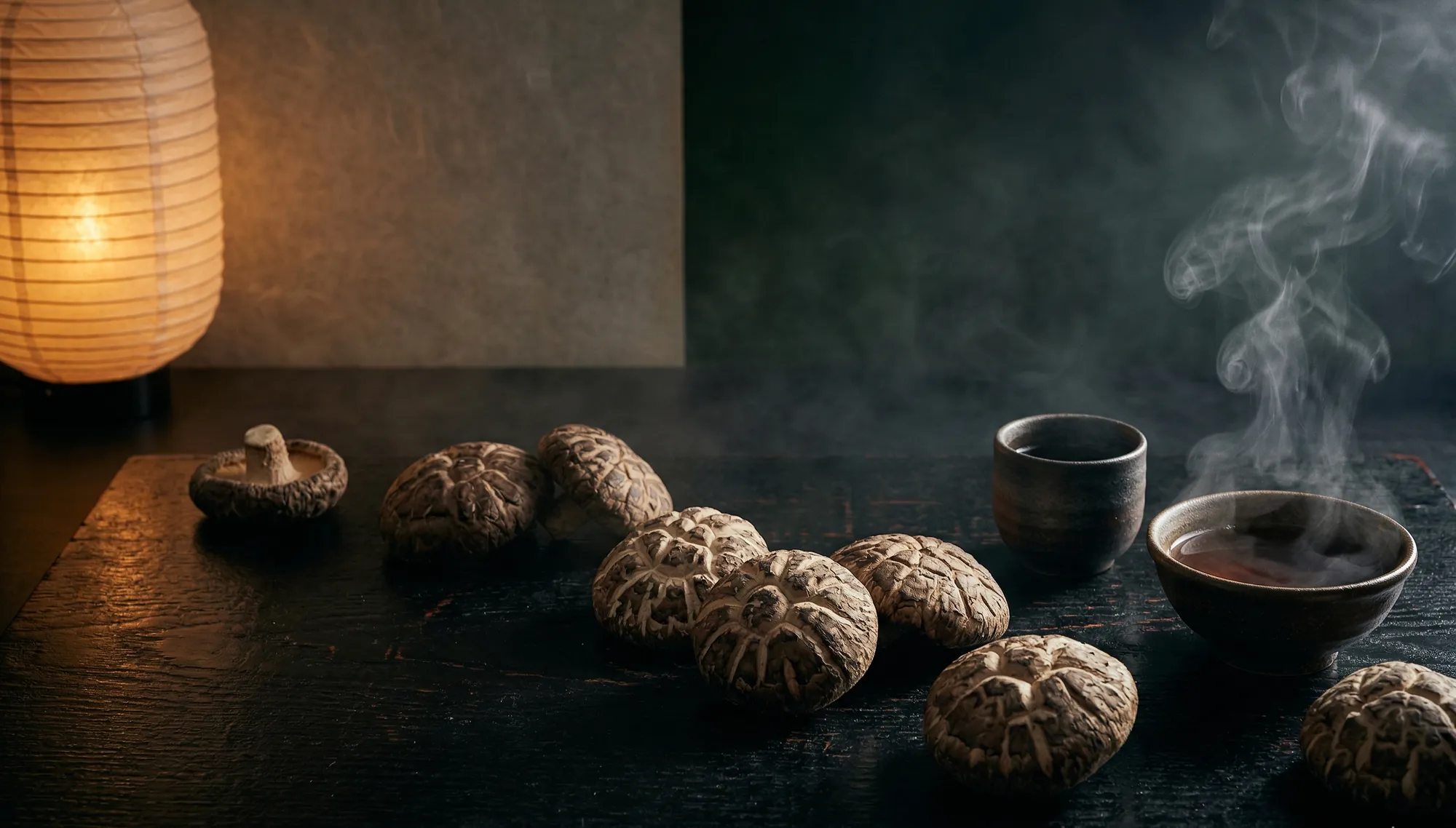
King Oyster / Shiitake — Nutrition: With ergothioneine, vitamin D, and protein content, they can contribute to the nutritional needs of the elderly. Integration into meals is easy as part of the gastronomy series.
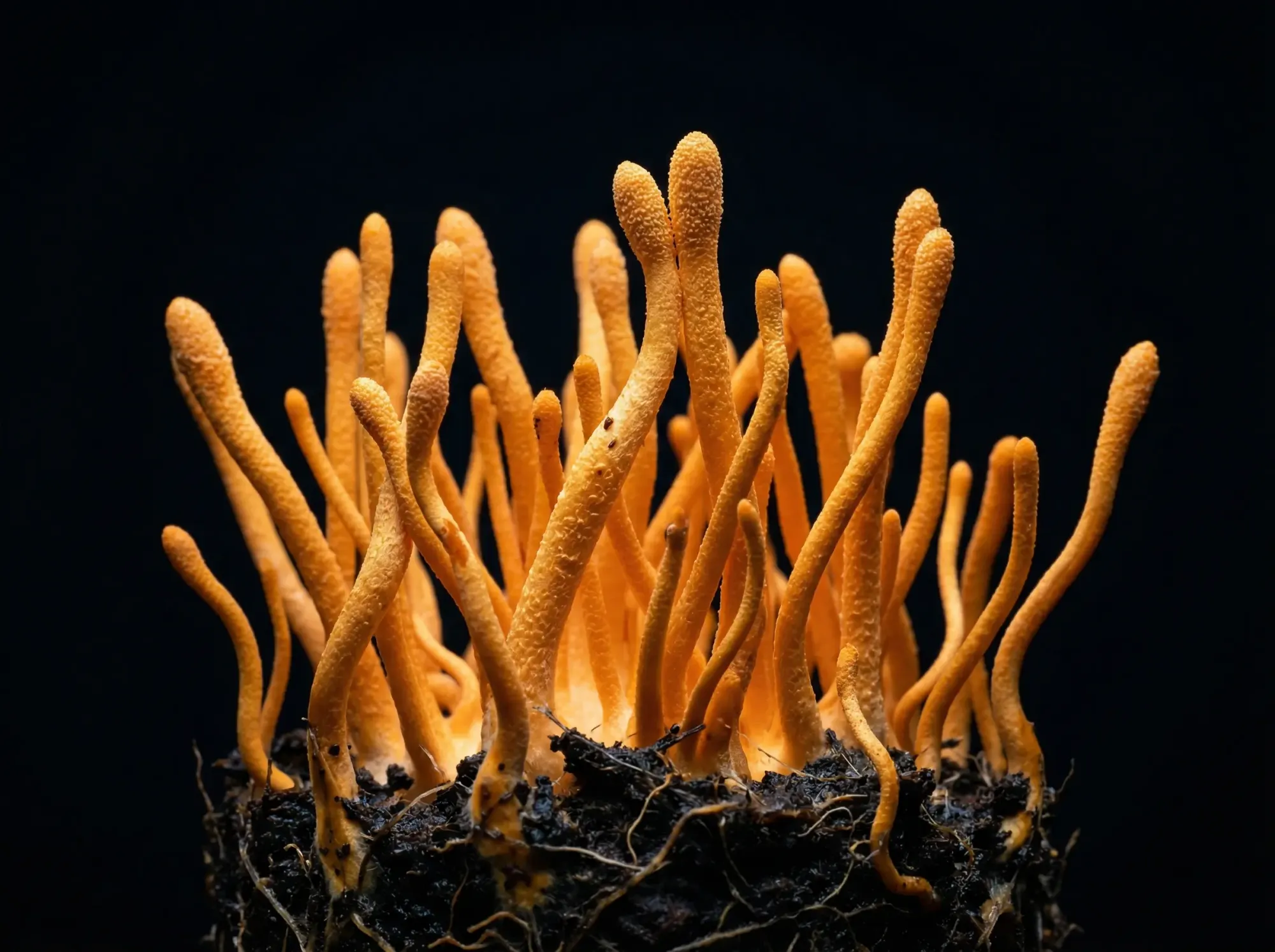
Cordyceps — Use with caution: Its energy-enhancing effect may be beneficial for the elderly, but requires caution in those with cardiac conditions. Physician consultation is mandatory.
— SITUATIONS REQUIRING CAUTION —
⚠ Warfarin and other anticoagulants — risk of interaction with Reishi and Cordyceps
⚠ Blood pressure medications — Reishi may cause an additional drop
⚠ Diabetes medications — risk of hypoglycemia
⚠ Immunosuppressive therapy — may conflict with immune modulators
⚠ Kidney failure — dose adjustment may be required
⚠ Polypharmacy (5+ drugs) — pharmacist consultation is essential before adding any supplement
The golden rule: Over age 60, consult your physician before starting any new supplement. This is not a recommendation; it is a necessity.
— PRACTICAL IMPLEMENTATION —
Weeks 1-2: Single species, half dose (0.5 g). Start with Lion's Mane or Reishi.
Weeks 3-4: If tolerance is good, increase to 1 gram.
Weeks 5-6: Add the second species at half dose.
Month 2+: Stabilize dose. Cyclic use (8 weeks on, 2 weeks off).
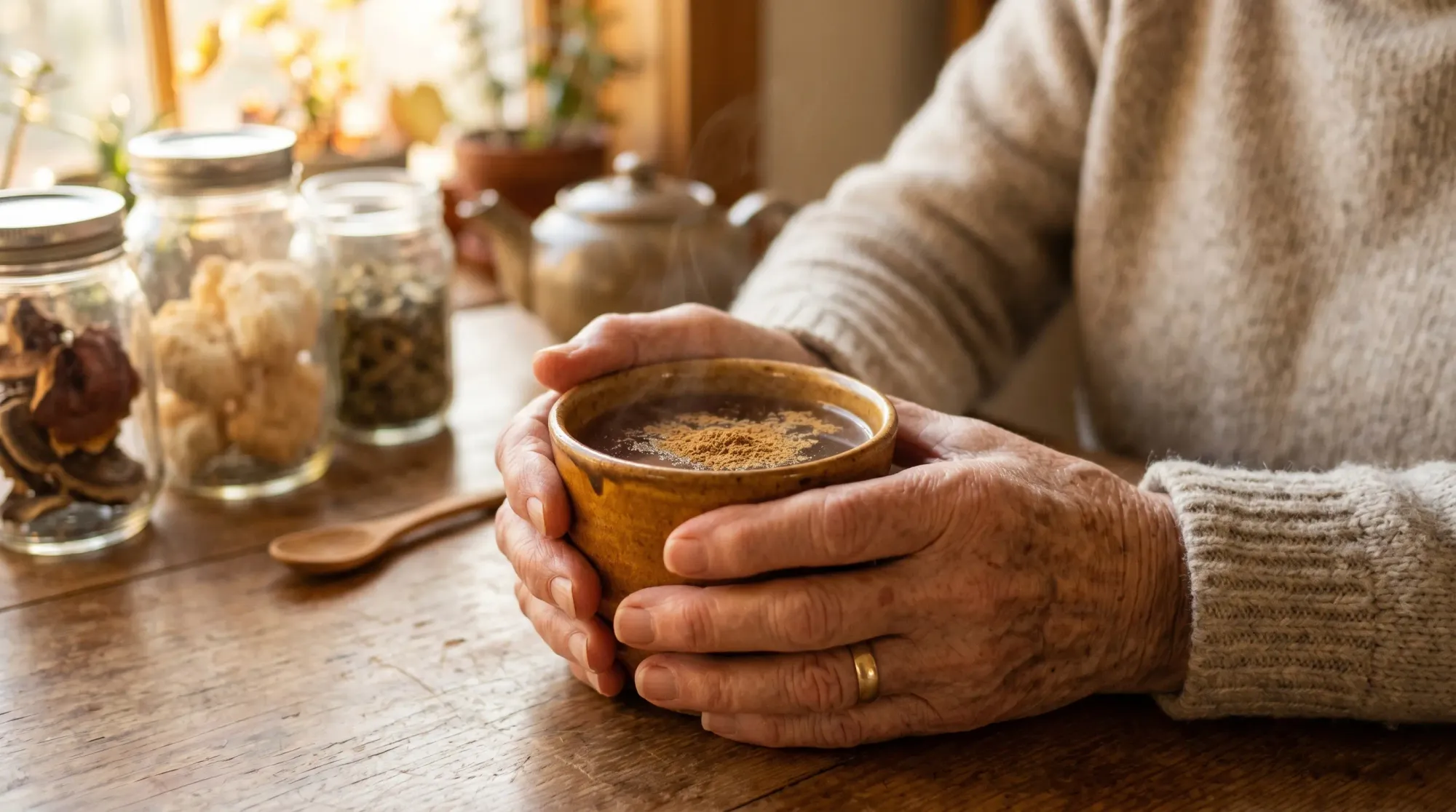
Gastronomy integration: Shiitake Donko and King Oyster can be easily added to soups, meals, and teas. This is the easiest entry point for elderly individuals who prefer not to take supplements.
You May Also Like
→ Which Mushroom Is Right for Me?
→ Functional Mushroom Daily Doses
→ Is Mushroom Supplementation Safe?
Related Reading
- Seasonal Mushroom Usage Calendar — Seasonal Mushroom Usage Calendar
- Lion's Mane 30-Day Use Profile: Neurotrophic Process Timeline — Neurotrophic Process Timeline
- Which Functional Mushroom Is Suitable for You: Selection Guide — Which Functional Mushroom Is Suitable for You: Selection Guide
This content is for informational purposes only and does not constitute medical advice. Consult your physician before making any health decisions. Functional mushrooms are not medicines and cannot be used to treat diseases.
Version: 1.0 | Last updated: 20 Apr 2026 | Sources reviewed: 6+ | Method: Editorial Policy | References: Bibliography