The Comprehensive A–Z Glossary of Mycology: Over 130 Essential Terms

— ANCHOR —
You are conducting research. You encounter "Beta-Glucan" — but you do not fully grasp what it means. "Substrate" appears, then "Mycelium," then "Triterpene." Each page offers a different explanation.
This glossary was written to solve that problem. All technical terms from the worlds of mushroom biology, mycology, biochemistry, cultivation, gastronomy, traditional medicine, and functional foods — on a single page, with English explanations and scientific references.
No other resource of this scope exists in Turkey.
A
Adaptogen — A term for bioactive substances that normalize the body's stress response. Defined in 1947 by Soviet scientist Nikolai Lazarev. Three criteria must be met: nonspecific effect, normalizing effect, and harmlessness. Functional mushrooms do not technically fulfill all adaptogen criteria, but they exhibit overlapping mechanisms.
Adenosine — The fundamental molecule of cellular energy transfer. The building block of ATP (adenosine triphosphate). Plays a key role in the brain's sleep-wake cycle — its accumulation creates sleep pressure. Cordycepin is a modified analog of adenosine at the 3' position. → What Is Cordycepin?
Agar — A gelling polysaccharide derived from seaweeds (Gelidium, Gracilaria). A solid culture medium used in mushroom cultivation for mycelial isolation, propagation, and purity testing. Sterile agar plates are fundamental tools for preserving mycelial genetics. PDA (Potato Dextrose Agar) and MEA (Malt Extract Agar) are the most common formulations.
Agarikon (Laricifomes officinalis) — An endangered mushroom species found on old coniferous trees in ancient continents. Recorded for medicinal use by Dioscorides in Ancient Greece. Brought back into focus through Paul Stamets' research. Not included in the MYCOVITA portfolio.
Agaricus bisporus (Button Mushroom / White Mushroom / Champignon) — The most widely consumed mushroom species on Earth. White (champignon), brown (cremini), and mature (portobello) forms belong to the same species. It does not fall into the functional mushroom category — it is a staple food mushroom.
Alpha-Glucan — A polysaccharide in which glucose molecules are linked by alpha bonds. Starch and glycogen possess this structure. In mycelium powders that include substrate, a high alpha-glucan ratio indicates grain residue — must not be confused with Beta-Glucan. Differentiation is possible via the Merriam test. → Mycelium vs. Fruiting Body
Amanita — A mushroom genus containing both deadly poisonous and edible species. A. phalloides (death cap) is the world's most dangerous mushroom — it contains amatoxin. A. muscaria (fly agaric) contains ibotenic acid and muscimol. A. caesarea (Caesar's mushroom), by contrast, is an edible and prized species. It bears no relationship to functional mushroom species.
Amatoxin — Bicyclic octapeptide toxins found in Amanita phalloides and similar species. Causes liver failure by inhibiting RNA polymerase II. Not destroyed by cooking. One of the greatest risks for individuals without expertise who forage wild mushrooms.
Antioxidant — Compounds that reduce oxidative stress by neutralizing free radicals. In mushrooms, the principal substances exhibiting antioxidant activity include ergothioneine, selenium, polyphenols, and melanin (in Chaga). → What Is Ergothioneine?
Antler Form — The branched, antler-shaped morphology that Reishi mushroom adopts under high CO₂ (>3,000 ppm) and low light conditions. Harvested before the cap opens. Triterpenoid concentration can be up to 2 times higher than classic Reishi. MYCOVITA uses this form in its Apothecary series. → Reishi Encyclopedia
ATP (Adenosine Triphosphate) — The universal energy currency of cells. Every biological process — from muscle contraction to neuronal firing, from DNA synthesis to protein folding — consumes ATP. Fatigue occurs when ATP consumption exceeds renewal capacity. The mitochondrion is the organelle where ATP is produced. → What Is Cordycepin?
Auricularia auricula-judae (Jelly Ear / Mu Er) — Gelatinous, ear-shaped, dark brown edible mushroom. Common in Chinese and Southeast Asian cuisines. Its blood viscosity-reducing properties are under investigation. Found in the wild in Turkey.
Annulus (Ring) — A ring present on the stipe of some mushrooms, a remnant of the partial velum (inner veil). Distinct in Agaricus species. An important morphological feature for species identification.
Apothecium — The cup- or disc-shaped, open ascus-bearing fruiting body of ascomycete fungi. Honeycomb-shaped in Morchella, bowl-shaped in Peziza.
Ascocarp — The fruiting body of ascomycete fungi. Houses the asci within. Apothecium type in Morchella, cleistothecium type in Tuber.
B
Basidium — The microscopic, spore-producing structure of basidiomycete fungi. Each basidium typically bears four basidiospores. The lamellae of gilled mushrooms are covered with these structures. A fundamental morphological criterion in fungal classification.
Basidiomycota — The fungal phylum to which gilled mushrooms belong. Lion's Mane, Reishi, Shiitake, Maitake, Cordyceps, and all functional mushroom species are members of this group. Contains ~30,000 described species worldwide.
Beta-Glucan (β-Glucan) — A polysaccharide in which glucose molecules are linked by beta bonds. Concentrated in the fungal cell wall. The beta-(1→3),(1→6) branching structure is distinctive to fungi — oat beta-glucan has a (1→3),(1→4) structure and a different mechanism. Recognizes the Dectin-1 receptor and modulates the immune response. Sparassis crispa contains 40–45%, Turkey Tail 30–40%, and Lion's Mane 20–35% beta-glucan.
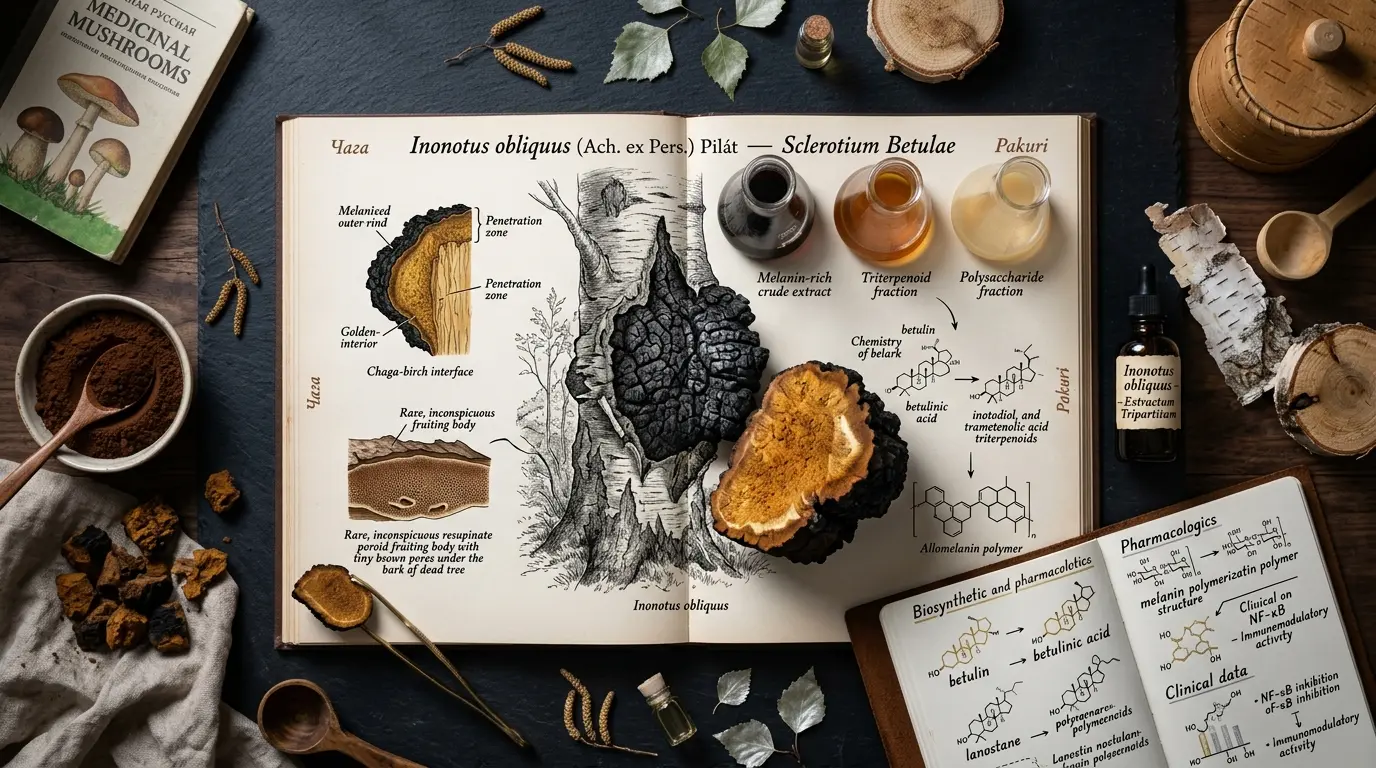
Betulinic Acid — A pentacyclic triterpenoid found in Chaga mushroom (Inonotus obliquus). Synthesized from betulin in birch bark. Under investigation in antiproliferative research.
Bioactive Compound — A chemical substance present in a food that carries potential physiological effects on bodily functions. In mushrooms, the primary bioactive compounds are Beta-Glucan, Triterpene, Cordycepin, Erinacine, Hericenone, Ergothioneine, Lentinan, and PSK.
Bioluminescence — The ability of certain mushroom species to emit light in darkness. Species such as Mycena chlorophos, Omphalotus olearius (jack-o'-lantern mushroom), and Panellus stipticus exhibit bioluminescence. Operates via the luciferin-luciferase enzyme system. This trait is not found in functional mushrooms.
Bioavailability — The proportion of a compound that reaches systemic circulation and becomes physiologically active after ingestion. Three factors determine bioavailability of mushroom constituents: the chitin barrier, the extraction method, and choice of carrier. Hot water extraction is the most fundamental method of overcoming the chitin barrier. → What Is Chitin?
Boletus edulis (Porcini / King Bolete / Cep) — One of the world's most prized wild edible mushroom species. Mycorrhizal — lives in symbiosis with tree roots; cultivation has not been achieved. Found in the wild across Europe, Turkey, and North America. Indispensable in Italian cuisine. Not included in the MYCOVITA portfolio.
Butyrate — A short-chain fatty acid (SCFA). Produced by gut bacteria fermenting prebiotic fibers. The primary energy source for colonocytes (intestinal epithelial cells). Strengthens the gut barrier and regulates inflammation. → Gut Health
Basidiocarp — The fruiting body of a basidiomycete fungus. Composed of the pileus, stipe, and hymenium. The portion of edible mushrooms that is consumed.
Buna-shimeji (ブナシメジ) — The Japanese name for Hypsizygus tessellatus. A tightly textured, brown-capped edible mushroom that grows on beech trees. Member of the "shimeji" family. Not consumed raw; delivers a nutty flavor when cooked.
C – Ç
Cantharellus cibarius (Chanterelle / Golden Chanterelle) — Golden-yellow, funnel-shaped, apricot-scented edible wild mushroom. Mycorrhizal — cannot be cultivated. Naturally found in European and Turkish forests. A seasonal foraging tradition exists in the Black Sea Region.
Chaga (Inonotus obliquus) — A black, charcoal-like sclerotium that lives parasitically on birch trees. Used for centuries in Siberian and Northern European traditional medicine. Contains melanin, betulinic acid, and oxalic acid. Technically not a "mushroom" — it is the sclerotium, not the fungal fruiting body. Not included in the MYCOVITA portfolio.
COA (Certificate of Analysis) — An independent laboratory analysis document pertaining to a specific production batch. Reports parameters such as Beta-Glucan ratio, alpha-glucan ratio, heavy metal testing (lead, cadmium, arsenic, mercury), microbiological cleanliness (total bacteria, mold/yeast, E. coli, Salmonella), moisture content, and pesticide residue. MYCOVITA publishes a COA for every batch and makes it accessible via the website.
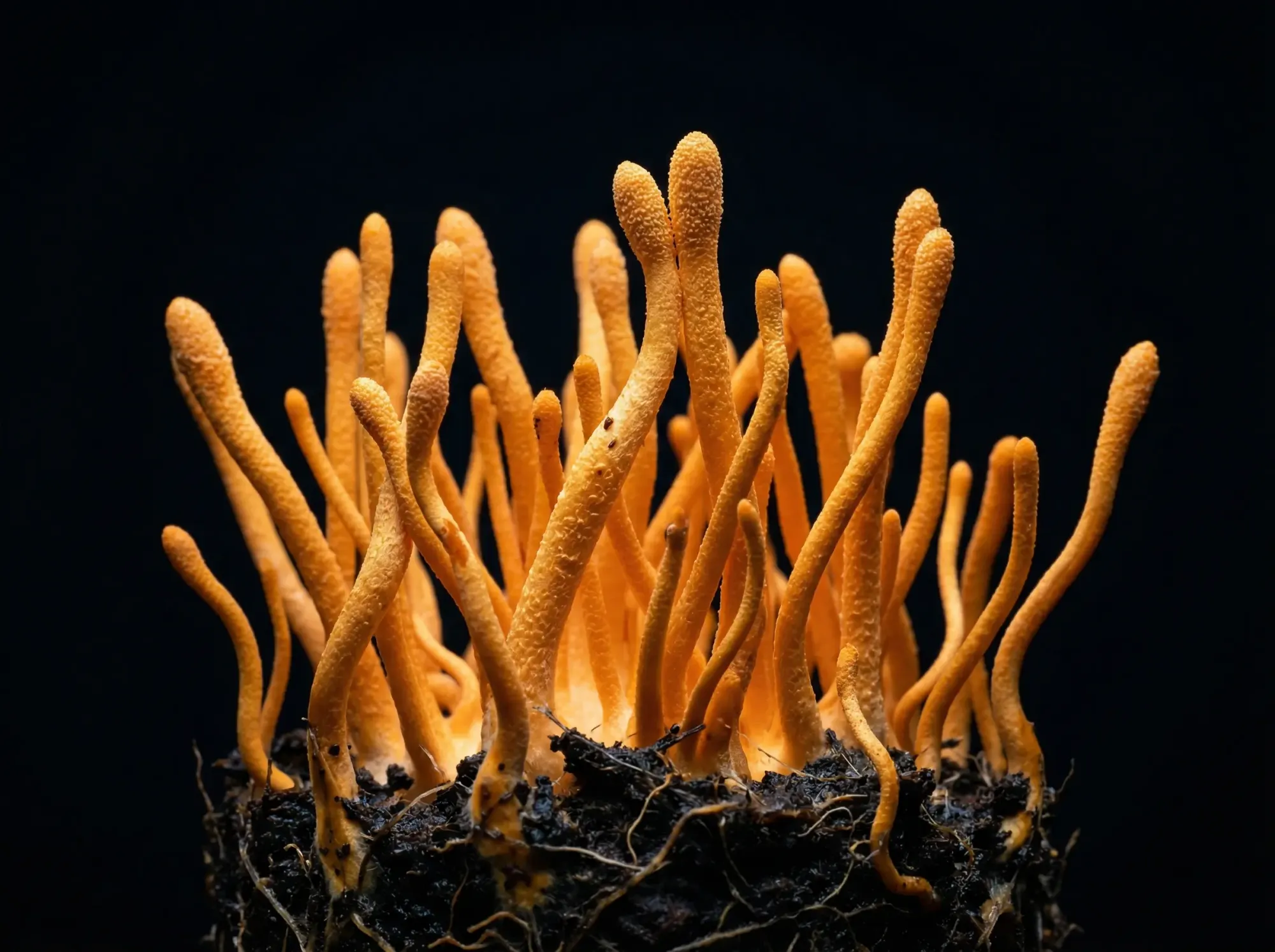
Cordyceps militaris — A functional mushroom species cultivated under controlled conditions on a rice-based substrate. Its active compound is cordycepin. Orange-colored, slender club-shaped fruiting bodies are produced. Frequently confused with wild Ophiocordyceps sinensis — they are distinct species.
Dual Extraction — The sequential application of hot water + alcohol extraction to obtain full-spectrum mushroom constituents. Thus, water-soluble polysaccharides (Beta-Glucan) and fat/alcohol-soluble terpenoids (Triterpene) are recovered together. The preferred method for species such as Reishi that contain both beta-glucan and triterpenes.
Cleistothecium — A completely enclosed, spherical ascocarp. Asci mature internally; spores are released upon rupture of the wall. The truffle (Tuber) possesses this type of fruiting body.
Coprinus comatus (Shaggy Ink Cap / Lawyer's Wig) — An edible mushroom with a tall white cap that dissolves its own tissue into a black liquid. Recognized by its deliquescing cap. Must be collected at the young stage; should not be consumed with alcohol.
D
Dashi — The foundational broth of Japanese cuisine (umami base). Traditionally made with kombu (sea kelp) and katsuobushi (dried bonito). Vegan dashi is prepared using the modoshi-jiru of Shiitake Donko. Fundamental to the shojin ryori (Buddhist temple cuisine) tradition. → Mushroom Dashi
Dectin-1 — A C-type lectin pattern recognition receptor found on the surface of macrophages, dendritic cells, and neutrophils. Specifically recognizes beta-(1→3)-D-glucan and initiates the innate immune response. Identified in 2001 by Brown and Gordon. The cornerstone of fungal immunology. → What Is Beta-Glucan?
Dehydration — The process of removing water from mushrooms. Industrial drying is carried out at 70–90°C — rapid but degrades enzyme structure. MYCOVITA employs low-temperature drying at 42–45°C — takes 22–42 hours but preserves bioactive compounds. → Low-Temperature Drying
Dendritic Cell — The "reconnaissance arm" of the immune system. Recognizes, processes, and presents antigens to T cells. The bridge between innate and adaptive immunity. Among the first cell types activated by Beta-Glucan via Dectin-1. → Immune System
Dysbiosis — Disruption of bacterial diversity and balance in the gut microbiome. Dominance of a single species or loss of overall diversity. Associated with digestive issues, immune weakening, inflammation, and neuropsychiatric symptoms. → Gut Health
Desert Truffle — see Truffle
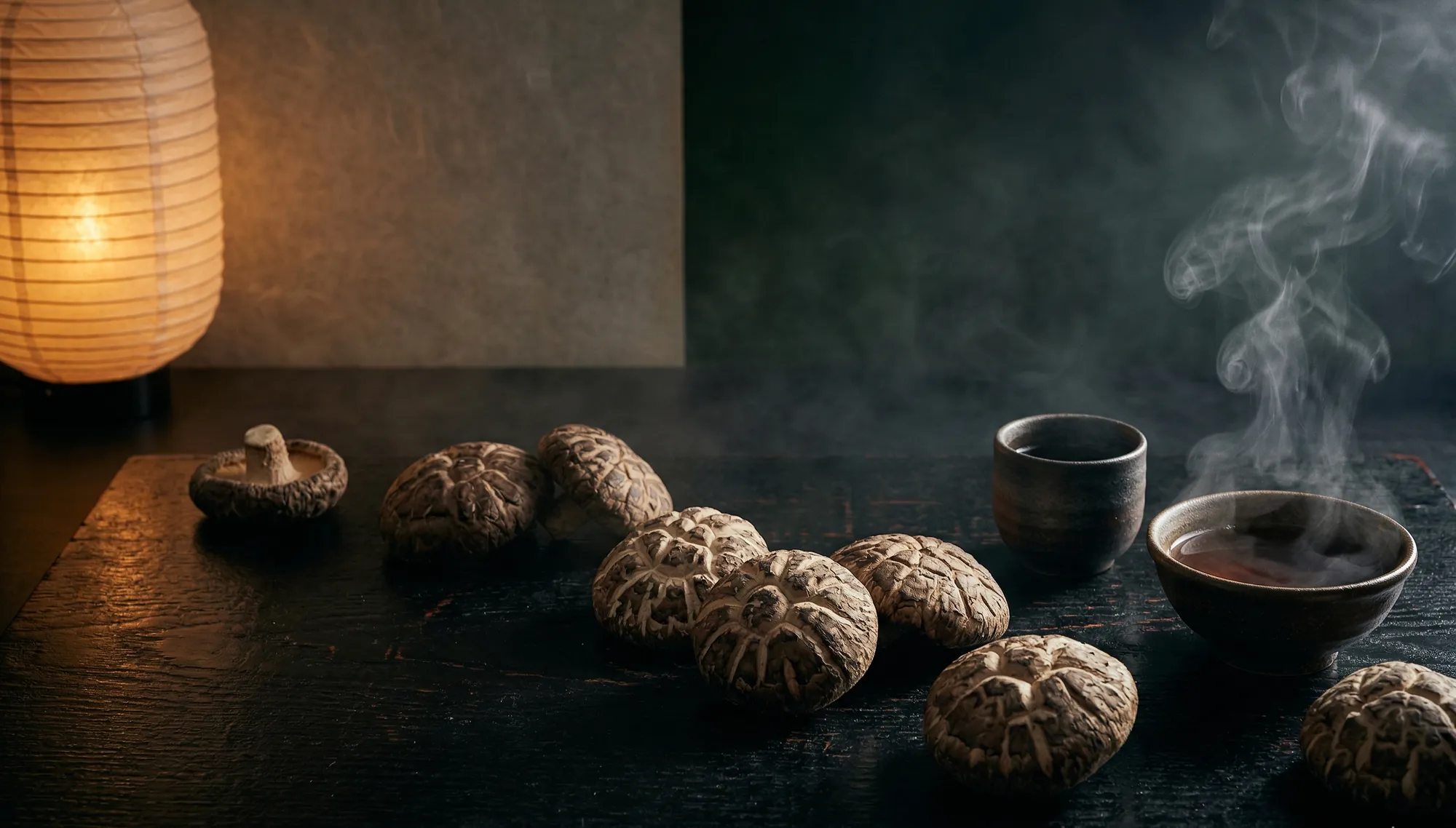
Donko Grade (冬菇) — The highest quality classification of Shiitake, harvested while the cap is still closed, with incurved margins, during slow growth on cold winter days (5–10°C). Means "winter mushroom." Slow growth ensures concentration of GMP and Lentinan. In the Japanese classification: Donko (winter, closed) > Koushin (spring, semi-open) > Koshin (summer, open). → Shiitake Donko Encyclopedia
DSHEA (Dietary Supplement Health and Education Act) — US dietary supplement regulation enacted in 1994. Permits the sale of dietary supplements without FDA approval — however, health claims are restricted. The legal framework for the US mushroom supplement market.
D-Fraction — A beta-glucan fraction isolated from Maitake mushroom in 1984 by Dr. Hiroaki Nanba. A protein-bound, beta-(1→6)-branched glucan. The most extensively studied Maitake constituent in immune activation research.
E
EFSA (European Food Safety Authority) — The European Food Safety Authority. Evaluates Novel Food applications. Certain mushroom extracts fall under Novel Food status in the EU and therefore require EFSA approval.
Extraction — The process of isolating mushroom constituents using a solvent (water, alcohol, supercritical CO₂). Hot water extraction (80–100°C) dissolves polysaccharides; ethanol extraction dissolves triterpenoids; supercritical CO₂ dissolves volatile compounds. Dual extraction combines both.
Endophyte — Organisms that live within plant or tree tissues, forming a symbiotic relationship without harming the host. Certain fungal species live as endophytes and enhance the host's stress resistance.
ENS (Enteric Nervous System) — An independent neural network comprising over 500 million neurons located within the walls of the digestive tract. Known as the "second brain." Communicates bidirectionally with the central nervous system via the vagus nerve. → Brain-Gut Axis
Erinacine — A family of diterpene compounds (A–I) isolated from Lion's Mane mycelium. Demonstrated to stimulate NGF synthesis. Erinacine A is the most active form. Works synergistically with Hericenones — Hericenone concentrates in the fruiting body, Erinacine in the mycelium. → Lion's Mane Encyclopedia
Ergothioneine (EGT) — A rare sulfur-containing amino acid (2-mercapto-L-histidine betaine) that the body cannot synthesize and must obtain exclusively through diet. Absorbed via active transport by the OCTN1 transporter — not passive diffusion; the body actively "seeks" this molecule. Protects mitochondria against oxidative stress. Found in highest concentration in King Oyster and Shiitake. Proposed as a "longevity vitamin" by Bruce Ames in 2005.
Ergosterol — The sterol found in fungal cell membranes (the "cholesterol" of fungi). When exposed to UV-B light, it converts to provitamin D₂ (ergocalciferol), then to active vitamin D. This conversion makes mushrooms a unique vitamin D source in the plant kingdom. Also used as a purity indicator for mushroom ingredients — the ergosterol/chitin ratio can serve as a criterion for distinguishing fruiting body vs. mycelium. → Vitamin D and Mushrooms
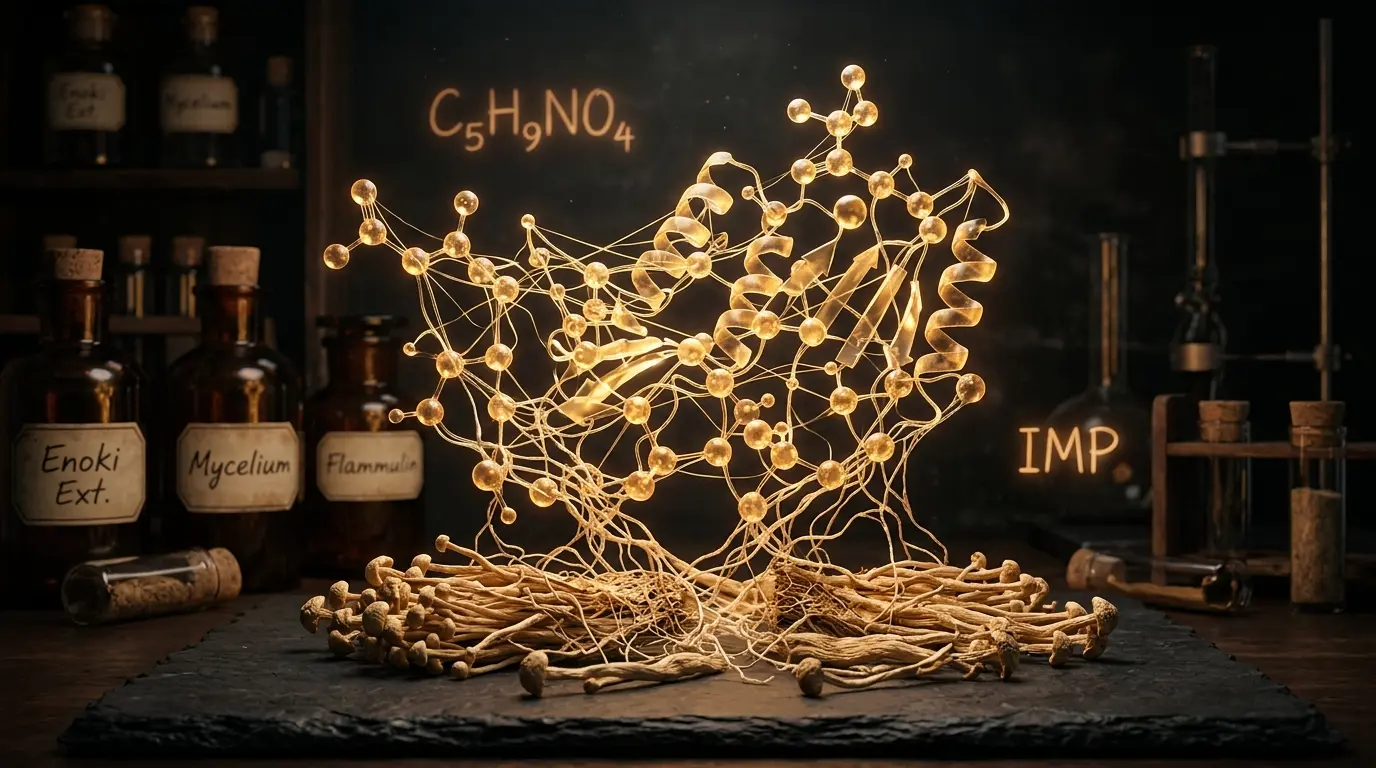
Enoki (エノキ) — see Flammulina velutipes
Eringi (エリンギ) — The Japanese name for King Oyster mushroom. "Eringi" (Pleurotus eryngii). Known for its thick stipe and meaty texture.
F
Flush (Harvest Wave) — In mushroom cultivation, the successive fruiting body periods produced by a substrate within a single production cycle. The first flush is generally the most productive and richest in bioactive terms — yield and compound concentration decline in subsequent flushes. MYCOVITA preferentially uses the first flush harvest.
Functional Mushroom — Mushroom species that, beyond their basic nutritional value, are subjects of scientific research due to specific bioactive constituents. Lion's Mane, Reishi, Cordyceps, Sparassis, Turkey Tail, Maitake, and Chaga fall into this category. These are food products, not pharmaceuticals. Cannot be sold with health claims.
Functional Food — Foods that carry potential positive health effects beyond their basic nutritional function. The concept originated in Japan in 1984 (FOSHU system). In Turkey, functional foods cannot be sold with health claims and are subject to food legislation.
Fomes fomentarius (Tinder Fungus / Hoof Fungus) — A hoof-shaped, hard-textured fungus that lives on trees. Used throughout history to start fires — one of two mushrooms found with Ötzi. Traditionally known as "kav" in Anatolia.
FOSHU (Food for Specified Health Uses) — Japan's functional food certification system, launched in 1991. The world's first official functional food regulation. Mushroom beta-glucans have been evaluated under this system.
Fruiting Body — see Meyve Gövdesi
Furin (花冬菇) — The white crack pattern and powder layer on the cap surface of dried Donko-grade Shiitake. Formed by cracking of the cap surface during slow growth in cold weather. A visible sign of GMP and amino acid crystallization. The highest quality class in Japan — "Tenpaku Donko" (天白冬菇). → Shiitake Donko
K
Krepatin — The ink-like liquid produced by certain mushrooms (e.g., Coprinus comatus) as they dissolve their own tissue during aging.
N
P
G
GABA (Gamma-Aminobutyric Acid) — The primary inhibitory neurotransmitter of the central nervous system. Produces a calming effect by reducing neuronal firing rate. Modulation of the GABAergic system by Reishi's ganoderic acids is under investigation. → Reishi and Sleep
Ganoderic Acid — A family of lanostane-type triterpenoids specific to Reishi mushroom (Ganoderma lucidum). Over 150 compounds have been isolated (Ganoderic Acid A–Z and beyond). Fat-soluble in structure. The direct source of Reishi's bitterness — the more bitter, the more intense the triterpene content. Concentration is highest in the Antler form.
Glutamate — A proteinogenic amino acid and the fundamental molecule of umami taste. Free L-glutamate is naturally present in high concentration in mushrooms. Exhibits synergistic effect with GMP — when present together, umami perception is amplified 30-fold. MSG (monosodium glutamate) is the synthetic form. → What Is Umami?
GMP (Guanosine 5'-Monophosphate) — A 5'-ribonucleotide. The second carrier of umami taste. Exhibits synergy with glutamate. Particularly concentrated in Shiitake Donko — enzymatic activity during the drying process increases GMP concentration. → Umami
GRAS (Generally Recognized As Safe) — A US FDA classification for food substances "generally recognized as safe." Certain mushroom species and mushroom extracts hold this status.
Grifola frondosa — see Maitake
H
HEPA Filter (High Efficiency Particulate Air) — A high-efficiency particulate arresting filter. Captures 99.97% of particles 0.3 microns and above. Used in clean rooms and laminar flow hoods in mushroom production. The primary physical barrier for contamination prevention.
Hericenone — A family of low molecular weight aromatic compounds (C–H) isolated from Lion's Mane fruiting body. Among the first natural compounds identified that cross the blood-brain barrier and stimulate NGF synthesis. Discovered in 1991 by Hirokazu Kawagishi. → Lion's Mane Encyclopedia
Hericium erinaceus — see Lion's Mane
Hypha (plural: Hyphae) — The fundamental structural unit of mycelium. Thread-like, branched, microscopic tube structures that may be septate (partitioned) or aseptate. 2–10 micrometers in diameter. The hyphal network penetrates the substrate, breaking down organic matter with extracellular enzymes and enabling nutrient uptake.
Hodagi Method (原木栽培) — Japan's traditional Shiitake cultivation technique. Mycelium is inoculated into oak or beech logs and cultivated outdoors under natural forest canopy. 90–120 days of colonization, 2–5 years of production. The method at the origin of Donko-grade Shiitake. Fundamentally different from industrial bag culture.
HPA Axis (Hypothalamic-Pituitary-Adrenal Axis) — The neuroendocrine system regulating the stress response. Hypothalamus secretes CRH → Pituitary secretes ACTH → Adrenal glands secrete cortisol. Regulated by negative feedback. Chronic stress leads to dysregulation of this axis. → Stress and Adaptogenic Mushrooms
Hiratake (ヒラタケ) — The Japanese name for Pleurotus ostreatus (Oyster Mushroom).
Hou tou gu (猴头菇) — The Chinese name for Lion's Mane mushroom. Means "monkey head mushroom."
İ
Immunomodulator — A substance that regulates the immune response. Distinct from immunostimulants (stimulators) and immunosuppressants (suppressors) — a modulator maintains balance, working bidirectionally. Mushroom beta-glucans are evaluated in this category. → Immune System
Inoculation — The process of introducing spawn (seed mycelium) into sterile substrate. Performed under sterile conditions, within a laminar flow hood. The production stage with the highest contamination risk. Inoculation rate ranges from 3–10% of substrate weight.
Inonotus obliquus — see Chaga
K
Kaiseki (懐石) — Japanese haute cuisine. A multi-course dining tradition built on seasonality, aesthetics, and balance. Shiitake Donko and dashi are fundamental building blocks of this tradition.
Blood-Brain Barrier (BBB) — The selectively permeable endothelial barrier between the brain and blood circulation. Most molecules (>500 Daltons) cannot cross this barrier. Evidence that Hericenone and Erinacine can cross this barrier due to their low molecular weights makes Lion's Mane unique from a neuroscience perspective.
Chestnut Mushroom (Pholiota adiposa) — An edible mushroom growing in clusters, orange-brown in color. Japanese name Numerisugitake. Known for its slippery texture and mildly sweet flavor. MYCOVITA has identified this species but has not yet brought it into production.
Chitin — The main structural component of the fungal cell wall. Composed of N-acetylglucosamine polymers (identical to the chitin in insect exoskeletons). Human digestive enzymes (chitinase activity in humans is very low) cannot efficiently break down chitin — therefore, heat, water, or alcohol extraction is required for absorption of mushroom constituents. However, indigestible chitin may serve as a prebiotic substrate in the gut.
Colonization — The process by which mycelium fully covers the substrate. 30–120 days depending on species. Lion's Mane 45–60 days, Reishi 60–90 days, Shiitake 90–120 days. Temperature (typically 22–27°C), humidity (65–75%), and CO₂ level are critical during this process.
Contamination — The introduction of unwanted organisms into mushroom culture. Trichoderma (green mold), Aspergillus (black mold), Penicillium (blue mold), and bacteria are the most common contaminants. Managed with HEPA filters, autoclaves, and aseptic technique.
Cordycepin (3'-Deoxyadenosine) — The primary active compound of Cordyceps militaris. A deoxygenated analog of adenosine at the 3' position. Investigated in ATP synthesis, RNA polymerase inhibition, and energy metabolism research. Discovered in 1950 by Cunningham and team; entered popular culture after the 1993 Stuttgart world record.
Cortisol — A glucocorticoid stress hormone secreted from the zona fasciculata layer of the adrenal glands. Short-term elevation is a normal defense mechanism; chronic elevation leads to immune suppression, sleep disturbance, insulin resistance, and visceral adiposity. → Stress and Cortisol
Morel — see Morchella
L
Lamella (plural: Lamellae) — The thin, blade-like structures (gills) on the underside of the cap of gilled mushrooms. The surface where spores are produced — basidia line the lamellae. Note: Lion's Mane lacks lamellae — spores are released from tooth-like spines. Reishi also lacks lamellae, possessing a pore (tube) structure instead.
Laminar Flow Hood — A HEPA-filtered workstation providing unidirectional (laminar) sterile airflow. Inoculation, mycelial transfer, and agar work in mushroom culture are performed under this hood. Both horizontal and vertical flow models exist.
Lentinan — A high molecular weight beta-(1→3),(1→6)-D-glucan specific to Shiitake (Lentinula edodes). Possesses a triple helix structure — this three-dimensional conformation is critical for its biological activity. Discovered in 1969 by Chihara and team; approved as a pharmaceutical in Japan in 1985. Concentration is highest in Donko-grade Shiitake.
Lentinula edodes — see Shiitake Donko
Lingzhi (灵芝) — The Chinese name for Reishi mushroom. Means "divine mushroom" or "spiritual mushroom." Classified as a "superior class medicine" (shangpin) in the Shennong Ben Cao Jing (~200 BCE) — superior class means "harmless and suitable for long-term use." → Reishi Encyclopedia
Lyophilization (Freeze Drying) — The removal of water from mushrooms by freezing at -40°C followed by sublimation (solid to gas) under vacuum. Considered the drying method that best preserves cellular structure and bioactive compounds. However, equipment and energy costs are high.
M
Maillard Reaction — A non-enzymatic chemical interaction between amino acids and reducing sugars at 140–165°C. Creates golden-brown color (melanoidins), caramel-like aroma, and depth of flavor. Critical in the scallop technique for King Oyster and in Shiitake Donko searing. → King Oyster in the Kitchen
Maitake (Grifola frondosa) — "Dancing mushroom" — legend says people danced with joy upon finding it in Japan. Grows in multi-layered, ruffled, leaf-like form. Lives on oak roots. Investigated for its D-Fraction and X-Fraction beta-glucan constituents. Included in the MYCOVITA Gastronomy series.
Macrophage — The "cleanup" cells of the immune system. Eliminate pathogens through phagocytosis (engulfing) and stimulate other immune cells by secreting cytokines. The primary cell type activated by Beta-Glucan via Dectin-1. → Immune System
Melanin — A dark pigment molecule. Found in very high concentration in Chaga mushroom — the source of its black color. Antioxidant and radioprotective properties are under investigation.
Fruiting Body (Carpophore) — The visible, spore-producing portion of a mushroom — cap, stipe, and lamellae/pores/spines. The vast majority of bioactive compounds concentrate in the fruiting body. MYCOVITA uses only 100% fruiting body powder. → Mycelium vs. Fruiting Body
Microbiome — The community of over 1,000 bacterial species living in the human gut (also viruses, fungi, and archaea). Total weight approximately 2 kg. Governs 70% of immunity, influences mood, and synthesizes vitamins. Mushroom polysaccharides carry prebiotic potential. → Gut Health
Mycorrhiza — The symbiotic relationship between fungal mycelium and plant roots. The fungus receives sugars from the plant; in return, it enhances mineral and water absorption. The invisible communication and nutrient-sharing network of the forest ecosystem. 90% of the world's plants depend on mycorrhizal partners. Porcini, Chanterelle, and Maitake are mycorrhizal species — which is why their cultivation is extremely difficult.
Micronization — The process of reducing mushroom powder particle size below 10–50 microns. Potentially improves bioavailability by increasing surface area. Jet mills or ball mills are used.
Mycelium — The underground or intra-substrate hyphal network of a fungus. Nutrient uptake, growth, and environmental interaction occur through this network. Carries a biochemically different profile from the fruiting body — Erinacine concentrates in the mycelium, Hericenone in the fruiting body. Commercial "mycelium powder" products are generally mycelium + substrate mixtures. → Mycelium vs. Fruiting Body
Modoshi-jiru (戻し汁) — The soaking water of dried Donko Shiitake. GMP and free glutamate dissolve into this water — it is never discarded. Used as an umami base in Japanese cuisine. Soaking in cold water for 12–24 hours yields the highest solubility. → Shiitake Donko in the Kitchen
Monotub — A modified plastic storage container used in home-scale mushroom cultivation. Holes covered with micropore tape are opened for air exchange. Common in hobby cultivation; not used in industrial production.
Morchella (Morel / Kuzugöbeği) — A spring mushroom with a honeycomb-patterned cap. One of the world's most prized edible mushroom genera. In Turkey, foraged from the wild, especially in the Eastern Black Sea and Central Anatolia regions. Cultivation has been developed in recent years. High export value.
Mycelium on Grain (MOG) — Powder obtained by growing mycelium on sterile grain (wheat, rye, rice) and grinding it together with the substrate. Many commercial "mushroom powders" are actually MOG. Alpha-glucan (starch) ratio is high, beta-glucan ratio is low. → Mycelium vs. Fruiting Body
Mycoremediation — The use of fungi's capacity to degrade or absorb environmental pollutants (petroleum, pesticides, heavy metals) for environmental cleanup. A field pioneered by Paul Stamets. Not used in functional mushroom production — on the contrary, the requirement for contamination-free clean substrate in mushroom production is critical precisely for this reason.
Mycoprotein — Protein derived from fungal mycelium. Quorn™, produced from Fusarium venenatum, is the best-known commercial example. A different product category from functional mushroom powder — it is an industrial fermentation product.
N
NGF (Nerve Growth Factor) — A neurotrophic factor that regulates the growth, maintenance, differentiation, and repair of nerve cells. 1986 Nobel Prize in Medicine (Rita Levi-Montalcini and Stanley Cohen). Its deficiency is associated with neurodegenerative processes. Lion's Mane compounds Hericenone and Erinacine have been shown in vitro and in animal models to stimulate NGF synthesis.
NK Cells (Natural Killer Cells) — Cytotoxic lymphocytes of the innate immune system. Recognize and eliminate virus-infected and abnormal cells in an MHC-independent manner. Beta-Glucan activation is being investigated as one mechanism that increases NK cell count and cytotoxic activity. → Immune System
Nootropic — A general term for substances intended to support cognitive function (memory, focus, learning, mental clarity). Defined in 1972 by Corneliu Giurgea. Lion's Mane is investigated as a natural nootropic due to its NGF-stimulating constituents — however, "nootropic" is not a regulatory classification.
Novel Food — Under EU legislation (Regulation EU 2015/2283), food substances not consumed to a significant degree in Europe before 15 May 1997. Certain mushroom species and extracts fall under this scope. Requires EFSA evaluation and Commission approval. This is the primary reason MYCOVITA does not target the European market.
Neuroplasticity — The brain's capacity to form new synaptic connections and strengthen or weaken existing ones. The neurological basis of learning and memory. NGF, BDNF, and other neurotrophic factors play critical roles in this process. The neuroscience dimension of Lion's Mane research lies within this context.
Nameko (ナメコ) — Pholiota microspora. A slippery, amber-capped edible mushroom, popular in Japan.
O – Ö
Ophiocordyceps sinensis — A wild Cordyceps species living parasitically on the larvae of Thitarodes moths at altitudes of 3,000–5,000 meters in the Himalayas. Tibetan name Yartsa Gunbu ("summer plant, winter insect"). Kilogram price ranges from $20,000–100,000. Cultivation has not yet been achieved. The species MYCOVITA uses is not this one — it is Cordyceps militaris.
Autoclave — A sterilization device using pressurized saturated steam. 121°C, 15 PSI pressure, 60–90 minutes. The fundamental tool for substrate sterilization in mushroom cultivation. Eradicates all bacterial spores, mold spores, and yeast cells.
P
Pasteurization — Reducing harmful organisms by heating substrate to 60–80°C (without autoclave pressure). Unlike full sterilization, preserves some beneficial microorganisms. May be preferred for aggressive colonizers such as Oyster mushrooms.
Pholiota adiposa — see Chestnut Mushroom
Pileus — The cap of a mushroom. The structure that protects and disperses spores. May be flat, convex, bell-shaped, funnel-shaped, or irregular depending on the species.
Pleurotus eryngii — see King Oyster
Pleurotus ostreatus (Oyster Mushroom) — One of the world's most widely cultivated mushrooms. Grey-brown, fan-shaped. Easy to grow; an aggressive colonizer. Not included in the MYCOVITA portfolio — King Oyster (P. eryngii) is a different species.
Polysaccharide — A general term for long-chain carbohydrates formed by more than 10 monosaccharide units linked by glycosidic bonds. Starch, cellulose, chitin, beta-glucan, and lentinan are polysaccharides. The bioactive profile of mushrooms is largely based on polysaccharide diversity.
Prebiotic — Indigestible food components that gut bacteria can selectively ferment. Mushroom polysaccharides and chitin-glucan complexes carry prebiotic potential. → Gut Health
Primordia (Pin / Bud) — The initial formation stage of the fruiting body. Tiny knob-shaped structures emerging from the mycelial surface. Generally requires "triggering" for formation: temperature drop (5–10°C difference), fresh air (CO₂ drop), light, and increased humidity. Primordia formation is the most critical turning point in cultivation.
PSK (Polysaccharide-K / Krestin) — A protein-bound beta-glucan complex isolated from Turkey Tail mushroom (Trametes versicolor). Has been included in clinical research protocols in Japan since 1977. Developed by Sanwa Kagaku Kenkyusho.
PSP (Polysaccharopeptide) — The second beta-glucan fraction isolated from Turkey Tail in China. Structurally similar to PSK but with a different amino acid composition. Used in research protocols in China. → Turkey Tail Encyclopedia
Perithecium — A spherical ascocarp that houses asci internally, with an ostiole (opening) at the neck region. Found in the stroma of Cordyceps militaris.
Pleurotus eryngii (King Oyster / Eringi) — Thick, fleshy-stemmed, edible mushroom. "Eringi" in Japanese. Included in the MYCOVITA Gastronomy series.
Pyeogo (표고) — The Korean name for Shiitake.
R
Reishi — see Ganoderma lucidum
Reconstitution (Rehydration) — The process of re-plumping dried mushrooms with water. Lukewarm water (20–30°C) is preferred — hot water immediately cooks the outer surface and prevents water absorption in the interior. For Shiitake Donko, soaking in cold water for 12–24 hours is ideal. The resulting soaking water (modoshi-jiru) must not be discarded — it is a reservoir of umami.
S – Ş
Saprophyte — Organisms that feed on dead organic matter. Most cultivated mushrooms (Shiitake, Lion's Mane, King Oyster, Turkey Tail) are saprotrophic. Distinct from parasitic species (Cordyceps) and mycorrhizal species (Porcini, Chanterelle).
SCFA (Short Chain Fatty Acids) — Butyrate (C4), propionate (C3), acetate (C2). Metabolites produced by colonic bacteria through anaerobic fermentation of dietary fiber and prebiotics. Energy source for colonocytes, immune regulator, and neuromodulator. → Gut Health
Shennong Ben Cao Jing (神農本草經) — China's oldest pharmacology text. Compiled around ~200 BCE, reflecting a much older oral tradition. Classifies 365 medicines into three classes: superior (harmless, long-term use), middle, and inferior. Reishi (Lingzhi) is placed in the superior class.
Shojin Ryori (精進料理) — Japanese Zen Buddhist temple cuisine. No animal products are used. Shiitake dashi is the umami foundation of this tradition. Institutionalized in the 13th century; one of the origins of kaiseki cuisine.
Cytokine — Small protein molecules that carry signals between immune cells. Cytokines such as IL-2, IL-6, IL-12, TNF-α, and IFN-γ are secreted after Beta-Glucan activation. The balance between pro-inflammatory and anti-inflammatory cytokines is the foundation of immune health.
Sclerotium — A hardened, condensed mass of mycelium. A "dormancy" structure resistant to harsh environmental conditions. The black outer structure of Chaga is a sclerotium — technically not a fruiting body.
Spawn (Seed Mycelium) — Mycelium grown on sterile grain (rye, wheat, millet) or wooden dowels. Used for inoculating substrate. Spawn quality (genetic purity, vitality, absence of contamination) determines all subsequent stages of production. MYCOVITA uses Netherlands-certified spawn sources. → Certified Mycelium
Sparassis crispa (Cauliflower Mushroom) — A rare mushroom with coral-like, ruffled, leaf-like form. Contains 40–45% beta-glucan — the highest concentration among all mushroom species. Included in the MYCOVITA Apothecary series under the name IMMUNITY.
Spore (Basidiospore) — The reproductive cell of a fungus. Released from basidia by mechanical ejection; dispersed by wind, water, or animals. Germinates to form mycelium under suitable conditions. A single Ganoderma fruiting body can release billions of spores per day.
Standardized Extract — A concentrated mushroom extract that guarantees a specific percentage of a particular bioactive compound. For example, "30% beta-glucan standardized" — this ratio is maintained in every batch. A different product category from whole fruiting body powder. MYCOVITA prefers whole fruiting body powder.
Stipe — The stalk of a mushroom. The structural element that supports the cap. In some species (King Oyster), the stipe is more valued than the cap — thick, fleshy, and suited to culinary use.
Substrate — The nutrient medium on which mushrooms grow. Depending on the species, hardwood sawdust, cottonseed hulls, wheat bran, rice hulls, or proprietary blends are used. Substrate composition, sterilization, and moisture content directly influence the bioactive profile of the mushroom. MYCOVITA uses species-specific substrate formulations.
Supercritical CO₂ Extraction — Extraction performed under conditions where carbon dioxide exceeds its critical point (31.1°C, 73.8 atm), acquiring properties between liquid and gas phases. Used for triterpenoids and volatile compounds. Leaves no solvent residue.
Shiitake (Lentinula edodes) — The second most widely cultivated mushroom in the world. "Shiitake" (椎茸) in Japanese. Donko grade is the highest quality.
Sizofiran (Schizophyllan / SPG) — A beta-glucan isolated from Schizophyllum commune with immunomodulatory effects.
Songi (송이) — The Korean name for Matsutake (Tricholoma matsutake).
T
T Cells (T Lymphocytes) — The effector cells of the adaptive immune system. Helper T (CD4+) cells coordinate the immune response; Cytotoxic T (CD8+) cells eliminate infected cells. Beta-Glucan indirectly influences the T cell response via dendritic cell activation.
Tincture — A liquid form of mushroom constituents extracted with alcohol (typically 60–95% ethanol). Fat-soluble substances such as triterpenes, sterols, and phenolic compounds are obtained through tincture. Water-soluble beta-glucans remain at low concentration in tincture — hence dual extraction was developed.
Trametes versicolor — see Turkey Tail
Tremella fuciformis (Silver Ear / Snow Fungus / Yin Er) — Semi-transparent, gelatinous, white-to-cream-colored edible mushroom. Used in desserts and soups in Chinese cuisine. Contains hyaluronic acid-like polysaccharides — investigated in the context of skin health. Not included in the MYCOVITA portfolio.
Trichoderma — The most common and most aggressive contaminant in mushroom cultivation. Known as "green mold." Introduced via substrate, air, or tools. Once it colonizes, the culture is generally irrecoverable. Spreads rapidly in warm, humid environments.
Triterpene — A family of terpenoid compounds with 30 carbon atoms (6 isoprene units). Ganoderic acids in Reishi, betulinic acid in Chaga, and sparassol in Sparassis belong to this group. Fat-soluble in structure — cannot be obtained by hot water extraction alone; alcohol or CO₂ extraction is required. The primary source of bitterness in mushrooms.
Truffle (Tuber spp. / Domalan) — A genus of intensely aromatic edible fungi that grow underground. T. melanosporum (black truffle) and T. magnatum (white truffle) are among the world's most expensive foods. Mycorrhizal — lives in symbiosis with oak and hazelnut roots. Foraged from the wild in Turkey (particularly Bolu, Düzce, Kastamonu). Not included in the MYCOVITA portfolio.
U – Ü
Umami (旨味) — The fifth taste (after sweet, salty, sour, bitter), discovered in 1908 by Prof. Kikunae Ikeda at Tokyo Imperial University and officially recognized in 2002. Arises from the synergistic effect of glutamate and GMP. Mushrooms — especially dried Shiitake Donko — are among nature's most concentrated sources of umami.
V
Vagus Nerve (Cranial Nerve X) — The longest of the cranial nerves, emerging from the brainstem and innervating the organs of the neck, thorax, and abdomen. The main communication line of the brain-gut axis. Afferent (gut-to-brain) signals outnumber efferent (brain-to-gut) signals in a 9:1 ratio. SCFAs and microbiome metabolites are carried to the brain via the vagus nerve. → Brain-Gut Axis
VRF (Variable Refrigerant Flow) — The precision climate control system MYCOVITA uses in its production rooms. Controls temperature with 0.5°C accuracy. Each room operates with different parameters for different species — Lion's Mane 18–20°C, Reishi 25–28°C, Cordyceps 20–22°C. → Why MYCOVITA?
W
Wood Wide Web — The concept describing how mycorrhizal networks enable nutrient and chemical signal transfer between trees. Popularized by Suzanne Simard's research in 1997. The "mother tree" theory — older trees transfer nutrients to young saplings via the mycelial network.
X
X-Fraction — The second bioactive fraction isolated from Maitake mushroom. A polysaccharide with a glycosidic bond structure distinct from D-Fraction. Investigated in glycemic control and insulin sensitivity research. → Maitake Encyclopedia
Y
Yamabushitake (山伏茸) — The Japanese name for Lion's Mane mushroom. Means "mountain monk (yamabushi) mushroom." Named for its resemblance to the furry garment worn by yamabushi monks of the Shugendo tradition. Legend holds that monks used it for mental clarity before meditation. → Lion's Mane Encyclopedia
Yartsa Gunbu (དབྱར་རྩྭ་དགུན་འབུ) — The Tibetan name for Ophiocordyceps sinensis. Means "summer plant, winter insect." One of the most valuable natural products of the Himalayan economy — in some villages, Yartsa Gunbu collection accounts for 80% of annual income. Populations are declining due to overharvesting. → Cordyceps Encyclopedia
Yunzhi (雲芝) — The Chinese name for Turkey Tail mushroom (Trametes versicolor). Means "cloud mushroom." Used for centuries in traditional Chinese medicine. → Turkey Tail Encyclopedia
With 130+ terms, this glossary is Turkey's most comprehensive mushroom science reference. Mushroom biology, mycology, biochemistry, cultivation, gastronomy, traditional medicine, and regulatory framework — on a single page. Continuously updated.
If you notice a missing term or have a correction to suggest: Contact
Related reading: What Is a Functional Mushroom? · What Is Beta-Glucan? · Reading Map
MYCOVITA's production philosophy and transparency principles: Why MYCOVITA?
You May Also Be Interested In
→ Can Mushrooms Produced in Turkey Be Trusted?
→ Functional Mushroom Production in Turkey
→ The Functional Mushroom Market in Turkey
Full list of scientific sources cited on this page: Bibliography · Our content production method: Editorial Policy
This content is for informational purposes only and does not constitute medical advice. Consult your physician before making any health decisions. Functional mushrooms are not pharmaceuticals and cannot be used to treat diseases.
Version: 1.0 | Last updated: 20 Apr 2026 | Number of sources reviewed: 20+ | Method: Editorial Policy | References: Bibliography