Mushroom Polysaccharides in Cancer Research: Lentinan, PSK, and the D-Fraction
— HOOK —
Searching “mushroom cancer” on Google yields two types of results: one proclaims a “miracle food,” the other dismisses it as “nonsense.” Both are wrong.
The truth lies between — and it is more interesting than most people think.
This entry will neither claim that “mushrooms cure cancer” nor ignore the science. Its aim is simple: to convey, with sources and candor, what the science genuinely says — and what it does not say — on this subject.
— FIRST: WHAT IT IS NOT —
No functional mushroom, no mushroom compound, no dosage protocol is a cancer treatment.
This sentence forms the foundation of the article. Every study, every reference that follows operates within this framework.
In Turkey and worldwide, functional mushrooms are categorized as food or dietary supplements. They are not medicines. They do not substitute for treatment. They cannot replace chemotherapy, radiotherapy, or surgical intervention.
Stating this clearly is not a revenue-losing approach — it is a trust-building stance.
— WHAT THE SCIENCE SAYS: THREE LAYERS —
To understand mushroom–cancer research, three distinct layers must be distinguished. When these layers are conflated, exaggeration arises.
Layer 1 — In Vitro (Laboratory Environment)
The effect of a mushroom extract on cancer cells is examined in a petri dish. Such studies have reported that Reishi’s ganoderic acids, Maitake’s D-Fraction, and Turkey Tail’s PSK molecule induce apoptosis (programmed cell death) in various cancer cell lines.
However: Bleach also kills cancer cells in a petri dish. An in vitro result does not equal clinical efficacy. Thousands of “promising” in vitro compounds have failed in human studies.
Layer 2 — Animal Models
Studies show that mushroom compounds slow tumor growth in mouse and rat models. Lentinan’s discovery in 1969 emerged from this layer — Goro Chihara and colleagues reported that the beta-glucan isolated from Shiitake fruiting bodies inhibited tumors in animal models.
However: Mouse physiology is not human physiology. The vast majority of compounds successful in animal models either fail to translate to human clinical trials or produce different results when they do.
Layer 3 — Human Clinical Trials
This is the most important layer. And here functional mushrooms separate themselves from many other natural compounds: genuine clinical data exist.
— CLINICAL EVIDENCE: THREE COMPOUNDS —
1. PSK (Polysaccharide-K) — Turkey Tail
In Japan, PSK has been an officially approved cancer adjuvant since 1977. It is the only mushroom compound to receive formal status from a health authority worldwide.
Multicenter randomized controlled trials have reported that adjuvant PSK therapy after colorectal cancer surgery positively influences five‑year survival.
A Phase 1 trial conducted at the University of Oregon in breast cancer patients demonstrated increased NK cell activity and a safe profile.
Reference: Ohwada, S. et al. (2004). British Journal of Cancer, 90(5), 1003‑1010. Torkelson, C.J. et al. (2012). ISRN Oncology.
Critical note: PSK has been approved in Japan as an adjuvant — meaning alongside standard therapy, not as a stand‑alone treatment. This approval is specific to Japan; PSK is not approved as a drug in Turkey or many other countries.
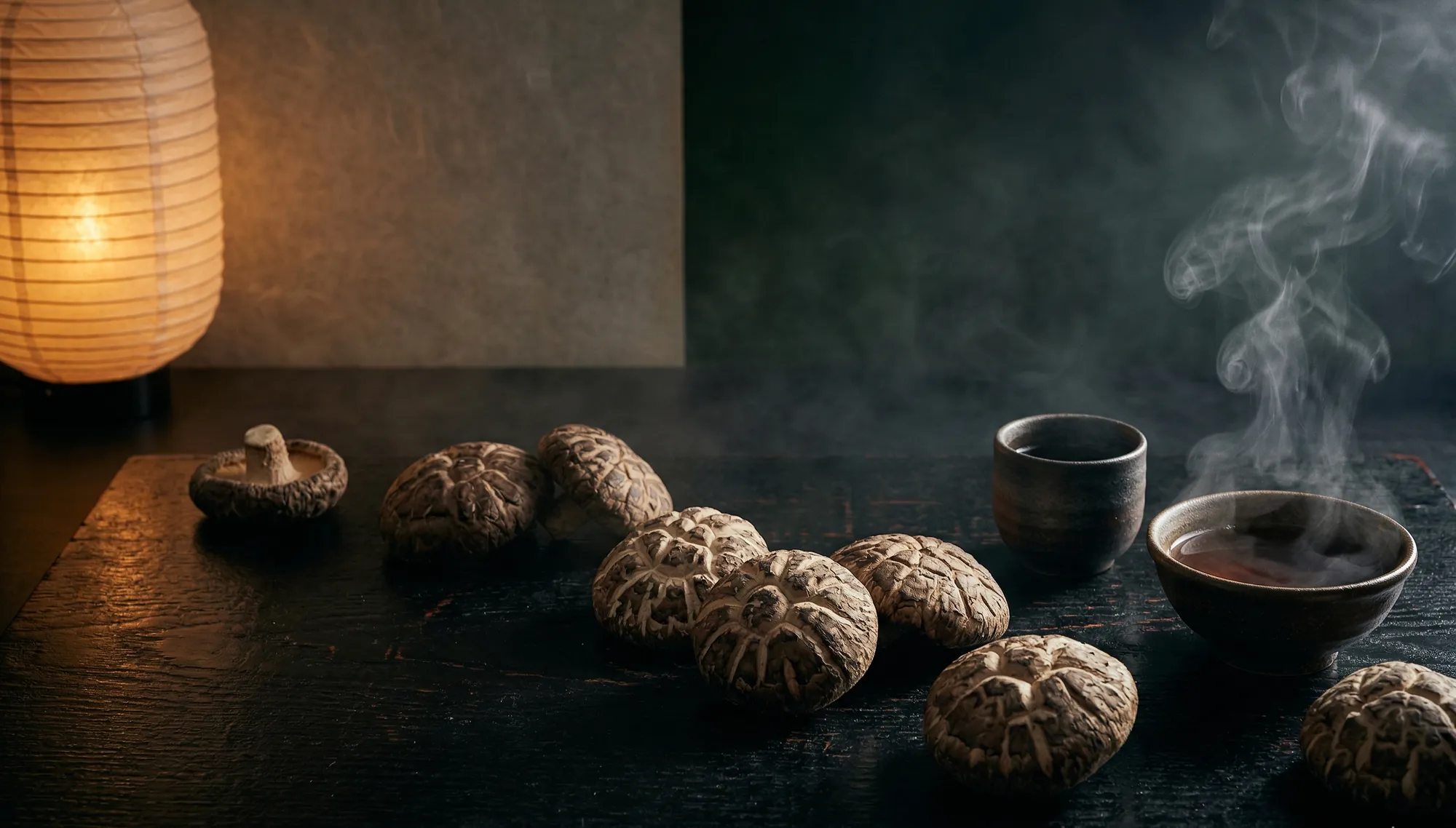
2. Lentinan — Shiitake
Approved in 1985 in Japan for adjuvant treatment of gastric cancer, Lentinan is an injectable beta‑glucan preparation. When combined with chemotherapy, it has been reported to improve survival parameters in certain cancer types.
Reference: Oba, K. et al. (2009). Hepato‑Gastroenterology, 56(89).
Critical note: Lentinan has been approved as an injectable pharmaceutical form — it must not be confused with orally consumed mushroom powder. Oral mushroom intake and intravenous Lentinan administration have entirely different bioavailability profiles. This approval is also specific to Japan.
3. D‑Fraction — Maitake
Studied at numerous research institutions, including Memorial Sloan Kettering Cancer Center, D‑Fraction has been reported to activate NK cells and affect various cancer cell lines.
Reference: Kodama, N. et al. (2002). Alternative Medicine Review, 7(3).
Critical note: D‑Fraction research has not yet reached large‑scale Phase 3 clinical trials. Current evidence is promising but too early for definitive conclusions.
— REISHI, CORDYCEPS, AND OTHERS —
Numerous laboratory studies exist showing that Reishi (Ganoderma lucidum) ganoderic acids induce apoptosis and inhibit angiogenesis in vitro. However, these findings have not yet been confirmed in controlled human clinical trials.
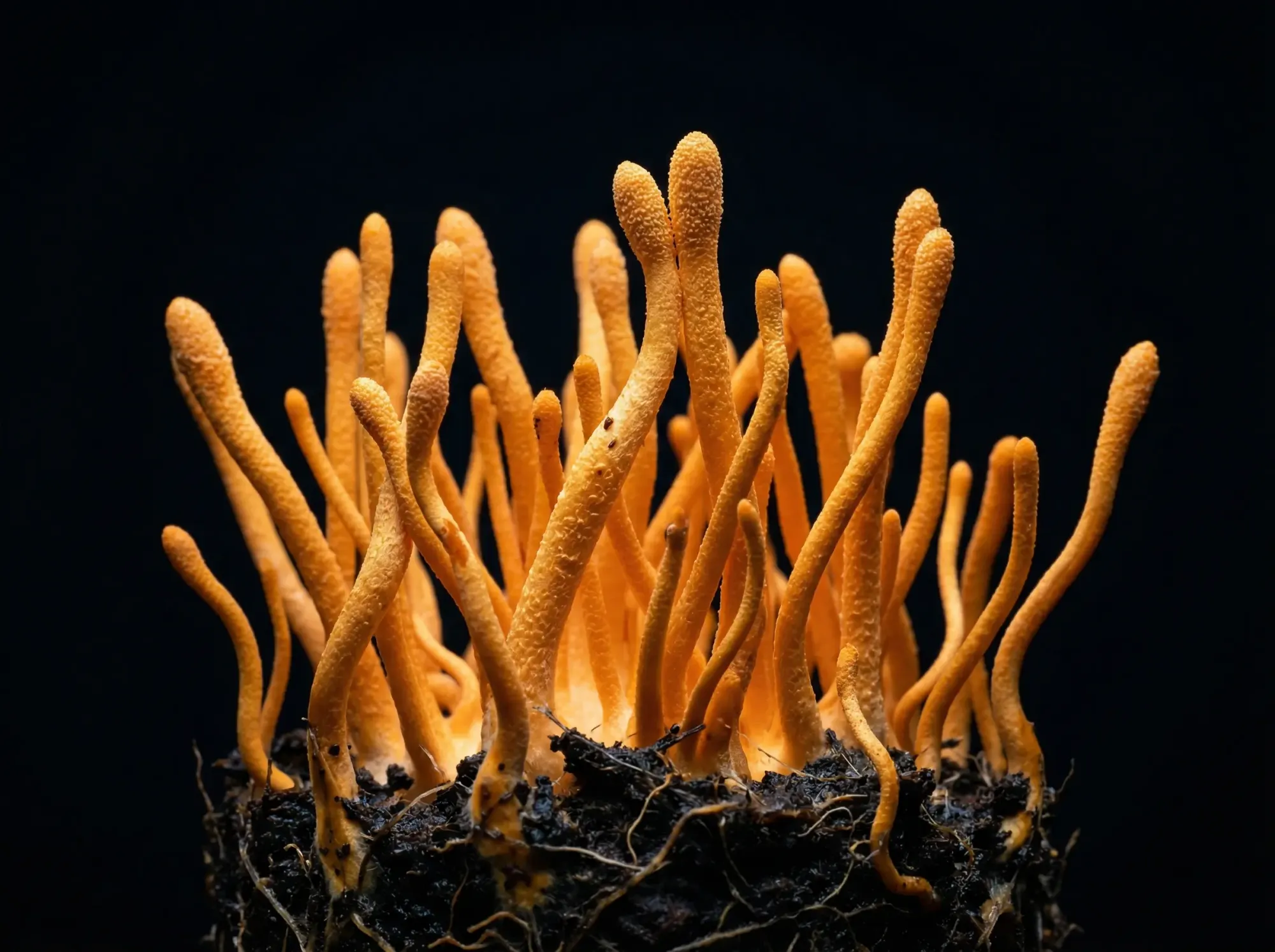
The antiproliferative effects of cordycepin from Cordyceps militaris have been demonstrated in the laboratory and are transitioning to clinical studies.
Lion’s Mane, Sparassis, and King Oyster do not have specific clinical trials in the cancer context.
Honest assessment: Laboratory data for Reishi and Cordyceps are intriguing, but clinical evidence is insufficient. The statement “cancer research exists” is true; the statement “effective in cancer treatment” is false.
— FALSE EXPECTATIONS —
Claims frequently encountered online that lack scientific basis:
❌ “Mushrooms cure cancer” — No functional mushroom is a stand‑alone cancer treatment.
❌ “Mushrooms can be used instead of chemotherapy” — This approach poses a life‑threatening risk. Chemotherapy and other standard treatments must be supervised by an oncologist.
❌ “Mushroom powder shrinks tumors” — Oral mushroom consumption has not been shown to directly shrink human tumors.
❌ “Brand X delivers healing to cancer patients” — Any food product or mushroom powder brand making treatment claims is illegal.
— THE CORRECT FRAMEWORK —
The scientific literature states the following:
✓ Certain mushroom compounds (PSK, Lentinan) have received official approval in Japan in an adjuvant — i.e., supportive — role.
✓ Mushroom compounds exist that demonstrate immune modulation and antiproliferative effects in vitro and in animal studies.
✓ Most of these compounds have yet to complete large‑scale, multicenter Phase 3 human trials.
✓ Current evidence falls into the “promising but early” category.
✓ They must be evaluated alongside — not in place of — standard oncology treatment, and always with the oncologist’s knowledge.
— IF YOU ARE A CANCER PATIENT —
If you are reading this as someone diagnosed with cancer or as a relative of a patient:
1. Do not discontinue your treatment. No mushroom, no supplement, no natural product replaces chemotherapy or surgery.
2. Speak with your oncologist. Consult your treatment team before using any supplement. Some mushroom compounds can interact with blood thinners and chemotherapy drugs.
3. Do not believe “miracle” promises. The disinformation industry targeting cancer patients is vast. Avoid any product that claims it “cures cancer.”
4. Stay informed, but use scientific sources. PubMed, clinical trial databases, and publications from oncology institutions are the most reliable sources.
— SCIENTIFIC REFERENCES —
Ohwada, S. et al. (2004). Adjuvant immunochemotherapy with oral tegafur/uracil plus PSK in patients with stage II or III colorectal cancer. British Journal of Cancer, 90(5), 1003‑1010.
Torkelson, C.J. et al. (2012). Phase 1 Clinical Trial of Trametes versicolor in Women with Breast Cancer. ISRN Oncology.
Oba, K. et al. (2009). Individual Patient Based Meta‑analysis of Lentinan for Unresectable/Recurrent Gastric Cancer. Hepato‑Gastroenterology, 56(89).
Kodama, N. et al. (2002). Can Maitake MD‑Fraction Aid Cancer Patients? Alternative Medicine Review, 7(3).
Chihara, G. et al. (1969). Fractionation and purification of the polysaccharides with marked antitumour activity, especially lentinan, from Lentinus edodes. Cancer Research, 29(3).
Sliva, D. (2003). Ganoderma lucidum in cancer research. Leukemia Research, 27(7).
Yoon, T.J. et al. (2008). Anti‑metastatic activity of Sparassis crispa extract. Journal of Microbiology and Biotechnology, 18(12).
You May Also Be Interested In
→ What Is PSK? — Japan’s Approved Compound
→ What Is Lentinan? — Shiitake’s Active Component
→ What Is D‑Fraction? — Maitake’s Active Component
→ Are Mushroom Supplements Safe?
→ How Does the Immune System Work?
Related Readings
- Lentinan, PSK, and Beta‑Glucan Comparative Guide — Lentinan, PSK, and Beta‑Glucan Head‑to‑Head
- Mushrooms and Aging: The Ergothioneine Literature — The Ergothioneine Literature
- Mushrooms and Cholesterol: Lovastatin and Beta‑Glucan Research — Mushrooms and Cholesterol: Lovastatin and Beta‑Glucan Research
This content is for informational purposes only and does not constitute medical advice. Consult your physician before making any health decisions. Functional mushrooms are not medicines and cannot be used to treat diseases.
Version: 1.0 | Last updated: 20 Apr 2026 | Reviewed source count: 14+ | Method: Editorial Policy | References: Bibliography