Intraspecies Diversity in Fungi: Unraveling the Many Strains of a Single Mushroom
Commercial strains typically consist of genetic lineages selectively bred for desirable traits, including rapid yield, elevated bioactive compound content, and resistance to contamination.
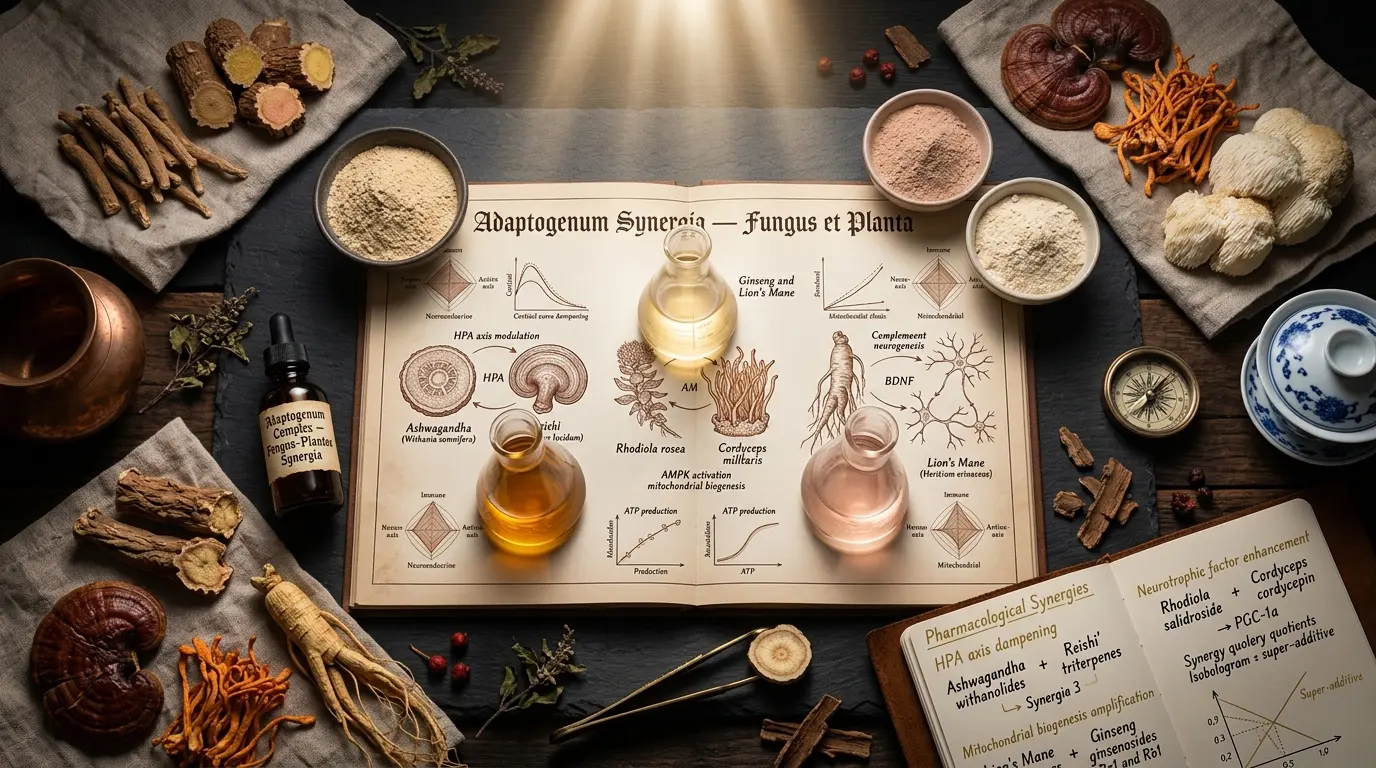
Interactions of Fungal and Plant Adaptogens: A Focus on Ashwagandha, Rhodiola, and Ginseng
Fungal and botanical adaptogens—including Ashwagandha, Rhodiola, and Ginseng—exhibit complex synergistic and modulatory interactions that are increasingly elucidated through the functional mushroom literature and a dedicated biochemical framework. The MYCOVITA research initiative systematically inve
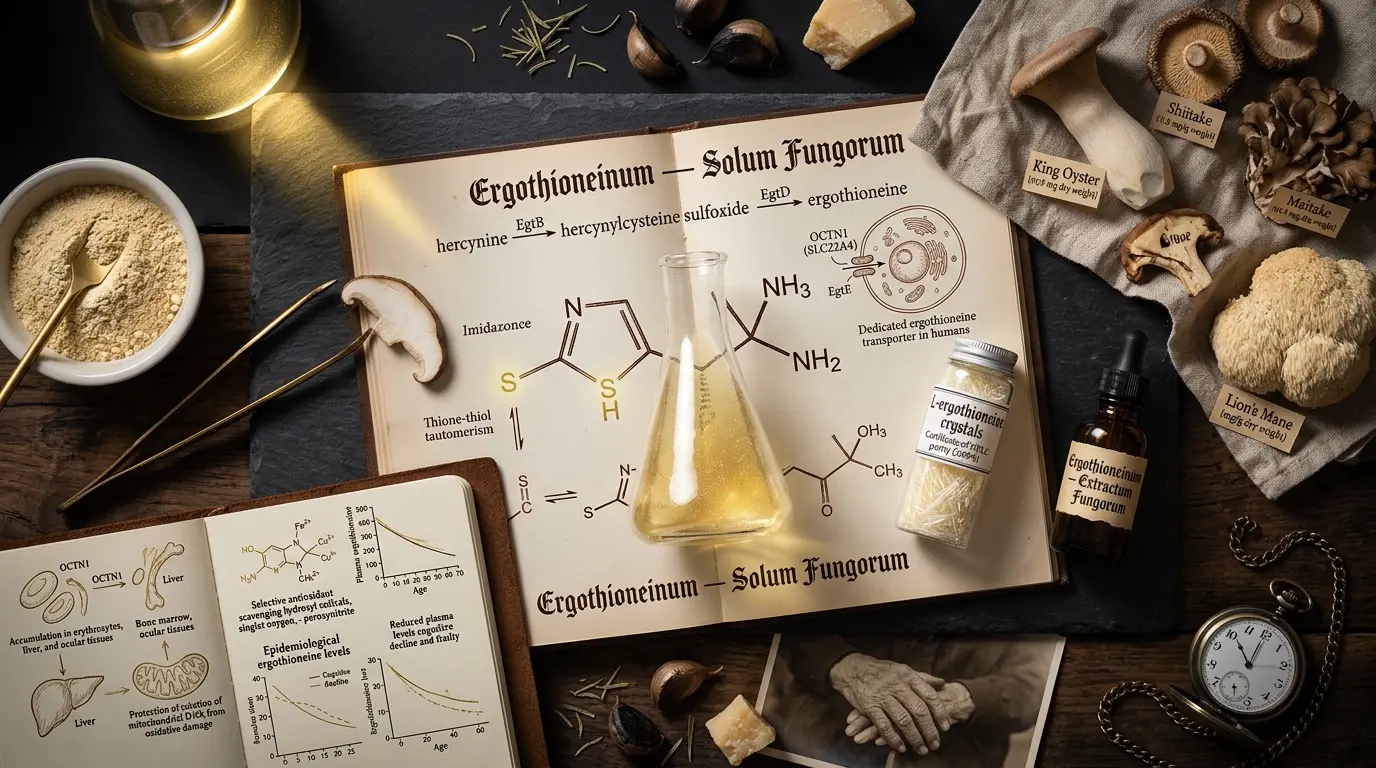
Mushrooms and the Science of Aging: A Comprehensive Review of Ergothioneine Research
Ergothioneine is a naturally occurring, sulfur-containing amino acid with potent antioxidant properties. It is not synthesized by the human body and must be acquired through dietary intake, primarily from mushrooms, which serve as its principal natural source.
Mushroom-Derived Compounds and Renal Health: Safety Considerations and Renal Clearance Dynamics
The use of mushrooms in patients with renal insufficiency demands careful evaluation. Key considerations include the renal clearance of fungal constituents, the dietary potassium burden, and the safety profile of immunomodulatory compounds — particularly in the context of kidney transplant recipient
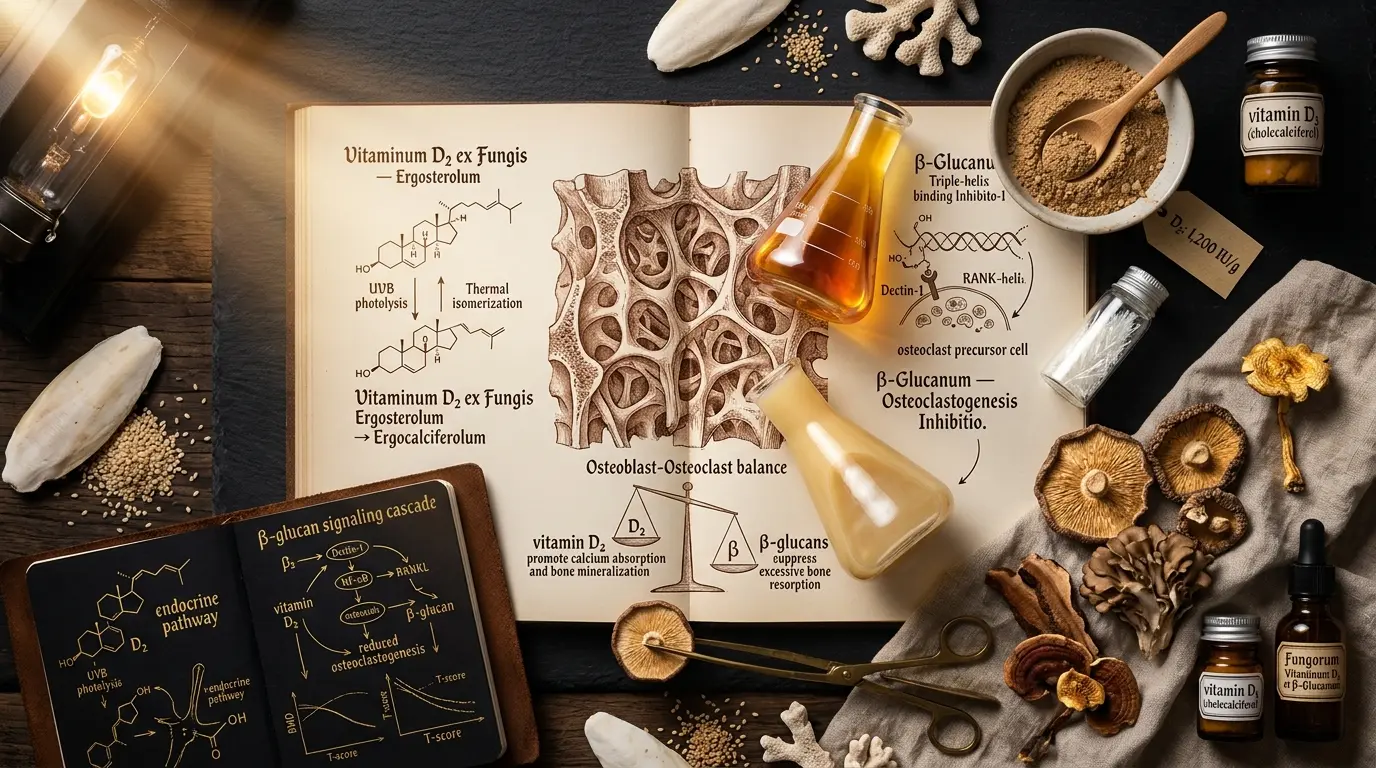
Mushrooms and Skeletal Integrity: The Vitamin D and β-Glucan Connection to Bone Density
When exposed to ultraviolet radiation, mushrooms convert ergosterol into vitamin D₂—a biosynthetic capacity of considerable importance for research into bone metabolism. The influence of both vitamin D and beta-glucan on bone density remains a central focus of such investigations.
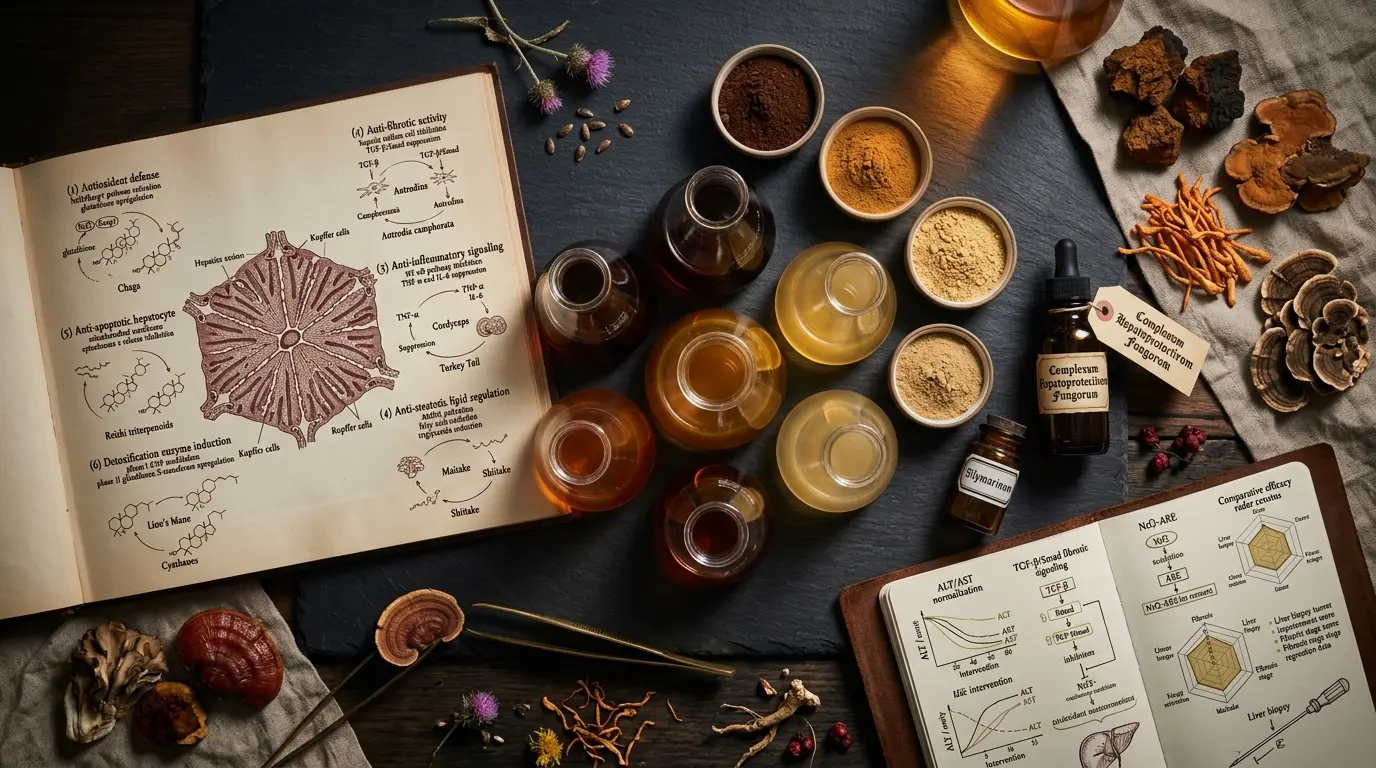
Mushrooms and Liver Protection: Exploring the Mechanisms Behind Hepatoprotective Effects
For decades, the hepatoprotective potential of Reishi, *Antrodia camphorata*, and Chaga has been intensively studied. The scientific basis for their liver-protective action centers on the attenuation of oxidative stress, suppression of inflammatory cascades, and inhibition of fibrotic pathways.
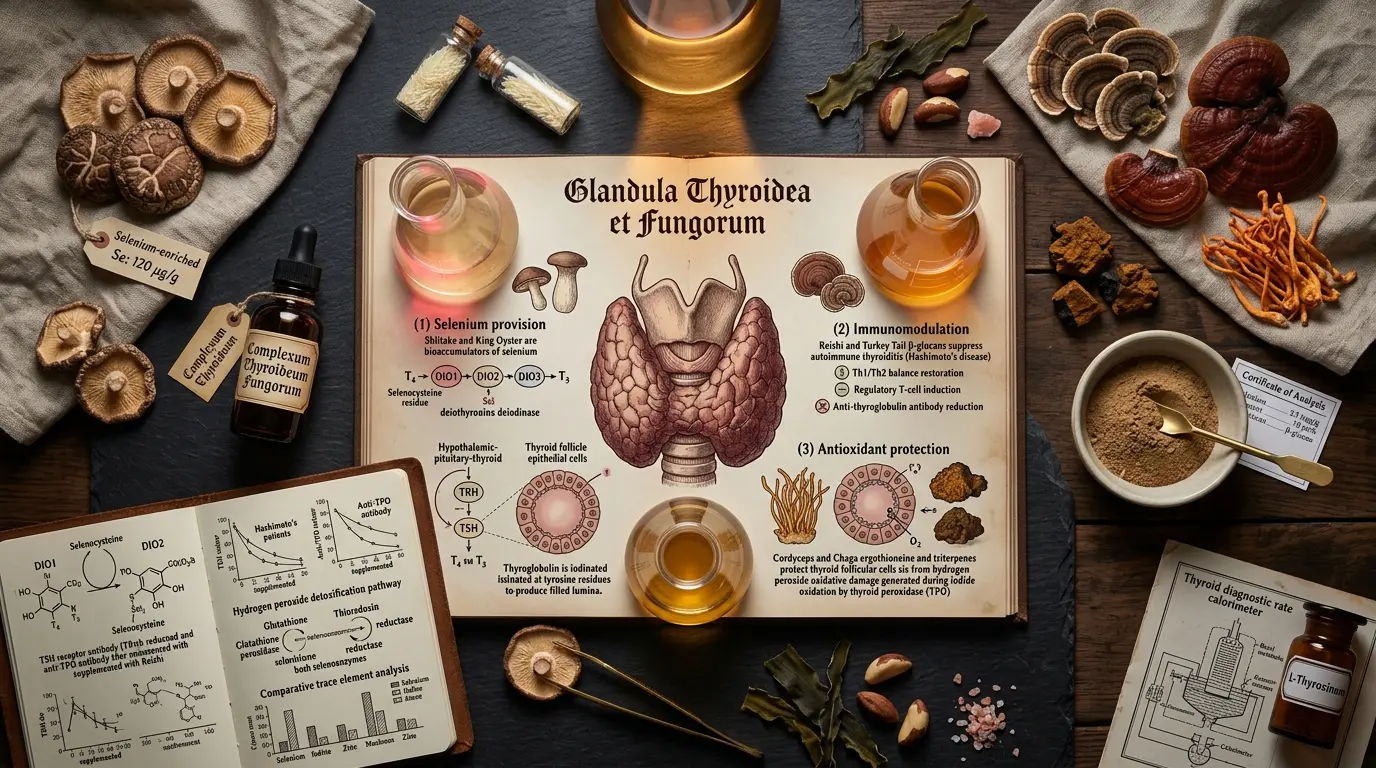
Mushrooms and Thyroid Function: A Literature Review
Research on the impact of fungal constituents on thyroid function remains limited. This entry explores the convergence of iodine metabolism, autoimmune thyroid disease, and mycological investigation.
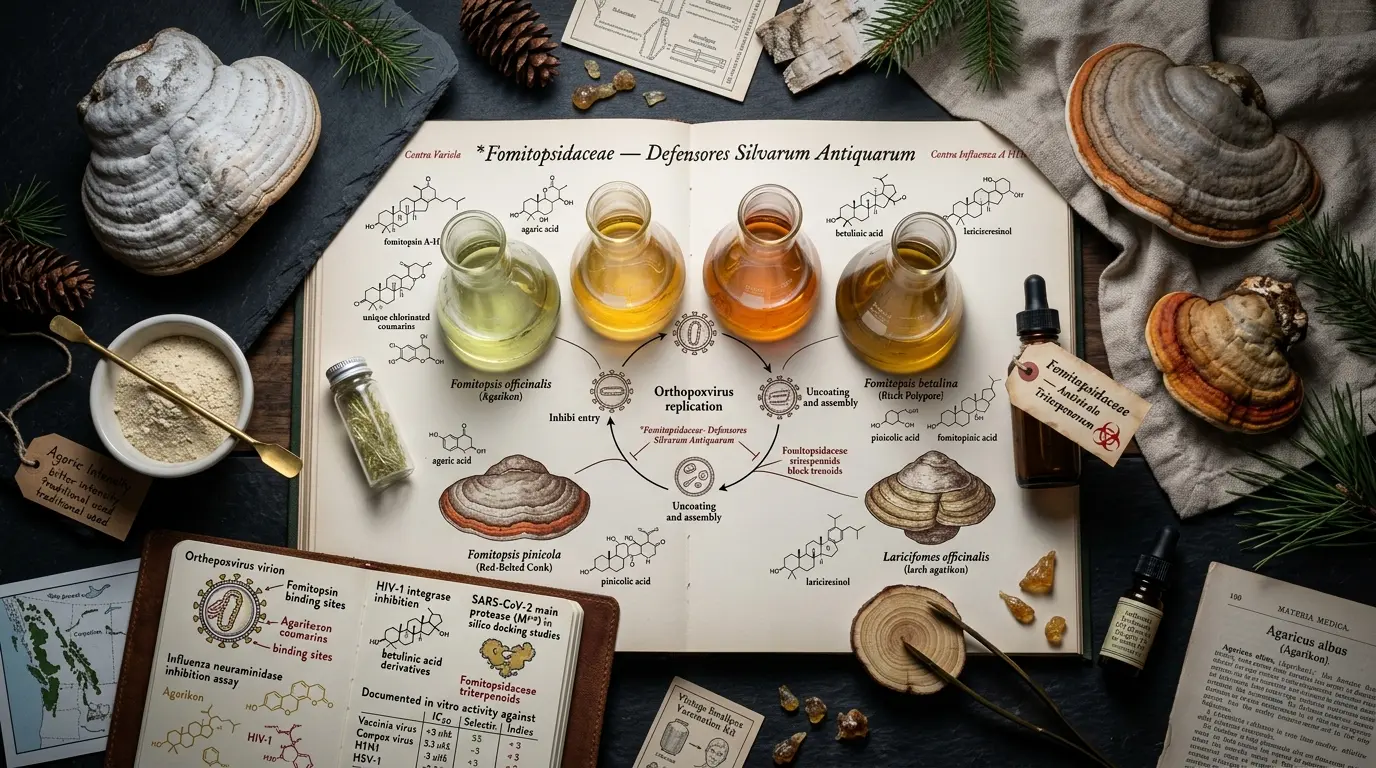
The Fomitopsidaceae Family: Agarikon’s Promise in Antiviral Research
Laricifomes officinalis, commonly known as Agarikon, is a rare inonotoid polypore historically valued in Old World traditional medicine and later brought to prominence in antiviral research through the work of Paul Stamets.
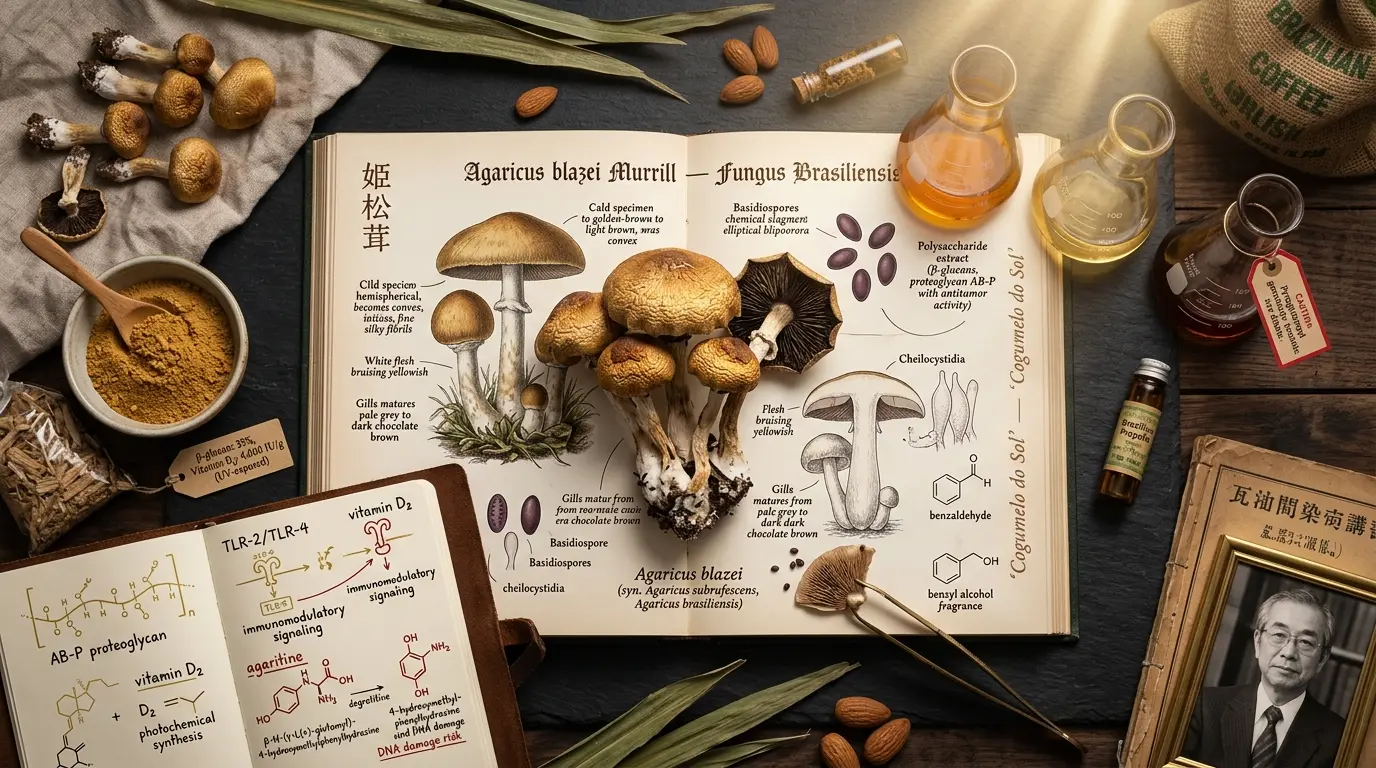
Agaricus blazei (Himematsutake): The Definitive Species Encyclopedia
Agaricus blazei Murill, commonly called Himematsutake, originated in Brazil and was later introduced to Japan, where its exceptionally high beta-glucan concentration soon made it a focal point of immunological research. The species is noted for a distinctive bioactive profile that has prompted a ser
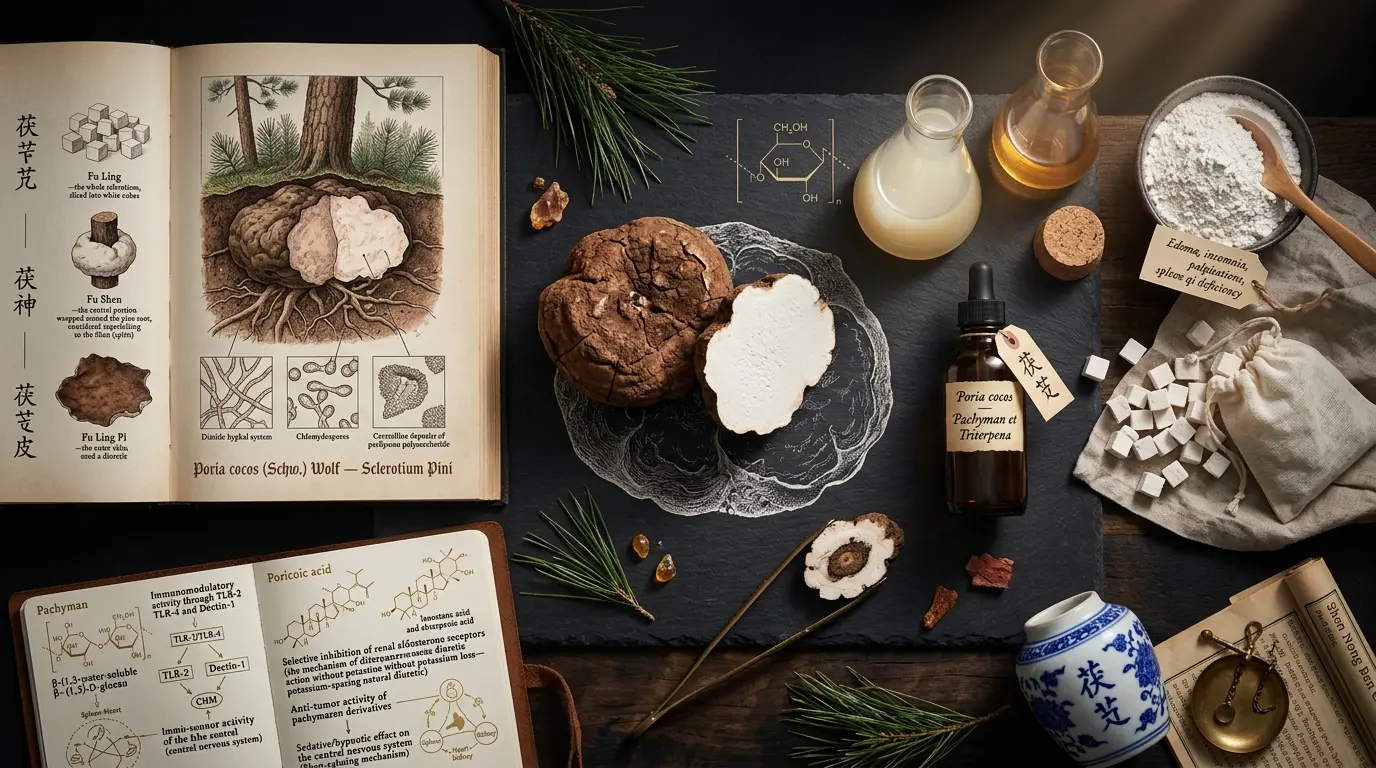
Poria cocos (Fuling): A Comprehensive Monograph
Poria cocos stands among the most frequently employed fungi in traditional Chinese medicine. This article provides an encyclopedic survey of its sclerotium—a dense mass formed from mycelial tissue—alongside the key β-glucan pachyman and the organism’s documented sedative properties.