Intraspecies Diversity in Fungi: Unraveling the Many Strains of a Single Mushroom

Differences in bioactive compound profiles among distinct genetic lines of the same species, and the scientific basis for using certified strains.
— THE HOOK —
Two products. Same species. Both labels read Hericium erinaceus. Their certificates of analysis, placed side by side:
- Product A — Beta-glucan: 28%, hericenone profile: high
- Product B — Beta-glucan: 14%, hericenone profile: low
Same species. Divergent results. What explains the gap?
The answer, in most cases, is the strain.
Species vs. Strain: The Distinction
Species — a taxonomic classification. "Hericium erinaceus" is a species name.
Strain — a genetically isolated population within a species. For example, "H. erinaceus Netherlands N-1" and "H. erinaceus Japan JR-12" are distinct strains.
Consider the wine analogy: Cabernet Sauvignon is a universally recognized grape variety — a single species. Yet a Cabernet from Bordeaux and a Cabernet from Chile deliver markedly different flavor profiles. Same species, divergent genetic line, distinctly different product.
Why Do Strains Diverge?
Fungi continuously generate genetic variation, both in nature and under laboratory conditions:
- Natural mutations: Rare genetic alterations arise with every cell division.
- Selective pressure: Certain lines perform better under specific conditions — humidity, temperature, substrate composition — and are preferentially propagated.
- Recombination: Genetic material is reshuffled during sexual reproduction cycles.
- Horizontal gene transfer: Gene transfer occurs between fungi during direct interaction (limited in scope but documented).
Commercially deployed strains are typically genetic lines selected for specific traits: rapid yield, elevated bioactive compound content, or resistance to contamination.
Compound Profile Divergence — Documented Cases
Ganoderma lucidum Strains
Total triterpene content among different G. lucidum strains ranges from 0.5% to 5.2% (Cör et al., 2018). Concentrations of ganoderic acid A and B can exhibit up to 10-fold differences between strains.
Cordyceps militaris Strains
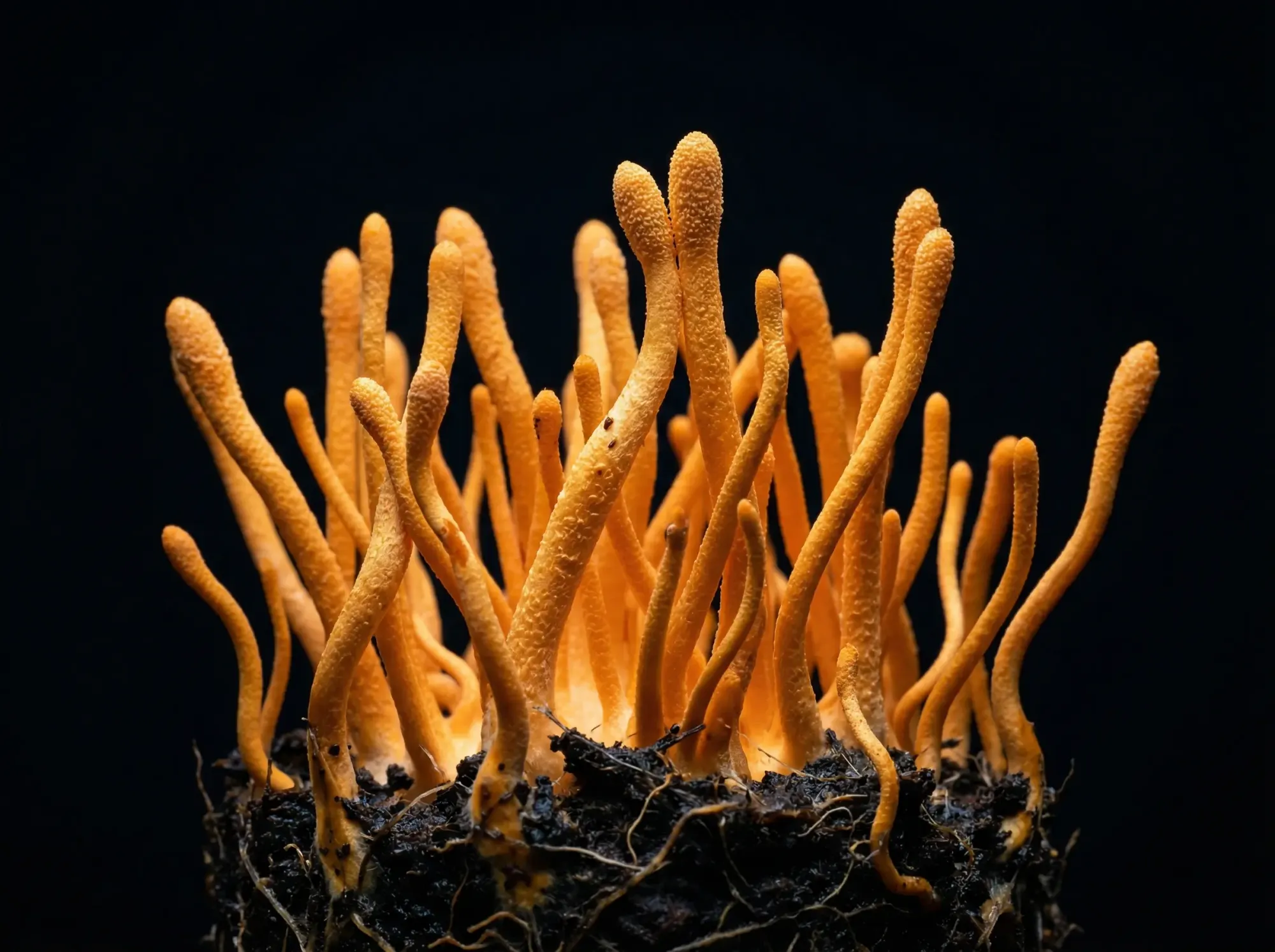
A positive correlation exists between cordycepin content and reddish-orange pigmentation intensity in C. militaris strains. Selected high-cordycepin-producing strains generate 3 to 5 times more of the active compound compared to standard strains.
Hericium erinaceus Strains
Morphological differences among H. erinaceus strains — including tooth length and fruiting body density — serve as visible markers of underlying molecular profile variation. Hericenone and erinacine production diverge markedly on a strain-by-strain basis.
Strain Degeneration
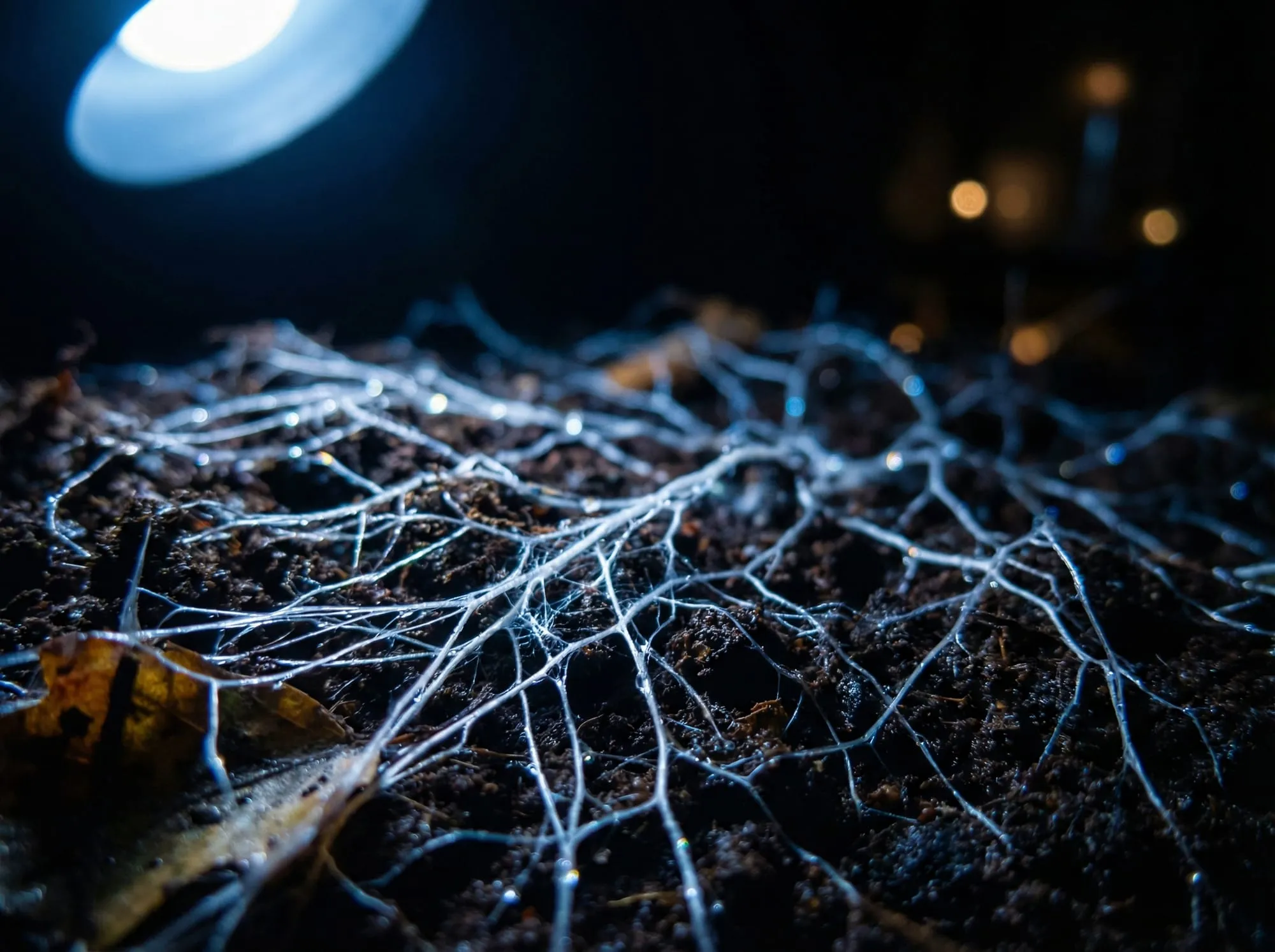
When mycelium undergoes continuous vegetative propagation — transferred repeatedly from culture to culture — genetic degeneration accumulates across successive generations. Observable signs include:
- Declining colonization speed
- Reduced fruiting body yield
- Deterioration of bioactive compound profiles
- Morphological anomalies (aborted fruit bodies)
- Loss of contamination resistance
For this reason, professional cultivation protocols mandate the introduction of fresh spawn sourced from the master strain every 3 to 4 production cycles. This is a cost-intensive operation; the alternative, however, is silent quality erosion.
What Is a Certified Strain?
Certified strain suppliers — such as academically affiliated firms in the Netherlands — document each commercial strain against the following criteria:
- Genetic identity: Molecular verification via ITS region sequencing or RAPD-PCR.
- Performance profile: Yield metrics, colonization rate, and optimal cultivation parameters.
- Bioactive profile: Quantification of target compounds through HPLC or LC-MS.
- Traceability: Every spawn lot is traceable back to the master strain.
Spawn obtained from uncertified sources — for instance, "spawn from a neighbor" — carries unknown genetics. Cultivation may proceed, but the outcome remains inconsistent.
The MYCOVITA Approach
MYCOVITA collaborates with certified spawn producers based in the Netherlands. A single master strain, selected for each species, is used throughout production. To manage degeneration risk, fresh spawn is sourced every 3 to 4 cycles. The spawn lot number assigned to each batch is incorporated into product traceability records.
On the Consumer Side
Consumers rarely encounter strain information directly on a product label. However, the following questions provide indirect insight:
- Is the spawn source disclosed?
- Does the Certificate of Analysis report beta-glucan content — or the species-specific primary bioactive compound percentage — within the expected range?
- Are batch-level analytical results consistent, or do they fluctuate?
Related reading: Why We Use Certified Mycelium · What Is Substrate? · Mycelium vs Fruiting Body
Reference: Bibliography
This content is for informational purposes only and does not constitute medical advice. Consult a physician before making any health-related decisions. Functional mushrooms are not drugs and cannot be used to treat diseases.
Version: 1.0 | Last updated: 20 Apr 2026 | Sources reviewed: 7+ | Methodology: Editorial Policy | References: Bibliography