Grifolin and Neogrifolin: Unveiling the Overlooked Bioactives of Maitake
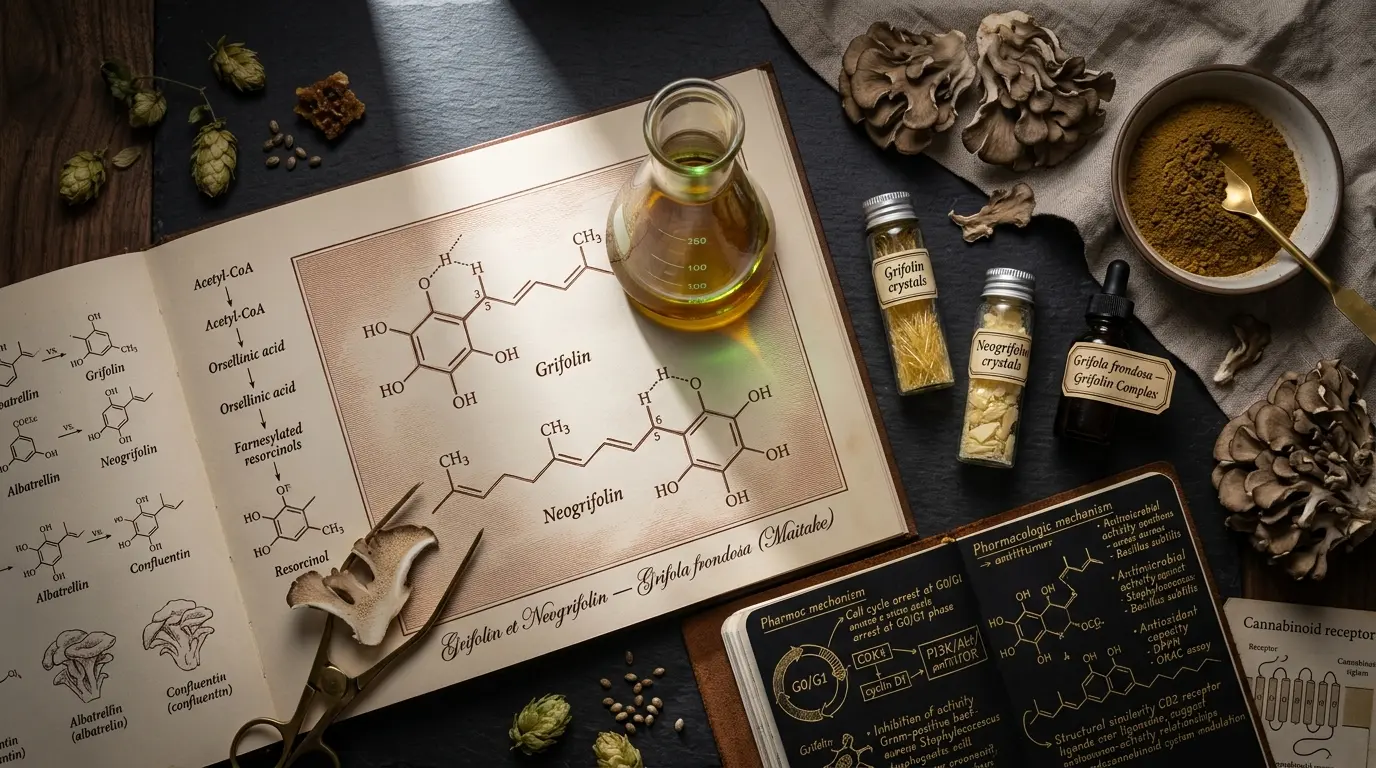
While scientific interest in Maitake (Grifola frondosa) has predominantly focused on its D-Fraction and beta-glucan components, the terpenoid compounds grifolin and neogrifolin have received considerably less attention, even as structural and bioactivity data on these molecules continue to emerge.
Polysaccharide-Peptide (PSP): How It Differs from PSK
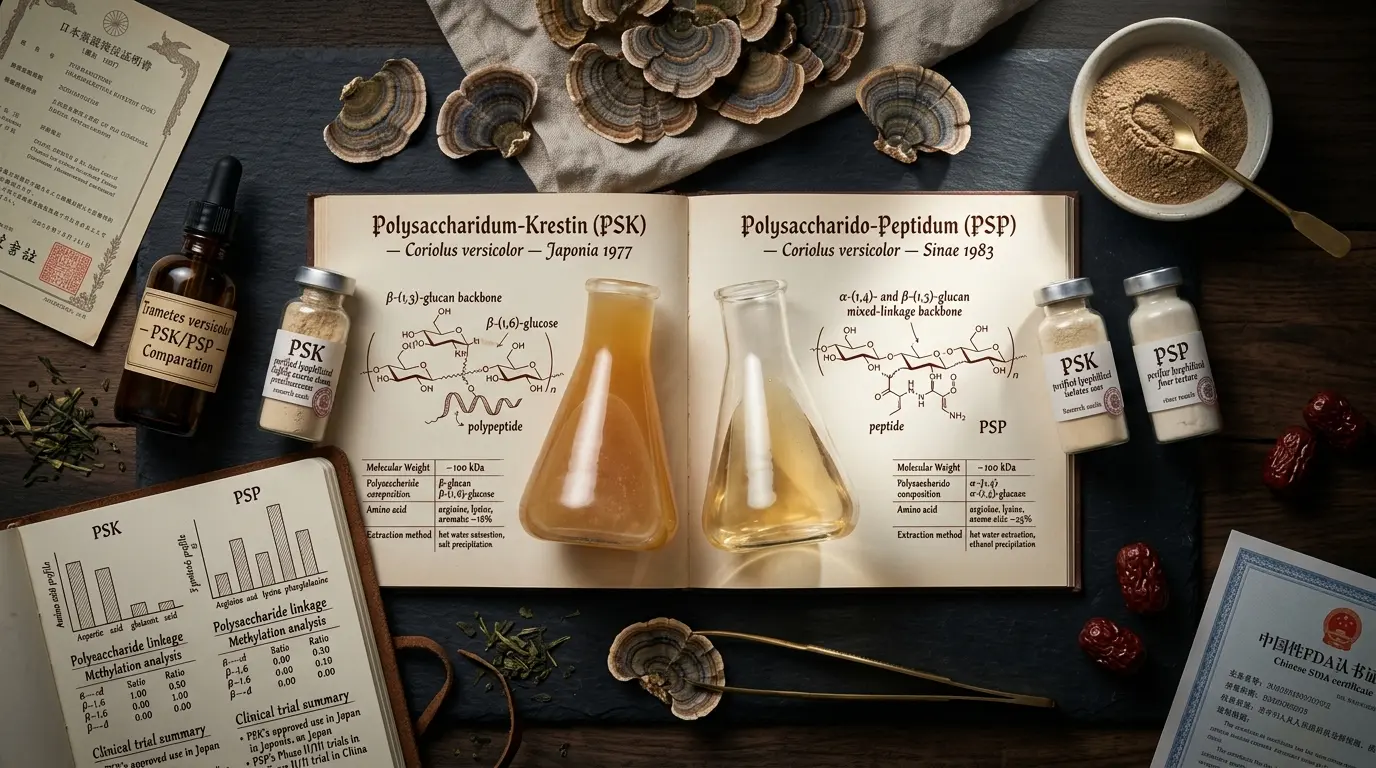
Both polysaccharide-peptide (PSP) and polysaccharide-K (PSK, also known as krestin) are isolated from the turkey tail mushroom (Trametes versicolor) but represent distinct extract fractions. The following provides a comparative analysis of their structural features and biological activities.
Fungal Melanins: The Chemical Nature of Chaga’s Dark Pigment
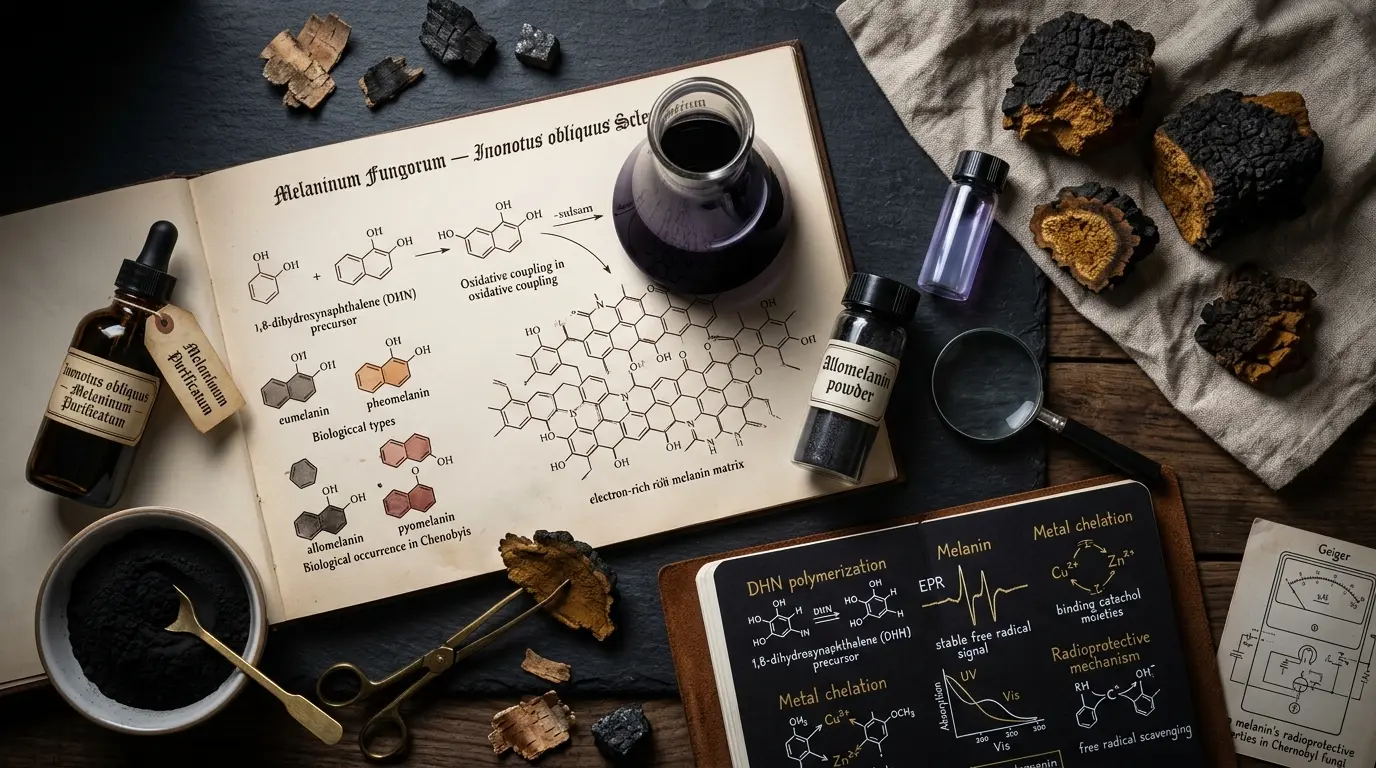
The dark, charred-looking outer crust of chaga (Inonotus obliquus) is composed primarily of melanin, a complex pigment whose dense accumulation confers potent antioxidant activity. This entry examines the distinctive chemistry, biosynthetic pathways, and ultraviolet-shielding function of fungal mela
The Statin–Fungus Link: Monacolin K and Red Yeast Rice
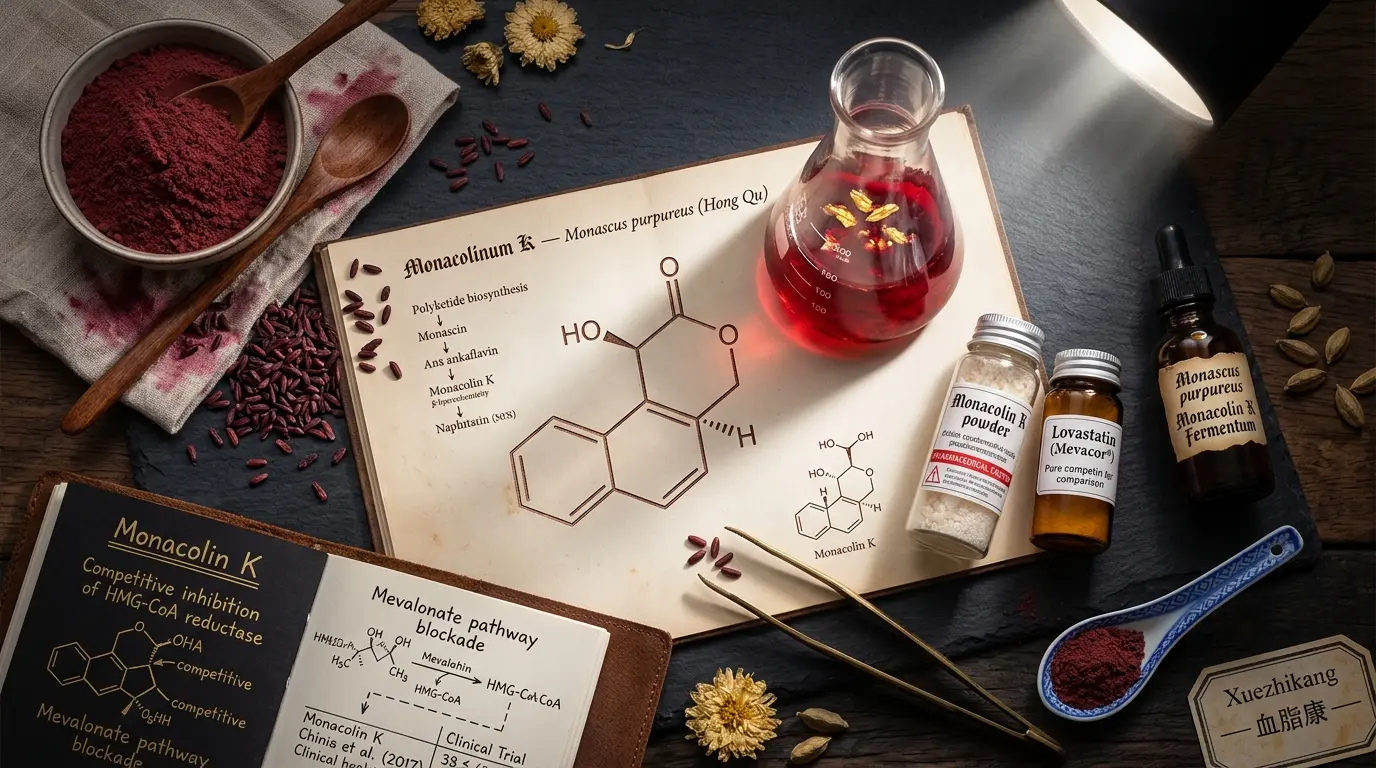
Red yeast rice (Monascus purpureus) biosynthesizes monacolin K, a compound chemically identical to the prescription drug lovastatin. This entry examines the regulatory implications and safety evaluation arising from that biochemical equivalence.
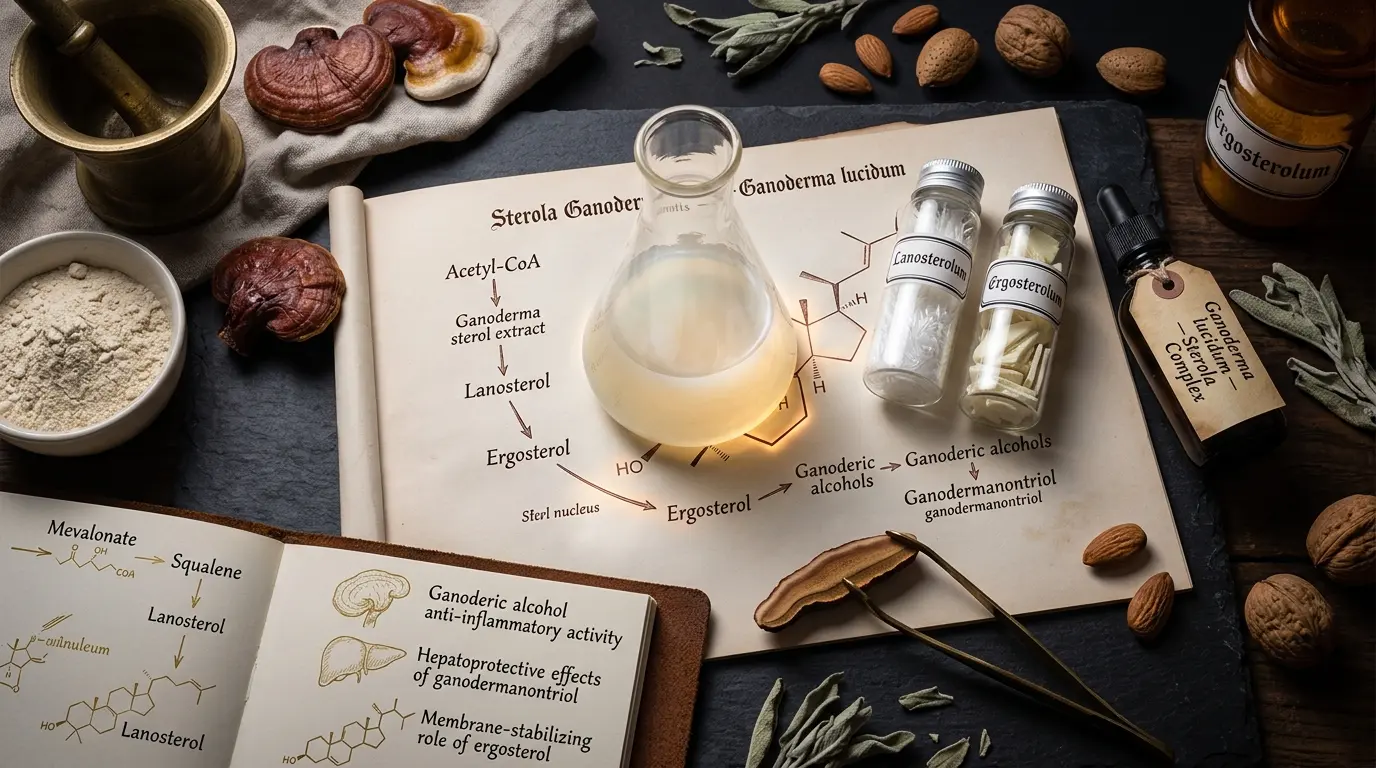
Ganoderma Mushroom Sterols: Lanosterol and Ergostane Derivatives
The triterpenoid fraction of *Ganoderma lucidum* is primarily characterized by lanostane-skeleton compounds. This chemical repertoire includes a diverse array of lanosterol and ergostane derivatives, responsible for a wide spectrum of biological activities.
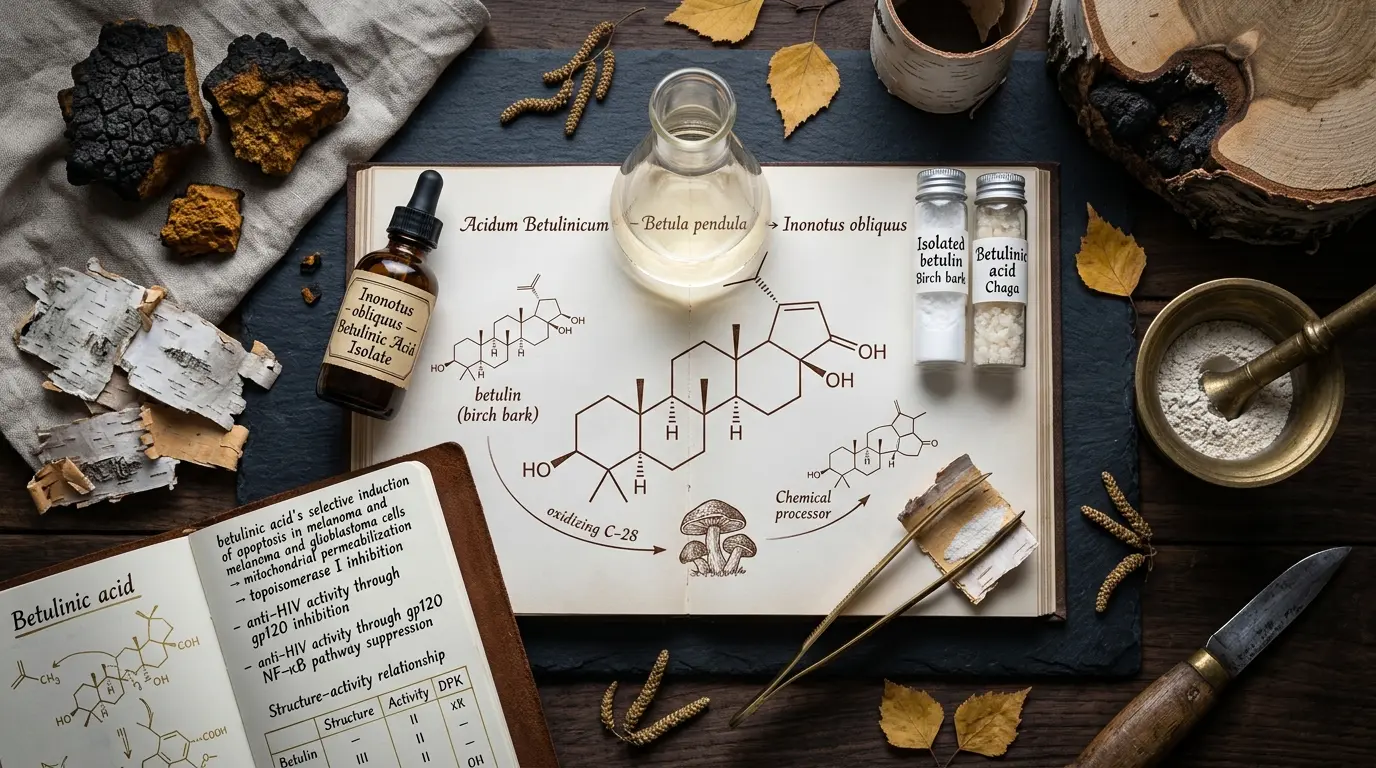
Betulinic Acid and the Symbiotic Relationship Between Chaga Mushroom and Birch
Betulinic acid, a pentacyclic triterpenoid, is derived from the birch trees (genus *Betula*) that serve as the obligate host for the Chaga fungus (*Inonotus obliquus*). The compound’s concentration within the fungal sclerotium, the biosynthetic route responsible for its formation, and the body of ex
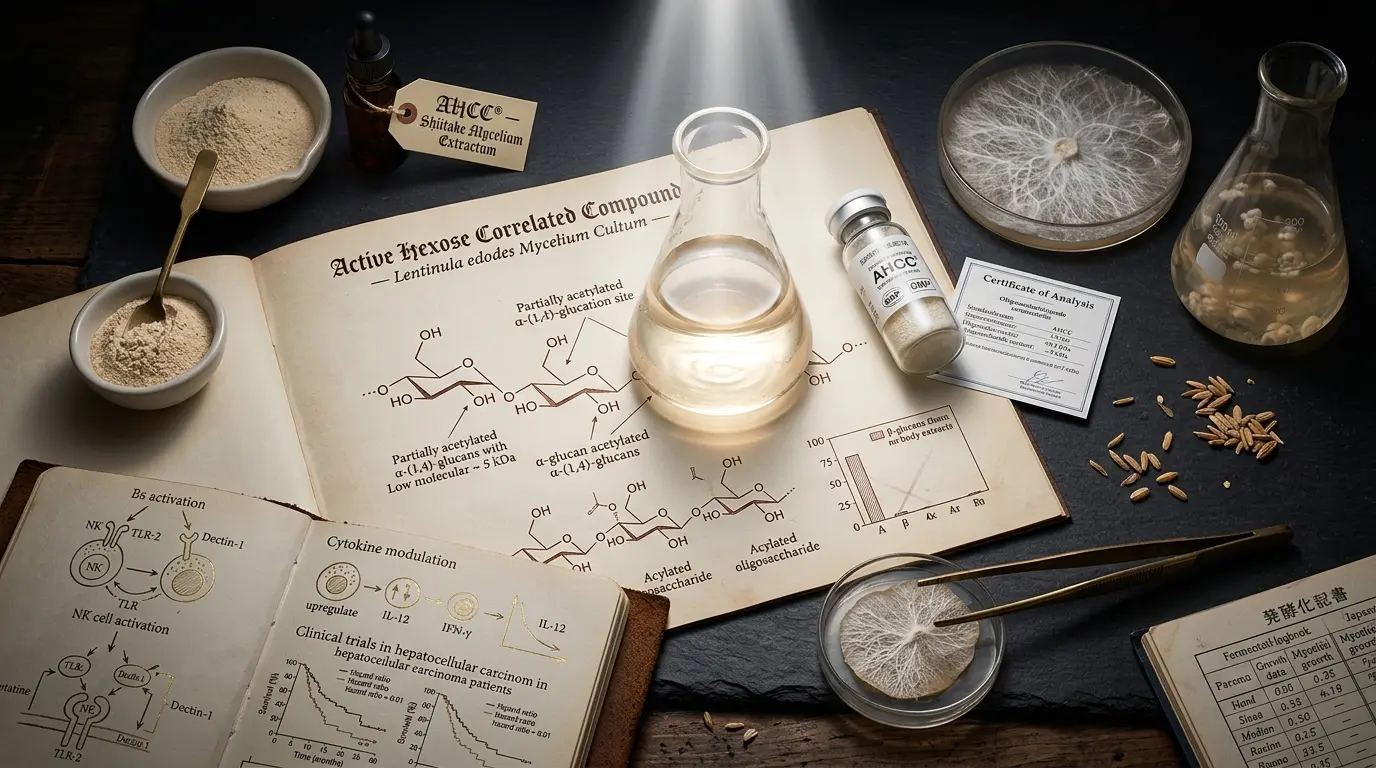
The Science of AHCC: A Shiitake Mycelium-Derived Bioactive Complex
Active Hexose Correlated Compound (AHCC) is an alpha-glucan complex obtained through the enzymatic hydrolysis of shiitake (Lentinula edodes) mycelium. Extensively studied in Japan, the compound has been the subject of numerous clinical investigations, a summary of which is presented here.
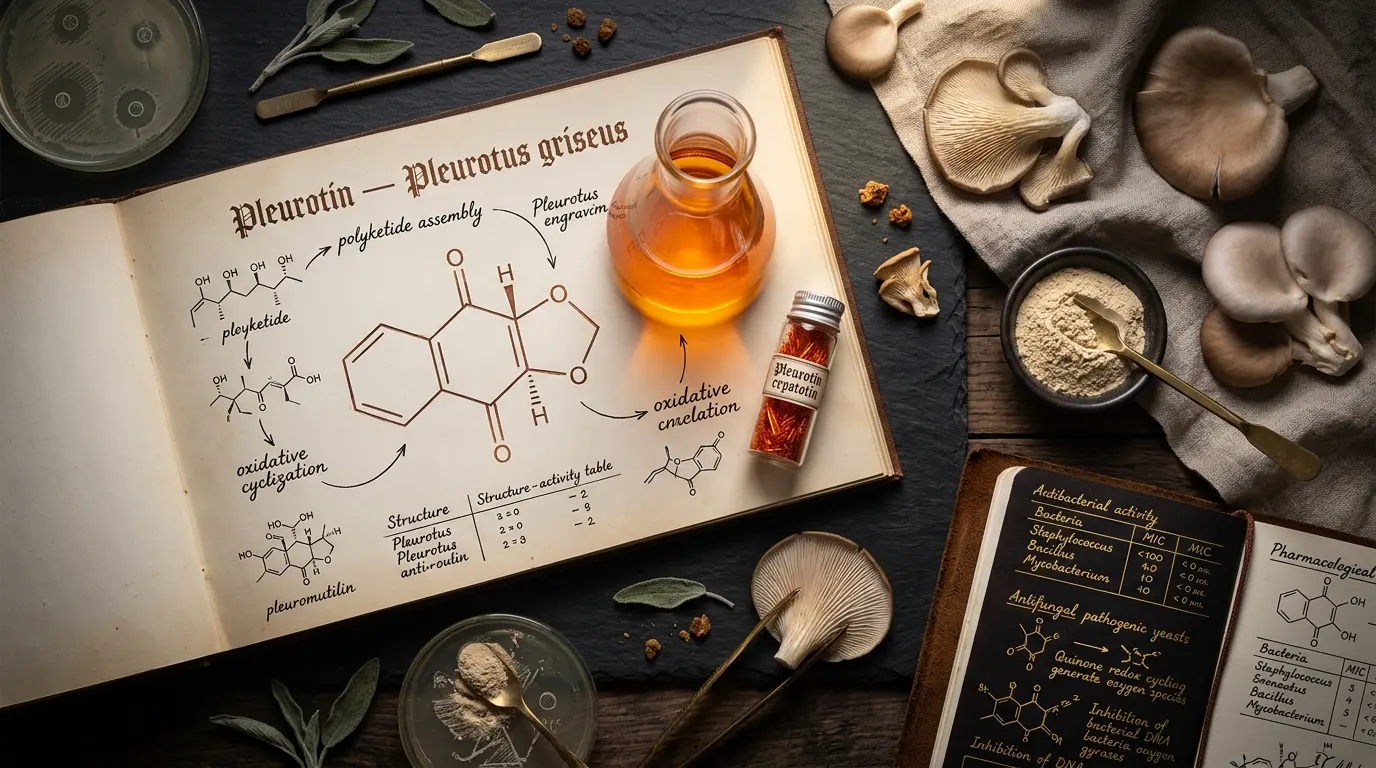
Pleurotin: The Oyster Mushroom’s Antibiotic Compound
Pleurotin is a terpenoid natural product obtained from fungi of the genus *Pleurotus* (oyster mushrooms). It functions by inhibiting prokaryotic protein synthesis, a mode of action that has established its significance in antibiotic discovery programs. The compound’s molecular architecture features
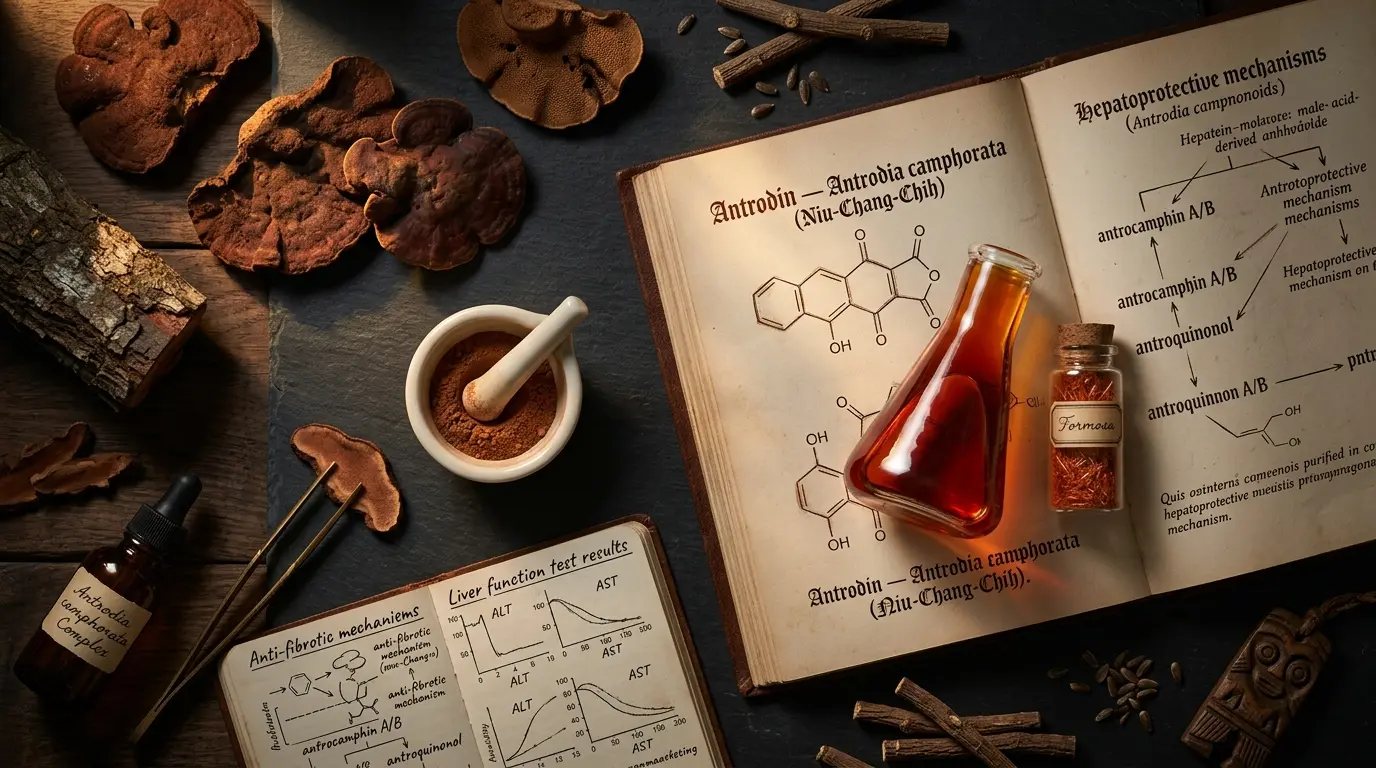
Antrodin: Unlocking the Hepatoprotective Power of Antrodia camphorata
Antrodin designates a class of maleic acid and succinic acid derivatives isolated from *Antrodia camphorata*, a basidiomycetous fungus endemic to Taiwan. Pharmacological investigations have focused principally on their hepatoprotective activity, with experimental data indicating significant liver‐pr
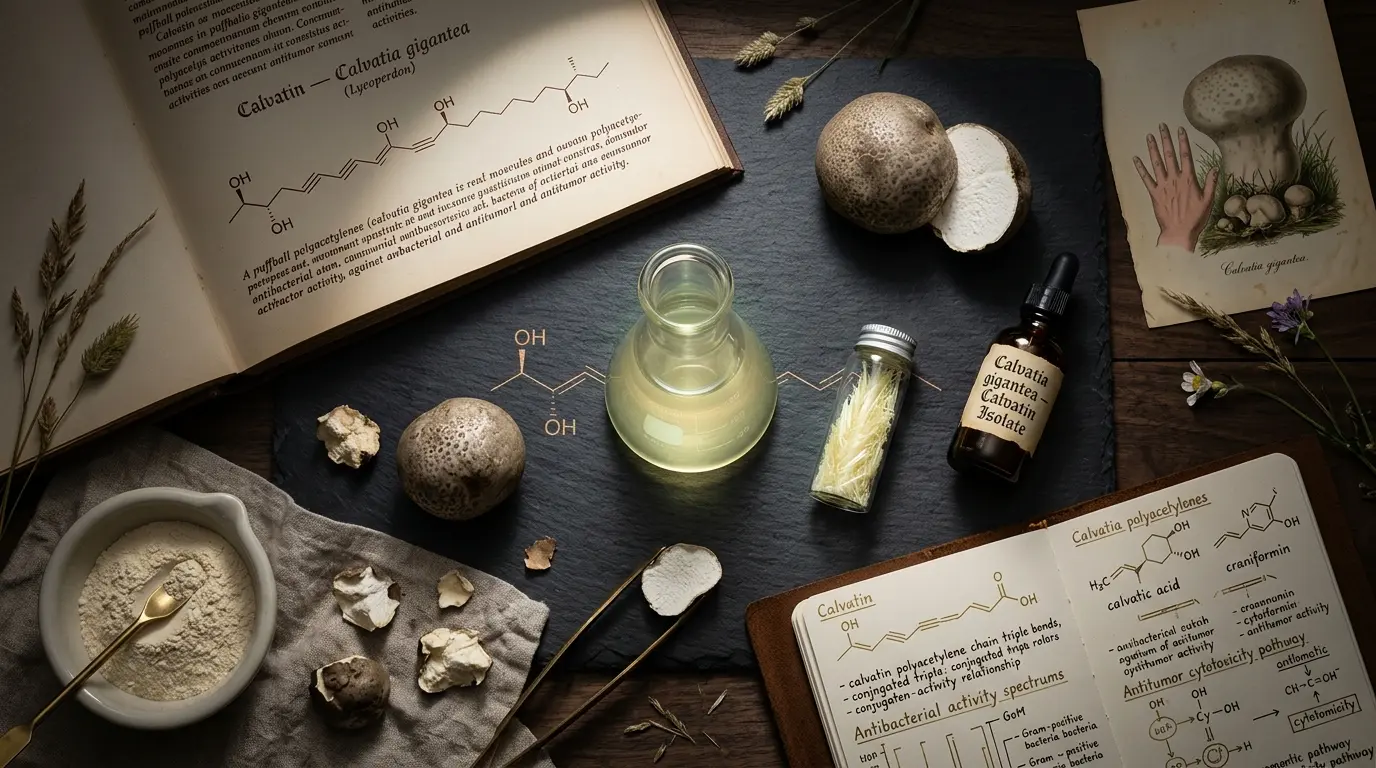
Calvatin: The Principal Bioactive Molecule of the Puffball Fungus
Calvatin is a glycoprotein derived from puffball fungi of the genera *Calvatia* and *Lycoperdon*. Early investigations focused on its antitumor properties, and subsequent studies have characterized its molecular structure, documented its isolation history, and reported associated biological activiti