Perimenopause and Mushroom Bioactives: A Literature-Based Review
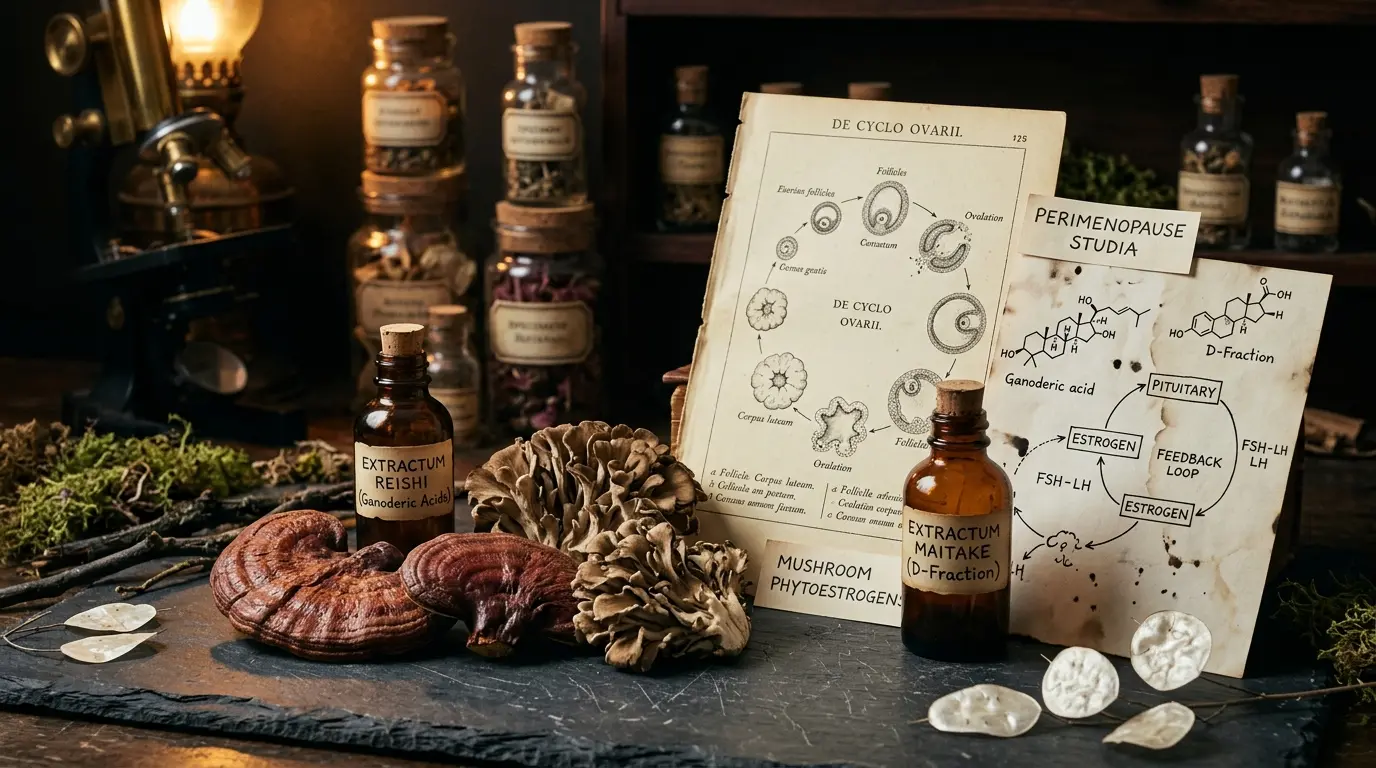
Fluctuating estrogen levels during the perimenopausal transition exert a broad physiological influence, disrupting sleep architecture, mood regulation, and bone metabolism. This entry delineates the current research landscape surrounding bioactive constituents derived from functional mushrooms, situ
Vagus Nerve Signaling and Fungal Bioactives: Mapping the Gut-Brain Axis Literature
The vagus nerve serves as the principal neural conduit between the gut and the brain. As a key component of the autonomic nervous system, it plays a central role in mediating interactions with the gut microbiome, including its fungal constituents, as documented in the scientific literature.
The Hypothalamic-Pituitary-Adrenal Axis and Fungal Adaptogens: A Review of the Evidence
The hypothalamic–pituitary–adrenal (HPA) axis serves as the principal neuroendocrine effector of the stress response. Its signalling cascade proceeds through three hierarchically organised nodes—the paraventricular nucleus of the hypothalamus, the anterior pituitary, and the adrenal cortex—each secr
Astrocytes and Fungal Compounds: A Review of the Glial Support Literature
Astrocytes constitute the most numerous cell type in the human brain. They are integral to glial support functions and the maintenance of the blood–brain barrier. In vitro studies have further characterized their responses to fungal components, expanding the literature on astrocyte–pathogen interact
Adipose Tissue and Mushroom-Derived Compounds: A Review of the Adipogenesis Literature
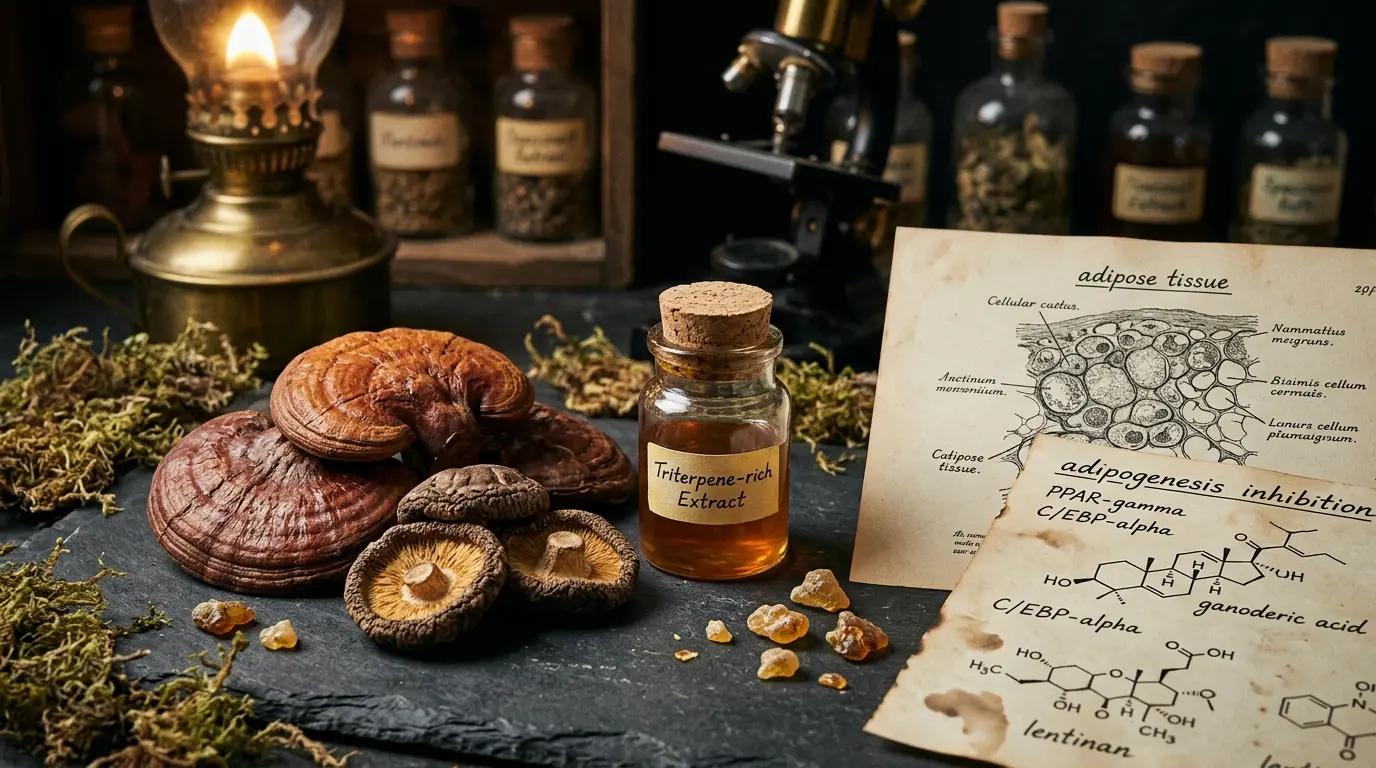
Adipose tissue functions as a dynamic endocrine organ rather than a passive lipid reservoir. This article outlines the in vitro literature on white, brown, and beige adipocyte subtypes and their interactions with bioactive fungal constituents.
Pancreatic Beta Cells and Fungal Polysaccharides: A Review of the Literature
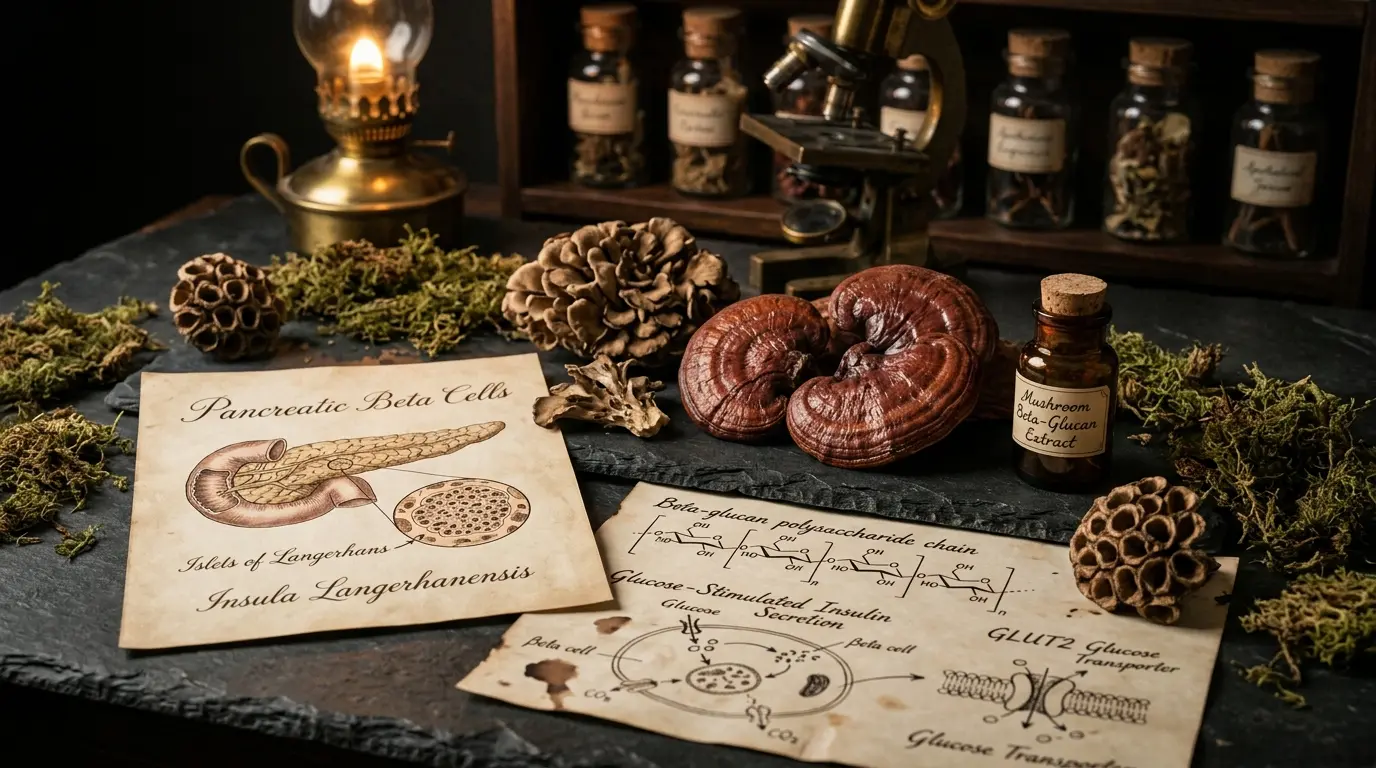
The architecture of pancreatic β-cells, the molecular biology of insulin, and the treatment of fungal polysaccharides in the in vitro cell culture literature.
Reishi and Cordyceps: A Comparative Analysis of Adaptogenic Properties
Reishi and Cordyceps represent two distinct chemical identities: the triterpenoid-rich profile of Ganoderma lucidum contrasts with the nucleoside-dominated chemistry of Cordyceps species, yielding divergent frameworks of traditional use and sharply differing in vitro research landscapes.
Tremella vs. Hyaluronic Acid: Comparing Their Moisture Retention Power
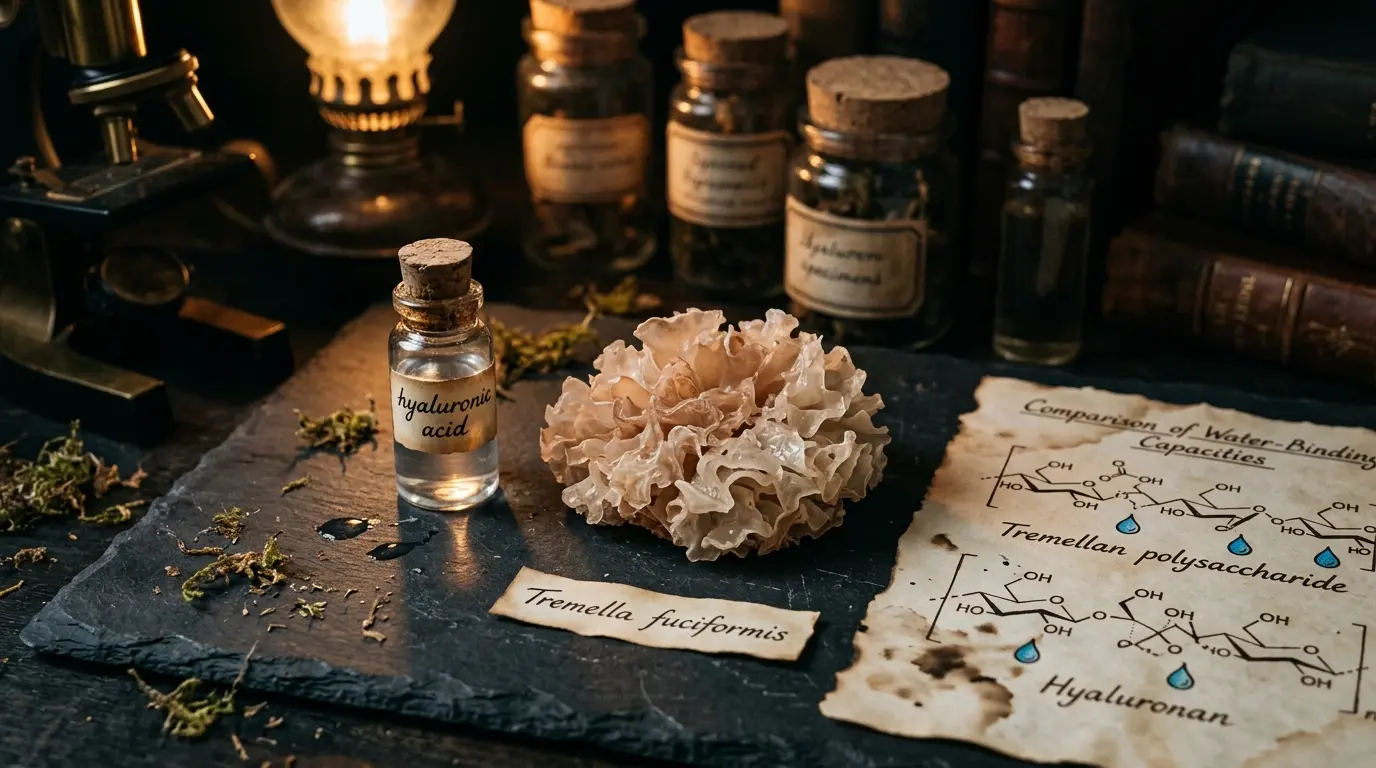
Tremella polysaccharide and hyaluronic acid are structurally distinct yet functionally analogous humectant polymers. This overview examines their chemical nature, biological origins, and application contexts.
Shiitake versus Turkey Tail: A Comparative Analysis of Polysaccharide Profiles
Comparative Polysaccharide Profiles of Shiitake and Turkey Tail: Structural and Clinical Distinctions between Lentinan and the PSK/PSP Complex
Maitake versus Reishi: A Comparative Analysis of Beta-Glucan and Triterpene Profiles
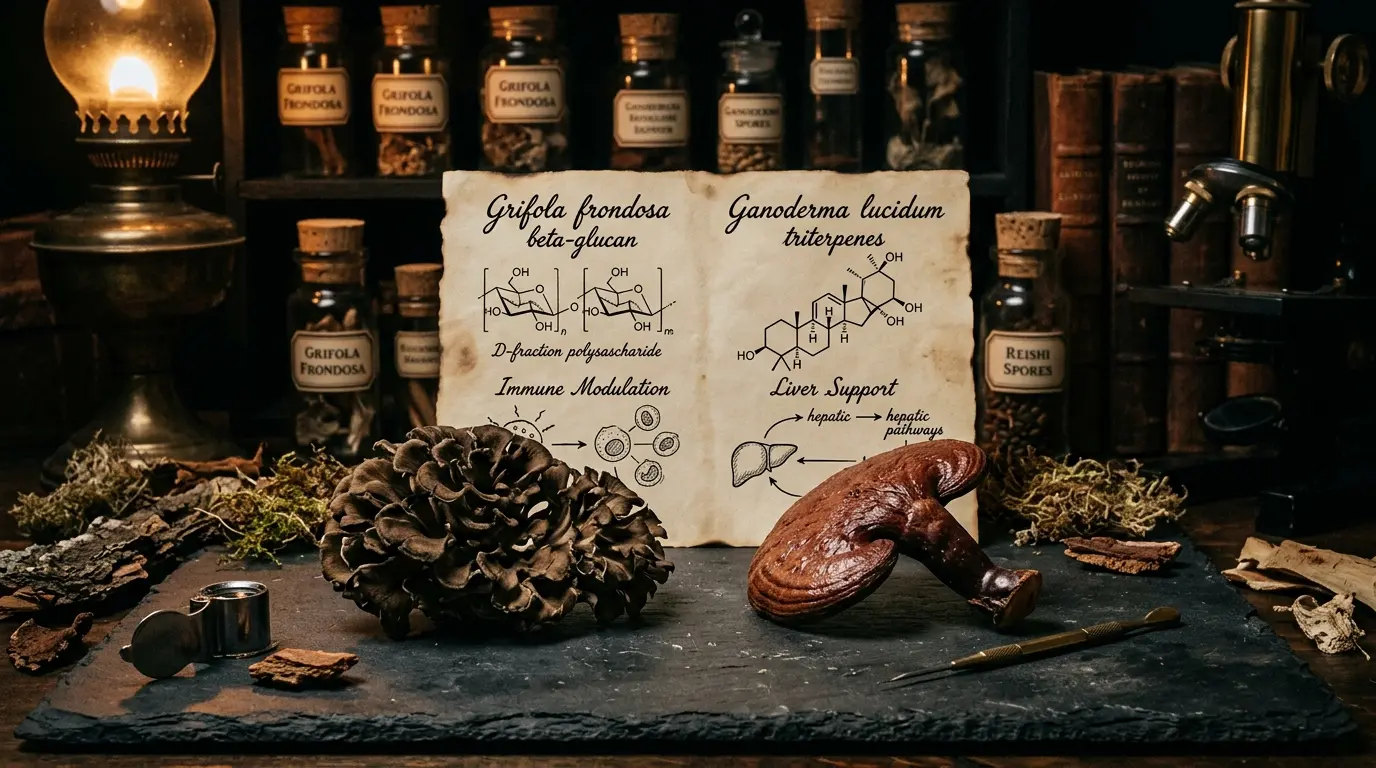
The polysaccharide and triterpene profiles of Maitake (Grifola frondosa) and Reishi (Ganoderma lucidum) exhibit distinct chemotaxonomic signatures that underpin their divergent applications. Maitake’s hallmark β-glucan proteoglycan, the D-fraction, contrasts with Reishi’s array of ganoderic acids, a