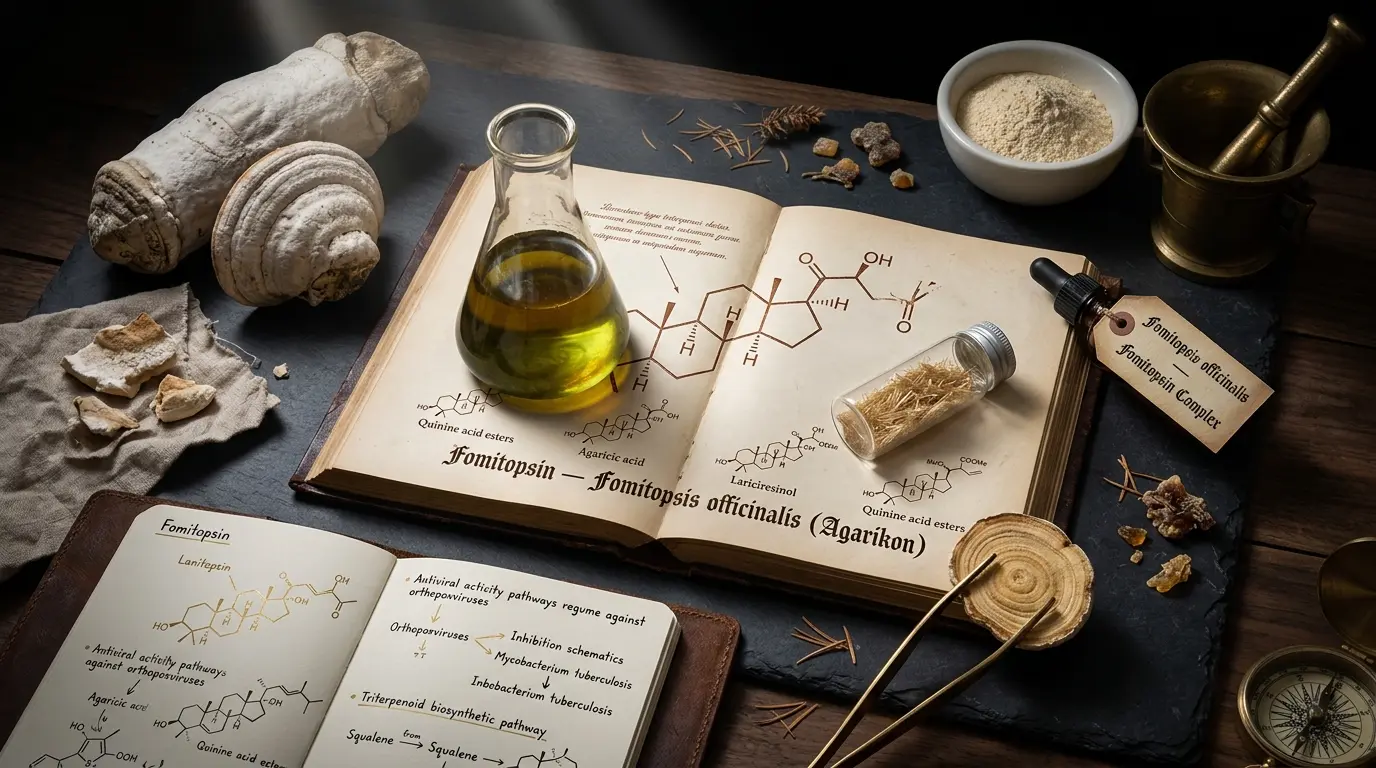
Fomitopsin: The Triterpenoid Profile of Agarikon (Fomitopsis officinalis)
Agarikon (Laricifomes officinalis) is distinguished by a suite of triterpenoid compounds, most notably fomitopsin, that have attracted interest in antiviral research. Its chemical profile encompasses these bioactive triterpenes alongside other secondary metabolites, which are being examined for thei
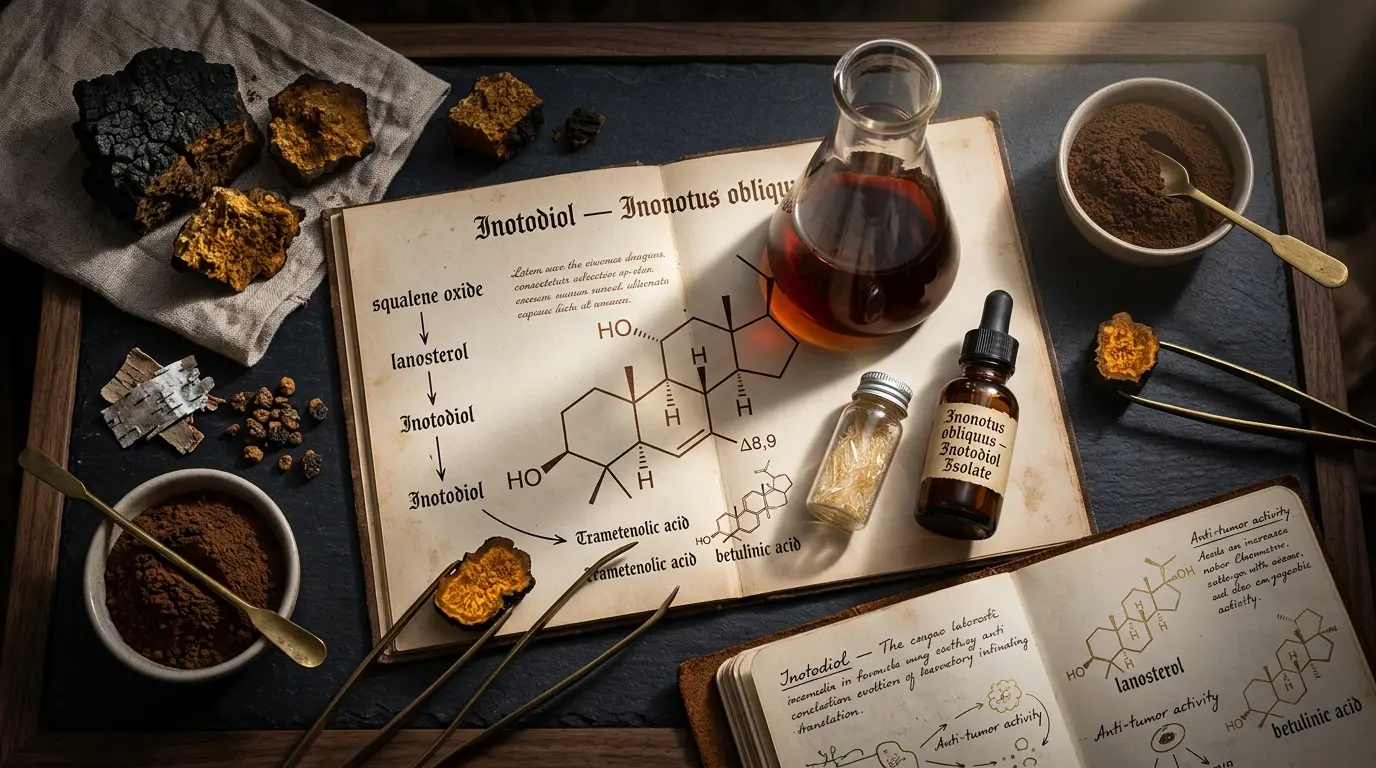
Inotodiol: A Bioactive Lanostane Triterpenoid from Chaga
Inotodiol is a prominent lanostane-type triterpenoid isolated from the chaga mushroom, *Inonotus obliquus*. This entry reviews its chemical structure, the principal methods employed for its isolation, and the body of research concerning its biological activity.
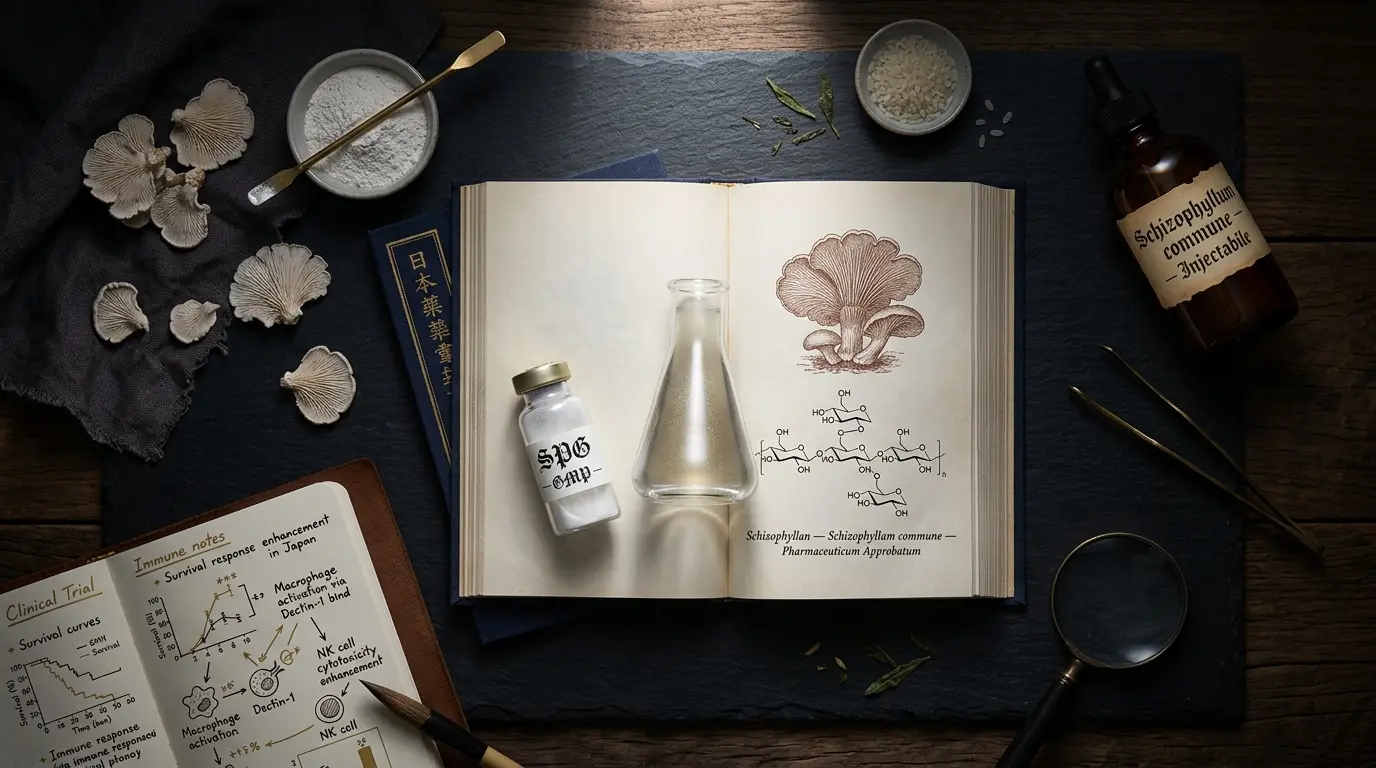
Schizophyllan (SPG): The Japanese-Approved β-Glucan
Schizophyllan (SPG), a beta-glucan extracted from the basidiomycete fungus *Schizophyllum commune*, is the only beta-glucan formulation approved for inclusion in select oncology protocols in Japan. The following section outlines its clinical development and mechanism of action.
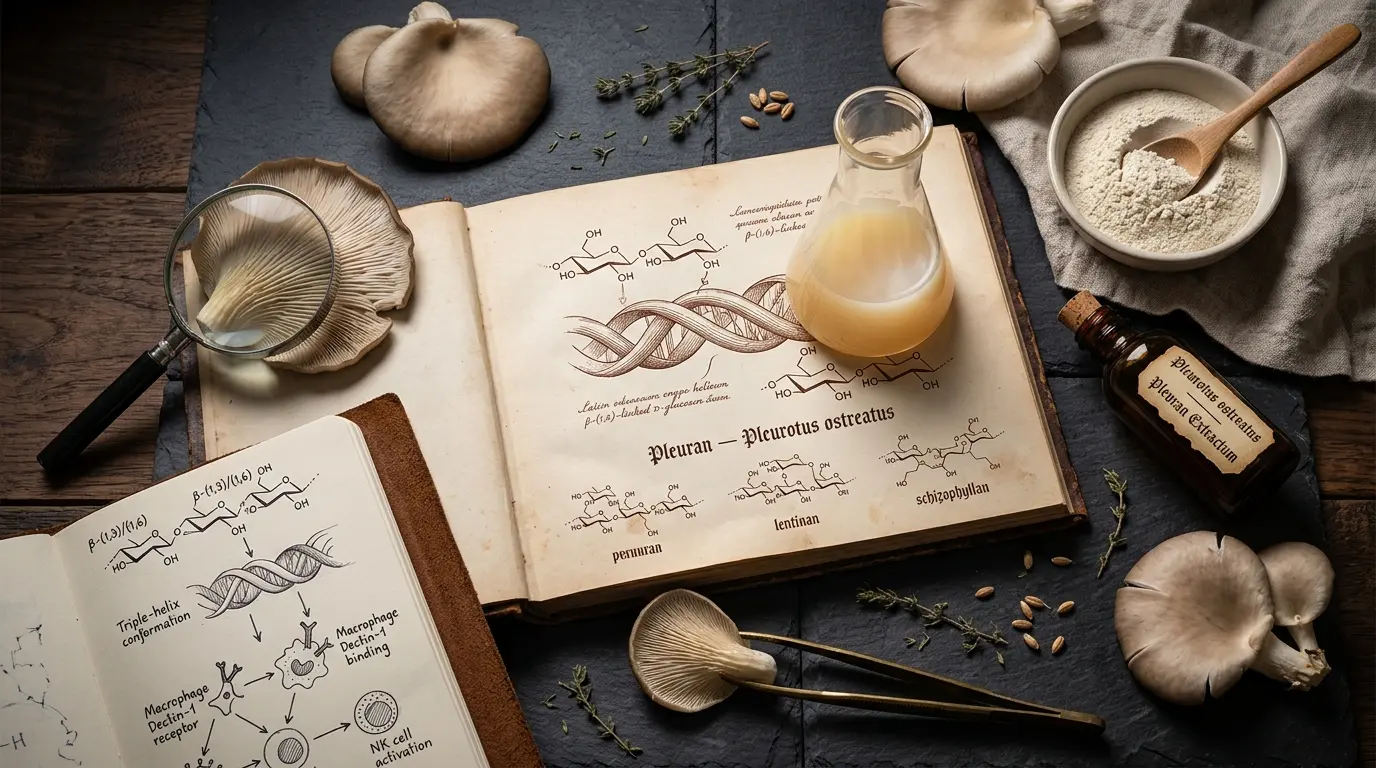
Pleuran: Unraveling the Beta-Glucan Profile of Oyster Mushrooms
Pleuran is a β-(1,3)/(1,6)-glucan isolated from the oyster mushroom (Pleurotus ostreatus). It has drawn particular attention in respiratory tract research. The present article addresses its structural features and immunological activities.
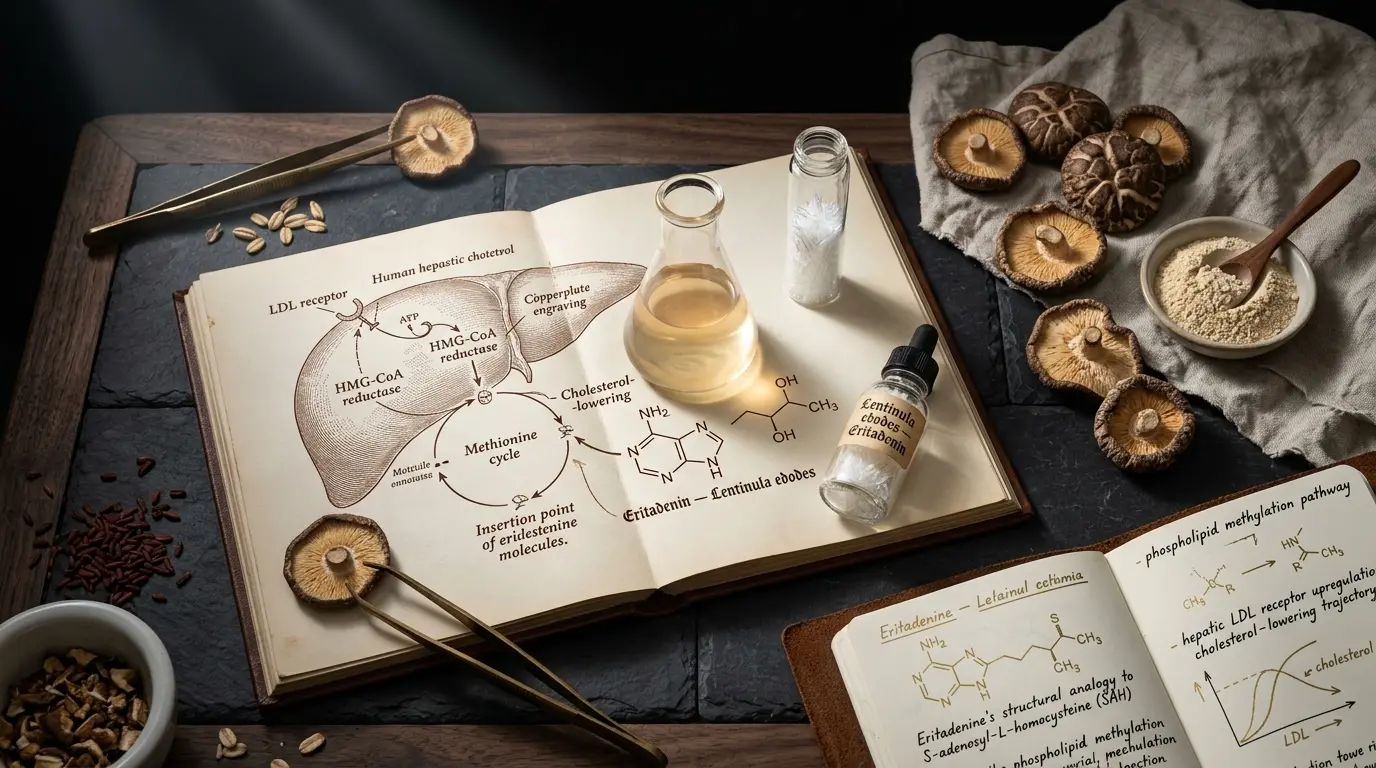
Eritadenine: The Hypocholesterolemic Factor in Shiitake Mushrooms
Eritadenine is an adenine derivative unique to the shiitake mushroom (Lentinula edodes). A substantial body of scientific evidence has repeatedly confirmed its modulatory effect on cholesterol metabolism. Research has concentrated on elucidating its mechanism of action and assessing its bioavailabil
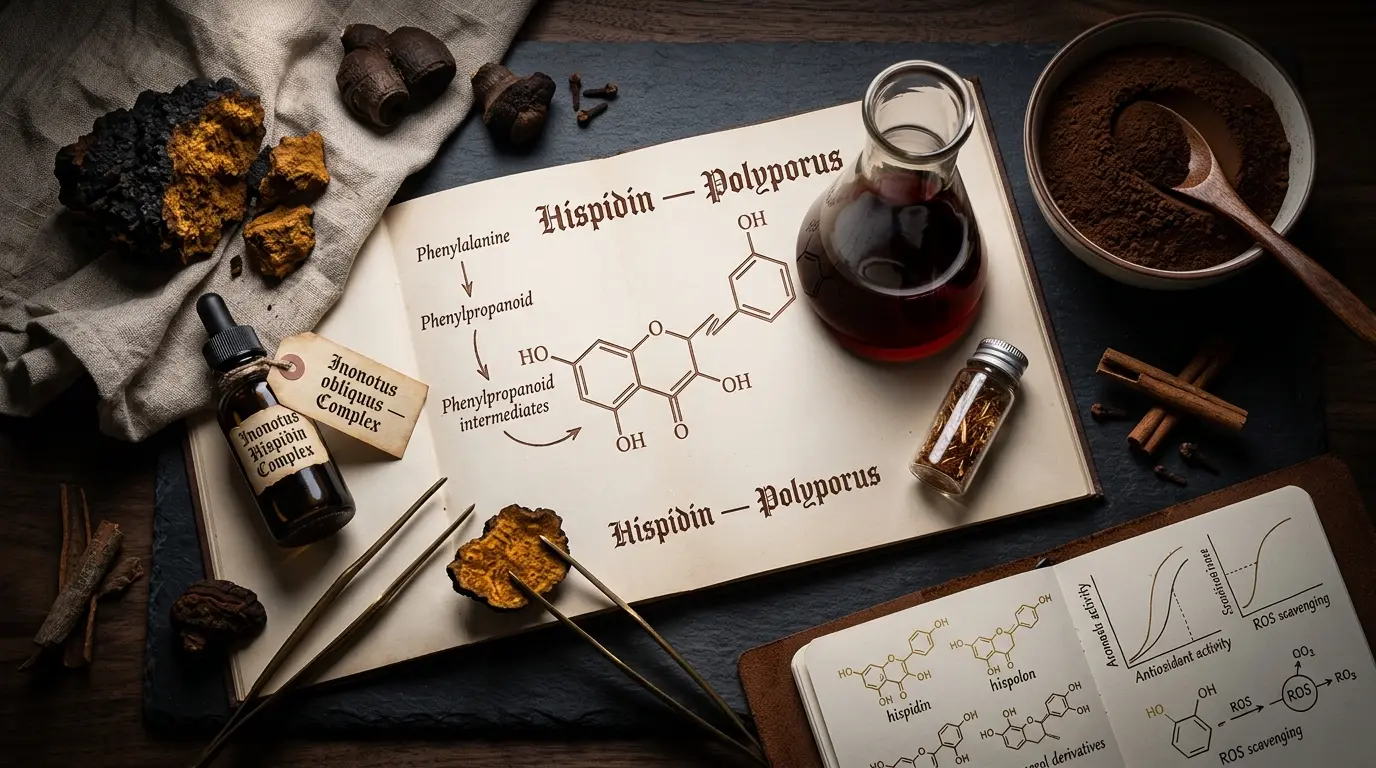
Hispidin and the Polyphenolic Landscape of Chaga and Phellinus Mushrooms
Hispidin is a stilbenoid polyphenol found in Chaga (Inonotus obliquus) and several Phellinus species, noted for its potent antioxidant activity. This overview covers its chemical structure, biosynthesis, and the principal research data.
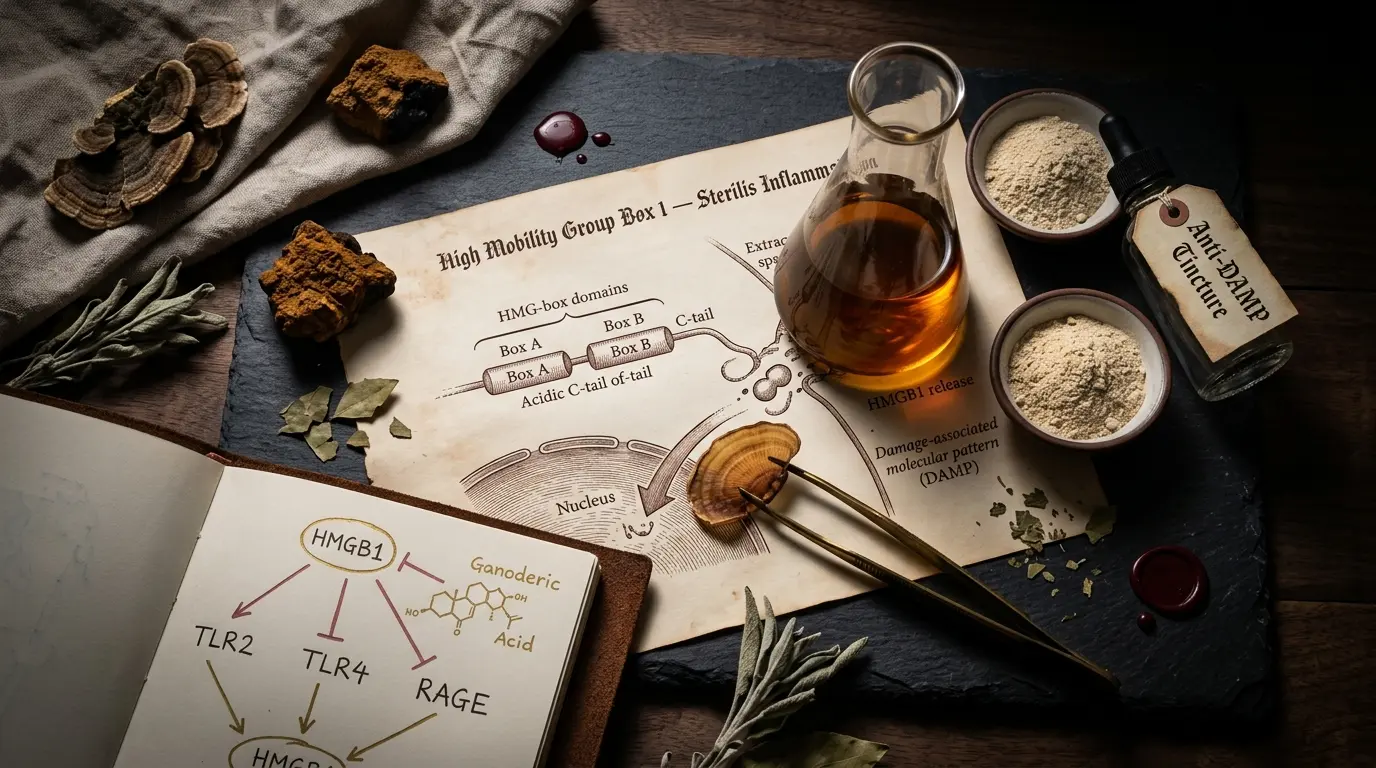
HMGB1 and Sterile Inflammation: Lessons from the Fungal Kingdom
High Mobility Group Box 1 (HMGB1) is a damage-associated molecular pattern that is liberated following tissue injury and serves as a key initiator of sterile inflammation. Fungal constituents have been shown to play a role in suppressing the secretion of HMGB1.
SIRT1 and Longevity Genes: Insights from Epigenetic Studies in Fungi
Sirtuins, notably SIRT1, form a class of NAD⁺-dependent epigenetic regulators that play pivotal roles in ageing and metabolic control. Investigations into fungal bioactive compounds have highlighted their potential to modulate sirtuin expression levels and influence nicotinamide adenine dinucleotide
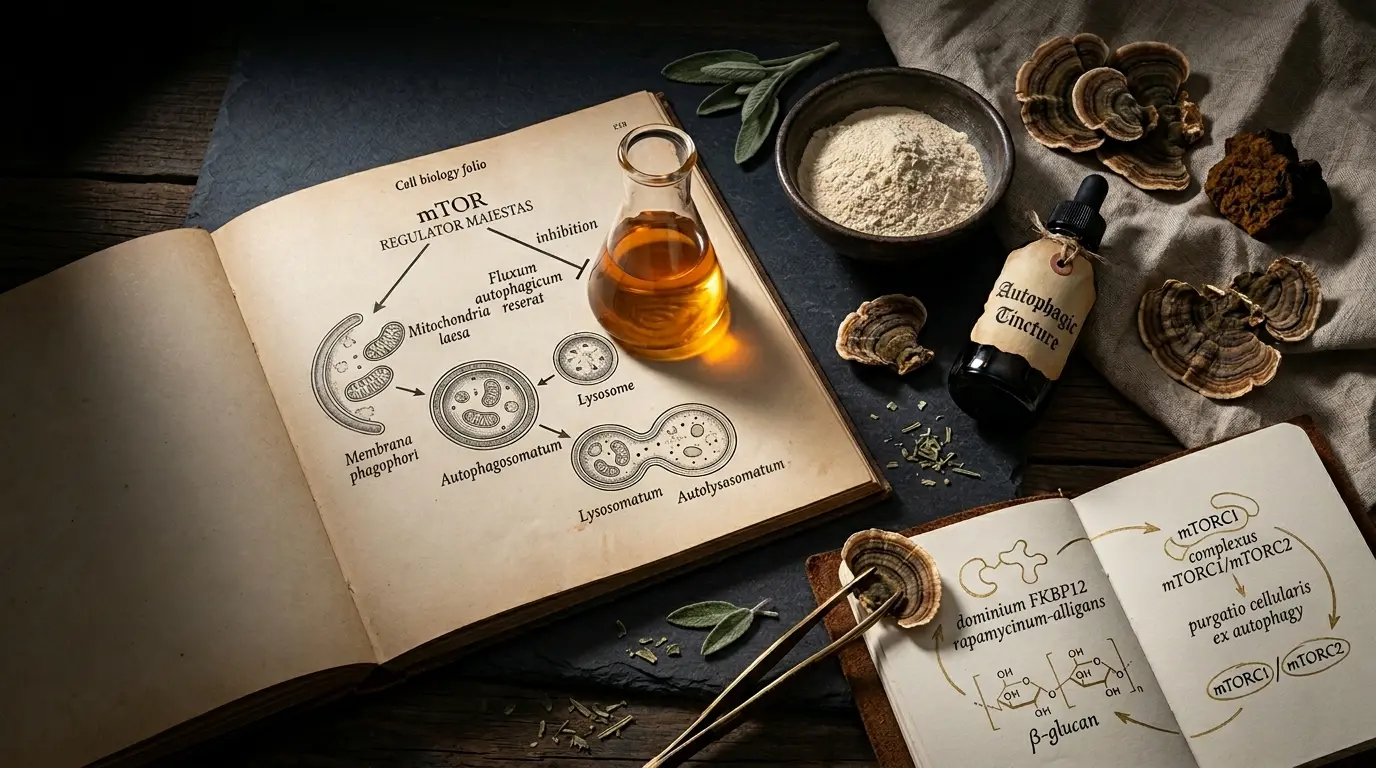
Fungal Metabolites in mTOR-Mediated Autophagy: Harnessing Cellular Housekeeping
Inhibition of the mechanistic target of rapamycin (mTOR) constitutes a central trigger for autophagy, thereby unlocking a program of intracellular clearance and structural renewal. This regulatory axis has drawn attention to certain fungal metabolites that, by modulating mTOR‑dependent autophagy, ar
AMPK Activation Through Mushroom Polysaccharides: Regulating Cellular Energy Homeostasis
AMP-activated protein kinase (AMPK) acts as a cellular energy sensor and plays a central role in maintaining metabolic homeostasis. Fungal polysaccharides exert effects on energy metabolism through the activation of AMPK.