The Role of Mushrooms in Glycemic Control and Diabetes Management
— THE BIG PICTURE —
Turkey is home to some 7 million people living with diabetes. Searches for “natural ways to lower blood sugar” consistently rank among the most frequent health queries on Google. Where do medicinal mushrooms fit into this landscape?
They do not offer a direct treatment—but the science is not silent.
— WHAT THE SCIENCE SAYS —
Reishi and Blood Sugar
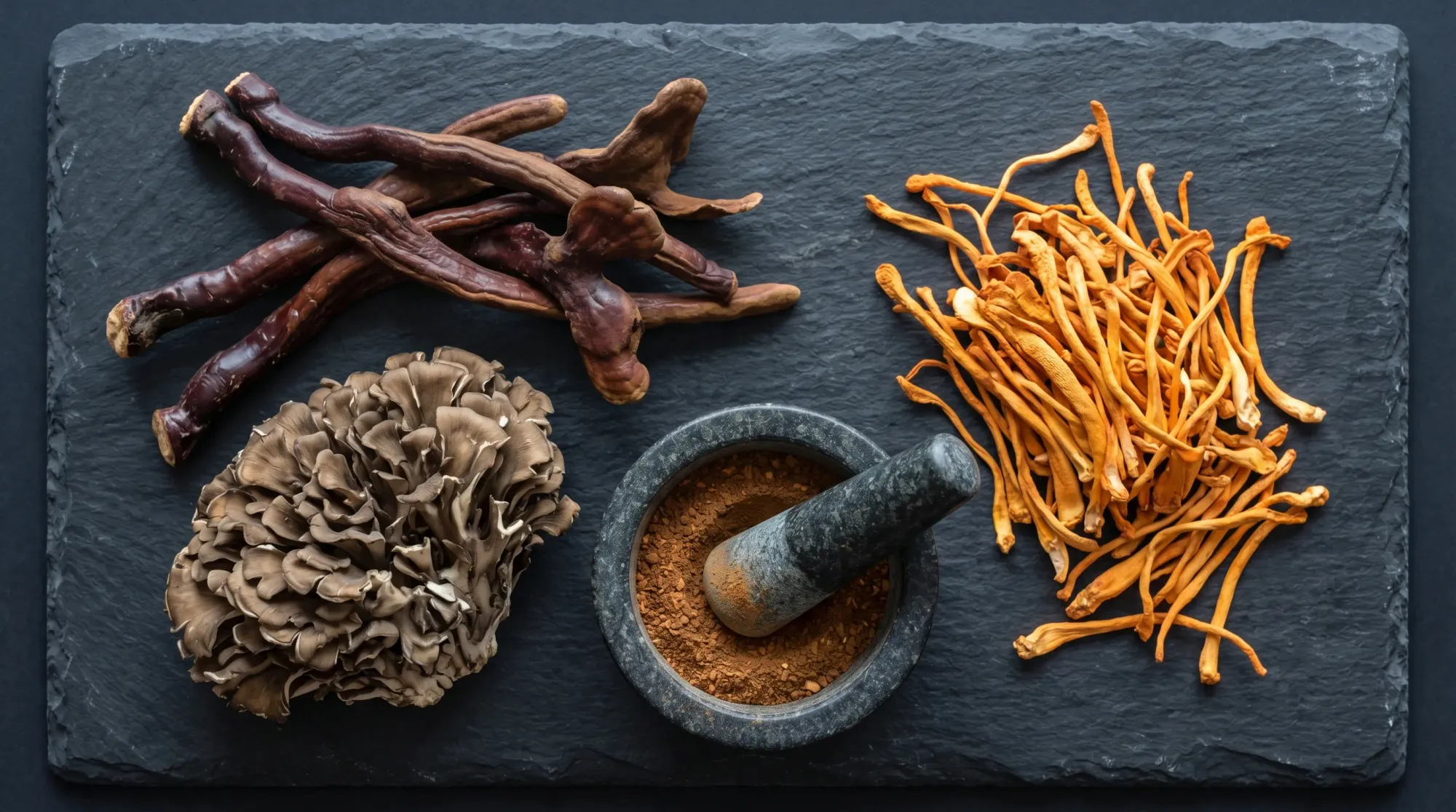
In vitro studies have demonstrated that Ganoderma lucidum acts as an alpha-glucosidase inhibitor. Inhibiting this enzyme slows carbohydrate absorption—a mechanism analogous to that of acarbose and other antidiabetic drugs. Animal models have reported reductions in blood glucose levels.
Reference: Ma, H.T. et al. (2015). Ganoderma lucidum polysaccharides and their anti-diabetic effects. Bioactive Carbohydrates and Dietary Fibre, 5(2).
Cordyceps and Insulin Sensitivity
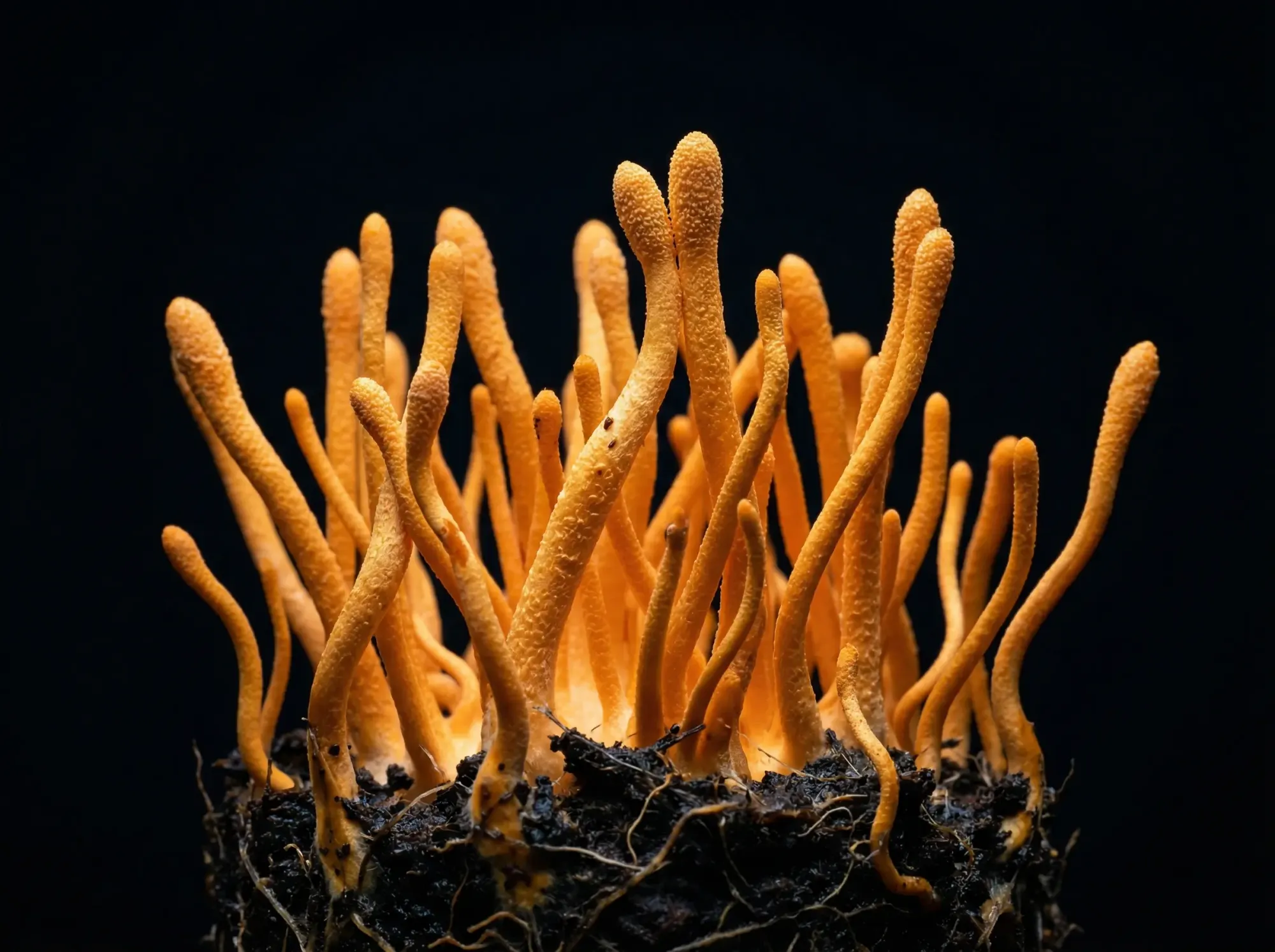
Animal studies indicate that Cordyceps militaris may enhance insulin sensitivity. Research continues to explore how cordycepin’s influence on adenosine metabolism connects to glucose homeostasis.
Maitake D-Fraction
The effects of Maitake’s D-Fraction and SX-Fraction on insulin resistance have been examined in a limited number of human pilot studies. Results are promising but remain inconclusive.
Reference: Konno, S. et al. (2013). A possible hypoglycemic effect of Maitake mushroom. Diabetic Medicine, 18(12).
— CRITICAL CAUTIONS —
❌ No mushroom is a treatment for diabetes.
❌ Do not discontinue your diabetes medication in favour of mushroom powder—this can be life-threatening.
❌ Individuals using insulin or oral antidiabetic agents must consult a physician before starting any mushroom supplement.
⚠ Reishi, Cordyceps, and Maitake may lower blood glucose; concomitant use with antidiabetic medication increases the risk of hypoglycemia.
⚠ Regular blood glucose monitoring is essential.
— AN HONEST ASSESSMENT —
The body of mushroom–diabetes research consists predominantly of animal models and in vitro studies. Human clinical trials remain few and small in scale.
Current evidence can be summarised as: “intriguing mechanisms exist, but it is far too early to make therapeutic claims.”
Nutrition, exercise, medication, and regular monitoring are the foundational pillars of diabetes management. A mushroom supplement—if approved by a physician—may serve as a supportive adjunct alongside these pillars, but it can never replace them.
— A GASTRONOMIC PERSPECTIVE —
Beyond supplementation, the nutritional profile of culinary mushrooms makes them a remarkably diabetes‑friendly food:
✓ Low glycaemic index
✓ Low calorie density (approx. 300 kcal/100 g dry weight; approx. 25–35 kcal/100 g fresh weight)
✓ High fibre content (beta-glucan and chitin)
✓ Source of protein
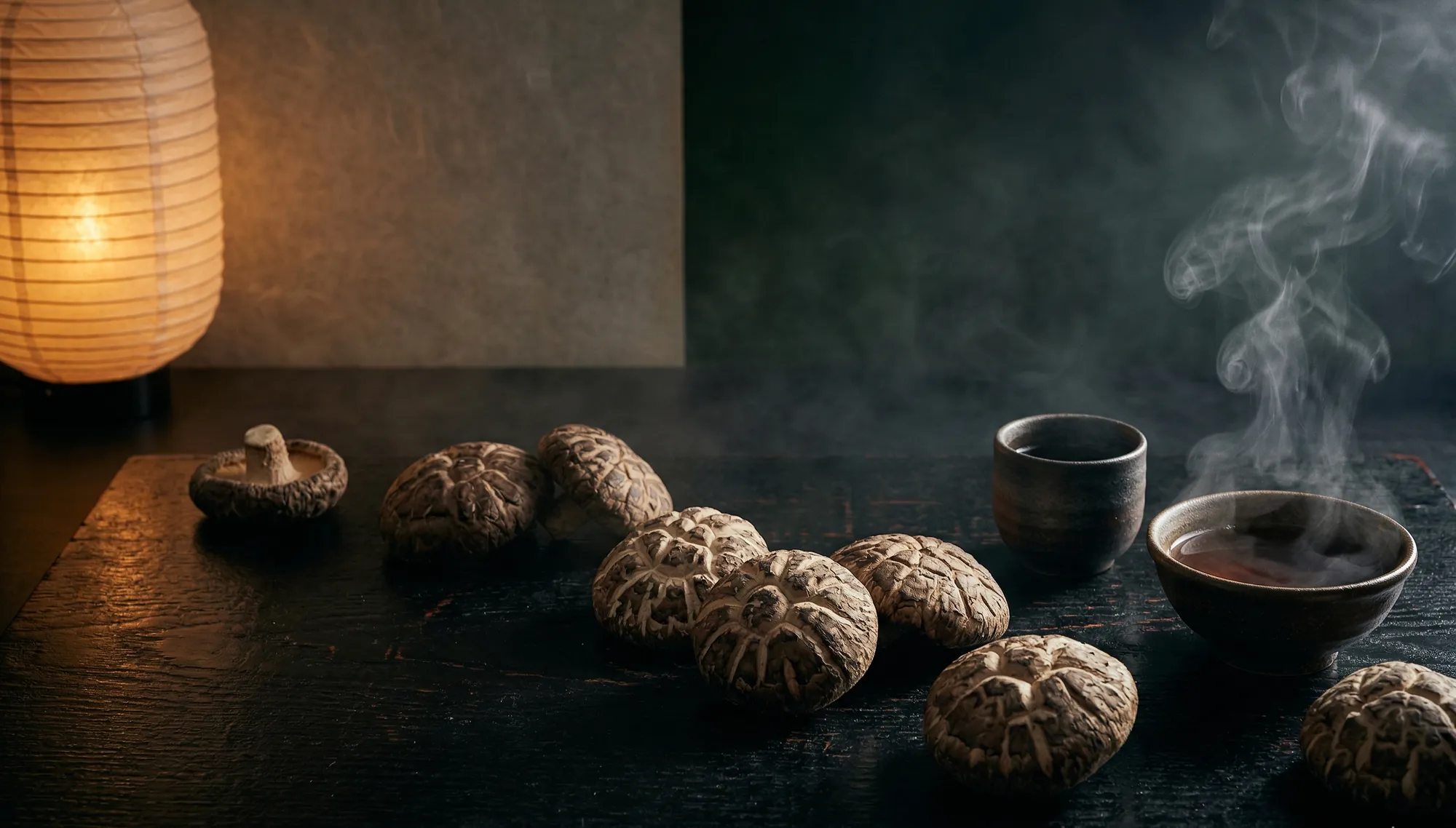
King Oyster, Shiitake Donko, and Maitake—when consumed as food—constitute a wholesome group compatible with a diabetes meal plan.
You May Also Like
→ Drug Interactions — Safety Guide
→ What Is D-Fraction? — Maitake’s Active Component
→ Is Mushroom Supplementation Safe?
→ Mushrooms and Protein Content
Related Reading
- Scientific Mechanisms of Stress, Cortisol, and Adaptogenic Mushrooms — Scientific Mechanisms of Stress, Cortisol, and Adaptogenic Mushrooms
- The 5000-Year History of Mushrooms and Their Encounter with Modern Science — The 5000-Year History of Mushrooms and Their Encounter with Modern Science
- Mushroom Powder and Intermittent Fasting: A Timing Guide — Mushroom Powder and Intermittent Fasting: A Timing Guide
This content is for informational purposes only and does not constitute medical advice. Consult a physician before making any health-related decisions. Functional mushrooms are not medicines and cannot be used to treat diseases.
Version: 1.0 | Last updated: 20 Apr 2026 | Sources reviewed: 9+ | Method: Editorial Policy | References: Bibliography