A Comprehensive Guide to Medicinal Mushrooms for Canine and Feline Wellness
— INTRODUCTION —
Can you give your dog or cat mushroom powder? The veterinary mushroom supplement industry is expanding rapidly, especially in the United States. What does the science actually say, and what is the current landscape in Turkey?
— VETERINARY MUSHROOM RESEARCH —
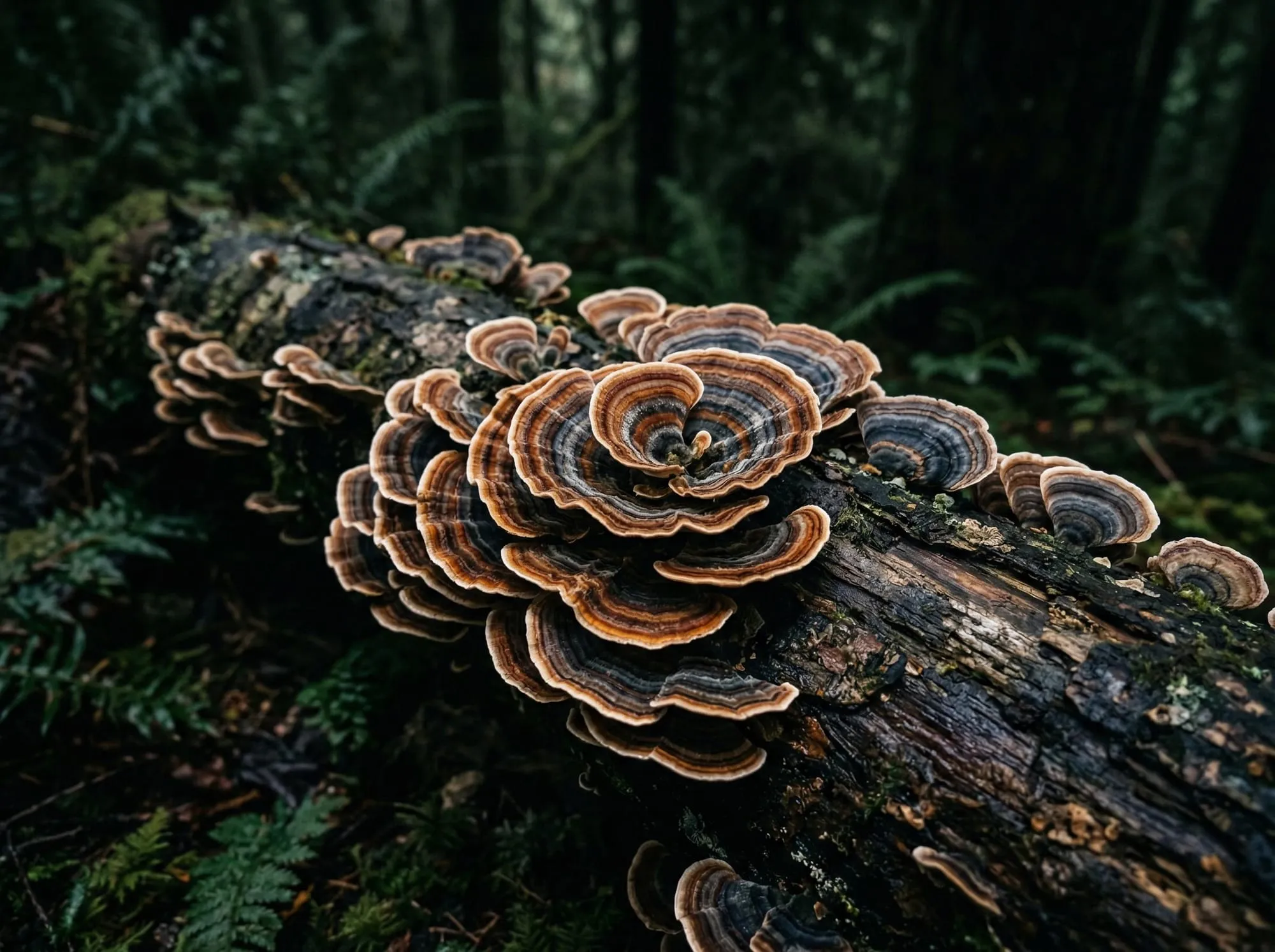
Turkey Tail and Dogs
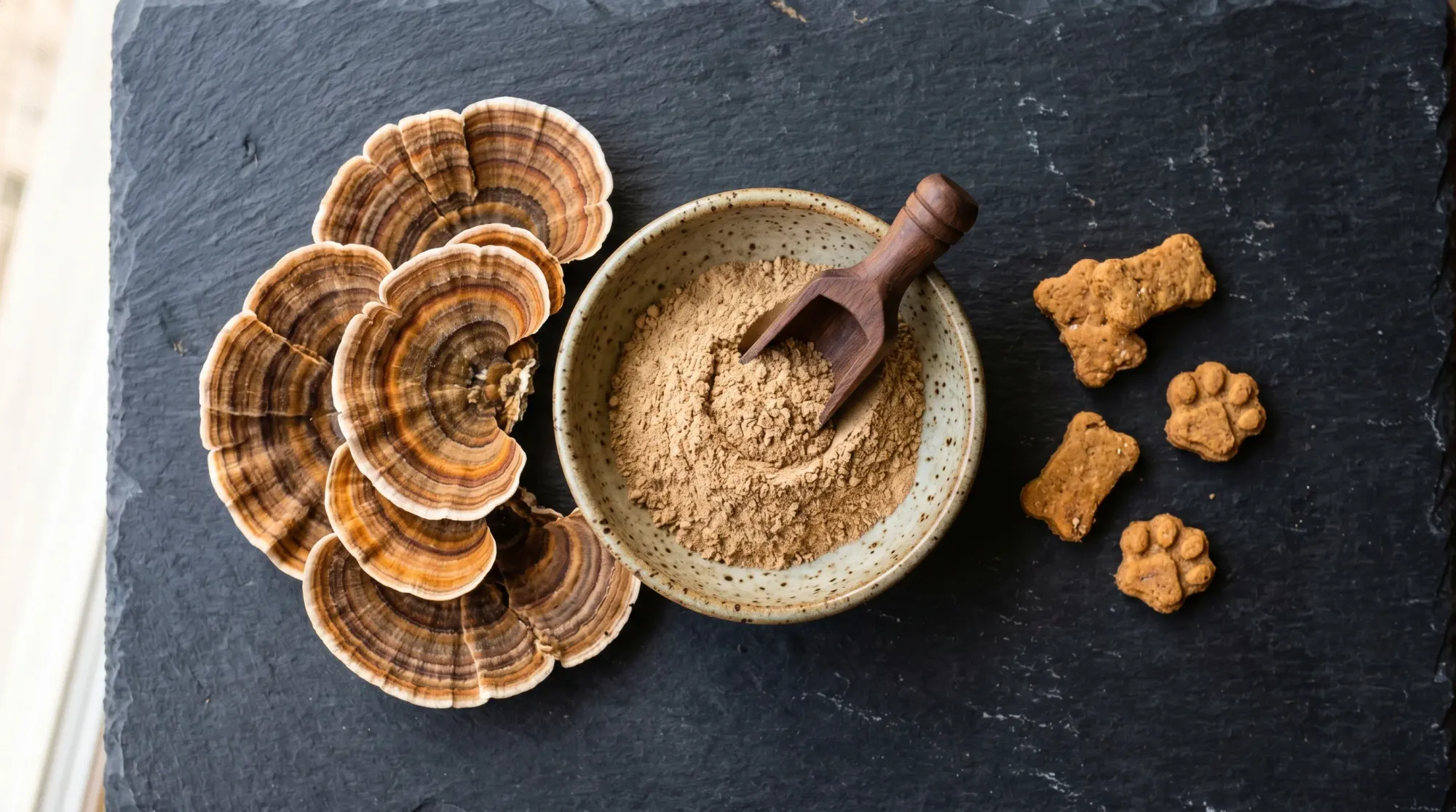
A study conducted at Penn State University reported that Turkey Tail supplementation extended survival time in dogs diagnosed with hemangiosarcoma, a vascular cancer. This remains the most frequently cited mushroom study in veterinary oncology.
Reference: Brown, D.C. & Reetz, J. (2012). Single agent polysaccharopeptide delays metastases and improves survival in naturally occurring hemangiosarcoma. Evidence-Based Complementary and Alternative Medicine.
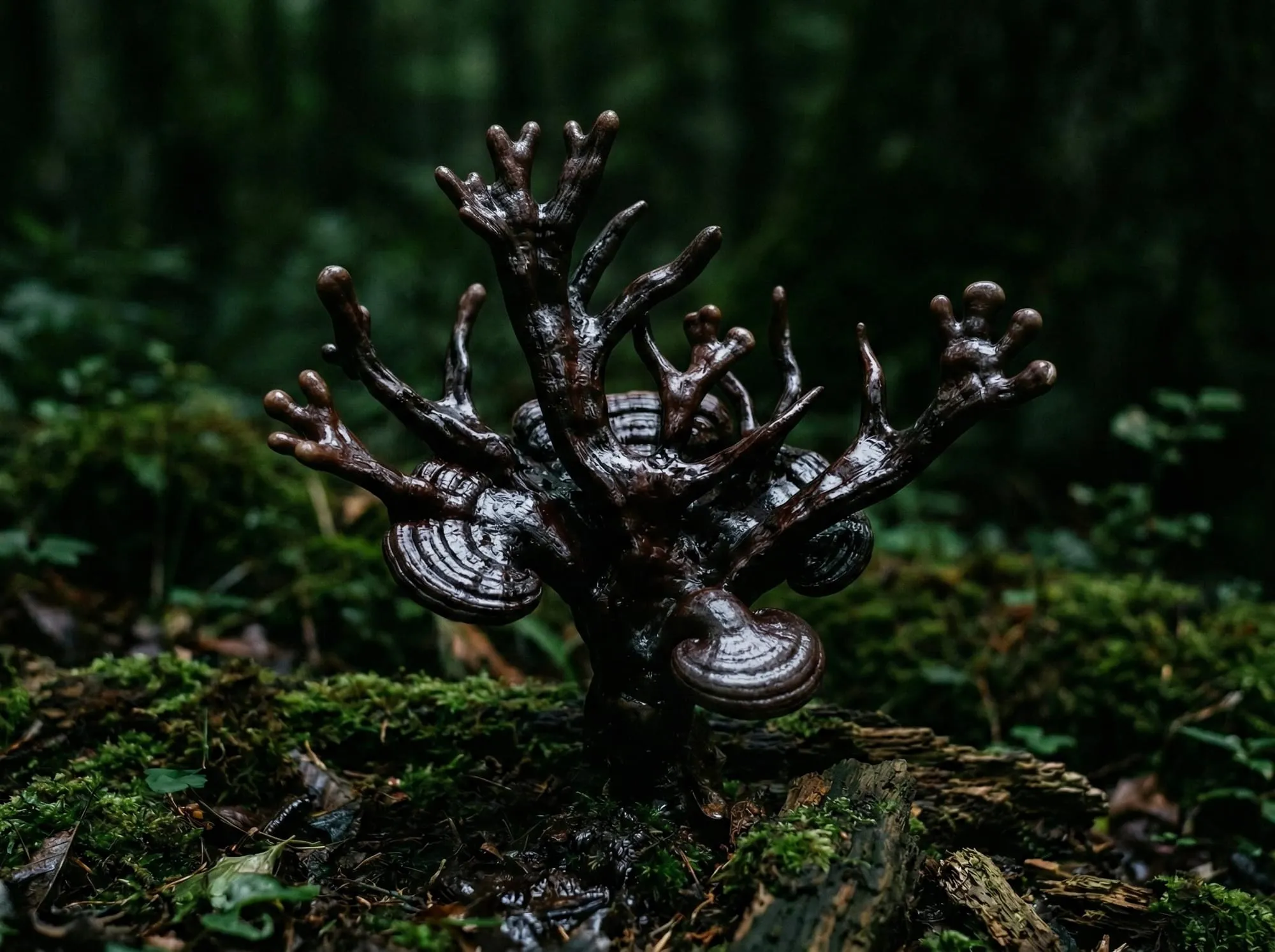
Reishi and Companion Animals
The immune-modulating effects of Reishi are under investigation in veterinary practice. Limited pilot studies exist in the context of immune support for geriatric dogs.
Lion’s Mane
Specific clinical studies in companion animals are very sparse. The nerve growth factor (NGF) mechanism makes Lion’s Mane theoretically relevant for canine cognitive dysfunction syndrome (CDS — often termed “dog dementia”) in ageing dogs, but this effect remains unproven.
— SAFETY —
Dogs: Turkey Tail and Reishi are generally regarded as safe. The dose must be adjusted according to body weight. A general guideline: scale the human dose by body weight ratio (a 10 kg dog receives approximately 1/7 of the standard human dose).
Cats: Far fewer studies exist. Feline metabolism differs from that of dogs; cats may exhibit greater sensitivity to certain constituents. Careful dose adjustment is required.
Non-negotiable rule: Consult your veterinarian before giving any supplement to your pet.
— WHICH MUSHROOMS? —
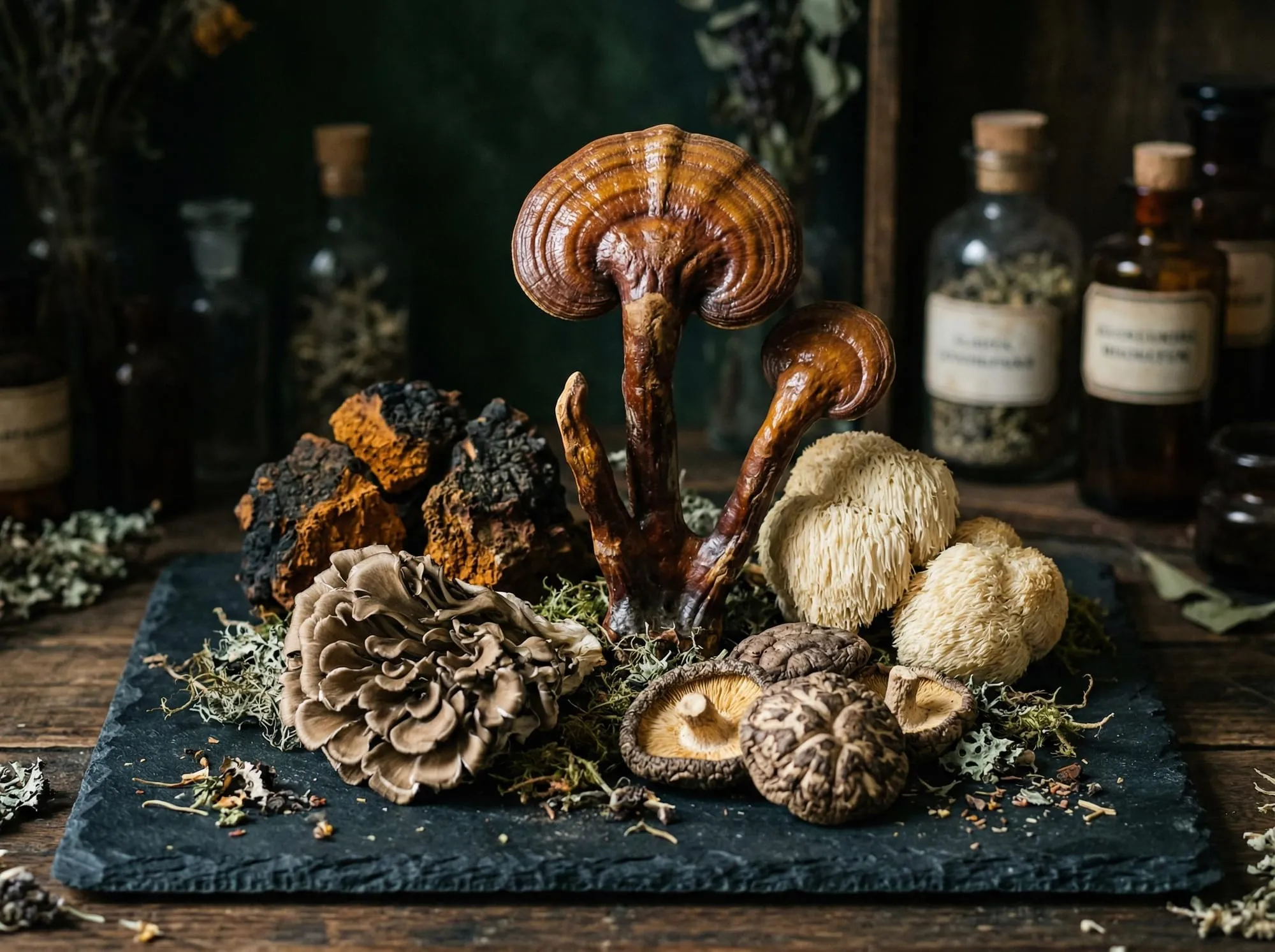
Turkey Tail: The species with the most veterinary research data. Supports immune function.
Reishi: Potential adaptogenic support for ageing animals.
Lion’s Mane: Theoretical cognitive support for senior dogs — but evidence is insufficient.
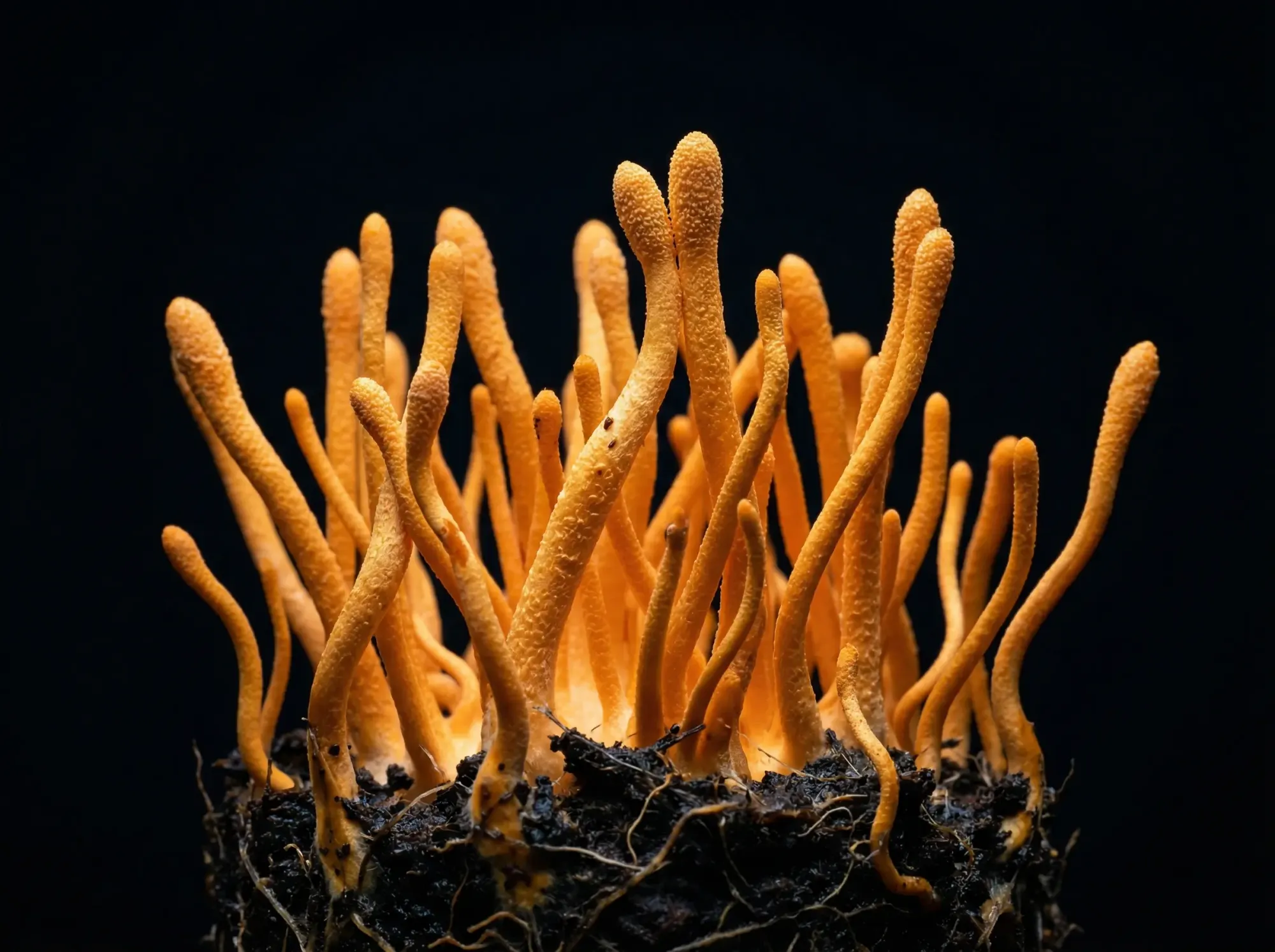
Cordyceps: Limited data in the veterinary context.
Gourmet species (King Oyster, Shiitake, Maitake): Can be offered to dogs in small, cooked portions — but never with onion, garlic, or spices.
— IMPORTANT CAUTIONS —
❌ Never give raw mushrooms to dogs or cats — chitin is difficult to digest.
❌ Never give mushrooms cooked with onion or garlic — these are toxic to pets.
❌ Do not use human doses — always adapt to body weight.
❌ Veterinary approval is mandatory for animals taking any medication.
❌ Do not give supplements to pregnant or lactating animals.
⚠ When introducing for the first time, start with a very small dose and observe for 48 hours.
— THE LANDSCAPE IN TURKEY —
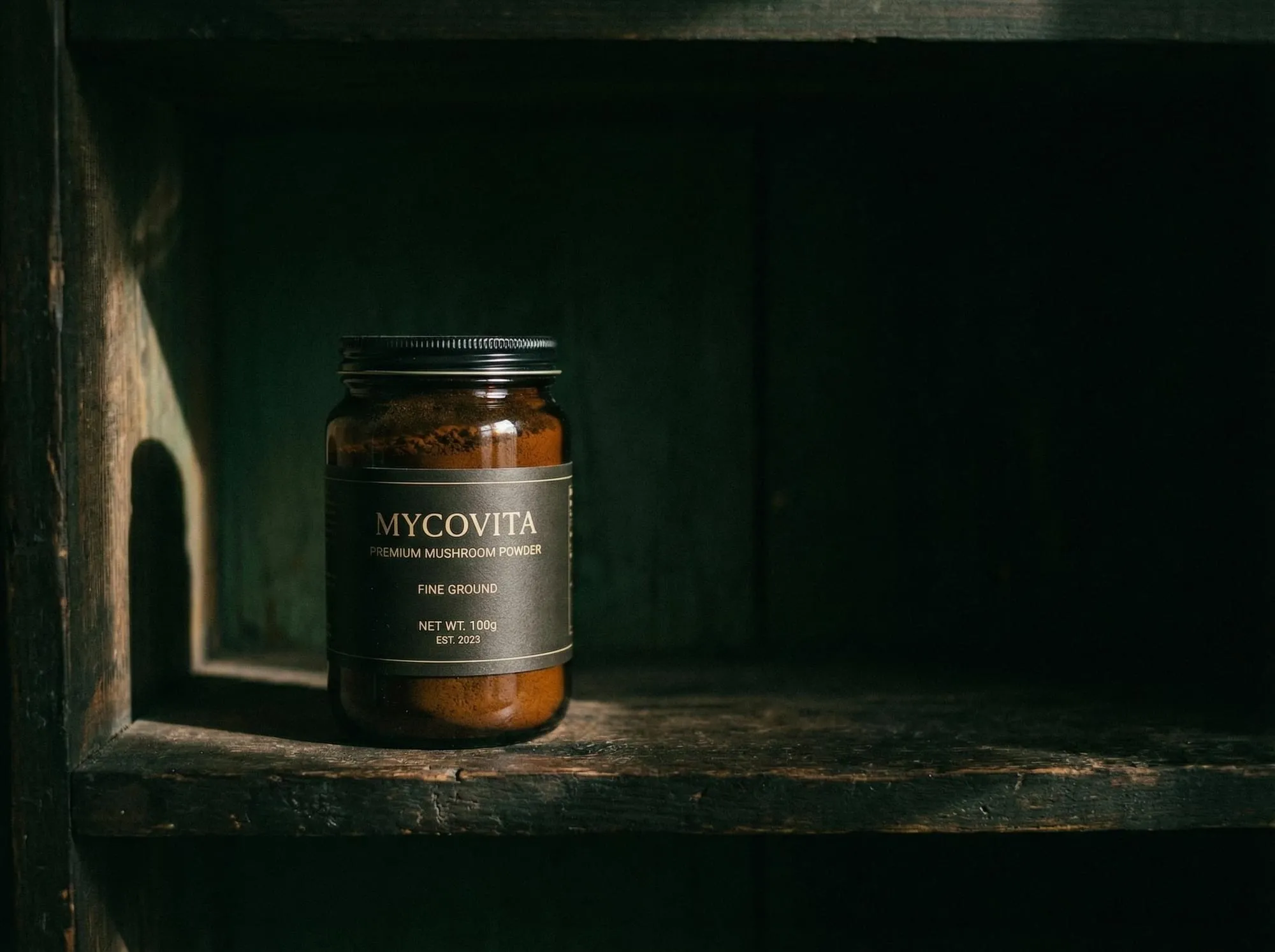
The pet mushroom supplement market in Turkey is still in its infancy. Veterinary mushroom products are not widely available. MYCOVITA currently manufactures within the human food category.
If you are considering a mushroom supplement for your pet: speak with your veterinarian, do not use human products without veterinary approval, and leave dose adjustment to a professional.
You May Be Interested In
→ What Is PSK? — The Compound Approved in Japan
→ Are Mushroom Supplements Safe?
Related Readings
- Evening Mushroom Protocol with Reishi and Turkey Tail — Evening Mushroom Protocol with Reishi and Turkey Tail
- Stress, Cortisol, and Adaptogenic Mushrooms: Scientific Mechanisms — Stress, Cortisol, and Adaptogenic Mushrooms: Scientific Mechanisms
- Specialised Functional Mushroom Protocol for Athletes — Specialised Functional Mushroom Protocol for Athletes
This content is for informational purposes only and does not constitute medical advice. Consult your physician before making any health decisions. Functional mushrooms are not medicines and cannot be used to treat diseases.
Version: 1.0 | Last update: 20 Apr 2026 | Sources reviewed: 5+ | Method: Editorial Policy | References: Bibliography