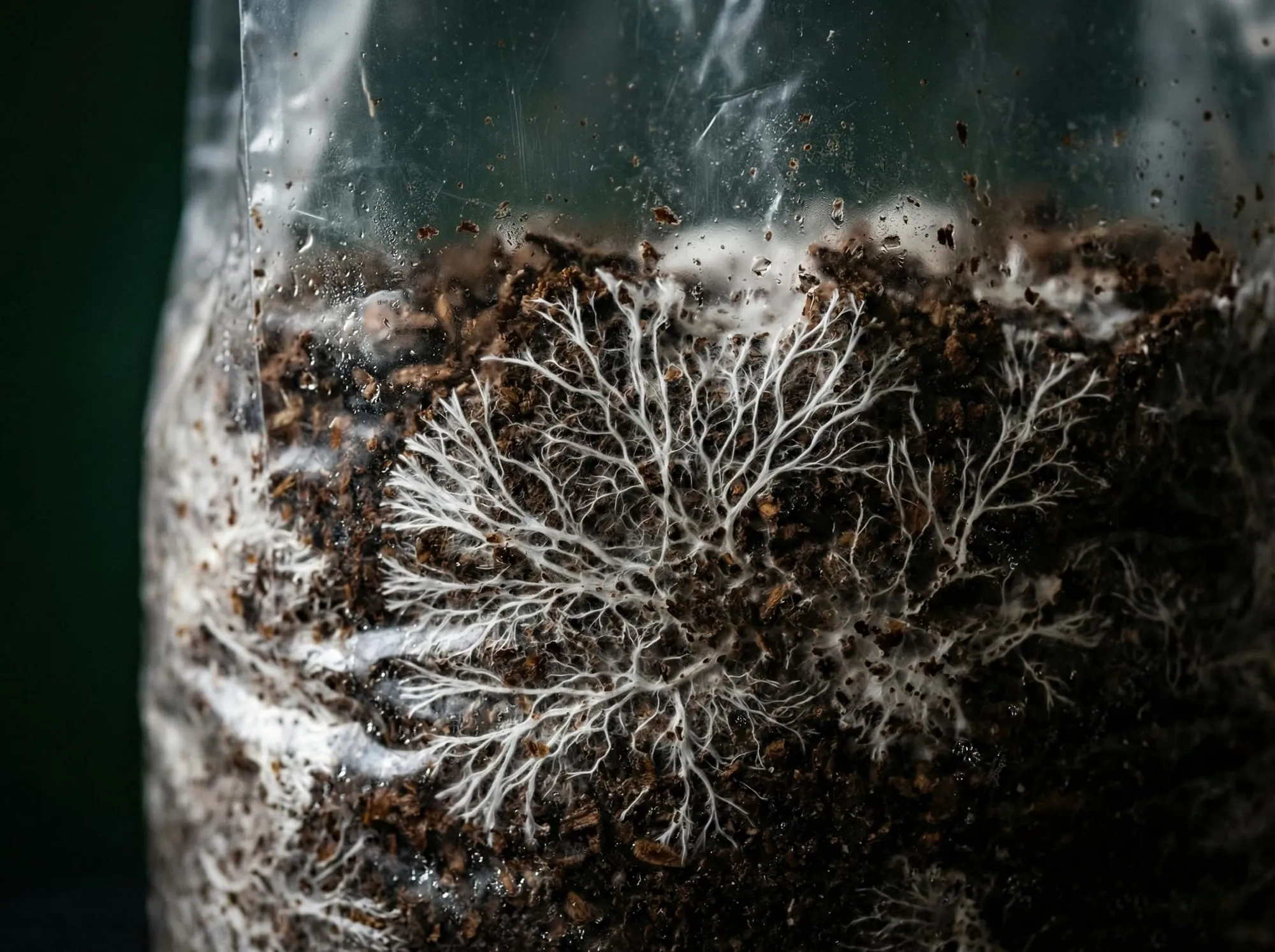
The Black Sea Climatic Influence on the Cultivation of Functional Mushrooms
Related reading: Production Process · What Is Substrate?
MYCOVITA's production philosophy and transparency principles: Why MYCOVITA?
Mycelium Library No.30
— KANCA —
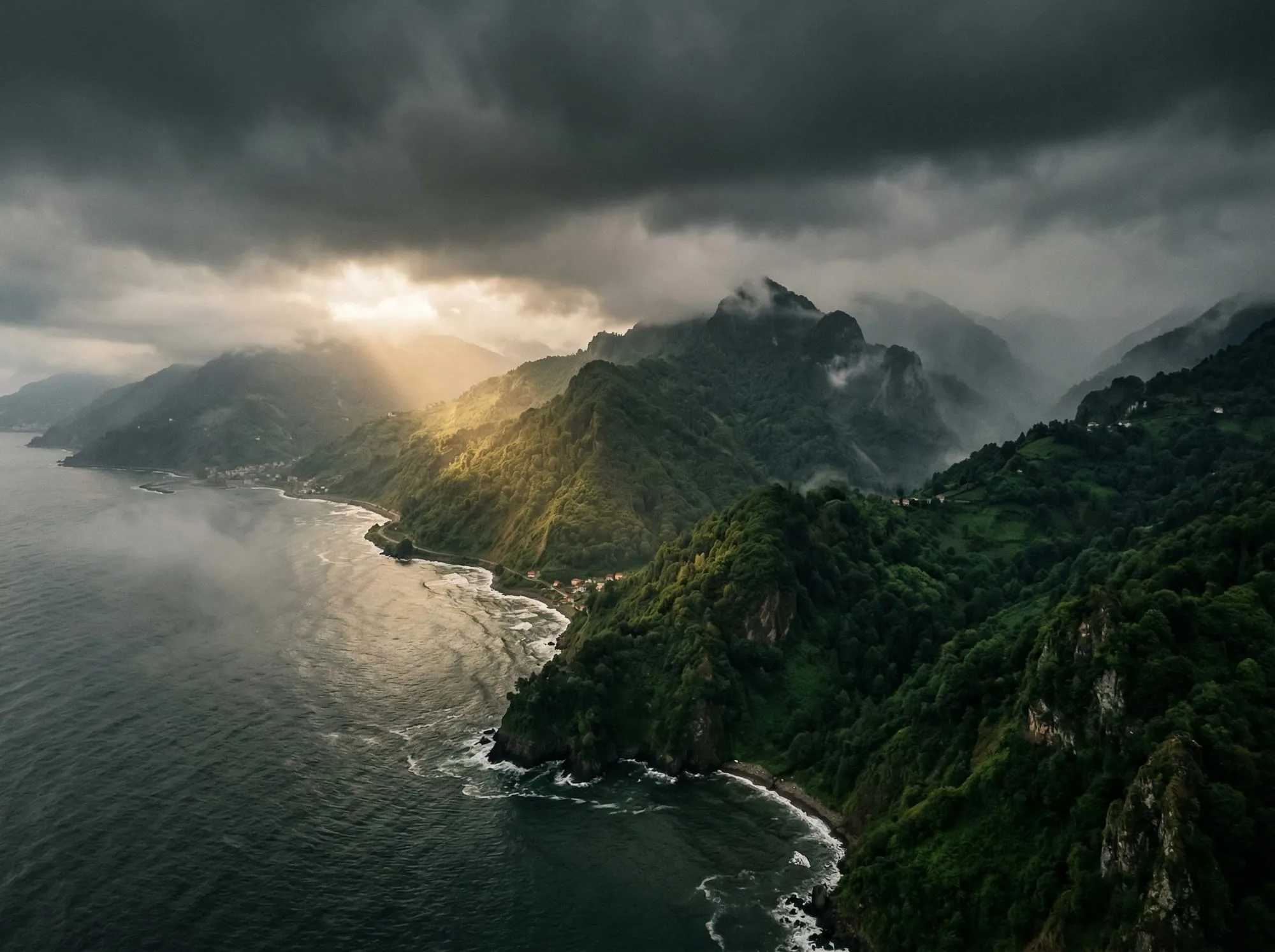
Rain falls differently in Ordu.
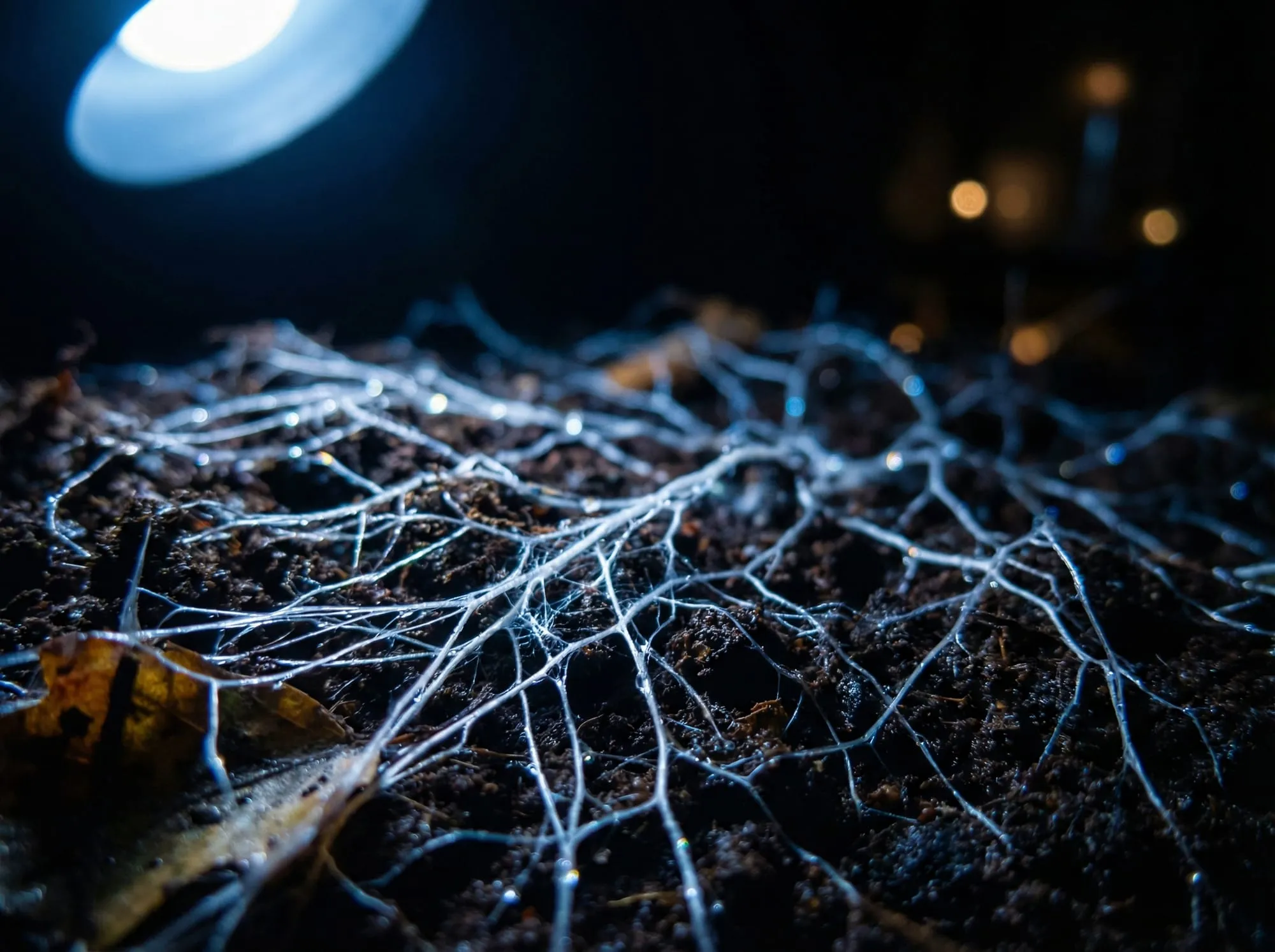
The sun emerges in the morning, clouds gather by early afternoon, and a fine drizzle arrives by evening. This cycle — which persists even through summer — ensures the soil never loses its moisture, endowing the region with a distinctive character all its own.
The hazelnut orchards are built upon this character. So is MYCOVITA.
The Black Sea's Numerical Portrait
Annual precipitation: 1,200–1,400 mm. Roughly double the national average of Turkey. In cultivated mushroom production, humidity management represents one of the most significant cost items. The Black Sea climate naturally reduces this burden.
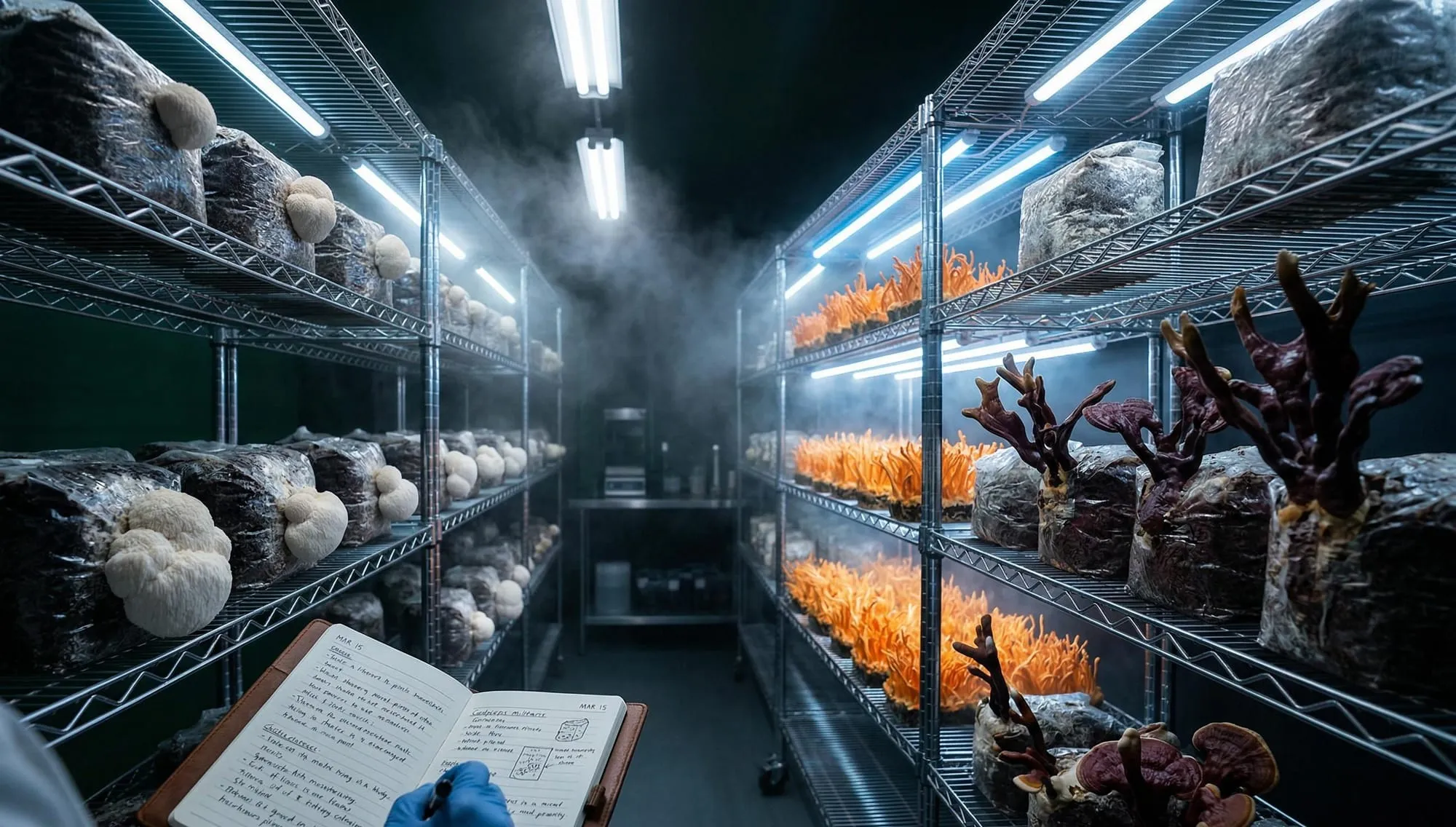
Mean annual relative humidity: 72–78%. In the growth chambers, we target 85–95%. When the outside air already sits at 72%, the additional humidification required becomes self-evidently modest.
Temperature envelope: 6°C to 28°C. A window suitable for year-round production. The absence of extremes simplifies systems engineering considerably.
These figures represent more than mere comfort — they translate directly into economic advantage. Lower energy consumption, reduced system load, and a more stable operating environment.
But Why Ordu, Why This Family?
Katya grew up in Ordu. Kemal came to know this city through her eyes — the view of the sea from Boztepe, the Friday morning market, the way the rain washes the city clean.
When MYCOVITA was being founded, the debate over location was remarkably brief. Istanbul could have been chosen — a larger market, simpler logistics. Ankara could have been chosen — closer institutional access.
Ordu was chosen. Because production is best conducted in a geography the producer knows intimately. Not in an anonymous industrial zone.
The Silent Heritage of the Black Sea Forests
The mountainous interior of the region harbors one of Turkey's richest ecosystems in terms of fungal biodiversity.
For centuries, local inhabitants have known these forests. They know which tree will host which species at its base. This knowledge is unwritten — yet it is carried forward, passed from one generation to the next.
MYCOVITA is not an institution with a direct ancestral link to this body of knowledge. But to root oneself in the same soil, to receive the same rain, to produce in the shadow of the same forests — that carries meaning.
Our reference points are near at hand. The natural habitats calibrate the cultivation.
Long-Term Vision: Ordu Could Become a Hub
This claim may sound ambitious. But the geography makes it possible.
The Black Sea region could support multiple producers of functional mushrooms. A shared analytical infrastructure, shared training programs, a shared resource pool. A single city and region can be sufficient to fill the gap in Turkey's functional mushroom sector — provided the foundations are laid correctly.
MYCOVITA is working to lay those foundations.
Someone had to begin. We have begun.
Mycelium Library No.30 | MYCOVITA — Ordu, Black Sea
MYCOVITA products are food products. They do not claim to treat, prevent, or cure any disease. If you have a health concern, consult your physician.
You May Also Be Interested In
→ Can Mushrooms Produced in Turkey Be Trusted?
→ Functional Mushroom Production in Turkey
→ The Functional Mushroom Market in Turkey
Quality and Production — Related Resources
A structured content cluster covering every stage of the functional mushroom production chain:
- What Is Substrate? — Grain and wood-based substrate fundamentals.
- Certified Mycelium — Spawn source is critical.
- Strain and Intraspecific Variation — The impact of the genetic line.
- Mycelium vs. Fruiting Body — Differences in compound profiles.
- Low-Heat Drying — The science of the 42–45°C threshold.
- Extraction Methods — Hot water, ethanol, dual extraction.
- Beta-Glucan Measurement — Megazyme and other analytical methods.
- Reading a COA — How to read a certificate of analysis.
- Contamination and Mycotoxins — Safety protocols.
- Black Sea Climate — The geographical advantage.
- Storage — Shelf life and quality preservation.
This content is for informational purposes only and does not constitute medical advice. Consult your physician before making any health-related decisions. Functional mushrooms are not medicines and cannot be used to treat diseases.
Version: 1.0 | Last updated: 20 Apr 2026 | Number of sources reviewed: 5+ | Method: Editorial Policy | References: Bibliography