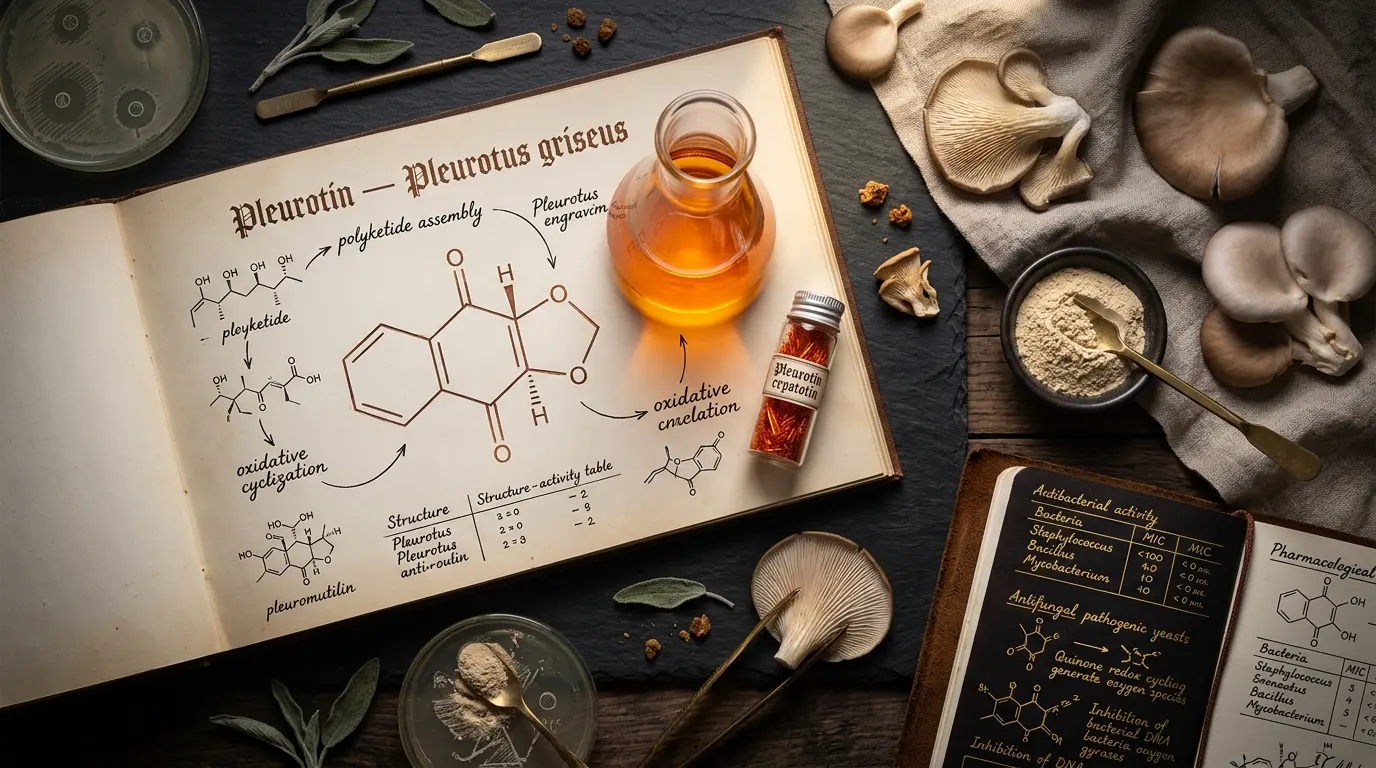
Pleurotin: The Oyster Mushroom’s Antibiotic Compound
Pleurotin is a terpenoid natural product obtained from fungi of the genus *Pleurotus* (oyster mushrooms). It functions by inhibiting prokaryotic protein synthesis, a mode of action that has established its significance in antibiotic discovery programs. The compound’s molecular architecture features
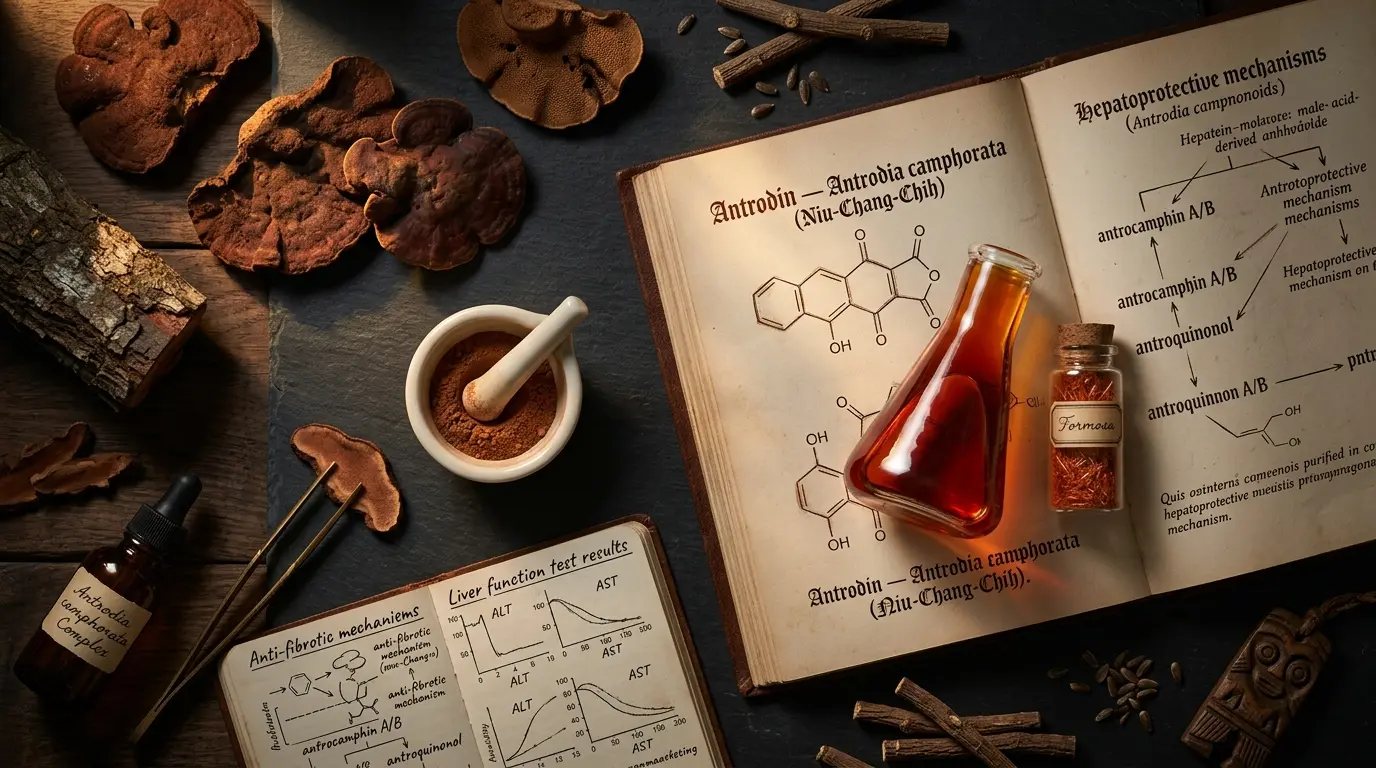
Antrodin: Unlocking the Hepatoprotective Power of Antrodia camphorata
Antrodin designates a class of maleic acid and succinic acid derivatives isolated from *Antrodia camphorata*, a basidiomycetous fungus endemic to Taiwan. Pharmacological investigations have focused principally on their hepatoprotective activity, with experimental data indicating significant liver‐pr
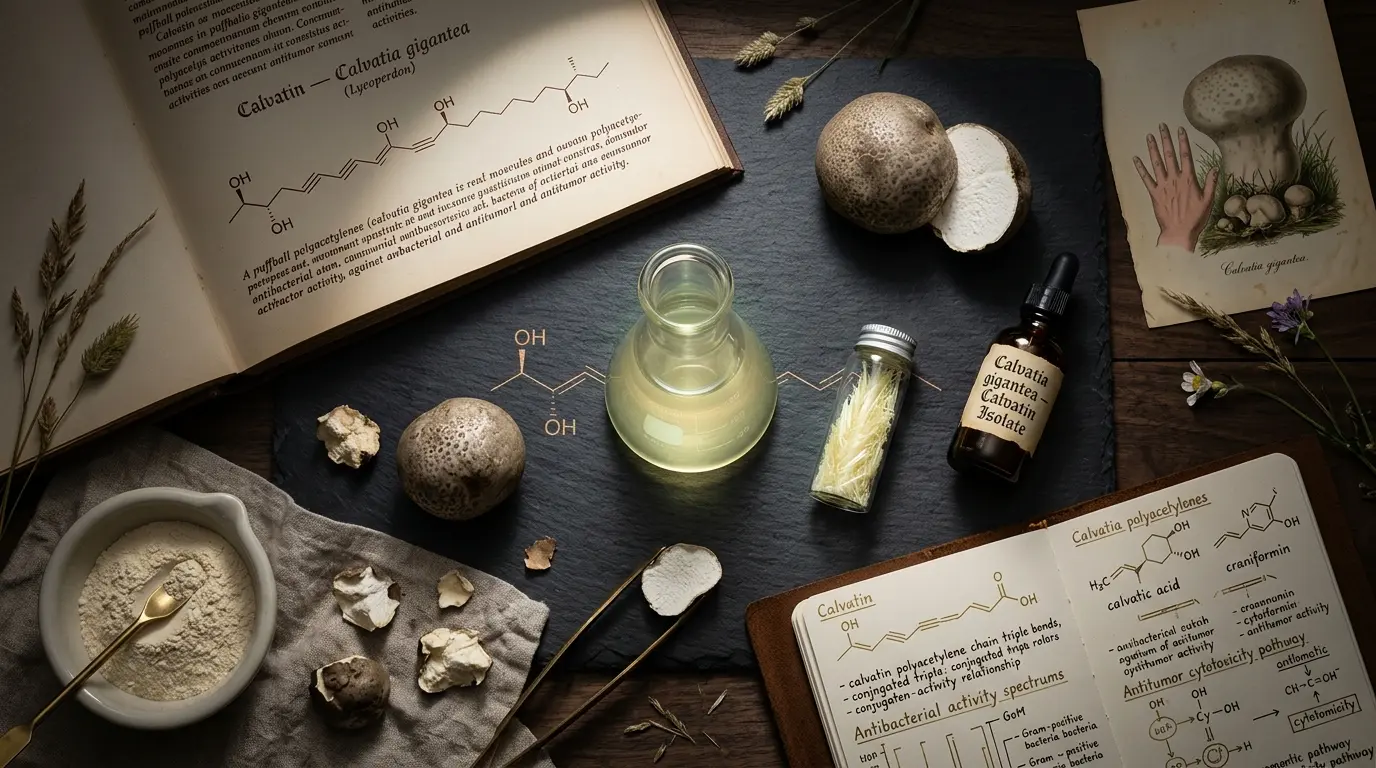
Calvatin: The Principal Bioactive Molecule of the Puffball Fungus
Calvatin is a glycoprotein derived from puffball fungi of the genera *Calvatia* and *Lycoperdon*. Early investigations focused on its antitumor properties, and subsequent studies have characterized its molecular structure, documented its isolation history, and reported associated biological activiti
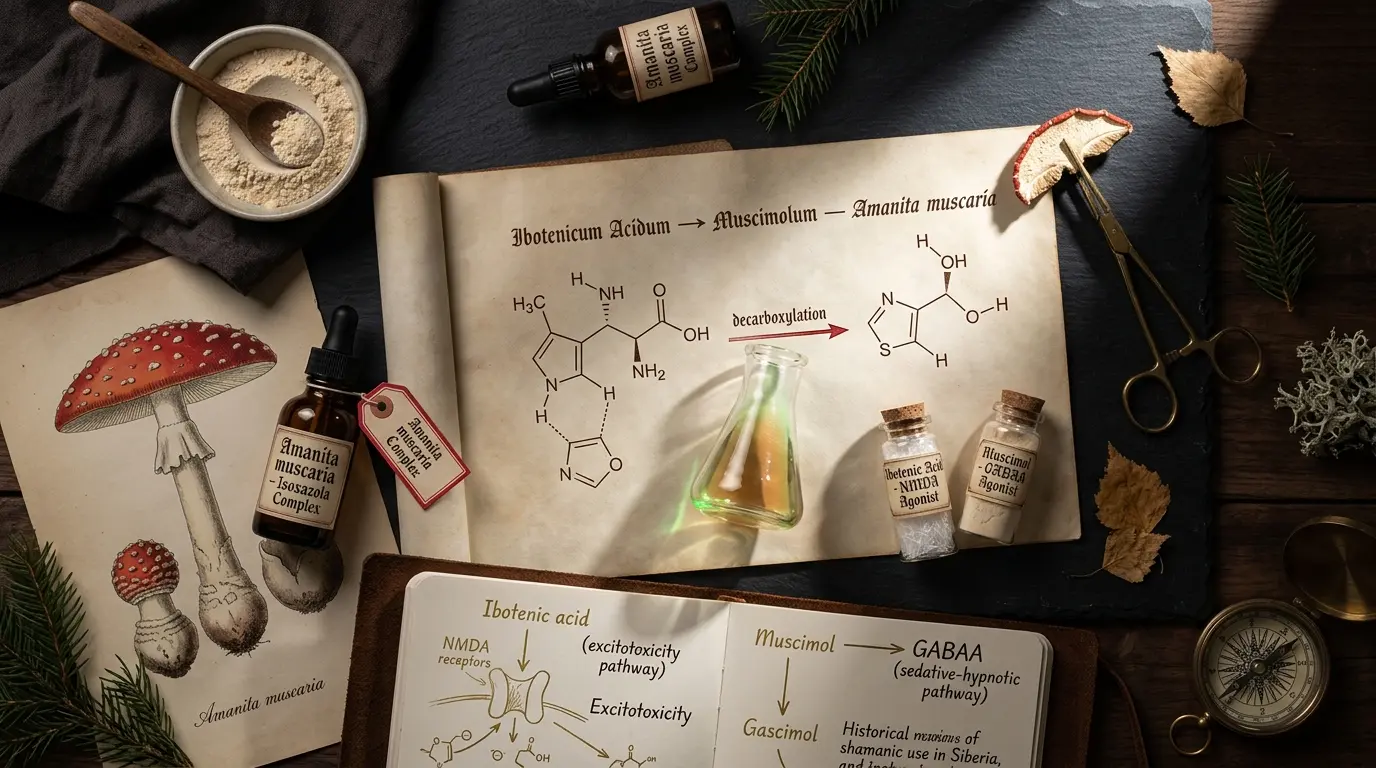
The Neurochemistry of Fly Agaric: Ibotenic Acid and Muscimol
The psychoactive properties of *Amanita muscaria* are primarily attributed to two key compounds: ibotenic acid and muscimol. The central mechanism of action involves the modulation of GABA receptors, following the metabolic decarboxylation of ibotenic acid into the highly potent muscimol.
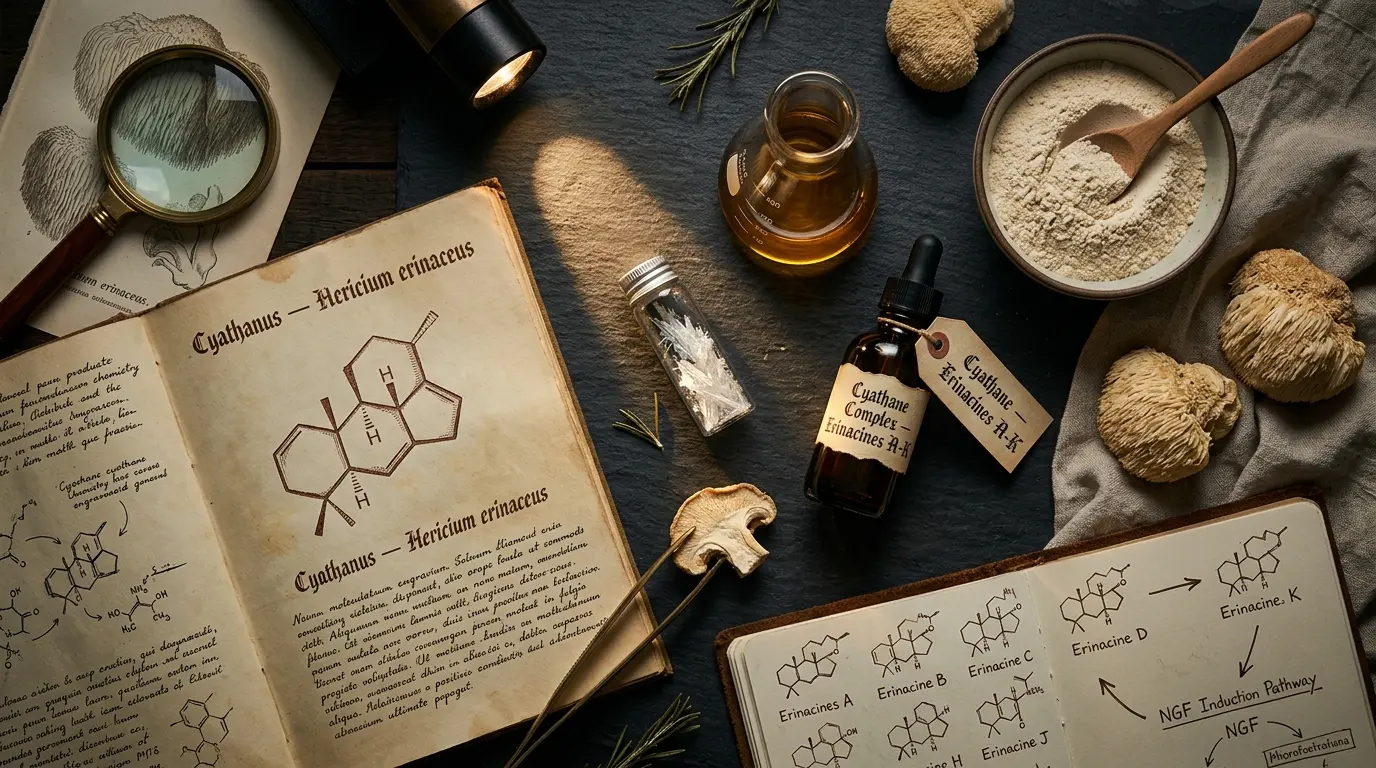
Cyathane Diterpenoids: The Overlooked Bioactive Lineage in Lion’s Mane
Hericenones and erinacines, the compounds primarily responsible for the neurotrophic activity of *Hericium erinaceus*, belong to the broader cyathane diterpenoid family—a class distinguished by its remarkable structural diversity and potent bioactivity.
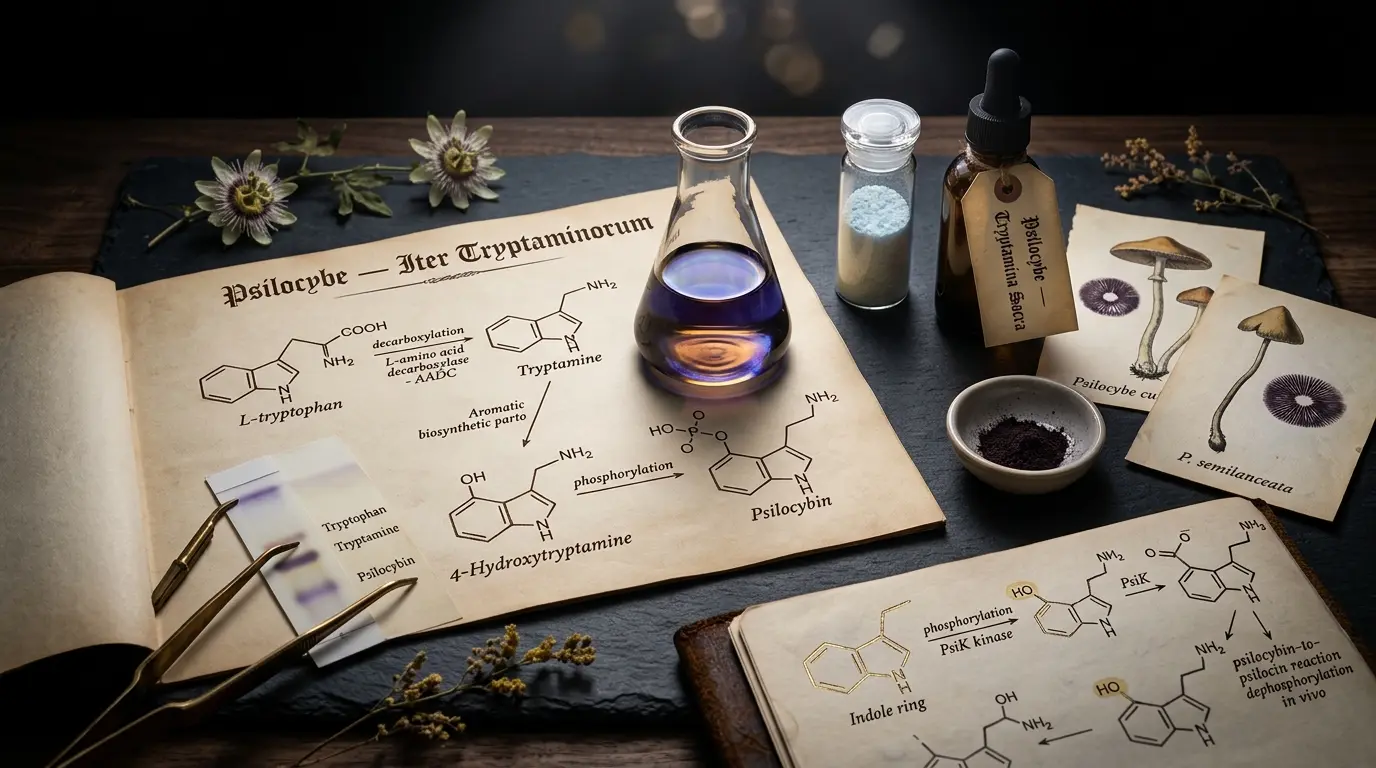
Psilocybin Biosynthesis: Unraveling the Tryptamine Pathway in Mushrooms
Psilocybin is a naturally occurring indole alkaloid derived from the tryptophan biosynthetic pathway. In psilocybin-producing fungi, a dedicated gene cluster encodes a coordinated set of enzymes that govern the stepwise conversion of tryptophan into the final active compound.
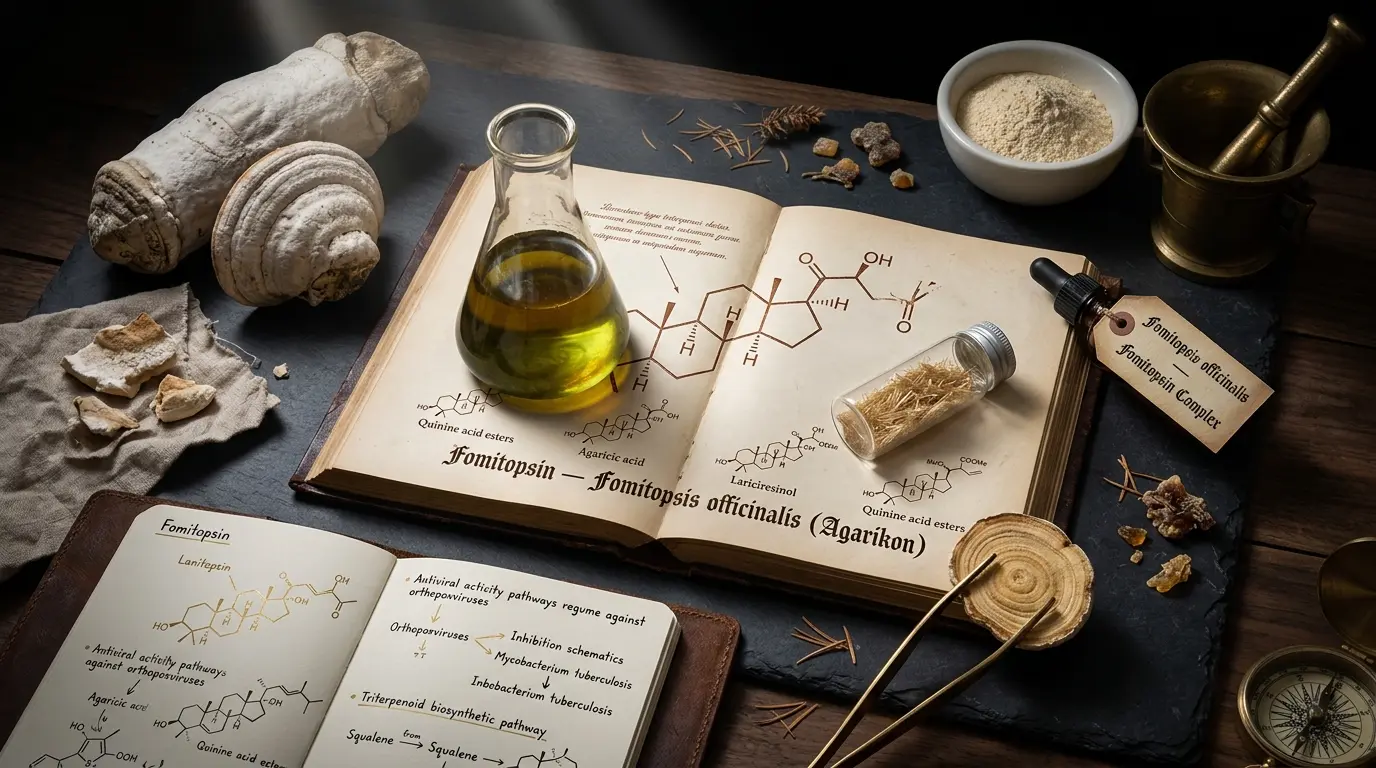
Fomitopsin: The Triterpenoid Profile of Agarikon (Fomitopsis officinalis)
Agarikon (Laricifomes officinalis) is distinguished by a suite of triterpenoid compounds, most notably fomitopsin, that have attracted interest in antiviral research. Its chemical profile encompasses these bioactive triterpenes alongside other secondary metabolites, which are being examined for thei
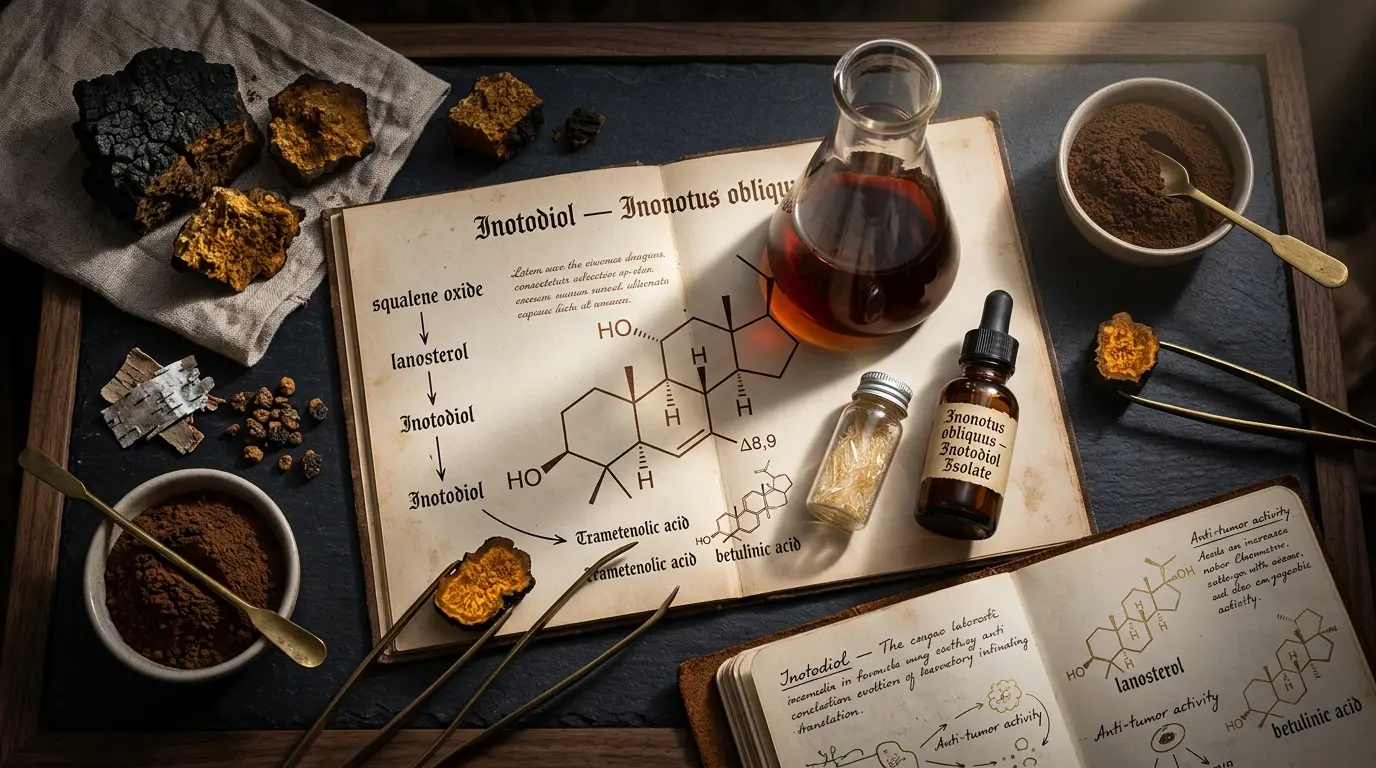
Inotodiol: A Bioactive Lanostane Triterpenoid from Chaga
Inotodiol is a prominent lanostane-type triterpenoid isolated from the chaga mushroom, *Inonotus obliquus*. This entry reviews its chemical structure, the principal methods employed for its isolation, and the body of research concerning its biological activity.
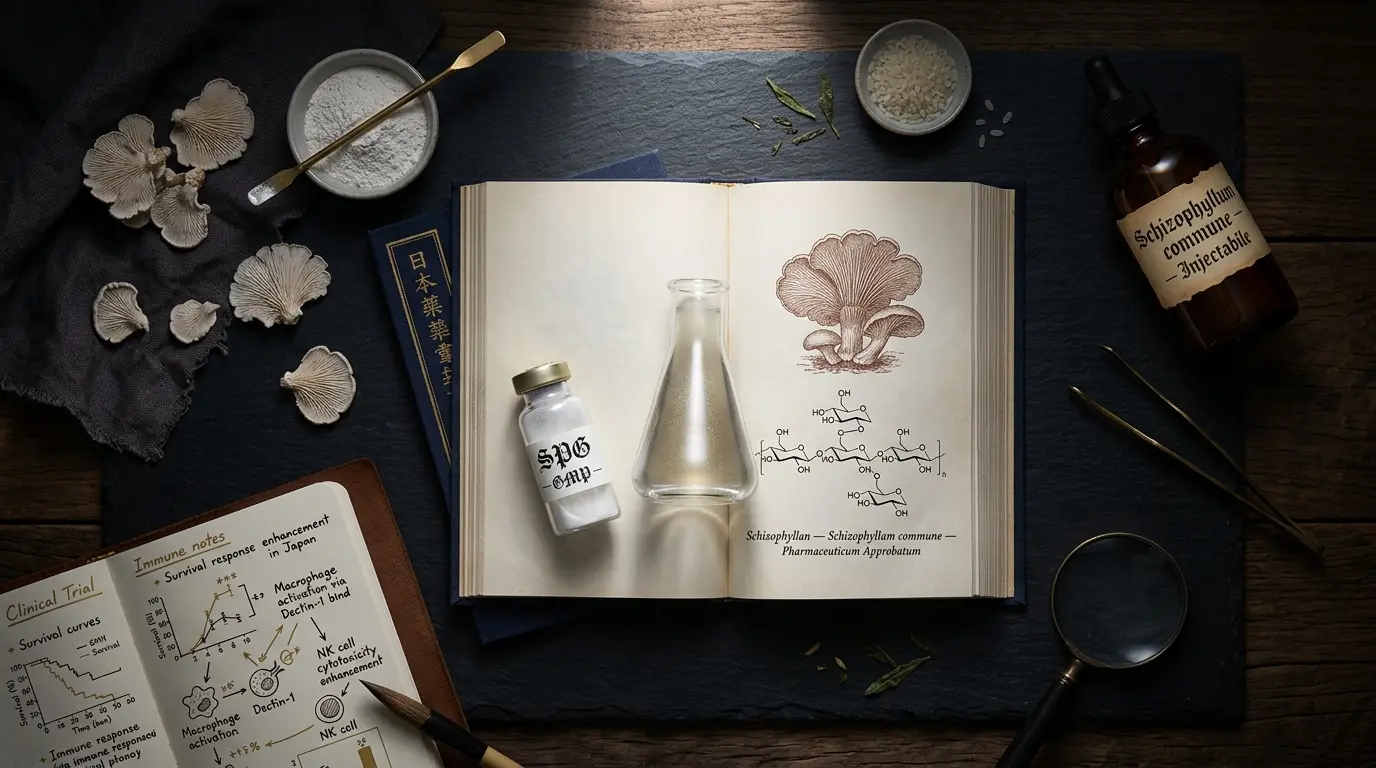
Schizophyllan (SPG): The Japanese-Approved β-Glucan
Schizophyllan (SPG), a beta-glucan extracted from the basidiomycete fungus *Schizophyllum commune*, is the only beta-glucan formulation approved for inclusion in select oncology protocols in Japan. The following section outlines its clinical development and mechanism of action.
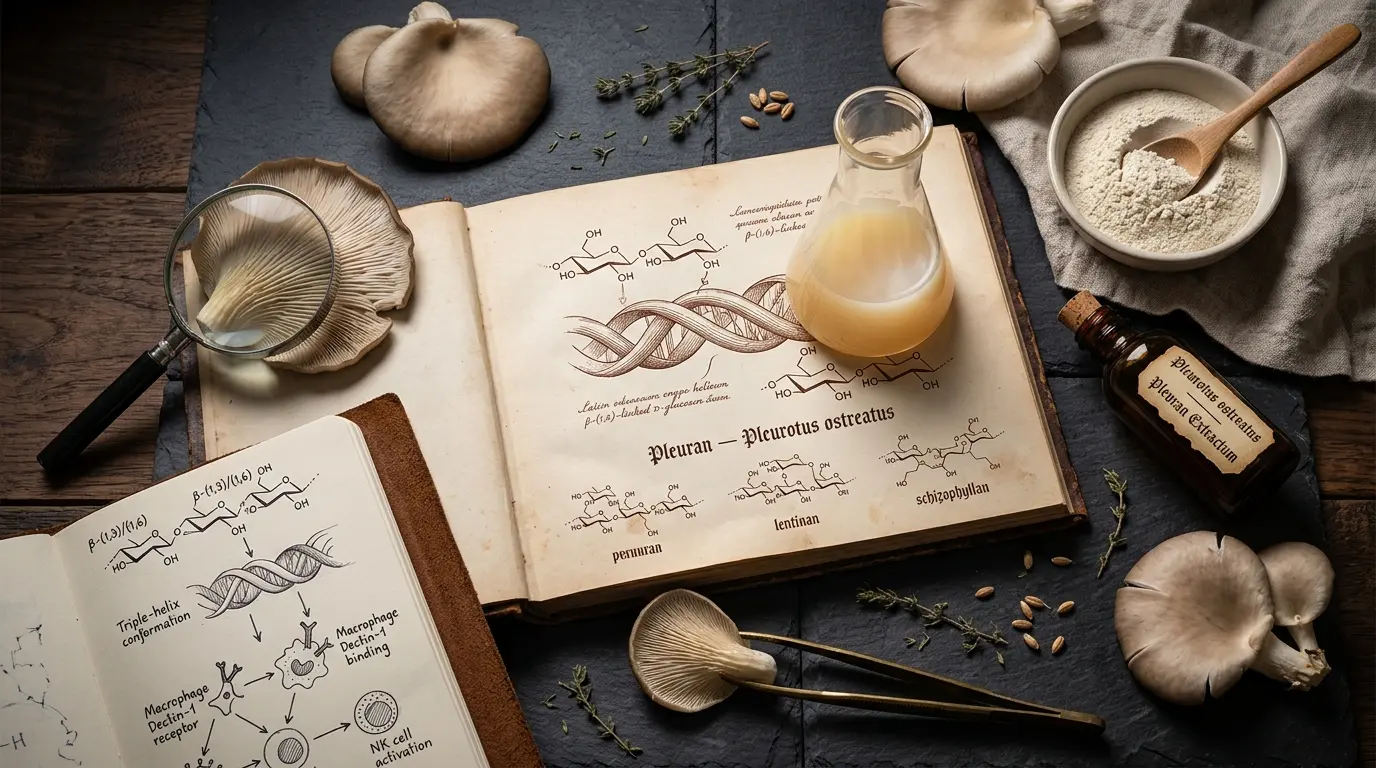
Pleuran: Unraveling the Beta-Glucan Profile of Oyster Mushrooms
Pleuran is a β-(1,3)/(1,6)-glucan isolated from the oyster mushroom (Pleurotus ostreatus). It has drawn particular attention in respiratory tract research. The present article addresses its structural features and immunological activities.