Adipose Tissue and Mushroom-Derived Compounds: A Review of the Adipogenesis Literature
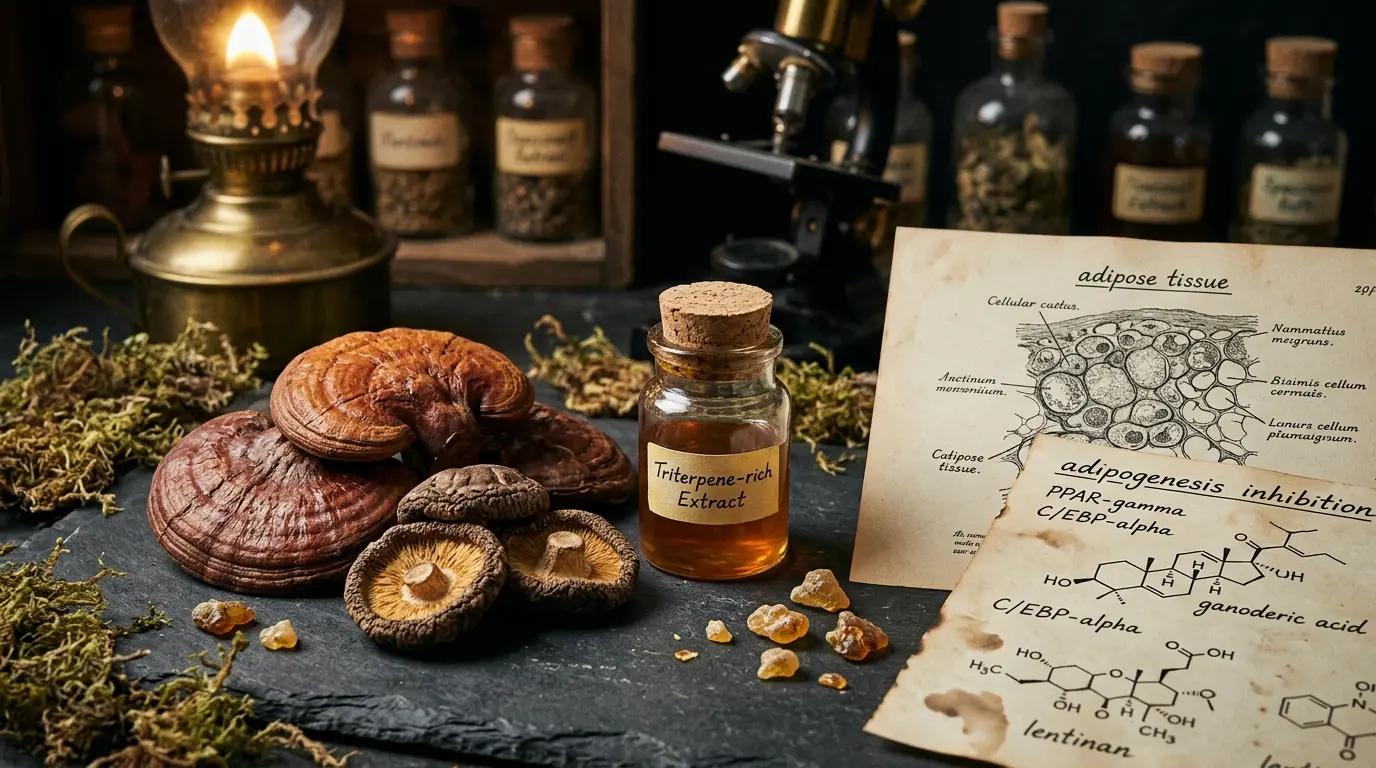
Adipose tissue functions as a dynamic endocrine organ rather than a passive lipid reservoir. This article outlines the in vitro literature on white, brown, and beige adipocyte subtypes and their interactions with bioactive fungal constituents.
Pancreatic Beta Cells and Fungal Polysaccharides: A Review of the Literature
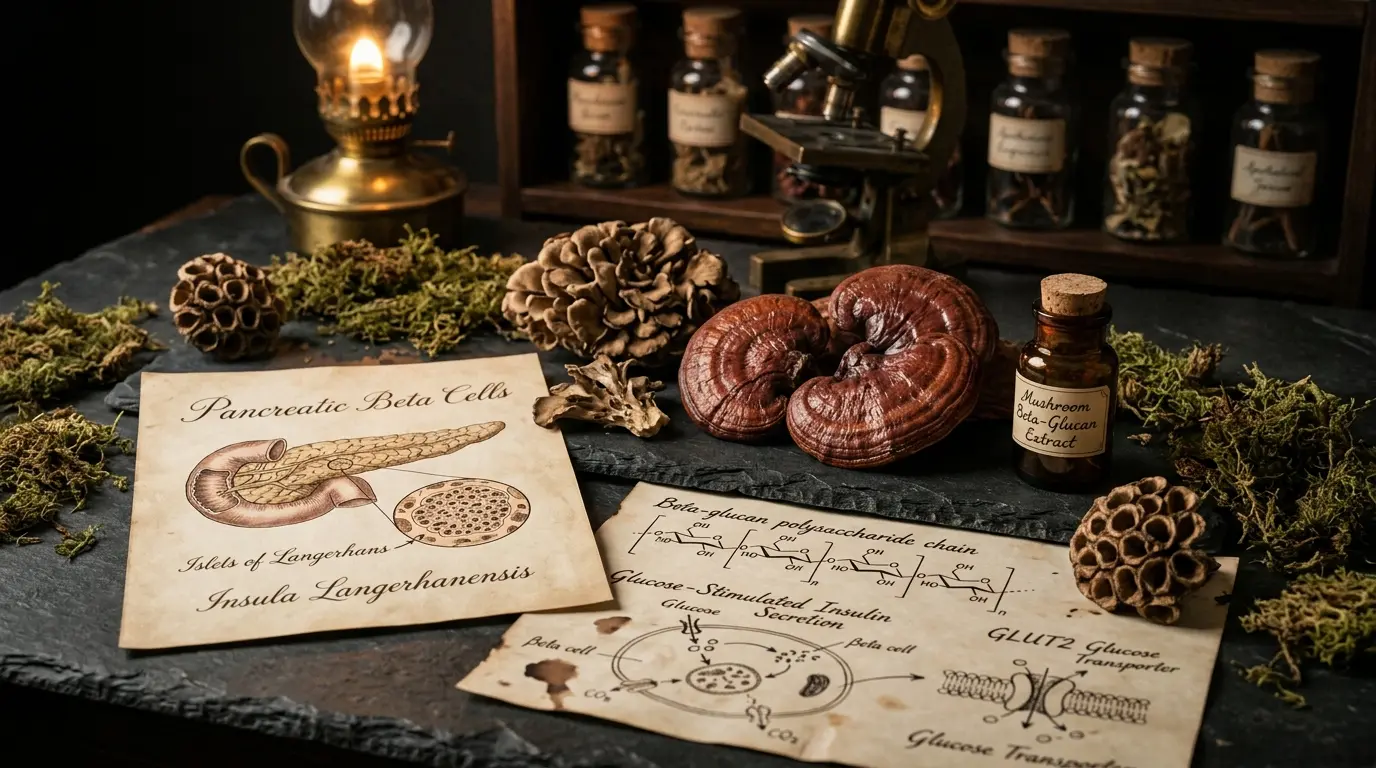
The architecture of pancreatic β-cells, the molecular biology of insulin, and the treatment of fungal polysaccharides in the in vitro cell culture literature.
Reishi and Cordyceps: A Comparative Analysis of Adaptogenic Properties
Reishi and Cordyceps represent two distinct chemical identities: the triterpenoid-rich profile of Ganoderma lucidum contrasts with the nucleoside-dominated chemistry of Cordyceps species, yielding divergent frameworks of traditional use and sharply differing in vitro research landscapes.
Tremella vs. Hyaluronic Acid: Comparing Their Moisture Retention Power
Tremella polysaccharide and hyaluronic acid are structurally distinct yet functionally analogous humectant polymers. This overview examines their chemical nature, biological origins, and application contexts.
Shiitake versus Turkey Tail: A Comparative Analysis of Polysaccharide Profiles
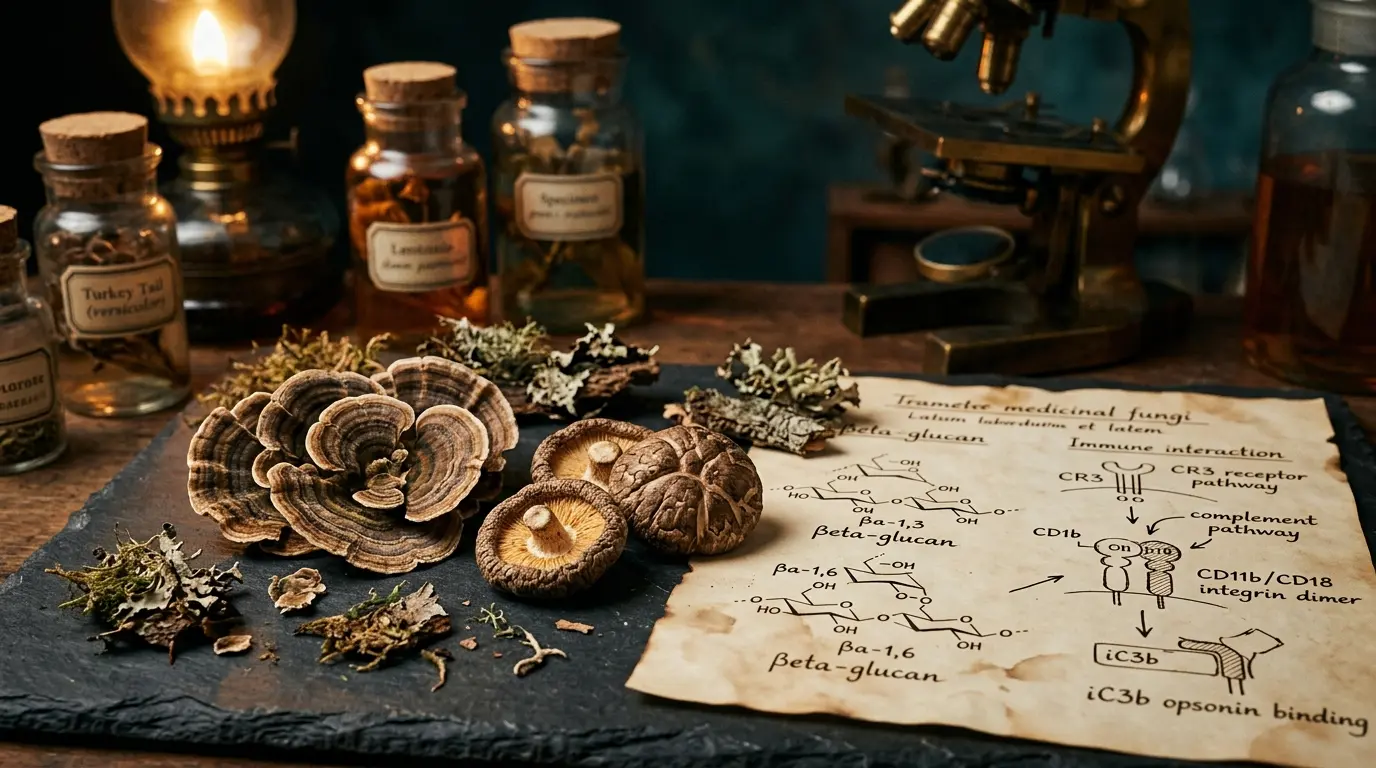
Comparative Polysaccharide Profiles of Shiitake and Turkey Tail: Structural and Clinical Distinctions between Lentinan and the PSK/PSP Complex
Maitake versus Reishi: A Comparative Analysis of Beta-Glucan and Triterpene Profiles
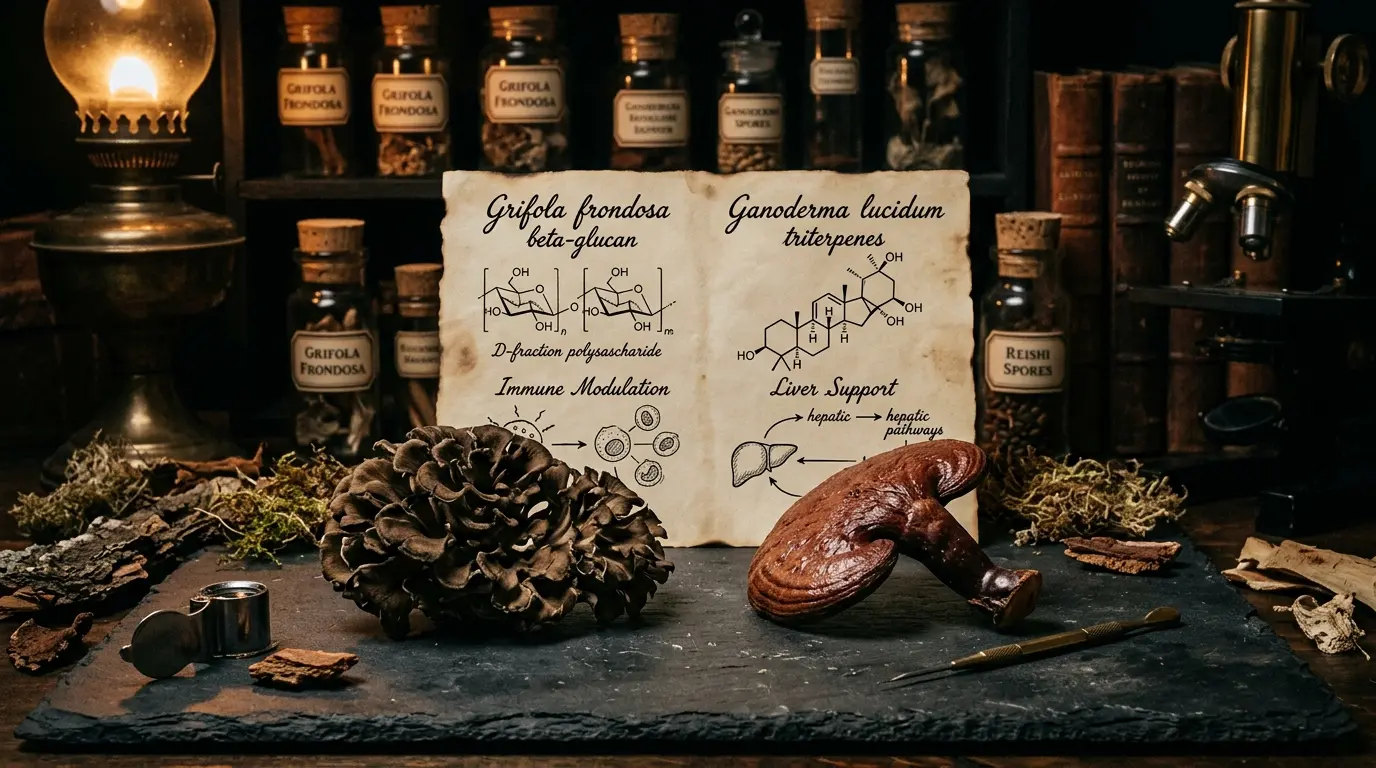
The polysaccharide and triterpene profiles of Maitake (Grifola frondosa) and Reishi (Ganoderma lucidum) exhibit distinct chemotaxonomic signatures that underpin their divergent applications. Maitake’s hallmark β-glucan proteoglycan, the D-fraction, contrasts with Reishi’s array of ganoderic acids, a
Cognitive and Energy Profiles of Lion’s Mane and Cordyceps: A Comparative Analysis
The distinct chemical signatures and principal in vitro investigative themes of Lion’s Mane (Hericium erinaceus) and Cordyceps (Cordyceps sensu lato) are examined through the lens of their hallmark bioactive constituents: the hericenone–erinacine complex versus the cordycepin–adenosine axis.
CR3 and β-Glucan Recognition: A Survey of the Complement Pathway Literature
The second principal pathway for β-glucan recognition is mediated by complement receptor 3 (CR3). This section addresses the receptor’s architecture, the function of its lectin domain, its engagement with the complement system, and the body of in vitro evidence.
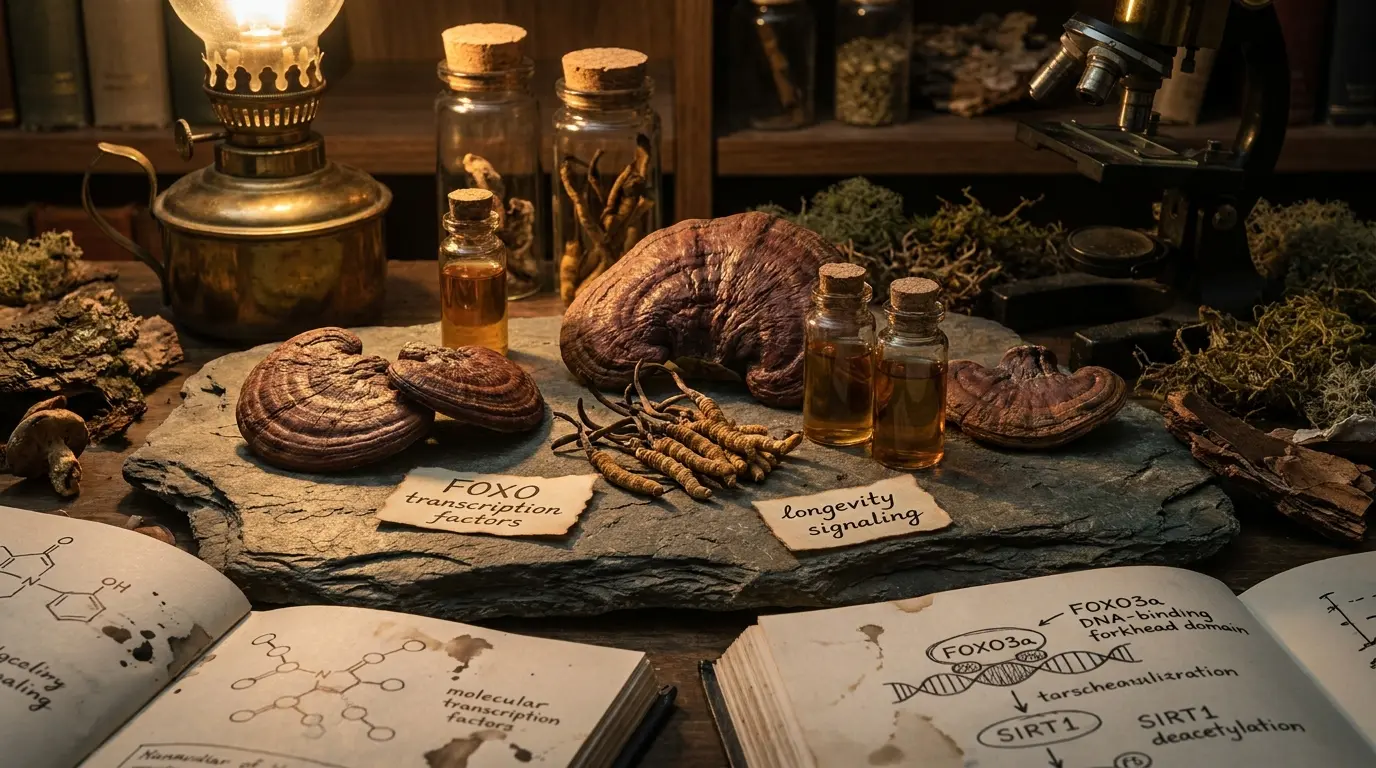
FOXO Transcription Factors and Mushroom-Derived Compounds: A Comprehensive Review of the Longevity Literature
FoxO transcription factors occupy a critical node where cellular stress responses converge with the mechanisms governing longevity. Their signaling pathway architecture and in vitro interactions with fungal constituents are examined.
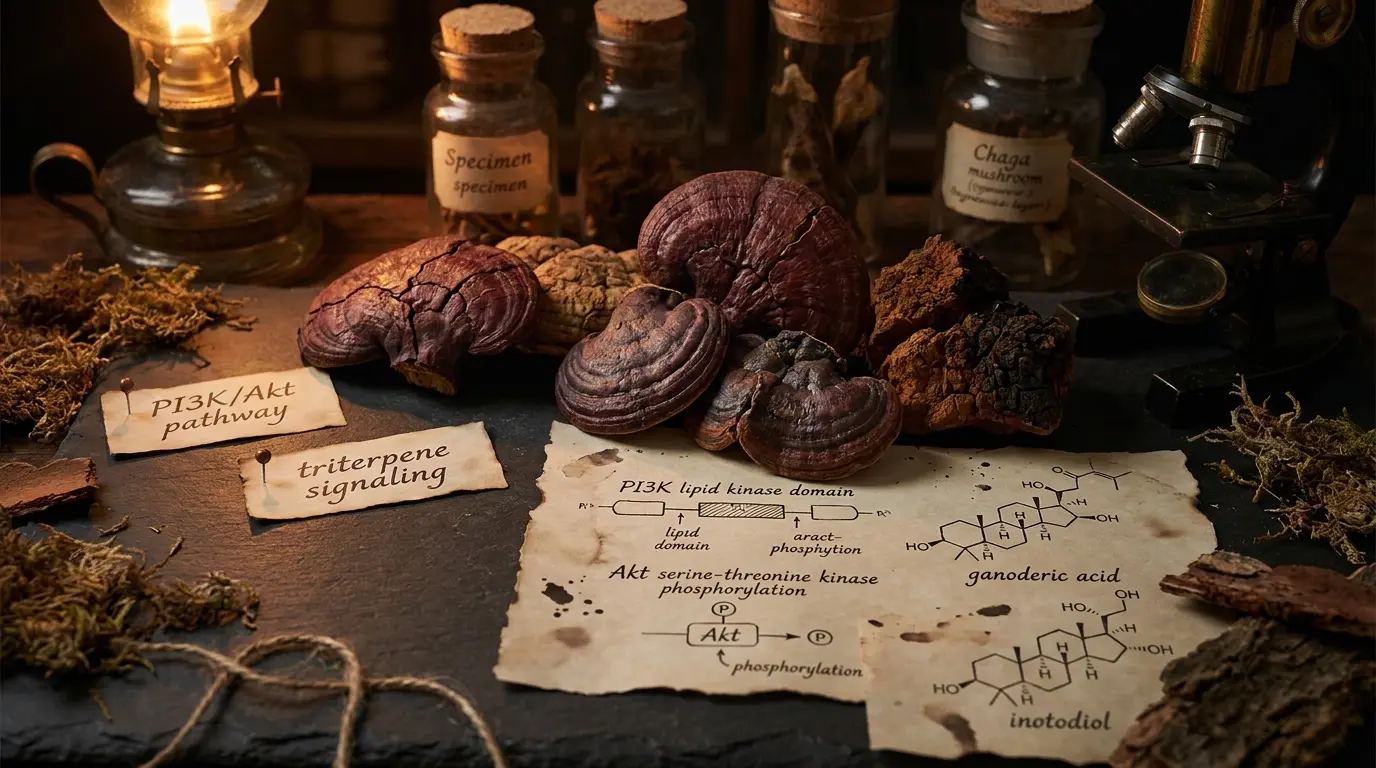
PI3K/Akt Signaling: The Landscape of Fungal Triterpenoid Research
The PI3K/Akt signaling axis functions as a master regulator of cell growth and survival. This entry examines the architectural organization of the pathway, its *in vitro* interaction with fungal triterpenes, and the methodological limitations that constrain current interpretations.