Thirty-Day Reishi Antler Regimen: Tracking the Adaptogenic Response Curve
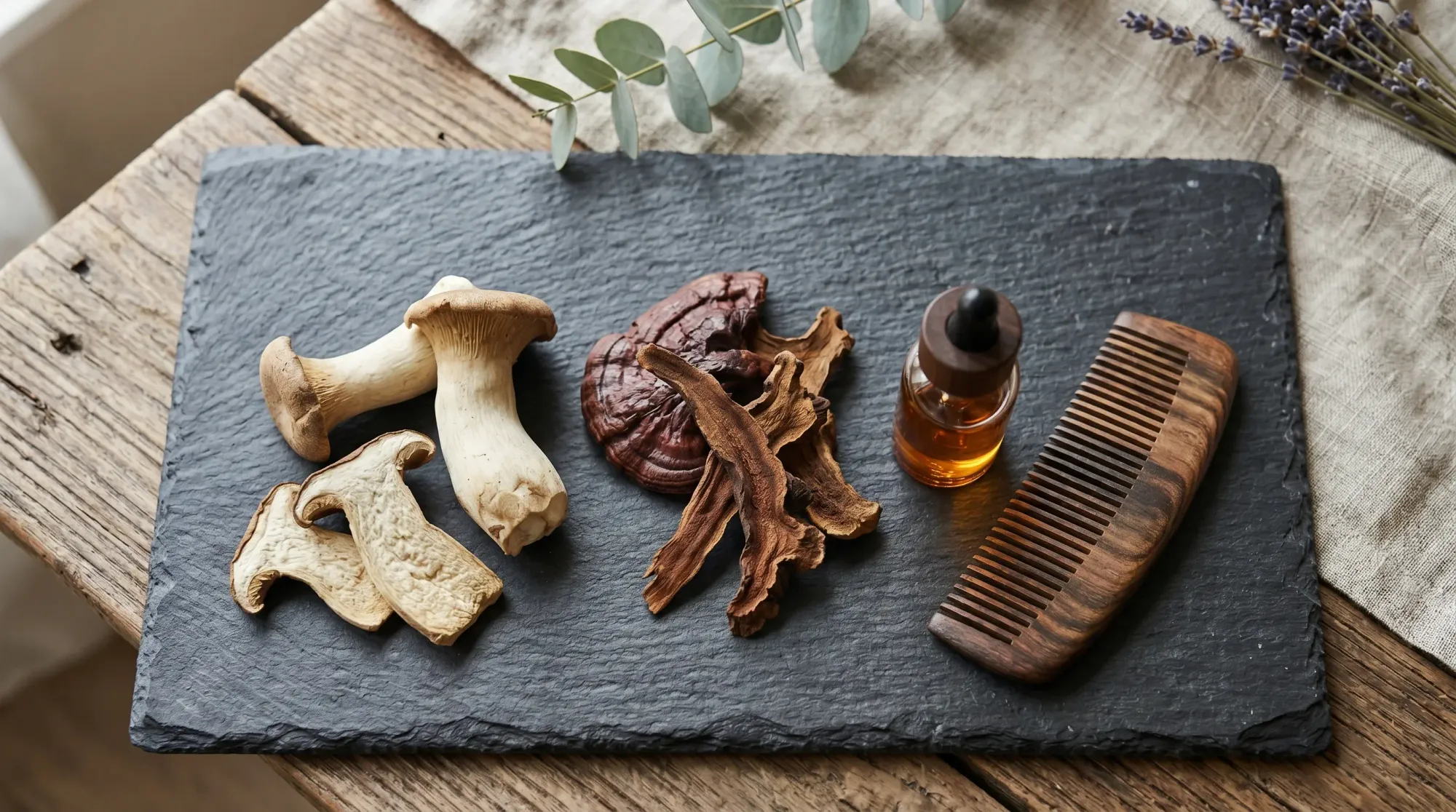
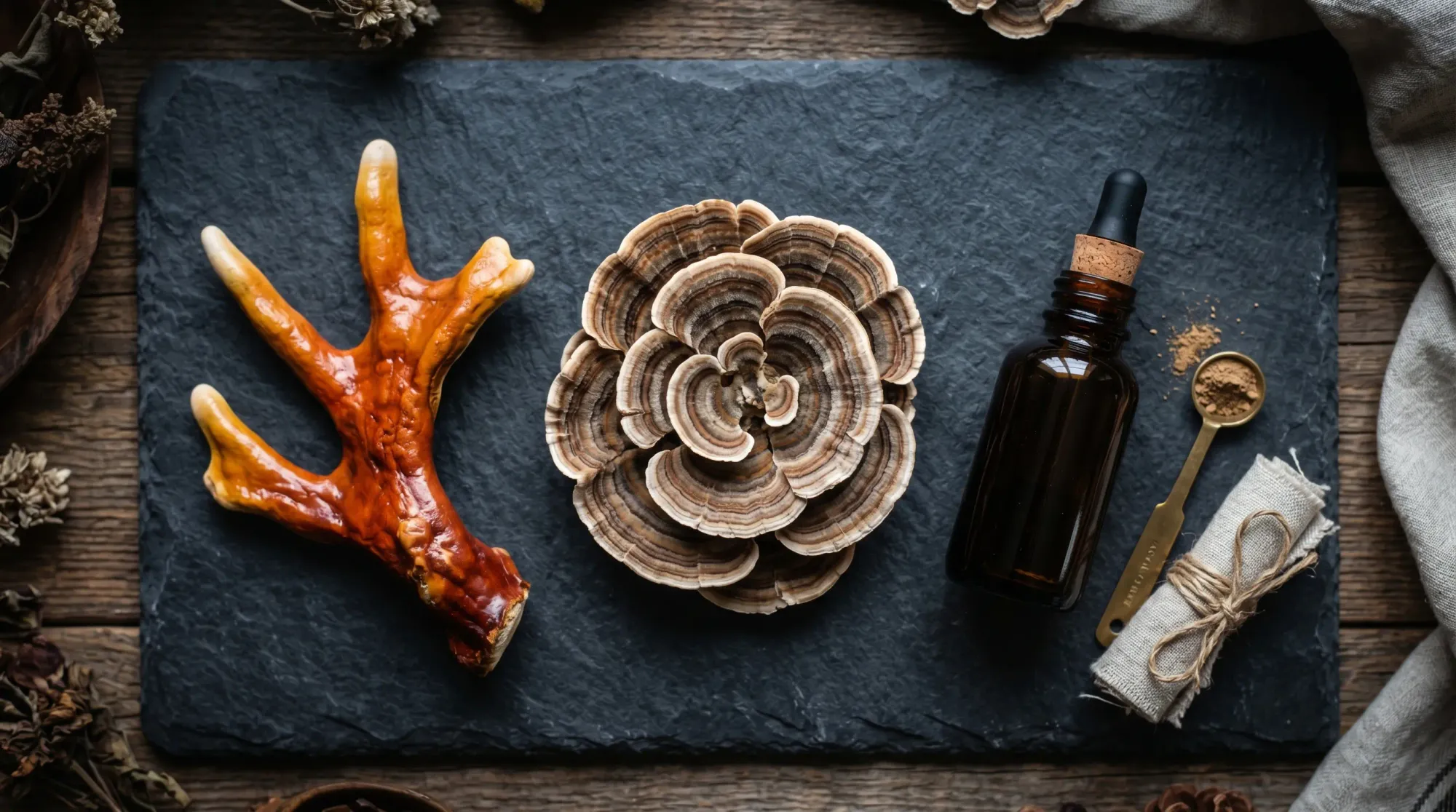
The antler morphotype of Reishi (Ganoderma lucidum) displays a significantly different concentration of ganoderic acids compared to the conventional cap-shaped fruiting body.
A Guide to the Use of Functional Mushrooms in Older Adults
In geriatric populations, initiating treatment with adaptogenic agents—such as certain mushroom-derived compounds—at low doses improves tolerability and supports gradual physiological adaptation.
Functional Mushrooms and Drug Interactions: A Comprehensive Safety Guide
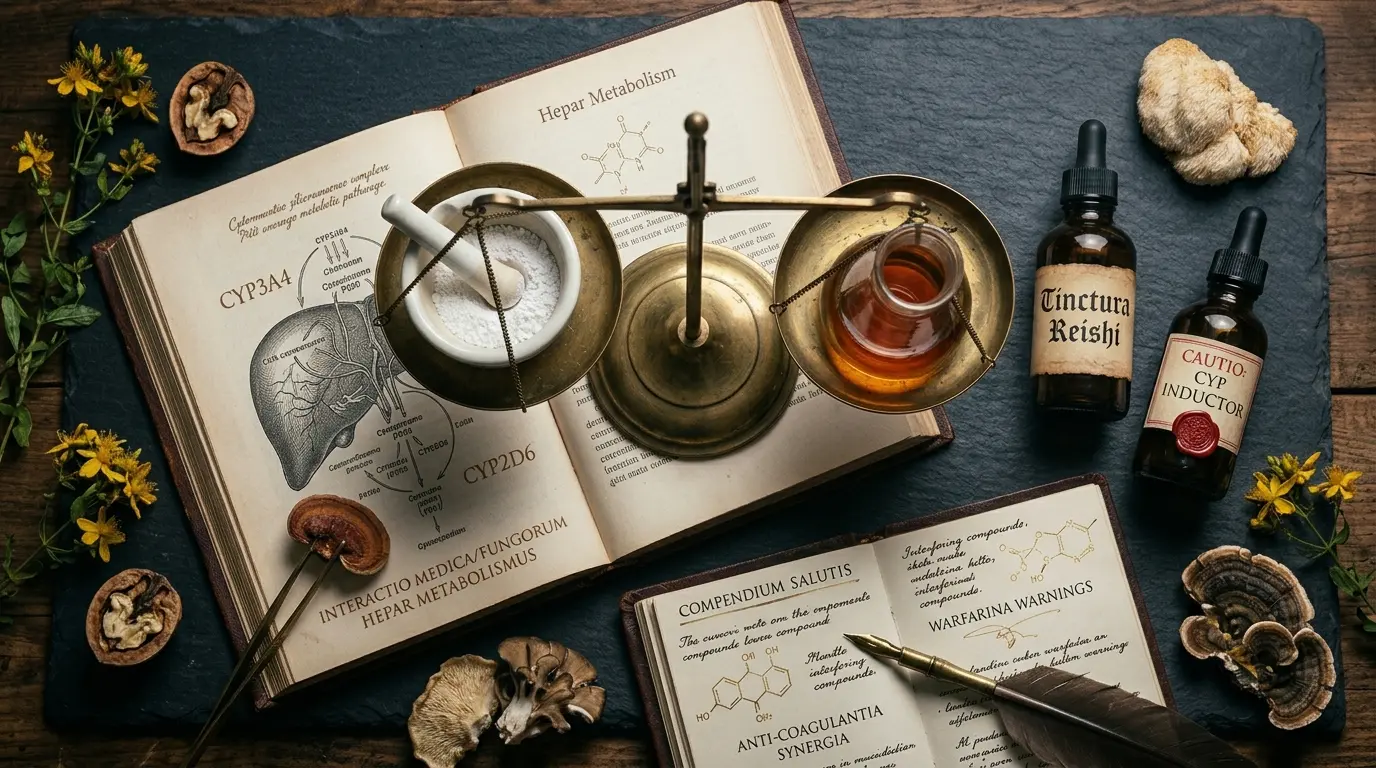
Certain bioactive compounds present in functional mushrooms may modulate drug metabolism through interactions with the cytochrome P450 enzyme system.
The B-Vitamin Composition and Natural Source Profile of Mushrooms
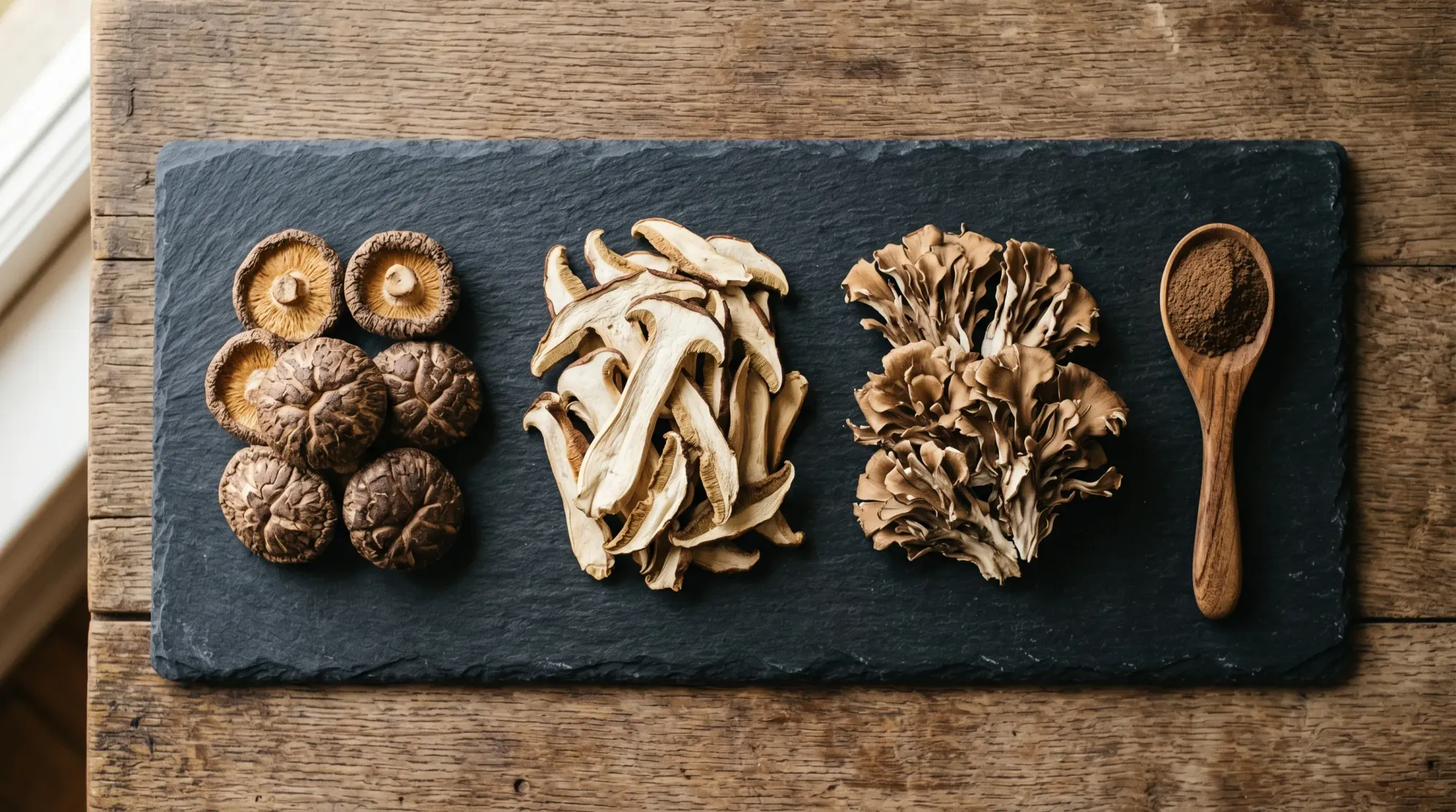
Mushrooms are an abundant source of B-complex vitamins, a group of nutrients seldom found in significant quantities within plant-derived foods.
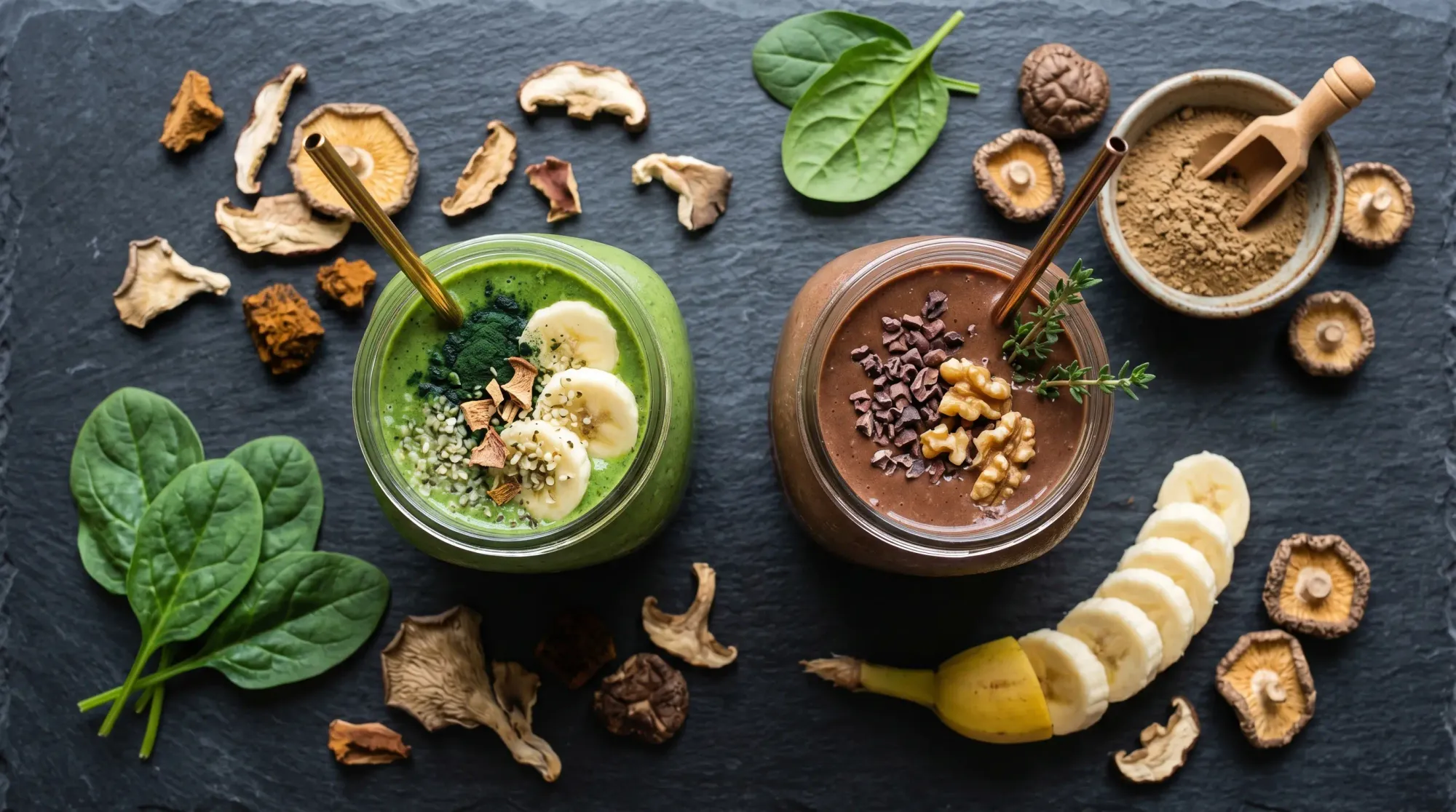
A Comprehensive Guide to Crafting Four Functional Mushroom Smoothies
The bioavailability of mushroom polysaccharides is significantly enhanced when they are administered with lipid-based carriers.
Fungi and Hair Health: The Scientific Mechanisms Explained
The perifollicular microvascular network is among the structures most susceptible to oxidative stress.
Fungal Cholesterol Research: Lovastatin and Beta-Glucan from Mushrooms
Oyster mushrooms (genus *Pleurotus*) biosynthesize lovastatin, a naturally occurring statin that was first isolated from the fungus *Aspergillus terreus* and became the molecular template for the modern class of cholesterol-lowering drugs. Lovastatin acts as a competitive inhibitor of 3-hydroxy-3-me
The Definitive Guide to Mushroom-Based Nootropic Stacks for Cognitive Enhancement
Bioactive compounds isolated from three distinct fungal species act upon separate mechanistic pathways in studies investigating cognitive performance.
Functional Mushrooms in Autoimmune Disorders: An Evidence-Based Perspective
Beta-glucans are a focal point of immunological research due to their ability to modulate, rather than merely stimulate, the immune system, thereby promoting homeostatic balance.