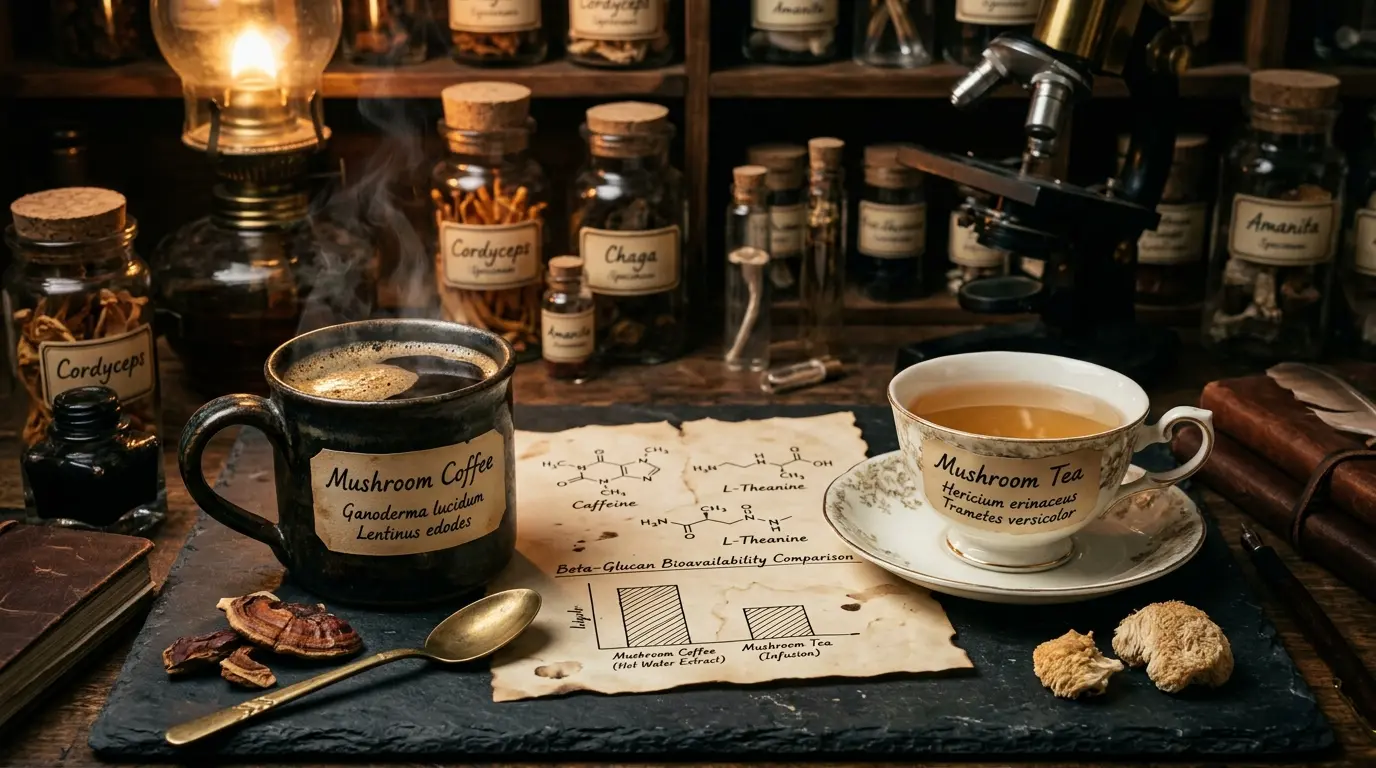
Mushroom Coffee vs. Mushroom Tea: A Definitive Comparative Guide
The bioavailability of mushroom-derived polysaccharides is highly dependent on both the temperature applied during processing and the carrier medium used.
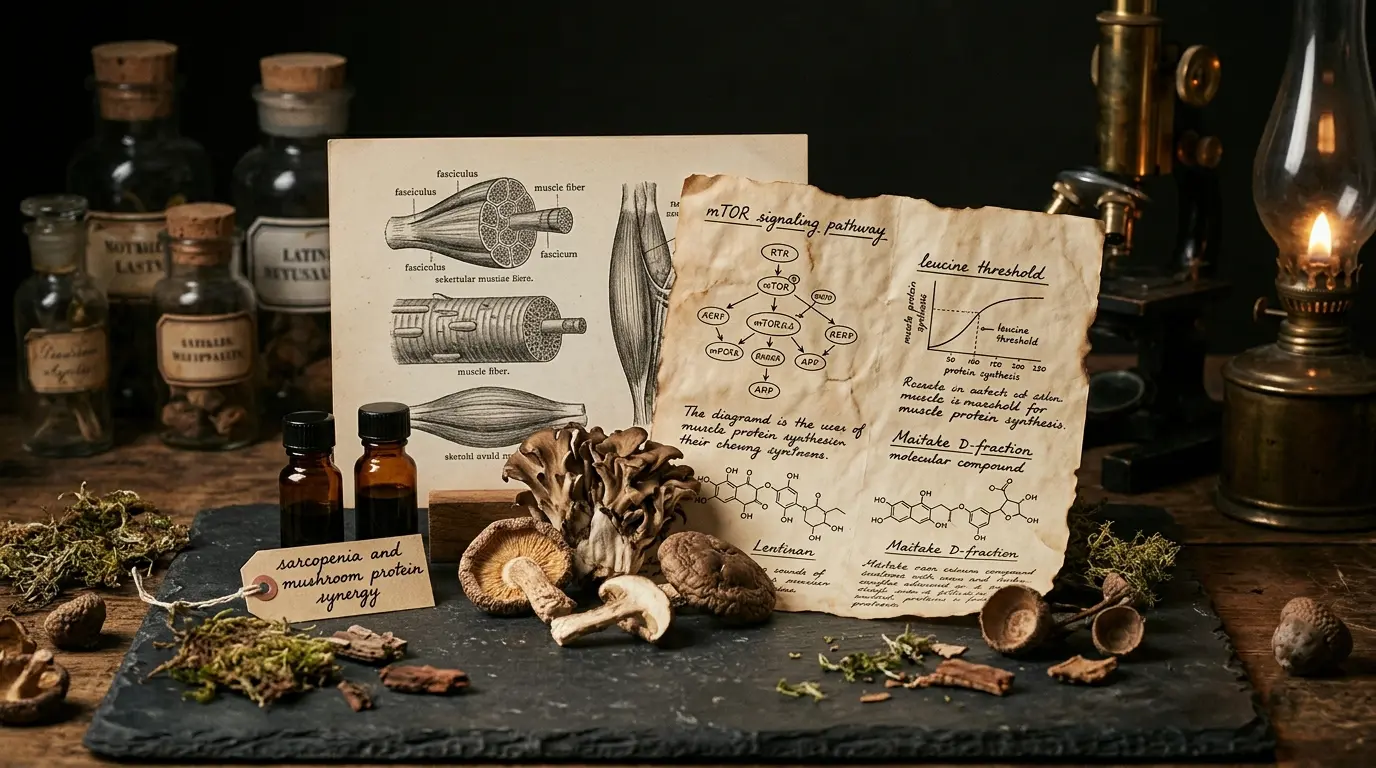
Sarcopenia in Older Adults: Unlocking the Synergistic Power of Protein and Mushroom Bioactives
Sarcopenia, the progressive loss of skeletal muscle mass and strength occurring after the sixth decade of life, constitutes a significant public health challenge. This review assesses the current literature on the anti-inflammatory properties of mushroom polysaccharides and their potential to enhanc
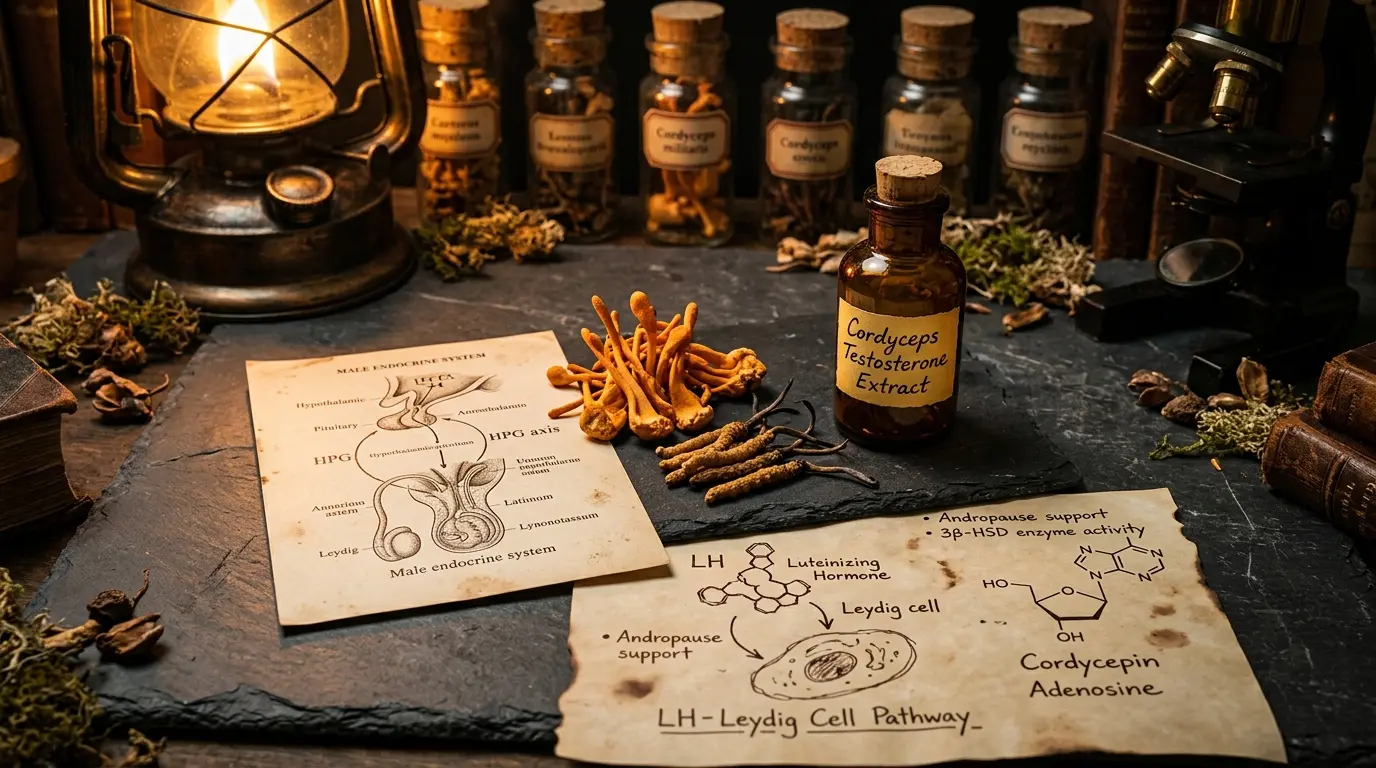
The Cordyceps-Andropause Connection: A Review of Testosterone Literature
The age-related decline in testosterone biosynthesis in men has directed scientific attention toward the medicinal fungus Cordyceps, with experimental evidence pointing to a mechanistic pathway that involves stimulation of Leydig cells and modulation of the cyclic adenosine monophosphate (cAMP) sign
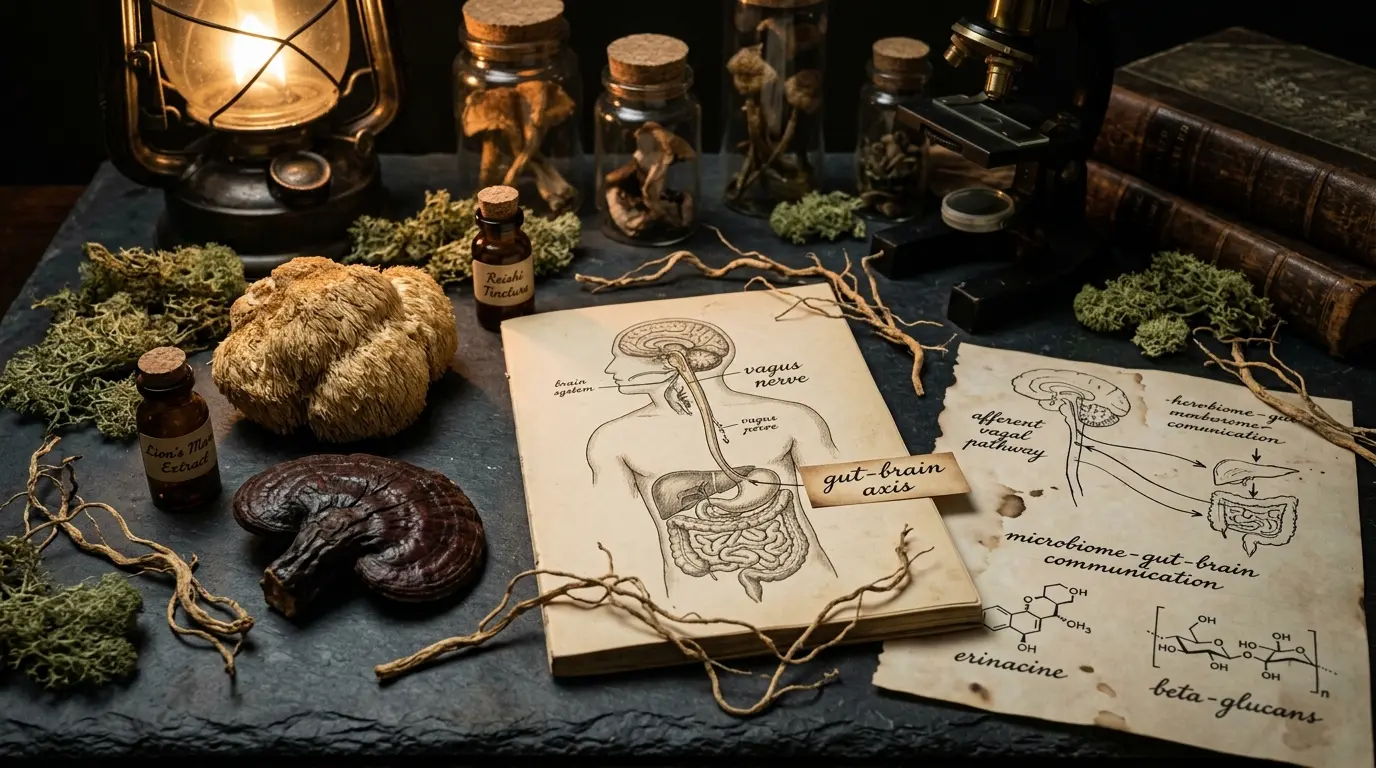
Vagus Nerve Signaling and Fungal Bioactives: Mapping the Gut-Brain Axis Literature
The vagus nerve serves as the principal neural conduit between the gut and the brain. As a key component of the autonomic nervous system, it plays a central role in mediating interactions with the gut microbiome, including its fungal constituents, as documented in the scientific literature.
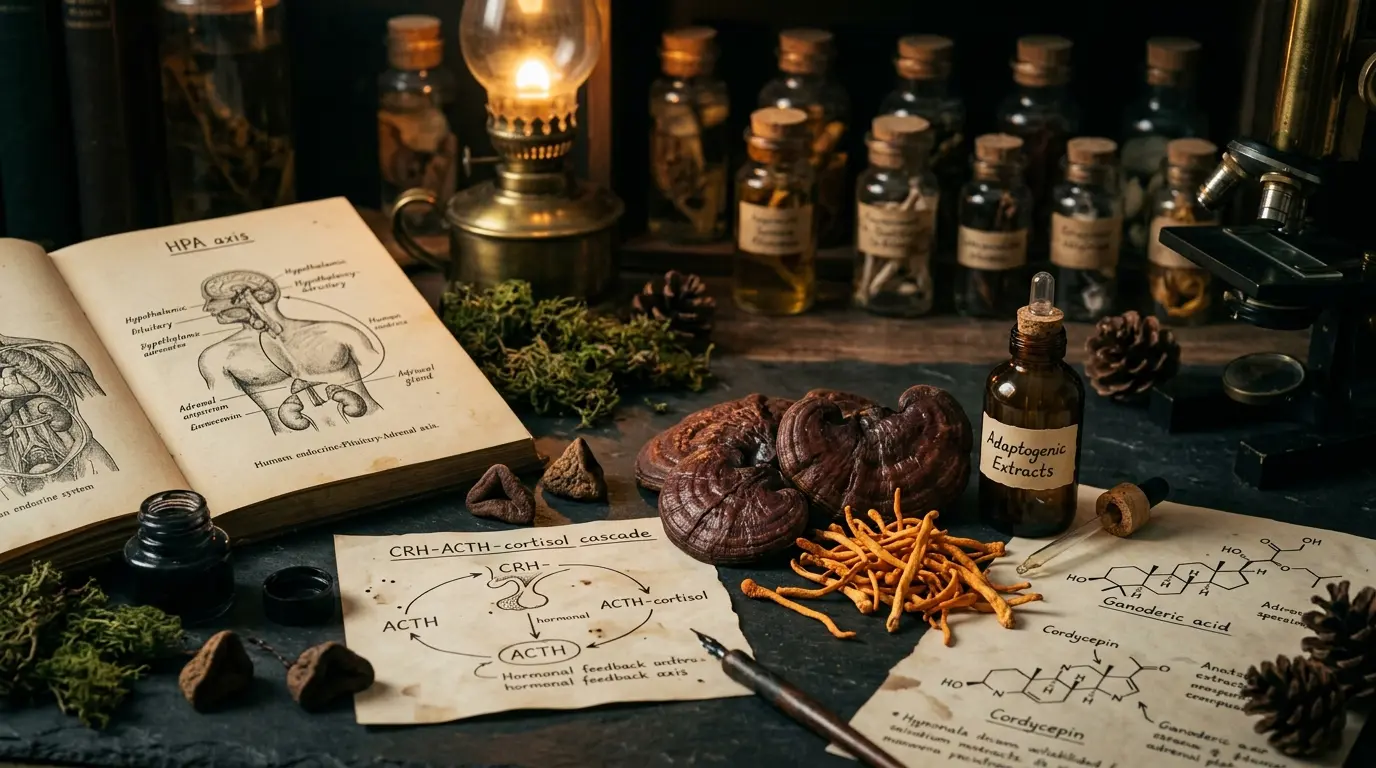
The Hypothalamic-Pituitary-Adrenal Axis and Fungal Adaptogens: A Review of the Evidence
The hypothalamic–pituitary–adrenal (HPA) axis serves as the principal neuroendocrine effector of the stress response. Its signalling cascade proceeds through three hierarchically organised nodes—the paraventricular nucleus of the hypothalamus, the anterior pituitary, and the adrenal cortex—each secr
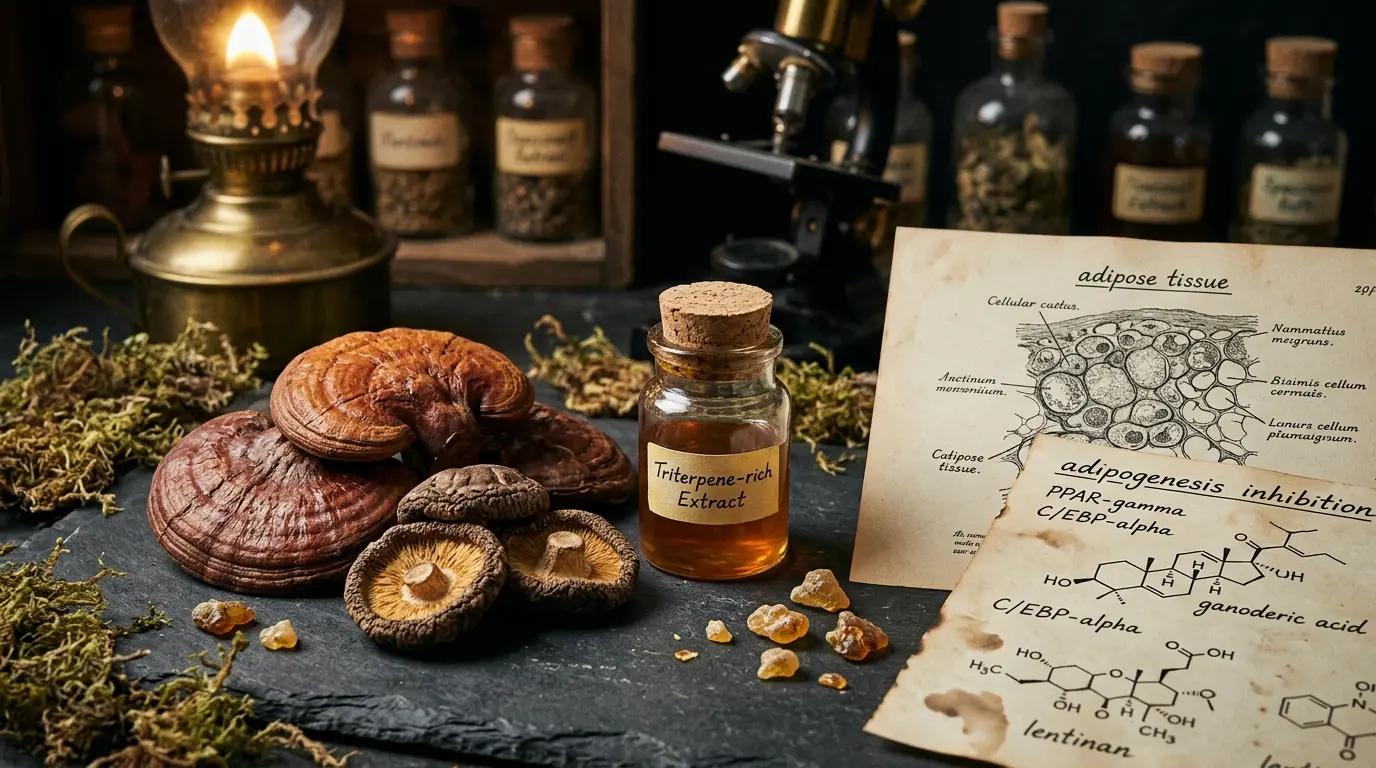
Adipose Tissue and Mushroom-Derived Compounds: A Review of the Adipogenesis Literature
Adipose tissue functions as a dynamic endocrine organ rather than a passive lipid reservoir. This article outlines the in vitro literature on white, brown, and beige adipocyte subtypes and their interactions with bioactive fungal constituents.
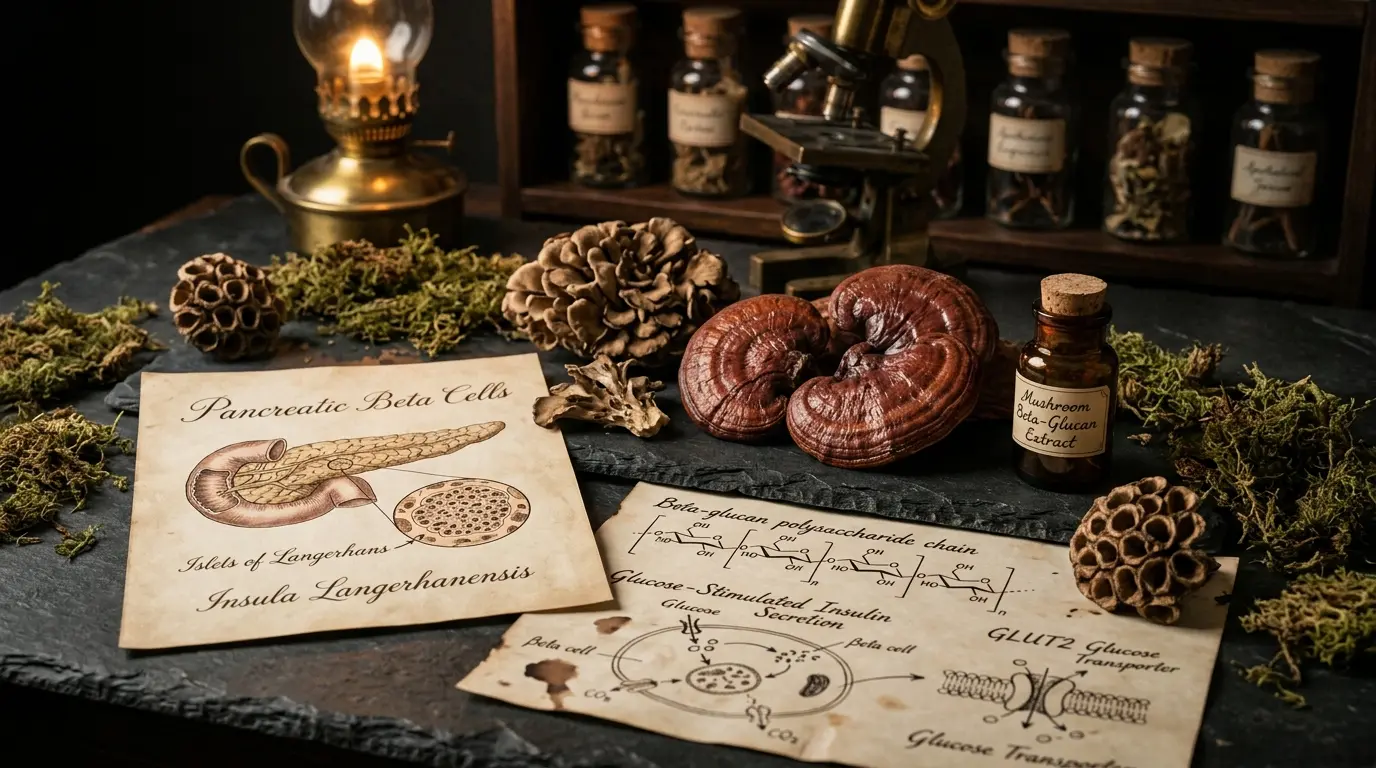
Pancreatic Beta Cells and Fungal Polysaccharides: A Review of the Literature
The architecture of pancreatic β-cells, the molecular biology of insulin, and the treatment of fungal polysaccharides in the in vitro cell culture literature.
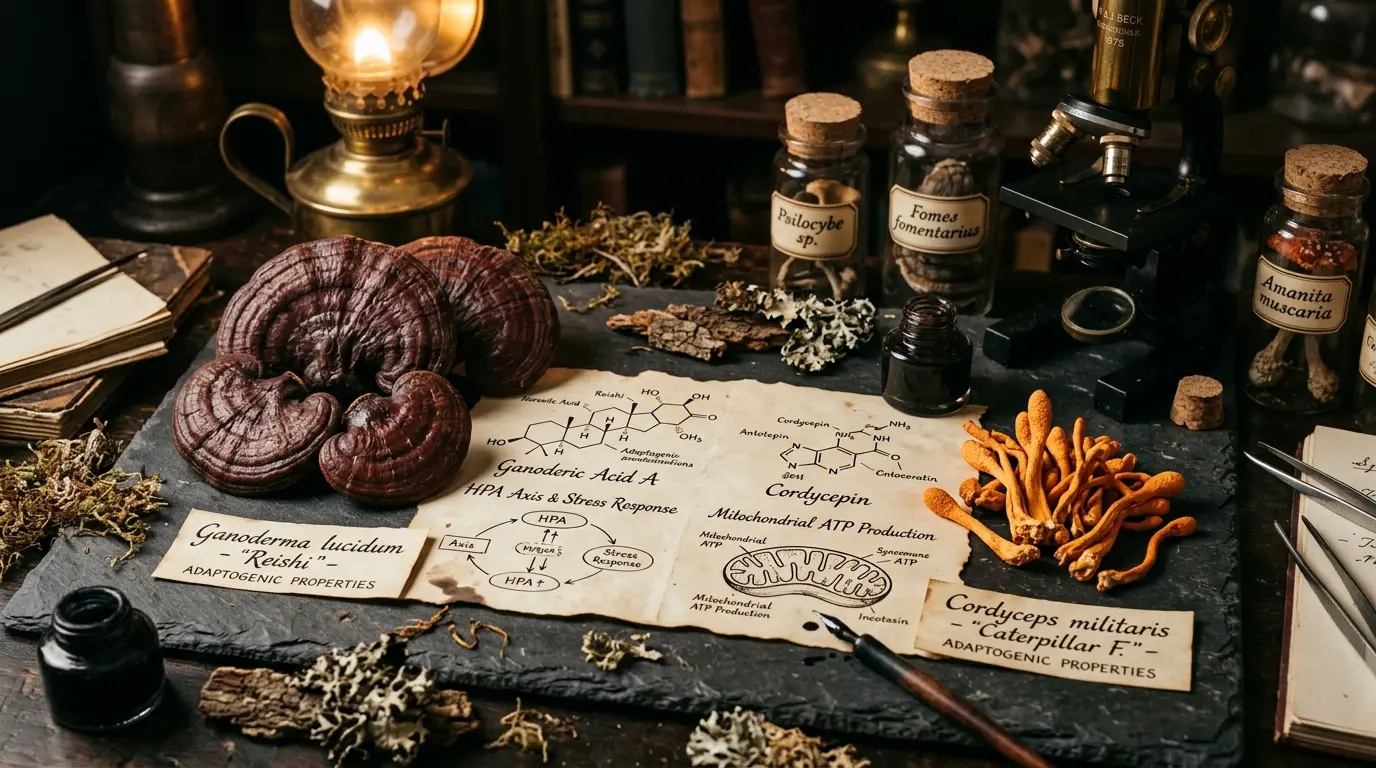
Reishi and Cordyceps: A Comparative Analysis of Adaptogenic Properties
Reishi and Cordyceps represent two distinct chemical identities: the triterpenoid-rich profile of Ganoderma lucidum contrasts with the nucleoside-dominated chemistry of Cordyceps species, yielding divergent frameworks of traditional use and sharply differing in vitro research landscapes.
Cognitive and Energy Profiles of Lion’s Mane and Cordyceps: A Comparative Analysis
The distinct chemical signatures and principal in vitro investigative themes of Lion’s Mane (Hericium erinaceus) and Cordyceps (Cordyceps sensu lato) are examined through the lens of their hallmark bioactive constituents: the hericenone–erinacine complex versus the cordycepin–adenosine axis.