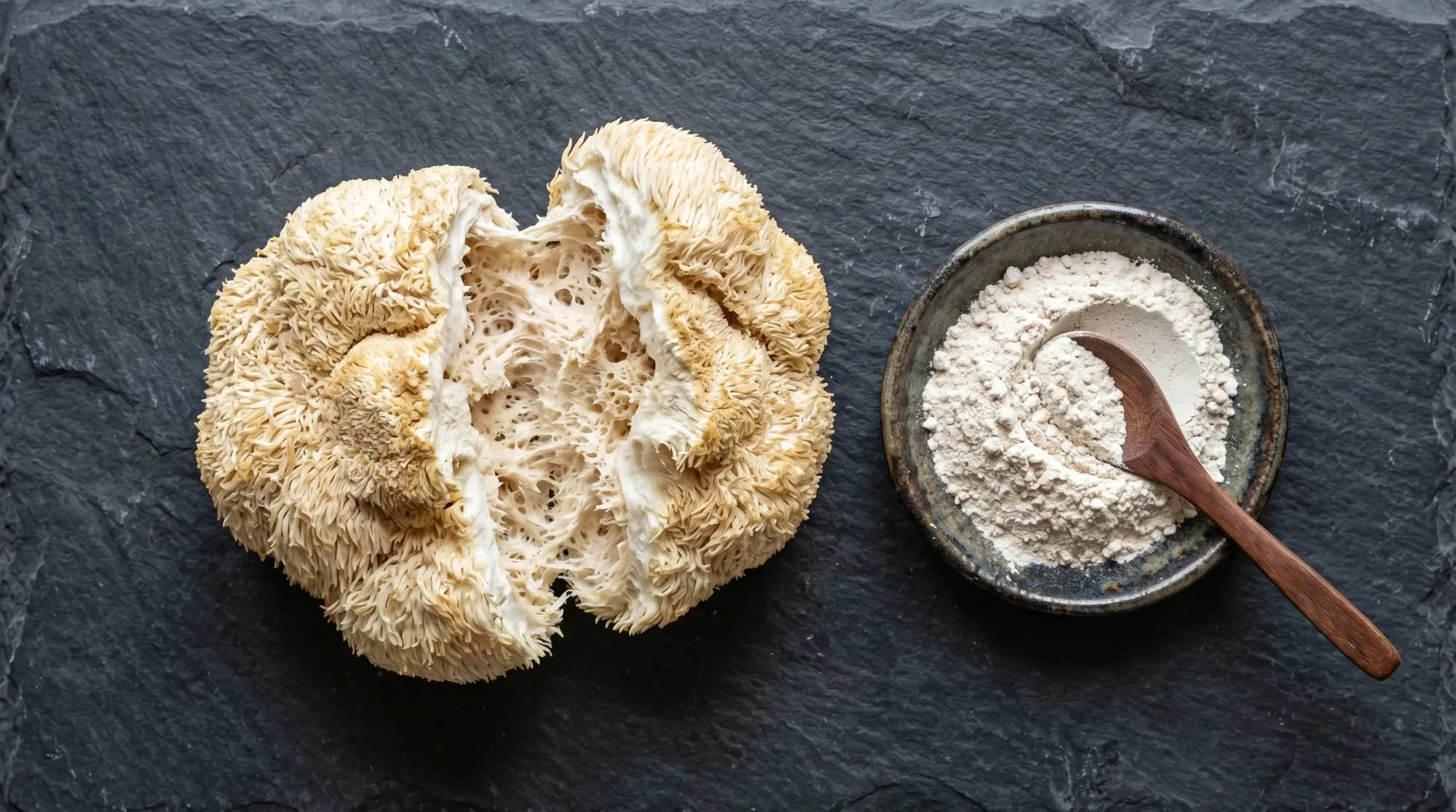
Erinacines: Key Bioactive Compounds and Their Functions in Lion’s Mane Mycelium
Erinacine ranks among the scarce fungal metabolites confirmed to traverse the blood–brain barrier.
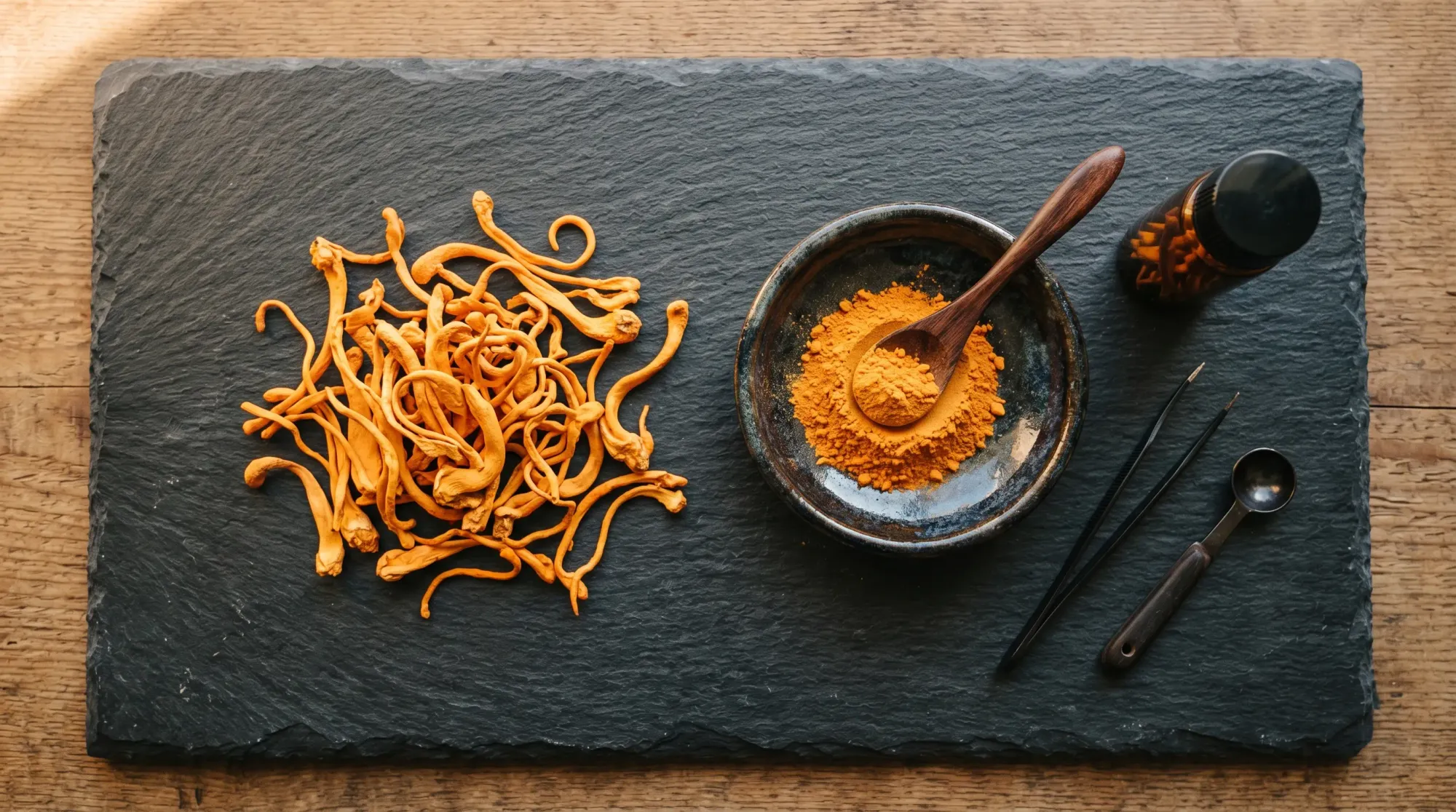
Cordyceps Mushrooms: Evaluating Adverse Reactions and Overall Safety
The compositional divergence between Cordyceps militaris and Cordyceps sinensis directly determines their respective safety profiles.
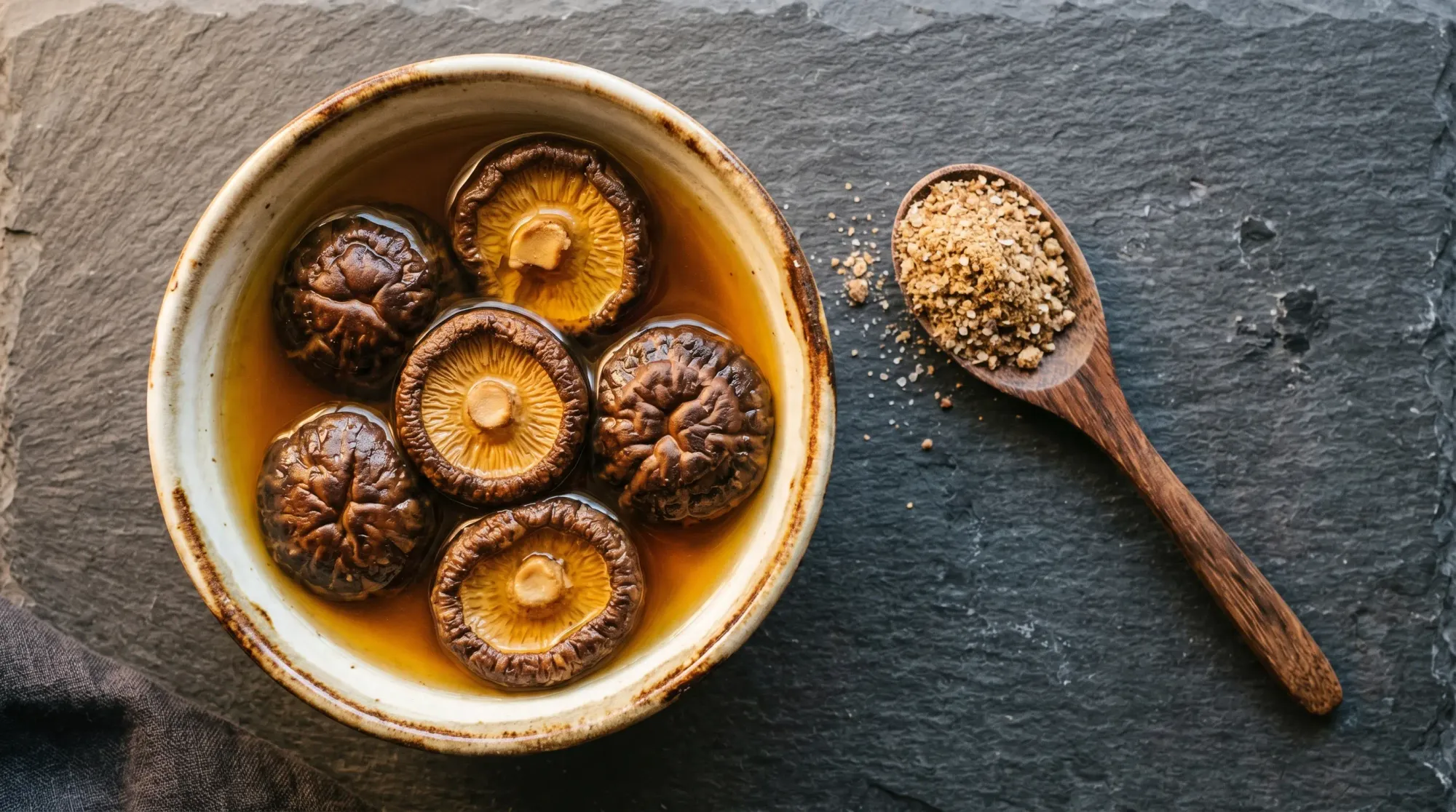
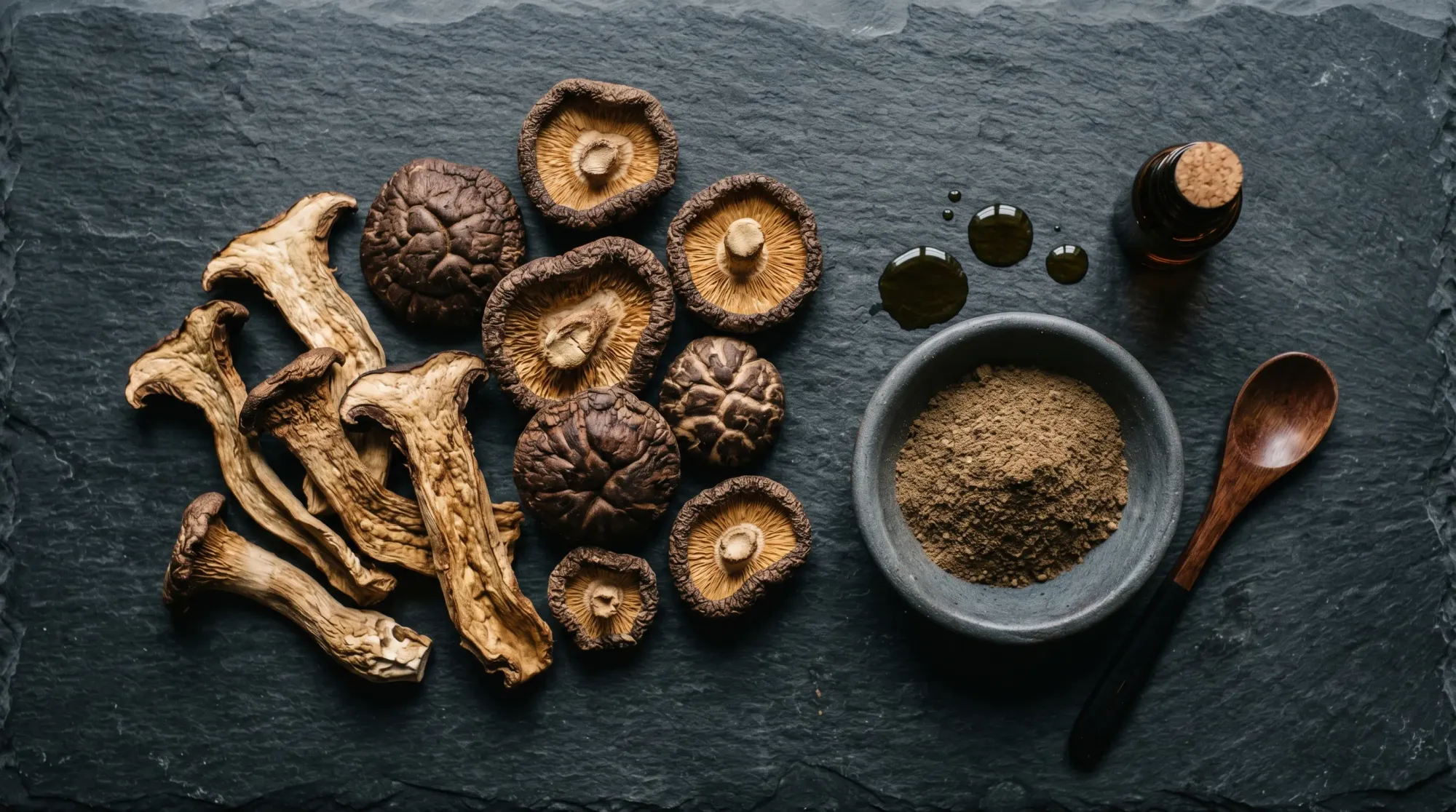
GMP Explained: The Molecular Science Behind Umami Synergy
The guanosine monophosphate (GMP) naturally occurring in shiitake mushrooms acts synergistically with glutamate to markedly amplify the perception of umami.
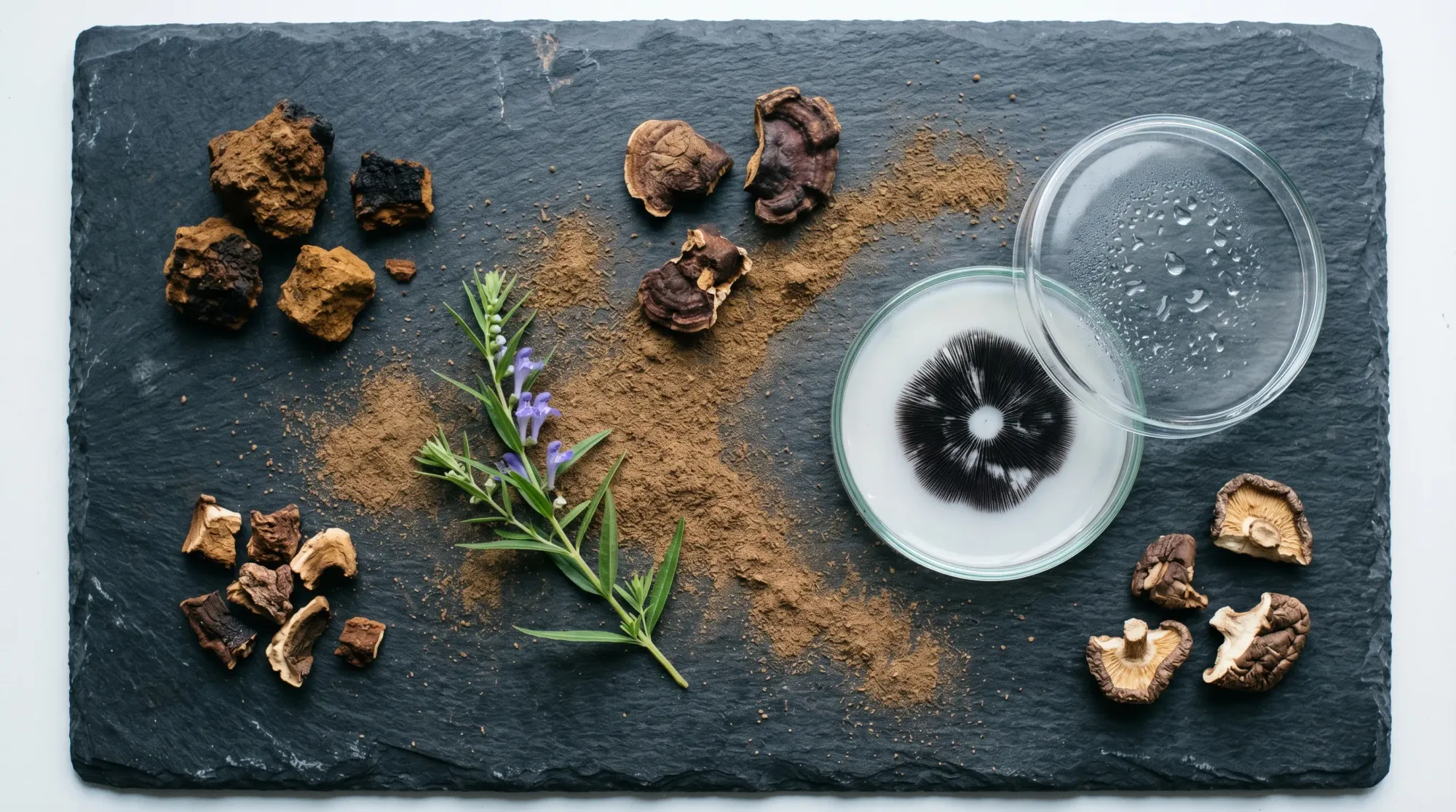
A Comprehensive Scientific Guide to Mushroom Allergies and Sensitivities
Chitin sensitivity and spore allergy arise from biochemically distinct immunological mechanisms.
Thirty-Day Reishi Antler Regimen: Tracking the Adaptogenic Response Curve
The antler morphotype of Reishi (Ganoderma lucidum) displays a significantly different concentration of ganoderic acids compared to the conventional cap-shaped fruiting body.
A Guide to the Use of Functional Mushrooms in Older Adults
In geriatric populations, initiating treatment with adaptogenic agents—such as certain mushroom-derived compounds—at low doses improves tolerability and supports gradual physiological adaptation.
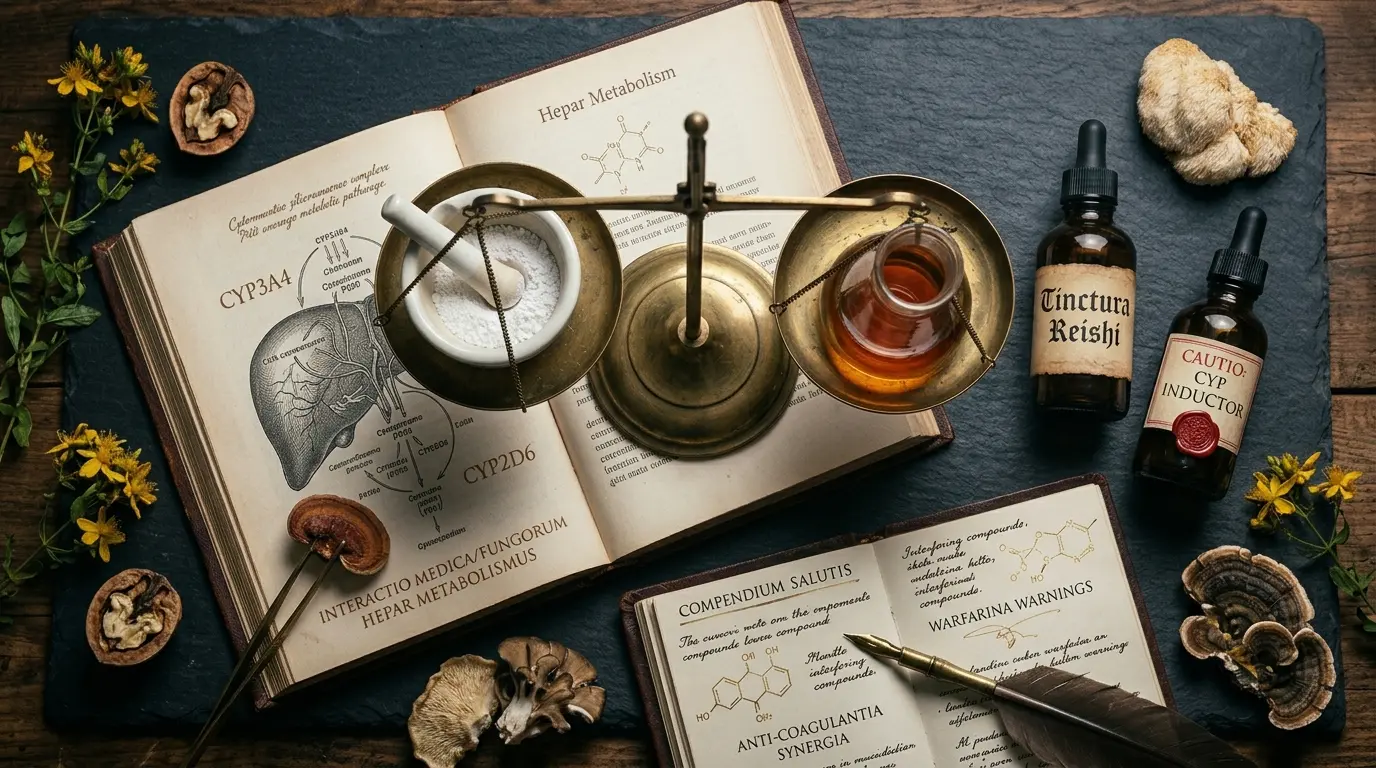
Functional Mushrooms and Drug Interactions: A Comprehensive Safety Guide
Certain bioactive compounds present in functional mushrooms may modulate drug metabolism through interactions with the cytochrome P450 enzyme system.
Ergothioneine in Fungal Sources and Its Emerging Role in Cutaneous Biology
Ergothioneine is a naturally occurring, sulfur-containing amino acid derivative that accumulates selectively within the mitochondria of skin cells through the action of a dedicated transporter protein, OCTN1.