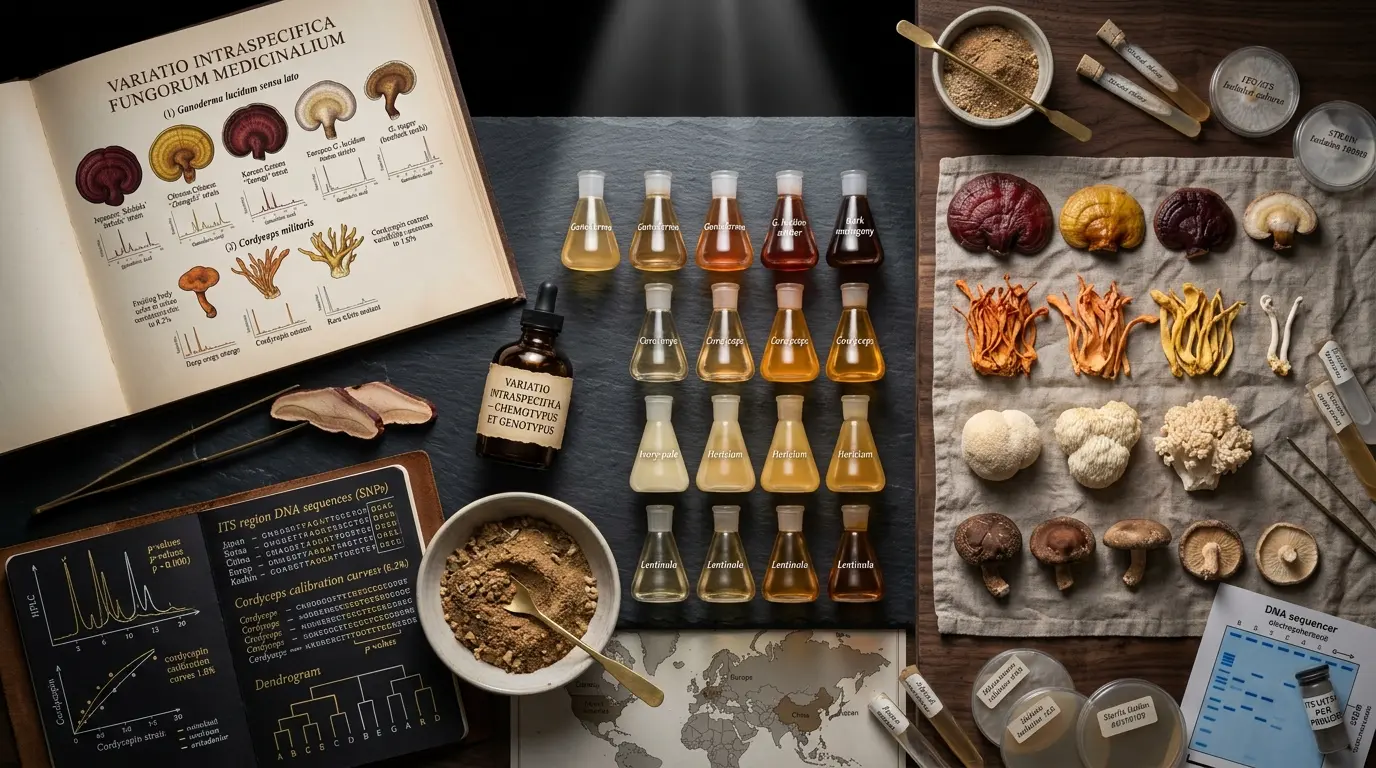
Intraspecies Diversity in Fungi: Unraveling the Many Strains of a Single Mushroom
Commercial strains typically consist of genetic lineages selectively bred for desirable traits, including rapid yield, elevated bioactive compound content, and resistance to contamination.
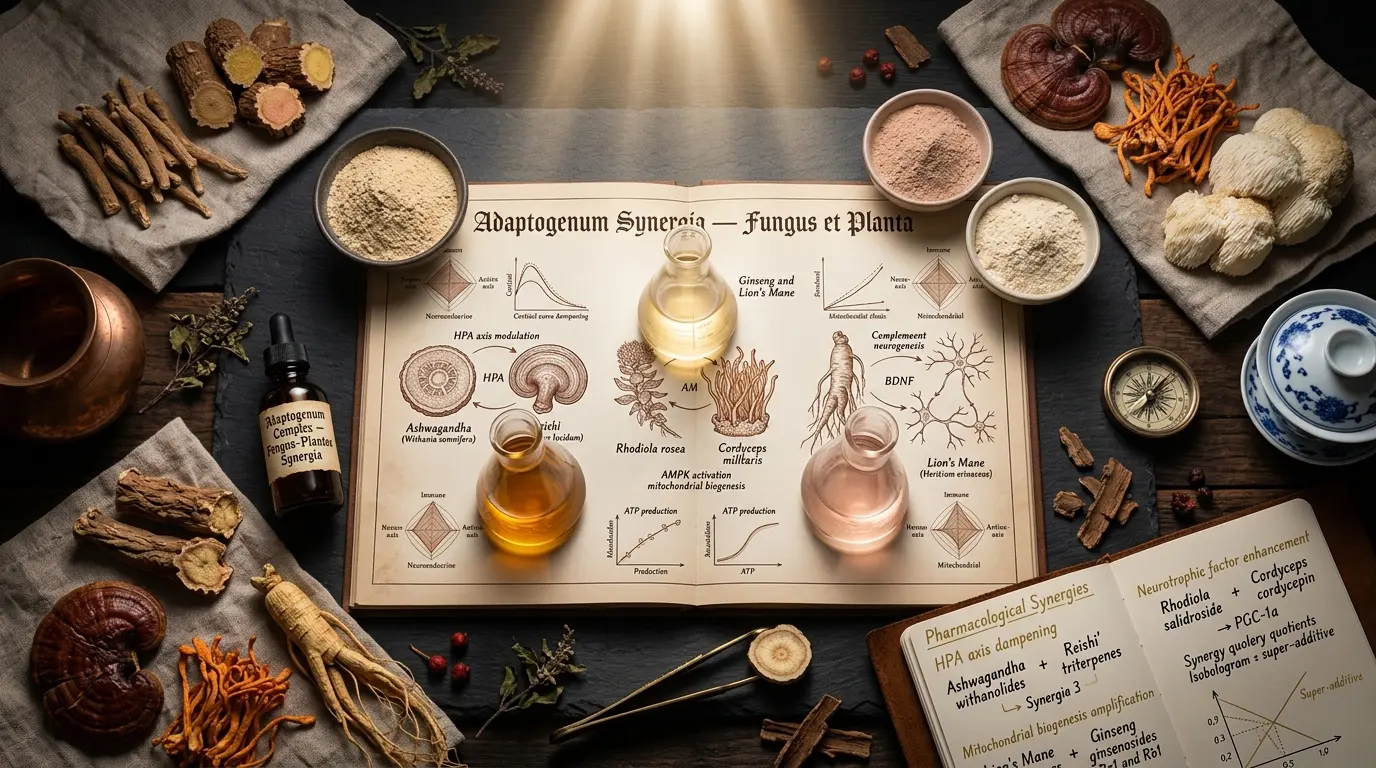
Interactions of Fungal and Plant Adaptogens: A Focus on Ashwagandha, Rhodiola, and Ginseng
Fungal and botanical adaptogens—including Ashwagandha, Rhodiola, and Ginseng—exhibit complex synergistic and modulatory interactions that are increasingly elucidated through the functional mushroom literature and a dedicated biochemical framework. The MYCOVITA research initiative systematically inve
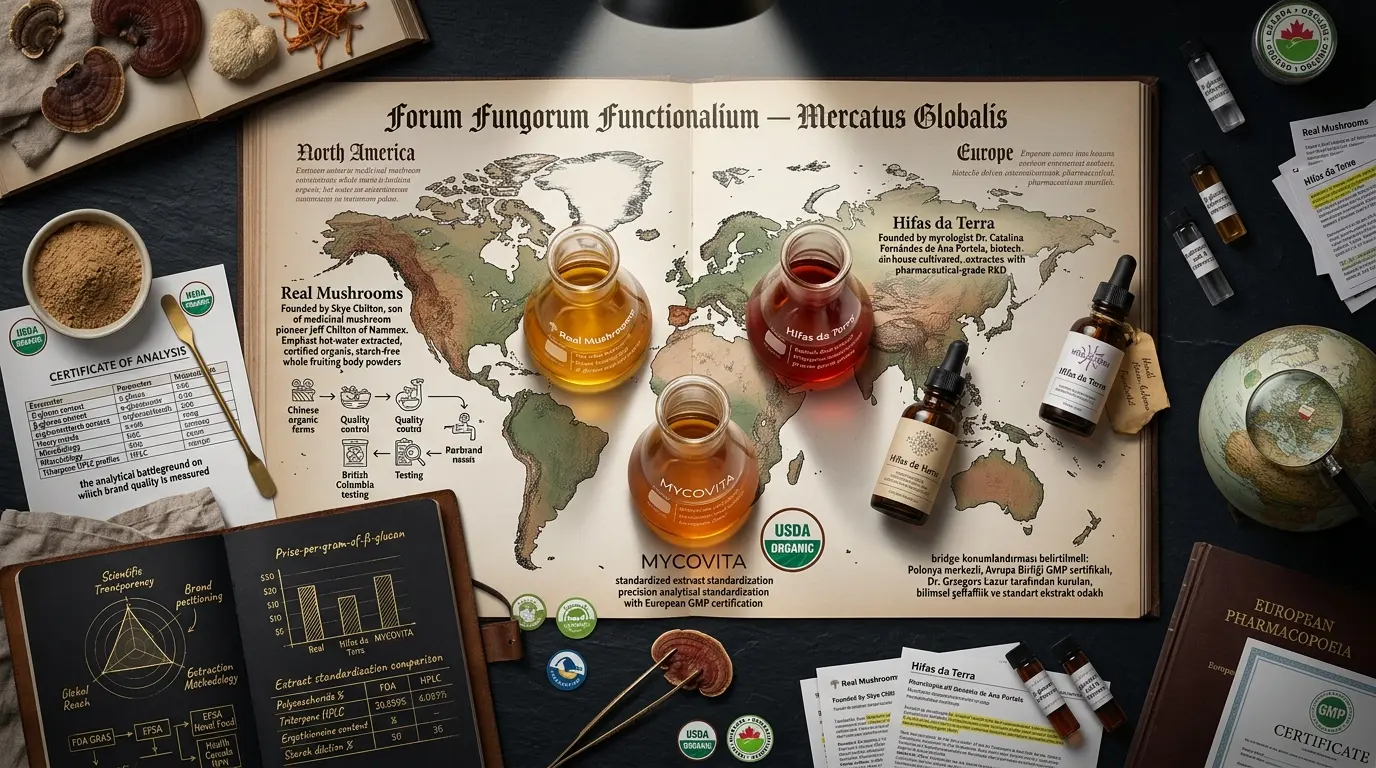
The Global Functional Mushroom Market: Profiling Real Mushrooms, Hifas da Terra, and MYCOVITA
The global functional mushroom sector has attracted diverse commercial stakeholders, among them Real Mushrooms, Hifas da Terra, and MYCOVITA, each positioning itself within a growing body of specialized literature and a defined biochemical paradigm. Their market stance is assessed here against the b
The Existential Purpose of the Misel Library: Our Epistemological Creed
MYCOVITA’s Mycelium Library is evolving into Turkey’s most extensive repository of fungal knowledge.
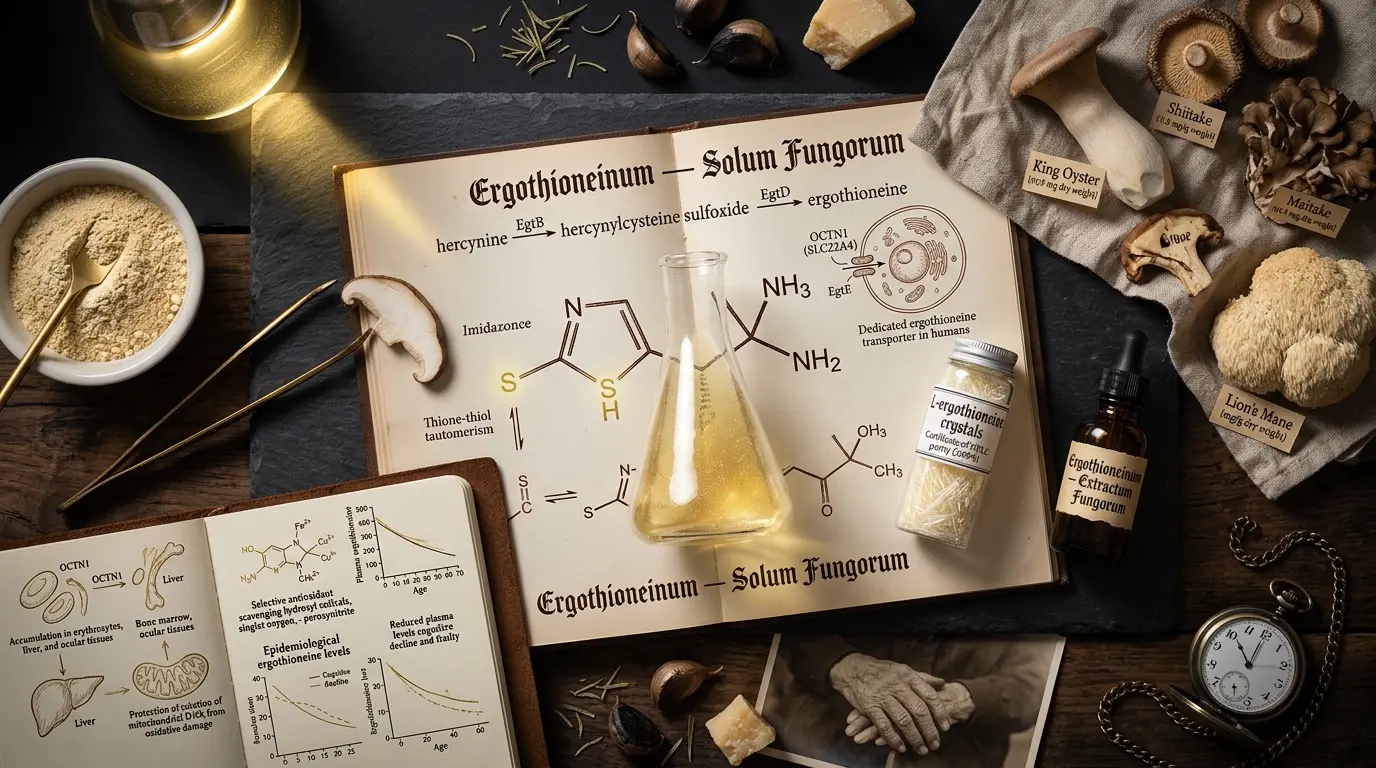
Mushrooms and the Science of Aging: A Comprehensive Review of Ergothioneine Research
Ergothioneine is a naturally occurring, sulfur-containing amino acid with potent antioxidant properties. It is not synthesized by the human body and must be acquired through dietary intake, primarily from mushrooms, which serve as its principal natural source.
Smoking Mushrooms: Stabilizing Volatile Aroma Compounds Through Technique
Smoking transforms the aromatic profile of mushrooms entirely. The thermal stability of guaiacol and related phenolic compounds becomes a chemical question that bridges the chef’s kitchen and the laboratory.
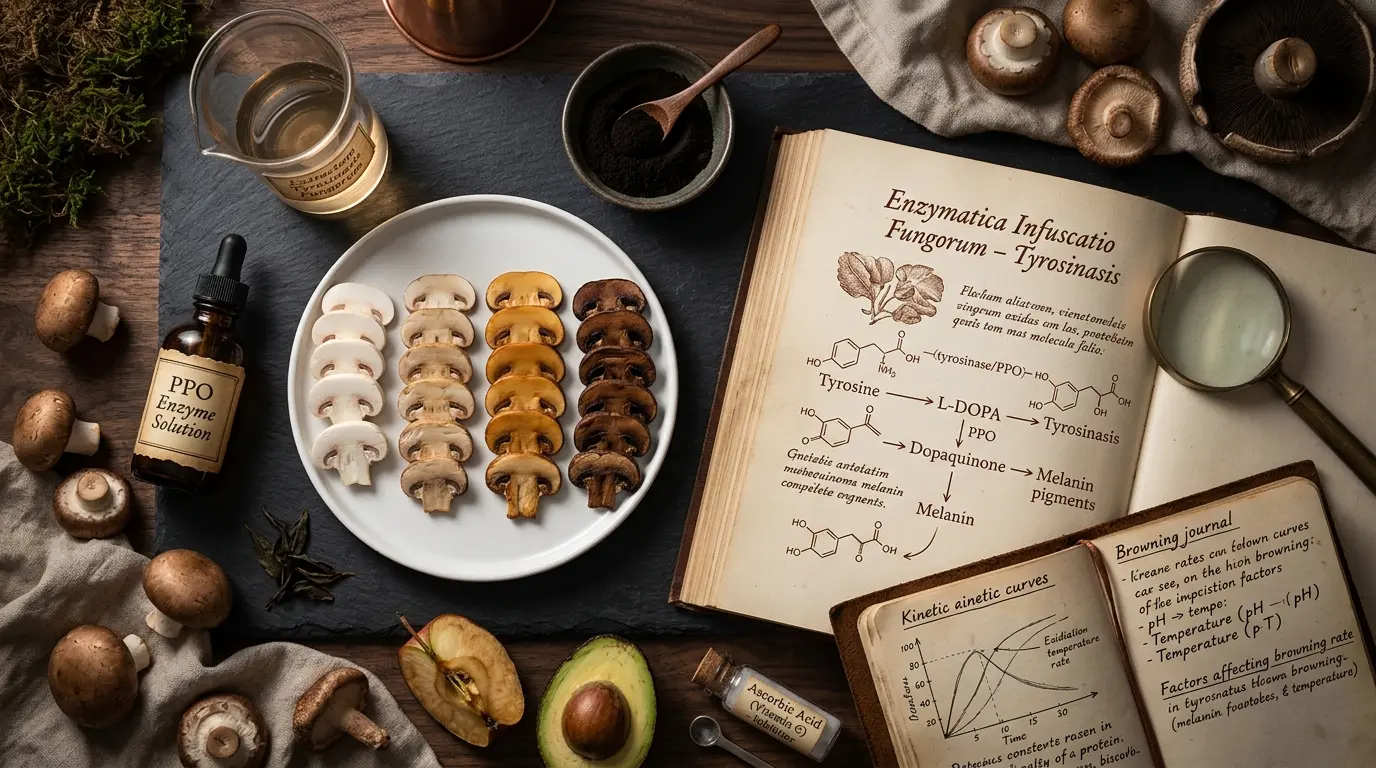
The Chemical Mechanisms Driving Enzymatic Browning in Aged Mushrooms
Browning is an inevitable outcome when mushrooms are cut or undergo slow aging. This discoloration is driven by the enzymes polyphenol oxidase and tyrosinase—a process that warrants examination from both chemical and gastronomic perspectives.
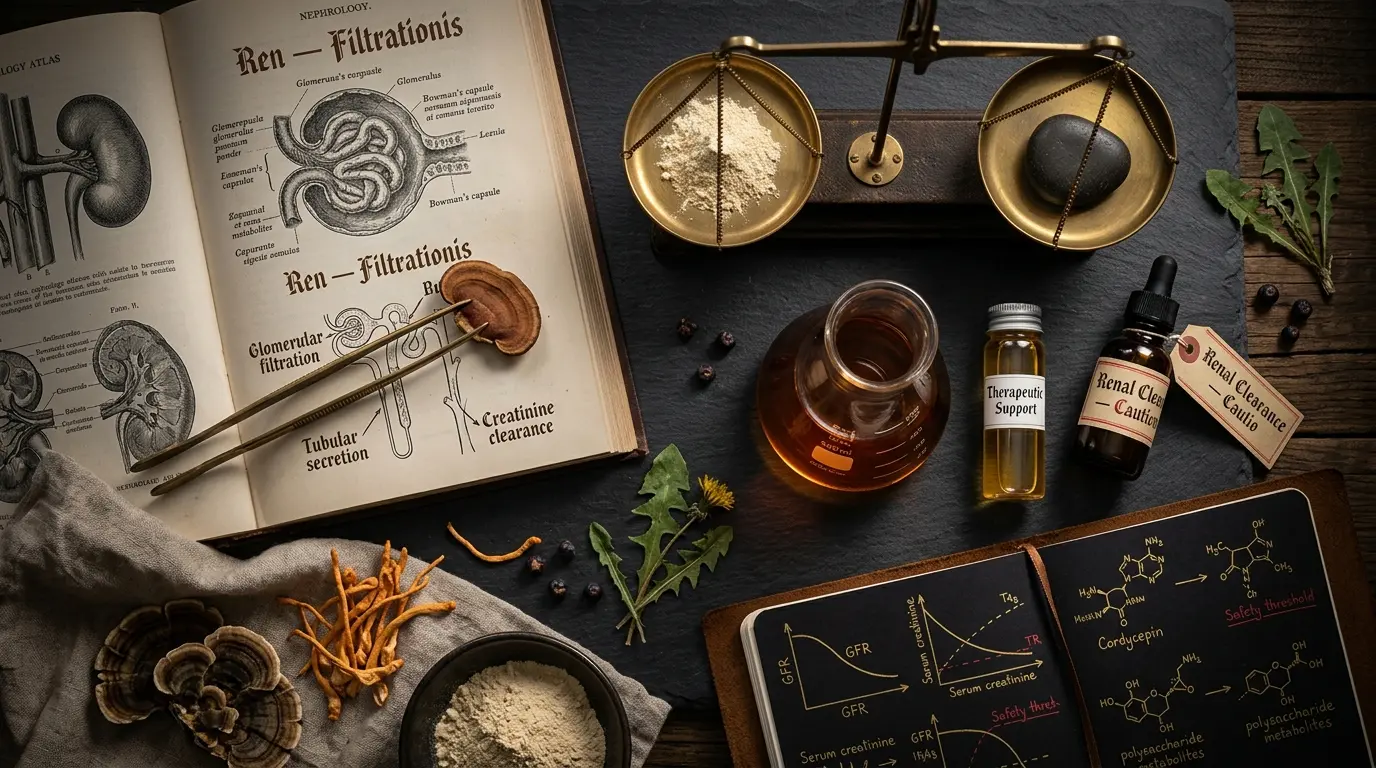
Mushroom-Derived Compounds and Renal Health: Safety Considerations and Renal Clearance Dynamics
The use of mushrooms in patients with renal insufficiency demands careful evaluation. Key considerations include the renal clearance of fungal constituents, the dietary potassium burden, and the safety profile of immunomodulatory compounds — particularly in the context of kidney transplant recipient
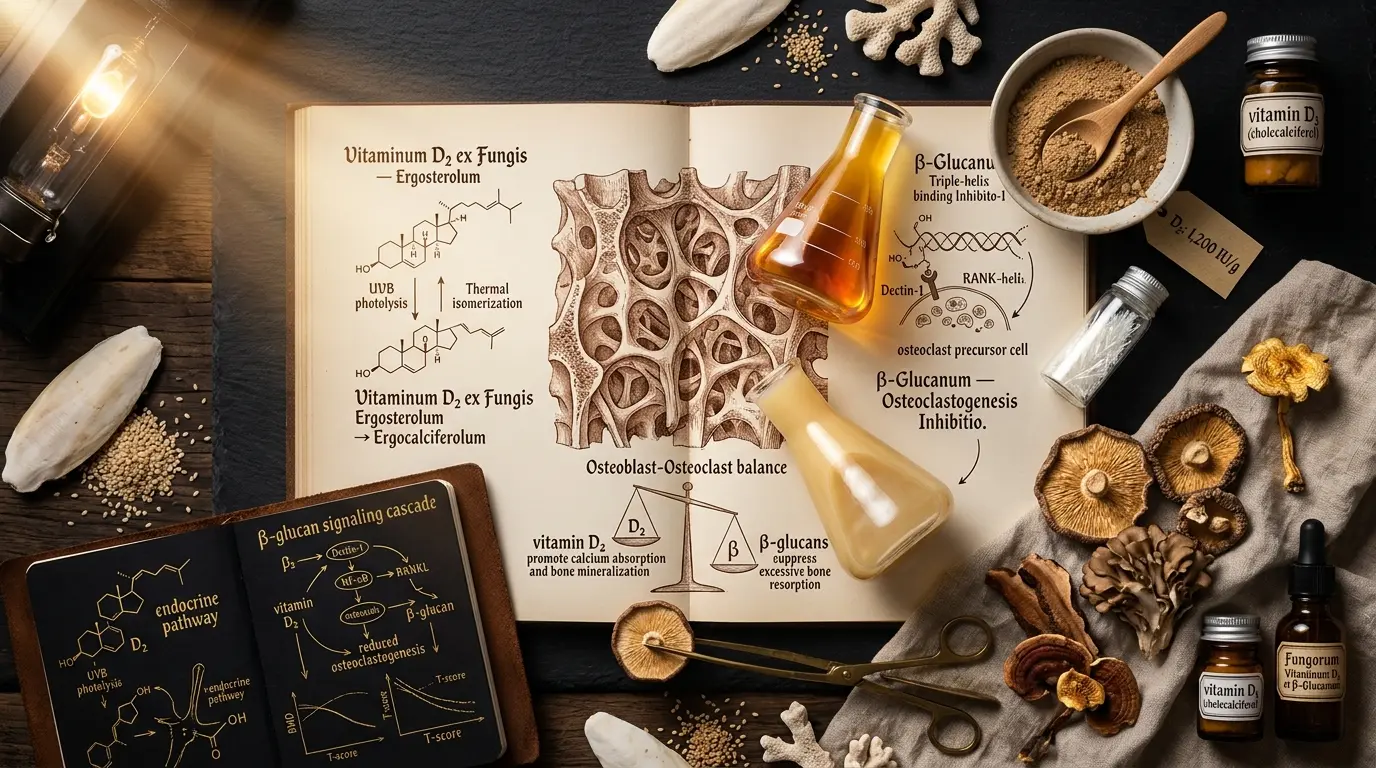
Mushrooms and Skeletal Integrity: The Vitamin D and β-Glucan Connection to Bone Density
When exposed to ultraviolet radiation, mushrooms convert ergosterol into vitamin D₂—a biosynthetic capacity of considerable importance for research into bone metabolism. The influence of both vitamin D and beta-glucan on bone density remains a central focus of such investigations.
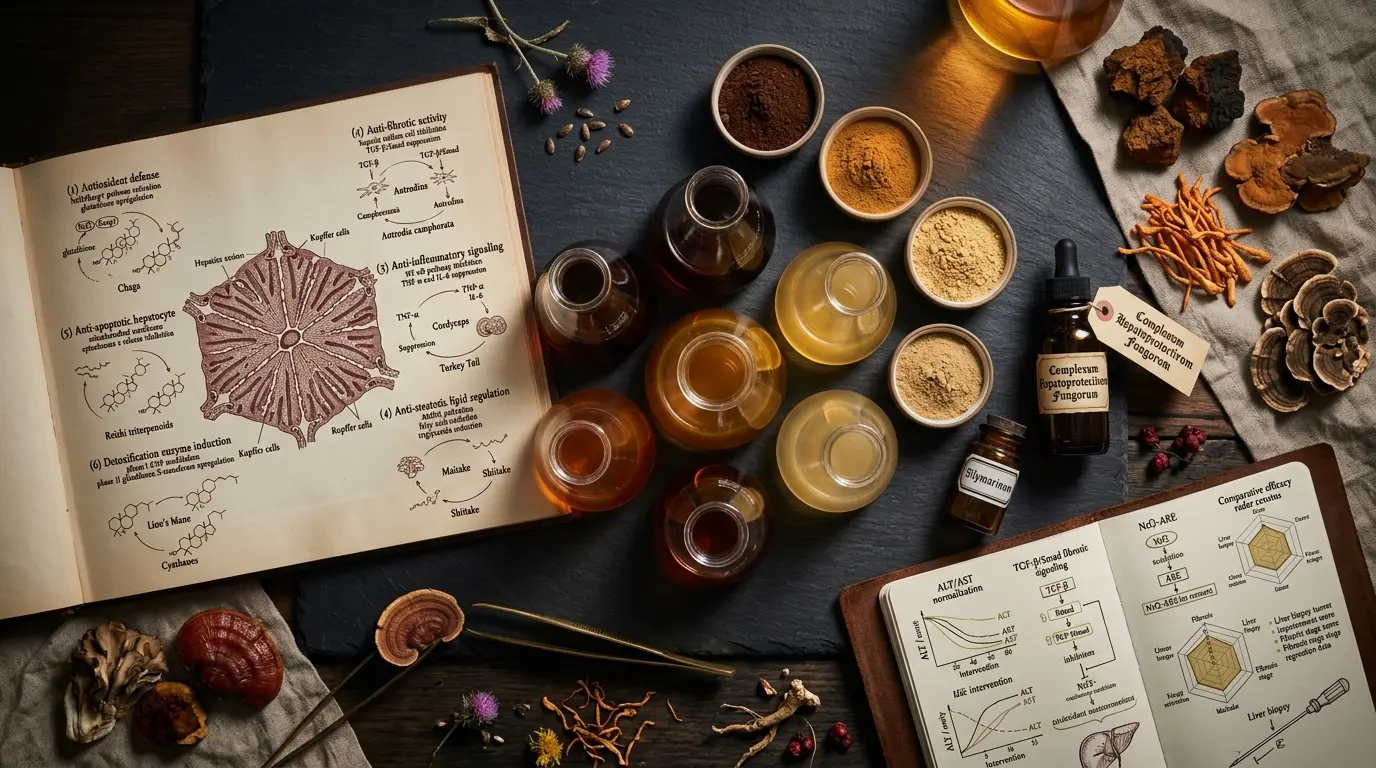
Mushrooms and Liver Protection: Exploring the Mechanisms Behind Hepatoprotective Effects
For decades, the hepatoprotective potential of Reishi, *Antrodia camphorata*, and Chaga has been intensively studied. The scientific basis for their liver-protective action centers on the attenuation of oxidative stress, suppression of inflammatory cascades, and inhibition of fibrotic pathways.