How Mushrooms Biosynthesize Vitamin D: The Ergosterol Pathway
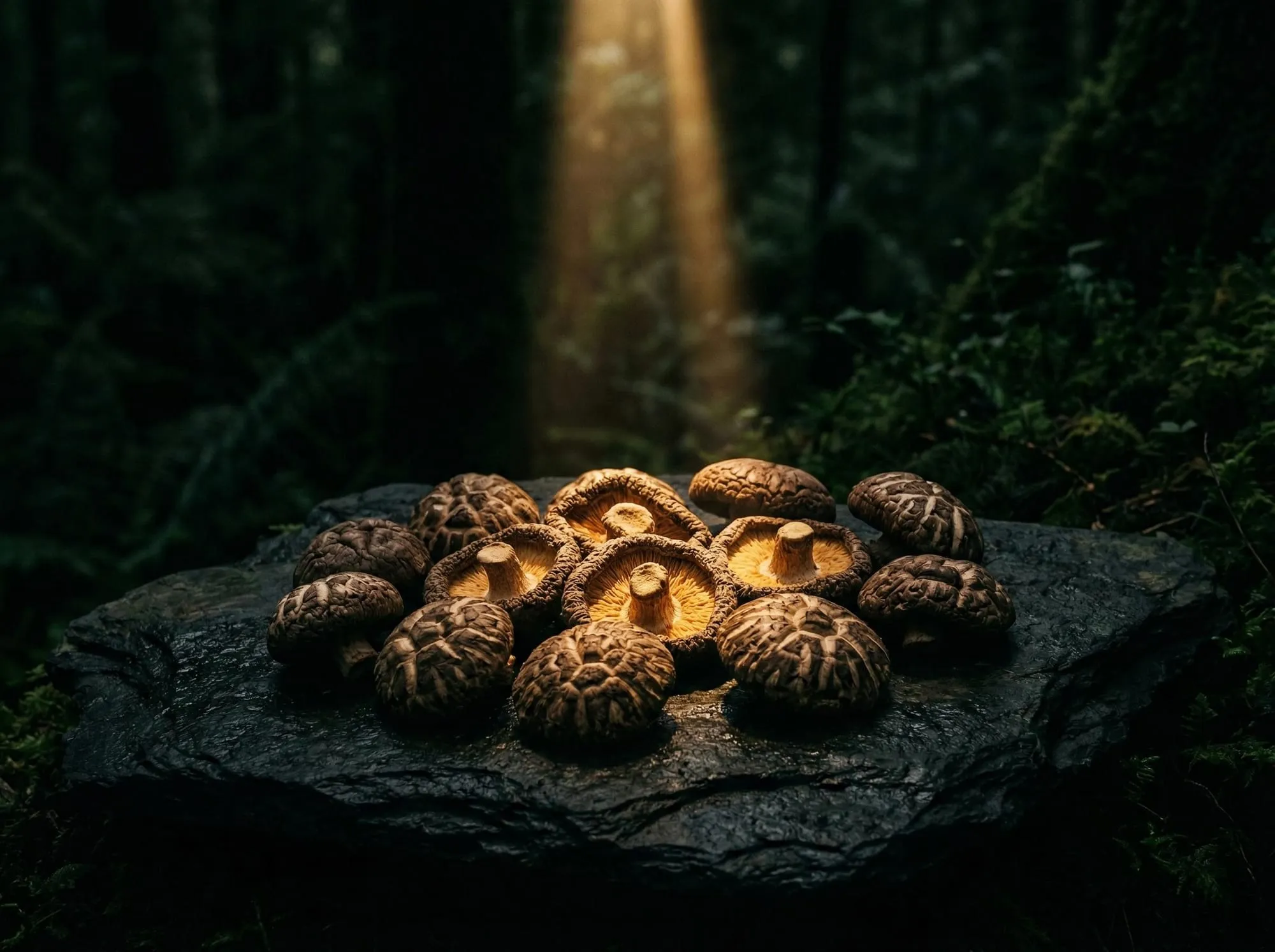
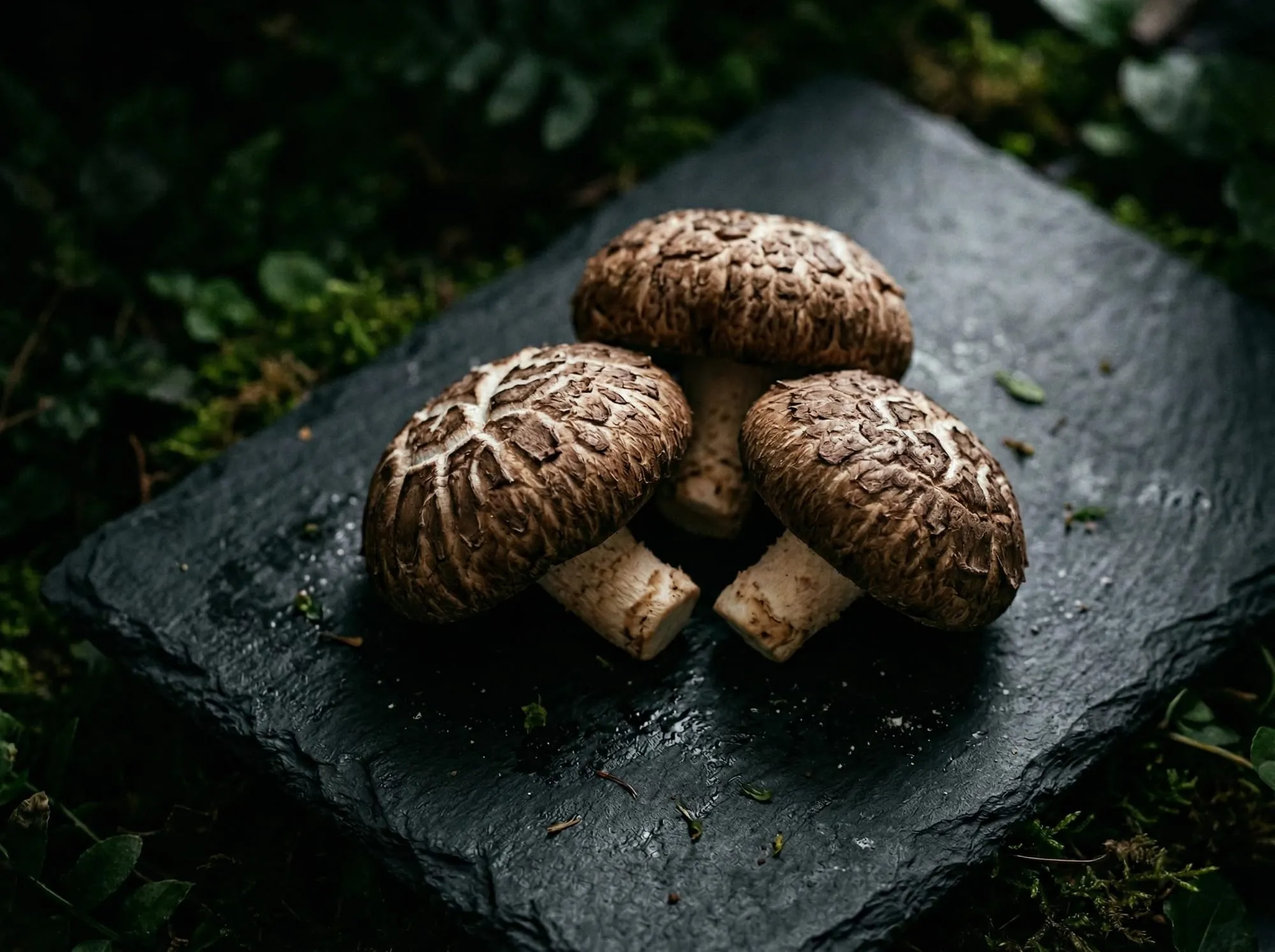
A slice of shiitake mushroom exposed to sunlight can synthesize enough vitamin D in six hours to satisfy an adult’s daily requirement. This capacity makes mushrooms one of the few non-animal sources of nutritionally significant vitamin D — while virtually every plant‑based food fails to provide meaningful amounts, mushrooms stand out. How does the biochemistry of this transformation work?
Ergosterol: The Mushroom’s Vitamin D Precursor
Mushroom cell membranes employ ergosterol rather than the cholesterol characteristic of animal cells. Ergosterol is the initial substrate for vitamin D biosynthesis. Upon exposure to UV‑B radiation (280–315 nm wavelength), ergosterol enters a photochemical cascade, converting first to previtamin D₂ (the ergocalciferol precursor) and subsequently to vitamin D₂ (ergocalciferol).
This reaction mirrors vitamin D₃ (cholecalciferol) synthesis in human skin, where 7‑dehydrocholesterol is transformed into D₃ by UV‑B. The two pathways are mechanistically parallel but yield different vitamin forms: D₂ (fungi and some plants) and D₃ (animal‑derived sources and human skin).
UV Exposure Protocol: Parameters and Optimization
Mushroom species, UV intensity, duration, and surface area all govern vitamin D yield. Studies have optimized the following conditions for shiitake mushrooms:
- Duration: 2–6 hours on a sunny day, ideally between 10:00 and 14:00 when UV‑B intensity peaks
- Surface orientation: Gills facing upward toward the sun — the inner surface harbors the highest ergosterol content
- Fresh versus dried: Dried mushrooms respond more efficiently to UV treatment; lower water content makes ergosterol more accessible
- Storage stability: UV‑generated D₂ remains stable in dried mushrooms at room temperature for at least one year
Research demonstrates that UV‑B‑treated shiitake mushrooms can contain 400–800 IU of vitamin D₂ per 100 g, providing a substantial portion of the recommended daily intake (600–800 IU) (Mattila et al., 2002; PMID: 12029091).
D₂ or D₃? The Bioequivalence Question
D₂ and D₃ follow distinct metabolic fates in the body. Both are hydroxylated in the liver to 25‑hydroxyvitamin D (25(OH)D), the standard serum biomarker, and subsequently converted in the kidneys to the active form, 1,25‑dihydroxyvitamin D (calcitriol).
Historically, D₃ was considered to have superior bioavailability over D₂. Contemporary meta‑analyses, however, reveal that the difference is clinically modest (Tripkovic et al., 2012; PMID: 22552031). When daily intakes of 1,000 IU D₂ and D₃ are compared, no clinically meaningful difference in serum 25(OH)D concentration is observed. At higher doses (above 2,000 IU), D₃ shows a slight advantage. For vegans, mushroom‑derived D₂ represents a physiologically adequate option.
Vitamin D in Commercial Mushrooms: The Problem
Most supermarket mushrooms are cultivated in darkness and consequently contain little to no vitamin D (typically 10–40 IU/100 g). Some markets offer mushrooms labeled “vitamin D enriched” or “sun‑exposed”; in Turkey, this practice is still limited. The solution: expose store‑bought fresh mushrooms to direct sunlight (not behind window glass, which filters UV‑B) for 2–6 hours at home. This dramatically elevates D₂ content. Placing mushrooms on a balcony or in a garden with gills facing upward constitutes a practical household protocol.
Which Mushroom Species Delivers the Most Vitamin D?
Ergosterol content varies considerably by species. A general comparison follows:
- Maitake (Grifola frondosa): Among the highest natural vitamin D potentials; even without UV treatment, values close to 400 IU/100 g have been reported.
- Shiitake (Lentinula edodes): Can surpass 800 IU/100 g after UV treatment; the most extensively studied species.
- Portobello (large Agaricus bisporus): The broad cap surface favors UV absorption, enabling high D₂ yields post‑treatment.
- White button mushroom (small Agaricus bisporus): Lower ergosterol content; UV treatment produces a more modest increase.
Vitamin D Deficiency and the Role of Mushrooms
Vitamin D deficiency is a widespread public health problem in Turkey. National data indicate that 60–80% of the adult population has inadequate vitamin D status (<30 ng/mL). Restricted sun exposure (indoor work life), darker skin pigmentation, and winter months all contribute to this picture.
Mushroom‑derived vitamin D cannot wholly replace supplementation, yet it provides a meaningful dietary contribution. Consuming 100 g of UV‑treated mushrooms daily can supply 400–800 IU D₂, covering a significant fraction of the recommended daily intake. When taken together with magnesium and vitamin K₂, mushroom vitamin D generates synergistic benefits for bone health and immune function. Mushrooms and Bone Density explores the details of this synergy.
Cooking and Vitamin D Stability
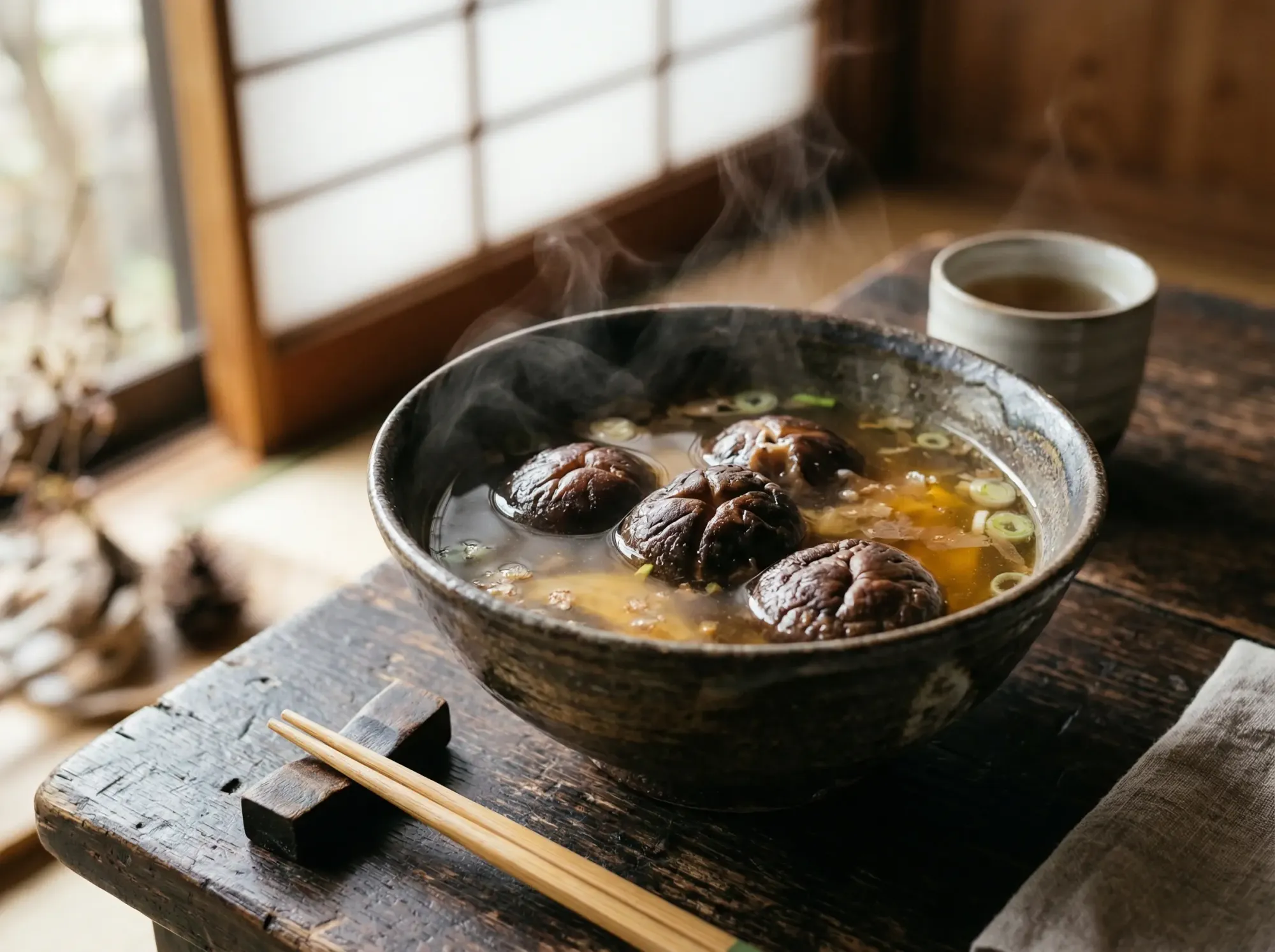
Vitamin D₂ is relatively heat stable. Boiling, sautéing, and baking typically cause only 10–30% loss. However, water‑based cooking can leach D₂ into the liquid — using the cooking water in soups or sauces recovers this loss. In dried and rehydrated mushrooms, D₂ stability is equivalent to that in fresh mushrooms. Drying Methods and Nutrient Stability expands on this subject.
This page is produced within the MYCOVITA Mycology Library. It is intended for scientific reference and does not constitute medical advice. Source: mycovita.bio · Content Policy v1.0