Fungal-Derived Compounds and Mucosal Immunity: A Systematic Review of Their Influence on Secretory IgA

The First Frontier of Immunity Spans the Body's Largest Surface
— HOOK —
Discussions of immunity typically center on white blood cells circulating in the bloodstream. Yet the body's interface with the external environment covers approximately 400 square meters — far exceeding the total surface area of the skin. This vast terrain includes the mucosal linings of the gastrointestinal tract, respiratory passages, and urinary system. At this frontier, a different molecular sentinel confronts pathogens first.
This entry examines secretory immunoglobulin A (sIgA), the principal antibody of mucosal immunity, and evaluates the literature on how functional mushroom constituents interact with this system.
Mucosal Immunity: A Complement to Systemic Immunity, Not a Counterpart
The immune system operating at mucosal surfaces is not a miniature replica of systemic immunity; it is a functionally distinct subsystem governed by its own logic. Its structural backbone consists of GALT (Gut-Associated Lymphoid Tissue), Peyer's patches, and mesenteric lymph nodes.
The dominant antibody at the mucosal frontier is sIgA. What distinguishes it from other immunoglobulin classes is its dimeric secretory form and the presence of a secretory component that confers resistance to proteolytic enzymes (Brandtzaeg, 2009; PMID: 19120483).
The Role of sIgA: Neutralization and Immune Exclusion
sIgA binds to pathogen surfaces and prevents their adhesion to epithelial cells — a mechanism termed immune exclusion. It simultaneously neutralizes toxins and viral particles and contributes to the discriminatory capacity that distinguishes commensal microbiota from pathogenic intruders.
Low sIgA levels have been associated with recurrent upper respiratory tract infections, intestinal dysbiosis, and heightened mucosal sensitivity (Mantis et al., 2011; PMID: 21487504).
Mushroom Constituents and Mucosal Immunity: The Literature
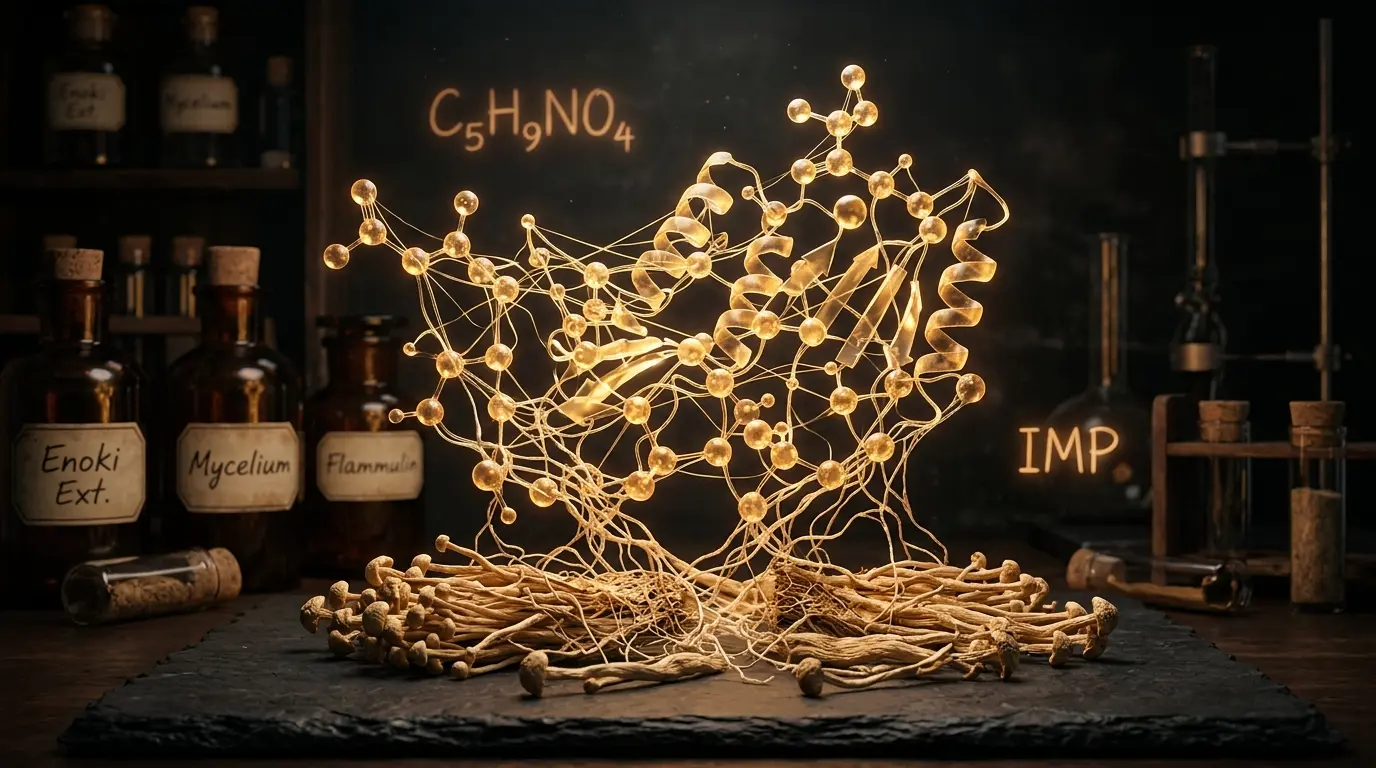
The relationship between functional mushroom polysaccharides and mucosal immunity has been investigated along several axes. In the intestinal lumen, β-(1→3)/(1→6)-D-glucan molecules are taken up by microfold (M) cells and delivered to Peyer's patches, where they initiate signaling via the Dectin-1 receptor (Tsoni & Brown, 2008; PMID: 18549791).
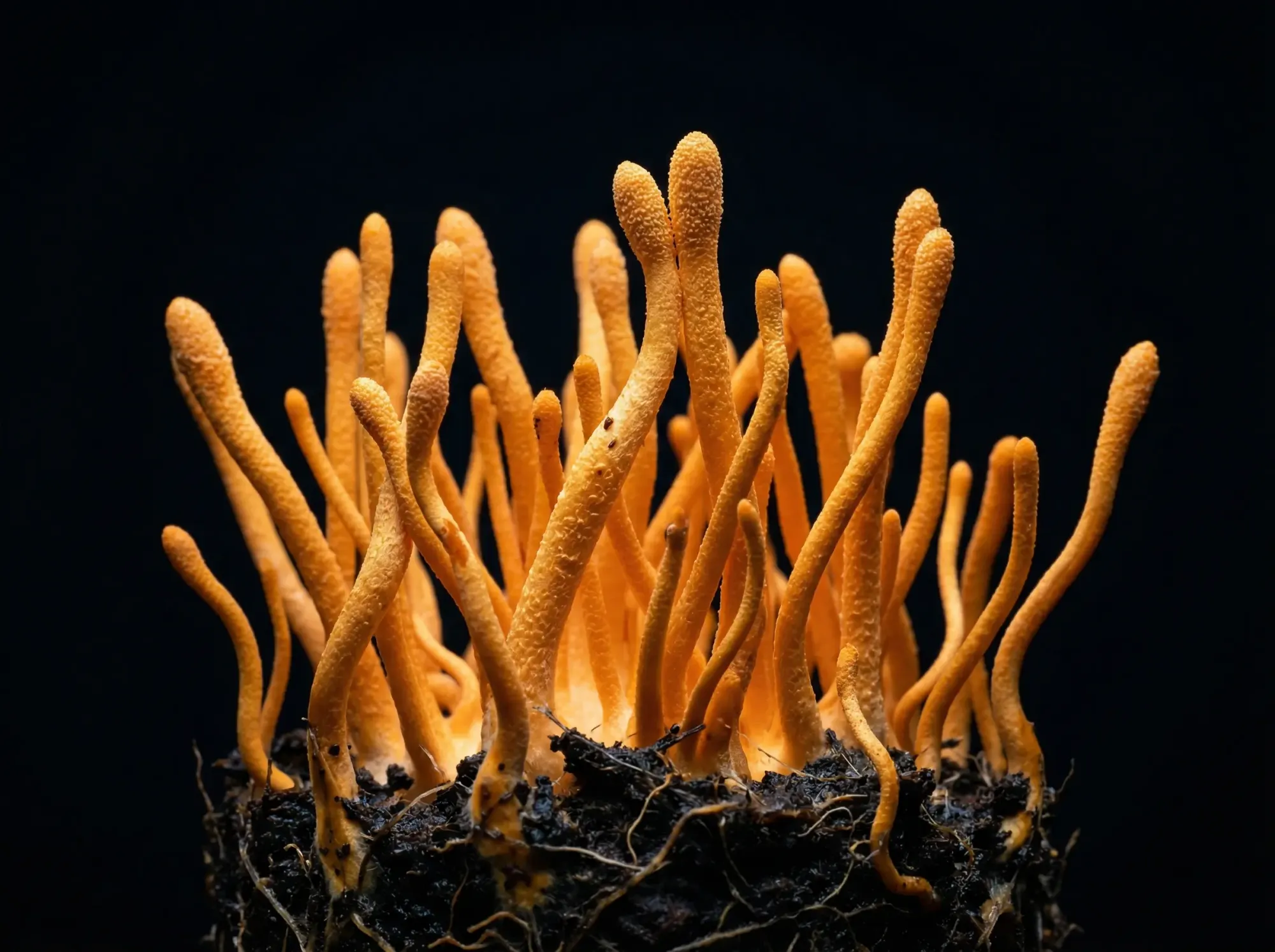
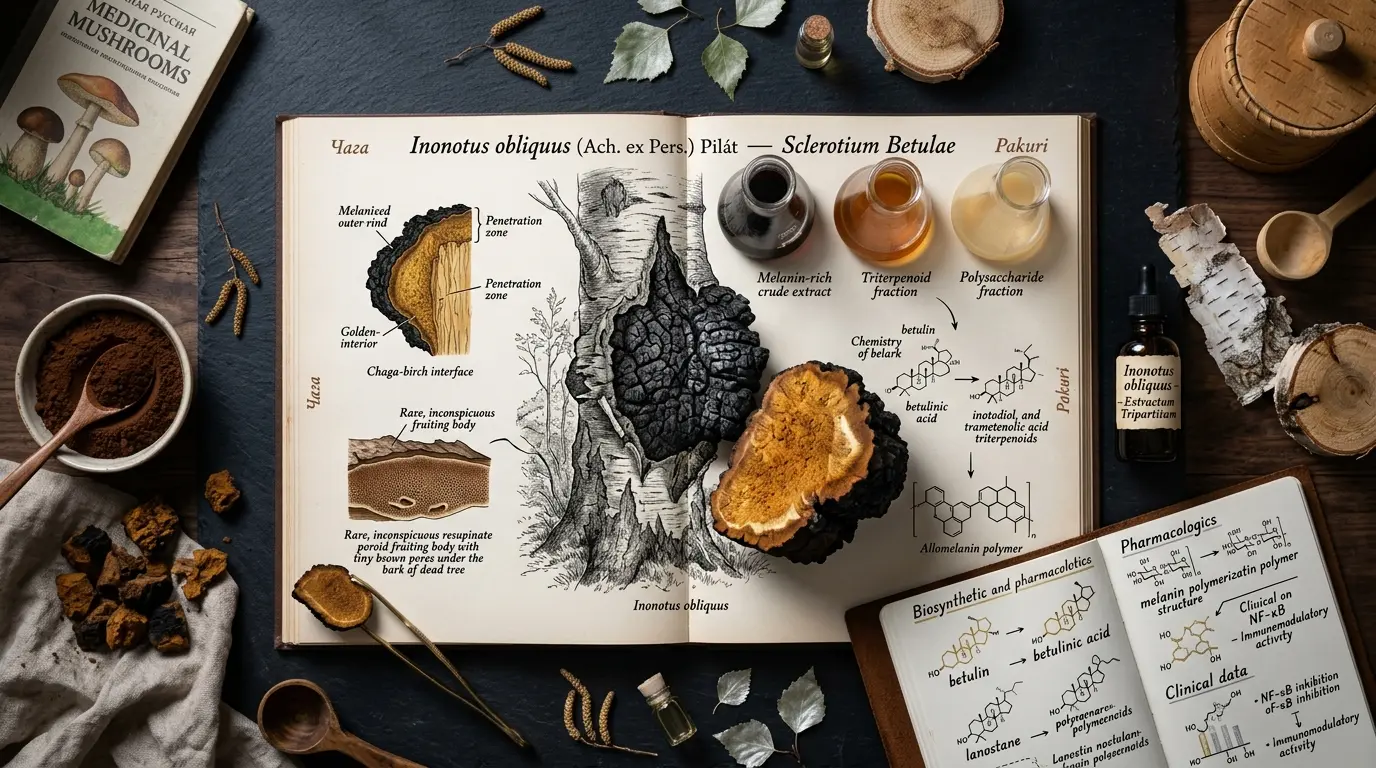
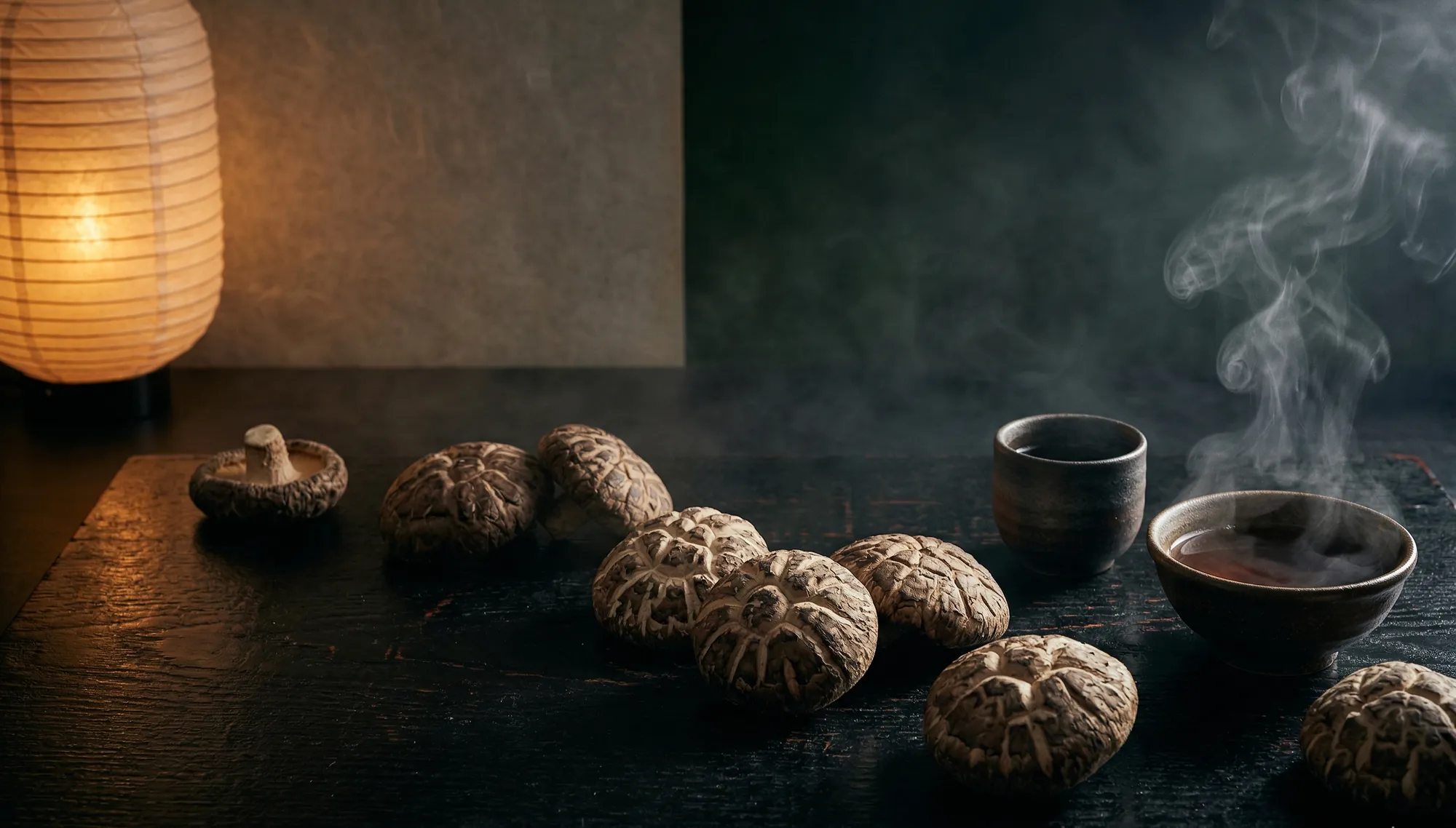
In animal models, Maitake D-fraction and Shiitake lentinan have been observed to enhance mucosal sIgA production; this effect is reported in parallel with an increase in mucosal plasma cell counts (Vetvicka & Vetvickova, 2014; PMID: 24948340). Direct human data demonstrating sIgA elevation remain limited, and methodological standardization across studies is lacking.
The Gut Microbiota Axis
Because mushroom polysaccharides resist digestion in the stomach and small intestine, they reach the colon intact, where they undergo bacterial fermentation. The resulting short-chain fatty acids (SCFAs) indirectly support mucosal IgA production.
This demonstrates that the influence of mushrooms on mucosal immunity operates not solely through direct immune cell stimulation but also via a microbiota-mediated, indirect pathway (Jayachandran et al., 2017; PMID: 29039786).
Boundaries of Inference
The majority of available studies have been conducted in animal models or in vitro designs. Human intervention trials are scarce; most have small sample sizes and lack a standardized dosing protocol. Consequently, any effect on mucosal immunity must be assessed as a subject of ongoing investigation rather than a clinically validated endpoint.
Related Reading
- How Does the Immune System Work? — The architecture of systemic and mucosal immunity.
- What Is β-Glucan? — The molecular identity of the polysaccharide.
- D-Fraction — The polysaccharide fraction of Maitake.
This content is provided for informational purposes only and does not constitute medical advice. Consult your physician before making any health-related decisions. Functional mushrooms are not pharmaceutical drugs and are not intended for the treatment of disease.
Version: 1.0 | Last updated: April 28, 2026 | Sources reviewed: 12+ | Method: Editorial Policy | References: Bibliography