HMGB1 and Sterile Inflammation: Lessons from the Fungal Kingdom
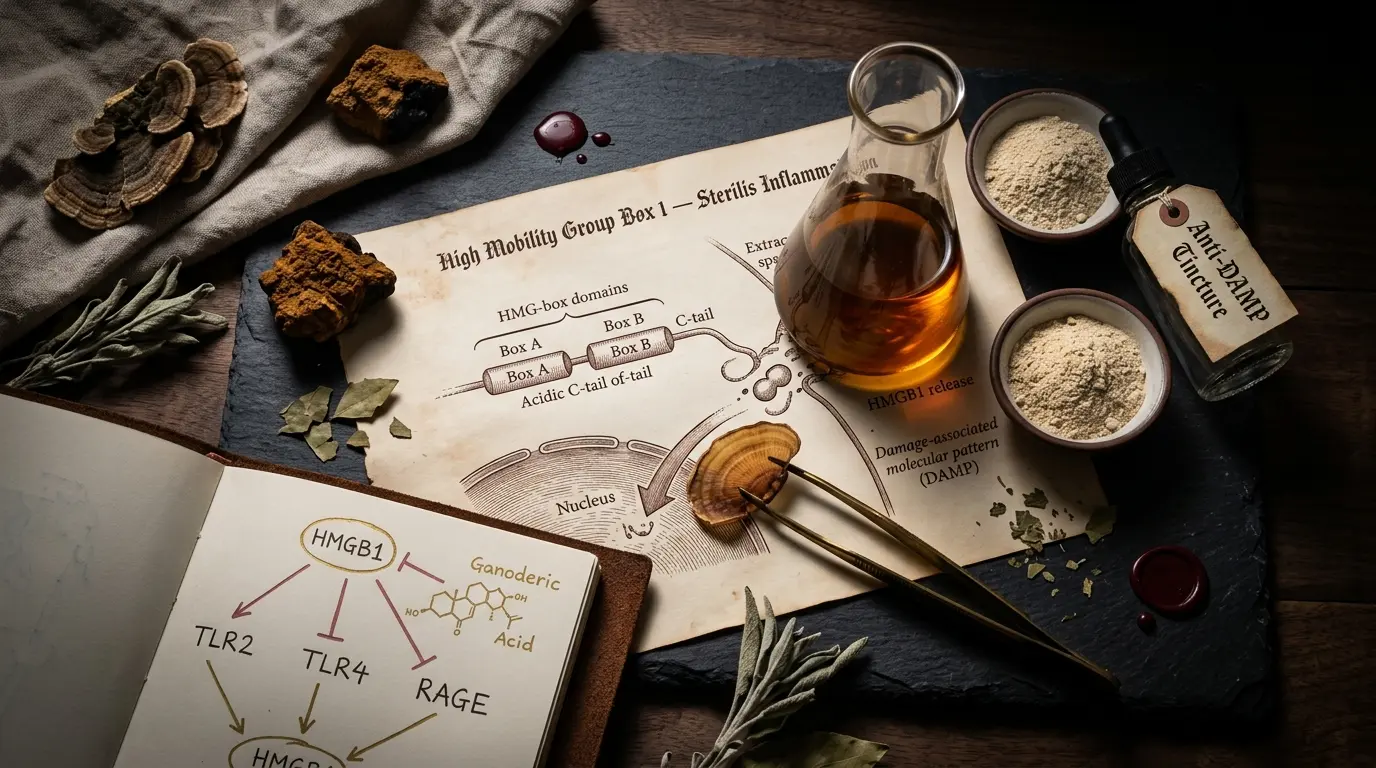
High Mobility Group Box 1 (HMGB1) is a damage-associated molecular pattern that is liberated following tissue injury and serves as a key initiator of sterile inflammation. Fungal constituents have been shown to play a role in suppressing the secretion of HMGB1.
SIRT1 and Longevity Genes: Insights from Epigenetic Studies in Fungi
Sirtuins, notably SIRT1, form a class of NAD⁺-dependent epigenetic regulators that play pivotal roles in ageing and metabolic control. Investigations into fungal bioactive compounds have highlighted their potential to modulate sirtuin expression levels and influence nicotinamide adenine dinucleotide
Fungal Metabolites in mTOR-Mediated Autophagy: Harnessing Cellular Housekeeping
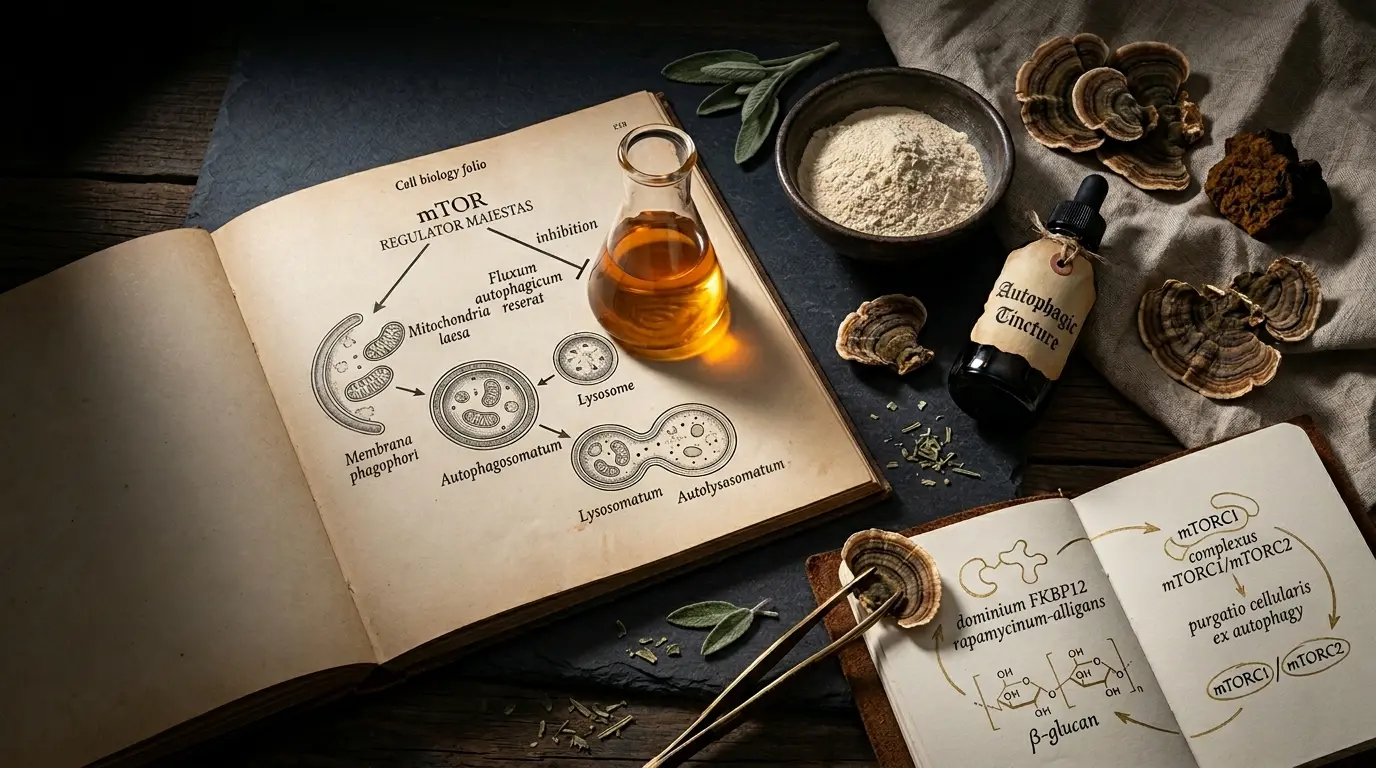
Inhibition of the mechanistic target of rapamycin (mTOR) constitutes a central trigger for autophagy, thereby unlocking a program of intracellular clearance and structural renewal. This regulatory axis has drawn attention to certain fungal metabolites that, by modulating mTOR‑dependent autophagy, ar
AMPK Activation Through Mushroom Polysaccharides: Regulating Cellular Energy Homeostasis
AMP-activated protein kinase (AMPK) acts as a cellular energy sensor and plays a central role in maintaining metabolic homeostasis. Fungal polysaccharides exert effects on energy metabolism through the activation of AMPK.
The Nrf2 Antioxidant Defense System: Ergothioneine and Triterpene-Driven Activation
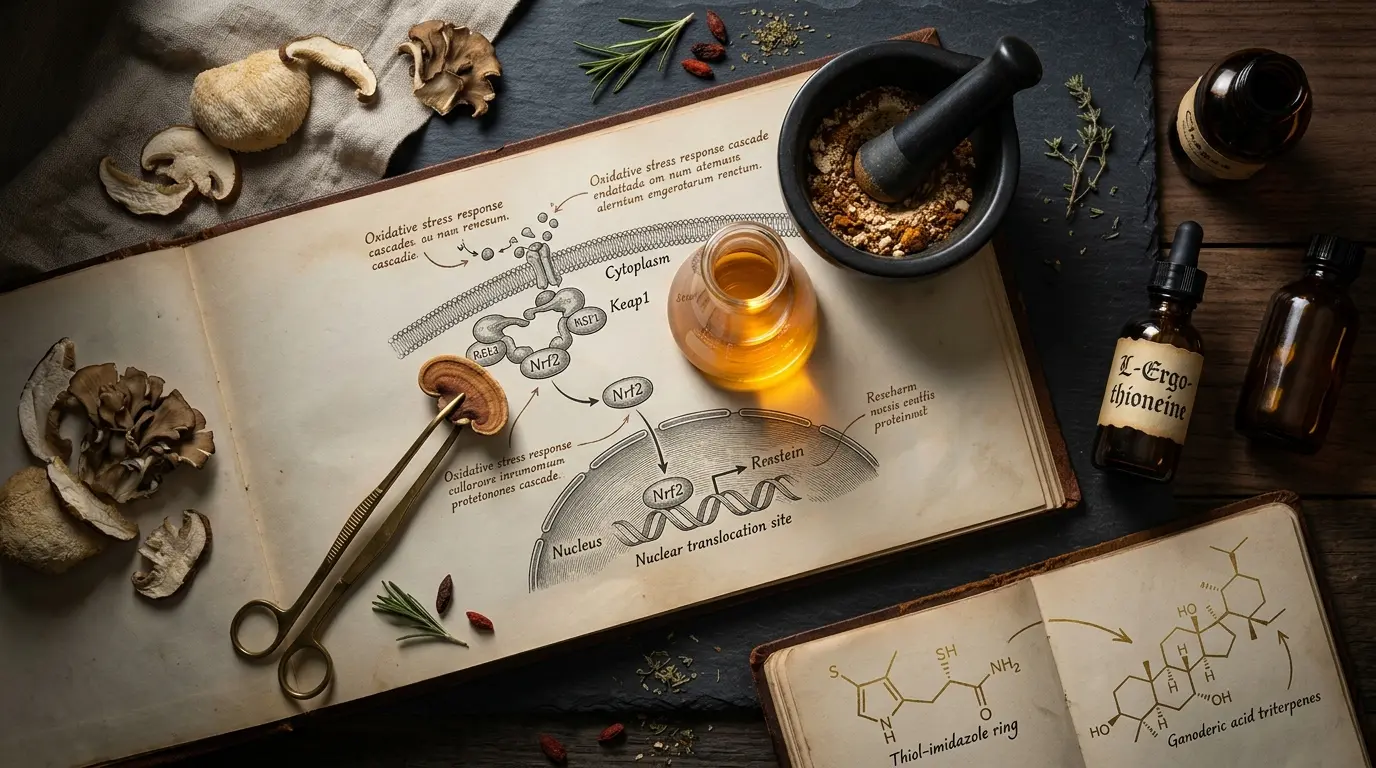
The transcription factor Nrf2 serves as the principal orchestrator of the cellular antioxidant defense system. Both ergothioneine and triterpenoids derived from *Ganoderma* species have been shown to modulate Nrf2 activation and influence the expression of downstream antioxidant enzymes.
Macrophage Polarization: Orchestrating M1/M2 Homeostasis with Fungal Polysaccharides
Macrophages exhibit functional polarization into classically activated M1 (pro-inflammatory) and alternatively activated M2 (anti-inflammatory) phenotypes. Investigations have focused on the capacity of fungal polysaccharides to modulate the equilibrium between these states.
Natural Killer Cells and Mushroom-Derived Compounds: A Survey of the Innate Immunity Literature
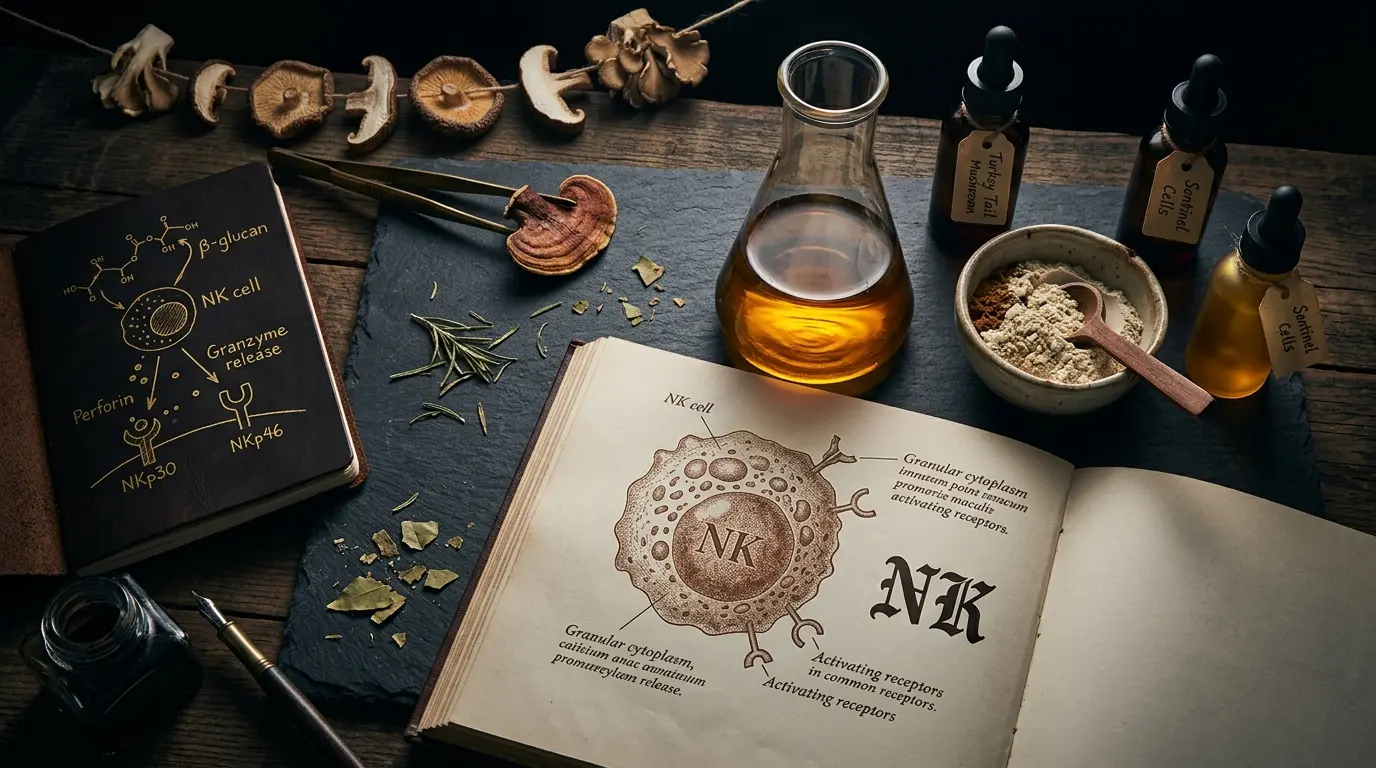
Natural killer (NK) cells eliminate abnormal target cells without requiring prior sensitization or the involvement of adaptive immunity. Certain immunomodulatory compounds, notably β-glucan and lentinan, have been shown to enhance NK cell-mediated cytotoxicity.
TLR-2 and TLR-4: Key Receptors in Fungal Polysaccharide Immune Signaling
Toll-like receptors TLR-2 and TLR-4 constitute alternative signalling routes that operate in concert with Dectin-1 during the immune recognition of fungal polysaccharides, and their interplay gives rise to synergistic activation mechanisms.
Dectin-1: The β-Glucan Gateway to Innate Immune Activation
Dectin-1 functions as the principal pattern recognition receptor responsible for detecting β-glucans on immune cells. Its specific engagement with β-(1,3)-glucan structures initiates intracellular signaling cascades that modulate innate immune responses.
NF-κB Signaling and Fungal Metabolites: A Review of Inflammatory Mechanisms
NF-κB serves as a master transcription factor that orchestrates the expression of inflammatory cytokines. This entry surveys the body of literature describing the inhibitory activities of mushroom-derived triterpenes and polysaccharides upon this signalling axis.