The Maitake Mushroom (Grifola frondosa): A Comprehensive Species Encyclopedia
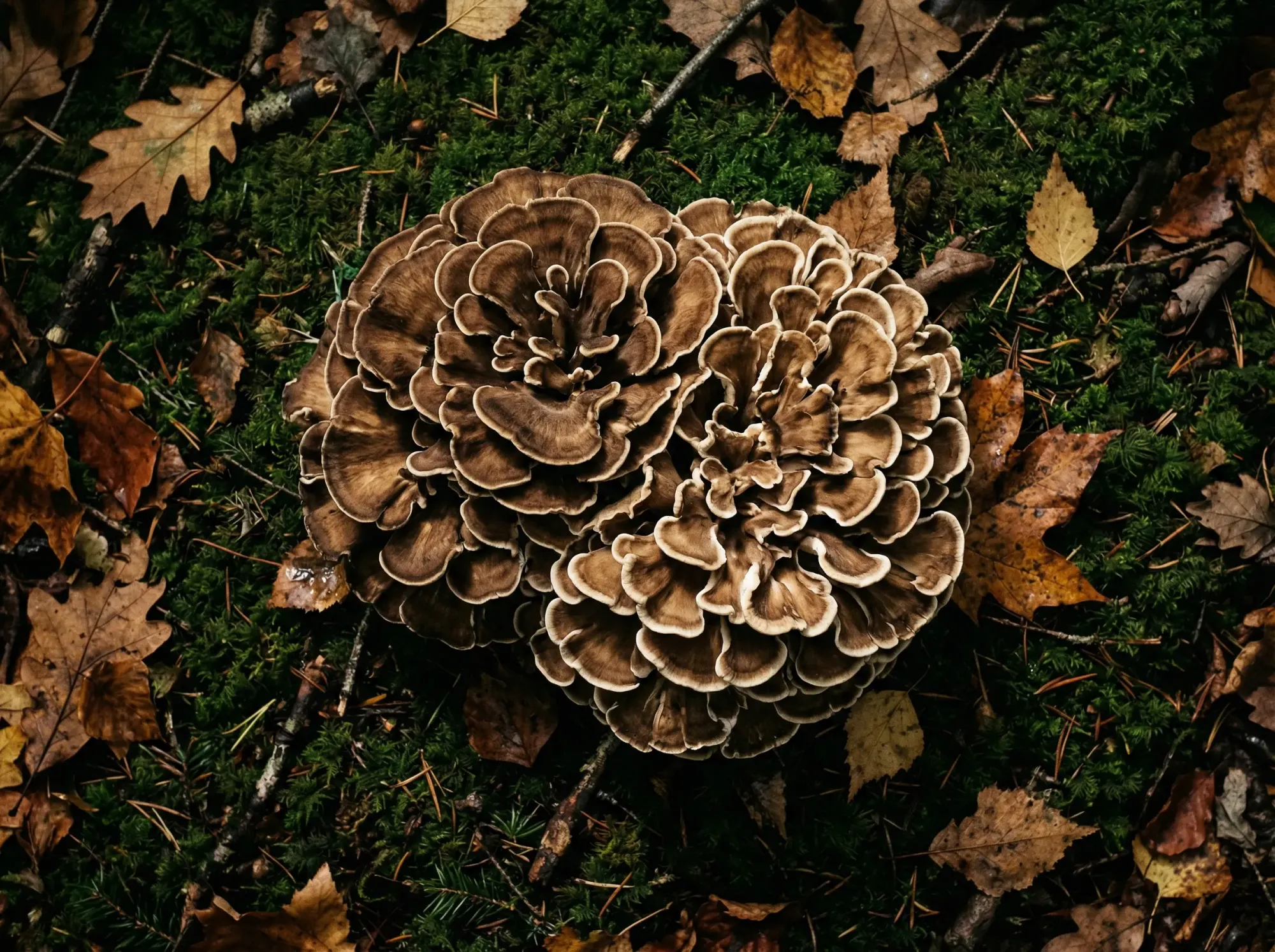
The heaviest documented wild specimen of maitake (Grifola frondosa) was a single cluster with a mass approaching 45 kilograms.
The Neuroendocrine Pathways of Adaptogenic Mushrooms in Cortisol Modulation and Stress Response
Cortisol is not inherently pathological; its dysregulation becomes problematic only when secretion is chronically elevated. Adaptogenic mushrooms that modulate the hypothalamic–pituitary–adrenal (HPA) axis do not simply suppress cortisol output but instead restore homeostatic feedback sensitivity an
Culinary Applications of the Shiitake Donko Mushroom
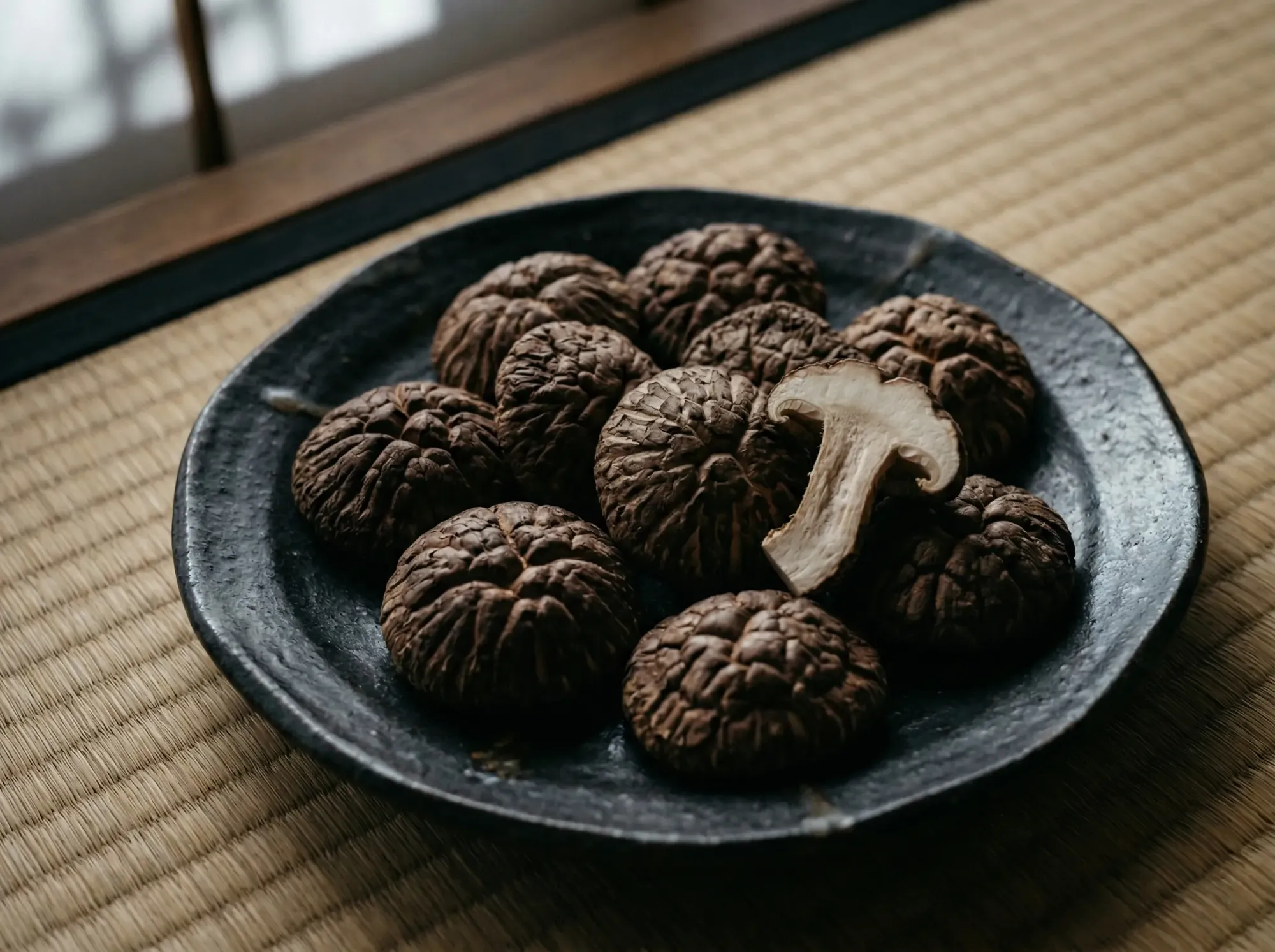
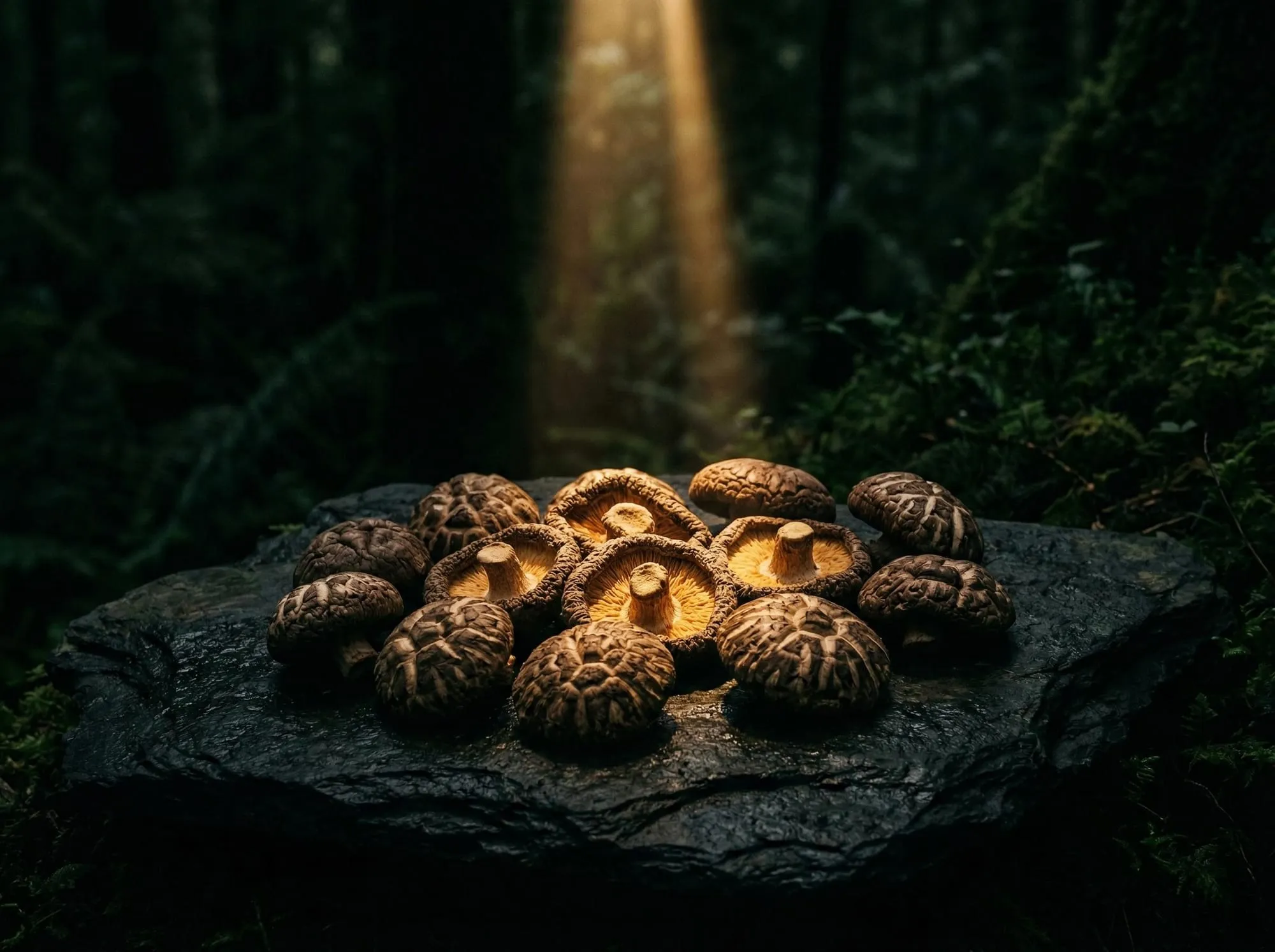
Donko-grade shiitake mushrooms, characterized by their thick, fleshy caps and a slow, carefully controlled drying process, are regarded as the most esteemed category within Japanese cuisine.
Understanding MYCOVITA's Cost Structure and Quality Premium
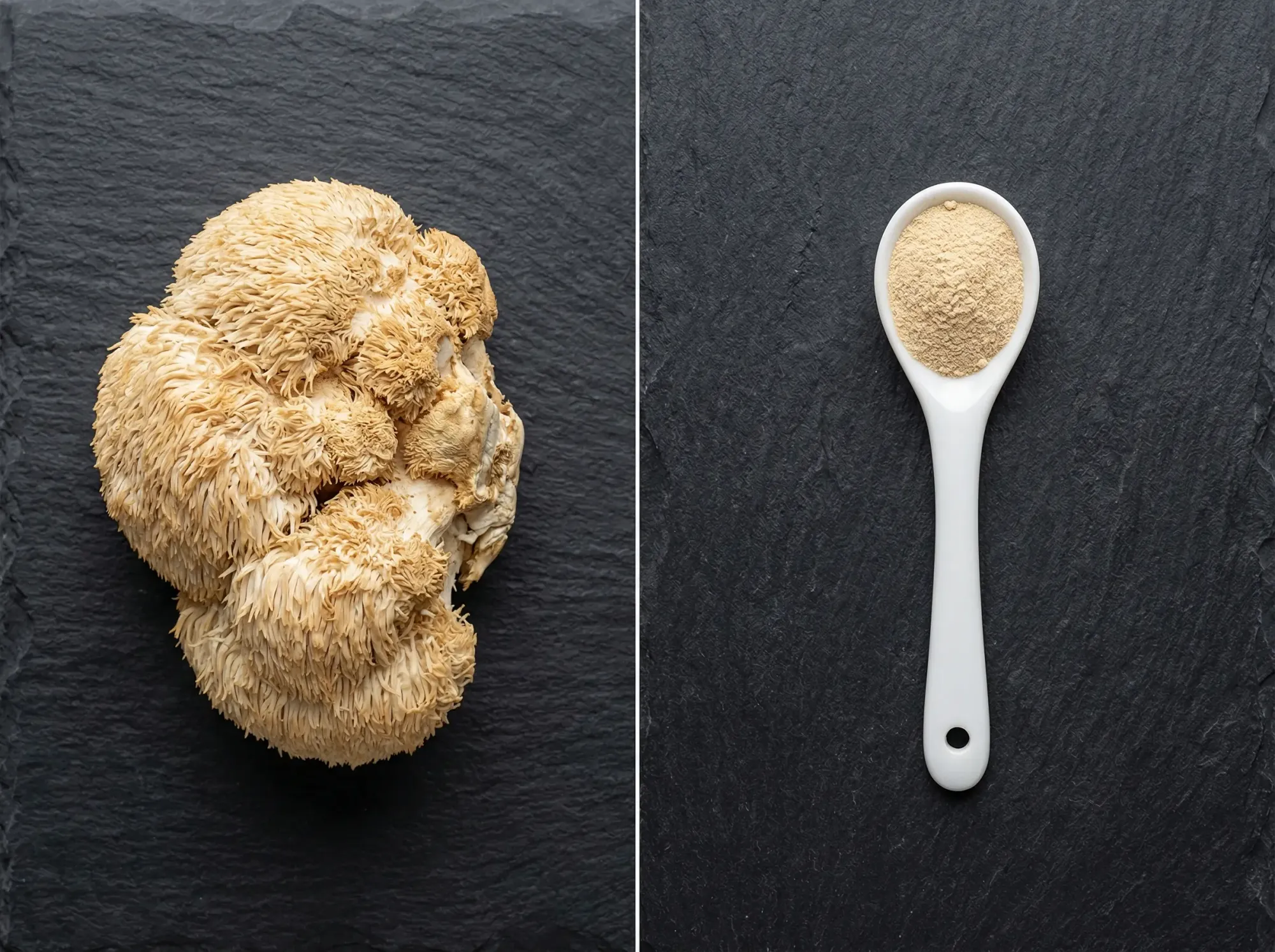
The production cost of mushroom powder derived from the fruiting body is substantially higher than that of mycelium-based powder.
The Guiding Principles Behind the MYCOVITA Transparency Manifesto
MYCOVITA maintains complete transparency by making all production and analytical process documentation openly available to its customers.
The Definitive Guide to Maitake Mushrooms: Culinary Applications and Preparation Techniques
The Japanese name for maitake translates literally to “dancing mushroom,” an allusion to the exuberant delight of encountering it in the wild.
How Mushrooms Biosynthesize Vitamin D: The Ergosterol Pathway
Güneş ışığına bırakılan bir şiitake dilimi 6 saatte insan günlük ihtiyacını karşılayacak kadar D vitamini üretebilir. Bu, mantarları bitkisel dünyada D vitamini sunan nadir kaynaklardan biri yapar. Peki mekanizma nasıl çalışır?
Chitin and Its Structural Role in the Fungal Cell Wall
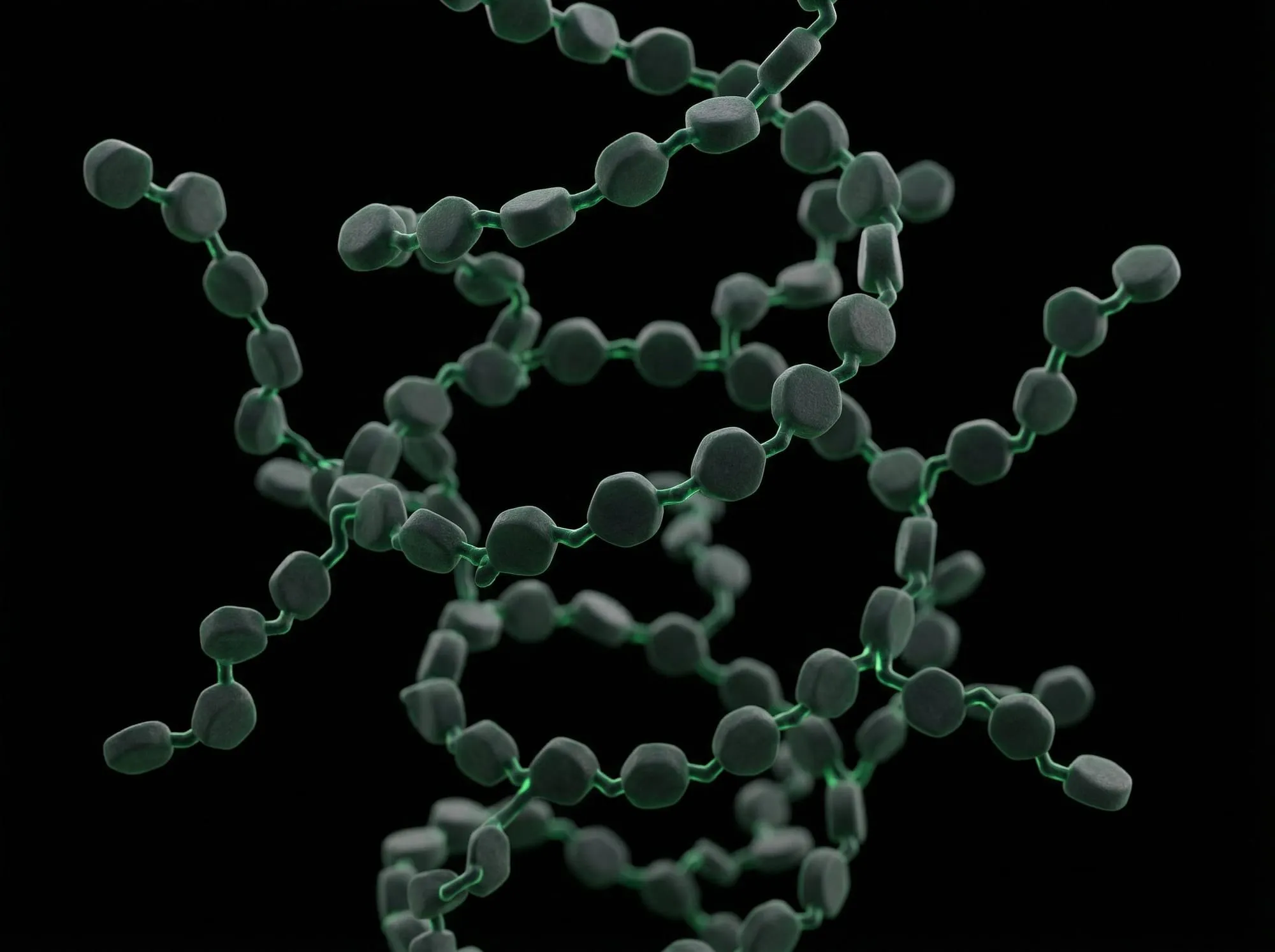
Chitin, the structural polysaccharide of fungal cell walls, serves as a critical barrier that governs the bioavailability of bioactive compounds.
Triterpenes and the Molecular Foundations of Reishi's Bitterness
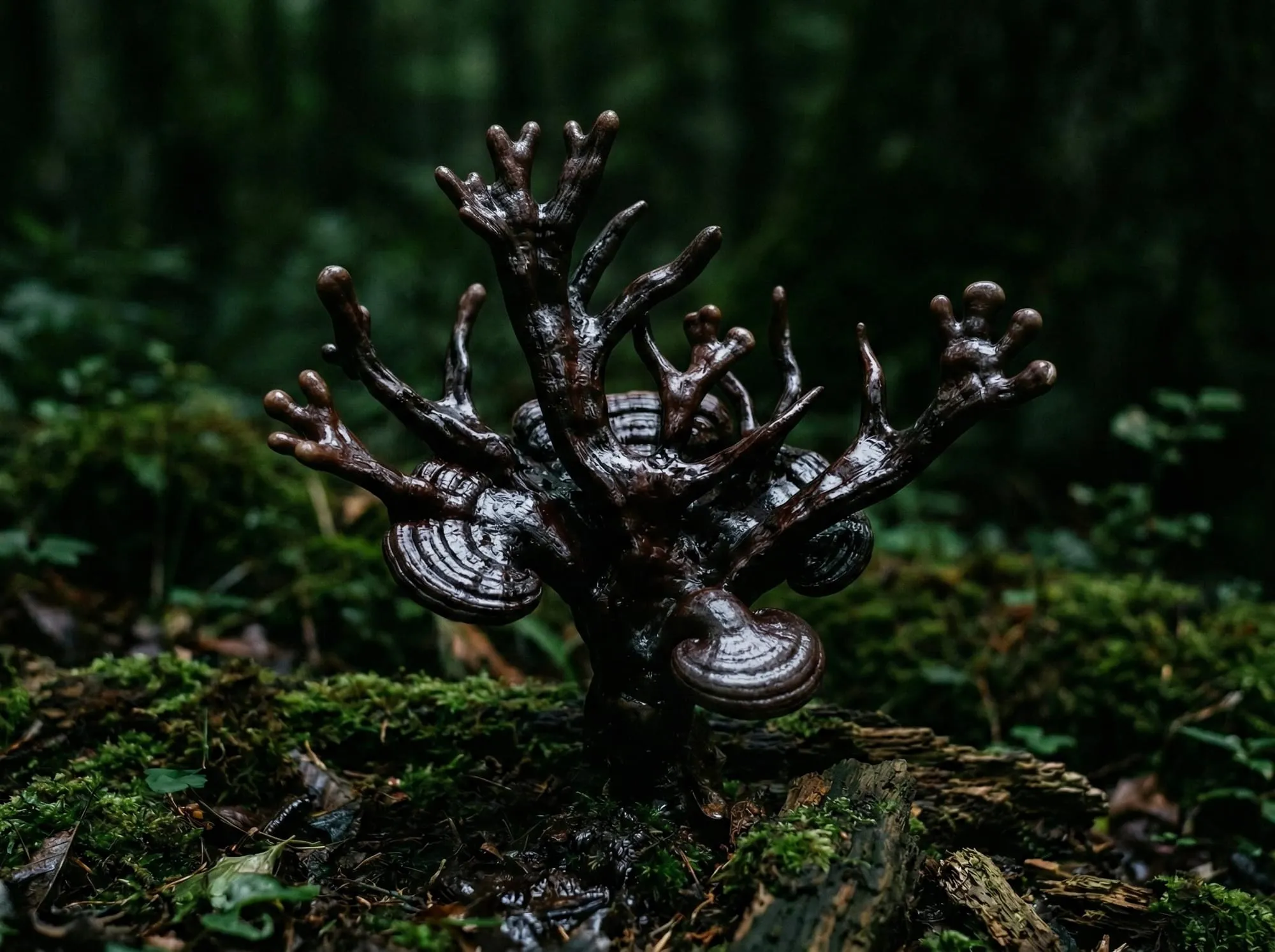
The characteristic bitterness of Reishi mushroom is a direct indication of its ganoderic acid concentration, which is widely regarded as a key marker of quality.
Certificate of Analysis (CoA) Demystified: A Comprehensive Guide to Interpreting Mushroom Powder Lab Reports
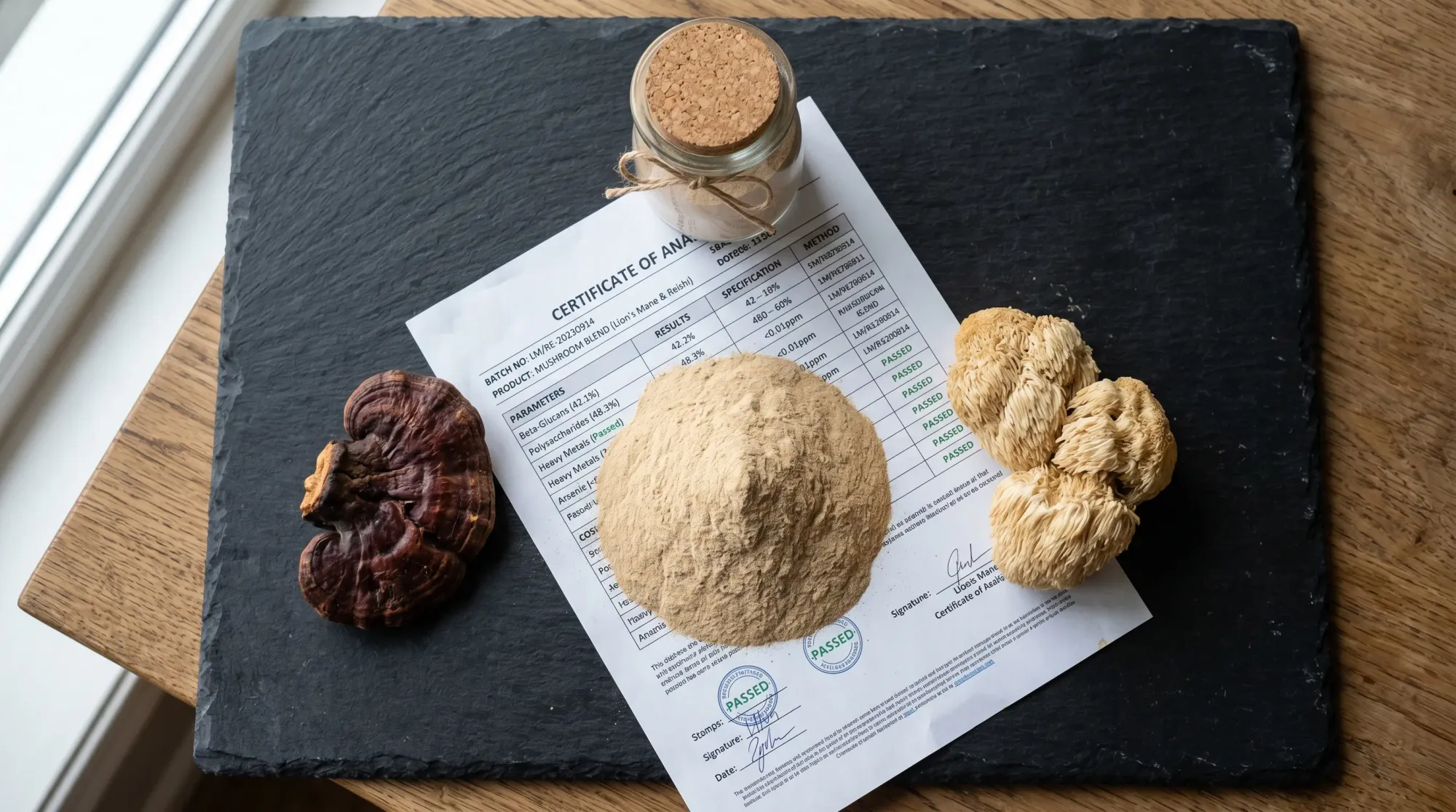
In the absence of a Certificate of Analysis, the beta-glucan content of mushroom powder has not been independently verified.