The Neuroendocrine Pathways of Adaptogenic Mushrooms in Cortisol Modulation and Stress Response

Cortisol is not inherently problematic — it is essential for survival. The morning cortisol surge launches you into wakefulness; the cortisol spike during a stress response mobilizes you against threat. The problem arises when cortisol remains chronically elevated. This is precisely what occurs under the structural stress burden of modern life, and it is here that adaptogenic mushrooms offer a compelling point of intervention.
The HPA Axis: Biological Infrastructure of Stress
The hypothalamic-pituitary-adrenal (HPA) axis is the neuroendocrine circuit that coordinates the organism's stress response. A stress signal triggers the hypothalamus to produce corticotropin-releasing hormone (CRH); CRH stimulates the pituitary gland to secrete adrenocorticotropic hormone (ACTH); ACTH directs the adrenal glands to synthesize and release cortisol.
During the acute stress response, cortisol: elevates blood glucose (energy mobilization), suppresses immunity (inflammation containment), and consolidates memory (encoding dangerous situations for future reference). This response is exquisitely designed to cope with an acute threat.
Under chronic stress, however, the HPA axis remains persistently activated; cortisol levels fail to decline. This state produces: immune suppression, metabolic dysregulation, hippocampal neuronal loss (memory impairment), sleep disturbance, and a self-reinforcing anxiety cycle. The goal of adaptogenic intervention is to normalize this cycle.
Reishi and the HPA Axis: Mechanisms
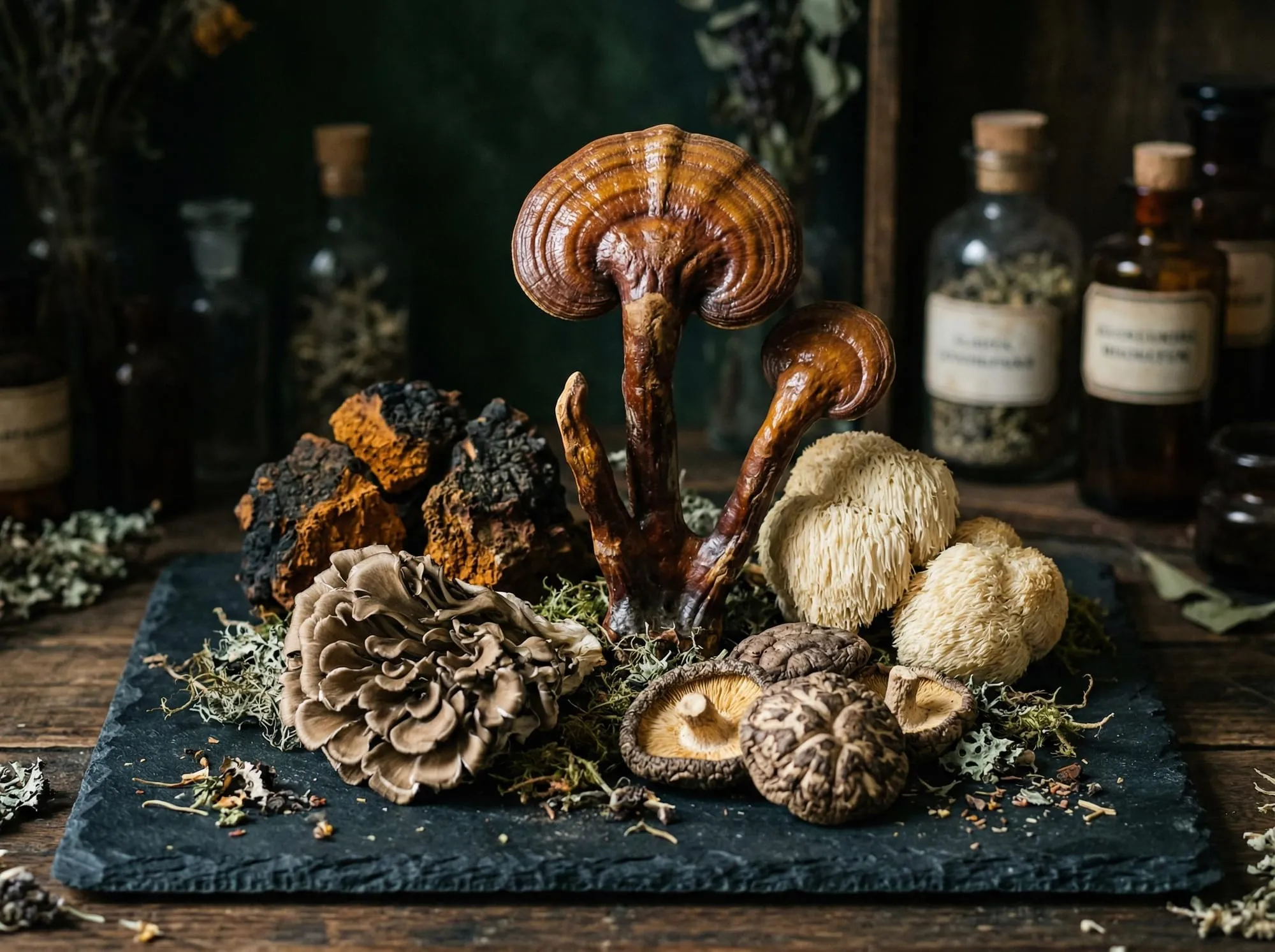
Reishi (Ganoderma lucidum) is thought to exert its adaptogenic effect through several mechanisms. Ganoderic acids — the characteristic triterpene constituents of reishi — have demonstrated an inhibitory effect on cortisol synthesis at the adrenal gland level (in animal models). This inhibition does not reduce cortisol to zero; it is characterized as a normalizing effect.
A second mechanism involves immune-endocrine cross-signaling: the effect of reishi polysaccharides on immune cell activation may contribute to reverse modulation of the HPA axis via the vagus nerve. This pathway is termed "immune-neural retroregulation," and research remains ongoing.
The third mechanism concerns sleep quality: reishi's potential modulatory effect on GABA receptors may enhance sleep depth. Sleep is the most powerful natural mechanism for HPA axis regulation — during deep sleep, cortisol reaches its lowest diurnal level. Reishi and sleep quality examines this mechanism in detail.
Human Studies: Cortisol Measurements
Human studies directly measuring the effect of reishi supplementation on cortisol remain limited. A double-blind, placebo-controlled trial published in 2012 (PMID: 22203880) demonstrated that reishi supplementation produced significant improvement in fatigue and quality of life among cancer patients; however, cortisol measurement was not a primary endpoint. A large-scale RCT monitoring morning cortisol changes in stressed healthy adults has yet to be conducted.
Pilot studies have reported improvements in perceived stress scales among professionals diagnosed with burnout. Whether these subjective measures are underpinned by biochemical cortisol changes remains an open question.
Cordyceps and Energy Metabolism: The Stress Connection
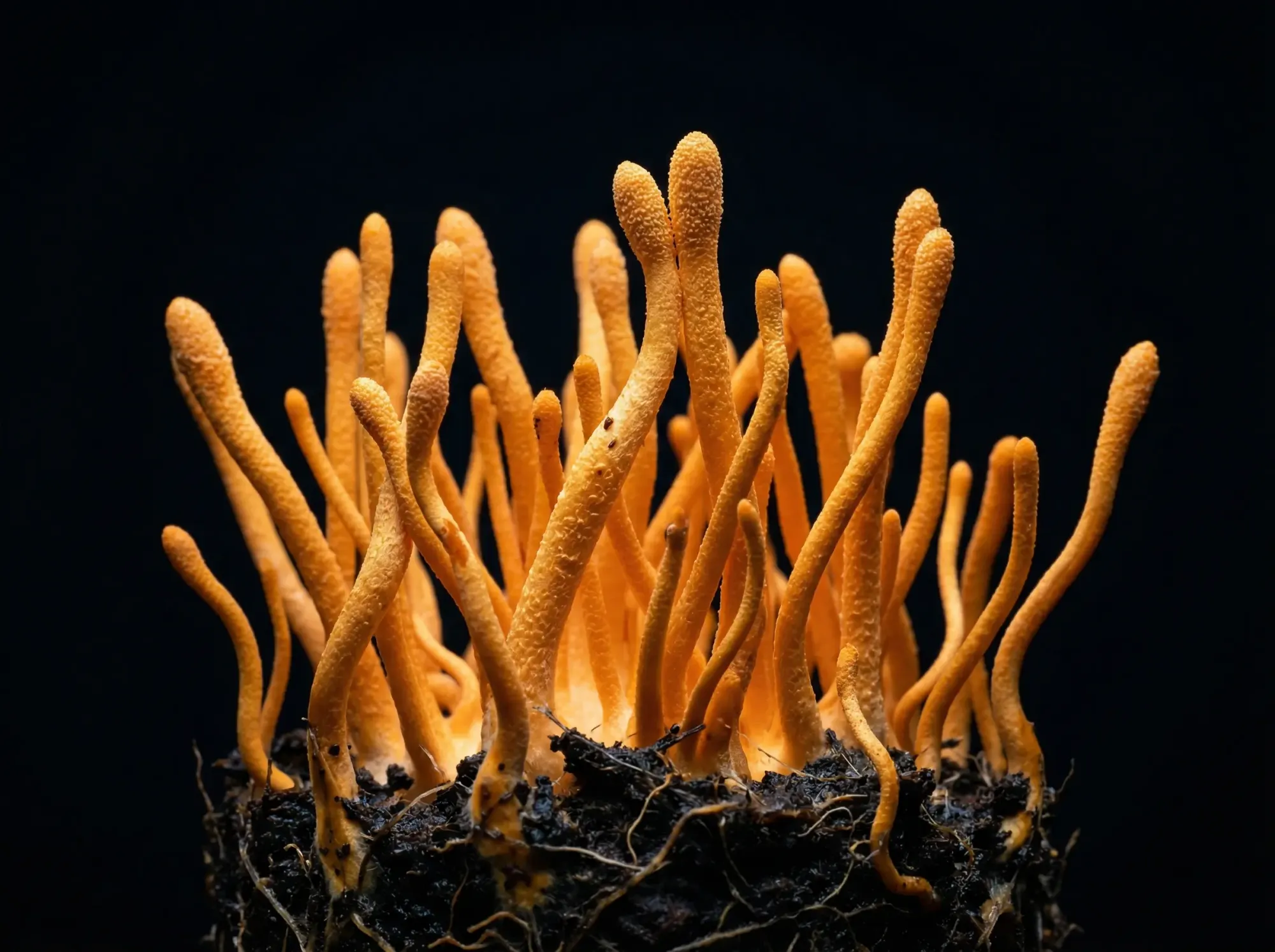
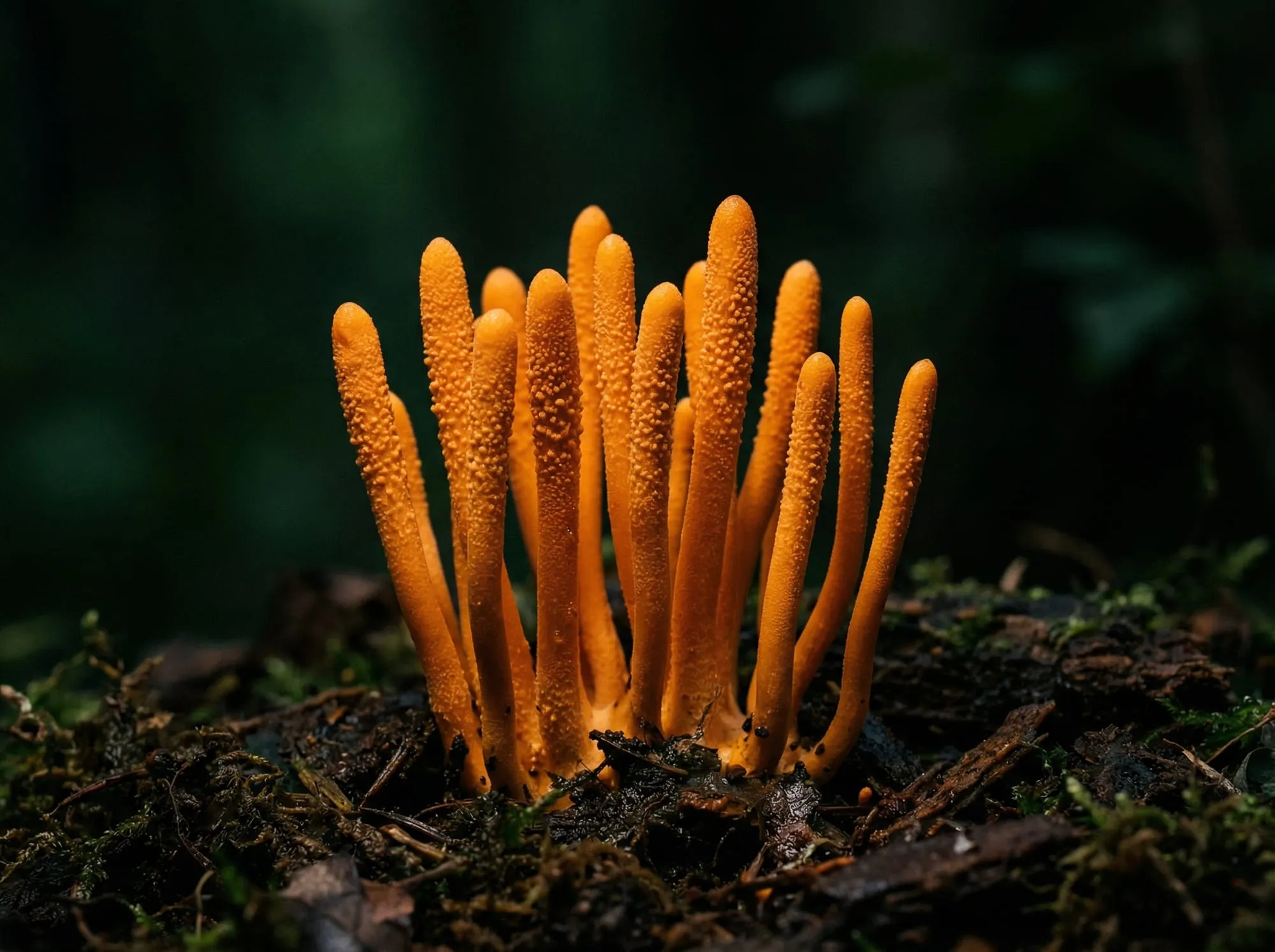
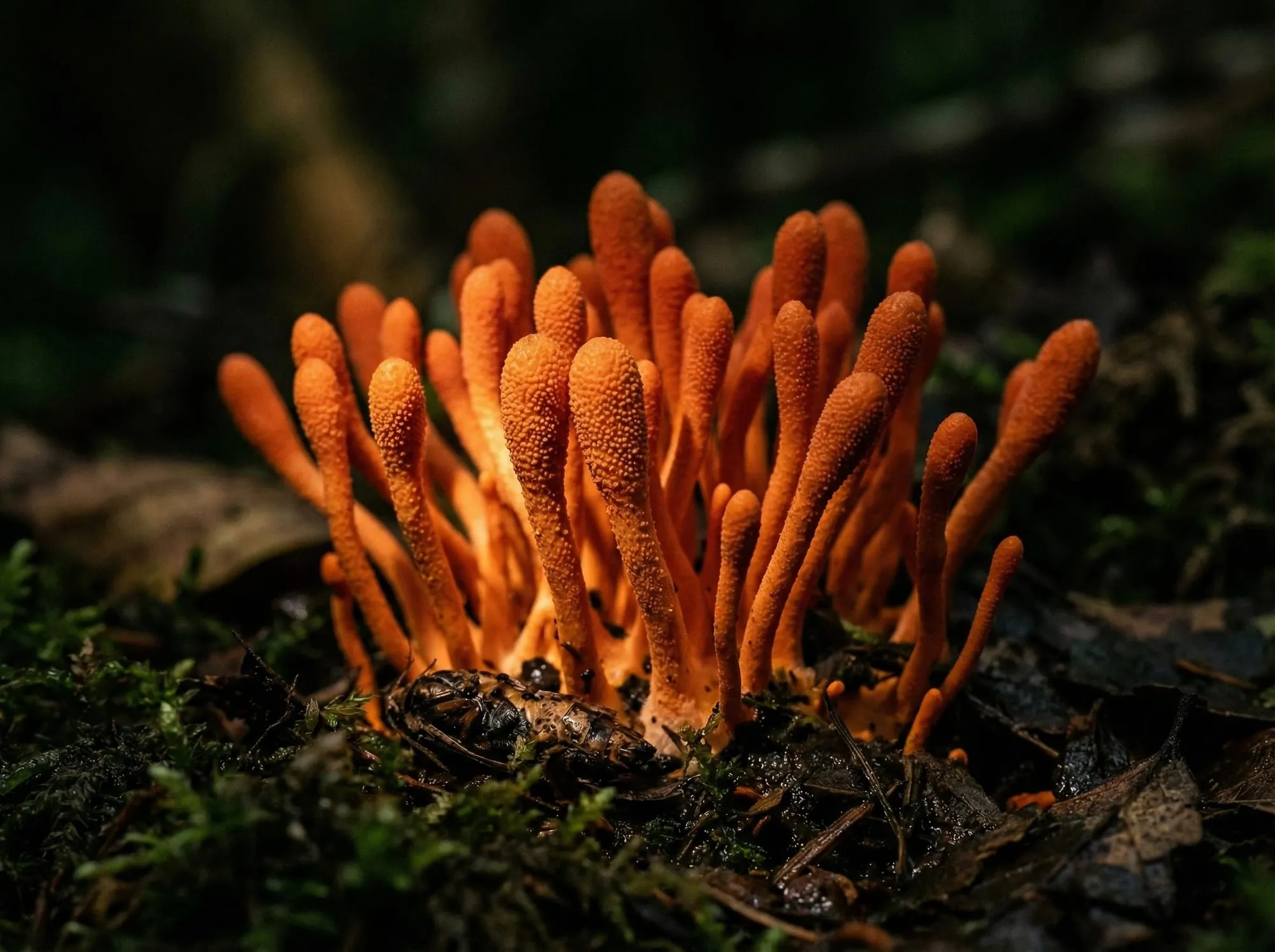
The adaptogenic role of cordyceps is explained less through cortisol modulation than through mitochondrial energy metabolism. Under chronic stress, the efficiency of mitochondrial ATP production declines; this "energy deficit" is experienced as fatigue and cognitive fog. The cordycepin component of cordyceps holds the potential to close this gap by promoting AMPK activation and mitochondrial biogenesis.
From a stress physiology perspective, another value of cordyceps lies in its capacity to provide sustainable energy even under low cortisol drive. This concept of "stress-free energy" points to an energy source operating via parasympathetic balance rather than caffeine-like sympathetic activation. Does cordyceps work like caffeine? examines this comparison at the mechanistic level.
Lion's Mane and Stress: The NGF Dimension
Lion's mane (Hericium erinaceus) contains hericenone and erinacine compounds that stimulate nerve growth factor (NGF) synthesis. Chronic stress suppresses hippocampal neurogenesis; NGF is regarded as an antidote to this suppression. Studies suggest that lion's mane exerts positive effects on depressive symptoms and cognitive function (Mori et al., 2009; PMID: 18844328).
Within the stress-anxiety-cognitive impairment triangle, lion's mane is positioned as an adaptogenic tool providing neuroplasticity support. This mechanism does not directly affect the HPA axis; however, it may partially remediate the downstream neuronal damage caused by stress.
Combination Protocol and Practical Application
A mushroom combination protocol for stress management:
- Morning: Lion's mane (500 mg extract) — for cognitive clarity and NGF support
- Midday: Cordyceps (500–1,000 mg) — to prevent the afternoon energy crash
- Evening: Reishi (750–1,000 mg) — for cortisol normalization and sleep transition
This protocol recommendation is based on the current literature on evidence-based adaptogenic supplementation; individual response varies. In cases of psychiatric diagnosis or medication use, physician supervision is mandatory. The adaptogen hierarchy evaluates these mushrooms in comparison with the evidence levels of botanical adaptogens.
Limitations and Realistic Expectations
Adaptogenic mushroom supplementation does not act directly on structural sources of stress — excessive workload, relationship conflicts, financial pressure. It optimizes the physiological stress response; it does not eliminate the stressor itself. For this reason, adaptogenic supplementation yields its most meaningful results when combined with psychological stress management strategies (cognitive reframing, sleep hygiene, exercise) — not as a standalone solution, but as an integrative support tool.
This page has been prepared within the scope of the MYCOVITA Mycology Library. It serves scientific reference purposes and does not constitute medical advice. Source: mycovita.bio · Content Policy v1.0