A Comprehensive Guide to Mushroom Safety and Nutrition for Children
— HOOK —
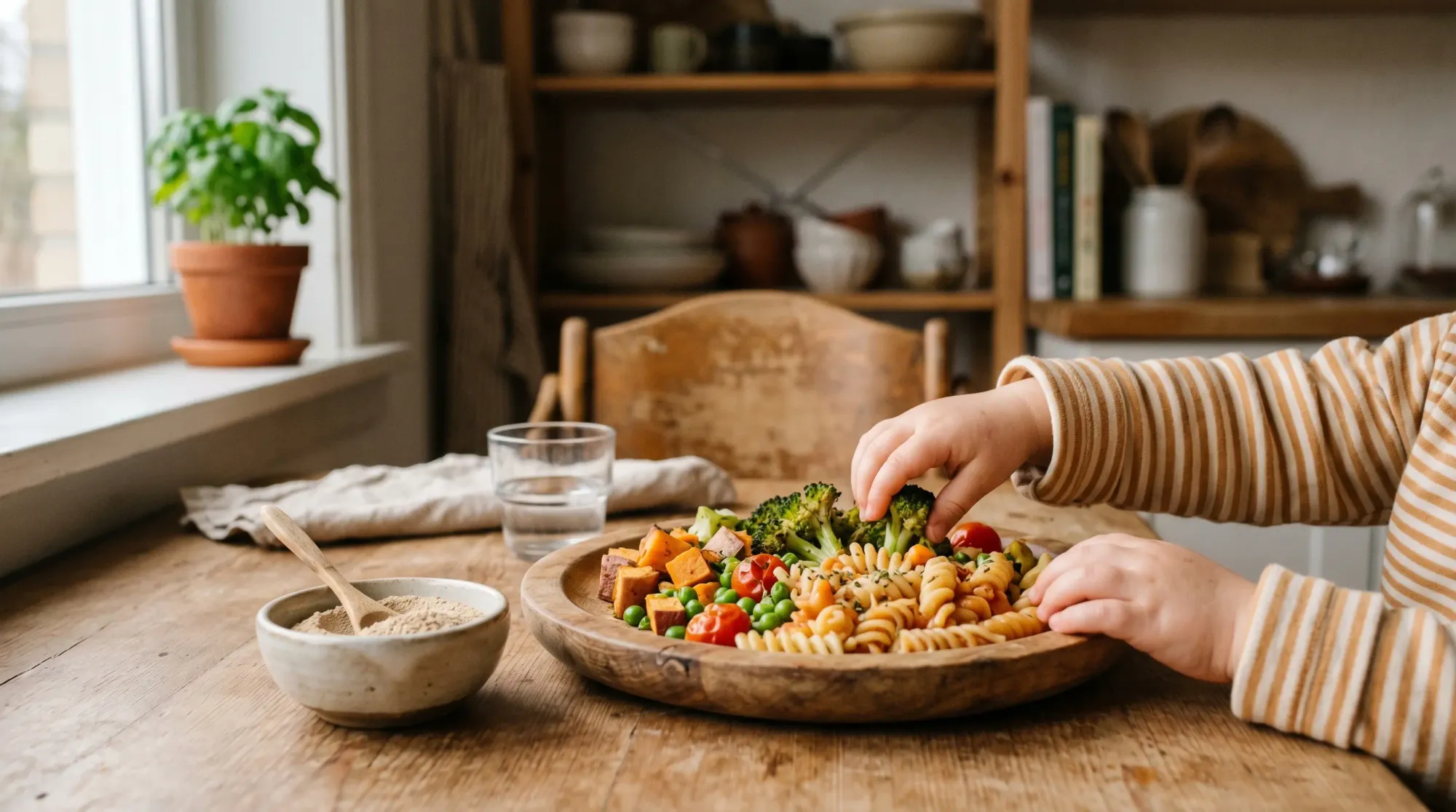
A dinner table scene: a 5-year-old eyes the shiitake mushroom on their plate with suspicion. The mother turns to her friend beside her. "I bought Lion's Mane online. It is supposed to be good for brain development. Should I give it to them?"
This question is in fact two separate questions. The first is a culinary question: should a child eat mushrooms? The second is a clinical question: should a child receive functional mushroom supplements?
The answers to these two questions are not the same. This guide distinguishes one from the other.
The Fundamental Distinction: Gastronomy Series vs. Apothecary Series
The MYCOVITA catalog contains two core series, and this distinction is especially critical for children.
Gastronomy Series — dried gourmet mushrooms such as King Oyster, Shiitake Donko, and Maitake. These are foods consumed in kitchens for thousands of years. Having Shiitake on a child's plate is, in safety terms, no different from having broccoli, leek, or carrot on that same plate. Portion control, allergy awareness, and standard pediatric nutrition principles apply.
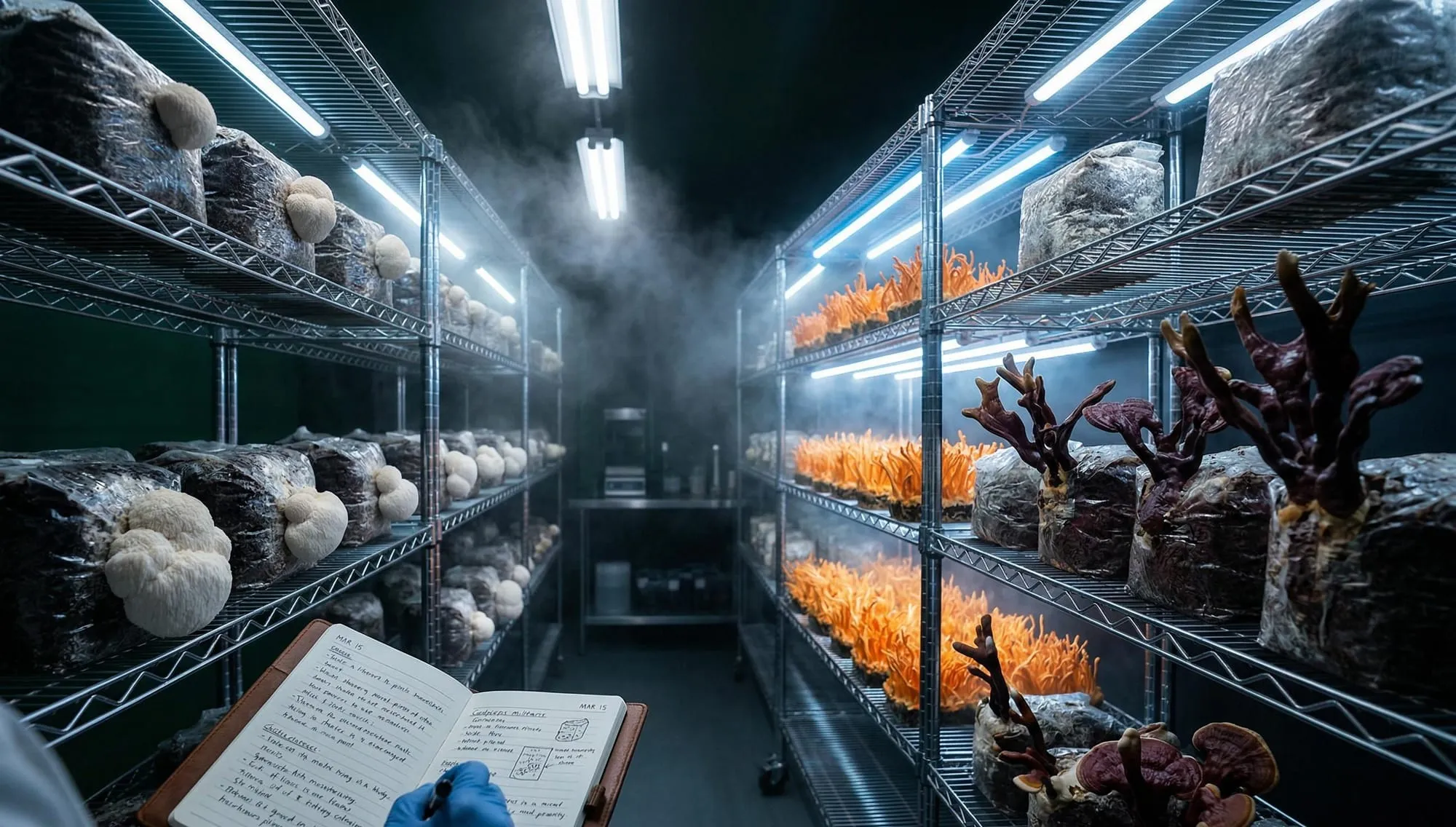
Apothecary Series — functional mushrooms such as Lion's Mane (Hericium erinaceus), Reishi (Ganoderma lucidum), Cordyceps militaris, Sparassis crispa, and Turkey Tail (Trametes versicolor). Although these have been extensively studied in adults, specific clinical data in children — especially under the age of 12 — remain exceedingly limited. This does not mean "they are harmful"; it means "they have not been studied sufficiently." The distinction is important.
In the pediatric literature, the golden rule stands: absence of evidence is not evidence of safety. Child physiology is not a scaled-down version of adult physiology. Liver enzyme profiles, immune system maturation, and hormonal axes during the growth period do not resemble the adult molecular landscape.
Gastronomy Series: A Culinary Guide for Children
The most effective way to introduce gourmet mushrooms into a child's diet lies not in concealment but in accompaniment. Introducing umami flavor early constitutes an investment in palate education — one that may reduce the craving for processed foods in later years.
Shiitake Donko (Lentinula edodes)
Known in Japan as the "winter mushroom." This is the dried version of the individual fresh mushroom; its aroma intensifies twofold upon drying. The umami depth approaches the familiar meat-broth flavors a child's palate recognizes. Rehydrate in warm water for 20 minutes, remove the stem (tough), and slice the cap. Starting point: half a teaspoon of the rehydration liquid plus 1–2 cap slices added to soup.
King Oyster (Pleurotus eryngii)
With its celery-like texture and neutral flavor, King Oyster can substitute for chicken or calamari. Its protein profile is high and its fat content low. Slice and sauté in a pan, add to pasta sauce, or incorporate into meatball mixtures. Its texture does not trigger the "something has been tampered with" reflex children often display.
Maitake (Grifola frondosa)
Lightly nutty, forest-floor aroma. The name means "dancing mushroom" — so called because finding one in the wild inspired joyful dancing, such was its treasure status. Add half a teaspoon in powdered form to rice pilaf or omelette. Its omega-like lipid profile and ergosterol content carry nutritional value.
Portion Guide (Gastronomy)
- Ages 2–4: dry-weight equivalent approximately 2–3 g/day (1 shiitake slice).
- Ages 5–8: 3–5 g/day (2–3 shiitake slices or ½ king oyster).
- Ages 9–12: 5–8 g/day.
- Ages 13+: adult portion (8–15 g/day) is reasonable.
These portions apply to consumption as food; they are not supplement dosages.
Apothecary Series: A Cautious Approach
Children and functional mushroom use is a topic treated too casually across internet forums. Approaching the matter from a clinical pediatric perspective yields the following:
Lion's Mane (Hericium erinaceus)
In adults, the safety profile is favorable; tolerability is high. However, pediatric randomized controlled trials — particularly for children under 12 — are practically nonexistent. The effects of hericenones and erinacines on the developing nervous system remain unknown. NGF (Nerve Growth Factor) modulation, which may be beneficial in an adult brain, could produce unpredictable effects in a developing one. Clear recommendation: routine use is not advised for children under 12. For ages 13–17, a low dose (0.5 g/day) under physician supervision may be considered.
Reishi (Ganoderma lucidum)
Its bitter taste makes acceptance difficult for children. Pediatric clinical data are virtually absent. The immunomodulatory effect may act in unpredictable directions on a developing immune system. Clear recommendation: use in children is not advised.
Cordyceps (C. militaris)
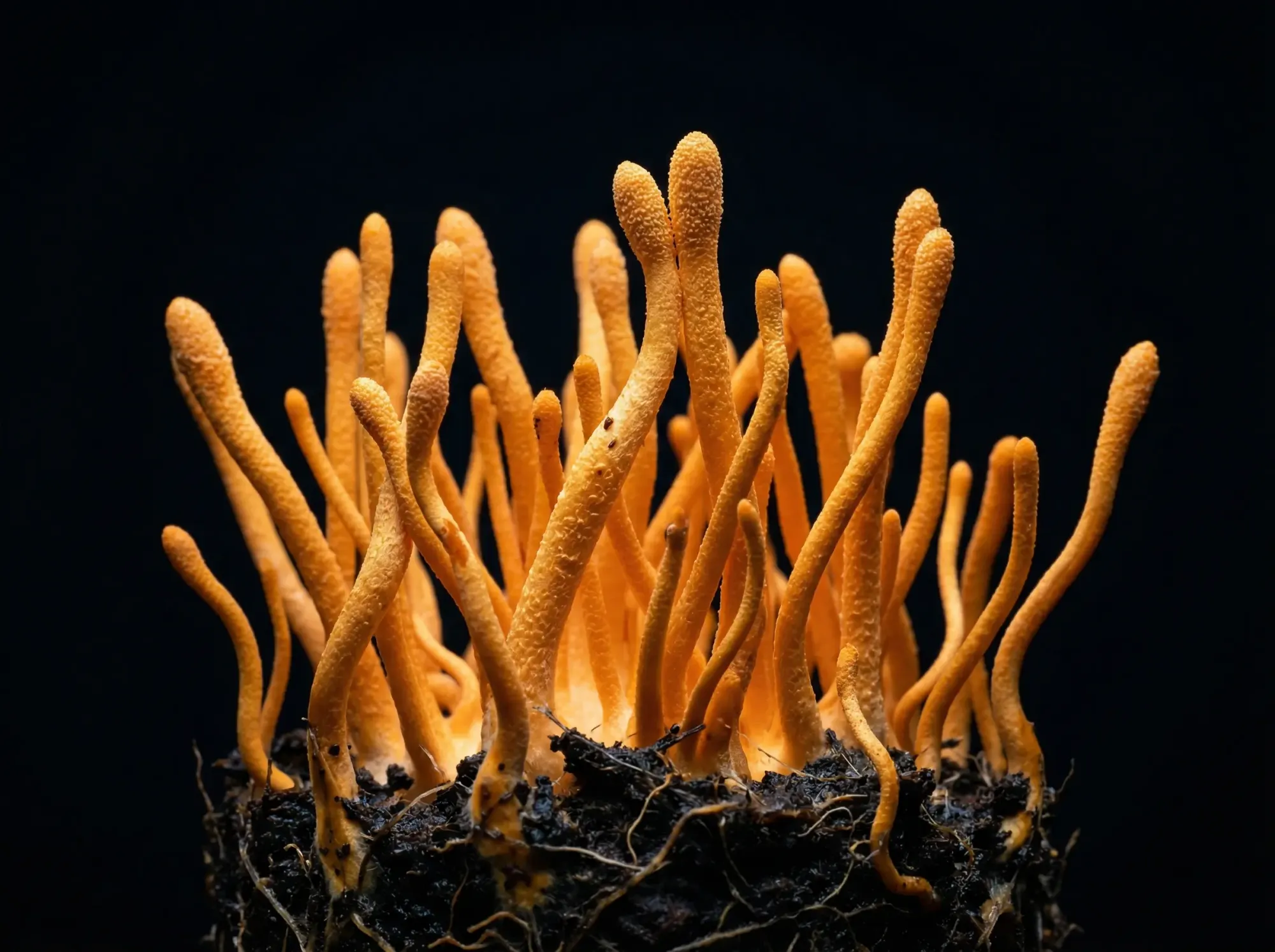
Contains adenosine analogs and cordycepin. Investigated for athletic performance in adults; its effect on hormonal axes during the growth period remains unknown. Clear recommendation: not advised for individuals under 16.
Turkey Tail (Trametes versicolor)
PSK and PSP polysaccharides are the subject of oncological research. Pediatric use requires clinical supervision exclusively and must never be decided upon independently.
Sparassis crispa
Draws attention for its high β-1,3/1,6-glucan content. No data exist in the pediatric literature; routine use is not advised.
Clear advisory: consult your child's pediatrician before using any product from the Apothecary series in children under 12. This guide does not substitute for clinical advice.
Allergy and First-Introduction Protocol
Mushroom allergy is rare but possible. The "four-day rule" applicable to all new foods applies equally to mushrooms:
- Begin with a very low dose (¼ teaspoon of dry powder or half a mushroom slice).
- Wait 24 hours; observe for itching, rash, breathing changes, or digestive disturbance.
- If no adverse reaction occurs, repeat the same dose on the second day.
- If no issues arise by the fourth day, gradually approach the age-appropriate portion.
The level of caution should be elevated for children with asthma or atopic dermatitis. In families with a history of severe food allergy (peanut, egg, etc.), the pediatric allergist should be informed.
Practical Recipe Ideas
Soup: Add 2–3 rehydrated Shiitake Donko slices plus the strained rehydration liquid to red lentil soup. Umami depth is introduced; children generally appreciate the difference.
Pasta sauce: Add ½ teaspoon King Oyster powder to tomato sauce. Much of the protein and flavor profile obtained from meat is preserved.
Omelette: 2 eggs + 1 teaspoon Maitake powder + cheese. A Friday morning breakfast.
Rice: While cooking rice pilaf, add ½ teaspoon Maitake powder together with the water.
Smoothie: Banana + peanut butter + milk + ½ teaspoon King Oyster powder. King Oyster's neutral taste disappears behind the fruit.
Rule: at the dining table, let the child taste it before announcing "there is mushroom in this." They liked it, finished it — talk afterwards. Allowing prejudice formation to occur after the taste experience is a tested strategy in food acceptance.
Quick Summary
- Gastronomy mushrooms (Shiitake, King Oyster, Maitake) are food for children of all ages; standard portion and allergy precautions apply.
- Apothecary mushrooms (Lion's Mane, Reishi, Cordyceps, etc.) lack sufficient clinical data for routine use in children under 12; physician consultation is mandatory.
- Umami education begins early; mushrooms constitute a valuable food group for palate development.
- Aim for habit, not concealment in presentation: let the child recognize the taste first, then learn what it is.
Related Reading
- Functional Mushroom Daily Dosages: Adult Reference Ranges — Standard dosage tables by age and purpose.
- Mushroom Guide for Pregnant and Nursing Mothers — On the limits of clinical data and the priority of safety.
- Is Mushroom Supplementation Safe? Sourcing and Supply Criteria — Contamination, heavy metals, and COA transparency.
This content is for informational purposes only and does not constitute medical advice. Consult your physician before making any health decisions. Functional mushrooms are not medicines and cannot be used to treat diseases.
Version: 1.1 | Last updated: 20 Apr 2026 | Sources reviewed: 8+ | Method: Editorial Policy | References: Bibliography