Turkey’s Functional Mushroom Market: Current Landscape and Emerging Dynamics
— THE SHIFT —
In 2019, the search term "functional mushroom" was virtually nonexistent in Turkey.
By 2024, the same search volume had grown tenfold.
The market is expanding. Yet the critical questions remain: upon what foundations does this growth rest, where is it headed, and is it genuine?
— GLOBAL CONTEXT —
The global functional mushroom market reached approximately 35 billion dollars as of 2023 and continues to expand with annual growth projections of 8–10%. Three primary drivers propel this expansion:
1. The informed consumer: Post-pandemic interest in immunity, sleep quality, and cognitive health has surged. The functional food category ranks among the segments capturing the largest share of this wave.
2. Scientific attention: Lion's Mane in neuroscience research, Turkey Tail in oncology adjuvant protocols, Cordyceps in exercise physiology — each gains mainstream media coverage. Research activity pulls consumer awareness in its wake.
3. Social media: "Mushroom coffee," "functional mushroom latte" — millions of views on TikTok and Instagram. This wave, which originated in Western markets, reaches Turkey with a 2–3 year lag.
— THE SITUATION IN TURKEY —
Demand side:
The Turkish consumer is not unfamiliar with mushrooms — mushroom consumption has deep cultural roots. However, the "functional" category is novel. The consumer profile is taking shape:
- First wave: The wellness-conscious audience — a segment overlapping with yoga, meditation, and organic nutrition. Urban centers, ages 28–45, university-educated.
- Second wave: Sports- and performance-oriented users — an active segment drawn to Cordyceps and Lion's Mane for VO₂max enhancement and cognitive focus.
- Third wave (emerging): The 50+ demographic, interested in immunity and anti-aging protocols.
Supply side:
The Turkish market currently draws predominantly from two sources:
- Imported products — originating from China and the United States. A large portion consists of mycelium-on-grain (MOG) products. Label information is inadequate; Certificates of Analysis (COA) are typically absent or difficult to obtain.
- Domestic production — still very small in scale. A handful of artisanal producers operate with widely divergent standards.
Legal framework:
Under the Turkish Food Codex, functional mushrooms are classified as food supplements. Health claims are prohibited — terms such as "treats" or "cures" may not be used. This restriction provides a degree of market regulation, yet enforcement remains insufficiently robust.
— MARKET PROBLEMS —
Information pollution: A product labeled "Cordyceps" — is it C. sinensis or C. militaris? Fruiting body or mycelium? Has the beta-glucan content been analytically verified? Most products leave these questions unanswered.
The MOG problem: A significant portion of Lion's Mane products on the market consists of mycelium grown on grain and then ground in its entirety. The product you purchase may be 40–80% oat or rice substrate. Under such conditions, hericenone concentration is minimal. Yet the label reveals none of this.
Absence of COA: A product lacking independent laboratory analysis cannot substantiate its claimed beta-glucan levels. Without this documentation, price comparisons are meaningless.
— MYCOVITA'S POSITION —
In Turkey, the gap for artisanal, domestic, certified production is substantial. MYCOVITA was established to fill this void.
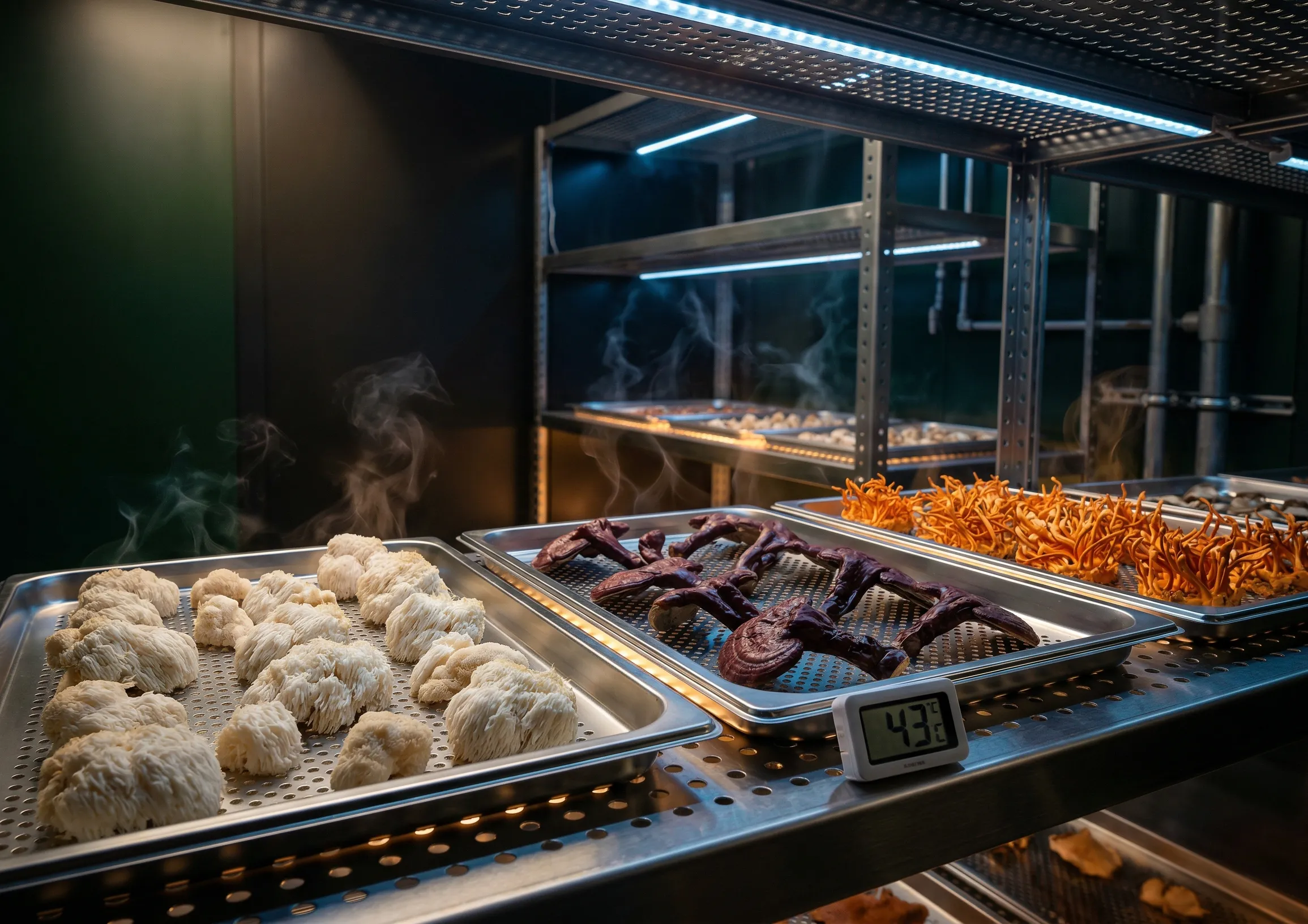
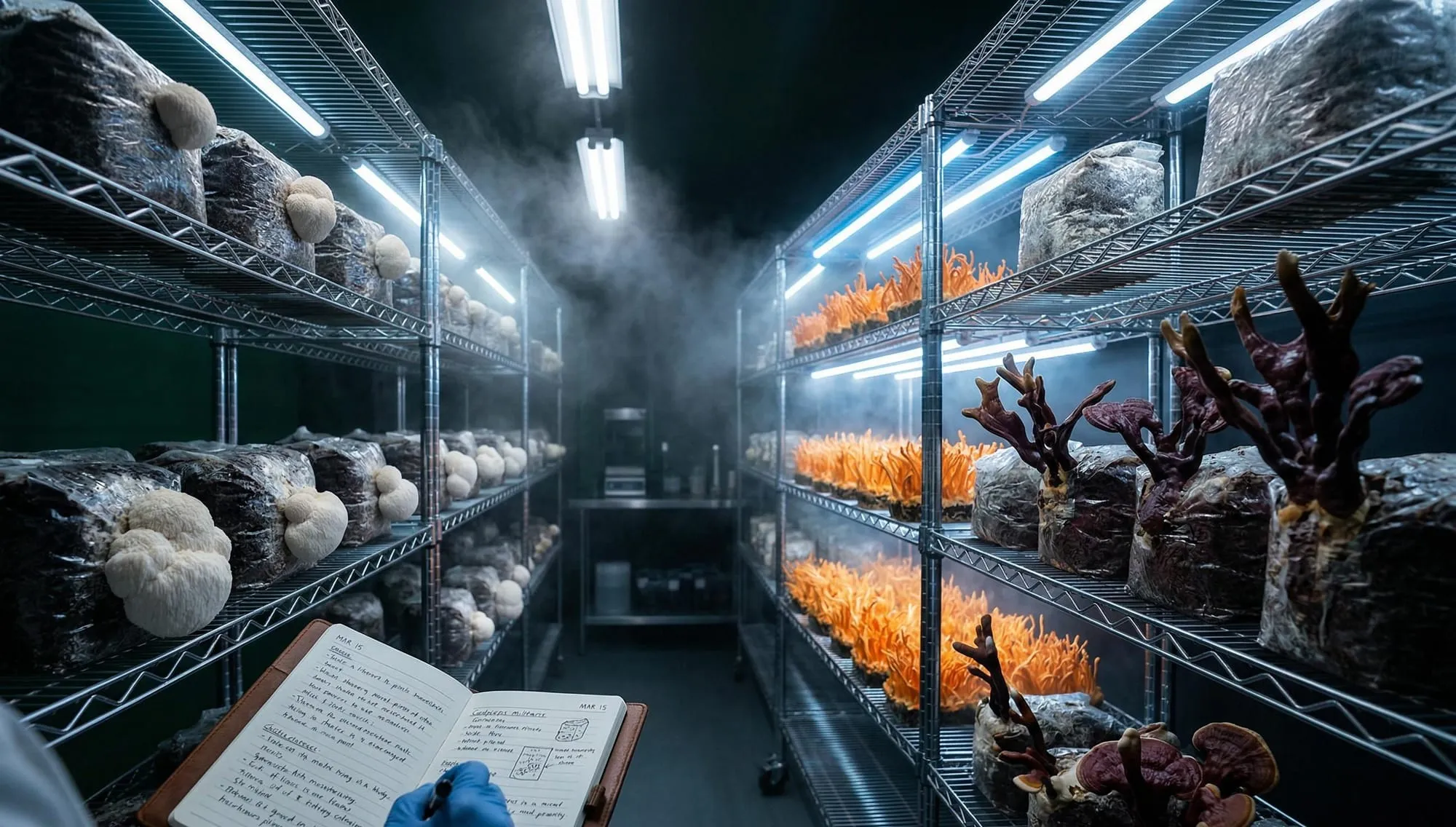
100% fruiting body — no substrate-inclusive mycelium. Holland-certified strain. Batch-specific COA for every production run. Low-temperature drying at 42–45°C. Production adapted to the Black Sea climate of Ordu.
As the market grows, standards must grow in tandem. As consumers become increasingly informed — requesting COAs, understanding the fruiting body–mycelium distinction, reading labels — the value of quality production will gain unmistakable clarity.
— WHERE THE MARKET IS HEADED —
Short term (2024–2026): Awareness growth will accelerate. Demand will rise under the influence of social media. Yet the market has not yet matured — information pollution and the standards problem will persist.
Medium term (2026–2030): Consumer education emerges as the decisive factor. As the informed segment demanding COAs and transparency expands, quality-focused players will strengthen. Pressure from low-standard imported products will continue, but differentiation will begin.
Long term: Considering Turkey's Black Sea climate and production potential, the country possesses a strong geographical advantage for domestic functional mushroom cultivation. Producers who leverage this advantage with standardized, certified production will secure a lasting position.
You May Also Be Interested In
→ Can Mushrooms Produced in Turkey Be Trusted?
→ Functional Mushroom Production in Turkey
→ Why Is Substrate So Important?
Related reading: What Is a Functional Mushroom? · Production Process · Mycelium vs. Fruiting Body
MYCOVITA's production philosophy and transparency principles: Why MYCOVITA?
Mycelium Library | MYCOVITA
This content is for informational purposes only and does not constitute medical advice. Consult your physician before making any health-related decisions. Functional mushrooms are not pharmaceutical drugs and cannot be used to treat diseases.
Version: 1.0 | Last updated: 20 Apr 2026 | Sources reviewed: 5+ | Methodology: Editorial Policy | References: Bibliography