Decoding Umami: The Molecular Foundations of the Fifth Taste
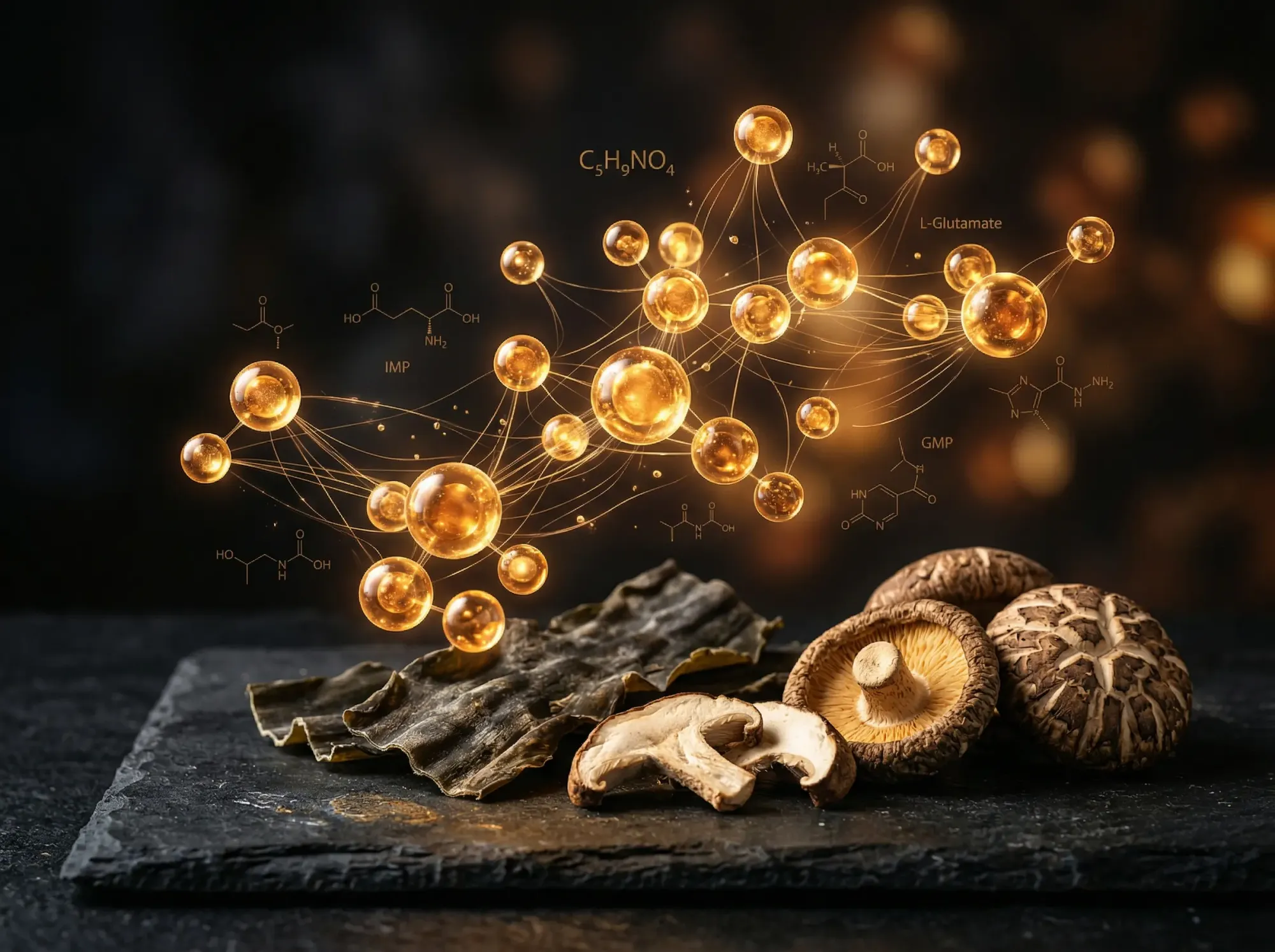
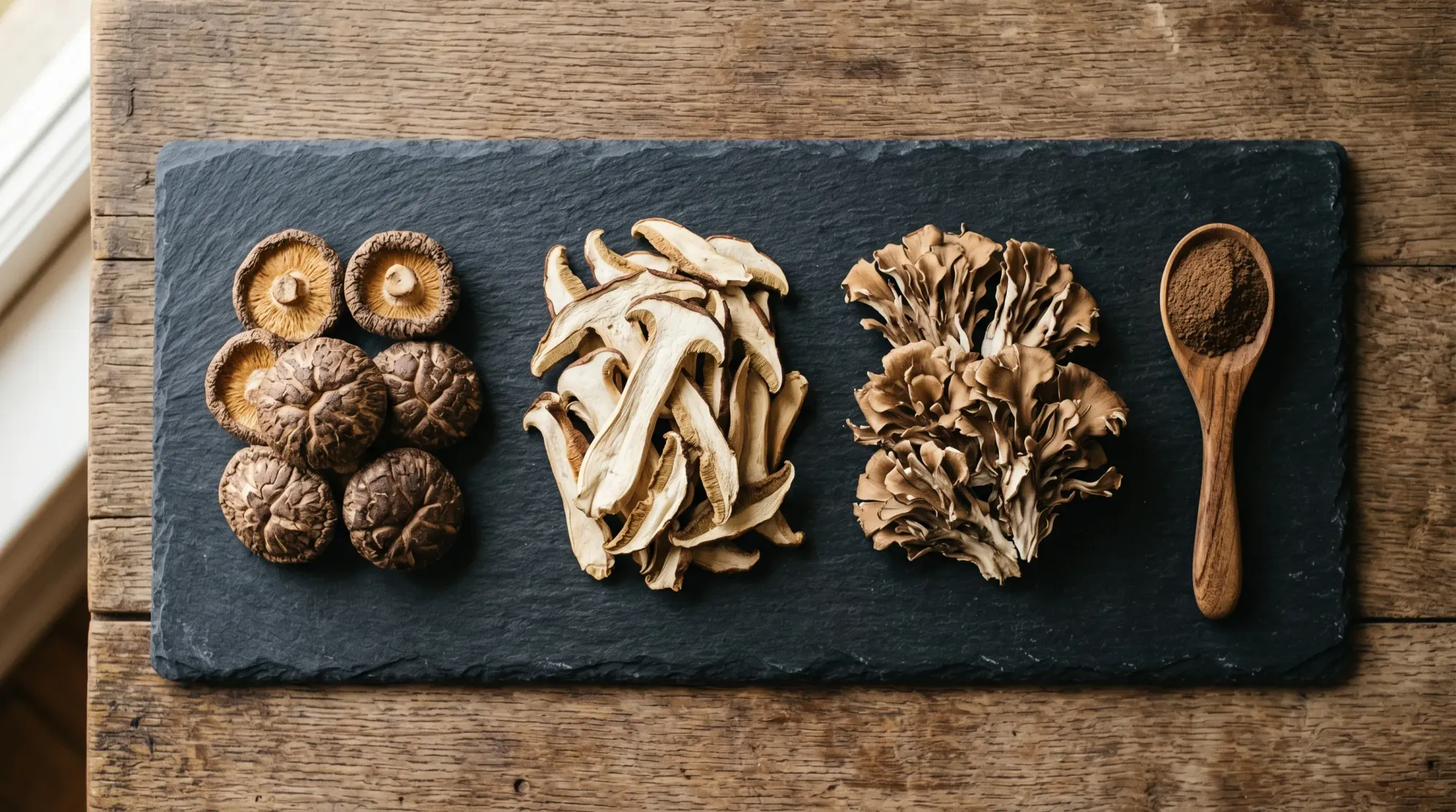
Umami, the fifth basic taste, was first isolated from seaweed in 1908 by Japanese chemist Kikunae Ikeda.
The Culinary Versatility of King Oyster Mushrooms and the Scallop Technique
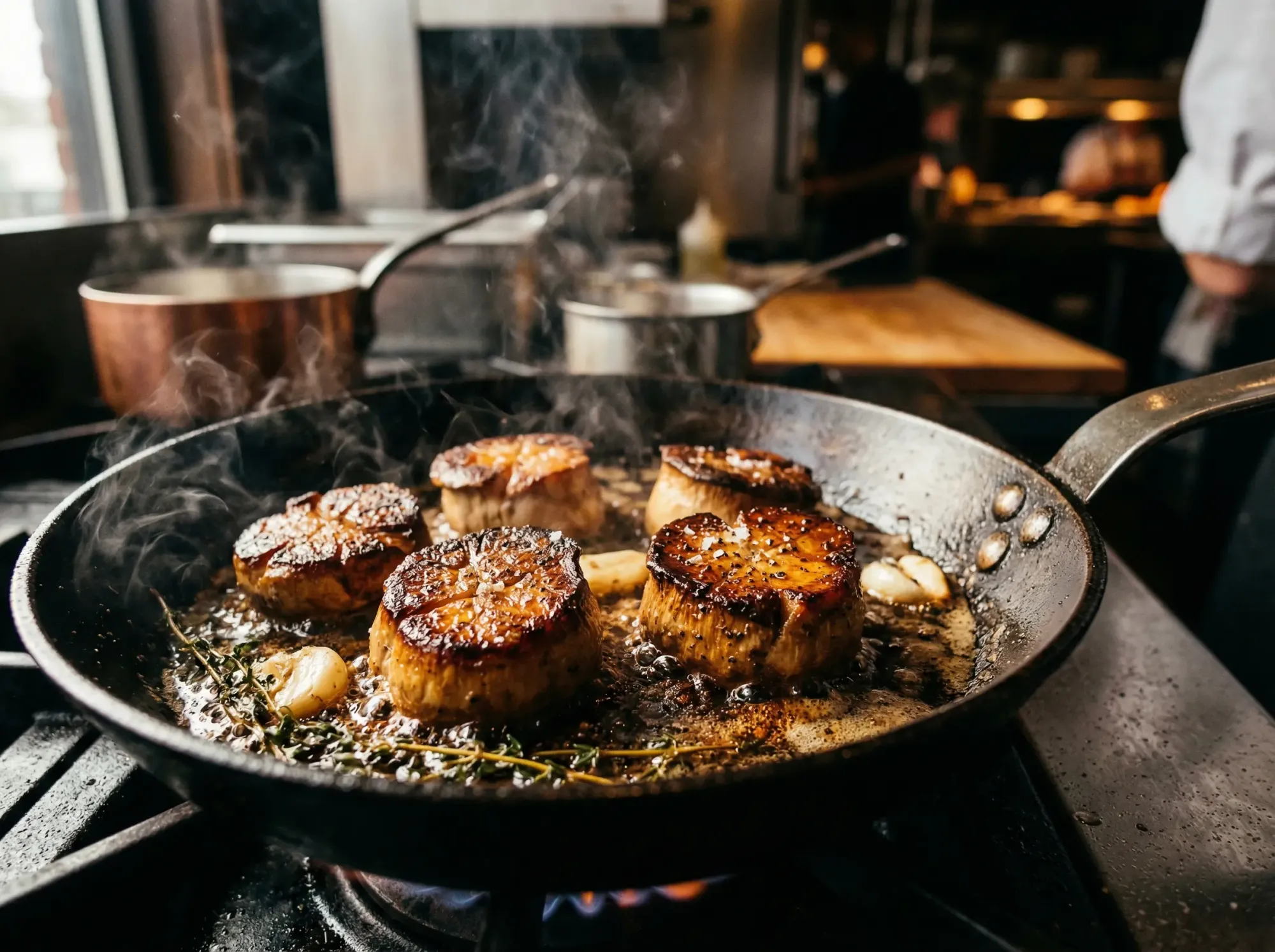
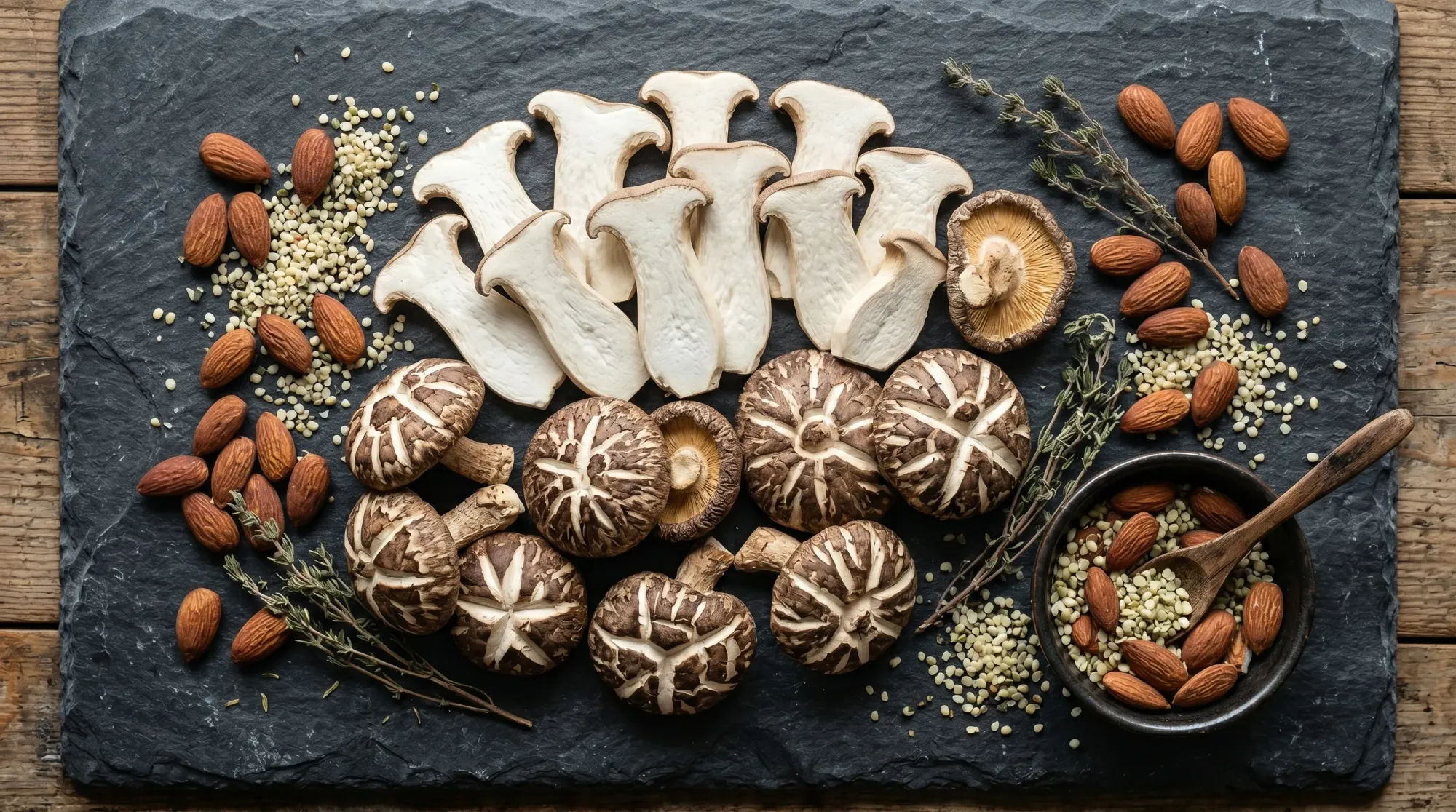
The dense, fleshy stem of the king oyster mushroom (Pleurotus eryngii) possesses a texture remarkably suited to replicating the firm, succulent bite of scallops in plant-based cuisine.
GMP Explained: The Molecular Science Behind Umami Synergy
The guanosine monophosphate (GMP) naturally occurring in shiitake mushrooms acts synergistically with glutamate to markedly amplify the perception of umami.
The B-Vitamin Composition and Natural Source Profile of Mushrooms
Mushrooms are an abundant source of B-complex vitamins, a group of nutrients seldom found in significant quantities within plant-derived foods.
Mushroom Protein: Evaluating Its Nutritional Role in Vegan Diets
On a dry weight basis, the protein content of king oyster mushroom (Pleurotus eryngii) is comparable to that of certain legumes.
Smoking Mushrooms: Stabilizing Volatile Aroma Compounds Through Technique
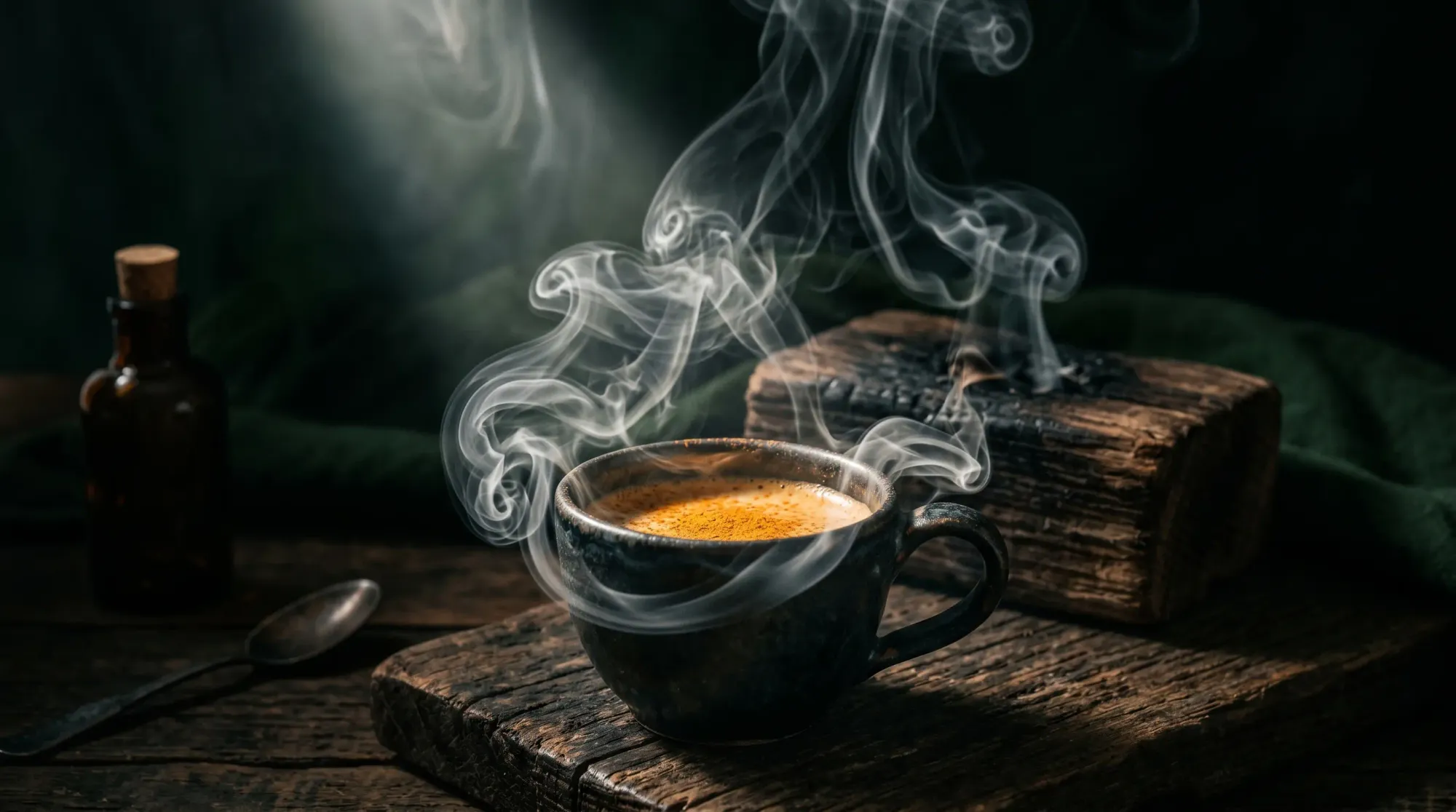
Smoking transforms the aromatic profile of mushrooms entirely. The thermal stability of guaiacol and related phenolic compounds becomes a chemical question that bridges the chef’s kitchen and the laboratory.
Adipose Tissue and Mushroom-Derived Compounds: A Review of the Adipogenesis Literature
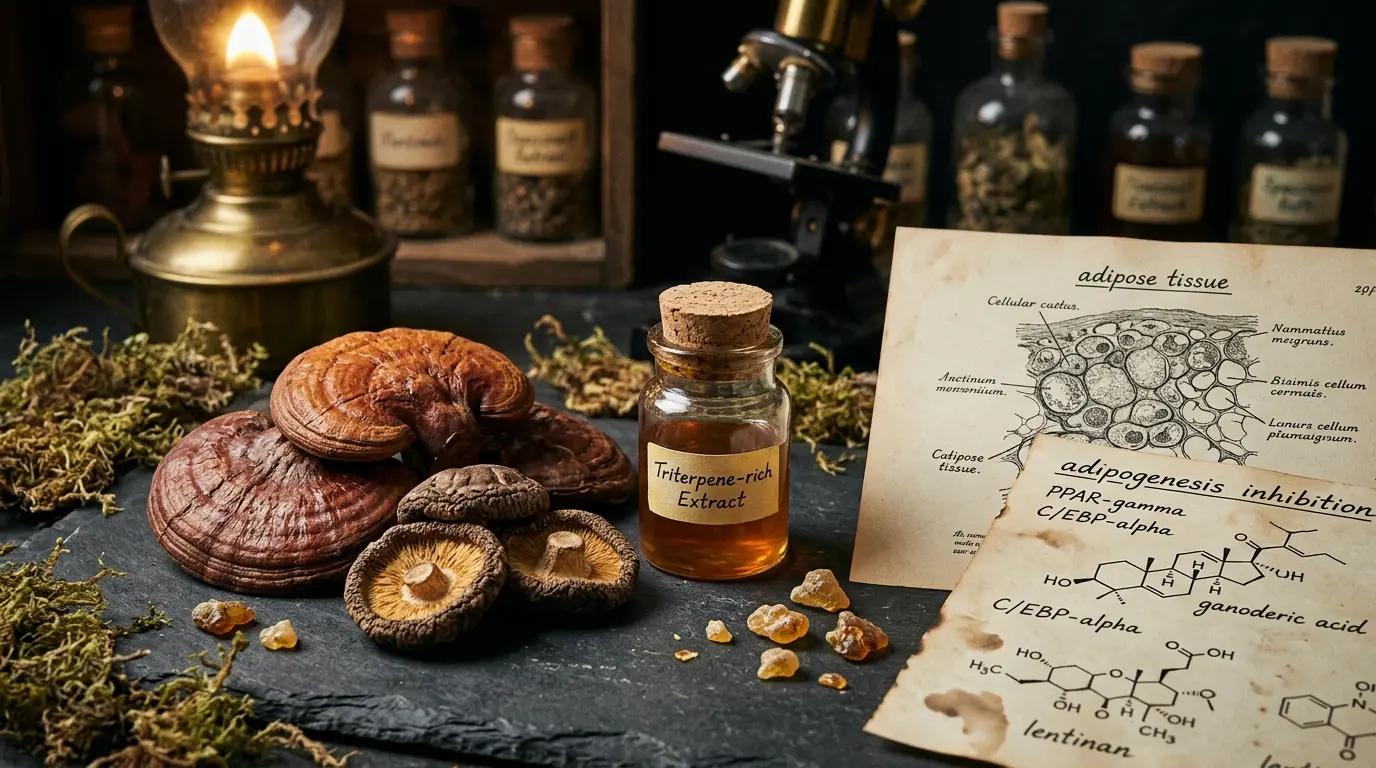
Adipose tissue functions as a dynamic endocrine organ rather than a passive lipid reservoir. This article outlines the in vitro literature on white, brown, and beige adipocyte subtypes and their interactions with bioactive fungal constituents.