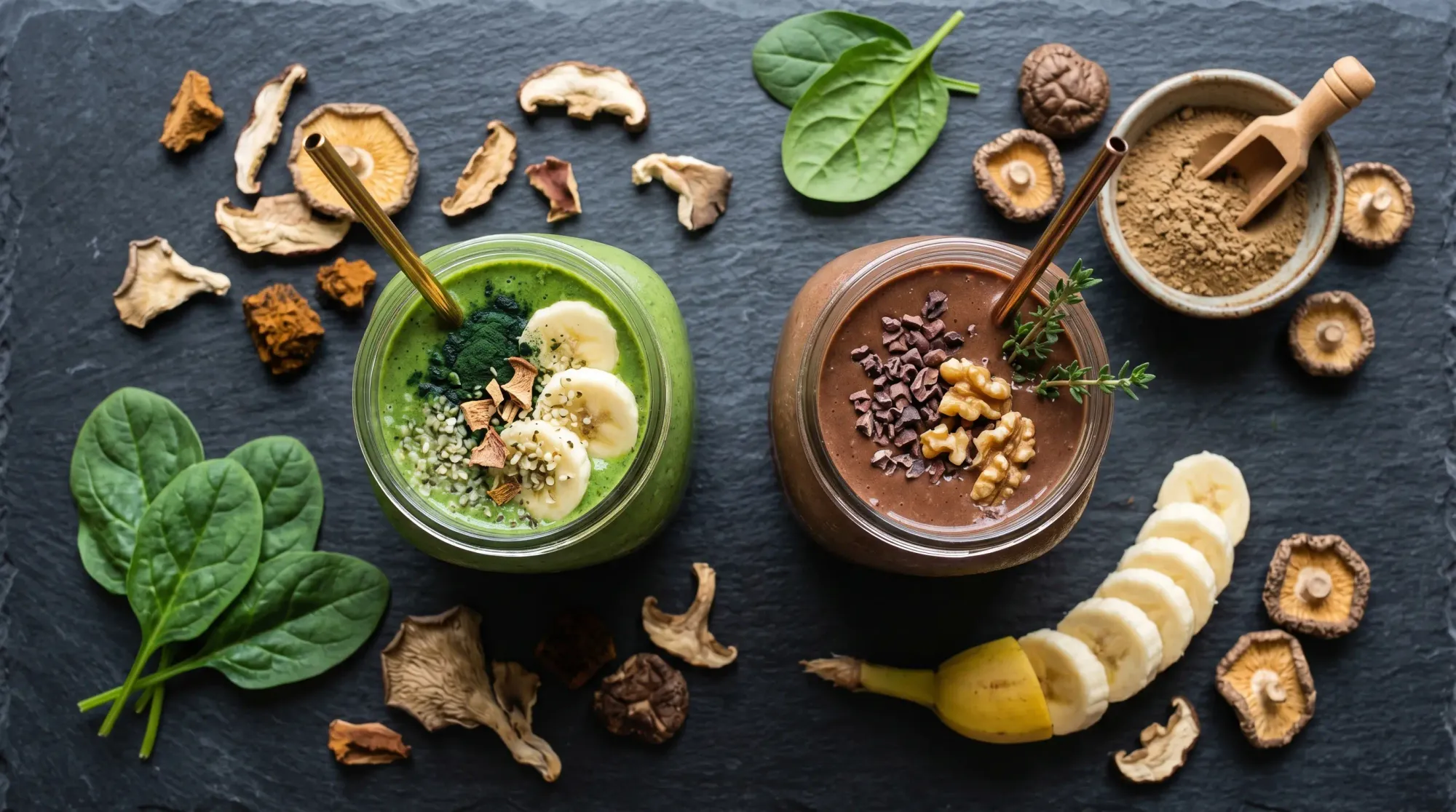
The Evening Mushroom Protocol: Reishi and Turkey Tail
Evening ingestion of adaptogenic fungi may facilitate the circadian shift from cortisol prominence to melatonin secretion, supporting the body’s natural preparation for sleep.
Reishi Mushroom: Adverse Effects and Safety Profile
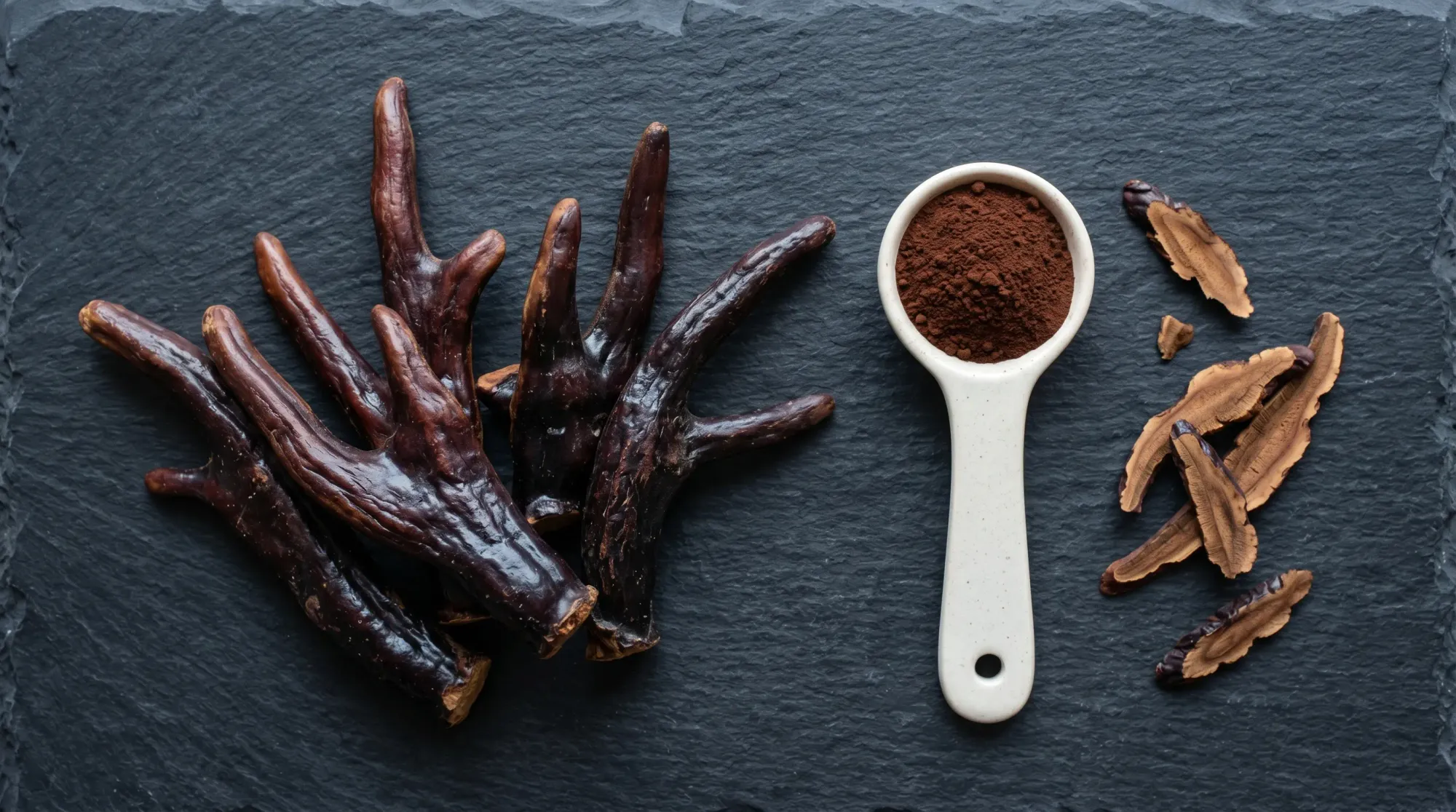
The antler morphotype of the Reishi mushroom (Ganoderma lucidum) yields a triterpenoid profile distinct from that of the conventional conk form.
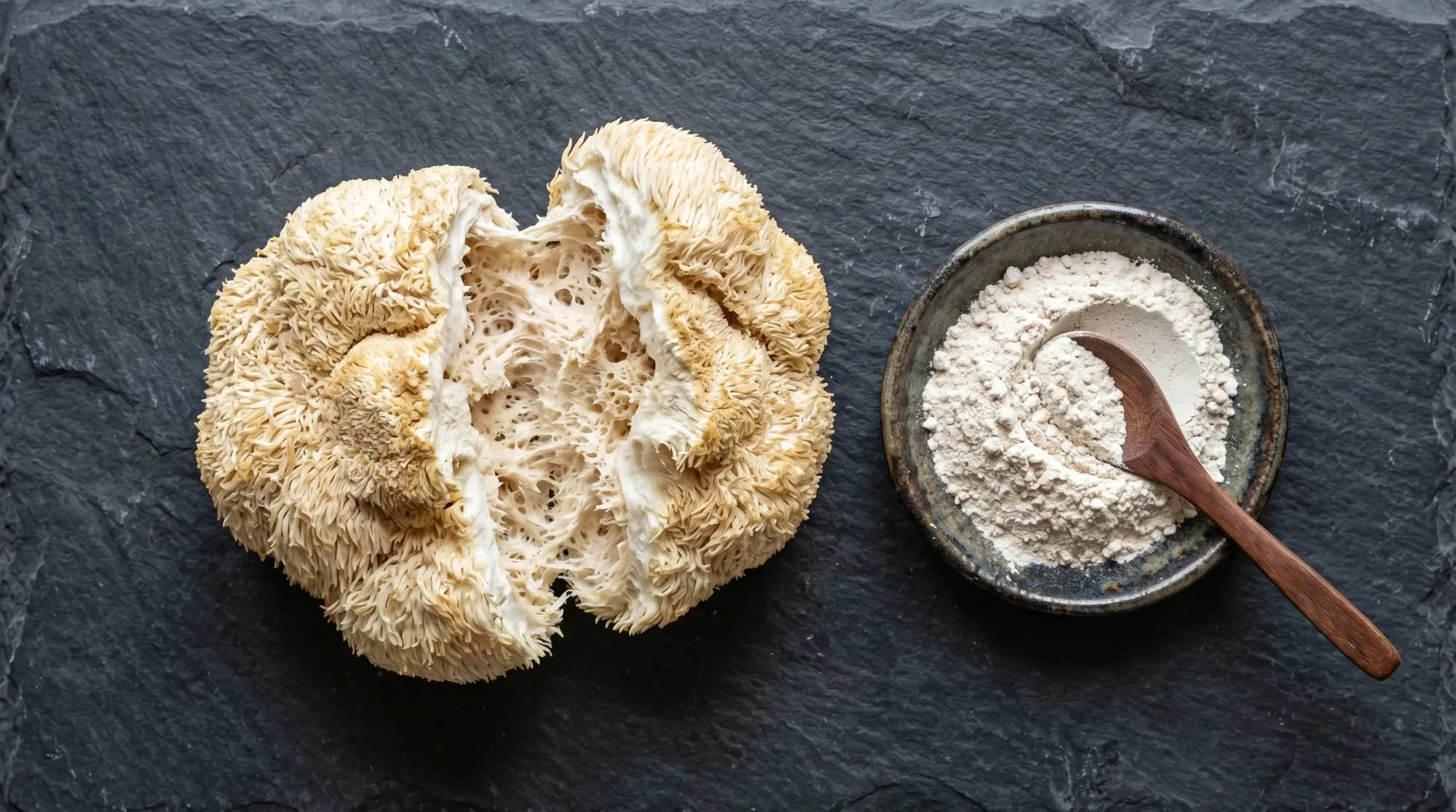
Erinacines: Key Bioactive Compounds and Their Functions in Lion’s Mane Mycelium
Erinacine ranks among the scarce fungal metabolites confirmed to traverse the blood–brain barrier.
Cordyceps Mushrooms: Evaluating Adverse Reactions and Overall Safety
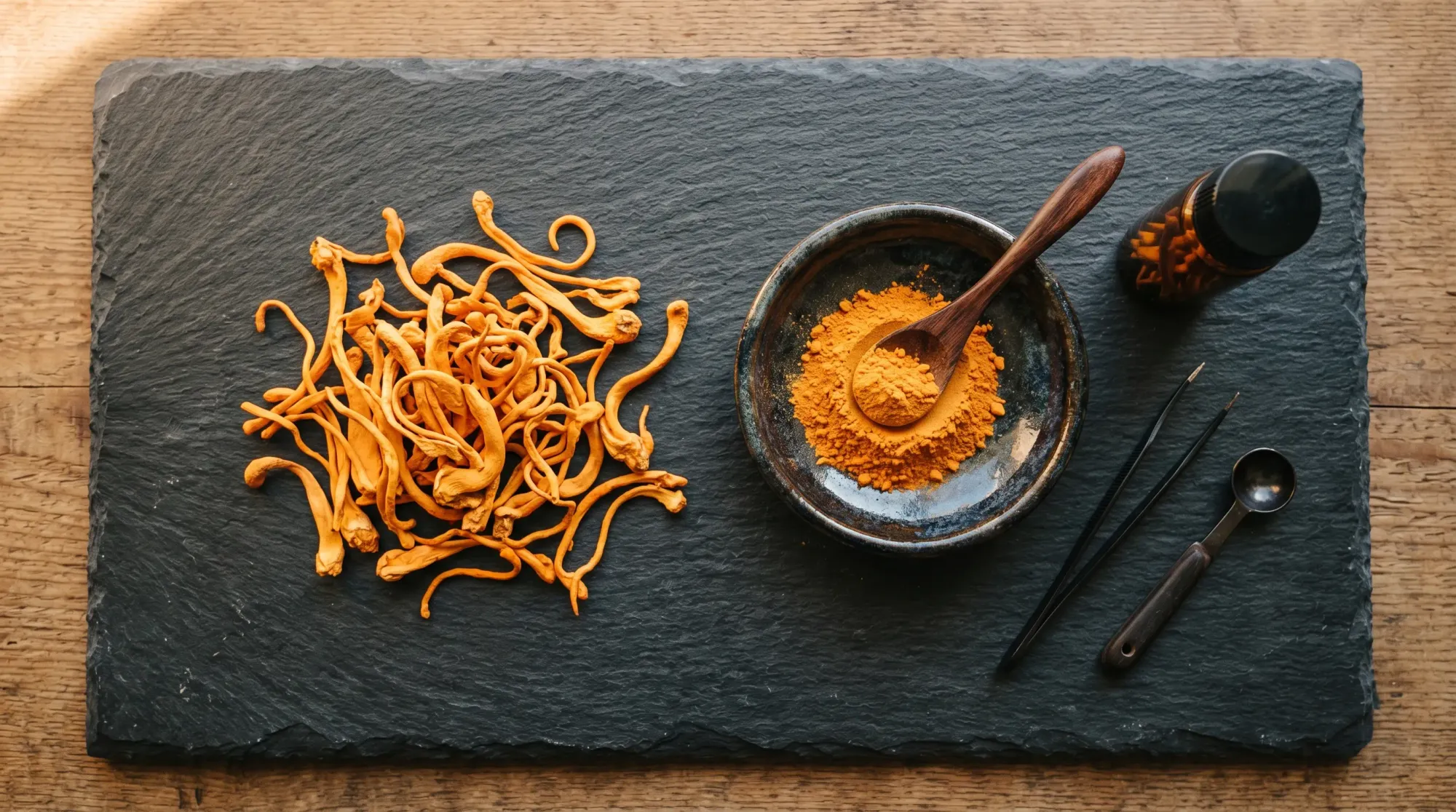
The compositional divergence between Cordyceps militaris and Cordyceps sinensis directly determines their respective safety profiles.
A Comprehensive Scientific Guide to Mushroom Allergies and Sensitivities
Chitin sensitivity and spore allergy arise from biochemically distinct immunological mechanisms.
Thirty-Day Reishi Antler Regimen: Tracking the Adaptogenic Response Curve
The antler morphotype of Reishi (Ganoderma lucidum) displays a significantly different concentration of ganoderic acids compared to the conventional cap-shaped fruiting body.
A Guide to the Use of Functional Mushrooms in Older Adults
In geriatric populations, initiating treatment with adaptogenic agents—such as certain mushroom-derived compounds—at low doses improves tolerability and supports gradual physiological adaptation.
Functional Mushrooms and Drug Interactions: A Comprehensive Safety Guide
Certain bioactive compounds present in functional mushrooms may modulate drug metabolism through interactions with the cytochrome P450 enzyme system.
A Comprehensive Guide to Crafting Four Functional Mushroom Smoothies
The bioavailability of mushroom polysaccharides is significantly enhanced when they are administered with lipid-based carriers.