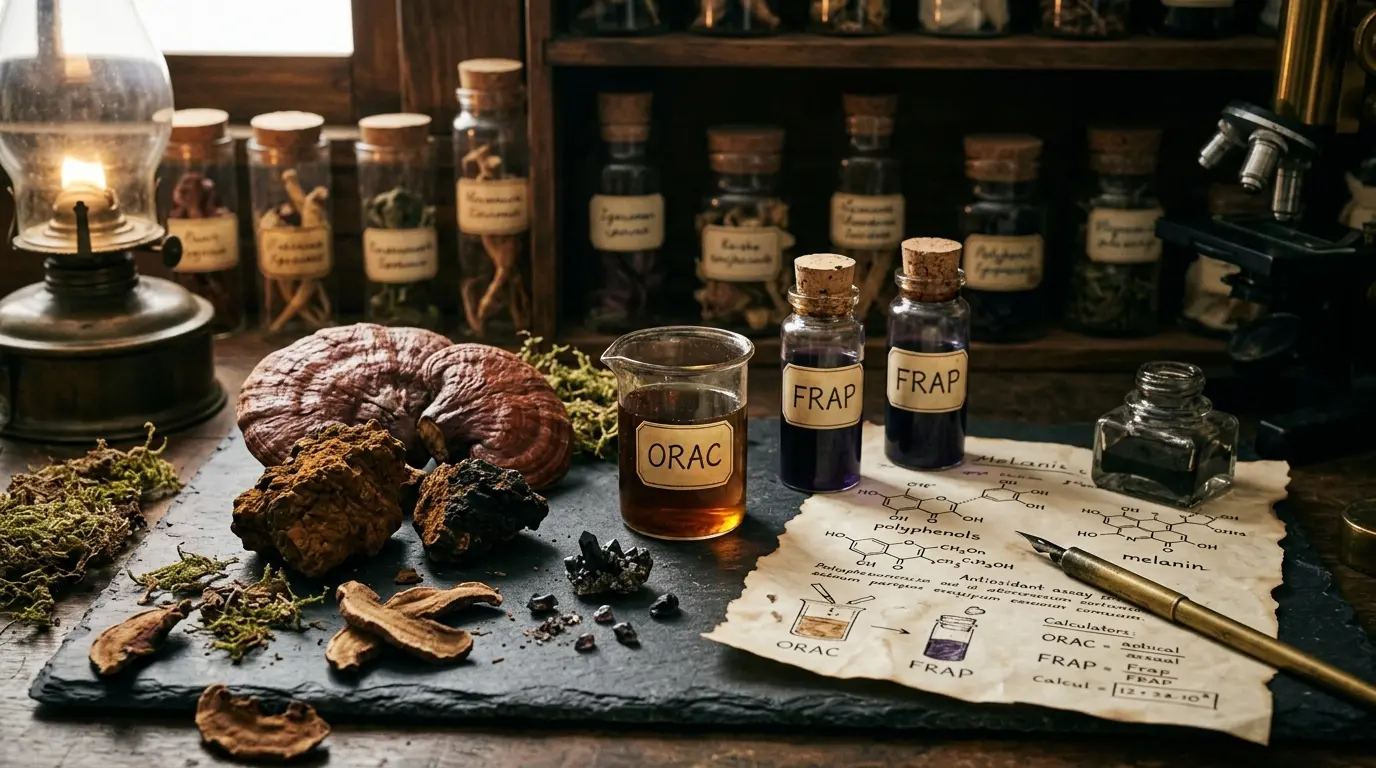
ORAC and FRAP: Assessing Antioxidant Capacity in Mushrooms
The ORAC (Oxygen Radical Absorbance Capacity) and FRAP (Ferric Reducing Antioxidant Power) assays are two widely employed methodological frameworks for evaluating the antioxidant capacity of mushrooms. Each method operates on distinct chemical principles—hydrogen atom transfer versus single-electron
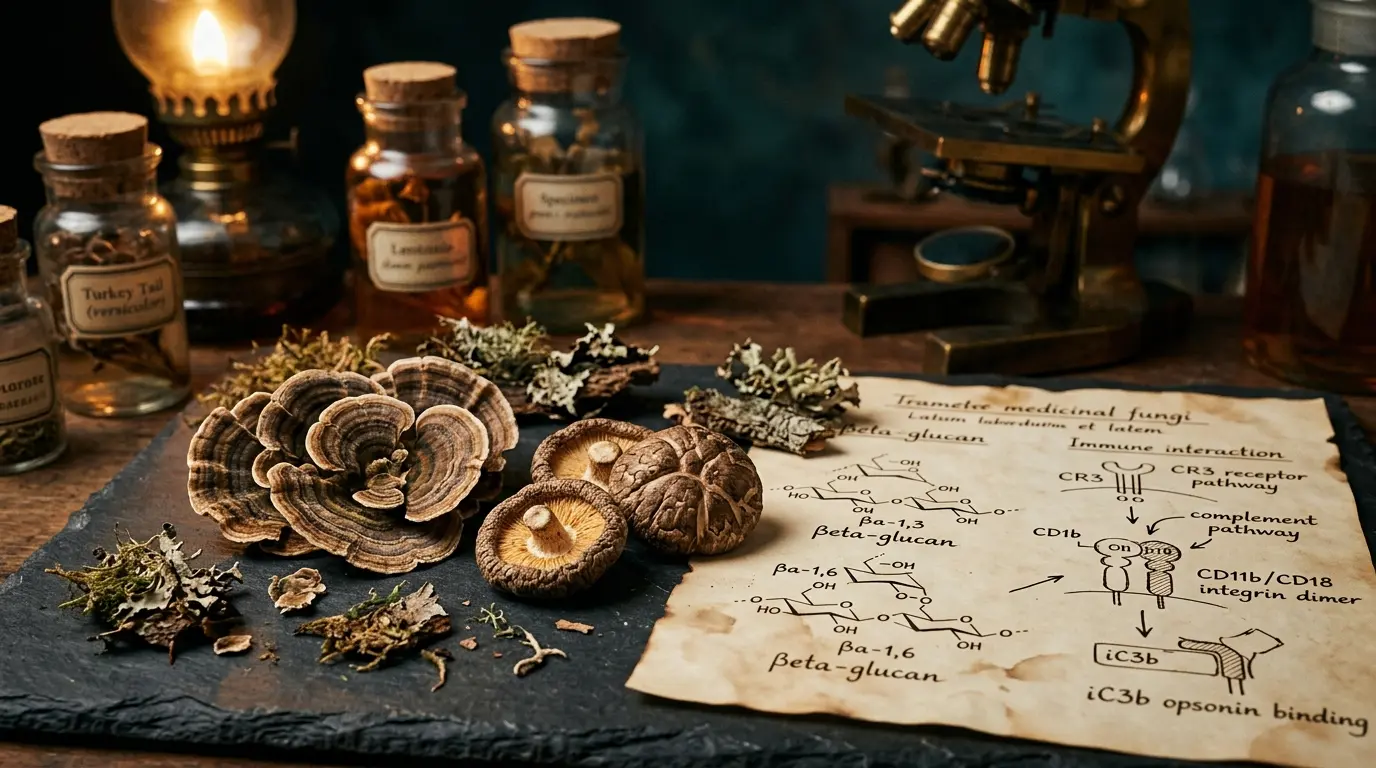
CR3 and β-Glucan Recognition: A Survey of the Complement Pathway Literature
The second principal pathway for β-glucan recognition is mediated by complement receptor 3 (CR3). This section addresses the receptor’s architecture, the function of its lectin domain, its engagement with the complement system, and the body of in vitro evidence.
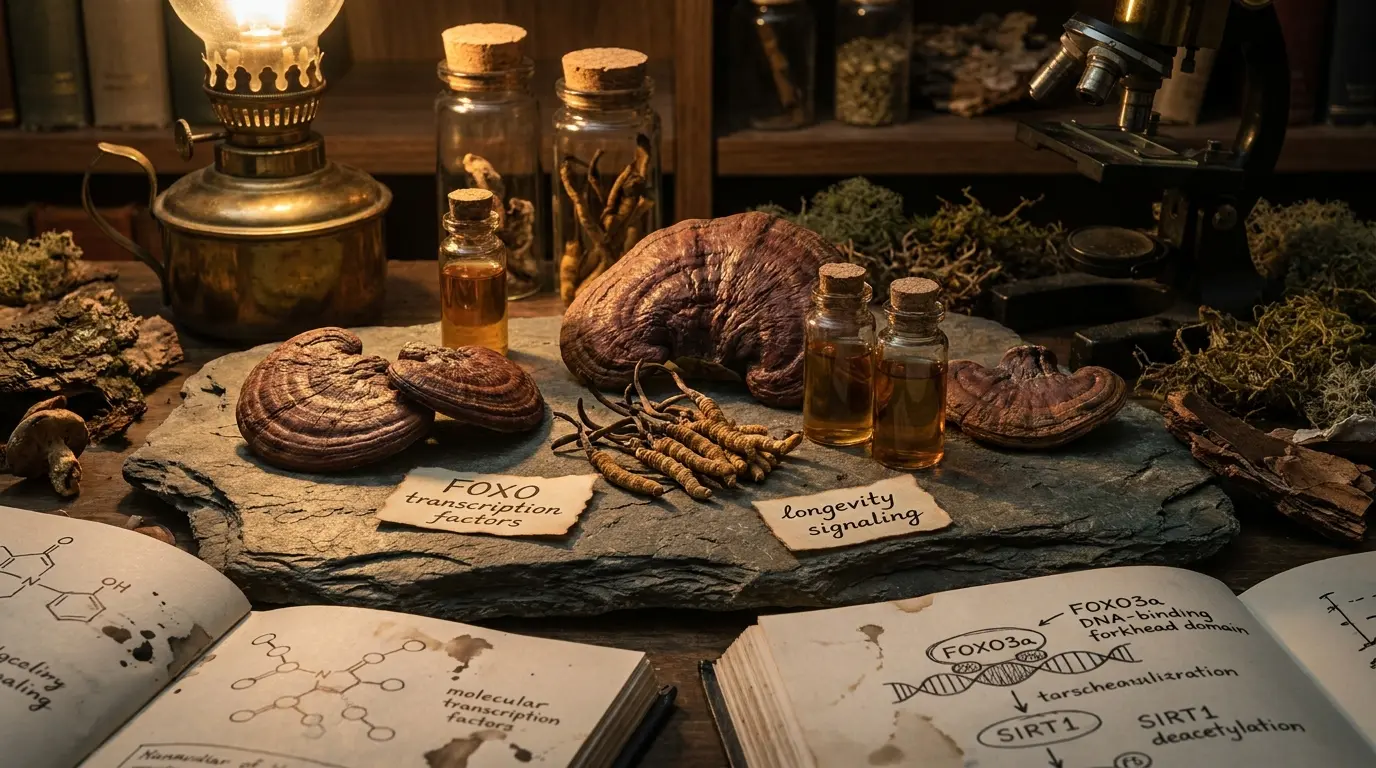
FOXO Transcription Factors and Mushroom-Derived Compounds: A Comprehensive Review of the Longevity Literature
FoxO transcription factors occupy a critical node where cellular stress responses converge with the mechanisms governing longevity. Their signaling pathway architecture and in vitro interactions with fungal constituents are examined.
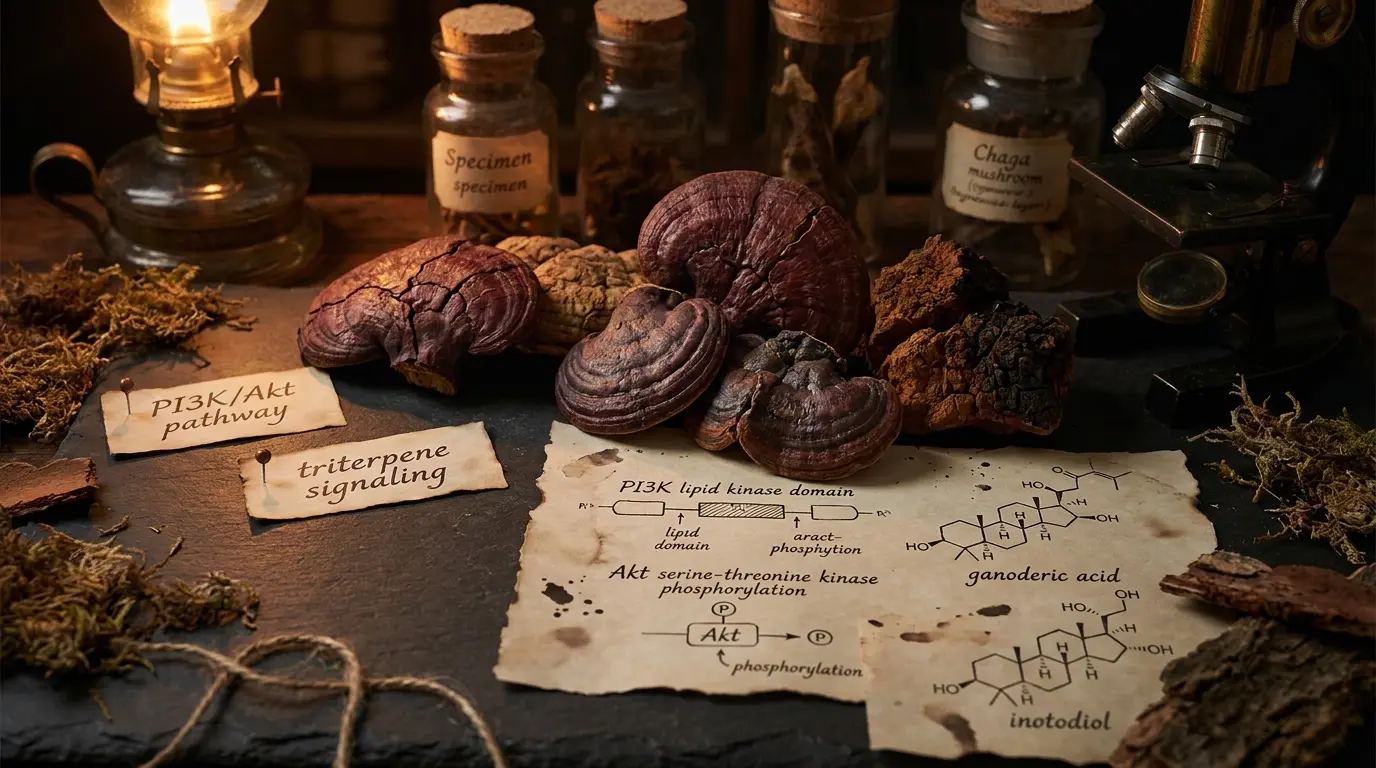
PI3K/Akt Signaling: The Landscape of Fungal Triterpenoid Research
The PI3K/Akt signaling axis functions as a master regulator of cell growth and survival. This entry examines the architectural organization of the pathway, its *in vitro* interaction with fungal triterpenes, and the methodological limitations that constrain current interpretations.
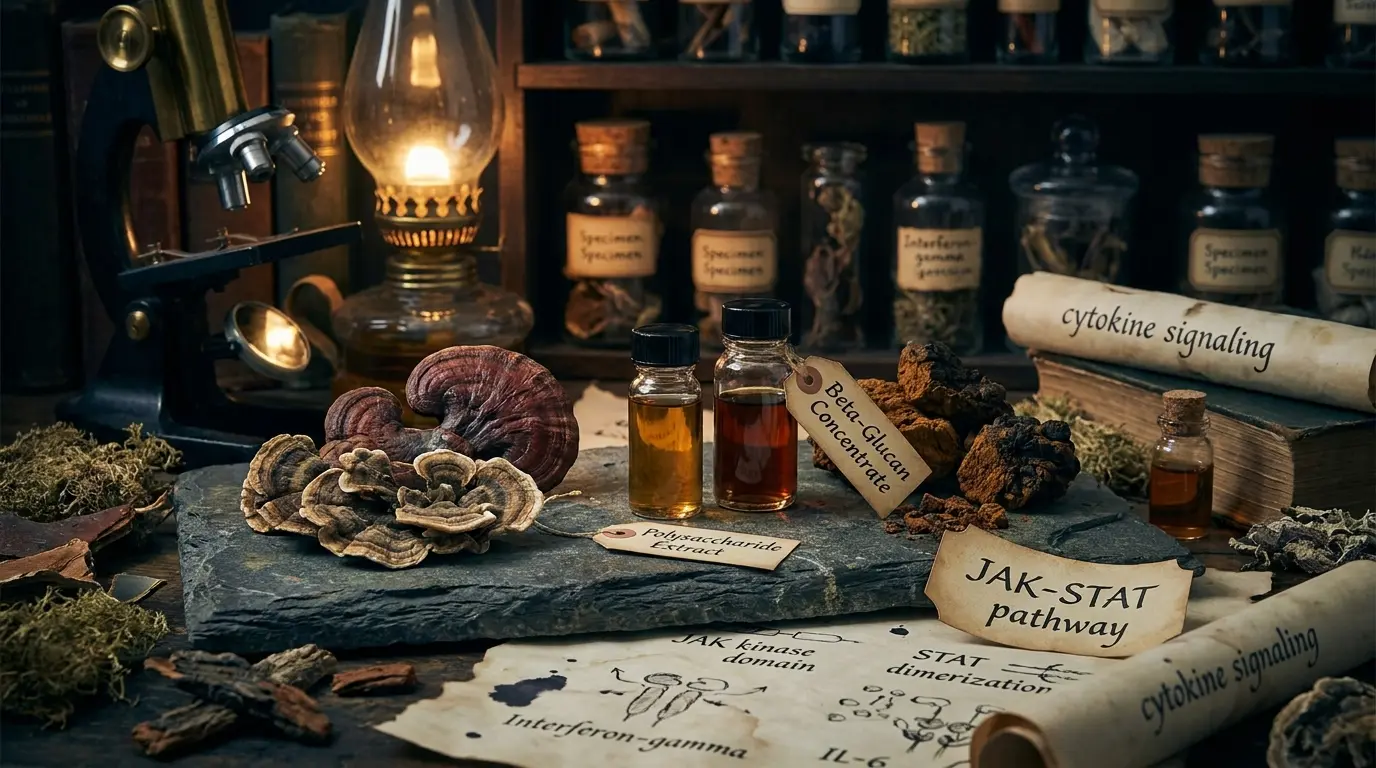
The JAK-STAT Signaling Pathway: Fungal Compounds and the Cytokine Literature
The JAK-STAT Pathway: A Direct Cytokine-to-Nucleus Signaling Route — Architecture, In Vitro Interactions with Fungal Components, and Methodological Limitations.
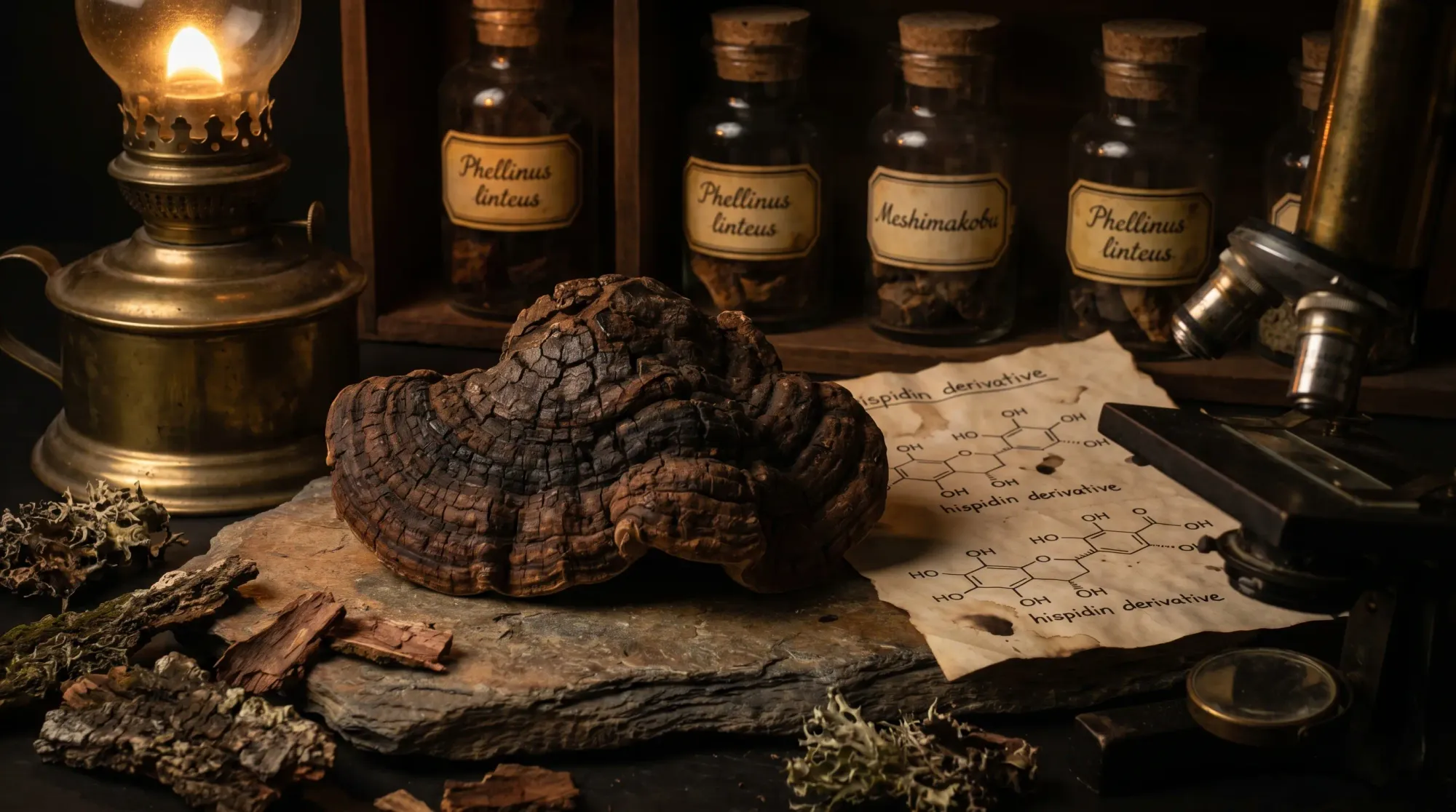
Meshimakobu (Phellinus linteus): The Definitive Species Compendium
Phellinus linteus, a tough, woody bracket fungus found on mulberry (Morus) trees, is distinguished by its hispidin derivatives, a tangled taxonomic history, and a long record of traditional use.
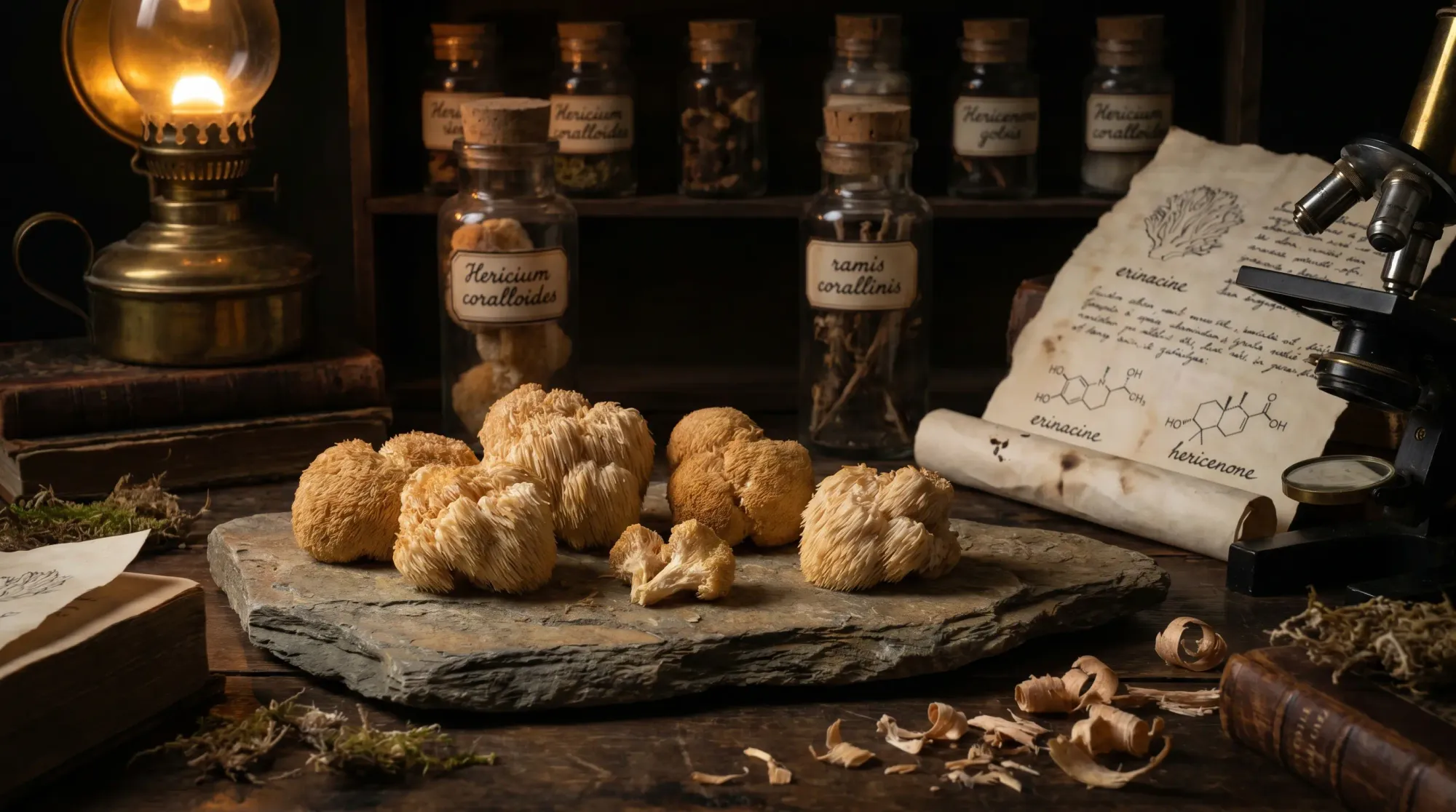
Hericium coralloides: A Comprehensive Species Encyclopedia
A closely related species of the well-known Lion’s Mane, Hericium coralloides features a conspicuously branched, coral-like fruiting body. Compared with H. erinaceus, it displays distinct structural and chemical traits, and its natural habitat profile separates it ecologically from its more famous r
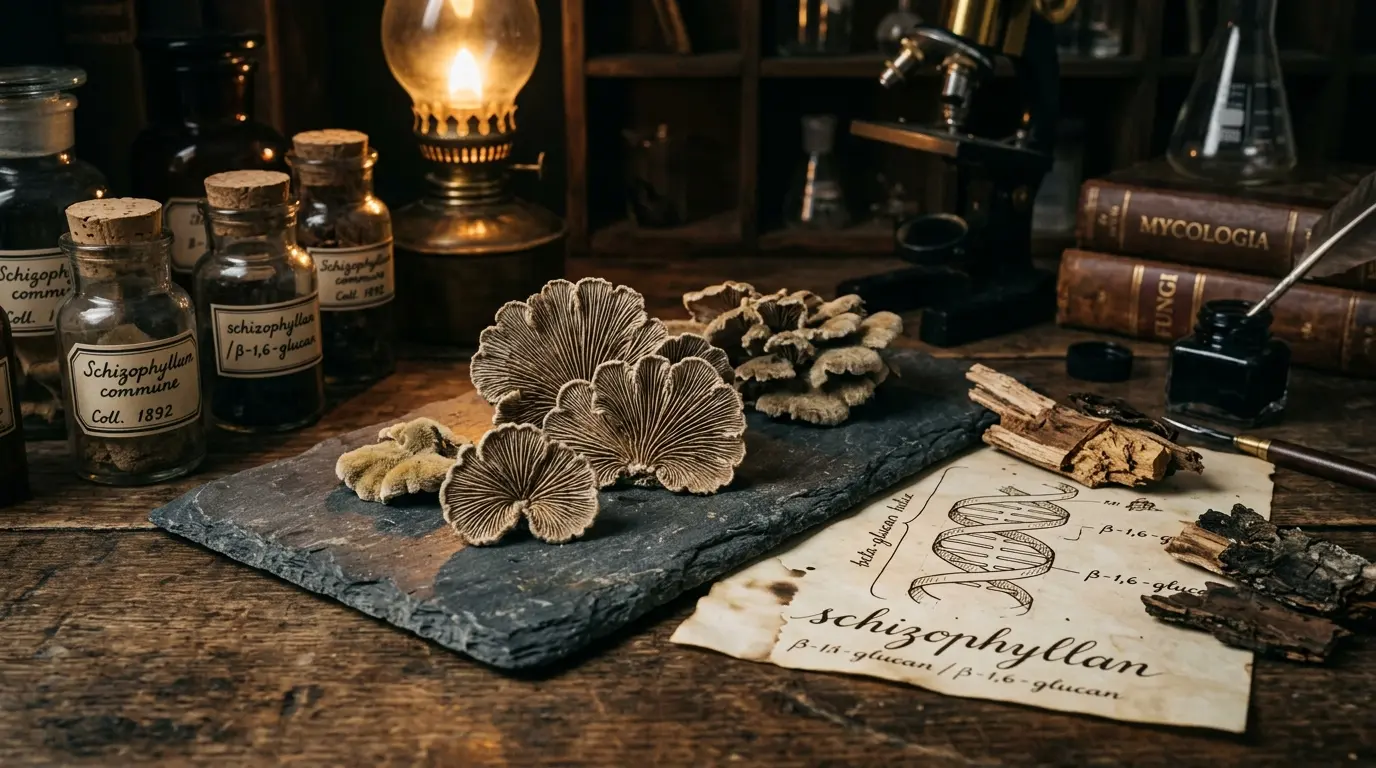
Species Encyclopedia: Schizophyllum commune
Schizophyllum commune is a cosmopolitan bracket fungus distinguished by its small, fan-shaped fruiting bodies and characteristically split gills. Occurring on every continent, it ranks among the most widely distributed macrofungi. The species exhibits extraordinary genetic diversity, underpinned by
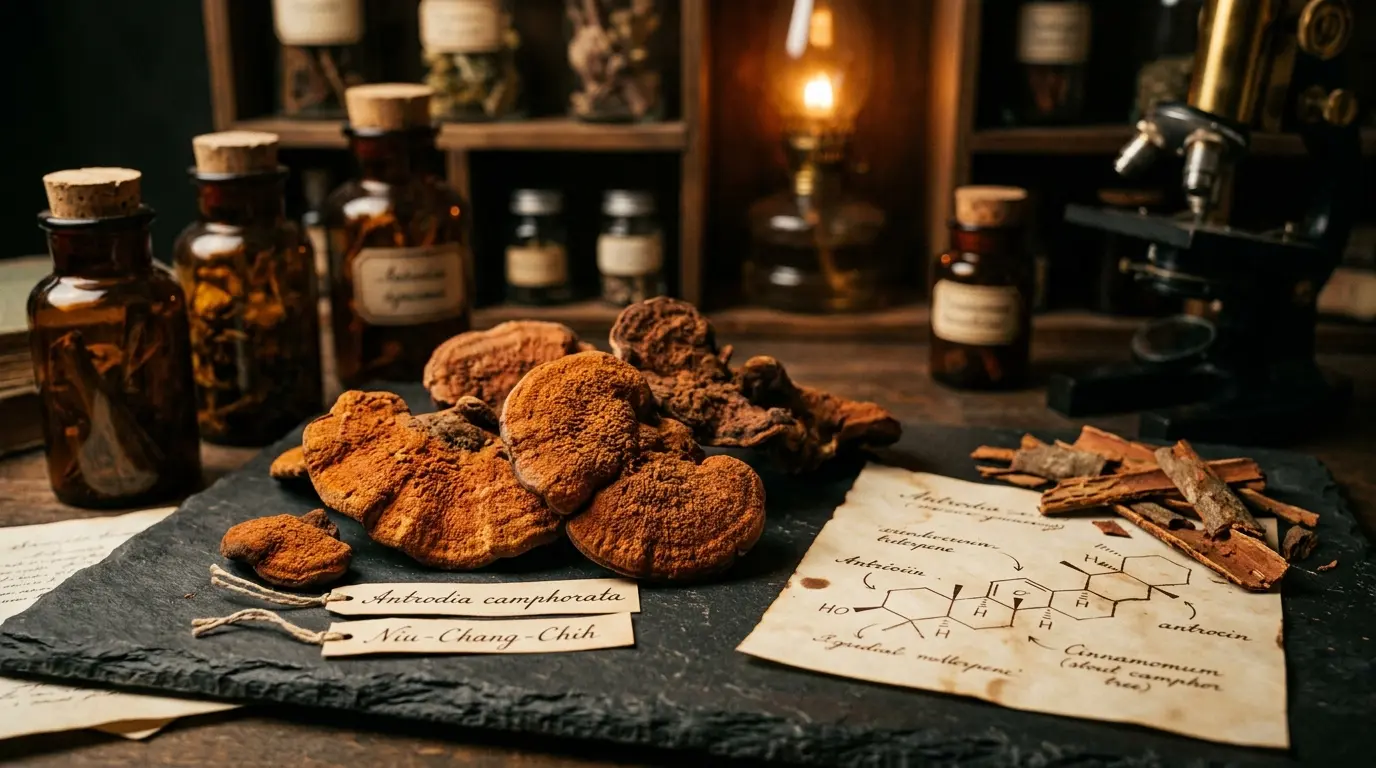
The Comprehensive Encyclopedia of Antrodia camphorata (Niu-Chang-Chih)
The Taiwanese endemic polypore fungus *Antrodia camphorata* is distinguished by its narrow host range, the production of bioactive triterpenoids of the antrocin class, and significant progress in controlled cultivation techniques.