Ergothioneine: The Science Behind the Longevity Amino Acid
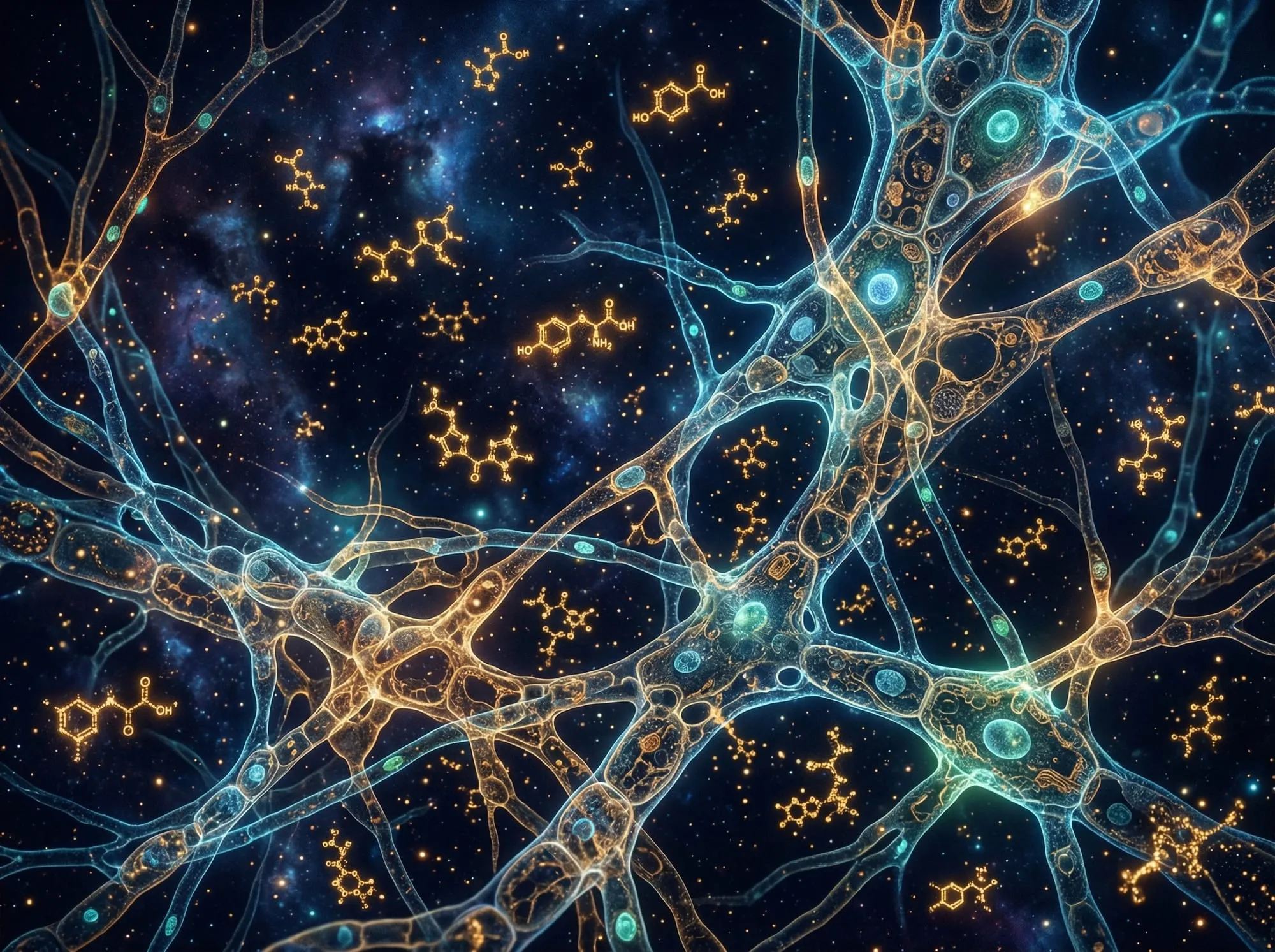
— HOOK —
The body cannot make it. Plants cannot make it. Animals cannot make it.
Only fungi and certain soil bacteria produce this amino acid.
And the body possesses a dedicated transporter protein to bring it inside — a system evolved for no other molecule.
This compound is ergothioneine. Researchers call it the “longevity amino acid.”
— DISCOVERY —
- Swedish chemist Charles Tanret isolated an unusual sulfur compound from the ergot fungus (Claviceps purpurea). He named it after the Latin term for the fungus: ergothioneine.
For decades scientists could not fully grasp what the molecule did. They knew it was present in the body, but its mechanism remained elusive.
Then, in 2005, a critical discovery emerged: the human body harbors a dedicated transporter protein evolved specifically to capture ergothioneine — OCTN1. No other molecule commands such a system.
That finding inverted the question: if the body pursues this molecule so avidly, why did it develop such a specialized mechanism? Research accelerated. The result was striking — ergothioneine is rapidly extracted from the bloodstream and accumulates in the organs facing the most severe oxidative stress: the brain, the liver, the ocular lens.
In 2020, Beelman and colleagues asked: “Is ergothioneine a longevity vitamin insufficiently supplied by the diet?” The title of that paper echoed across the research community.
Reference: Beelman, R.B. et al. (2020). Is ergothioneine a 'longevity vitamin' limited in the American diet? Journal of Nutritional Science, 9, e52.
— HOW IT WORKS —
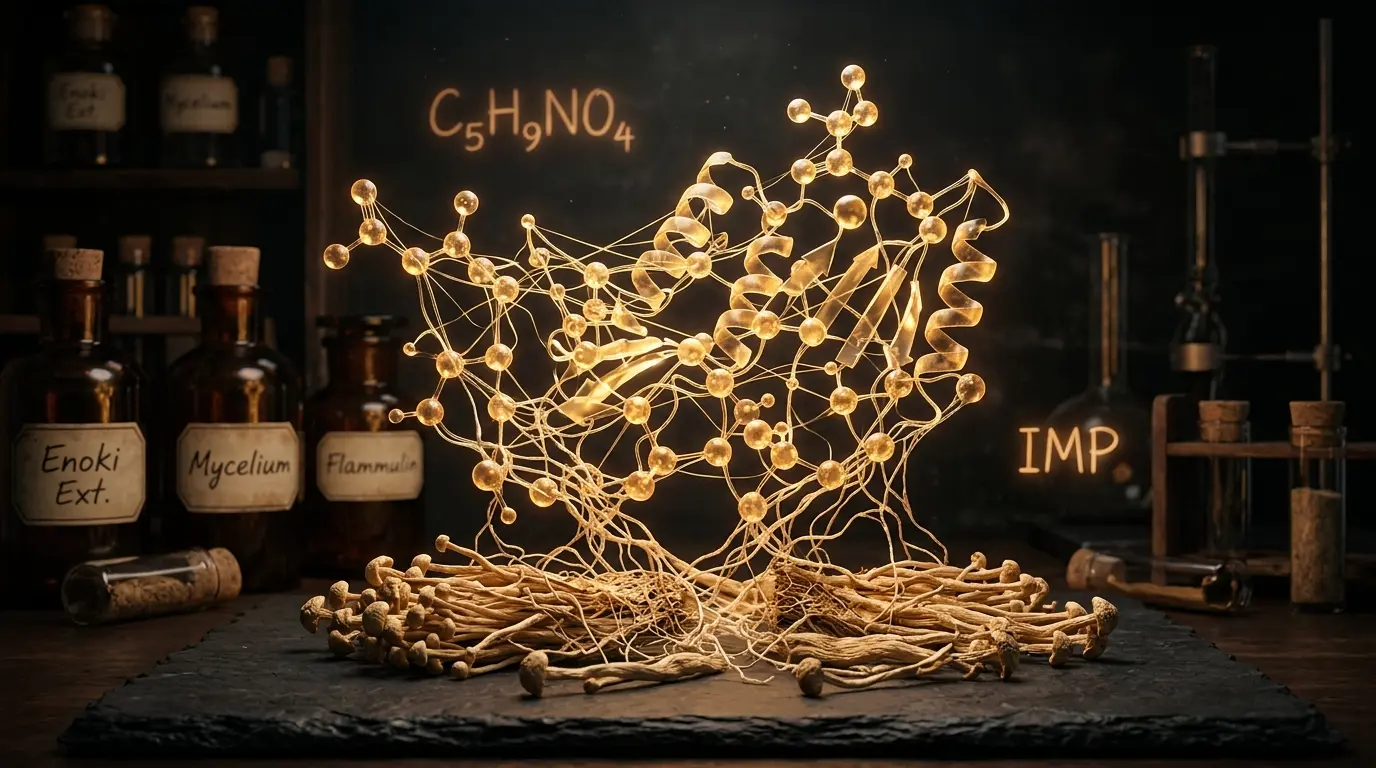
Mitochondrial protection: Ergothioneine is among the rare molecules able to reach the cell's energy hub — the mitochondrion. Its capacity to neutralize oxidative stress at its source is under active investigation.
Different from standard antioxidants: Water-soluble antioxidants such as vitamin C are rapidly consumed and excreted. Ergothioneine, thanks to the OCTN1 transporter, enters the cell and its effect can persist for days. A different mechanism, a different duration.
Sulfur architecture: Ergothioneine is an uncommon sulfur-containing amino acid. This structural feature chemically distinguishes it from other antioxidants — it offers a distinct reactivity profile against highly reactive oxygen species.
Reference: Halliwell, B. et al. (2018). Ergothioneine — a diet-derived antioxidant with therapeutic potential. FEBS Letters, 592(20), 3357-3366.
— WHY ONLY MUSHROOMS —
Humans, animals and plants cannot synthesize ergothioneine. In nature, only fungi and certain soil bacteria produce this molecule.
The mycelial network, as it processes the soil, absorbs ergothioneine from soil bacteria, transports it to the fruiting body and accumulates it. Consequently, the quality of the soil in which a mushroom grows directly influences its ergothioneine content.
MYCOVITA's Netherlands-certified strains and controlled substrate formulation optimize this accumulation — each batch is documented with a Certificate of Analysis.
— WHICH SPECIES —
Ergothioneine occurs in all mushrooms, but concentration varies significantly from species to species.
Among the richest sources:
- King Oyster (Pleurotus eryngii) — MYCOVITA Gastronomy No.01
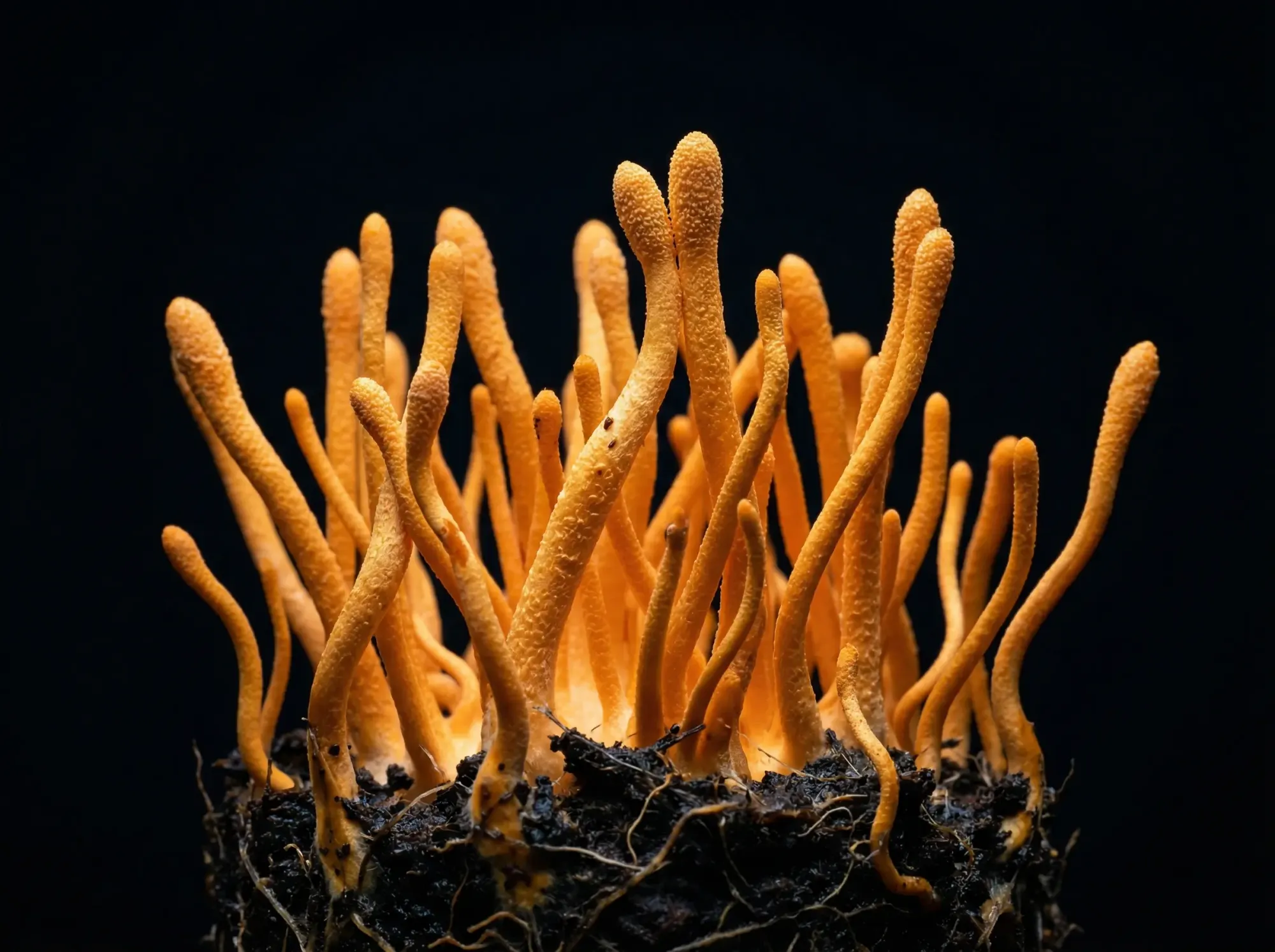
- Cordyceps militaris — measured value 782.3 mg/kg
- Sparassis crispa
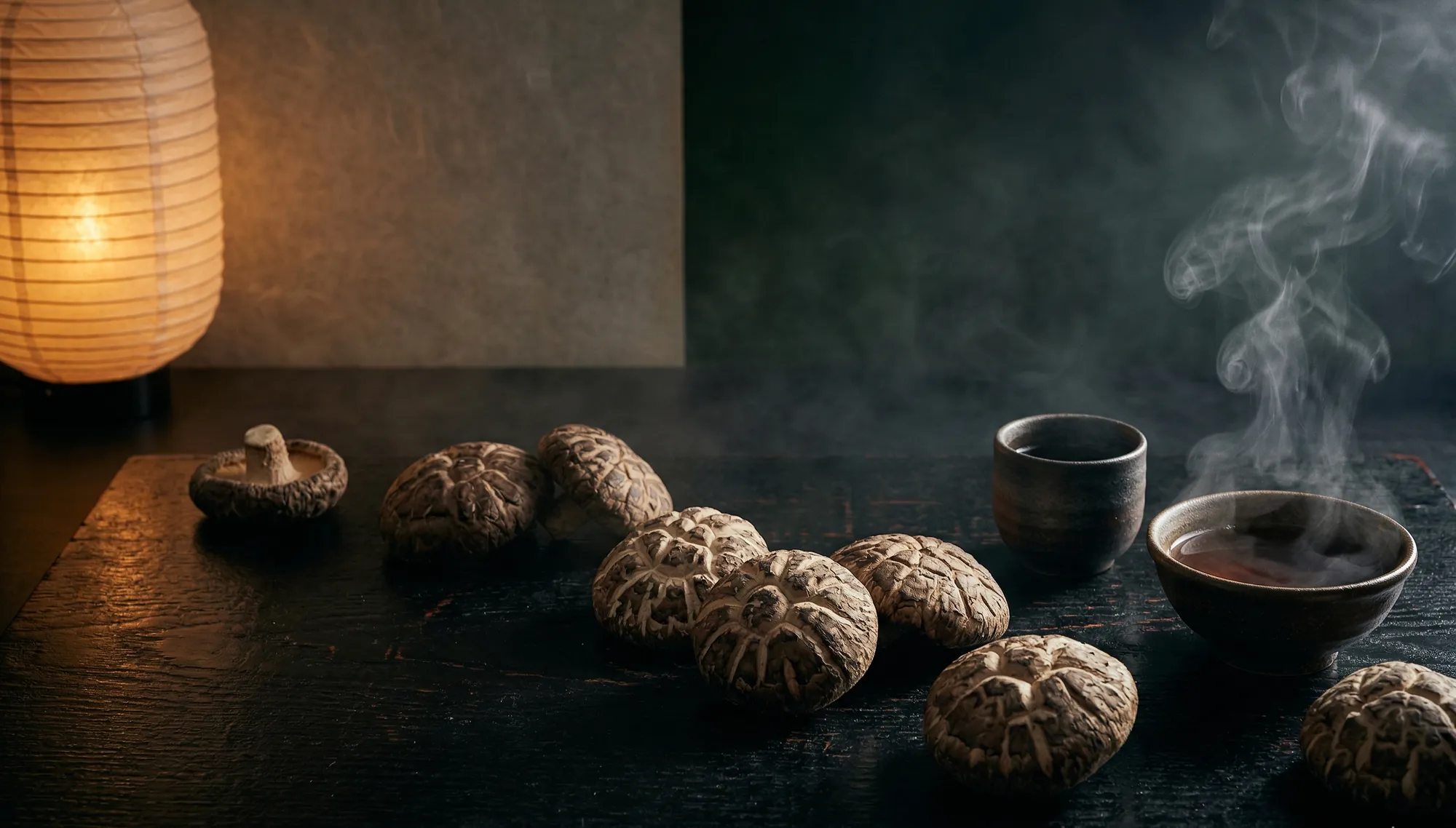
- Shiitake
Reference: Jędrejko, K.J. et al. (2021). Cordyceps militaris: an overview of chemical constituents. Foods, 10(11), 2634.
— IN MYCOVITA PRODUCTS —
King Oyster: One of the highest ergothioneine sources. Rehydrate and sear in a dry pan — ergothioneine is heat-stable and does not degrade during cooking.
Cordyceps: A noteworthy concentration with a measured dry-weight value of 782.3 mg/kg. Low-temperature drying at 40°C preserves this molecule.
Sparassis: The combination of ergothioneine plus 40–45% beta-glucan — two distinct bioactive profiles in a single mushroom.
Our standard low-temperature drying at 42–45°C is also critical for ergothioneine — high heat does not destroy this molecule, but when considered alongside enzymes and other constituents, low heat optimizes the preservation of the overall profile.
— CAUTION —
Because King Oyster naturally contains lovastatin, individuals using statin-class medications are advised to consult their physician.
You May Also Like
→ Mushroom Science Glossary — 130+ Terms from A to Z
→ Can You Trust Mushrooms Produced in Turkey?
→ Functional Mushroom Production in Turkey
Related reading: Cordyceps Encyclopedia · King Oyster Encyclopedia
MYCOVITA's production philosophy and transparency principles: Why MYCOVITA?
Mycelial Library | MYCOVITA
This content is for informational purposes only and does not constitute medical advice. Consult your physician before making any health decisions. Functional mushrooms are not drugs and cannot be used to treat diseases.
Version: 1.0 | Last updated: 20 Apr 2026 | Sources reviewed: 11+ | Method: Editorial Policy | References: Bibliography