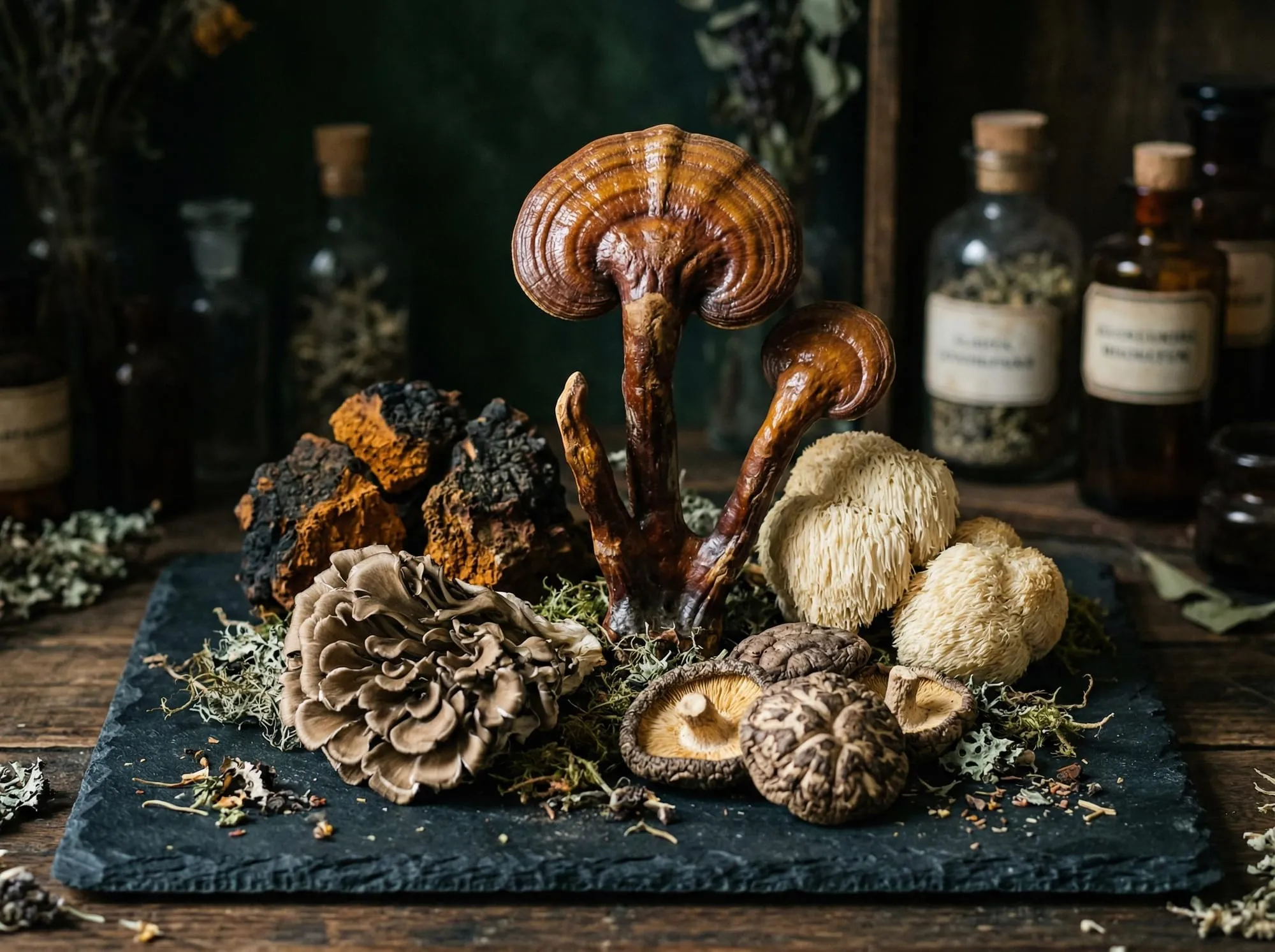
A Targeted Functional Mushroom Protocol for Athletic Performance
Related reading: Cordyceps Encyclopedia · What Is Cordycepin?
MYCOVITA’s production philosophy and transparency principles: Why MYCOVITA?
Mycelium Library No.17
— HOOK —
You train. You dial in your nutrition. You sleep. Yet recovery lags, or performance plateaus — a limit you cannot surpass.
What can functional mushrooms do at this plateau? The honest answer: no miracles. But the right species at the right time can contribute to the system.
The Athlete’s Context: Oxygen, Lactate, Recovery
Athletic performance rests on three fundamental physiological parameters:
VO₂ max: Maximal oxygen uptake capacity. The defining metric for endurance athletes.
Lactate threshold: The highest intensity sustained before shifting into anaerobic metabolism. Raising this threshold directly enhances performance.
Recovery rate: The time required for microdamage repair, muscle glycogen replenishment, and inflammation management.
Functional mushroom research revolves around these three parameters.
Cordyceps Protocol — Pre-Workout
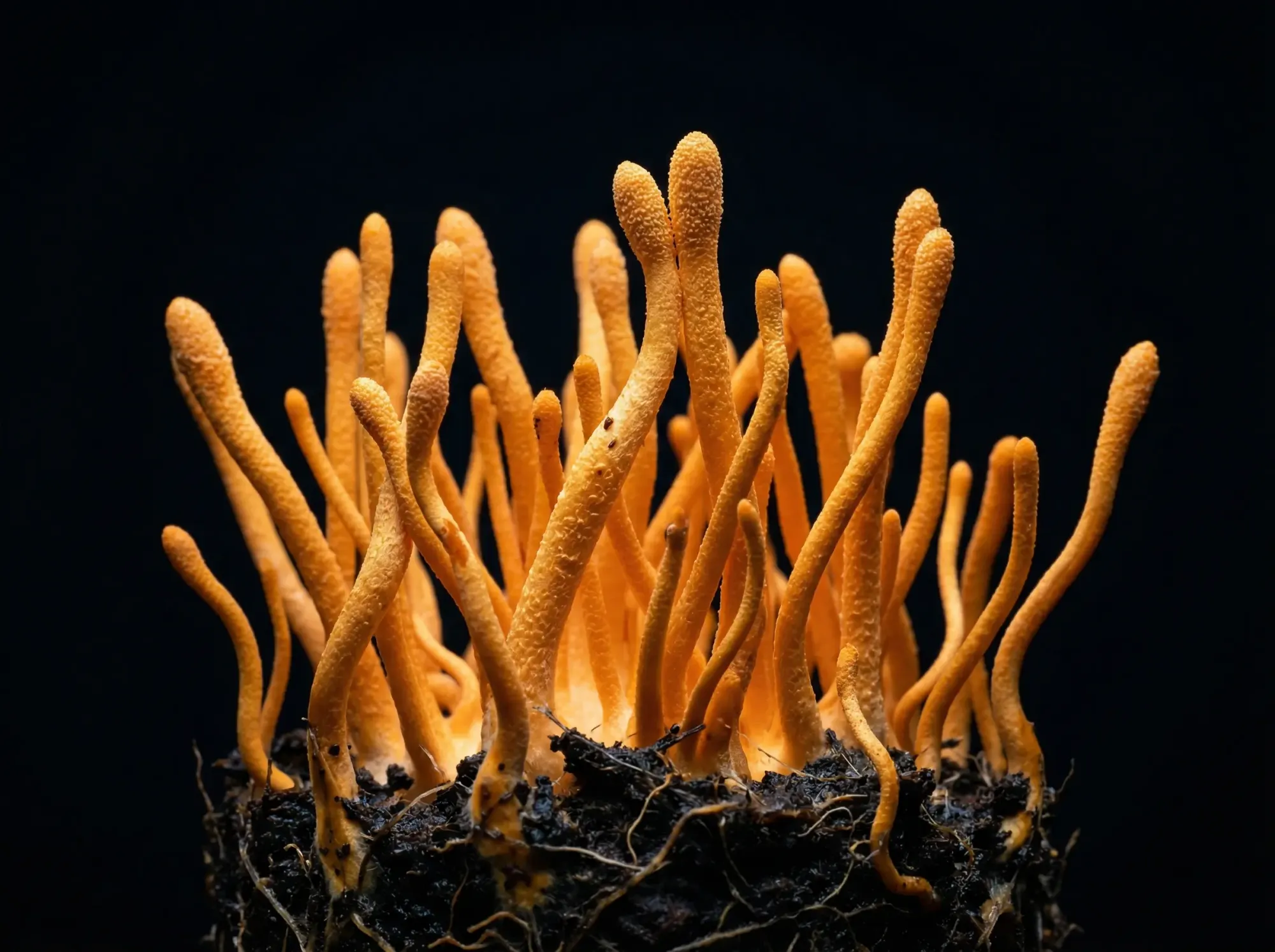
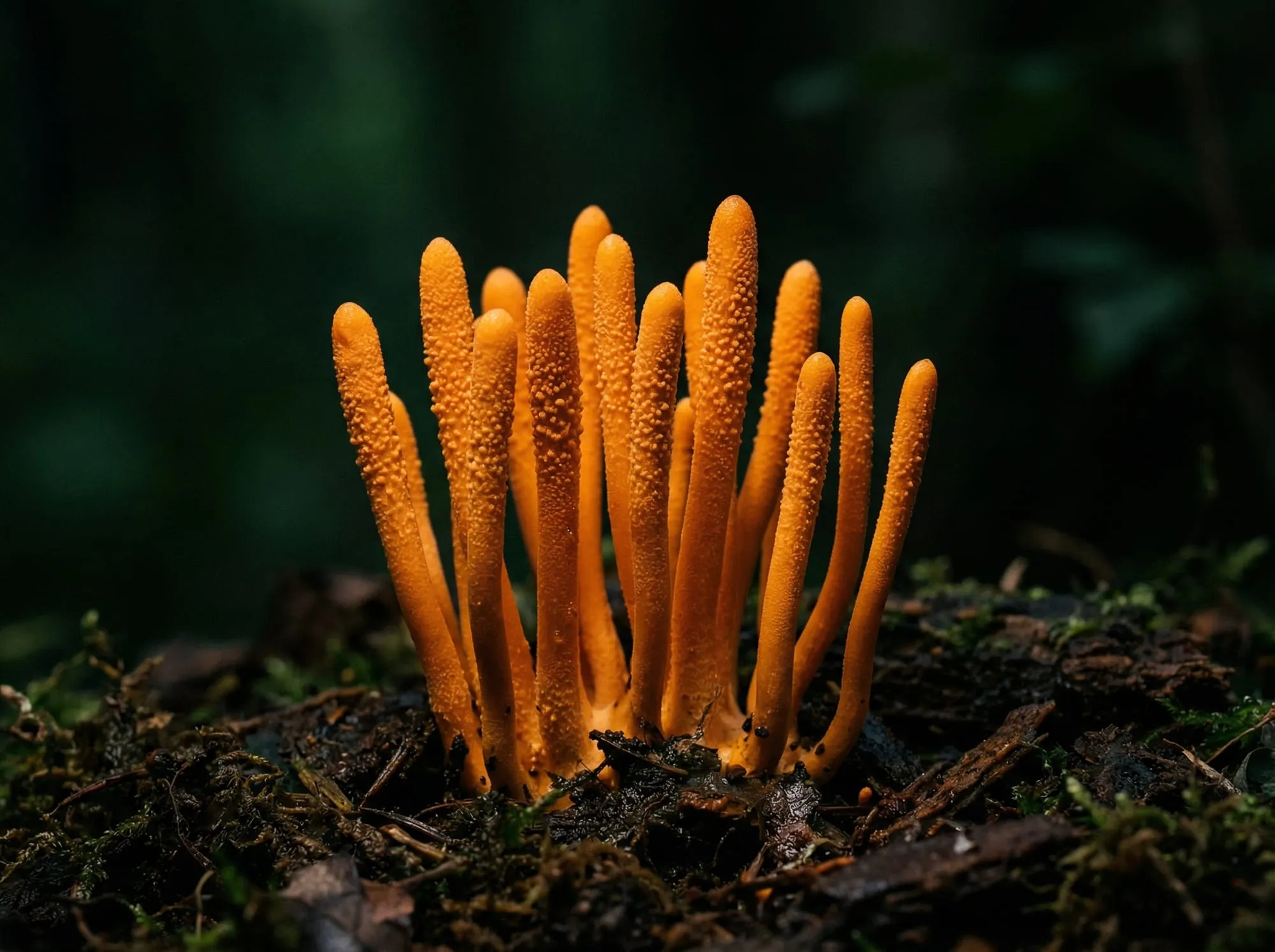
VITALITY | Cordyceps is the most studied species for endurance sports.
Cordycepin and adenosine, its signature constituents, appear in research on ATP synthesis and oxygen utilization efficiency. Increases in VO₂ max have been observed in animal models. A limited number of human studies present findings in a similar direction.
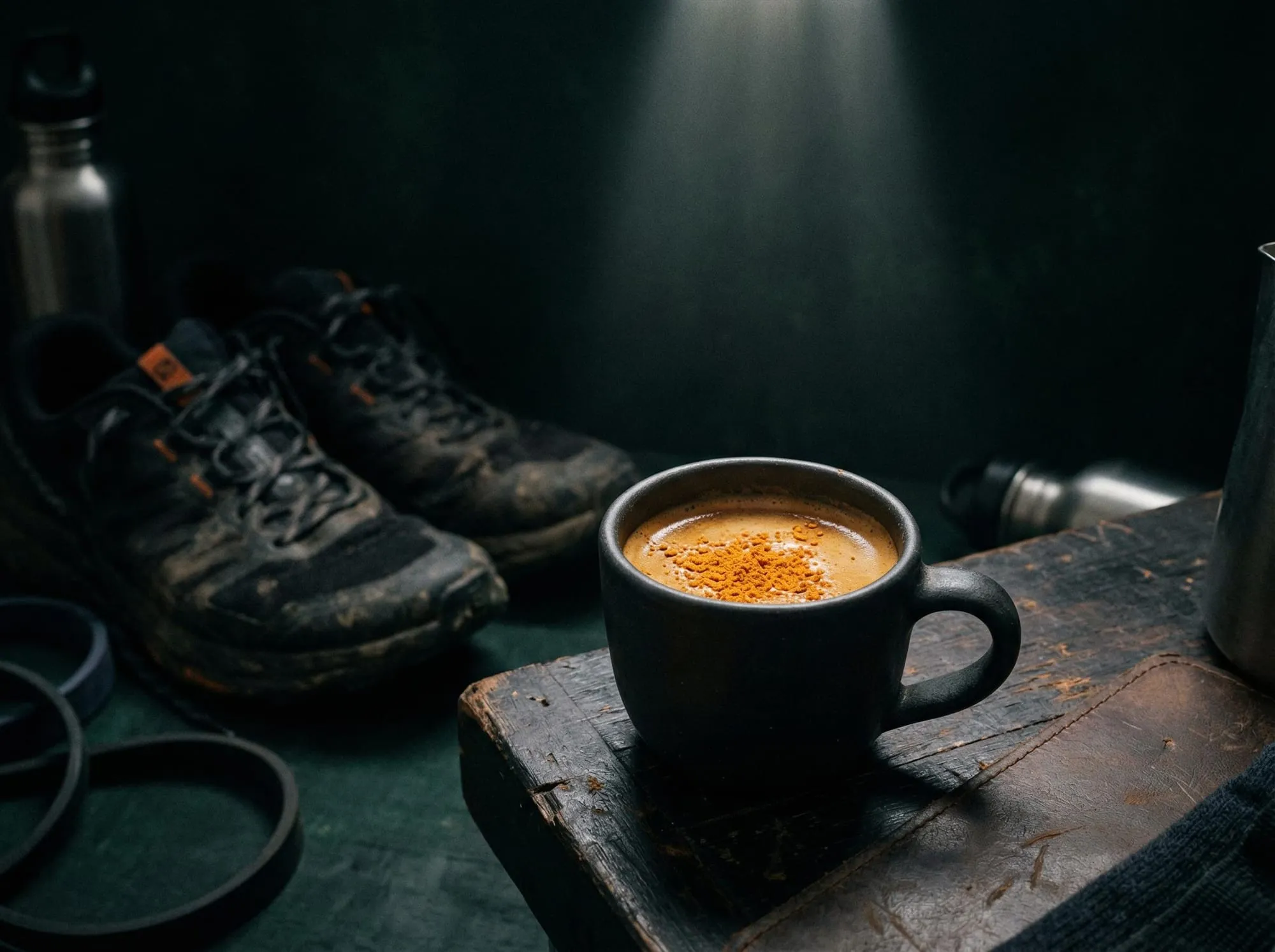
Protocol: 1–1.5 g taken 45–60 minutes before training. With espresso or plain water. Particularly suited to prolonged endurance activities (running, cycling, swimming, rowing).
Expectation management: Acute effects are weak; the research focus is on cumulative effect. A regular usage frame of 4–6 weeks.
Lion’s Mane — Cognitive Performance
Sport is not muscle alone. Concentration, decision speed, technical focus — these are also part of athletic output.
MIND | Lion’s Mane is used by skill-based athletes (archery, tennis, golf, chess) and in disciplines demanding high mental focus. Regular use in the morning routine is recommended.
Protocol: 1 g in the morning, preferably with milky coffee or tea. Not a pre-workout — this is a daily baseline protocol.
Turkey Tail — Recovery & Immunity
Intense training transiently suppresses the immune system. The “open window” phenomenon describes a period of heightened immune vulnerability lasting several hours after strenuous exercise.
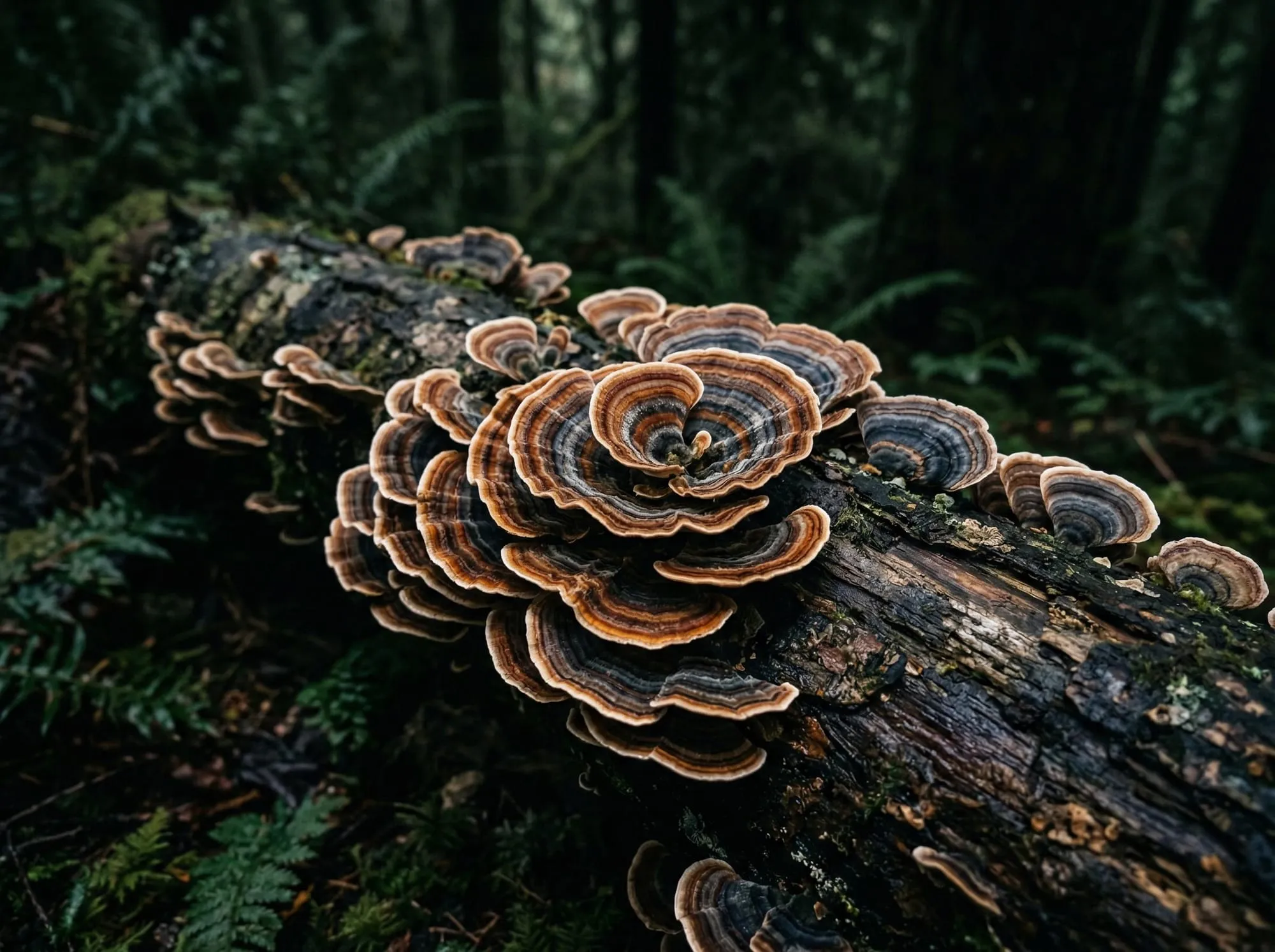
The PSK and PSP components of BALANCER | Turkey Tail are investigated in immunomodulatory research. Adding Turkey Tail to the post-training recovery protocol may be evaluated, particularly across long seasons, with the goal of sustaining overall health.
Protocol: 1–2 g after training, with a meal or immediately afterwards.
Reishi — Sleep & Stress Management
Eighty percent of recovery occurs during sleep. The greatest factor undermining sleep quality: cortisol.
BALANCE | Reishi Antler is a species examined in adaptogenic profile research. Adding it to the evening routine — especially during the high‑stress pre‑competition period — also aligns with traditional usage practice.
Protocol: 1 g in the evening, 1–2 hours before bed, with lukewarm water or tea.
The Complete Daily Athlete Protocol
Morning: Lion’s Mane 1 g (with coffee)
Pre‑workout: Cordyceps 1 g (espresso or plain water)
Post‑workout: Turkey Tail 1 g (with a meal)
Evening: Reishi Antler 1 g (lukewarm water or tea)
Total daily intake: approximately 4 g. Sparassis (Cauliflower Mushroom) can enter the protocol additionally during immunity‑focused phases.
Mycelium Library No.17 | MYCOVITA
MYCOVITA products are food products. They do not claim to treat, prevent or cure any disease. If you have a health problem, consult your physician.
— SCIENTIFIC REFERENCES —
Chen, S. et al. (2010). Effect of Cs-4 (Cordyceps sinensis) on exercise performance in healthy older subjects. JACM, 16(5), 585-590.
Hirsch, K.R. et al. (2017). Cordyceps militaris Improves Tolerance to High-Intensity Exercise. Journal of Dietary Supplements, 14(1), 42-53.
Mori, K. et al. (2009). Improving effects of the mushroom Yamabushitake. Phytotherapy Research, 23(3), 367-372.
Pallav, K. et al. (2014). Effects of polysaccharopeptide from Trametes versicolor on the gut microbiome. Gut Microbes, 5(4), 458-467.
You Might Be Interested In
→ Travel Protocol — How Do I Use It While Travelling?
→ Can You Grow Mushrooms at Home? — Starter Guide
This content is for informational purposes only and does not constitute medical advice. Consult your physician before making any health decisions. Functional mushrooms are not drugs and cannot be used to treat diseases.
Version: 1.0 | Last updated: 20 Apr 2026 | Sources reviewed: 5+ | Methodology: Editorial Policy | References: Bibliography