A Comprehensive Guide to Mushroom Consumption During Pregnancy and Breastfeeding
— THE HOOK —
You are pregnant. Or breastfeeding. And you wonder: Can I continue with mushrooms?
We receive this question often. And there is no one-sentence answer — because “mushroom” is not one thing. A culinary mushroom is one thing; a concentrated extract is another. This distinction changes everything.
— AN HONEST NOTE FIRST —
There are no adequate clinical studies on functional mushroom extracts in pregnant and breastfeeding women. This does not mean they are harmful — but controlled studies are not conducted on this population due to biomedical ethics. A lack of data means uncertainty. In uncertainty, the choice sides with caution.
This guide divides that uncertainty with a clear line.
— THE CLEAR LINE — Culinary or Extract —
Gastronomy Series — Cook and consume; it is safe
King Oyster, Shiitake Donko, Maitake — think of these as you would the cultivated mushrooms you buy at the market. When thoroughly cooked, they provide B vitamins, fiber, and plant-based protein. They can safely enter the pregnancy diet.
The only rule: Do not consume them raw. Always cook fully. If trying for the first time, start with a small portion — as you would with any new food.
Apothecary Series — Pause
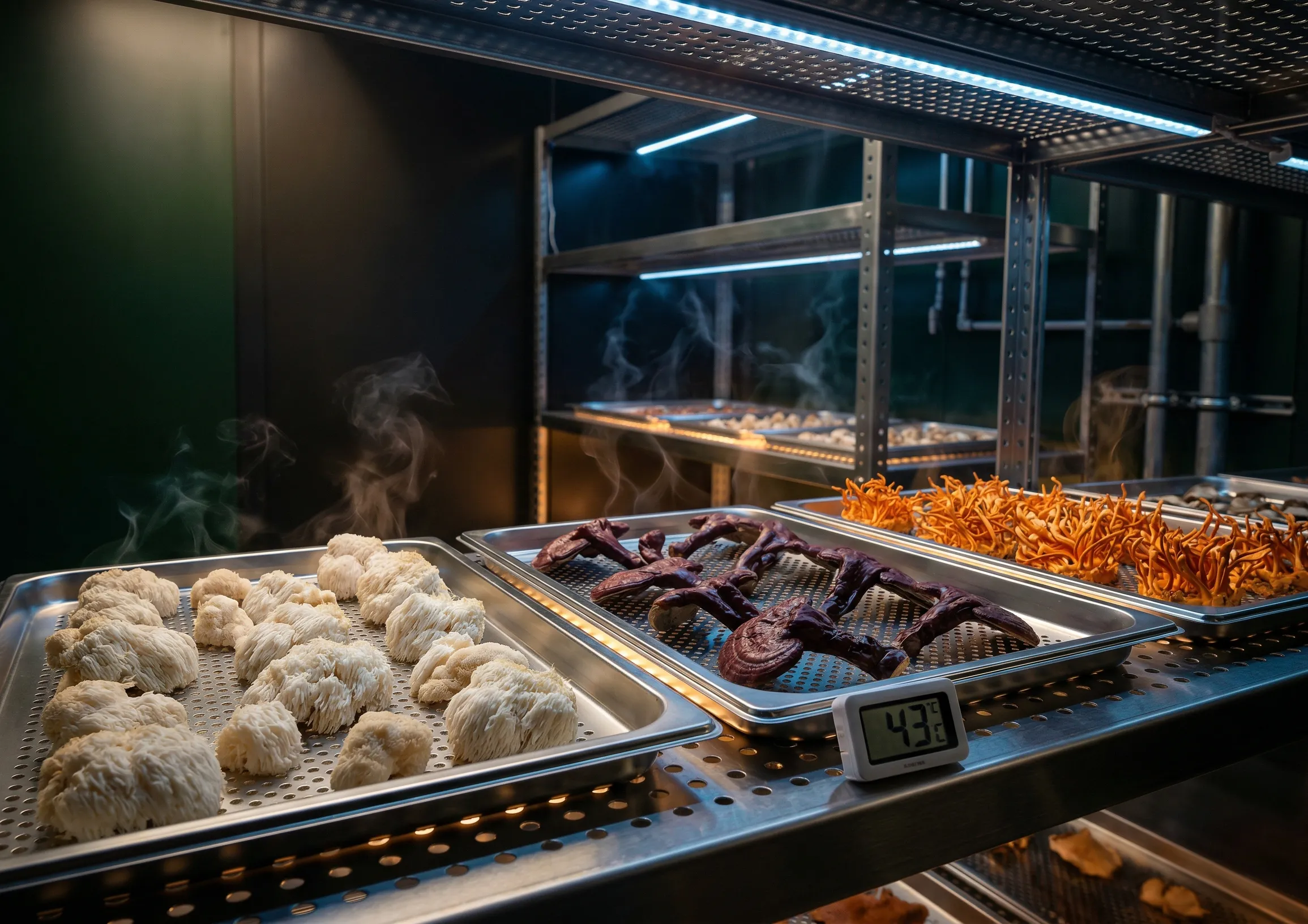
Concentrated extracts are a different matter. The bioactive compounds of mushrooms — beta-glucans, triterpenes, cordycepin — are in a condensed form. Whether these potent molecules cross the placental barrier, and to what extent they pass into breast milk, is not fully known.
Because it is not known, we pause. It is that simple.
— BY SPECIES —
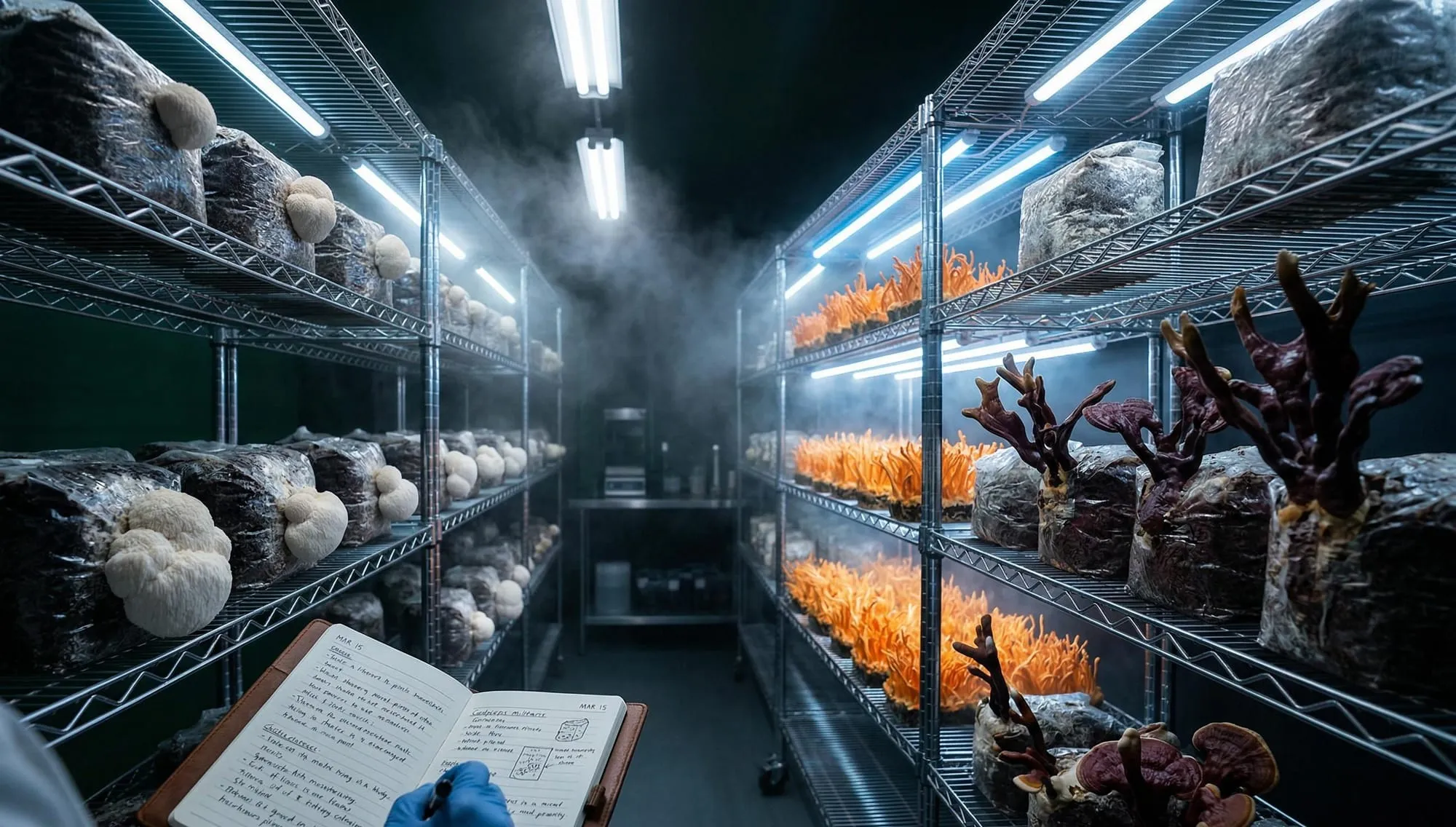
Reishi: Its triterpene profile has been studied for effects on blood circulation and blood pressure. During pregnancy, blood volume is already changing — a concentrated external intervention is not recommended.
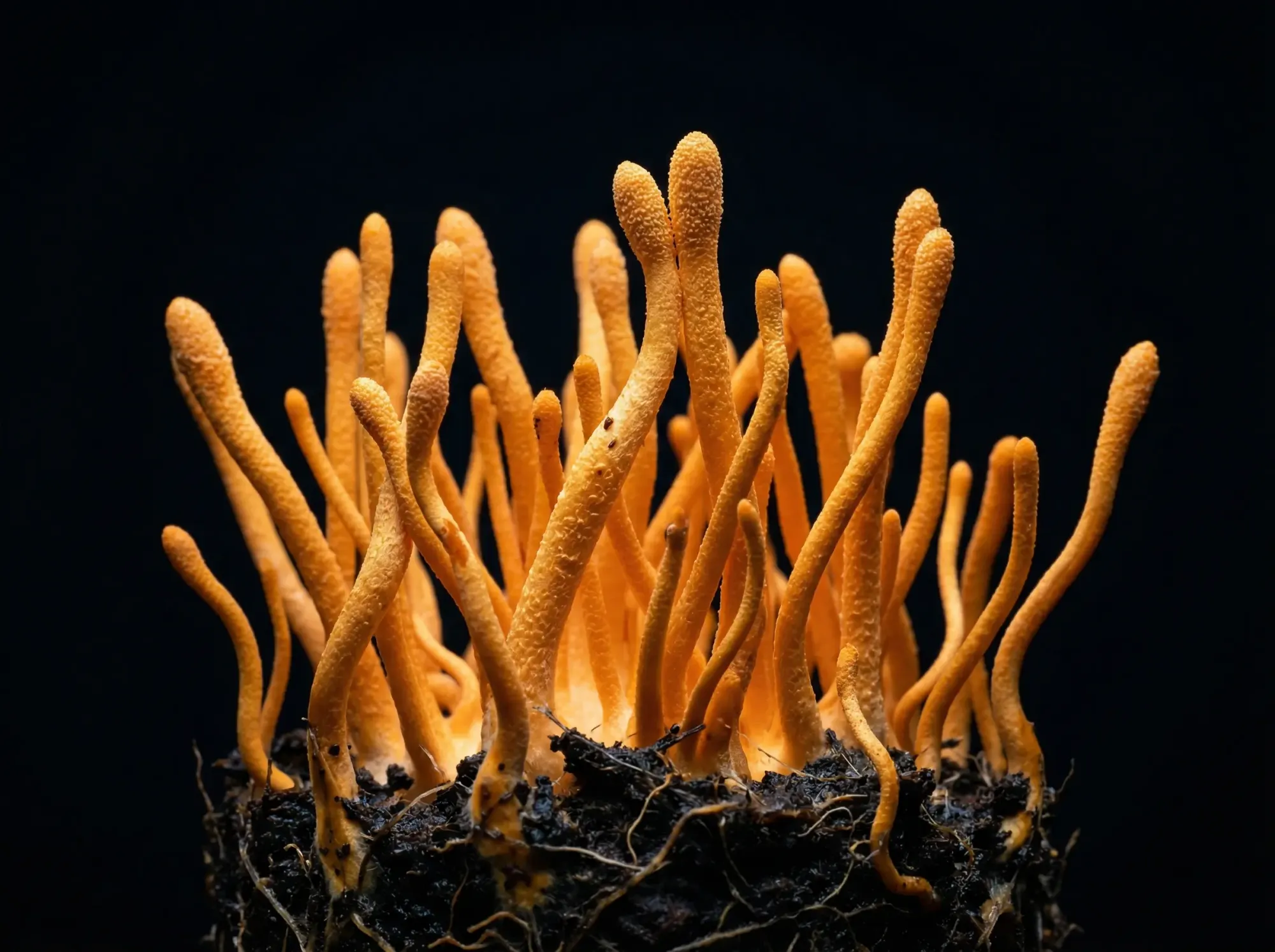
Cordyceps: It acts on cellular energy metabolism. How that signal would affect the developing fetus’s energy cycle is unknown.
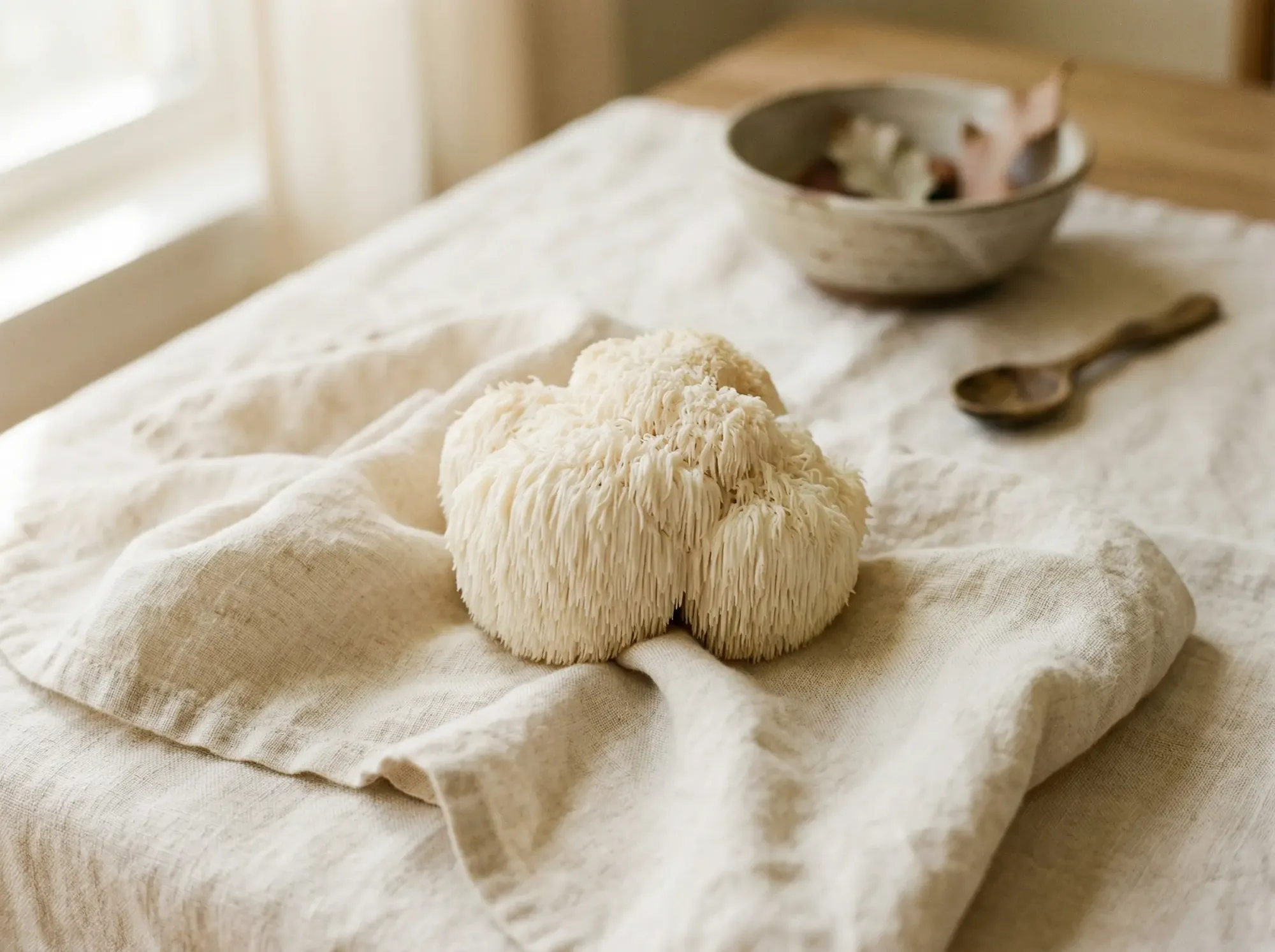
Lion’s Mane: NGF synthesis is directly relevant to the baby’s nervous system development. This process should proceed in its own natural rhythm — concentrated modulation is not recommended.
Turkey Tail: It is an immune modulator. During pregnancy, the immune system has established a special balance to protect the baby — external interference with this balance is not recommended.
— BREASTFEEDING PERIOD —
In the postpartum period, energy is low and the immune system is fatigued. Reaching for mushroom extracts is an understandable impulse.
But one must know this: Compounds that enter the mother’s bloodstream pass into breast milk. A newborn’s liver, kidneys, and immune system are not yet mature enough to process these molecules.
As breastfeeding ends or after it has ended — returning to the extract series can begin exactly at that point. Cellular repair awaits you then.
— MYCOVITA’S APPROACH —
Not everything natural is risk‑free during this period. Functional mushrooms are powerful tools — and that is precisely why we exercise caution.
To summarize:
If you are pregnant or breastfeeding → consume the Gastronomy Series well‑cooked, and pause the Apothecary Series.
After completing this phase, when your system is ready — let us return to your protocol.
— IMPORTANT —
This guide is for general informational purposes. During pregnancy and breastfeeding, consult your obstetrician or pediatrician regarding any supplements, herbal teas, or special foods you intend to consume.
You May Also Like
→ Travel Protocol — How Do I Use It While Traveling?
→ Can You Grow Mushrooms at Home? — Beginner’s Guide
Related reading: Functional Mushroom Daily Doses · Which Mushroom Is for Me?
MYCOVITA’s production philosophy and transparency principles: Why MYCOVITA?
Apothecary | Mycelium Library | MYCOVITA
— SCIENTIFIC REFERENCES —
Guillamón, E. et al. (2010). Edible mushrooms: Role in the prevention of cardiovascular diseases. Fitoterapia, 81(7), 715-723.
Valverde, M.E. et al. (2015). Edible Mushrooms: Improving Human Health and Promoting Quality Life. International Journal of Microbiology, 376387.
Wachtel-Galor, S. et al. (2011). Ganoderma lucidum (Lingzhi or Reishi): A Medicinal Mushroom. Herbal Medicine: Biomolecular and Clinical Aspects, CRC Press.
Money, N.P. (2016). Are mushrooms medicinal? Fungal Biology, 120(4), 449-453.
Note: Specific clinical studies on the use of functional mushrooms during pregnancy and breastfeeding are extremely limited. The existing references pertain to the general safety profile. Make decisions on this matter together with your doctor.
This content is for informational purposes only and does not constitute medical advice. Consult your physician before making any health decisions. Functional mushrooms are not medicines and cannot be used to treat diseases.
Version: 1.0 | Last update: 20 Apr 2026 | Number of sources reviewed: 6+ | Method: Editorial Policy | References: Bibliography