The Blood–Brain Barrier and Fungal Metabolites: Mechanisms of Permeability
The selective permeability of the blood–brain barrier ordinarily restricts the passage of neuroactive fungal compounds into the central nervous system. Nevertheless, evidence indicates that certain low‑molecular‑weight constituents, in particular hericenones and erinacines, can cross this barrier.
The Lymphatic System and Mushroom Bioactives: A Review of the Scientific Literature
The lymphatic system’s central role in immune surveillance underscores the potential of beta-glucan and related compounds to modulate lymphocyte trafficking and lymphatic capillary function.
Mushroom-Derived Bioactives in Endothelial Health and Nitric Oxide Regulation
The integrity of endothelial function stands as a principal determinant of cardiovascular health. Bioactive constituents derived from mushrooms exert modulatory effects on nitric oxide (NO) synthesis and the activity of endothelium-derived relaxing factor, thereby influencing vascular homeostasis.
The TRPV1 Receptor and Pain Perception: Insights from Fungal Biology
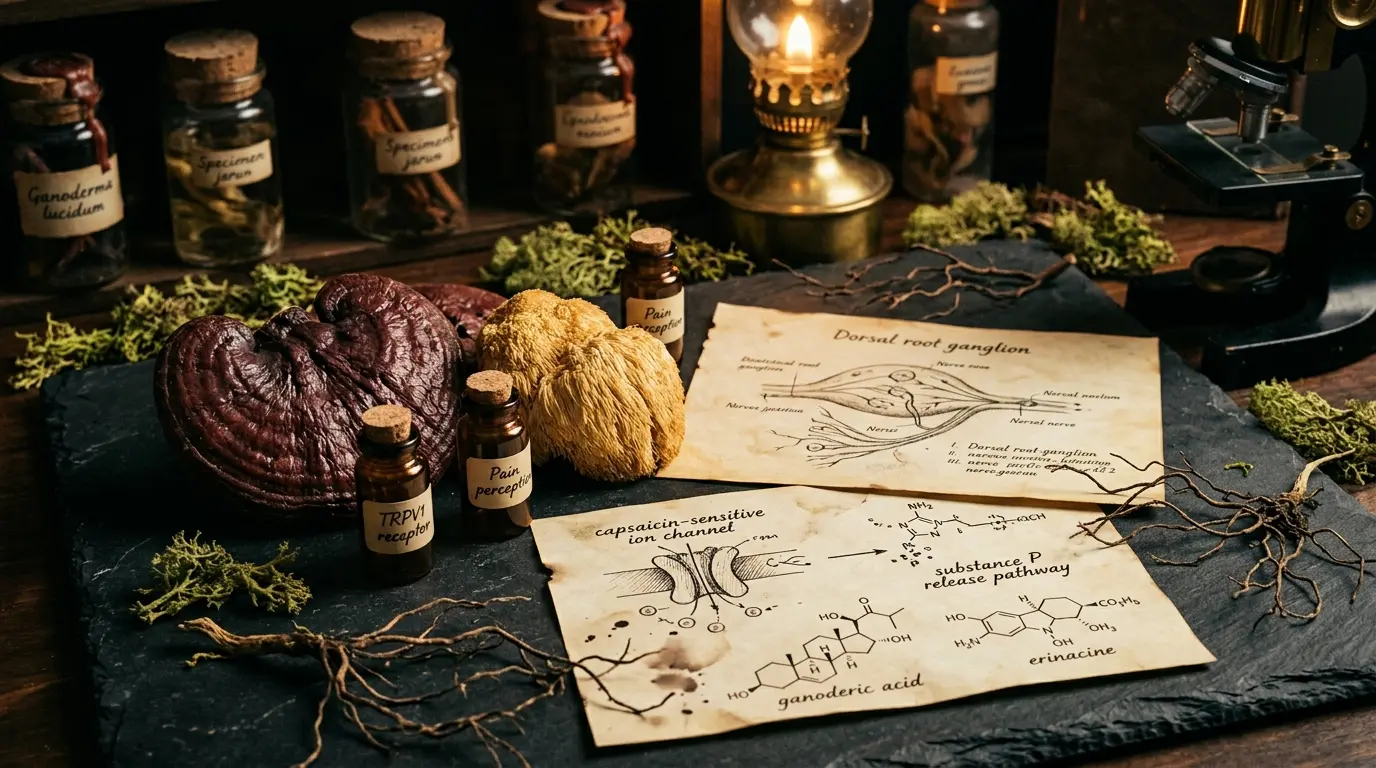
The TRPV1 ion channel, also known as the capsaicin receptor, functions as a principal transducer of noxious heat and pain signals. Certain bioactive compounds derived from fungi have been identified as modulators of this receptor, placing them at the forefront of emerging analgesic research and the
Brown Adipose Tissue Thermogenesis and Fungal Bioactives: A Comprehensive Literature Review
Brown adipose tissue (BAT) thermogenesis is a central regulator of systemic energy metabolism, and a growing body of research is examining the ability of mushroom-derived constituents to stimulate uncoupling protein 1 (UCP-1) expression and promote the conversion of white adipocytes into thermogenic
Mushroom Polysaccharides: Regulators of Insulin Signaling and Adiponectin
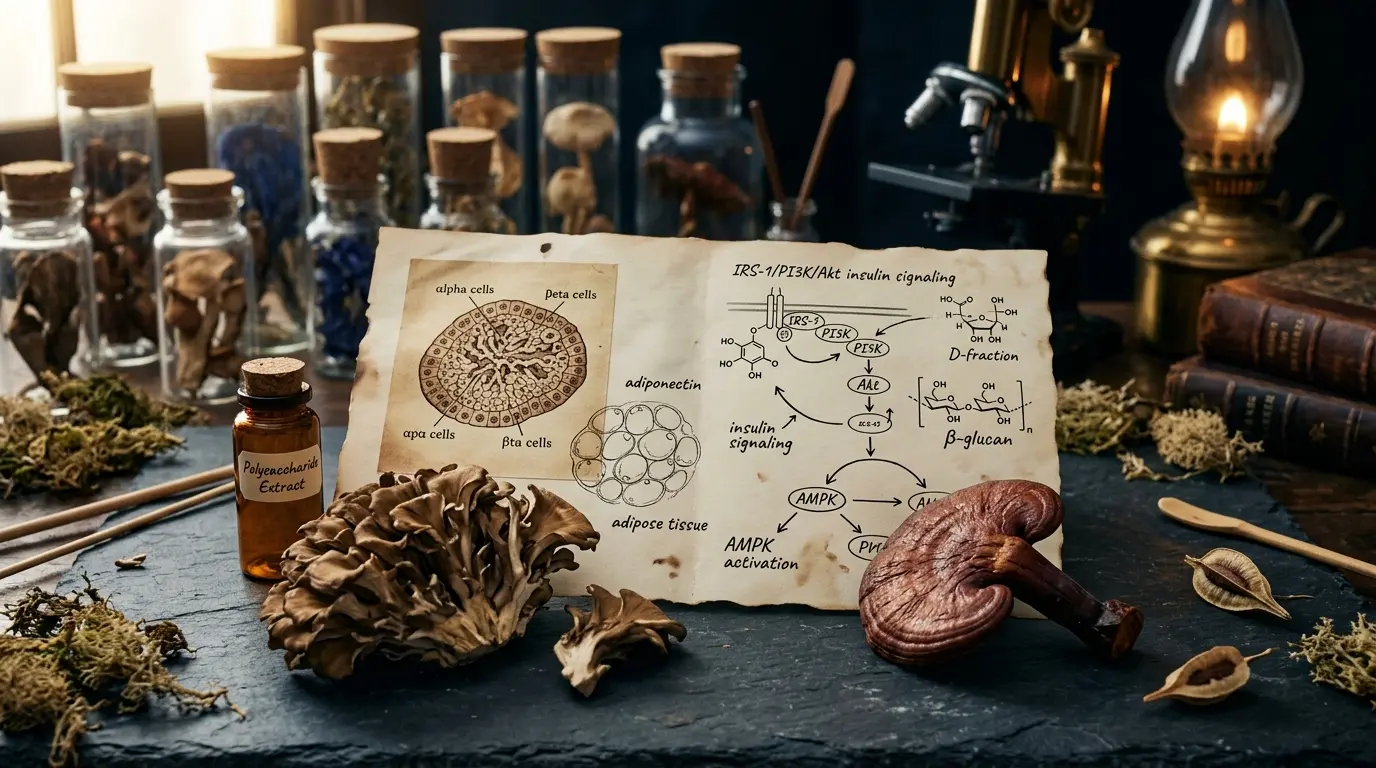
The impact of Maitake D-Fraction and other mushroom-derived polysaccharides on insulin sensitivity and adiponectin levels, together with a survey of the current state of mycological research in type 2 diabetes.
Regulation of Lipogenesis through Fungal Bioactives: Mechanisms and Metabolic Pathways
Fungal bioactive compounds that modulate lipid synthesis pathways are drawing increasing attention in metabolic syndrome research, with mechanistic studies centered on AMPK and PPAR-α.
Fungal-Derived Compounds and Mucosal Immunity: A Systematic Review of Their Influence on Secretory IgA
Secretory immunoglobulin A (sIgA) forms the principal effector arm of mucosal immunity. This entry examines the body of research concerning the modulation of sIgA production along the intestinal and respiratory mucosae by polysaccharides of fungal origin.
Mast Cells and Histamine: A Review of Mushroom-Derived Bioactive Compounds
Research into the influence of fungal polysaccharides on mast cell activation and histamine release constitutes a compelling niche within the biology of allergy and inflammation.
ORAC and FRAP: Assessing Antioxidant Capacity in Mushrooms
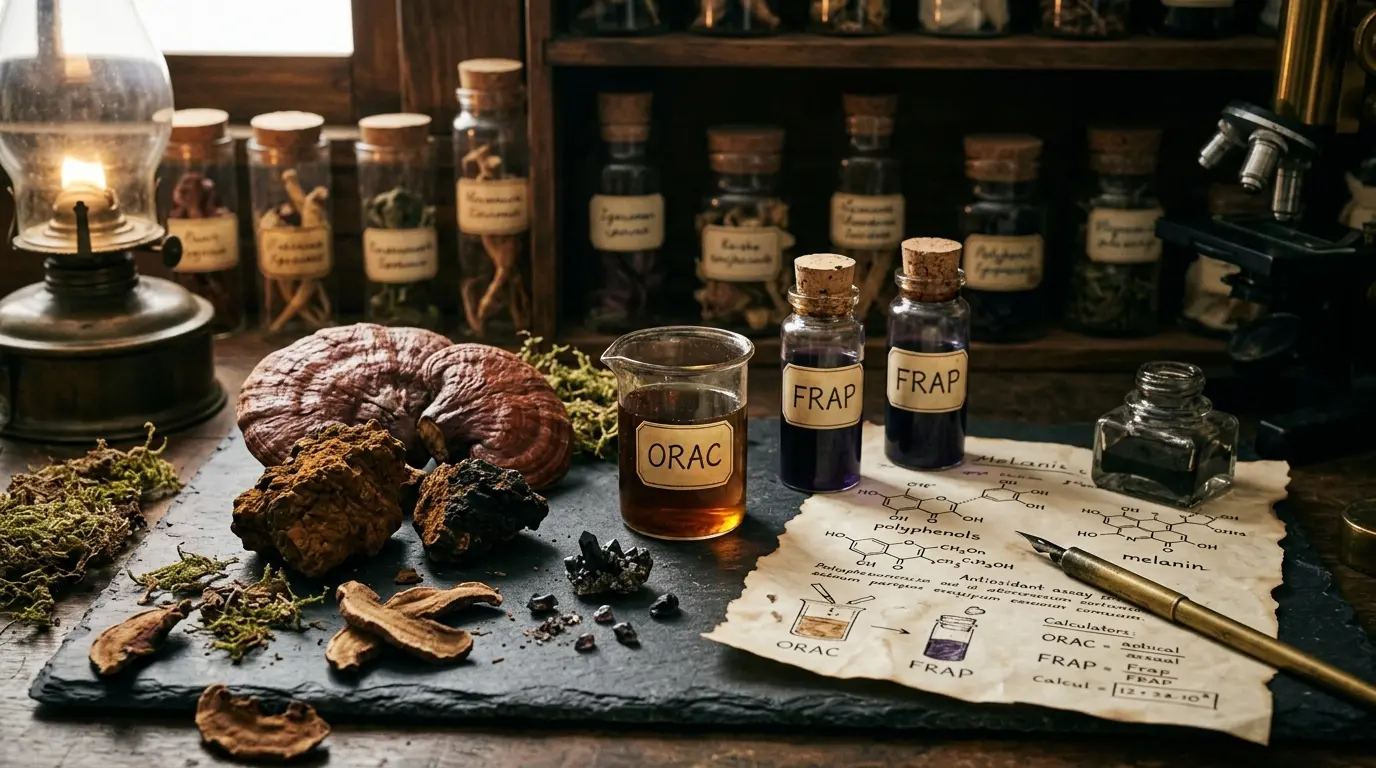
The ORAC (Oxygen Radical Absorbance Capacity) and FRAP (Ferric Reducing Antioxidant Power) assays are two widely employed methodological frameworks for evaluating the antioxidant capacity of mushrooms. Each method operates on distinct chemical principles—hydrogen atom transfer versus single-electron