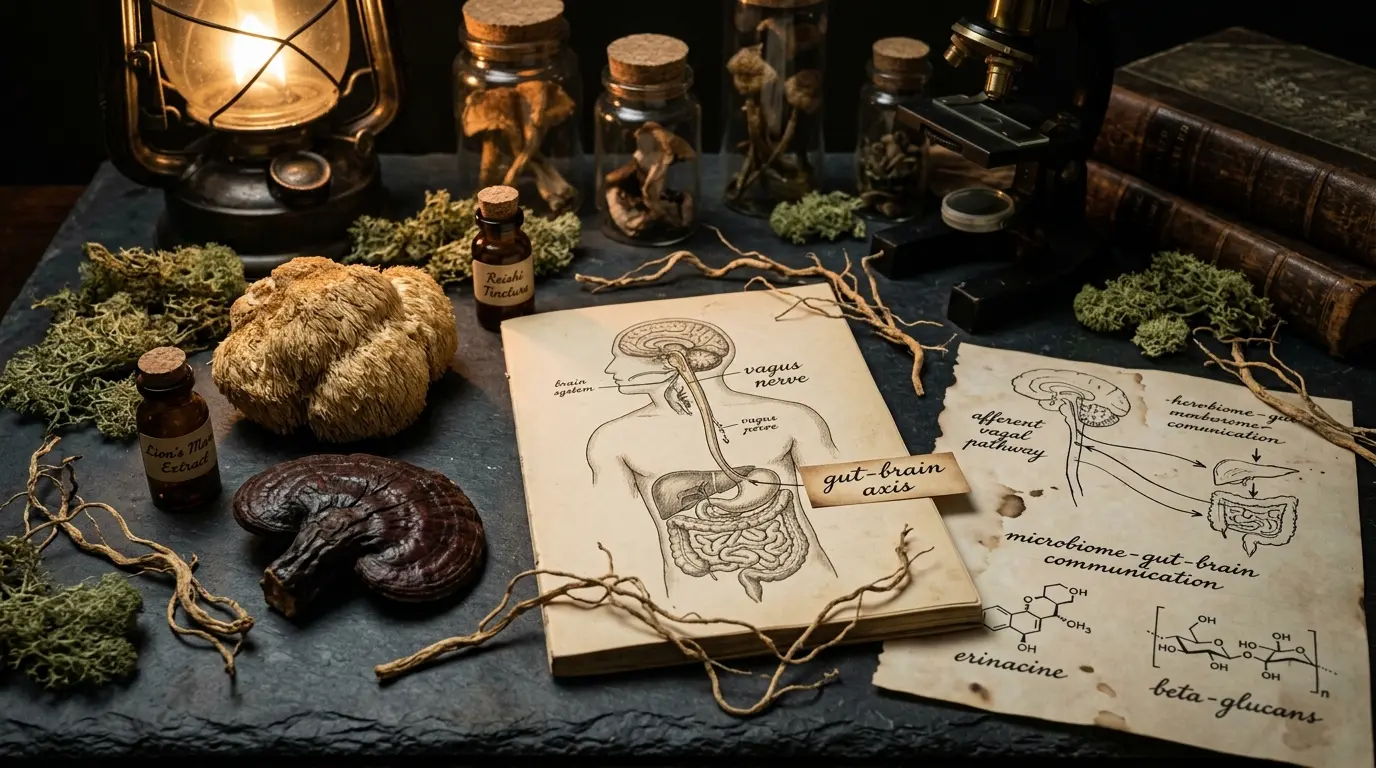
Vagus Nerve Signaling and Fungal Bioactives: Mapping the Gut-Brain Axis Literature
The vagus nerve serves as the principal neural conduit between the gut and the brain. As a key component of the autonomic nervous system, it plays a central role in mediating interactions with the gut microbiome, including its fungal constituents, as documented in the scientific literature.
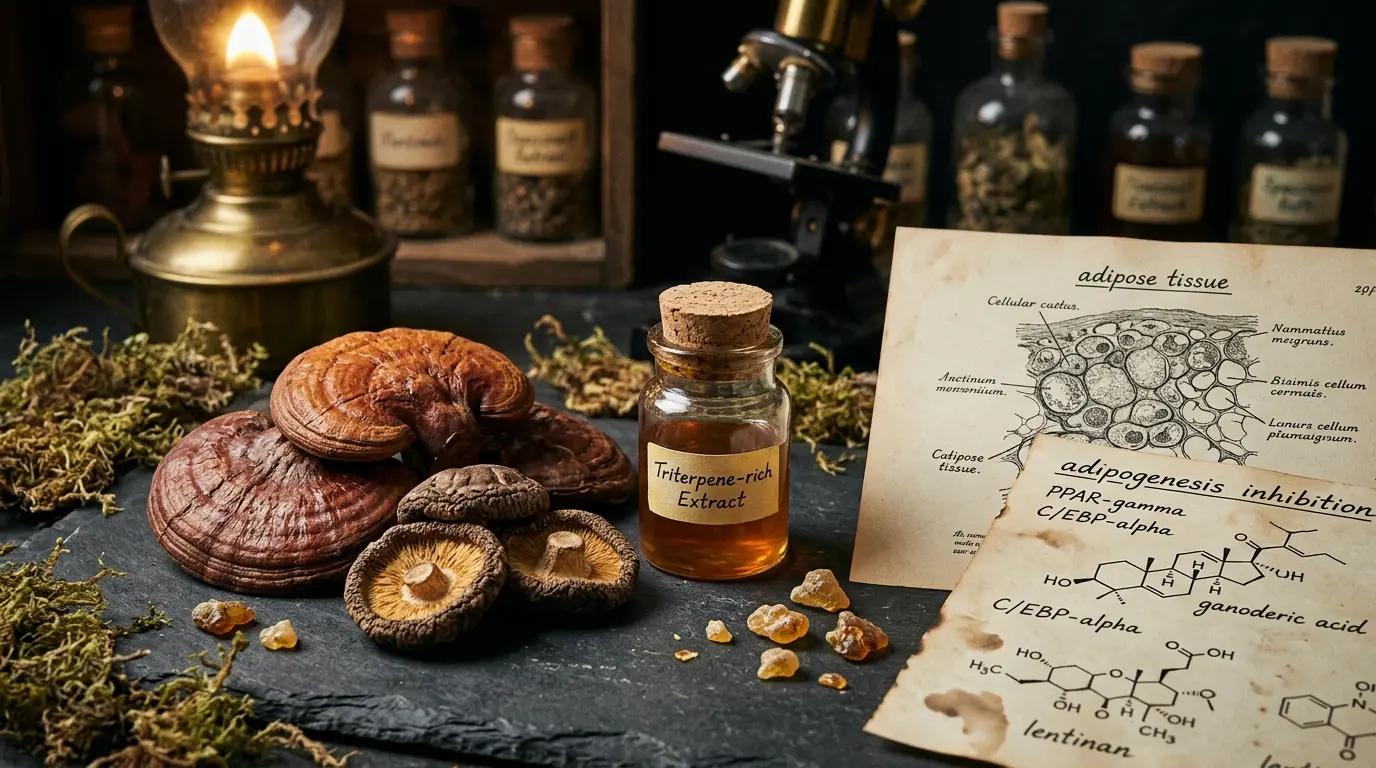
Adipose Tissue and Mushroom-Derived Compounds: A Review of the Adipogenesis Literature
Adipose tissue functions as a dynamic endocrine organ rather than a passive lipid reservoir. This article outlines the in vitro literature on white, brown, and beige adipocyte subtypes and their interactions with bioactive fungal constituents.
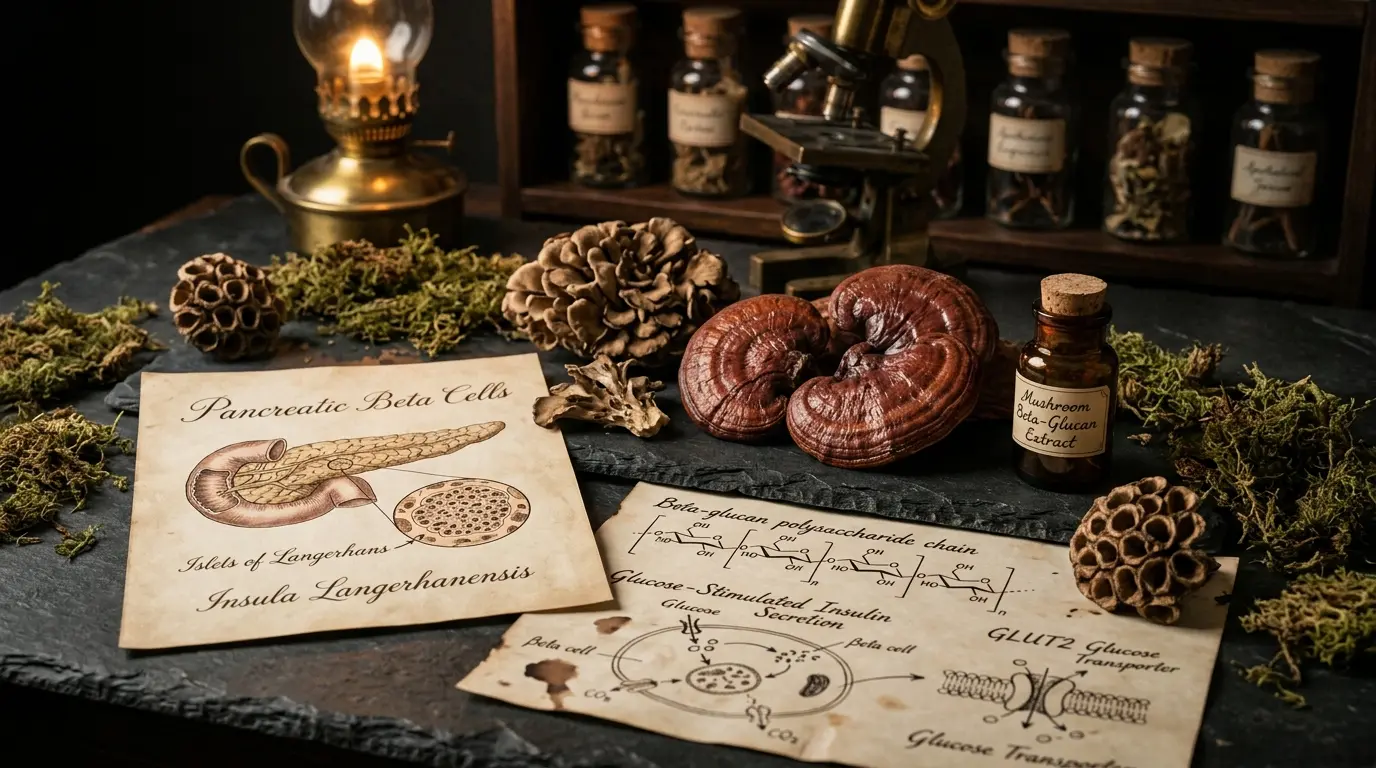
Pancreatic Beta Cells and Fungal Polysaccharides: A Review of the Literature
The architecture of pancreatic β-cells, the molecular biology of insulin, and the treatment of fungal polysaccharides in the in vitro cell culture literature.
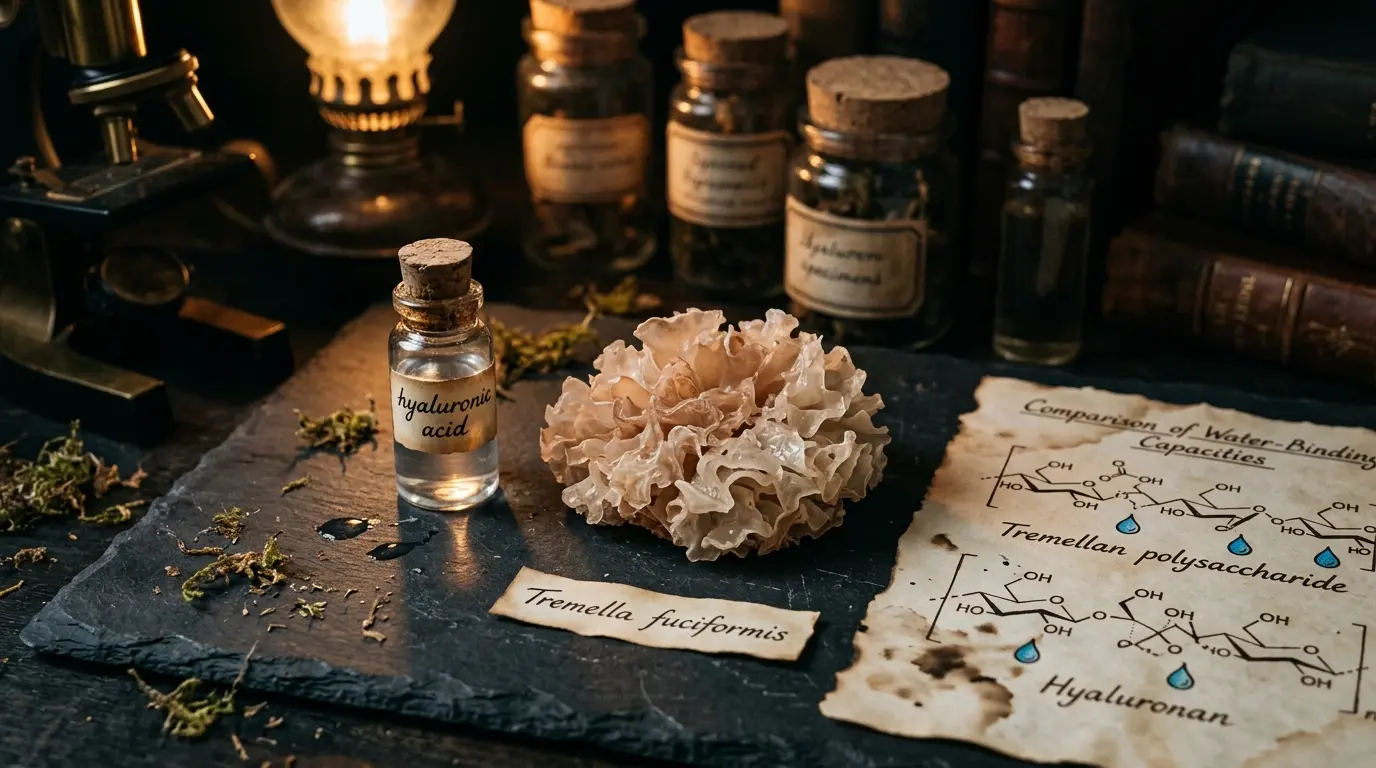
Tremella vs. Hyaluronic Acid: Comparing Their Moisture Retention Power
Tremella polysaccharide and hyaluronic acid are structurally distinct yet functionally analogous humectant polymers. This overview examines their chemical nature, biological origins, and application contexts.
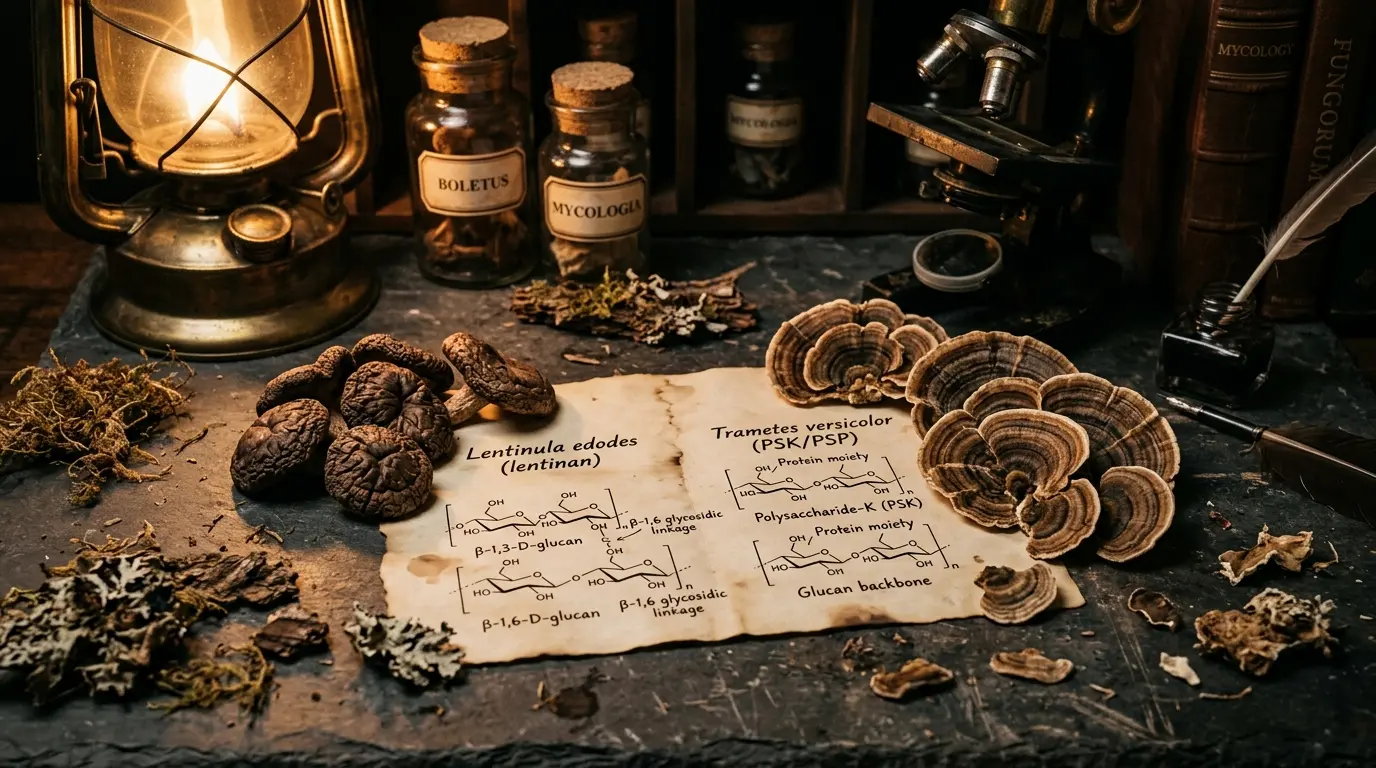
Shiitake versus Turkey Tail: A Comparative Analysis of Polysaccharide Profiles
Comparative Polysaccharide Profiles of Shiitake and Turkey Tail: Structural and Clinical Distinctions between Lentinan and the PSK/PSP Complex
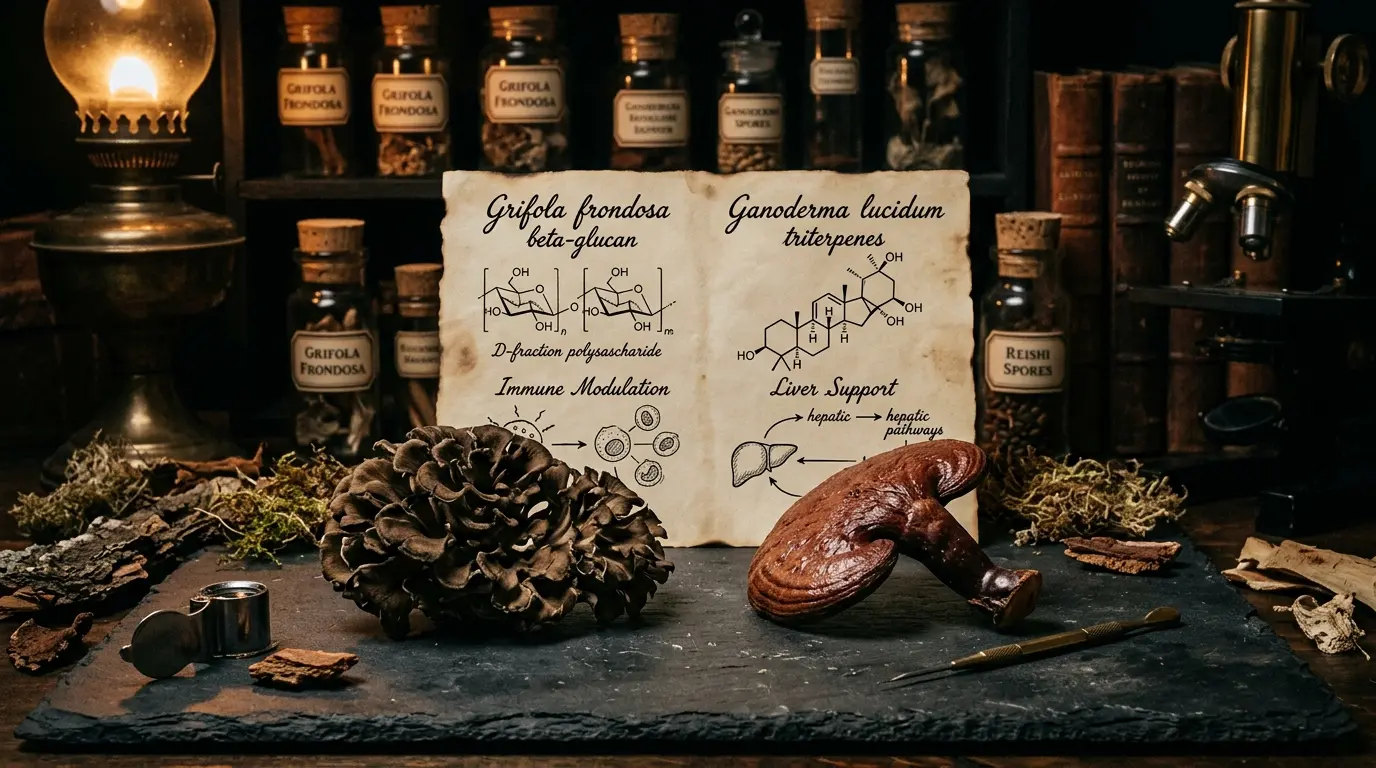
Maitake versus Reishi: A Comparative Analysis of Beta-Glucan and Triterpene Profiles
The polysaccharide and triterpene profiles of Maitake (Grifola frondosa) and Reishi (Ganoderma lucidum) exhibit distinct chemotaxonomic signatures that underpin their divergent applications. Maitake’s hallmark β-glucan proteoglycan, the D-fraction, contrasts with Reishi’s array of ganoderic acids, a
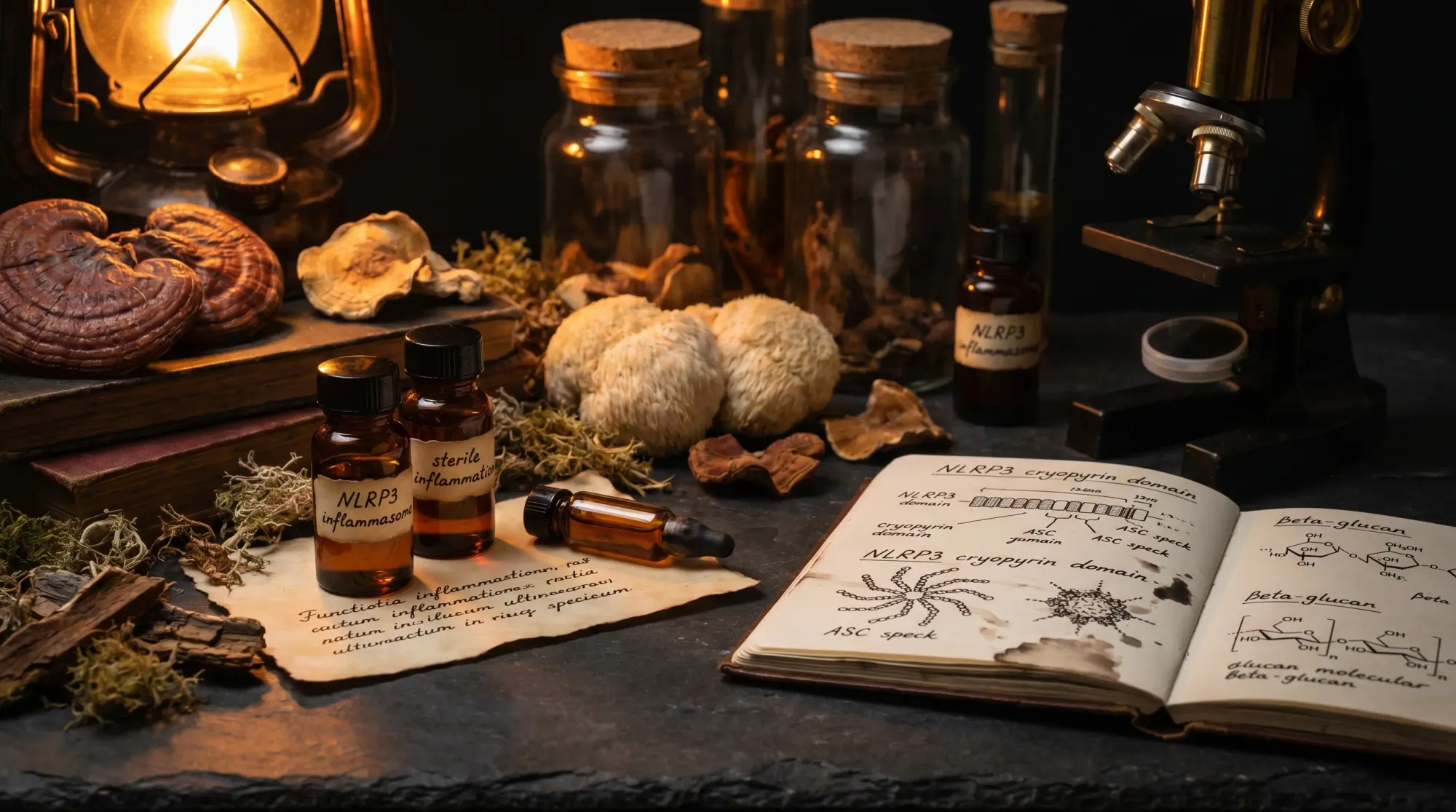
NLRP3 Inflammasome Activation by Fungal Components: A Sterile Inflammation Framework
The NLRP3 inflammasome is an intracellular multiprotein complex central to innate immunity, assembled upon danger sensing to activate caspase-1 and drive the maturation of IL‑1β and IL‑18. Its canonical activation proceeds through a tightly regulated two‑step process: a priming signal (often via NF‑
Species Encyclopedia: Schizophyllum commune
Schizophyllum commune is a cosmopolitan bracket fungus distinguished by its small, fan-shaped fruiting bodies and characteristically split gills. Occurring on every continent, it ranks among the most widely distributed macrofungi. The species exhibits extraordinary genetic diversity, underpinned by
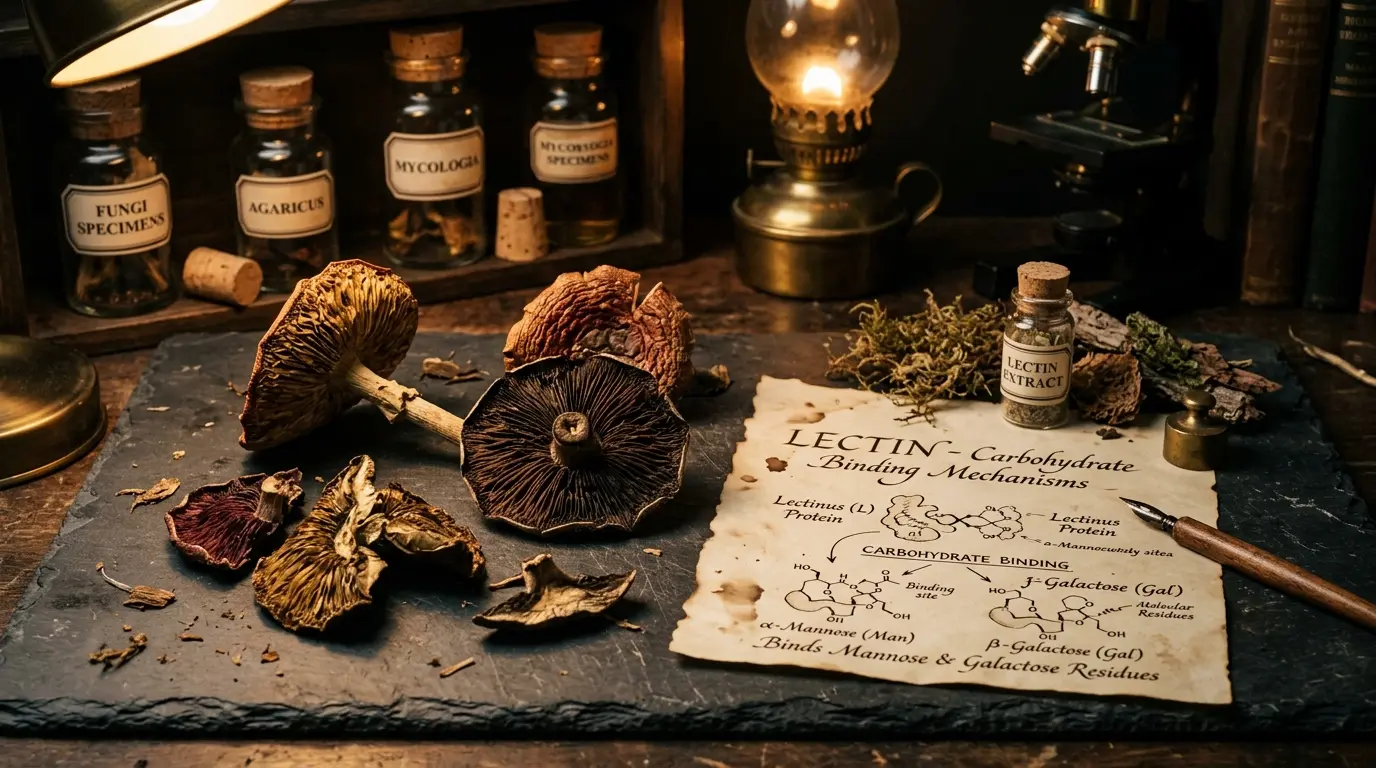
Lectin Mushrooms: Carbohydrate-Binding Profiles of Fungal Lectins
Fungal lectins are carbohydrate-binding proteins that recognize specific sugar motifs. This article examines their structural classification, binding specificity, and the associated scientific literature.
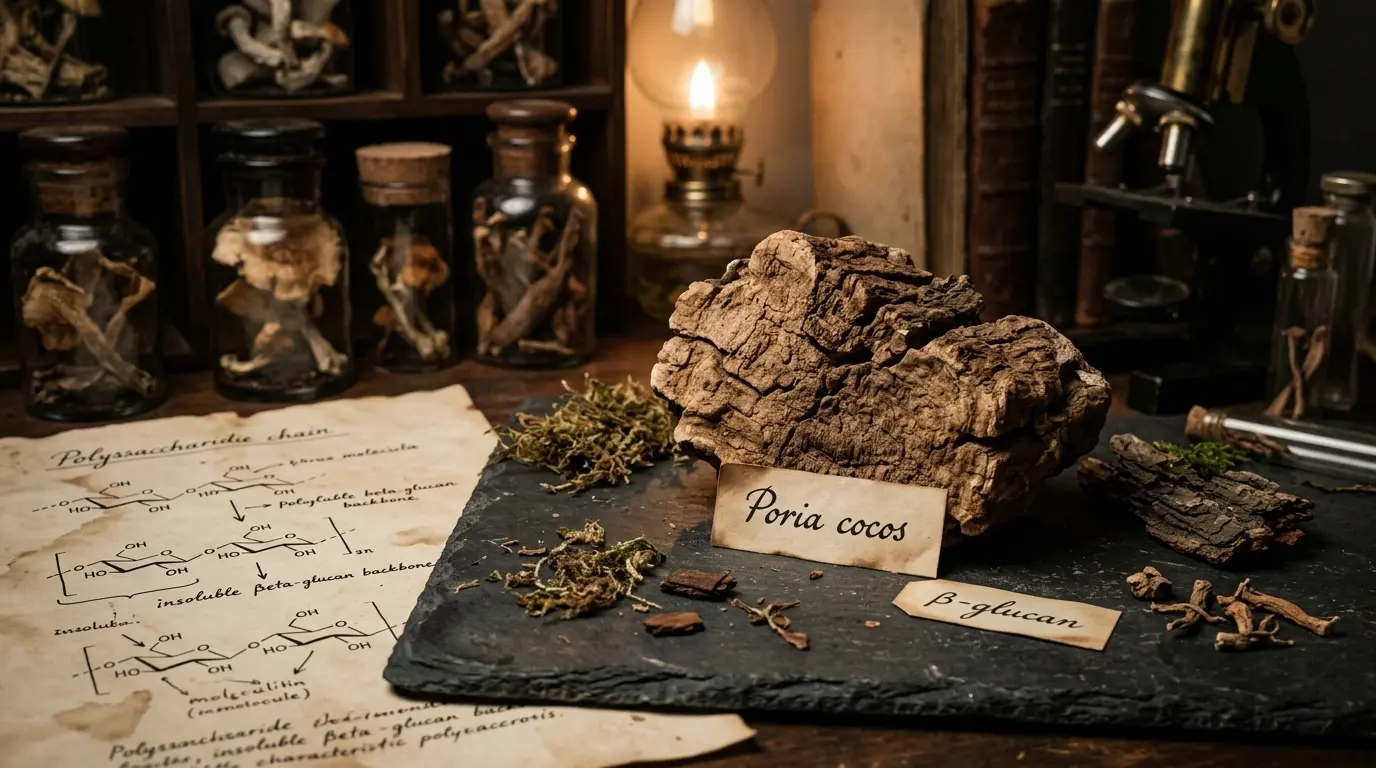
Pachyman: The Defining Beta-Glucan of Poria cocos
Pachyman is a water-insoluble β‑glucan polysaccharide found in the sclerotium of the basidiomycete fungus *Poria cocos*. Its molecular architecture, the chemical transformations yielding bioactive derivatives, and the body of in vitro pharmacological evidence have been comprehensively surveyed.