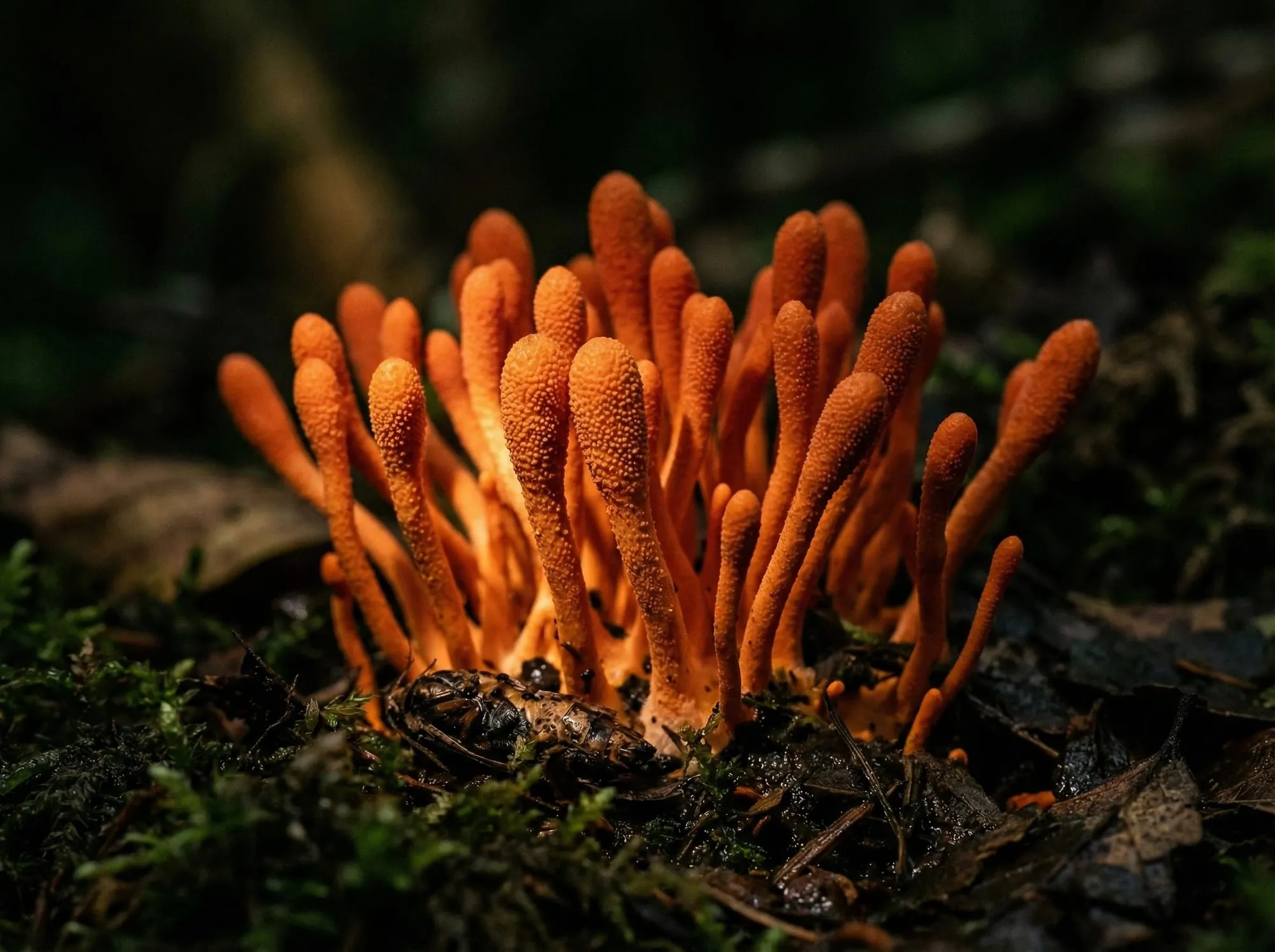
Encyclopedia of Cordyceps militaris: The Definitive Species Reference
The rare fungus endemic to the high-altitude Tibetan Plateau, once harvested at elevations exceeding 5,000 metres, is now successfully cultivated in controlled environments. Central to its bioactive profile is cordycepin, a nucleoside analogue increasingly studied for its role in modulating adenosin
Cordycepin: The Primary Bioactive Molecule of the Cordyceps Mushroom
Cordycepin is a structural analogue of adenosine, the nucleoside that forms the core of the cell’s primary energy currency.
Mushrooms and the Science of Aging: A Comprehensive Review of Ergothioneine Research
Ergothioneine is a naturally occurring, sulfur-containing amino acid with potent antioxidant properties. It is not synthesized by the human body and must be acquired through dietary intake, primarily from mushrooms, which serve as its principal natural source.
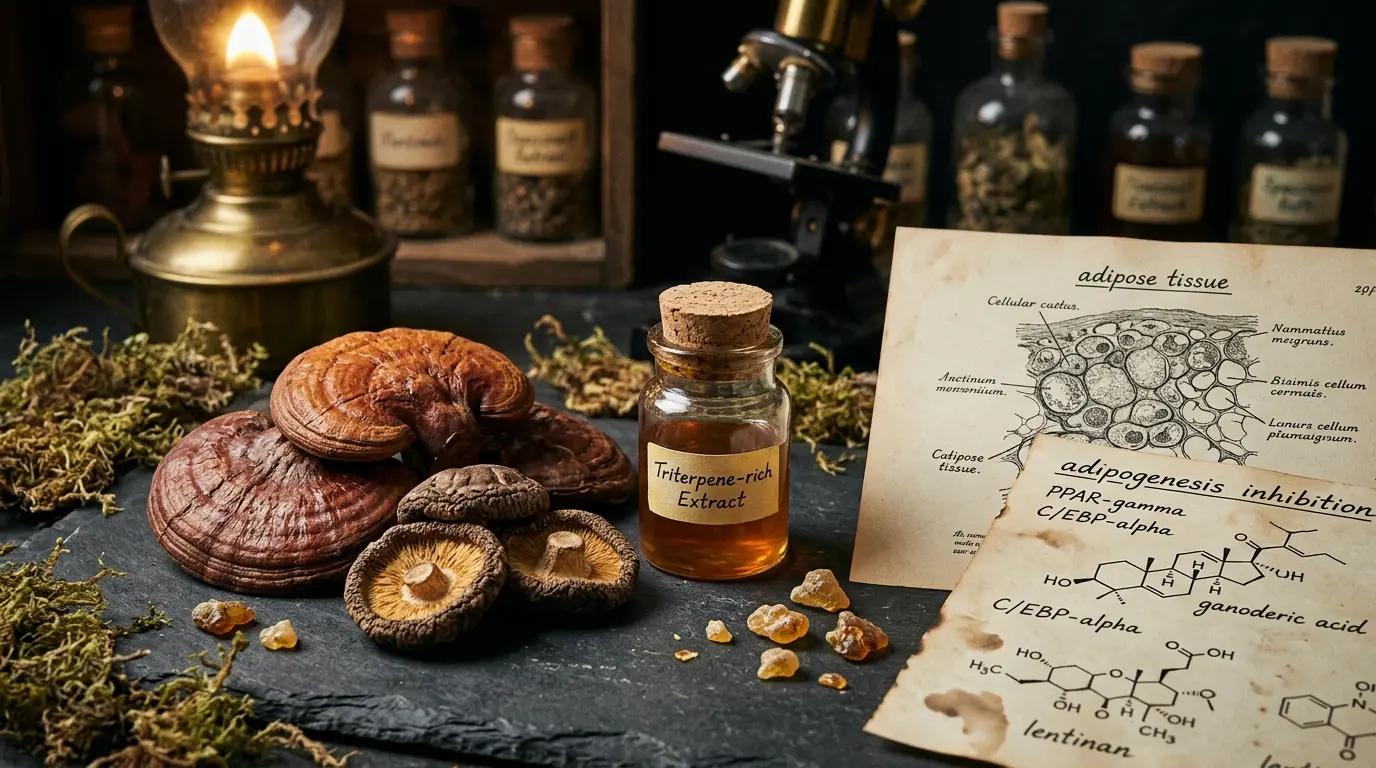
Adipose Tissue and Mushroom-Derived Compounds: A Review of the Adipogenesis Literature
Adipose tissue functions as a dynamic endocrine organ rather than a passive lipid reservoir. This article outlines the in vitro literature on white, brown, and beige adipocyte subtypes and their interactions with bioactive fungal constituents.
NLRP3 Inflammasome Activation by Fungal Components: A Sterile Inflammation Framework
The NLRP3 inflammasome is an intracellular multiprotein complex central to innate immunity, assembled upon danger sensing to activate caspase-1 and drive the maturation of IL‑1β and IL‑18. Its canonical activation proceeds through a tightly regulated two‑step process: a priming signal (often via NF‑