Astrocytes and Fungal Compounds: A Review of the Glial Support Literature
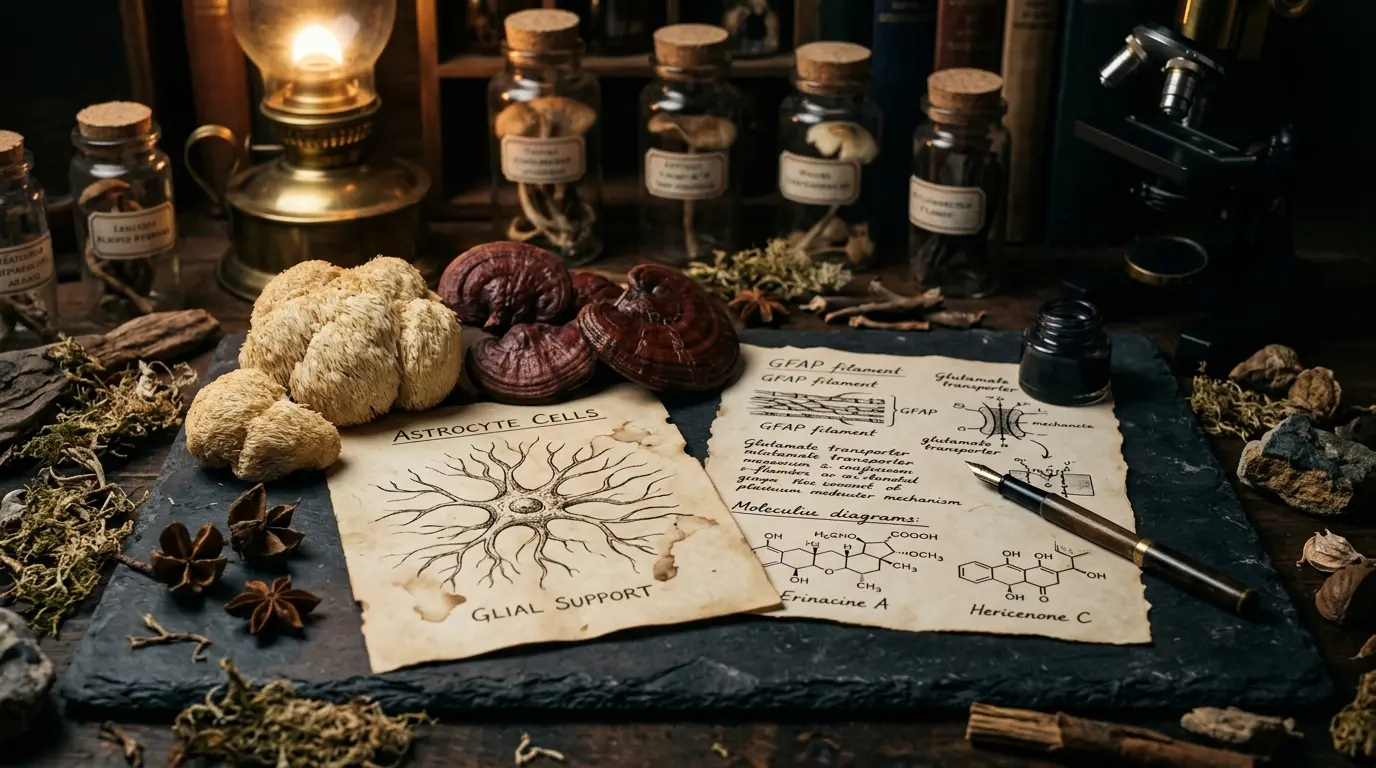
Astrocytes constitute the most numerous cell type in the human brain. They are integral to glial support functions and the maintenance of the blood–brain barrier. In vitro studies have further characterized their responses to fungal components, expanding the literature on astrocyte–pathogen interact
Cognitive and Energy Profiles of Lion’s Mane and Cordyceps: A Comparative Analysis
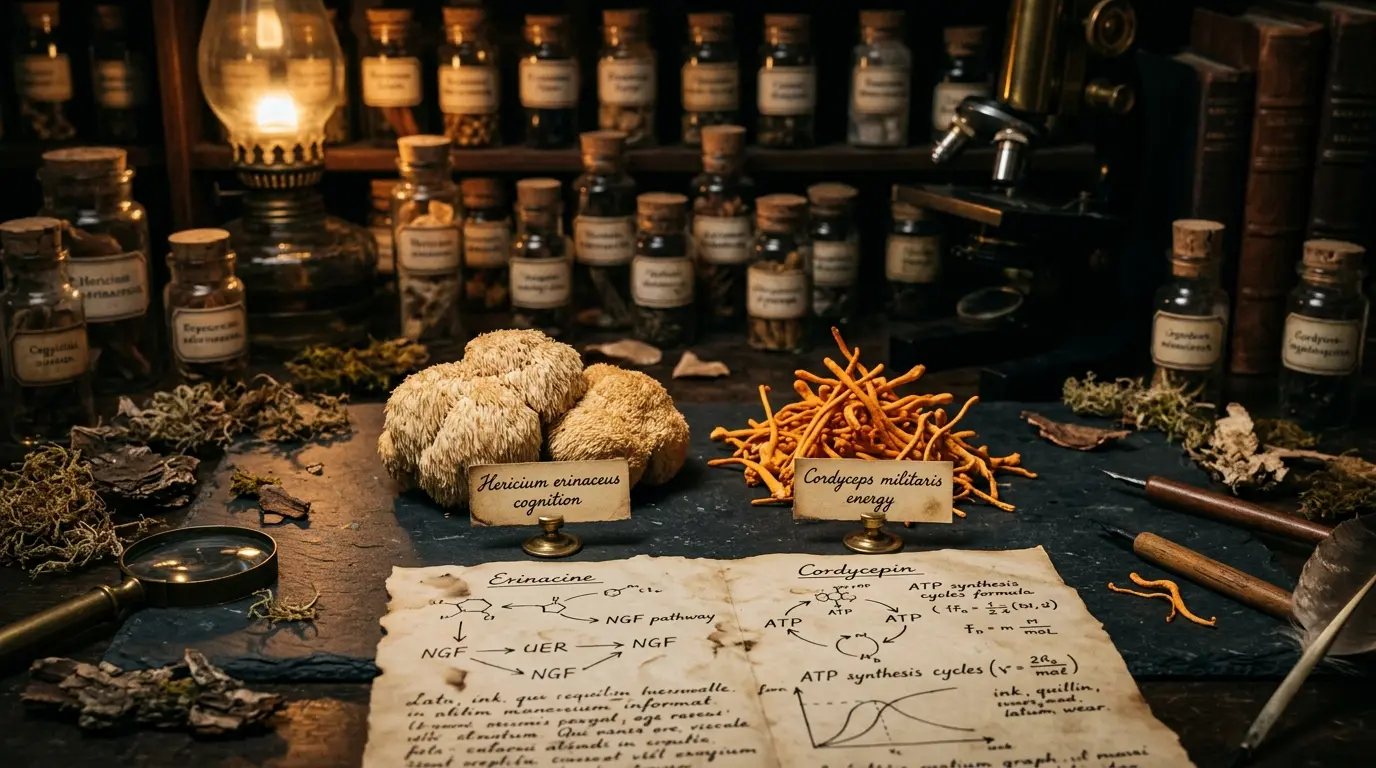
The distinct chemical signatures and principal in vitro investigative themes of Lion’s Mane (Hericium erinaceus) and Cordyceps (Cordyceps sensu lato) are examined through the lens of their hallmark bioactive constituents: the hericenone–erinacine complex versus the cordycepin–adenosine axis.
Hericium coralloides: A Comprehensive Species Encyclopedia
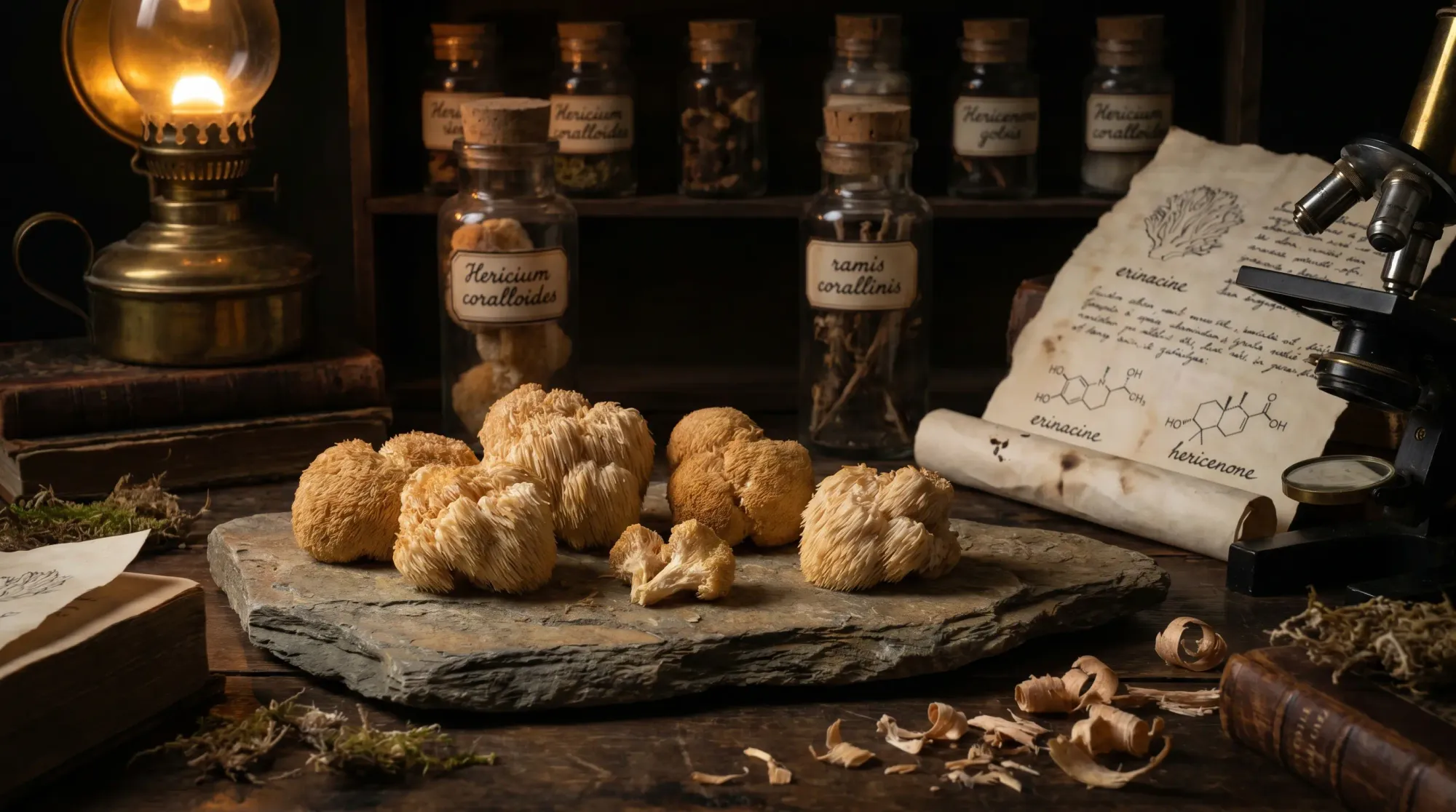
A closely related species of the well-known Lion’s Mane, Hericium coralloides features a conspicuously branched, coral-like fruiting body. Compared with H. erinaceus, it displays distinct structural and chemical traits, and its natural habitat profile separates it ecologically from its more famous r
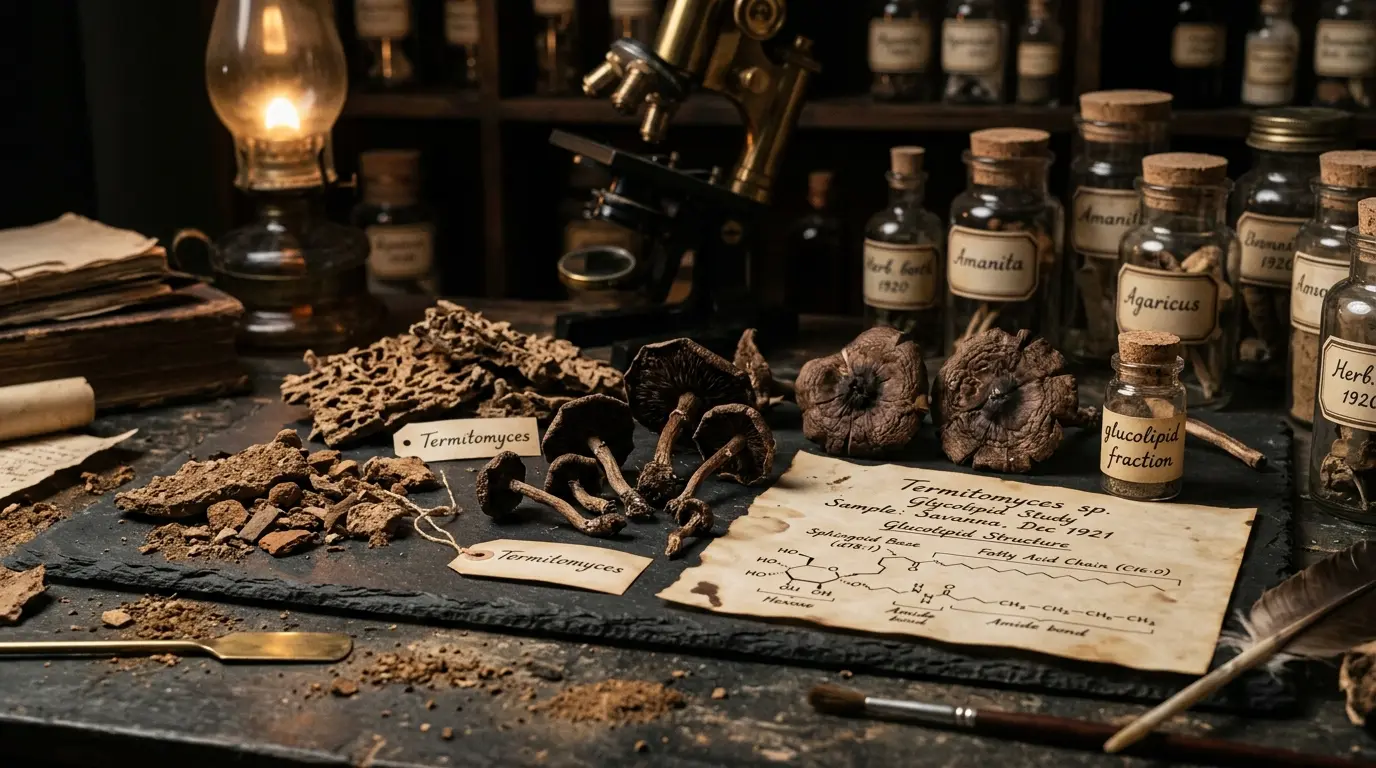
Termitomycesphin: A Glycolipid Unique to Termitomyces Fungi
Glycolipids isolated from the symbiotic fungus *Termitomyces*, which inhabits termite mounds, have been characterized with respect to their molecular structures, lipidomic profiles, and in vitro biological activities, as documented in the scientific literature.